
The Best DIY Methods for Cleaning Your Bathroom Sink Drain
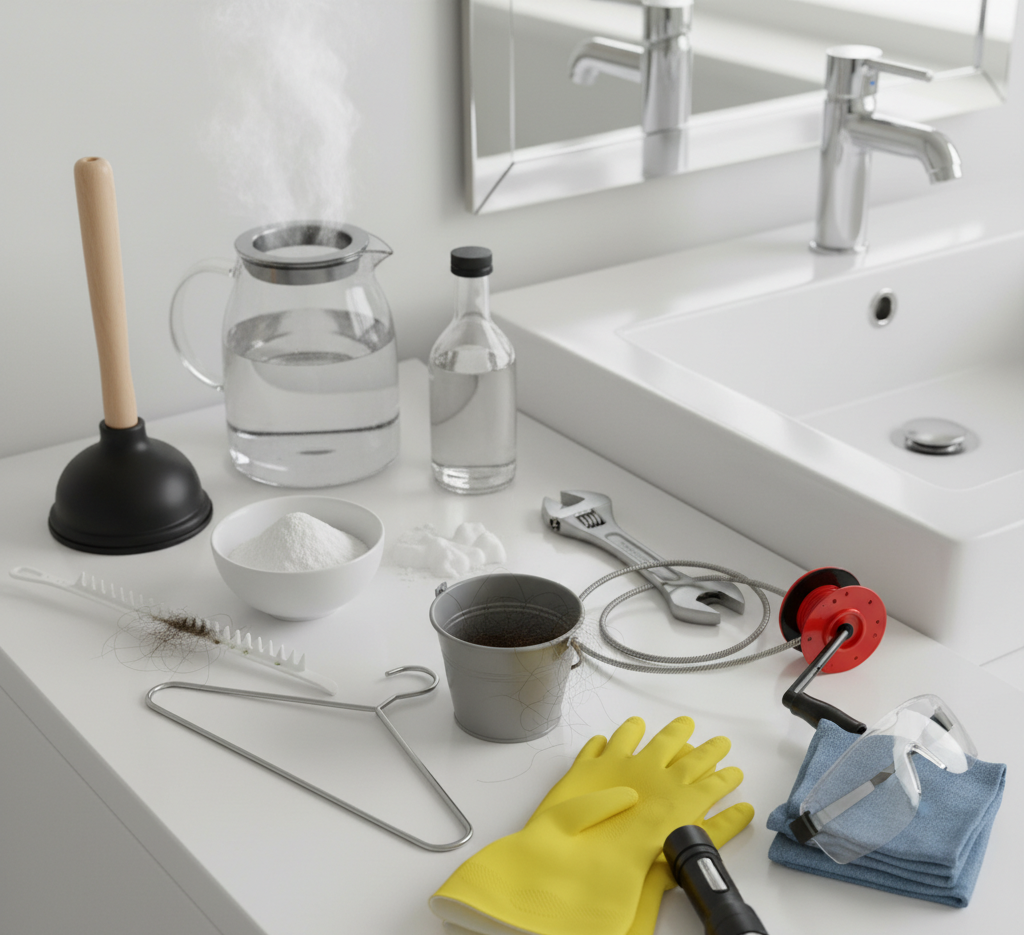
The bathroom sink drain is one of the hardest-working and least-appreciated fixtures in a home. It is a silent, constant workhorse, dutifully swallowing everything we send its way in the course of our daily routines: viscous globs of toothpaste, clouds of shaving cream, strands of hair from brushing, oily residue from facial cleansers, and the waxy buildup of soap scum. Over time, this constant barrage of organic and inorganic matter takes its toll. The first sign of trouble is often subtle, a slight gurgle as the water slowly spirals away, taking just a few seconds longer than it used to. Soon, you notice a persistent, unpleasant odor wafting up from the depths, a damp, sour smell of decay and stagnant water. Eventually, the drain becomes fully clogged, turning your sink into a basin of murky, standing water, bringing your morning routine to a frustrating halt. Cleaning a bathroom sink drain is not just a reactive task for when a clog occurs; it is a crucial act of preventative maintenance that preserves the health of your plumbing and the freshness of your home. Hot Water The most effective approach to drain care begins with simple, regular maintenance designed to prevent major blockups from ever forming. One of the easiest and most powerful preventative measures is a regular boiling water flush. At least once a week, boil a full kettle of water and pour it directly down the bathroom sink drain. The intense heat of the boiling water is incredibly effective at melting and dissolving the congealed grease, soap scum, and other fatty, waxy substances that are the primary culprits in building up slow-moving clogs. These sticky materials are what create the foundation of a clog, acting like flypaper for hair and other debris. The weekly boiling water flush is an excellent way to maintain a clear bathroom sink drain, washing away this sticky buildup before it has a chance to solidify and trap other matter. It is a thirty-second task that can save you from a major headache down the line. Baking Soda and White Vinegar To address the common issue of drain odors, the classic combination of baking soda and white vinegar is a safe and remarkably effective solution. This method works through a simple acid-base chemical reaction that fizzes and scrubs the inside of the drain pipe, while also neutralizing the odor-causing bacteria that thrive in the dark, damp environment. Start by pouring about half a cup of dry baking soda directly into the drain opening. Follow this with an equal amount of plain white vinegar. The mixture will immediately begin to foam and bubble vigorously. This fizzing action is not just for show; it is actively working to dislodge small particles of grime, soap scum, and hair from the pipe walls. Place a drain stopper or a small cloth over the opening to contain the reaction within the pipe, forcing the foam to work its way through the P-trap below. This is great for deodorizing the bathroom sink drain. Let this mixture work its magic for fifteen to thirty minutes. To finish, flush the drain thoroughly with another kettle of boiling water to wash away all the loosened debris and any remaining vinegar and baking soda. Unclogging When you are faced with a slow-moving bathroom sink drain that regular maintenance cannot resolve, it is time to escalate to a physical removal of the blockage. More often than not, the primary obstruction is located very close to the drain opening, tangled in the mechanism of the pop-up stopper. Before reaching for any tools, you must first address this gatekeeper. The clog is often right below the stopper in the bathroom sink drain. Look for the small metal rod that extends from the back of the drainpipe just below the sink. This is the pivot rod, and it is held in place by a retaining nut. Place a small bucket or a towel under the pipe, as a little water may drip out. Unscrew this nut, which is often just finger-tight. Once the nut is loose, you can pull the pivot rod out slightly from the linkage it connects to. This will release the stopper, allowing you to lift it straight out of the drain opening. You will likely be greeted by a disgusting but satisfying sight: a dense clump of hair, soap scum, and other gunk that was the main cause of your slow drain. Clean the stopper thoroughly with an old toothbrush and some cleaner before setting it aside. With the stopper removed, you can now access the top section of the drainpipe. A simple, inexpensive plastic tool known as a drain snake or zip-it tool is incredibly effective here. This is a long, thin, flexible strip of plastic with barbed, tooth-like edges running down its sides. Simply feed the tool down into the bathroom sink drain as far as it will go, wiggling and rotating it as you push it down. Then, slowly pull it back up. The barbs will snag onto the hair and grime, allowing you to pull up the main body of the clog. You will likely need to repeat this process several times, wiping the tool clean with a paper towel after each pass, until the tool comes up relatively clean. This physical removal is a great way to clear the bathroom sink drain without chemicals. For the most stubborn clogs or as a part of a deep annual cleaning, you may need to address the P-trap. This is the U-shaped section of pipe located directly beneath your sink. It is a critical component of the bathroom sink drain system. Its clever design serves two critical functions: it holds a small amount of water at all times to create a seal that blocks unpleasant sewer gases from entering your home, and its curved shape makes it an effective trap for larger debris (or dropped rings), preventing clogs from forming deeper in your plumbing. While cleaning the P-trap may seem intimidating, it is
The Best DIY Methods for Cleaning Your Bathroom Sink Drain Read More »