5 Amazing Tips on How to Use Pink Paste Without Causing Harm
On this page
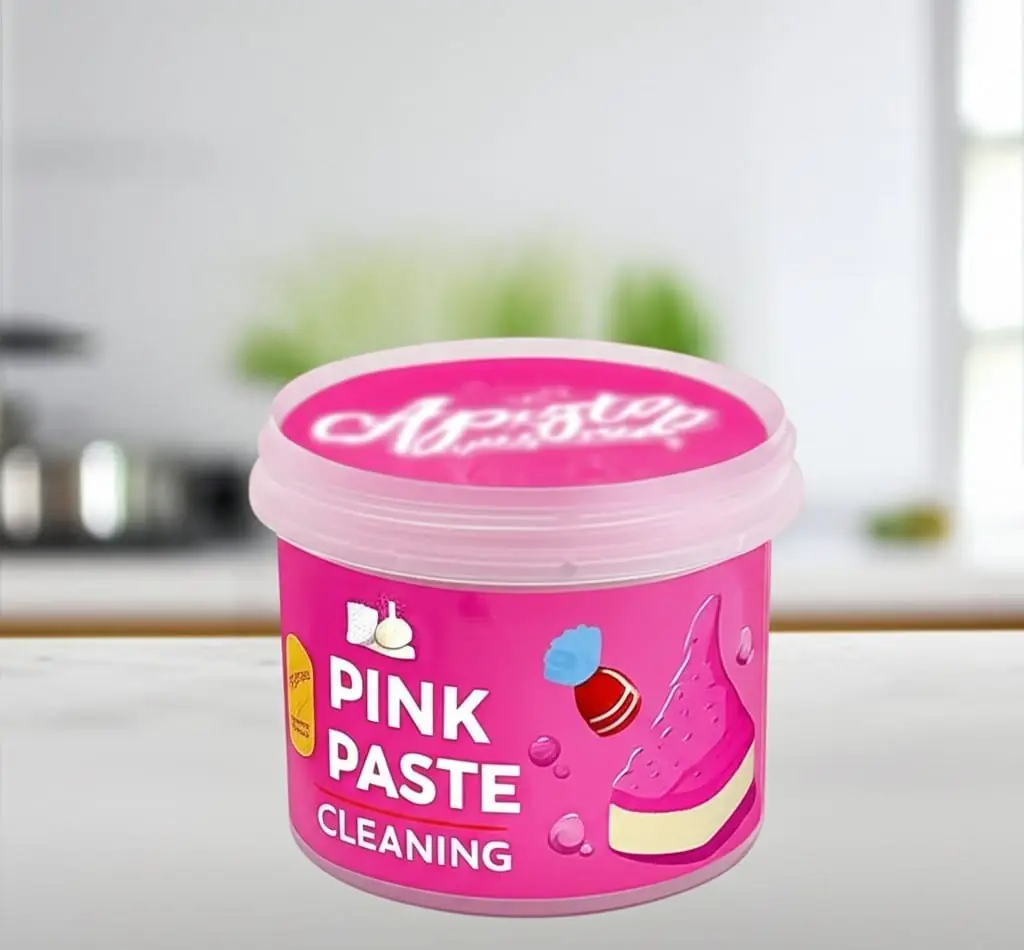
The pink paste in the unassuming tub has become a fixture in cleaning arsenals worldwide. Its reputation is built on tackling the kind of grime that other cleaners leave behind. Its utility lies in its composition: a gently abrasive paste that physically scrubs away stubborn dirt without being overly harsh on most durable surfaces. It’s a simple concept, but its application is vast and varied.
1. Get to Work!
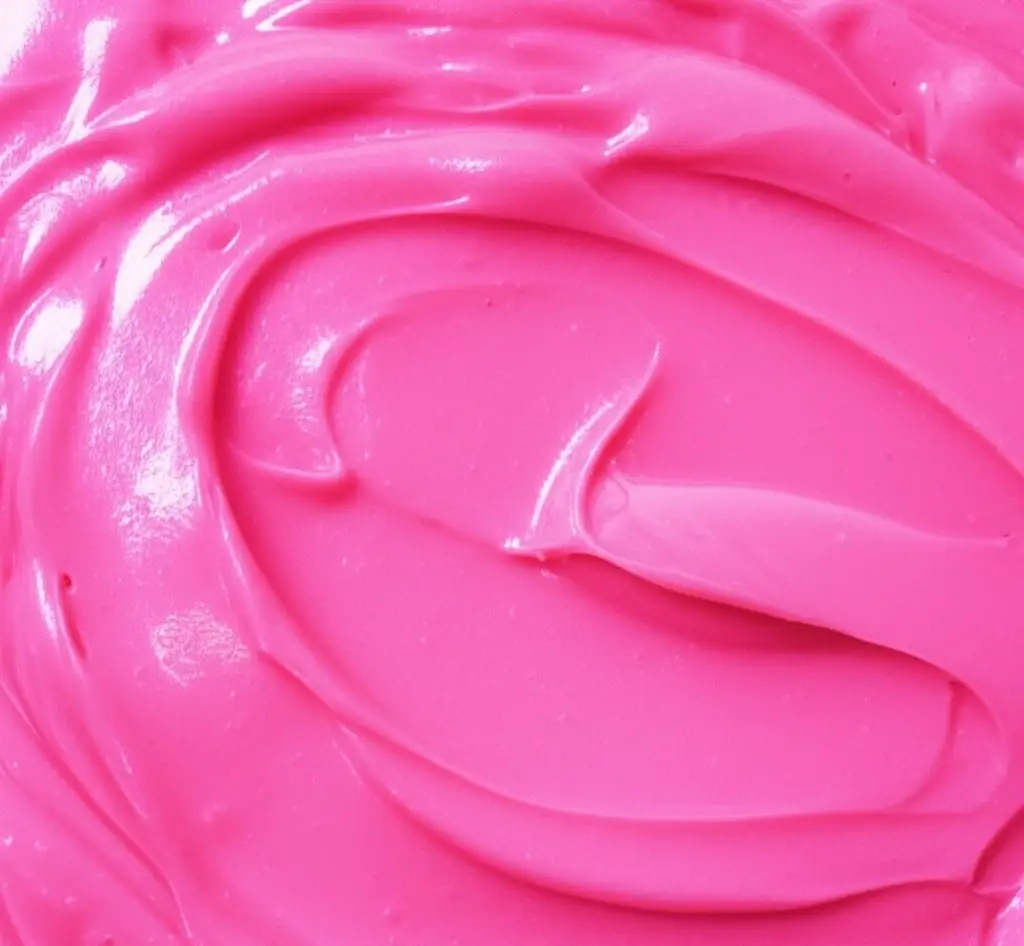
The fundamental process for using the paste is consistent. You need a small amount of the product, a clean, damp cloth or sponge, and a bit of effort. Scoop a small quantity of the paste onto your applicator. The key is to start with less than you think you need; you can always add more. Apply it directly to the surface you intend to clean, and then, using gentle to moderate pressure, rub in small, circular motions. This mechanical action is what allows the fine abrasive particles in the paste to lift and remove the targeted stain or grime. Once you’ve worked the area, rinse it thoroughly with clean water to remove all residual paste and loosened dirt. Leaving any of the gritty paste behind can result in a chalky film. For a final, perfect finish, especially on shiny surfaces, buff the area dry with a clean, soft cloth. This last step removes water spots and restores the original luster.
2. Test In An Isolated Place
In the kitchen, its applications are nearly endless. Start with the stovetop. For glass or ceramic cooktops, it can remove the white, hazy marks from boiled-over water and the stubborn, dark rings around the burners that seem to become part of the glass itself. It is crucial here to use a soft, non-abrasive cloth and very gentle pressure to avoid creating micro-scratches. A patch test in an inconspicuous corner is always wise. For gas stovetops, the heavy, cast-iron grates are a perfect match for the paste’s power. Remove them from the stove, apply the paste with a scouring sponge, and scrub away the baked-on grease and carbonized food. Rinse them well and dry them completely before putting them back.
3. Greasy Glass
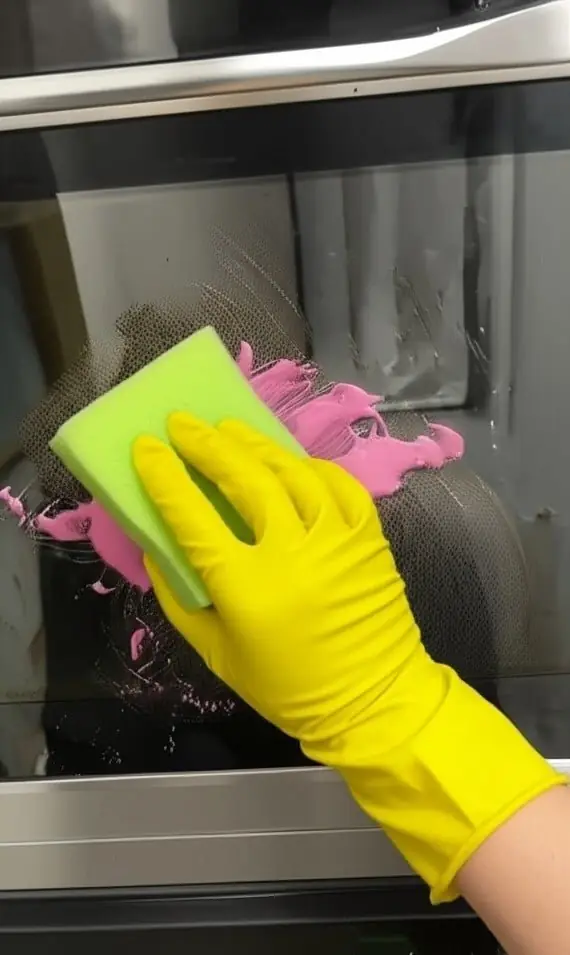
The oven door is another battlefield. The inside glass often accumulates a translucent, brown film of baked-on grease that oven-cleaning sprays can struggle with. Applying the pink paste and working it with a non-scratch scourer can cut through this film, restoring clarity to the glass. The same applies to the enamel interior of the oven itself, for tackling specific spots of burnt-on food that survive a self-cleaning cycle or a chemical spray treatment.
Stainless steel sinks, which often look dull from hard water deposits and soap scum, can be revived. Work the paste all over the basin and around the faucet hardware. It will lift the mineral deposits and light rust spots that can form around the drain. After a thorough rinse and a buff with a dry microfiber cloth, the steel will gleam. This method is equally effective on ceramic or porcelain kitchen sinks that have cutlery marks or stains from coffee and tea.
Moving to pots and pans, the paste truly shines on the scorched bottoms of stainless steel or copper cookware. Those rainbow-colored heat stains and black, burnt-on patches can be scrubbed away, restoring the pan to a near-new condition. Use it on the exterior and bottom, but be cautious with non-stick interiors; the abrasive nature of the paste will damage and ruin non-stick coatings.
Even the kitchen backsplash, whether tile or laminate, can benefit. It can lift grease splatters from behind the stove and, when used with an old toothbrush or a small grout brush, it can dramatically whiten and brighten discolored grout lines between tiles.
4. Miracle in The Bathroom
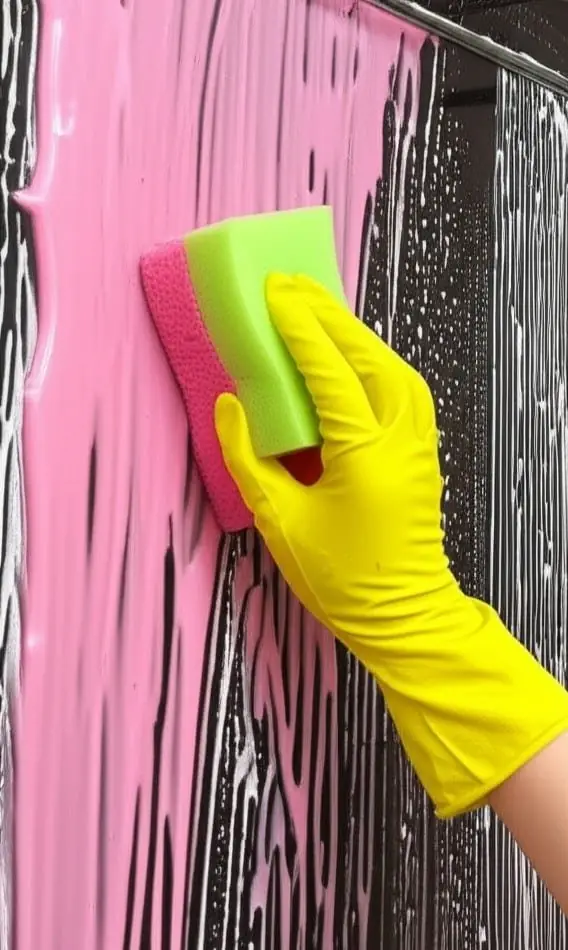
The bathroom presents its own unique set of challenges that the paste is well-equipped to handle. Soap scum is the primary villain here. On fiberglass tubs, acrylic shower surrounds, and tile walls, the paste cuts through the thick, cloudy layers of soap scum build-up that daily sprays can’t manage. Apply it with a sponge, scrub the entire surface, and rinse with the shower head for a quick and effective deep clean. Glass shower doors, plagued by hard water spots and soap film, can be restored to perfect transparency. Work the paste over the entire glass surface, rinse completely, and then squeegee or buff dry for a streak-free, crystal-clear finish.
Sinks and faucets made of chrome or ceramic become dull from toothpaste residue and hard water. The paste gently polishes these surfaces, removing the film and leaving them sparkling. Use it to scrub the basin, the overflow hole, and around the base of the faucet where grime collects. It is particularly effective at removing the green or white crust of mineral deposits that can form at the very tip of the faucet spout.
Toilet bowls can develop stubborn rings at the waterline, especially in hard water areas. While liquid bowl cleaners are good for general sanitation, the pink paste can be used to physically scrub away these persistent stains. Turn off the water supply to the toilet and flush to lower the water level in the bowl. Apply the paste directly to the ring and use a toilet brush or a pumice stone to scrub it away. This also works wonders on any stains below the waterline or on the porcelain exterior.
5. Wear Marks
Throughout the rest ofthe house, its uses continue. Scuff marks on painted walls, baseboards, and door frames, whether from shoes, furniture, or toys, can often be gently buffed away. Use a very small amount on a damp cloth and rub lightly, as excessive pressure can damage the paint finish. Always perform a spot test first.
UPVC window frames and doorsills, both inside and out, collect dirt and can become yellowed or gray over time. The paste cleans this grime away effectively, restoring the bright white finish. It’s also excellent for cleaning the tracks of sliding doors and windows, where dirt becomes compacted and difficult to remove.
For homes with a fireplace, the paste can be used to clean soot stains from tile or brick surrounds. A stiff-bristled brush combined with the paste can lift the black stains that settle into the porous surfaces.
6.1001 Uses
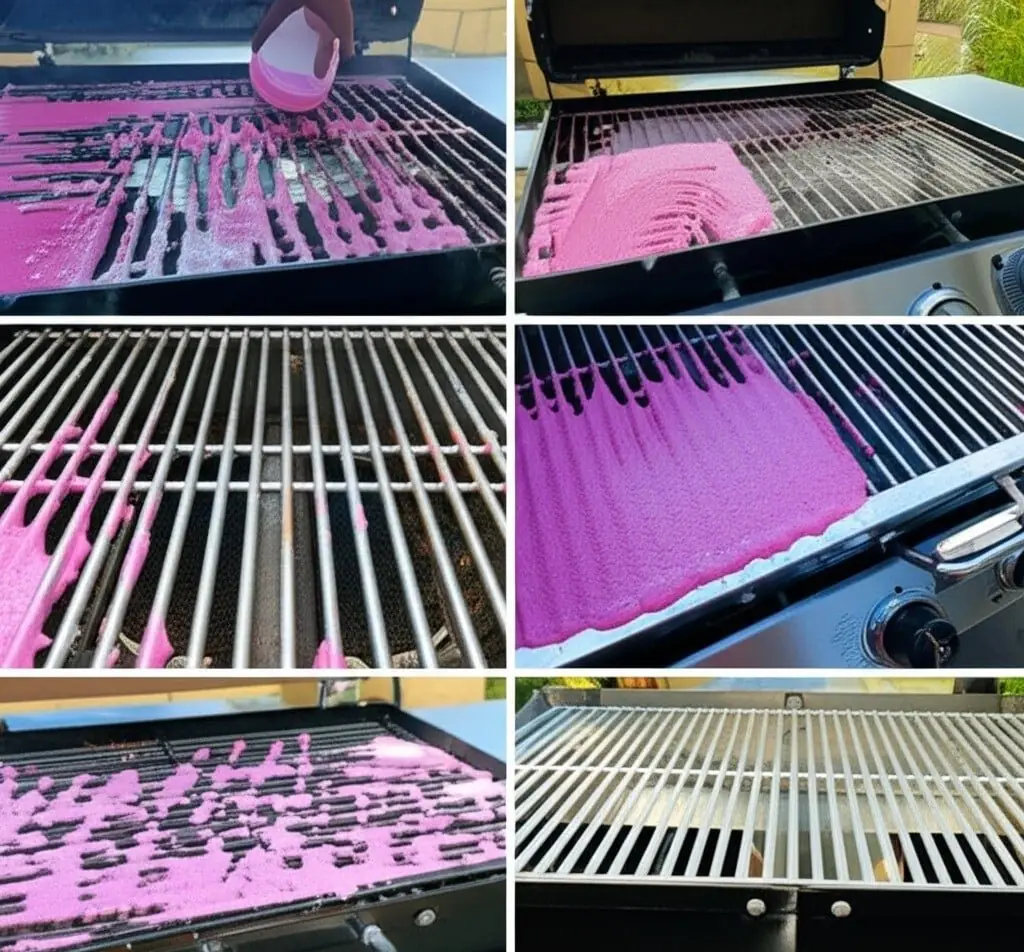
Its utility extends outdoors as well. Barbecue grills are a formidable cleaning challenge. The caked-on, carbonized grease on BBQ grates can be tackled by applying the paste liberally and scrubbing with a wire brush or a heavy-duty scourer. It’s a messy job, but the results are worth the effort. Garden tools with rust spots or caked-on dirt can be scoured clean. Metal patio furniture that has developed surface rust or has been stained by weather can be revived.
One of the most popular and satisfying uses is on footwear. The white rubber soles of sneakers and trainers that have become gray and scuffed can be made to look brand new. Apply the paste with an old toothbrush, scrub the rubber midsoles and toe caps, and wipe clean with a damp cloth. The transformation is immediate and impressive.
However, for all its power, understanding its limitations is key to successful cleaning and avoiding damage. The paste is an abrasive, and it should never be used on delicate surfaces. This includes natural, unsealed stone like marble or granite, as it will etch and dull the polished surface. Do not use it on high-gloss plastic surfaces, as it will create fine scratches and remove the shine. It should also be avoided on gold or silver-plated fittings, as it can strip the thin plating away. Always exercise caution on any surface you are unsure about. The golden rule is to test in a small, hidden area first. If you see any scratching, dulling, or adverse effects, do not proceed. Do not use it on hot surfaces; always allow stovetops, ovens, and pans to cool completely before cleaning.
7. Using Without Causing Damage
The effectiveness of the paste is a direct result of its simple, physical action. It does not rely on harsh chemicals to dissolve grime, but rather on fine, hard particles to scrub it away. This is why it succeeds where chemical cleaners sometimes fail, particularly on stains that have been baked on or have bonded to a surface over time. It requires a bit of manual work, but for those specific, stubborn cleaning tasks, it provides a level of control and effectiveness that is hard to match. It is not an everyday, all-purpose spray; it is the specialist you call in when the regular methods have proven insufficient. It’s the tool for restoration, for bringing a surface back from a state of neglect to one of clean, functional brilliance.
After tackling those stubborn spots, routine house cleaning offers a way to keep up with the rest of the room.
The Pink Stuff paste is a formidable tool for tackling stubborn, isolated cleaning challenges, from scorched pans and grimy grout to hard water stains and scuffed soles. It’s the go-to for specific, tough jobs that require focused elbow grease. For a comprehensive, floor-to-ceiling clean that restores your entire home without the intensive labor, trust the professionals. Toronto Shine Cleaning handles the big picture, ensuring every surface is immaculate without you having to lift a finger.