Lysol 101: A Guide to a Truly Hygienic Home
On this page
It is a name that has become virtually synonymous with the very act of killing germs. For over a century, the amber liquid and its signature aerosol can have been a fixture in medicine cabinets, janitorial closets, and under kitchen sinks. The brand name is Lysol, and its presence in a home is often seen as a statement, a declaration of a space that is not just visibly tidy, but hygienically clean. Its distinct, sharp scent has become, for many, the very smell of a disinfected environment.
But what is this powerful product, and are we using it correctly? The effectiveness of a tool is only as good as the user’s understanding of its purpose and its proper application. Lysol is not an all-purpose cleaner in the traditional sense; it is a specialized weapon. Its primary function is not to remove dirt, but to eradicate the microscopic world of bacteria, viruses, and fungi that inhabit our surfaces. To use Lysol effectively is to understand the crucial difference between cleaning and disinfecting, and to respect the chemical process that allows it to work its magic.
What Makes Lysol Work?
While the formulas have evolved over the years, the core of most Lysol disinfectant products, particularly the iconic spray, is a class of chemicals known as quaternary ammonium compounds, or “quats” for short. The most common of these is Alkyl Dimethyl Benzyl Ammonium Chloride.
Think of a quat molecule as a tiny, positively charged chemical soldier. Bacteria and virus cells have a negatively charged cell wall or envelope. When the positively charged quats come into contact with these negatively charged germs, they are irresistibly drawn to them. They lock onto the cell wall and, through a series of chemical interactions, effectively rupture it. This breach causes the cell’s essential contents to leak out, killing the microorganism. It is a swift and effective chemical execution.
Many Lysol products, especially the aerosol sprays, also contain other active ingredients like ethanol (alcohol), which acts as another powerful disinfectant that works by denaturing the proteins of germs. This multi-pronged chemical attack is what allows Lysol to claim effectiveness against a broad spectrum of pathogens, from the common cold virus to Influenza, E. coli, and Staphylococcus.
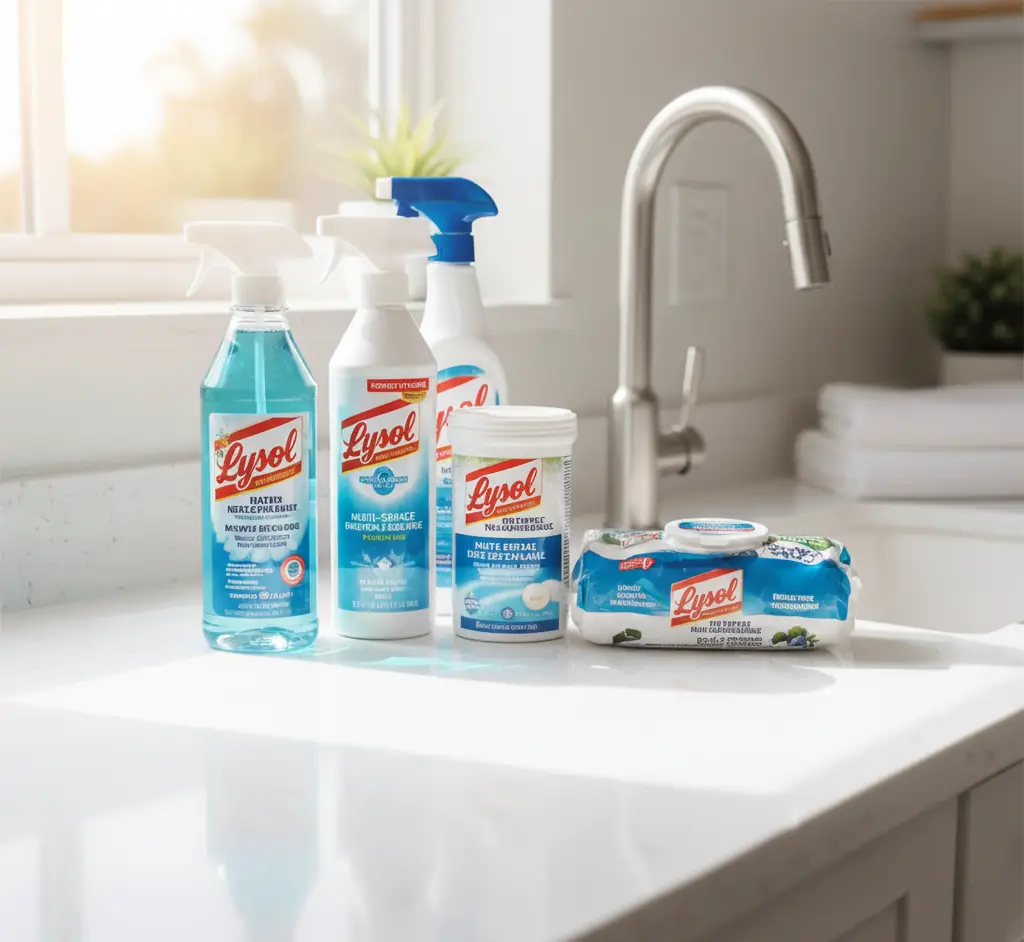
Cleaning vs. Sanitizing vs. Disinfecting
This is the single most important concept to grasp to unlock the true power of Lysol and, indeed, any disinfectant. These three words are often used interchangeably, but in the world of professional cleaning, they have very specific and distinct meanings.
Cleaning: This is the physical act of removing visible dirt, grime, dust, and debris from a surface. It is typically done with soap or a detergent, water, and some form of agitation (scrubbing). Cleaning removes germs, but its primary purpose is to get rid of the soil that germs live in. You must always clean before you disinfect. Disinfectants are not designed to cut through layers of dirt and grime. If you spray a disinfectant on a dirty surface, you are simply spraying it on top of the dirt, and it will not be able to reach and kill the germs hiding underneath.
Sanitizing: This is the act of reducing the number of bacteria on a surface to a level that is considered safe by public health standards. Sanitizing lowers the risk of infection. It does not necessarily kill all viruses or fungi. It is a step down from disinfecting.
Disinfecting: This is the act of killing or inactivating nearly 100% of the pathogens (bacteria, viruses, fungi) on a surface as claimed on the product’s label. This is the primary purpose of Lysol. It is a chemical process that requires a specific set of conditions to be effective.
Dwell Time
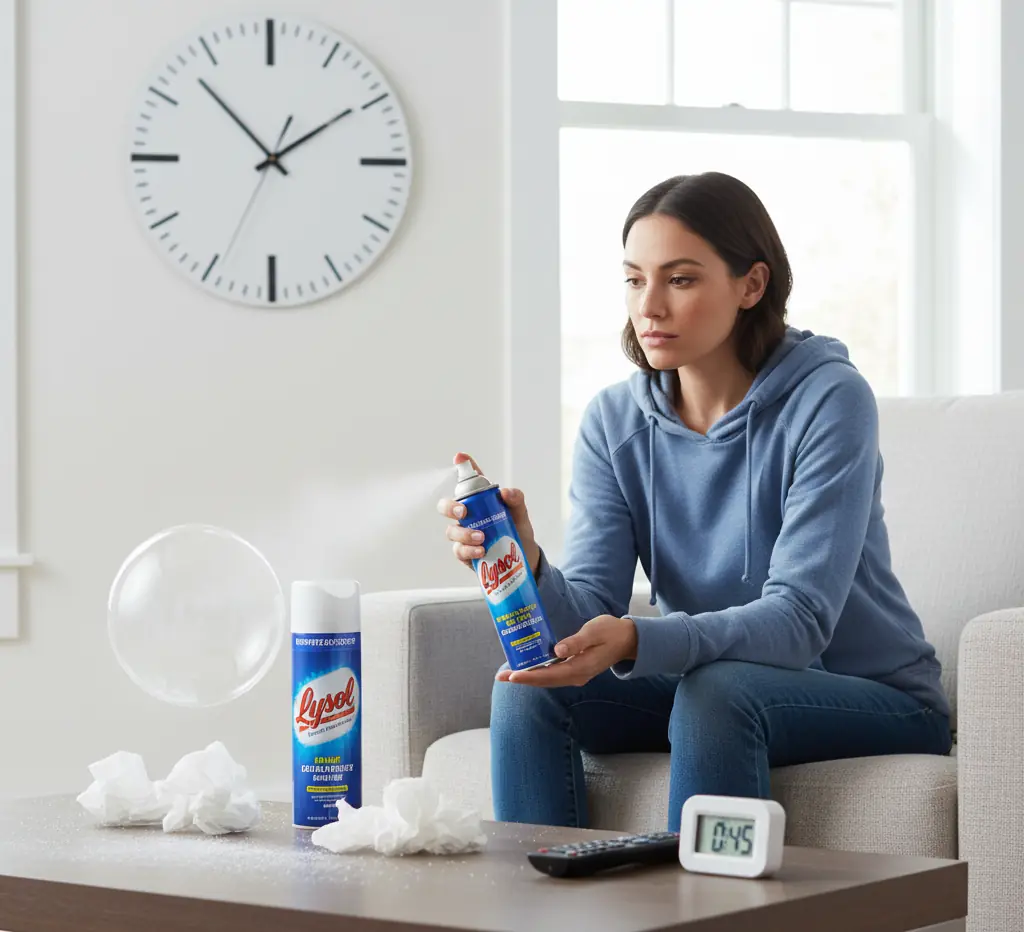
If you learn only one thing about using Lysol, let it be this: dwell time. Dwell time is the amount of time a disinfectant must remain visibly wet on a surface in order to kill the pathogens it claims to. If you spray a countertop with Lysol and immediately wipe it dry, you have done virtually nothing from a disinfecting standpoint. The chemical “soldiers” need time to do their work of rupturing the cell walls.
The required dwell time is always listed on the product label and can vary depending on the specific pathogen you are targeting. For many common viruses and bacteria, Lysol Disinfectant Spray requires the surface to remain wet for 3 minutes. For tougher fungi like mold and mildew, it can be up to 10 minutes. This is the non-negotiable rule of disinfection. The surface must be sprayed until it is thoroughly wet and then left to air dry.
How to Use a Disinfectant Spray Properly (4 Steps)
Read the video transcript
Sprayed it? Give it time. Cleaning removes dirt. Disinfecting is a separate step. Bring a cloth, cleaner and disinfectant; read the label for timing. One. Wipe dirt from the handle with a cloth and general-purpose cleaner before you disinfect. Two. Hold the spray six to eight inches away. Coat the surface until it is visibly wet. Three. Keep it wet for the time on your product label. Do not immediately wipe it dry. Avoid unfinished wood and natural stone. Never spray directly on food or electronics. Four. Let it air dry. After the dwell time, rinse food-contact surfaces with potable water. Dirt removed. Wet contact time respected. A clean handle, with every step completed. For most healthy households, soap and water suit routine tasks. Target disinfection to high-touch spots or when someone is sick. Let Toronto Shine Cleaning handle regular cleaning of your kitchen, bathroom and floors, with vetted, background-checked cleaners and professional equipment. Choose your clean. See your price, choose your time. We take it from there. Leave access notes. No contracts. No upfront payment. You'll love your clean, or we'll make it right. See your price at torontoshinecleaning.ca.
A Practical Guide to Using Lysol Products Correctly
Let’s apply these principles to the most common Lysol products.
1. Lysol Disinfectant Spray
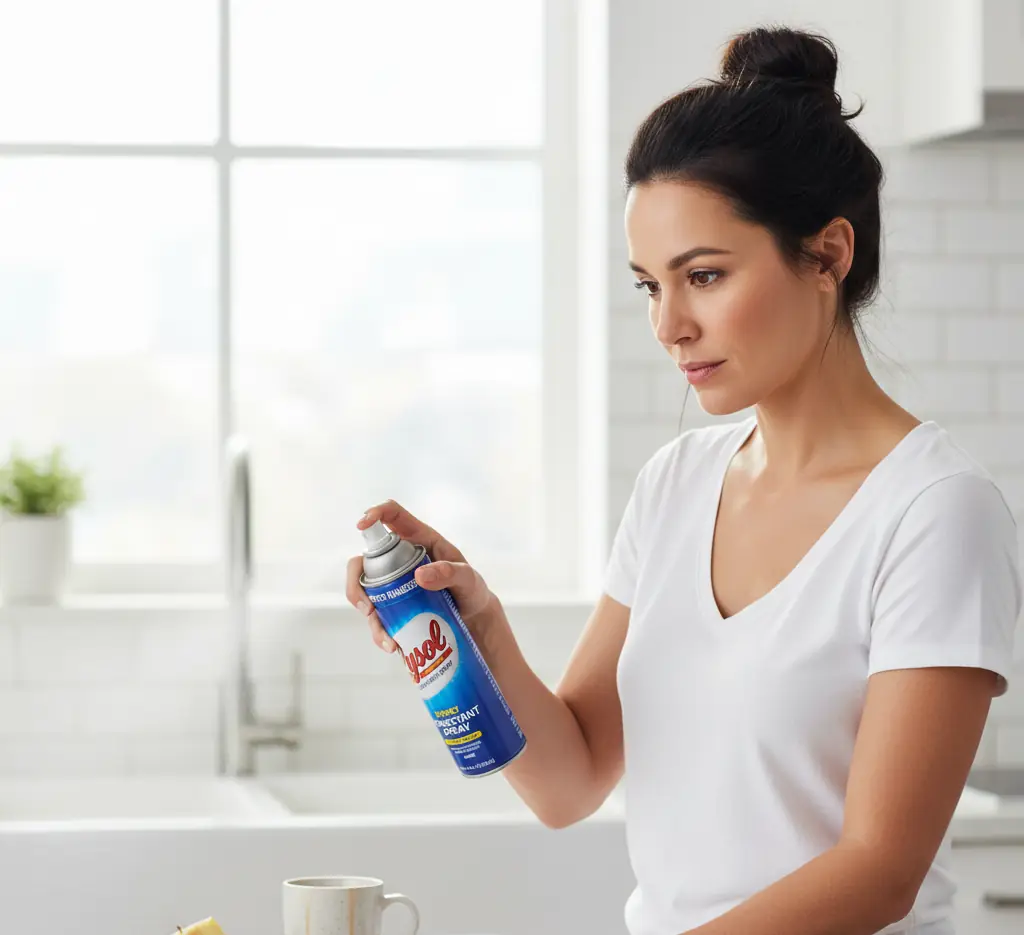
This is the iconic aerosol can, designed for disinfecting hard and soft surfaces.
How to Use on Hard Surfaces (Doorknobs, Light Switches, Faucets):
Pre-clean: First, wipe the surface with a cloth and a general-purpose cleaner to remove any dirt or grime.
Spray: Hold the can 6-8 inches from the surface and spray until it is thoroughly wet. Do not just mist it; the surface should be visibly coated.
Wait: This is the dwell time. Leave the surface wet for the time specified on the can (typically 3-10 minutes). Do not touch it.
Air Dry: Allow the surface to air dry completely. For any surfaces that will come into contact with food (like a countertop or high chair tray), you must rinse the surface with potable water after the dwell time is complete.
How to Use on Soft Surfaces (Couches, Mattresses, Curtains):
Test First: Always test on a small, hidden area of the fabric to ensure it is colorfast.
Spray: Hold the can 6-8 inches away and spray in a sweeping motion until the fabric is damp but not saturated.
Air Dry: Let it air dry completely. This is great for sanitizing and deodorizing items that cannot be machine washed.
2. Lysol Disinfecting Wipes
These offer convenience, but the same rules apply.
How to Use:
Pre-clean: For visibly dirty surfaces, wipe up the mess first.
Wipe: Use a fresh wipe to thoroughly wet the surface. One wipe may not be enough for a large area like a full countertop. You need to use enough wipes to ensure the surface stays wet for the required dwell time.
Wait: The dwell time for wipes is often around 4 minutes. Check the label. The surface must remain glistening wet for this entire period.
Air Dry: Let the surface air dry. Again, rinse food-contact surfaces after disinfection.
Crucial Tip: Use one wipe per surface area to avoid cross-contamination. Do not wipe a doorknob and then use the same wipe on your kitchen counter.
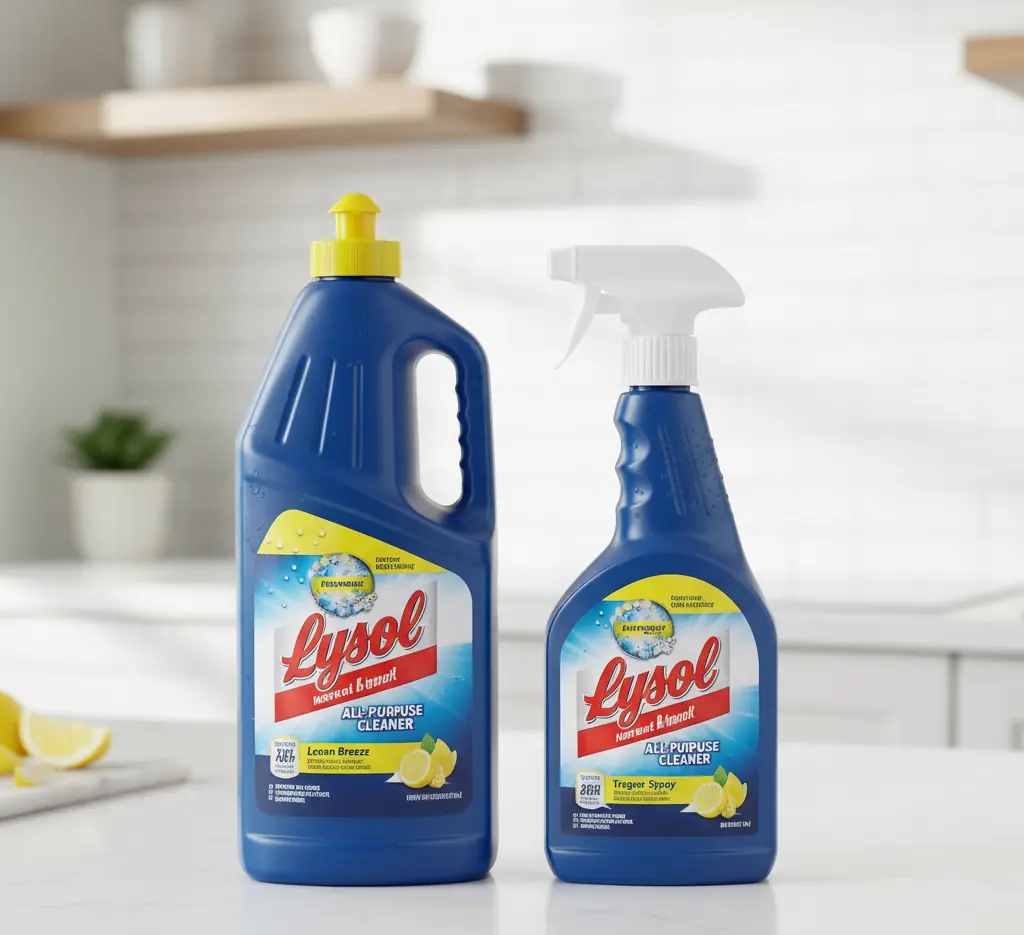
3. Lysol All-Purpose Cleaners (Pourable and Trigger Spray)
These products are designed to be both cleaners and disinfectants.
For General Cleaning: You can simply spray and wipe as you would with any other cleaner.
For Disinfecting: You must follow the two-step process. First, use the product to clean the surface of any visible dirt. Then, reapply the product, ensuring the surface is thoroughly wet, and let it stand for the required dwell time before wiping or letting it air dry.
Where You Should NOT Use Lysol
Lysol is a powerful tool, but it is not meant for every surface.
Unfinished or Porous Wood: The chemicals and alcohol can damage and discolor unsealed wood.
Natural Stone (Marble, Granite, Travertine): The chemicals in many disinfectants are too harsh for natural stone and can cause etching, which is a dulling of the polished surface. Always use a pH-neutral cleaner specifically designed for stone.
Food: This should be obvious, but never spray Lysol directly on food.
Directly on Electronics: Never spray any liquid directly onto electronics like keyboards, phones, or remote controls. Instead, spray it onto a cloth first, wring it out, and then gently wipe the device.
When is it Necessary?
In our modern, germ-conscious world, it can be tempting to disinfect every surface, every day. However, this is often unnecessary and can contribute to the rise of chemical-resistant bacteria. For most healthy households, a simple cleaning with soap and water is perfectly sufficient for routine tasks. Soap and water work by physically removing germs from surfaces, which is incredibly effective.
Disinfection should be targeted and strategic. Focus your efforts on:
High-Touch Hotspots: These are the areas that are frequently touched by many hands. Think doorknobs, light switches, faucet handles, remote controls, and refrigerator doors.
When Someone is Sick: If a family member has a cold, the flu, or another contagious illness, disinfecting surfaces is a crucial step in preventing its spread.
Kitchen and Bathroom Surfaces: These areas are prone to contamination from raw meat (like E. coli and Salmonella) and bodily fluids. Disinfecting countertops (after cleaning), sinks, toilets, and trash cans is a good practice.
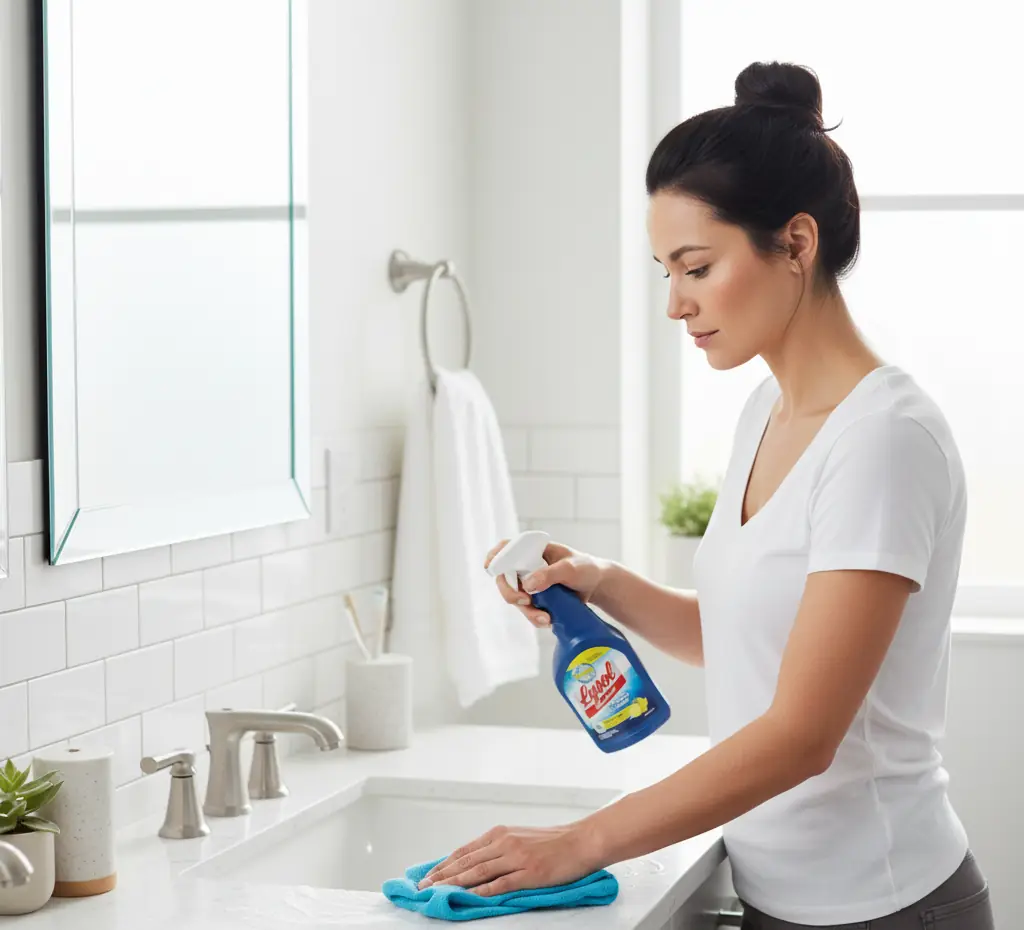
Lysol is a product with a long and storied history, a tool that has been trusted in hospitals and homes for generations. Its power is real, but that power is only unlocked through proper use. It is not a magic wand to be waved over a mess. It is the final, crucial step in a process that begins with the physical removal of dirt. By respecting the science behind it—by pre-cleaning first and by honoring the dwell time—you can wield this common household product with the precision and effectiveness of a professional, ensuring your home is not just clean, but truly disinfected.
Understanding the difference between cleaning and disinfecting is key to a truly hygienic home. While Lysol is a powerful tool for disinfection, the foundational work of deep cleaning must always come first. For a comprehensive clean that prepares your home for effective disinfection or simply provides a spotless, healthy environment, Toronto Shine Cleaning offers the professional expertise to handle every surface with the right tools and techniques.