Ammonia – 3 Essential Tips On How To Use
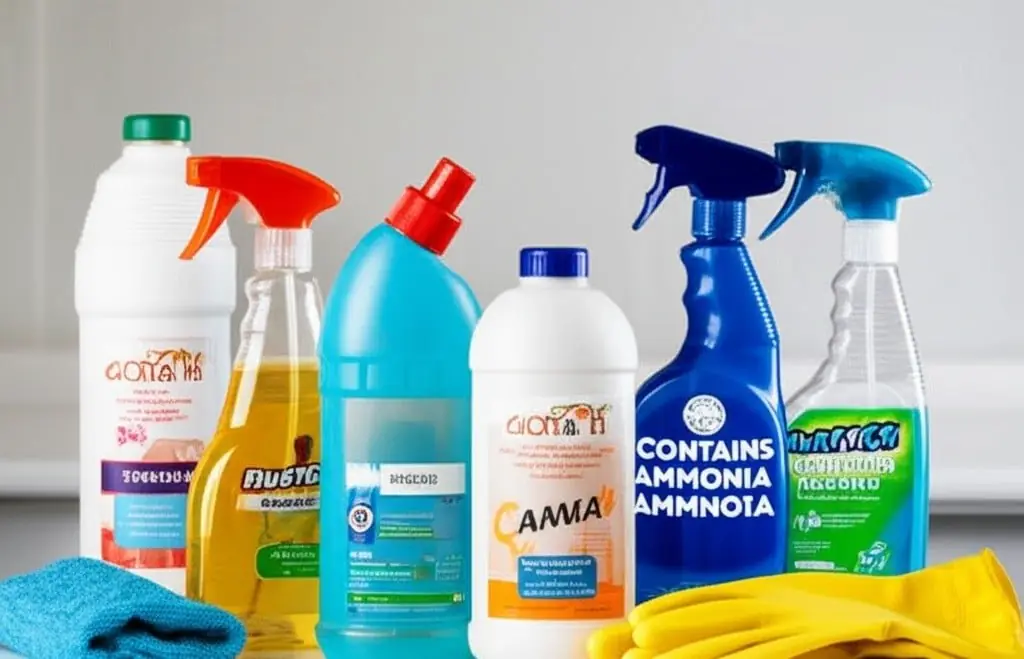
Ammonia, a compound of nitrogen and hydrogen, is a cornerstone of the cleaning world, a powerful and effective agent whose utility is matched only by the need for its cautious handling. Its presence in a cleaning arsenal signifies a serious approach to tackling specific types of grime, particularly grease and soils that other cleaners struggle to lift. In its pure form, ammonia is a gas with a characteristically pungent, sharp odor that is instantly recognizable. For cleaning purposes, it is dissolved in water to create a solution known as ammonium hydroxide. This alkaline solution is what gives ammonia-based cleaners their formidable power.
1. pH Scale
The primary mechanism behind ammonia’s cleaning prowess is its alkalinity. On the pH scale, which measures acidity and alkalinity, ammonia sits comfortably on the high end. This high pH makes it incredibly effective at breaking down acidic soils, which include common household messes like kitchen grease, cooking oils, and grime from fingerprints. When applied to a greasy surface, the alkaline nature of the ammonia solution works to emulsify the fats and oils, essentially breaking them down into smaller, water-soluble particles that can be easily wiped away. This process, called saponification, is similar to how soap is made and is the reason ammonia can cut through built-up layers of kitchen residue on stovetops, range hoods, and backsplashes with minimal effort.
Another significant advantage of ammonia is its volatility. It evaporates quickly and completely from surfaces, leaving behind no streaks or residue. This property is precisely why it has been a long-standing key ingredient in glass and mirror cleaners. While soaps and other detergents can leave a film that causes streaks, an ammonia-based solution cleans the glass and then dissipates into the air, resulting in a perfectly clear, unmarred finish. This same quality makes it ideal for cleaning other non-porous, high-shine surfaces like stainless steel appliances, chrome fixtures, and some types of countertops. The rapid evaporation ensures that water spots and hazy films are not left behind to dull the surface.
You will find ammonia in a variety of commercial cleaning products, though sometimes its presence is not overtly advertised on the front of the label. Glass cleaners are the most common and well-known application. Heavy-duty all-purpose cleaners, especially those marketed for tough kitchen or bathroom jobs, often contain ammonia to boost their degreasing capabilities. Oven cleaners, designed to tackle the most stubborn, baked-on grease and food spatter, frequently rely on a high concentration of ammonium hydroxide to dissolve the carbonized mess. It can also be found in some floor cleaners, particularly for no-wax vinyl or linoleum floors, where it can lift dirt and grime without damaging the surface or leaving a sticky residue. Even some jewelry cleaning solutions use a diluted form of ammonia to remove body oils and dirt, restoring shine to hard gemstones and precious metals. Beyond pre-packaged products, many people purchase household ammonia itself to create their own custom cleaning solutions, typically by diluting it with water for a versatile, powerful, and economical cleaner.
2. Good Cleaner
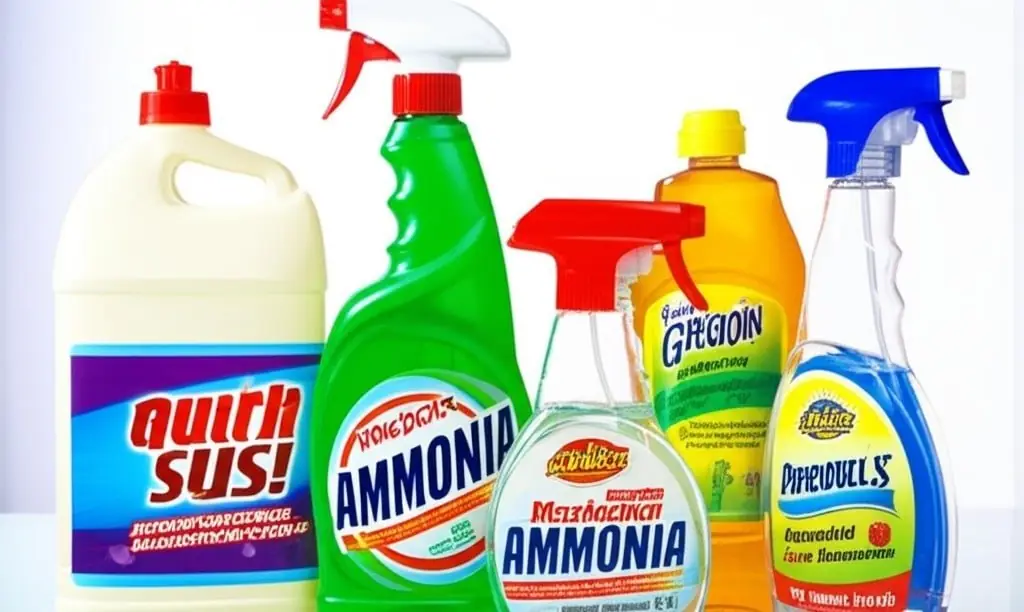
The practical applications in a home are extensive. In the kitchen, a diluted ammonia solution can make quick work of greasy cabinet doors, backsplashes, and range hoods. For stainless steel refrigerators and dishwashers prone to fingerprints, an ammonia-based cleaner wipes them away and leaves a streak-free surface. When cleaning an oven, the chemical power of ammonia can drastically reduce the amount of physical scrubbing required. In the bathroom, it can be used to deep clean sinks, tubs, and tiles, removing soap scum and body oils. It restores the brilliant shine to chrome faucets and showerheads. When washing windows and mirrors, nothing quite matches the flawless, transparent finish an ammonia cleaner provides. It can even be used in laundry as a stain pretreatment for organic stains like blood or grass, and adding a cup to a load of white linens can help to brighten them and remove residue from detergents.
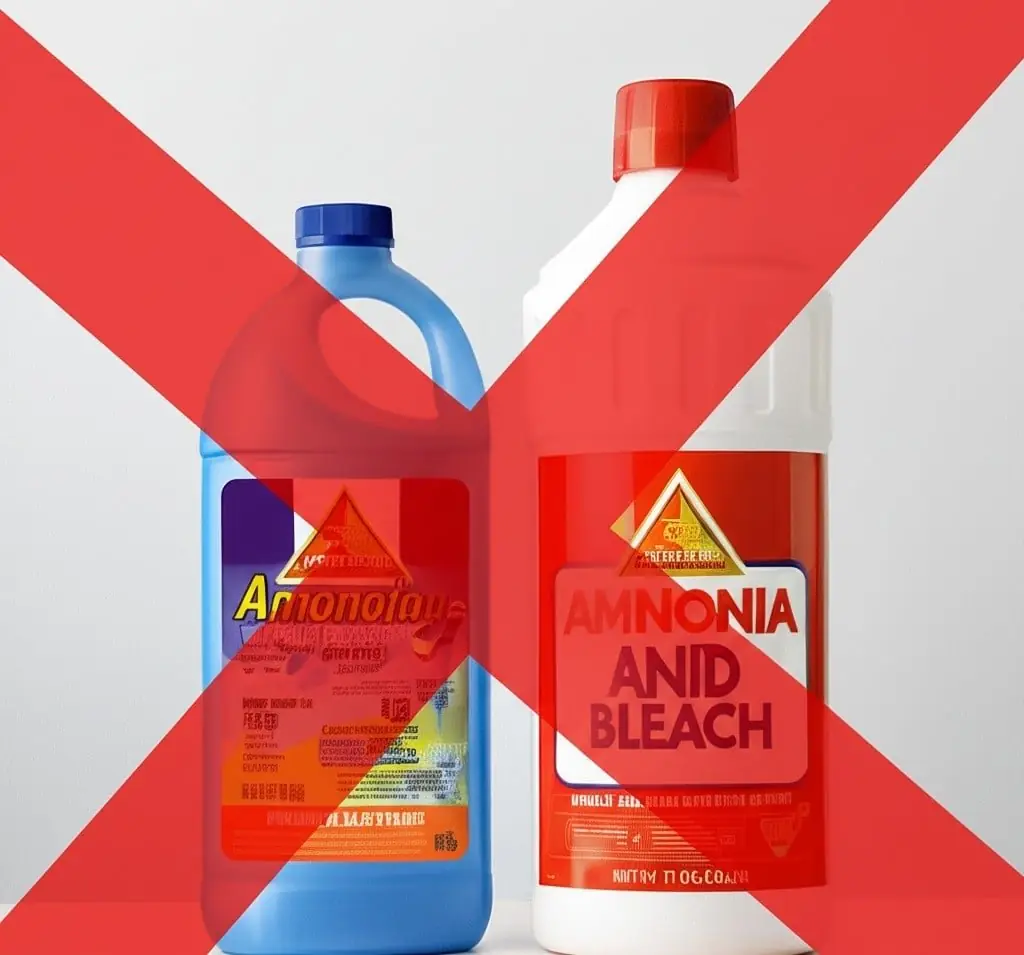
However, the immense power of ammonia necessitates a deep respect for its potential hazards and limitations. The single most important safety rule, one that cannot be overstated, is to never, under any circumstances, mix ammonia with bleach. The combination of ammonia (ammonium hydroxide) and bleach (sodium hypochlorite) creates a chemical reaction that releases highly toxic chloramine gas. Inhaling chloramine gas can cause severe respiratory distress, including coughing, shortness of breath, chest pain, nausea, and watery eyes. In high concentrations or with prolonged exposure, it can lead to serious lung damage and can even be fatal. This danger extends not just to intentionally mixing the two liquids in a bucket, but also to using them sequentially on the same surface without thorough rinsing in between. For example, cleaning a toilet bowl with a bleach-based cleaner and then adding an ammonia-based cleaner can release chloramine gas directly into a small, enclosed space. Always read product labels to identify ingredients and ensure you are not creating a dangerous chemical cocktail.
3. Never Mix
Proper ventilation is the second critical safety measure. The fumes from ammonia, even when used alone, are a potent irritant to the eyes, nose, throat, and lungs. Working in a poorly ventilated area can lead to headaches, dizziness, and respiratory irritation. When using any ammonia-based product, from a simple glass cleaner to a heavy-duty oven cleaner, always ensure there is good airflow. Open windows and doors, and use an exhaust fan if one is available. This helps to dissipate the fumes and reduces your exposure.
Personal protective equipment is also highly recommended. Because ammonia is caustic, direct contact can irritate or burn the skin. Wearing waterproof gloves creates a barrier that protects your hands, especially during prolonged cleaning tasks. Safety glasses or goggles are also a wise precaution to protect your eyes from accidental splashes, which can cause serious and immediate damage.
There are also many surfaces where ammonia should never be used. Its strong alkaline nature makes it damaging to certain materials. It should never be used on porous stone surfaces like marble, limestone, or travertine. The ammonia will react with the calcium carbonate in the stone, causing it to etch and permanently dull the finish. It is also unsuitable for hardwood floors, as it can strip the protective finish, dry out the wood, and cause discoloration. Similarly, any waxed surfaces will be stripped bare by an ammonia-based cleaner. When it comes to fabrics, ammonia should be avoided on delicate natural fibers like wool and silk, as it can weaken and damage them.
The distinct, sharp odor of ammonia is its most significant drawback for many users. While some associate the smell with a deep, effective clean, others find it overwhelmingly unpleasant and irritating. This has led to the development of many ammonia-free alternatives that serve similar purposes. Vinegar-based solutions, for example, are acidic and work well on mineral deposits, while isopropyl alcohol is also excellent for achieving a streak-free shine on glass. For those with sensitivities or a preference for milder products, pH-neutral cleaners offer a safer option for a wider range of surfaces, though they may lack the heavy-duty degreasing power of ammonia.
In essence, ammonia is a specialized tool, not a universal solvent. It remains an invaluable component in the world of cleaning for its unparalleled ability to degrease and provide a residue-free shine. Its effectiveness on glass, stainless steel, and in breaking down stubborn kitchen grime is hard to dispute. Yet, this power demands knowledge and respect. Understanding what it is, how it works, where to use it, and, most importantly, where not to use it and what never to mix it with, is fundamental to leveraging its benefits safely and effectively. It is a classic, potent cleaner that, when handled correctly, delivers results that are difficult to achieve with milder formulas.
Understanding the right application for potent chemicals like ammonia is key to effective and safe cleaning. It excels at cutting through heavy grease and delivering a streak-free shine on specific surfaces, but its improper use, especially mixing with bleach, poses significant risks. For a professional clean that uses the correct products for every surface without the guesswork or hazards, contact Toronto Shine Cleaning.