Cleaning Guide

Barbecue Grills

6 Tips on How to Keep Your Barbecue Grills Looking Like New

The residue of past meals clings to your barbecue grates. It’s a combination of carbonized sugars from marinades, polymerized fats from meats, and the general ash and debris of open-flame cooking. This build-up is not a badge of honor or a layer of “seasoning.” It is a detriment to your cooking. It imparts a bitter, burnt flavor to fresh food, causes flare-ups that scorch your meal, and can harbor bacteria. A clean barbecue is not just an aesthetic choice; it is a functional necessity for better-tasting, safer food and for prolonging the life of your equipment. The grates are the most critical component, as they make direct contact with your food. 1.Grill Brush Before you begin any deep cleaning, you need the right tools. Your success is dictated by your preparation. You will need a high-quality grill brush. The debate between traditional wire bristle brushes and bristle-free alternatives is significant. Wire bristles are effective but carry a small risk of detaching and ending up in food. If you use one, inspect it before each use for loose bristles and replace it regularly. Bristle-free brushes, often made of coiled stainless steel or featuring nylon bristles for cool-grate cleaning, are a safer alternative. A long handle is non-negotiable for safety. You will also need a metal or plastic scraper for stubborn, flat deposits, gloves (heavy-duty rubber or nitrile) to protect your hands from grease and cleaning agents, and a bucket for hot, soapy water. For cleaning solutions, simple dish soap with degreasing properties is a workhorse. For more natural methods, distilled white vinegar and baking soda are essential. For extreme cases, a specialized barbecue degreaser or oven cleaner can be used, but with significant caution. Finally, have a collection of microfiber cloths, paper towels, and perhaps a non-abrasive scour pad on hand. 2.Warm Up The process always begins with heat. This is the single most effective step you can take after every cook and as the precursor to a deep clean. Turn your barbecue on to its highest setting, close the lid, and let it run for 15 to 20 minutes. The intense heat will incinerate most of the fresh food residue, turning it into a dry, white or gray ash. This process, known as pyrolysis, makes the subsequent scraping significantly easier. The goal is to carbonize the gunk, not to cook it further. After the burn-off period, turn off the gas or extinguish the charcoal. While the grates are still very hot, use your grill brush to scrape them clean. Work in the direction of the grate bars. Apply firm, steady pressure. The ash and carbon should flake off relatively easily. The scraper on your brush is useful here for any particularly thick, flat areas of carbon. This immediate post-cook or pre-deep-clean scrape is a fundamental habit that reduces the need for intensive deep cleans. For a true deep clean, the hot scrape is only the beginning. You must remove the grates from the grill. Ensure they have cooled enough to be handled safely with gloves. Your approach from here depends on the level of grime and the type of grates you have. Cast iron, stainless steel, and porcelain-coated grates have slightly different tolerances. 3.Submerge The most common and straightforward deep-cleaning method is the soap and water soak. Place the grates in a large utility sink, a bucket, or a plastic tub large enough to submerge them. If you don’t have a container large enough, a heavy-duty trash bag laid inside a tub or even on your driveway can work. Fill the container with the hottest water you can safely handle and a generous amount of degreasing dish soap. Let the grates soak for at least 30 minutes, but several hours or even overnight for severely neglected grates is better. The hot, soapy water will work to soften and dissolve the polymerized grease that the burn-off couldn’t completely eliminate. After soaking, use a stiff, non-abrasive brush or scour pad to scrub every surface of the grates. Pay attention to the corners and undersides. The gunk should come off with moderate effort. Once you are satisfied, rinse the grates thoroughly with clean water to remove all soap residue. Any leftover soap can impart an unpleasant taste to your food. Dry the grates immediately and completely with a cloth or paper towels, especially if they are cast iron, to prevent flash rust. 4.Mixtures For a more natural approach, or for those who prefer to avoid detergents, the vinegar and baking soda method is highly effective. Place the cool grates in a large, heavy-duty trash bag. Pour in a solution of two parts distilled white vinegar to one part water, enough to coat the grates. Seal the bag and let it sit for a few hours or overnight. The acetic acid in the vinegar is excellent at breaking down grease and rust. After the initial soak, open the bag and generously sprinkle baking soda over the grates. The chemical reaction between the acidic vinegar and the alkaline baking soda will create a fizzing foam. This gentle abrasive action helps to lift the loosened grime from the metal. Close the bag again and let it sit for another 20-30 minutes. Then, open the bag and use a scour pad or brush to scrub the grates. The combination of the two agents makes the caked-on residue surprisingly easy to remove. Rinse them thoroughly with water and dry them completely. This method is particularly good for grates with surface rust. 5.Protection In extreme situations, where layers of black carbon have fused to the grates over years of neglect, you may consider a commercial oven cleaner or a dedicated barbecue degreaser. This is the most aggressive option and requires caution. This method should be performed outdoors in a well-ventilated area, away from children and pets. Always wear gloves and eye protection. Place the grates on several layers of newspaper or cardboard to protect the surface underneath. Spray the cleaner evenly over all surfaces of the grates, following

6 Tips on How to Keep Your Barbecue Grills Looking Like New Read More »

different types of cleaning sponges

10 Tips on How to Use Sponges That You Should Know

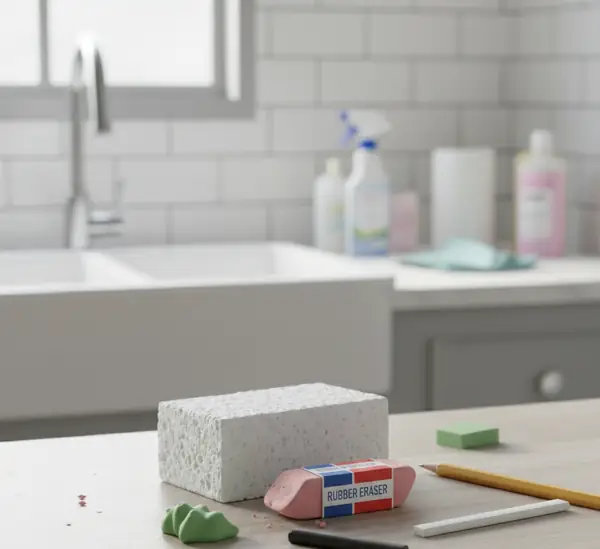
Learn the difference between different types of sponges and how to use them. 1.Cellulose Sponge A cellulose sponge is the most common type found in kitchens. It is made from wood pulp and other natural plant fibers, making it highly porous and capable of absorbing and holding a significant amount of liquid often up to twenty times its own weight. This absorbency makes it the ideal tool for soaking up spills from countertops, tables, and floors. When wet, it becomes soft and pliable, suitable for washing dishes, wiping down kitchen surfaces like laminate and sealed granite, and cleaning appliances. Its soft texture ensures it will not scratch most common household surfaces. However, its organic nature and porous structure create a perfect environment for bacteria to grow if it is not properly maintained. To sanitize a cellulose sponge, it can be run through a dishwasher cycle on the top rack or dampened and microwaved for one to two minutes. Be cautious, as the sponge will be extremely hot afterward. Cellulose sponges tend to break down over time, especially when used with harsh chemicals like bleach, which can disintegrate the fibers. They should be replaced every two to three weeks, or sooner if they develop an odor or begin to fall apart. 2.Dual-Sided Scrub Sponge The dual-sided scrub sponge is a versatile workhorse. It combines a standard cellulose sponge on one side with a scouring pad on the other. The cellulose side performs all the functions of a regular sponge absorbing liquids, creating suds with soap, and gently wiping surfaces. The other side, typically green or another dark color, is made of a more aggressive, abrasive nylon or similar synthetic material. This side is designed for tough cleaning jobs that require significant friction. It excels at removing burnt-on food from pots and pans (excluding non-stick varieties), scrubbing oven interiors and racks, cleaning barbecue grills, and tackling stubborn grime on hard, durable surfaces like concrete or unsealed tile. The key is to understand the abrasive nature of the scouring side. It should never be used on delicate surfaces like non-stick cookware, glass cooktops, polished countertops, acrylic tubs, or painted surfaces, as it will leave permanent scratches. Always test the scouring pad on a small, inconspicuous area first if you are unsure about the surface’s durability. Like its cellulose-only counterpart, the scrub sponge needs regular sanitizing and should be replaced frequently to prevent bacterial growth and cross-contamination. 3.Anti-Scratch Scrubbing Sponge For tasks requiring scrubbing power without the risk of scratches, the non-scratch scrub sponge is the appropriate tool. It looks similar to a standard dual-sided scrub sponge, but its abrasive side is made from a different, gentler material. This side is often a different color, such as blue or white, to distinguish it from its more aggressive green counterpart. The scrubbing material is typically a finer nylon weave or a plastic mesh that is designed to dislodge grime and food particles without gouging or dulling the surface beneath. This makes it the perfect choice for cleaning non-stick pots and pans, as it can remove residue without stripping the delicate coating. It is also safe for use on glass cooktops, ceramic dishes, stainless steel sinks, chrome fixtures, and plastic containers. While it provides more friction than a simple cellulose sponge, it lacks the heavy-duty power of a standard scourer. It will struggle with heavily baked-on or carbonized messes. For daily dishwashing and cleaning of sensitive but durable kitchen and bathroom surfaces, the non-scratch scrub sponge offers the best balance of cleaning effectiveness and safety. Maintenance is the same as for other synthetic sponges: regular sanitizing and prompt replacement are essential for hygiene. 4.Natural Sea Sponges Natural sea sponges are harvested from the ocean floor. They are the skeletons of simple marine organisms. When dry, they are hard and stiff, but once saturated with water, they become incredibly soft and luxurious to the touch. Their structure consists of a complex network of channels, which makes them far more absorbent and durable than their synthetic cellulose counterparts. A key advantage of natural sea sponges is that they contain natural enzymes that inhibit the growth of mold, mildew, and bacteria, making them a more hygienic option that lasts much longer if cared for properly. Because they are so soft, they are the ultimate tool for delicate cleaning tasks. They are ideal for washing fine china, crystal glassware, and silver. Their gentle nature also makes them a favorite for washing cars, boats, and windows, as they lift dirt without leaving swirls or scratches. They are also widely used for personal bathing. To maintain a sea sponge, it should be thoroughly rinsed with clean water after each use and allowed to air dry completely. It should never be twisted or wrung out aggressively, as this can tear its delicate structure. Harsh chemicals and boiling water will damage it. A well-maintained sea sponge can last for several months or even years. 5.Melamine Foam Sponges Melamine foam sponges, commonly known by the brand name Magic Eraser, operate on a completely different principle from other sponges. They are not absorbent in the traditional sense and do not require soap. The material, melamine foam, acts as a super-fine abrasive. When wet, its microscopic structures become incredibly hard and work like extremely fine sandpaper to scrub away surface stains. This sponge is highly effective at removing marks that other cleaners cannot touch. It can erase crayon, marker, and scuff marks from painted walls (use with care on glossy finishes), lift grime from baseboards and door frames, clean soap scum from shower doors and tile, and remove stains from vinyl flooring and some plastics. It is also useful for cleaning the rubber soles of sneakers. The abrasive nature of melamine foam means it must be used with caution. It can dull glossy surfaces, damage clear coats on wood furniture, and scratch delicate plastics or polished stainless steel. It works by physically wearing away the stain, and with it, a minuscule layer of the surface itself.

10 Tips on How to Use Sponges That You Should Know Read More »

How to Clean Your Microwave – 6 Amazing Tips

A microwave is an appliance of convenience, yet it often becomes a container for neglect. Splatters from reheating spaghetti, explosions from soup, and the lingering scent of burnt popcorn can turn this kitchen workhorse into a source of grime and odor. Cleaning it is not a complex task, but it requires the correct approach to dissolve cooked-on food without resorting to harsh chemicals or abrasive scrubbing that can damage the interior. 1-Steam The foundational method for cleaning most microwave messes relies on steam. Steam gently loosens hardened food particles, making them easy to wipe away. This method is effective, safe for the appliance, and uses common household items. For this primary steam-cleaning method, you will need a microwave-safe bowl or a large glass measuring cup, water, and an acid component like white vinegar or a lemon. You will also need several microfiber cloths and potentially a non-scratch sponge for any remaining stubborn spots. Begin by filling the microwave-safe bowl with one cup of water. To this, add either two tablespoons of distilled white vinegar or the juice of half a lemon. You can drop the squeezed lemon halves directly into the water as well; the oils in the rind will release during the heating process, adding a fresh, clean scent. The purpose of the acid is twofold: it helps to break down greasy residue and acts as a natural deodorizer, combating any unpleasant smells that have taken hold. Place the bowl of water and vinegar or lemon inside the microwave. Close the door and set the microwave to run on high power for three to five minutes. The goal is to bring the water to a rolling boil so that a significant amount of steam is produced. You should see condensation forming on the interior window of the microwave door. This is a clear sign the process is working. Once the microwave cycle is complete, the most critical step is to do nothing. Leave the microwave door closed for at least five to ten minutes. This waiting period traps the hot, acidic steam inside the appliance, giving it ample time to work its magic. The steam will soften and dissolve the baked-on food splatters on the ceiling, walls, and floor of the microwave. Attempting to wipe the interior immediately after the cycle ends will be far less effective and presents a burn risk from the hot steam and water. 2.Microfiber Cloth After waiting, carefully open the microwave door. Use an oven mitt to remove the bowl of hot water, as it will still be very hot. Next, take a clean microfiber cloth and begin wiping down the interior. It is most efficient to start with the ceiling, then move to the side walls, the back wall, and finally the floor of the microwave. You will find that most of the grime, even splatters that have been there for weeks, will wipe away with minimal effort. The condensation has done the heavy lifting for you. For any slightly more resistant spots, you can dip your microfiber cloth directly into the warm lemon or vinegar water you just removed from the microwave. The added moisture and warmth will help lift the remaining residue. If a spot is particularly stubborn, use the non-scratch side of a kitchen sponge. Never use steel wool, a scouring pad, or any other abrasive metal scrubber, as these will permanently scratch and damage the interior coating of the microwave. 3.Toothbrush While the interior is now clean, the job is not complete. Remove the glass turntable plate and the plastic roller ring that sits beneath it. These components are often the collection point for drips and crumbs. The glass plate can typically be washed by hand in the sink with warm, soapy water, just like any other dish. Most are also top-rack dishwasher safe, but it is always wise to consult your appliance’s manual to be certain. The roller ring can be washed in the same manner. Pay close attention to the small wheels on the ring, as food particles and grease can get trapped in them, impeding the smooth rotation of the turntable. An old toothbrush can be useful for scrubbing these small, hard-to-reach areas. Before returning the clean turntable and roller ring, give the floor of the microwave a final wipe to ensure it is completely clean and dry. Once dry, place the roller ring back in its track and set the glass plate on top. 4.Baking Soda For microwaves with more significant, caked-on, or burnt food messes, the steam method alone might not be sufficient. In these cases, a baking soda paste is an excellent second step. Baking soda is a mild alkali and a gentle abrasive, making it perfect for scrubbing away tough grime without scratching surfaces. To create a baking soda paste, mix approximately two parts baking soda with one part water in a small bowl. Stir until it forms a thick paste, similar in consistency to toothpaste. If it’s too watery, add more baking soda; if it’s too thick, add a few more drops of water. Apply this paste directly to the stubborn, burnt-on spots inside the microwave. Do not smear it all over; target only the problem areas. Let the paste sit on the spots for at least fifteen minutes. During this time, the baking soda will work to break down the carbonized food. After waiting, take a damp microfiber cloth or a non-scratch sponge and gently scrub the areas in a circular motion. The paste will provide the necessary friction to lift the grime. Wipe away the paste and the loosened food particles. You may need to rinse your cloth several times to remove all the residue. Finish by wiping the area with a clean, damp cloth to ensure no baking soda remains. 5.Careful The microwave door also requires specific attention. The inside of the door can be wiped down with the same vinegar or lemon water solution used for the interior. Pay special attention to the mesh screen and

How to Clean Your Microwave – 6 Amazing Tips Read More »

7 Best Homemade Cleaning Solutions to Make Your Home Look Like New

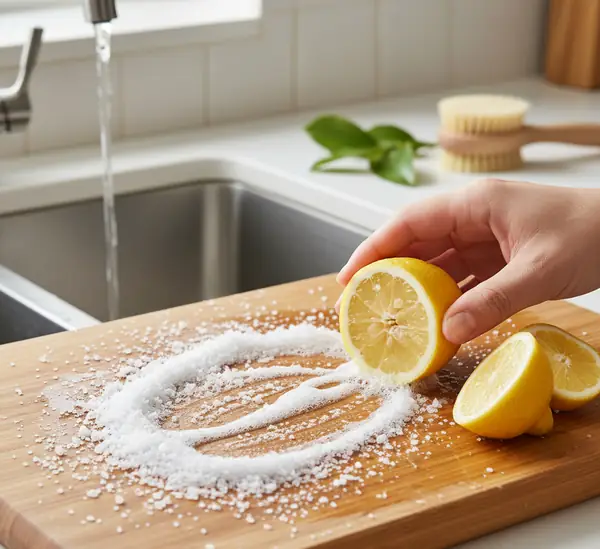
Creating your own homemade cleaning solutions is a direct approach to maintaining your home using simple, accessible ingredients. The effectiveness of these homemade cleaning solutions lies in understanding the properties of each component and how they interact with different surfaces and types of grime. There is no single magic formula; rather, a collection of recipes tailored for specific tasks. Many people turn to homemade cleaning solutions for their simplicity and cost-effectiveness. 1.White Vinegar The foundation of most homemade cleaning solutions rests on a few key ingredients. White vinegar, with its acetic acid content, is a powerful degreaser and disinfectant, capable of breaking down mineral deposits from hard water, soap scum, and everyday grime. Baking soda acts as a gentle, non-scratching abrasive, perfect for scrubbing surfaces without causing damage. It also serves as a natural deodorizer, absorbing and neutralizing unpleasant odors in refrigerators, drains, and carpets. The combination of these two ingredients creates a fizzing reaction that can help dislodge stubborn buildup, making them a dynamic duo in the world of DIY cleaning. The key to successful homemade cleaning solutions is understanding the ingredients. 2.Lemon For an all-purpose cleaner suitable for a majority of household surfaces, a simple mixture is highly effective. Combine one part white vinegar with one part water in a spray bottle. For a more pleasant scent and added antibacterial properties, add 10-15 drops of an essential oil like lemon, tea tree, or lavender. This specific homemade cleaning solution is excellent for wiping down laminate countertops, sealed granite, appliance exteriors, and painted walls. It cuts through fingerprints and light grease with ease. However, this vinegar-based homemade cleaning solution should not be used on natural stone surfaces like marble or unsealed granite, as the acid can etch and dull the finish. The versatility of this simple recipe demonstrates why so many rely on homemade cleaning solutions for daily upkeep. When it comes to glass and mirrors, achieving a streak-free shine is the primary goal. A superior homemade cleaning solution for this task involves mixing one part rubbing alcohol, one part white vinegar, and two parts water in a spray bottle. The rubbing alcohol is the key ingredient here; it evaporates quickly, preventing the water and vinegar from leaving behind streaks as they dry. Spray the solution directly onto a microfiber cloth rather than the glass surface to prevent drips. Wipe the surface clean, then use a second, dry microfiber cloth to buff it to a perfect shine. This is one of the most reliable homemade cleaning solutions for achieving crystal-clear windows and mirrors. 3.Baking Soda The kitchen presents a variety of cleaning challenges, from greasy stovetops to stained sinks. A powerful degreasing homemade cleaning solution can be made by creating a paste of baking soda and a small amount of warm water. Apply this paste directly to greasy splatters on the stovetop, backsplash, or inside the oven. Let it sit for 15-20 minutes to break down the grease, then scrub gently with a non-abrasive sponge and wipe clean with a damp cloth. For tougher, baked-on food, you can spray the baking soda paste with white vinegar to create that fizzing action, which helps lift the grime. This method showcases the targeted power of specific homemade cleaning solutions. To clean and deodorize a kitchen sink, sprinkle a generous amount of baking soda over the entire basin. Cut a lemon in half and use it to scrub the baking soda into the sink surface. The mild abrasiveness of the soda, combined with the citric acid and fresh scent of the lemon, will clean, polish, and deodorize the sink and garbage disposal simultaneously. Rinse thoroughly with hot water. This technique is a classic example of how natural, food-safe homemade cleaning solutions can be incredibly effective. 4.Natural Deodorant In the bathroom, soap scum and mildew are the primary adversaries. For tubs, showers, and tile, a highly effective homemade cleaning solution involves mixing one cup of baking soda with about a quarter-cup of liquid castile soap to form a thick, scrubby paste. Apply this paste to the surfaces and scrub with a brush or sponge. The baking soda provides the scrubbing power, while the castile soap helps lift and wash away the grime and soap scum. For tough mildew stains, a spray made of equal parts white vinegar and water can be used. Spray it on the affected areas, let it sit for at least 30 minutes, and then scrub away. It’s important to have good ventilation when working with these homemade cleaning solutions, particularly vinegar. Toilet bowls can be cleaned and sanitized without harsh chemicals. Pour about one cup of white vinegar into the toilet bowl and let it sit for at least an hour, or even overnight. The acid will work to dissolve mineral rings and stains. Afterward, sprinkle baking soda into the bowl, scrub with a toilet brush, and flush. The fizzing action provides an extra cleaning boost. This is a straightforward yet potent homemade cleaning solution for a task many people dislike. The power of homemade cleaning solutions extends to every corner of the house.   5.Dilute Floors require different approaches based on their material. For tile, vinyl, or linoleum floors, a simple and effective homemade cleaning solution consists of a gallon of warm water mixed with a half-cup of white vinegar and a few drops of castile soap. The vinegar disinfects and cuts through dirt, while the soap helps to lift it. Be careful not to use too much soap, as it can leave a sticky residue. For hardwood floors, the approach must be much more delicate. A heavily diluted homemade cleaning solution is necessary to prevent damage to the wood’s finish. Mix a gallon of warm water with just a quarter-cup of white vinegar. Wring the mop out until it is barely damp before applying it to the floor. Never let water pool on a hardwood surface. The development of specialized homemade cleaning solutions for different floor types is crucial for proper care. 6.Sprinkle Even carpets can

7 Best Homemade Cleaning Solutions to Make Your Home Look Like New Read More »

Dishwasher

5 Common Dishwasher Cleaning Mistakes You Need to Stop Making

The critical Dishwasher Cleaning Mistakes that are ruining your dishes, dishwasher is an instrument of precision, not a brute-force cleaning bin. Its ability to produce sparkling, sanitized dishes is entirely dependent on the user’s understanding of its mechanical and chemical processes. When dishes emerge still dirty, streaked, or wet, the fault lies not with the machine, but with a series of preventable and often repeated Dishwasher Cleaning Mistakes. Rectifying these errors transforms the appliance from a source of frustration into the reliable workhorse it was designed to be. 1.Loading The most fundamental failures originate with loading. The core principle of a dishwasher is the systematic spraying of every dish surface with high-pressure, hot, detergent-laden water. Anything that obstructs this spray guarantees a failed cleaning. Overcrowding is the most common violation of this principle. The temptation to fit one more plate or bowl is strong, but doing so creates “water shadows.” A large bowl placed incorrectly can block the spray from reaching half a dozen smaller items behind it. This leads not only to the shielded items remaining dirty but to a more insidious problem: food particles trapped on those dishes can become loosened by the heat and steam, only to be blasted across the machine during the rinse cycle. This is the source of the dreaded gritty film that can coat supposedly clean glasses and plates. These types of Dishwasher Cleaning Mistakes actively make other dishes dirtier. Each item requires clearance on all sides for the water to circulate.   2.Right Position Equally important is the orientation of the dishes. The primary spray arms are located at the bottom of the tub and often underneath the top rack, meaning the water’s primary trajectory is upward. As a consequence, all soiled surfaces must face down and be angled toward the center of the machine where the spray is most concentrated. Placing a bowl upright is a classic example of Dishwasher Cleaning Mistakes; its interior will remain a dry, dirty island. Cups, glasses, and bowls belong on the top rack, angled downward between the tines to maximize exposure. Plates on the bottom rack should be arranged in the tines so they face the central spray, not all aligned in one direction against the side. The tines themselves are angled to achieve this optimal positioning. Large, flat items like cutting boards and baking sheets must be placed on the periphery along the sides or back of the bottom rack. Placing one at the front can physically block the detergent door from opening or impede the rotation of the lower spray arm, effectively neutralizing the entire wash cycle and creating one of the most frustrating Dishwasher Cleaning Mistakes to diagnose. The division of the racks is deliberate. The bottom rack is a zone of high intensity, situated directly above the main heating element and in the path of the most powerful water jets. This area is reserved for durable items: ceramic plates, stainless steel pots, and sturdy pans. The top rack provides a gentler wash, making it the safe haven for more delicate items. All plastics, even those labeled “dishwasher safe,” must be placed on the top rack. The intense, direct heat from the lower heating element will inevitably warp or melt plastic placed on the bottom rack, a permanent form of damage that ranks high among costly Dishwasher Cleaning Mistakes. The heat can also cause certain plastics to degrade and potentially leach chemicals. Delicate glassware, too, belongs on the top rack, secured between tines to prevent it from rattling against other items and chipping. Utensil loading is a science in itself. Simply dumping cutlery into the basket leads to “nesting,” where identical shapes, especially spoons, fit together and form a waterproof seal. To prevent this, utensils must be mixed. Alternate placing some handles up and some handles down. Distribute forks, spoons, and knives across different compartments. This simple act of separation is vital to avoid these common Dishwasher Cleaning Mistakes. For safety, sharp knives should always be placed blade-down, though it must be stressed that fine cutlery should never be subjected to a dishwasher’s harsh environment. 3.Be Careful This leads to arguably the most destructive category of Dishwasher Cleaning Mistakes: washing items that are not dishwasher-safe. The damage is often irreversible. Wood, including cutting boards, utensils, and knife handles, will absorb the hot water and swell, then crack and split as the heat-dry cycle rapidly removes the moisture. Cast iron cookware will be stripped of its vital seasoning—the polymerized oil layer that provides its non-stick quality. The harsh detergents are designed to dissolve grease and oil, so they directly attack this layer, exposing the raw iron which will immediately begin to rust. High-carbon steel chef’s knives suffer a dual assault: the chemicals in the detergent micro-corrode the fine blade edge, while the physical jostling against racks dulls it. Most non-stick pans will have their delicate coatings slowly abraded by the detergents. Fine china with metallic trim or hand-painted patterns will be chemically stripped by the heat and powerful cleaning agents. Insulated travel mugs can lose their vacuum seal due to the extreme temperature fluctuations, rendering them useless. These are not minor mishaps; they are severe Dishwasher Cleaning Mistakes that ruin valuable kitchen tools. 4.Very Clean Paradoxically, being too clean before loading is also an error. Many modern dishwashers are equipped with soil sensors, often a turbidity sensor that shines a light through the wash water to measure how dirty it is. When you pre-rinse dishes to a squeaky-clean state, the sensor detects very little soil in the water. The machine’s logic then concludes it’s a light load and runs a shorter, more energy-efficient cycle. This may be insufficient for any genuinely dirty pots or pans elsewhere in the load. Furthermore, modern detergents are packed with enzymes like amylase and protease, which are designed to break down starches and proteins. These enzymes need a substrate food to work on. By pre-rinsing, you are essentially washing away the target of the detergent, making it less effective. Scraping off large chunks of food is all

5 Common Dishwasher Cleaning Mistakes You Need to Stop Making Read More »

Professional Floor Cleaning

5 Benefits of Professional Floor Cleaning

The floors of a residence are its foundation, bearing the weight of daily life. They endure constant traffic, spills, shifting furniture, and the slow, persistent accumulation of dust, soil, and contaminants. A clean floor is not merely an aesthetic choice; it is fundamental to the overall health, longevity, and atmosphere of a home. While routine sweeping and mopping are necessary maintenance, they often only address the surface layer of dirt, leaving behind deep-seated grime, allergens, and bacteria that can degrade both the flooring material and the indoor air quality. Professional residential floor cleaning services address this gap, employing specialized knowledge, equipment, and solutions to restore floors to a state of true cleanliness. 1.Hardwood Hardwood floors, prized for their natural beauty and warmth, require a delicate and knowledgeable approach. Their organic nature makes them susceptible to damage from excessive moisture, abrasive materials, and improper cleaning chemicals. A professional cleaning process for hardwood begins not with water, but with a thorough dry soil removal. This involves using commercial-grade vacuums equipped with soft-bristle heads and HEPA filters. Unlike standard household vacuums, these machines are designed to capture microscopic particles of dust, dander, and allergens without scratching or scuffing the wood’s delicate finish. The HEPA filtration is crucial, ensuring that these airborne irritants are trapped within the machine rather than being recirculated into the home’s environment. Once all loose debris is removed, the next step involves a carefully controlled damp cleaning. The key term here is “damp,” not “wet.” Excessive water can seep between the planks, causing them to swell, warp, or cup over time. Professionals use high-quality microfiber mops, which hold just enough cleaning solution to be effective without oversaturating the floor. The cleaning solution itself is of paramount importance. A pH-neutral cleaner specifically formulated for wood is used. Common household cleaners are often too acidic or too alkaline, which can break down the polyurethane or wax finish, leaving the floor looking dull and feeling sticky. A professional-grade, pH-neutral solution effectively lifts embedded dirt and oils without compromising the protective layer of the wood. For floors with more significant wear, a service may include professional buffing. Using a low-speed rotary floor machine with a soft pad, this process gently abrades the very top layer of the finish to remove minor scuffs and restore a uniform, lustrous sheen that hand-cleaning cannot replicate. 2.Laminate Laminate flooring presents a different set of challenges. While it is designed to be durable and resistant to scratches and fading, its core is typically made of high-density fiberboard, which is extremely vulnerable to water damage. When water penetrates the seams between laminate planks, it can cause the core to swell and blister, creating permanent damage that is impossible to repair. Professional cleaning of laminate flooring, therefore, prioritizes minimal moisture. The process mirrors that of hardwood with a meticulous dry vacuuming first. Following this, a lightly dampened microfiber mop is used with a cleaning agent specifically designed for laminate. These cleaners are formulated to evaporate quickly and leave no residue, preventing the streaks and hazy films that often result from using all-purpose cleaners. Steam mops are strictly avoided by professionals on laminate and most engineered wood floors, as the high heat and pressurized steam can force moisture into the seams and delaminate the layers of the plank. Perhaps the most dramatic transformations are seen in the cleaning of tile and grout. While ceramic and porcelain tiles are themselves non-porous and relatively easy to clean, the grout lines between them are a different story. Grout is a porous, cement-based material that acts like a sponge, absorbing dirt, grease, soap scum, and bacteria. Over time, it becomes discolored, turning from its original light shade to a dark, grimy brown or black. Regular mopping often makes the problem worse, as the dirty water settles into the low-lying grout lines. 3.Profissional Tile A professional tile and grout cleaning service is a multi-stage, intensive process. It begins with the application of a powerful, high-alkaline cleaning solution that is designed to break down the years of accumulated soil and grease. This solution is allowed to dwell on the surface for a period of time, penetrating deep into the pores of the grout. Following the dwell time, the real work begins. Technicians use specialized grout brushes and, in some cases, low-speed orbital scrubbers to agitate every single grout line, loosening the deeply embedded grime. The final and most critical step is the extraction. This is accomplished with a high-pressure, hot-water extraction system, often powered by a truck-mounted unit. The tool simultaneously sprays water at high pressure to dislodge the dirt and uses a powerful vacuum to suck up the cleaning solution and all the loosened filth, leaving the tile and grout lines exceptionally clean. To complete the service, professionals will recommend and apply a clear penetrating grout sealer. This sealer soaks into the porous grout and creates an invisible barrier, preventing future dirt and spills from being absorbed and making routine maintenance far easier. 4.Resilient Flooring Resilient flooring, such as luxury vinyl tile (LVT) and linoleum, also benefits greatly from professional care. While durable and water-resistant, these floors can suffer from scuffs, scratches, and a buildup of old floor finish or wax that has yellowed and trapped dirt over time. A professional restoration service for these floor types is known as stripping and waxing. This is a labor-intensive process that completely revitalizes the floor. It starts with the application of a chemical floor stripper, a potent solution that dissolves the old layers of acrylic finish. A rotary floor machine equipped with an aggressive stripping pad is then used to scrub the entire surface, breaking down the old wax. The resulting slurry of dissolved finish and dirt is meticulously removed with a wet-dry vacuum. The floor is then neutralized with a clean water rinse to ensure all stripping chemicals are gone. Once the floor is perfectly clean and dry, new coats of high-quality floor finish or wax are applied. This is done in several thin, even coats, with

5 Benefits of Professional Floor Cleaning Read More »

small office

Making Your Small Office a Pleasant Place to Work – 5 Expert Tips

Maintaining a clean and professional small office is a non-negotiable, foundational aspect of a successful business. The evaluation of your company begins before a single word is spoken, starting the moment a client, partner, or potential employee approaches the entrance. The glass on the front door must be pristine, free of the daily accumulation of fingerprints, smudges, and environmental grime. A clear door signals transparency and attention to detail. The handle, the first physical point of contact with your business, requires rigorous daily disinfection. In the tight-knit environment of a small office, this single step is a powerful measure against the transmission of germs. The entryway floor, whether it’s a branded mat or hard flooring, serves as the first line of defense against dirt, salt, and moisture being tracked throughout the space. It must be meticulously vacuumed or swept and mopped daily, ensuring that the outside world’s mess is contained at the threshold. 1.Reception The reception desk is the centerpiece of this initial impression and the command center of a welcoming small office. Its surface should be completely cleared of unnecessary items, thoroughly dusted, and then wiped down with a cleaner that leaves a streak-free, non-greasy finish. The telephone, keyboard, and computer mouse at this station are high-touch vectors for bacteria and require sanitization. Any promotional literature or magazines should be neatly arranged. Guest seating in the reception area must also be addressed with equal care; chairs should be wiped down, including legs and armrests, and any upholstery must be vacuumed to remove dust, hair, and crumbs. This initial zone of cleanliness doesn’t just welcome visitors; it sets the standard of professionalism for the entire small office. 2.Main Workspace Moving from the reception area into the main workspace, the focus shifts to the environment where your team spends the majority of their day. The condition of this space directly impacts morale, health, and productivity. Individual workstations or cubicles are personal domains, but they are part of the collective professional environment of the small office. A systematic cleaning approach is crucial here. The process begins with emptying all trash and recycling bins, replacing the liners with fresh ones to immediately eliminate waste and potential odors. Next is dusting, which must always be performed from high to low to work with gravity. Bookshelves, the tops of filing cabinets, picture frames, and partition ledges are dusted first, allowing any dislodged particles to settle on surfaces below before they are cleaned. Computer monitors and screens are then carefully wiped with a dry microfiber cloth to avoid scratches or damage from harsh chemicals. The desk surface itself is the next priority. All items organizers, phones, monitors are carefully moved, and the entire surface is wiped with a pH-neutral cleaner that is safe for various materials, from wood laminate to glass. Special, focused attention is paid to disinfecting the items that are touched most frequently throughout the workday: the telephone handset and keypad, the computer mouse, and the keyboard. Compressed air is an effective tool for dislodging crumbs and debris from between the keys of a keyboard before it is gently wiped with a suitable disinfectant solution. The often-neglected office chair also requires attention. The armrests, adjustment levers, and chair base are wiped down to remove dust, spills, and fingerprints. For fabric chairs, a thorough vacuuming of the seat and backrest removes crumbs and dust. Finally, the floor area around each workstation is meticulously vacuumed, reaching under the desk and around the chair base to ensure a completely clean personal workspace that promotes focus and well-being. This detailed cleaning of each workstation is a direct investment in the health of any small office, reducing the presence of allergens and germs that contribute to sick days. 3.Kitchen The office kitchen or breakroom is frequently the epicenter of office life and, consequently, the most challenging area to maintain. As a high-traffic zone used by everyone for food and drink preparation, it is a hotspot for germs, sticky spills, and persistent odors. A thorough, consistent cleaning of this space is non-negotiable for the hygiene and morale of a small office. The countertops must be completely cleared of items, then sprayed with a food-safe disinfectant and wiped clean, ensuring no crumbs or sticky residues from coffee or food are left behind. The sink requires a deep scrub with a non-abrasive cleaner to remove coffee stains and food particles, followed by a complete disinfection of the basin, faucet, and handles. The microwave is another critical appliance that demands daily service. The exterior, including the handle and keypad, should be wiped and disinfected. The interior needs to be cleaned of all food splatters and greasy buildup. A simple, effective method is to heat a bowl of water with lemon inside for a few minutes; the resulting steam loosens dried-on food, making it easy to wipe away without harsh scrubbing. The refrigerator is another area of concern. The exterior door and handle must be wiped and sanitized. On a regular basis, the interior should be checked for expired food, spills must be wiped up from shelves and drawers, and the door seals cleaned of grime. The coffee maker, a daily workhorse, needs its exterior wiped down, and its carafe and filter basket should be washed. The tables and chairs in the breakroom are wiped clean and disinfected, just like workstations. The final step in the kitchen is the floor. It needs to be swept to pick up all crumbs and debris, then thoroughly mopped with a degreasing disinfectant cleaner to tackle any spills and leave the floor sanitized and safe. A pristine breakroom signals to employees in a small office that their comfort and health are valued. 4.Restrooms Restrooms are another area where cleanliness is paramount for health, comfort, and the overall perception of the business. A clean, well-stocked restroom is an unambiguous sign of a well-managed facility, a standard every small office should strive for. The cleaning process here is rigorous and methodical to ensure proper sanitation and prevent cross-contamination. The

Making Your Small Office a Pleasant Place to Work – 5 Expert Tips Read More »

preparing for the July cleaning

How to Prepare for July Cleaning: 4 Steps Fast and Easy

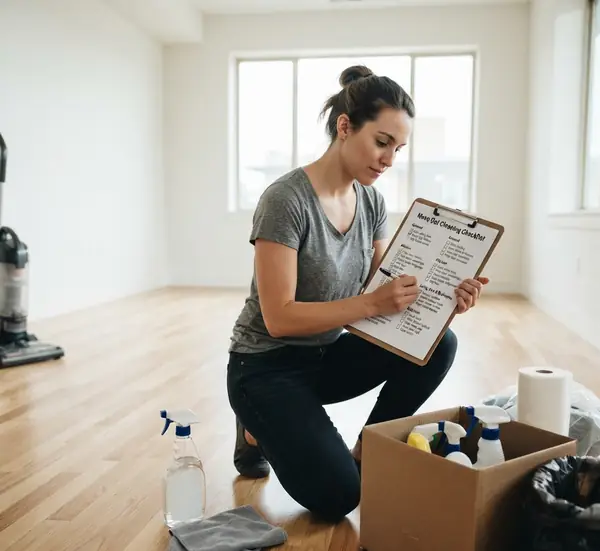
July Cleaning brings a unique set of circumstances to our living spaces. The longer days, increased outdoor activity, and potential for more guests mean our homes need a different kind of attention. Preparing for a thorough July Cleaning is not merely about having supplies on hand; it is a systematic approach to ensuring efficiency and effectiveness, laying the groundwork so the actual cleaning process becomes smoother and more impactful. Without proper preparation, cleaning can feel overwhelming and incomplete, like trying to build a house without first pouring a solid foundation. 1.Preparing The Mind Start by mentally preparing yourself for the task ahead. This involves more than just setting aside time; it means adopting a mindset focused on systematic action rather than sporadic effort. Acknowledge that a significant clean requires energy and focus. Break down the entire house into manageable zones or rooms. Avoid the trap of trying to tackle everything at once, which often leads to burnout and a sense of defeat. Instead, visualize the clean, organized space you aim to achieve, and let that vision guide your planning. Consider creating a simple, unwritten mental checklist or a rough written outline of areas you want to address. This helps in prioritizing tasks and ensures nothing important is overlooked. Think about who else might be able to contribute, even small tasks, as collaboration can significantly lighten the load. Hydrate well, ensure you have comfortable clothing, and think about playing some uplifting music to keep spirits high. The mental readiness is the first, often underestimated, step towards a successful July Cleaning. 2.One Room At a Time Once your mind is aligned, the next crucial step is comprehensive decluttering. This isn’t just tidying; it’s a strategic removal of anything that obstructs access or impedes effective cleaning. Clutter acts as a barrier, trapping dust, hiding spills, and making it impossible to properly wipe surfaces or vacuum floors during your July Cleaning efforts. Begin by focusing on one area at a time, perhaps starting with the most heavily used spaces like the kitchen or living room. In the kitchen, this means clearing every countertop. Move small appliances like toasters, coffee makers, and blenders. Don’t just push them aside; truly lift them, wipe the counter beneath them, and consider if they need a quick wipe-down themselves. Empty the sink of all dirty dishes and load them into the dishwasher, or wash them immediately. Go through any papers or mail that have accumulated on kitchen surfaces, sorting them into immediate action, filing, or recycling piles. Check the pantry and refrigerator for expired food items, disposing of anything that’s past its prime to prevent future messes and odors. This creates clear, unobstructed surfaces, allowing your cleaning tools to reach every corner and crevice effectively for your July Cleaning. 3.Supplies And Tools With decluttering underway, the next phase is gathering all your cleaning supplies and tools. There’s nothing more frustrating than starting a task only to realize you’re missing a crucial item or that a bottle is empty. Take an inventory of your cleaning arsenal for your July Cleaning. Do you have a sufficient supply of all-purpose cleaner, glass cleaner, bathroom cleaner, and floor cleaner suitable for your specific flooring types? Check the levels of your dish soap and hand soap. Ensure you have plenty of clean microfiber cloths for dusting and wiping, a separate set for glass, and another for bathrooms to prevent cross-contamination. Sponges, scrub brushes for tough grime, a toilet brush, and a squeegee for windows or shower doors are essential. Check the condition of your mop and bucket; do they need to be cleaned or replaced? Ensure your vacuum cleaner bags are empty or the canister is cleared, and that all attachments are readily available and free of blockages. A good dustpan and brush are also invaluable. Don’t forget protective gloves to safeguard your hands from harsh chemicals and dirty water. Have a designated cleaning caddy or bucket where you can neatly organize and transport these items from room to room, minimizing trips back and forth to the supply closet. This foresight saves valuable time and maintains momentum once the actual July Cleaning begins. Before the deep cleaning commences, there are a few immediate pre-cleaning actions that make a significant difference. First and foremost, empty all trash cans throughout the house. This prevents new odors from developing and clears the way for wiping down the bins themselves. Next, address any obvious large debris or major spills. If there’s a pile of dirt by the entryway, sweep it up. If there’s a visible spill on the kitchen floor, wipe it up immediately rather than waiting for the floor cleaning. These seemingly small actions prevent tracking dirt into other areas and save you from having to clean over existing messes during your July Cleaning. For bathrooms, consider pre-treating stubborn stains in the toilet bowl or shower with a specialized cleaner; allowing it to soak for some time will significantly reduce scrubbing effort later. In the kitchen, if your oven racks are greasy, remove them and soak them in a tub with hot, soapy water. Opening windows and doors, if the weather permits, is also an excellent preliminary step, especially in July, for an effective July Cleaning. This not only ventilates the house, dispelling stale air and potential cleaning fumes, but also helps to dry surfaces more quickly after they’ve been cleaned, which is particularly useful in humid summer conditions. Now, let’s refine the room-by-room preparation, ensuring every space is primed for optimal July Cleaning. 4.Remove Items In the kitchen, beyond clearing countertops and dealing with dishes, think about items typically stored inside cupboards or drawers that might benefit from a quick re-organization or wipe-down of their exterior. Pull out the toaster crumb tray and empty it. If your microwave is splattered, a quick pre-wipe with a damp cloth or a bowl of water steamed inside for a few minutes will loosen grime significantly, aiding your July Cleaning. Ensure the area around your sink is completely clear, moving soap dispensers, sponge holders, and dish racks. If you have a small

How to Prepare for July Cleaning: 4 Steps Fast and Easy Read More »

dishwasher

6 Easy Tips On How To Clean Your Dishwasher With Vinegar

A dishwasher, in its daily work, cleans plates, glasses, and cutlery. It processes food residues, grease, and detergents. Over time, these elements do not simply vanish. They accumulate. Food particles, soap scum, and the minerals from hard water deposit themselves on the internal surfaces, within the filter, and on the spray arms. This buildup leads to several common issues: dishes emerging with cloudy spots or a film, an unpleasant odor emanating from the appliance, and a general decline in the machine’s efficiency. The very appliance designed to clean becomes a source of uncleanliness. Its performance diminishes, and its lifespan can be inadvertently shortened by neglect. Maintaining the cleanliness of the dishwasher itself is as crucial as loading it correctly. 1001 Uses For Vinegar For this internal cleaning, white distilled vinegar stands as an effective and straightforward solution. It is a natural product, widely available, and remarkably versatile for household cleaning. Its primary active component, acetic acid, is a mild acid that possesses properties invaluable for dishwasher maintenance. Acetic acid works by dissolving mineral deposits, such as limescale and hard water stains, which often manifest as a white, chalky film. It effectively cuts through grease and helps to break down stubborn soap scum, which adheres to surfaces over time. Beyond its dissolving capabilities, vinegar is also a natural deodorizer. It neutralizes rather than masks unpleasant odors, leaving the dishwasher interior smelling fresh and clean without harsh chemical fragrances. Furthermore, it offers a gentle antimicrobial action, inhibiting the growth of mold and mildew that can thrive in damp environments. Unlike many commercial chemical cleaners, white distilled vinegar is non-toxic, safe for use around food preparation areas, and poses no risk to household members or pets. It is also environmentally friendly, biodegrading without leaving harmful residues. Its non-corrosive nature ensures it is safe for the various components of a dishwasher, including stainless steel interiors, plastic parts, and rubber seals, provided it is used as directed. The combination of its cleaning power, deodorizing ability, safety, and cost-effectiveness makes white distilled vinegar an ideal choice for the regular deep cleaning of a dishwasher. 1.Remove All Items Before initiating the vinegar cleaning cycle, proper preparation is essential to maximize effectiveness. The first step is to ensure the dishwasher is completely empty. Remove all dishes, glasses, cutlery, pots, and pans. Nothing should remain inside the racks or in the utensil baskets. This allows the vinegar solution to circulate freely and access all internal surfaces without obstruction. Once emptied, the next critical step involves inspecting and manually cleaning the dishwasher’s filter and drain area. This component, typically located at the bottom of the dishwasher, traps larger food particles and debris to prevent them from recirculating or clogging the drain pump. Depending on the dishwasher model, the filter may be a single removable cylinder or a multi-part assembly. Consult your appliance’s user manual for specific instructions on how to access and remove it, as designs vary. Once removed, rinse the filter thoroughly under hot running water. You will often find accumulated food scraps, labels from containers, small bone fragments, or even broken glass shards. Use an old toothbrush or a small scrub brush to dislodge any stubbornly adhering food particles, grease, or slimy buildup. Pay close attention to the mesh screens and any crevices where debris can hide. For more tenacious grime, a small amount of dish soap can be used during this manual scrubbing. After cleaning, ensure the filter is completely clear and free of obstructions before carefully reinserting it back into its housing, ensuring it is properly seated and locked according to your dishwasher’s design. This manual pre-cleaning of the filter is vital because a clogged filter significantly impedes water circulation and can prevent the vinegar solution from effectively reaching all areas. Additionally, take a moment to manually wipe down accessible areas like the edges of the door, the rubber gaskets or seals around the door frame, and the lower spray arm if easily reachable. Food debris and greasy buildup often accumulate in these spots. A damp cloth, possibly moistened with a little diluted white vinegar, can be used for this preliminary wipe-down, addressing visible grime before the main cycle begins. This foundational cleaning ensures the vinegar cycle focuses its power on the more inaccessible internal workings. With the dishwasher prepped, it is time for the main vinegar cleaning cycle. First, select the appropriate container for the vinegar. An open, dishwasher-safe bowl or a measuring cup made of glass or ceramic is ideal. Avoid using plastic containers that might absorb odors or stain. The key is that the container should be open at the top, allowing the vinegar’s vapors to disperse throughout the dishwasher cavity as well as allowing the liquid to mix with the wash water. Pour approximately two cups of white distilled vinegar into this open container. This specific type of vinegar, clear and typically containing 5% acetic acid, is crucial. Other types, such as apple cider vinegar, should be avoided because their color can potentially stain the dishwasher’s interior, and their sugar content might leave a sticky residue. Once the vinegar is in the container, place it upright on the top rack of the empty dishwasher. The top rack placement ensures that the vinegar is introduced to the wash cycle from a higher point, allowing it to distribute effectively throughout the entire system. Next, close the dishwasher door. 2.Be Careful With the Mixtures Before starting the cycle, it is imperative to ensure that no dishwasher detergent, rinse aid, or any other cleaning product is present in their respective dispensers. The vinegar cycle must be run independently. Mixing vinegar with certain cleaning agents, particularly chlorine bleach, can produce dangerous, toxic fumes and should always be avoided. Select the hottest and longest wash cycle available on your dishwasher. Common cycle names include “Heavy Duty,” “Sanitize,” or “Pots and Pans.” The elevated water temperature significantly enhances the effectiveness of the vinegar’s acetic acid, allowing it to better dissolve mineral deposits, cut through grease, and sanitize the

6 Easy Tips On How To Clean Your Dishwasher With Vinegar Read More »

protective items for cleaning the house

Why do You Need Protection To Clean Your House? – 6 Essential Items

Cleaning your home without protection can be dangerous. It’s a battle against dust, dirt, germs, and clutter. In this battle, we arm ourselves with an arsenal of tools: powerful chemical sprays, abrasive sponges, powerful vacuum cleaners, and microfiber cloths. However, amidst the focus on eliminating dirt from our surroundings, one critical element is often overlooked: protecting the combatant. The cleaning process exposes individuals to a variety of occupational hazards, ranging from the seemingly minor, such as dry skin, to the extremely serious, such as chemical burns, respiratory distress, and lasting physical injuries. Wearing a full complement of protective gear is not a sign of over-meticulousness; it’s the hallmark of a smart, safe, and professional approach to a task that involves direct contact with chemicals, biological contaminants, and significant physical exertion. 1.Gloves The most immediate and constant point of contact in any cleaning endeavor is the hands. They are the primary instruments, manipulating cloths, holding spray bottles, and scrubbing surfaces. The skin, our body’s largest organ, provides a remarkable natural barrier, but it is a barrier with limits. Continuous exposure to water, a universal solvent, systematically strips away the skin’s protective layer of sebum, leading to dehydration, redness, painful cracking, and a compromised ability to defend against infection. Introduce cleaning chemicals into this equation, and the risks escalate dramatically. Detergents, degreasers, disinfectants, and acidic or alkaline solutions can induce contact dermatitis, trigger severe allergic reactions, and, in the case of concentrated agents like oven cleaners or drain unblockers, inflict serious chemical burns. Therefore, gloves are not an optional accessory; they are an indispensable piece of personal protective equipment. A truly prepared cleaning kit contains multiple types of gloves for different applications. For light-duty tasks requiring high dexterity, such as wiping down countertops, polishing fixtures, or handling soiled laundry, disposable gloves are the superior choice. Nitrile gloves are often preferred over latex due to their superior chemical resistance and the prevalence of latex allergies. They provide a reliable shield against germs and chemicals for short-term use and can be discarded immediately, which is a crucial step in preventing cross-contamination between different areas of the home, like the kitchen and the bathroom. For more demanding jobs, a pair of heavy-duty, reusable gloves is required. Tasks like washing dishes in very hot water, scrubbing floors with strong detergents, or cleaning a mold-affected area call for the robust protection of thick rubber or PVC gloves. These are more durable, less prone to tearing, and often feature longer cuffs that extend up the forearm, providing a crucial defense against splashes. Opting for a pair with a flock lining can significantly increase comfort by absorbing perspiration, allowing them to be worn for longer periods without discomfort. Proper care extends the life and safety of these gloves. After each use, they must be rinsed thoroughly while still on the hands, washed with soap and water, then removed and allowed to air dry completely, both inside and out, to inhibit the growth of bacteria and mold within them. 2.Ventilation As we move from contact hazards to airborne ones, the protection of the respiratory system becomes paramount. Many of the most effective cleaning products achieve their results through chemical reactions that release fumes and volatile organic compounds (VOCs) into the air. When a cleaner is sprayed, it is aerosolized, creating a fine mist of chemical droplets that are easily inhaled. The acrid scent of bleach, the sharp, pungent odor of ammonia-based glass cleaners, or the powerful fumes from a self-cleaning oven cycle are all indicators of airborne chemicals that can irritate the delicate mucous membranes of the nose, throat, and lungs. For individuals with asthma, allergies, or other respiratory sensitivities, this exposure can trigger wheezing, coughing, and shortness of breath. Even for those without pre-existing conditions, chronic, long-term inhalation of these fumes can contribute to a range of health problems. The first line of defense is always ventilation. Opening windows and doors to create a cross-breeze and using an exhaust fan can significantly dilute the concentration of airborne chemicals. However, ventilation alone is not always sufficient, especially in enclosed spaces like small bathrooms or when dealing with particularly potent substances or large amounts of particulates. In these cases, respiratory protection is essential. For tasks that kick up a lot of dust, pet dander, or debris, such as sweeping a dusty garage, deep-cleaning carpets, or clearing out a long-neglected storage area a well-fitting N95 respirator is the appropriate choice. Unlike a simple dust mask, an N95 is certified to filter out at least 95 percent of fine airborne particles, providing meaningful protection against allergens and irritants that can penetrate deep into the lungs. When working with aggressive chemicals known to produce harmful vapors, such as certain solvents, paint strippers, or heavy-duty oven cleaners, a more advanced respirator is warranted. An elastomeric half-mask respirator with interchangeable cartridges designed to filter organic vapors offers a much higher level of protection. It is also a vital piece of safety knowledge that mixing certain household cleaners can create lethal gases. The most infamous combination, bleach and ammonia, produces toxic chloramine gas, while mixing bleach with acidic cleaners can release chlorine gas. Proper respiratory protection, coupled with unwavering adherence to the rule of never mixing cleaning products, is a foundational principle of household safety. 3.Safety Glasses The eyes, with their delicate and irreplaceable tissues, are uniquely vulnerable to cleaning-related injuries. A single misdirected splash of a chemical cleaner can cause immediate, intense pain and has the potential to inflict permanent corneal damage and vision loss. These incidents can happen with surprising ease: a toilet brush flicking contaminated water upwards, an aerosol spray nozzle sputtering unexpectedly, or gravity pulling droplets down as you clean a surface overhead, like a showerhead or a ceiling fan. Standard eyeglasses or sunglasses offer minimal protection, as splashes can easily enter from the sides, top, or bottom. The gold standard for eye protection during cleaning is a pair of safety goggles. Goggles are designed to form a seal around the eye

Why do You Need Protection To Clean Your House? – 6 Essential Items Read More »