How to Clean a Glass Stove Top Without Scratching It
On this page
- The toolkit that protects the glass
- How do you clean a glass top stove step by step?
- How do you get burnt-on food off a glass stove top?
- What should you never use on a glass top stove?
- How do you deal with sugar spills, melted plastic and haze?
- When does it make sense to call a professional?
- Frequently asked questions
To clean a glass stove top, wipe it cool after every use with vinegar spray and a microfibre cloth, and lift burnt-on food with a razor scraper held at a low angle plus a baking soda and hot-towel soak. The glass-ceramic surface is tougher than it looks, but only if you keep abrasives away from it.
The toolkit that protects the glass
The toolkit is short, and every item earns its place. Skip one and the job gets harder or riskier.
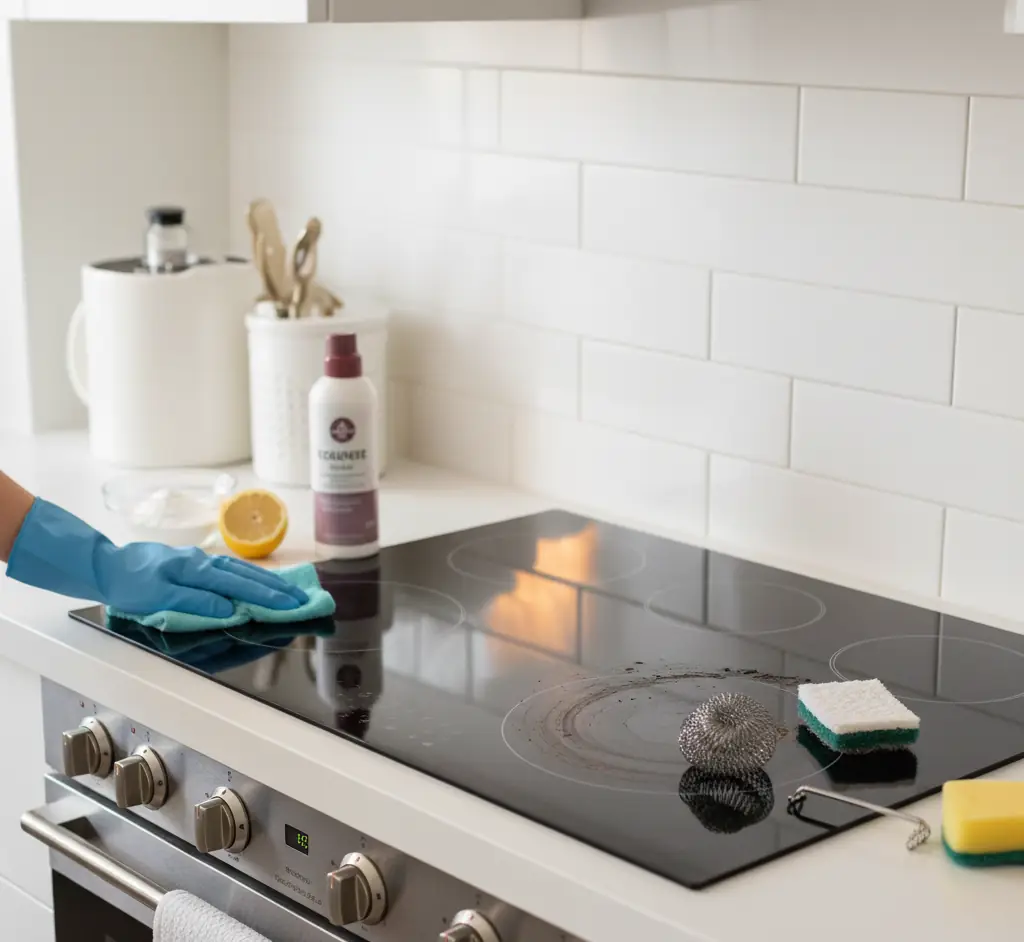
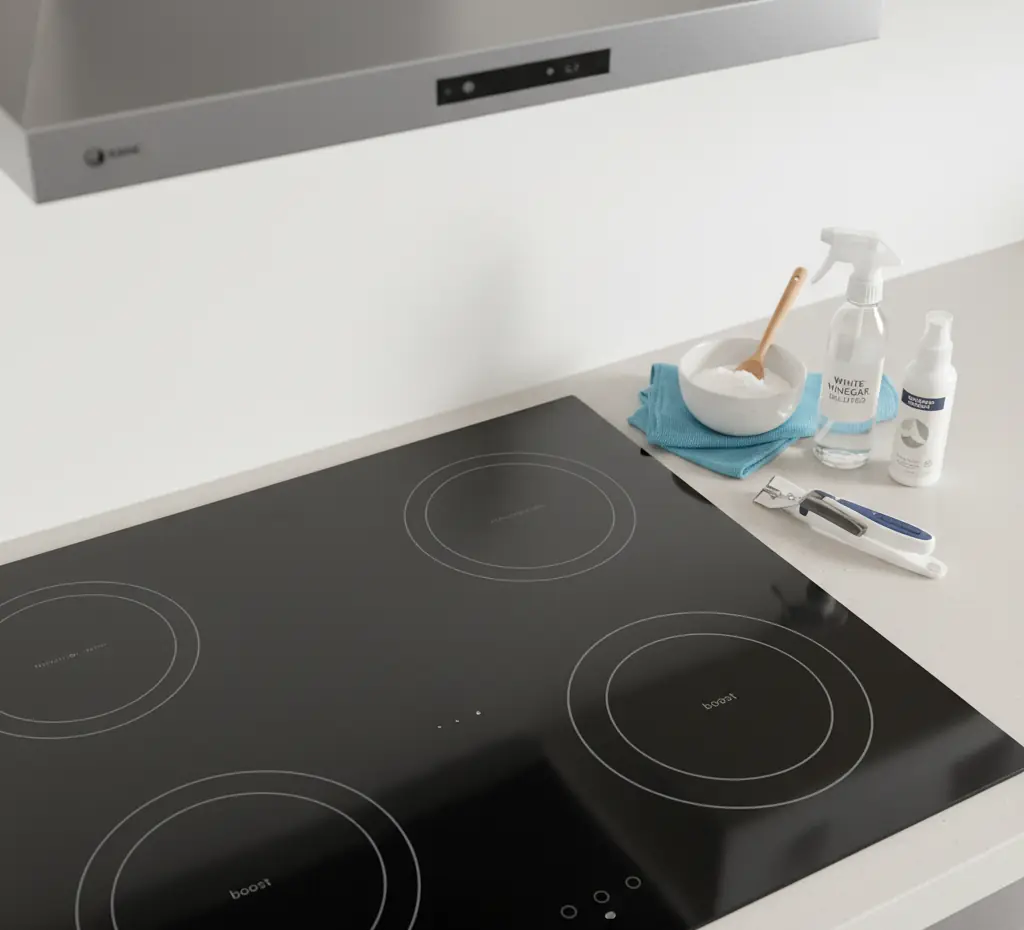
- A cooktop scraper that holds a single-edge razor blade. This is the only tool that safely removes hardened, carbonized residue, because the flat blade glides under the gunk instead of gouging it.
- Baking soda as your gentle scrubbing agent, and distilled white vinegar in a spray bottle cut 50/50 with water to cut grease and polish.
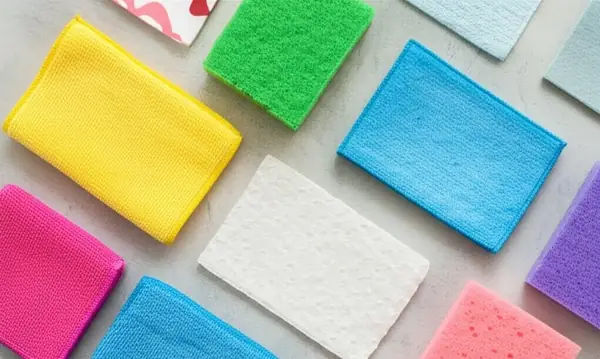
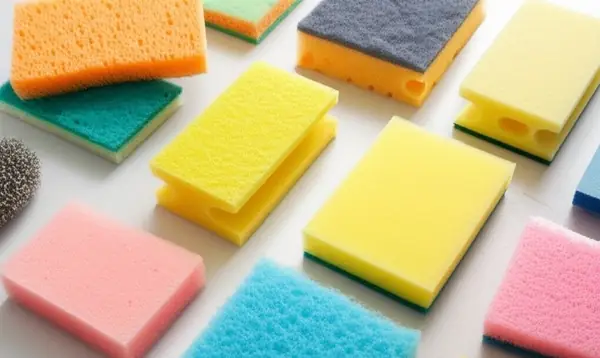
- Two microfibre cloths, one to clean and one to buff dry, plus a non-abrasive sponge rated safe for non-stick pans. If you are unsure which sponge that is, our guide to picking the right sponge sorts the safe from the scratching.
- Optional: a commercial cooktop cleaner cream. Used as a final polishing step, it leaves a thin protective film that makes the next spill easier to lift.
How to Clean a Glass-Top Stove (4 Steps)
Read the video transcript
Lift the ring. Keep the shine. Let the cooktop cool completely. Gather a fresh scraper blade, baking soda, a towel and a non-abrasive sponge. Clear loose crumbs. Hold the scraper at thirty to forty-five degrees and use short, smooth strokes, keeping the blade flat. Spread baking soda over stained areas. Add a towel wrung out in hot soapy water. Wait fifteen to thirty minutes, then scrub gently in circles with the non-abrasive sponge. No steel wool, harsh pads, abrasive powders, ammonia cleaners or bleach. Never apply liquid to hot glass. Rinse off every trace of soda. Spray equal parts vinegar and water, then buff dry. After every use, let it cool and wipe. Re-soak stubborn patches instead of pressing harder. For the kitchen between cooking sessions, our regular home cleaning covers kitchens, bathrooms and floors, with vetted, background-checked cleaners and professional supplies and equipment. See your price, choose your time. Leave your entry and lock-up instructions when booking. We take it from there. No contracts. No upfront payment. You'll love your clean, or we'll make it right. See your price at torontoshinecleaning.ca.
How do you clean a glass top stove step by step?
Start by diagnosing the mess, because the method follows the stain. Grease film, baked-on food, chalky haze and grey metal marks each need a different treatment, and matching them saves scrubbing.
For the routine clean after cooking:
- Wait for the hot-surface indicator light to go off and the cooktop to cool to the touch. A cool-looking surface can still hold heat.
- Wipe away loose crumbs with a dry cloth or paper towel so nothing gets dragged across the glass.
- If there is oily grease or butter film, lift it first with hot soapy water on a cloth before you polish.
- Spray the 50/50 vinegar and water mix lightly over the surface to cut light splatter.
- Buff dry with a clean microfibre cloth in wide circular motions. A streak-free shine is the sign the job is done.
Two habits make the routine safer and faster. Apply your sprays to the cloth rather than at the stove, so liquid never seeps into touch controls or around the knobs. And detail the frame, seams and control knobs while you are there, because that border is where crumbs and grease collect and eventually bake onto the edges. The habit matters even more in a compact downtown Toronto condo, where the kitchen often doubles as an office and lunch splatter sits next to your laptop.
The whole routine takes about a minute after each use, and it prevents most deep cleans: spills wiped fresh never get the chance to bake into the glass. After a bigger scrub, finish with a buffed coat of cooktop conditioner so the next mess wipes off even more easily.
How do you get burnt-on food off a glass stove top?
When a pot boils over or a wipe-down gets skipped, use the deep method. First, load the scraper with a fresh blade: a dull or nicked edge drags and can scratch, so swap blades whenever the edge looks worn.
With the surface completely cool, hold the scraper at a 30 to 45 degree angle and use short, smooth strokes to glide under the residue. Keep the blade flat and let the angle do the work; you are sliding under the burn, not digging at it. A flat blade will not scratch the glass.
Then let chemistry finish the job:
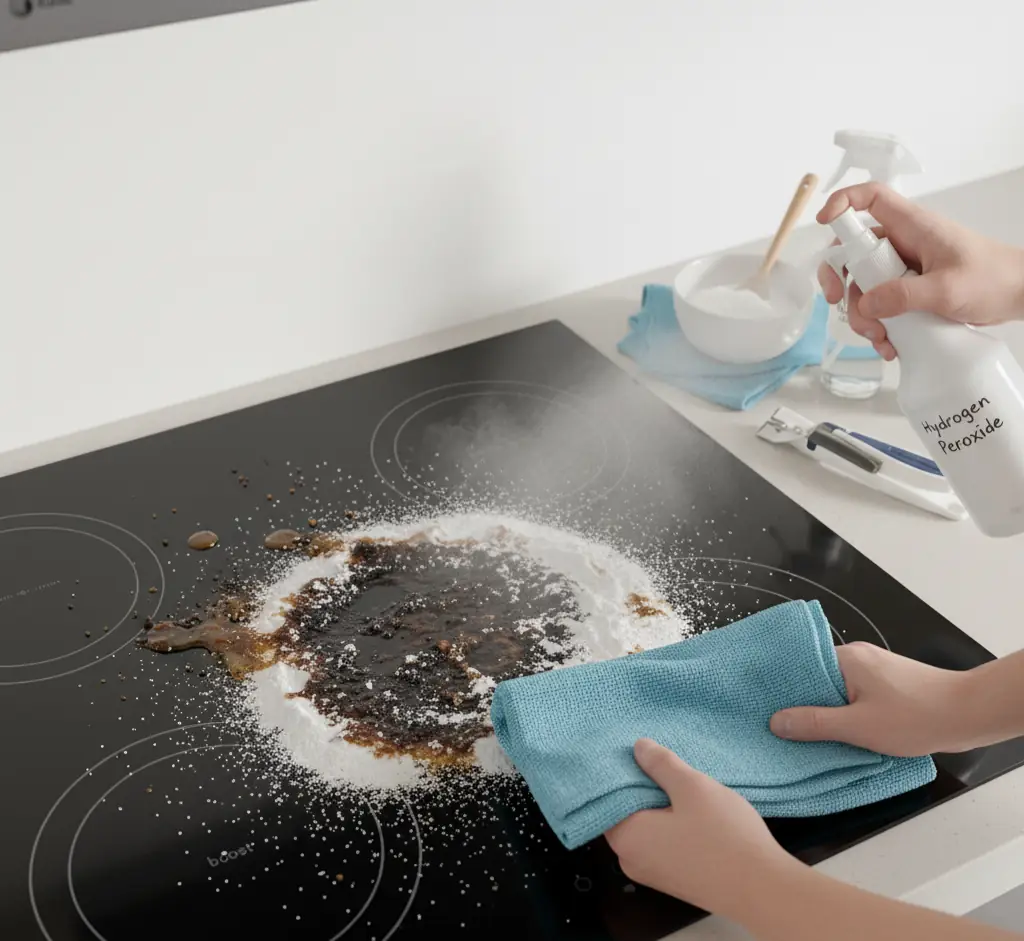
- Sprinkle a generous, even layer of baking soda over every stained area.
- Soak a dish towel in hot soapy water, wring it until it is damp and steaming, and lay it over the baking soda.
- Leave it for 15 to 30 minutes so the heat and moisture soften what remains.
- Scrub in circles with the non-abrasive sponge or the towel itself. The stains should lift without hard pressure.
- Rinse every trace of baking soda off with a damp cloth, then spray with vinegar and buff dry.
If a patch resists, re-soak and repeat with light passes instead of forcing one hard scrape. Patience beats pressure on burnt residue. And to stop the rings forming in the first place, prevent the boil-overs that cause them: use a pot one size up for pasta and sauce, stir as it comes to heat, and keep the burner steady rather than high, so nothing creeps over the rim and bakes onto the glass.
What should you never use on a glass top stove?
Keep this list in mind before you reach for anything: the wrong tool leaves marks no cleaner can undo.
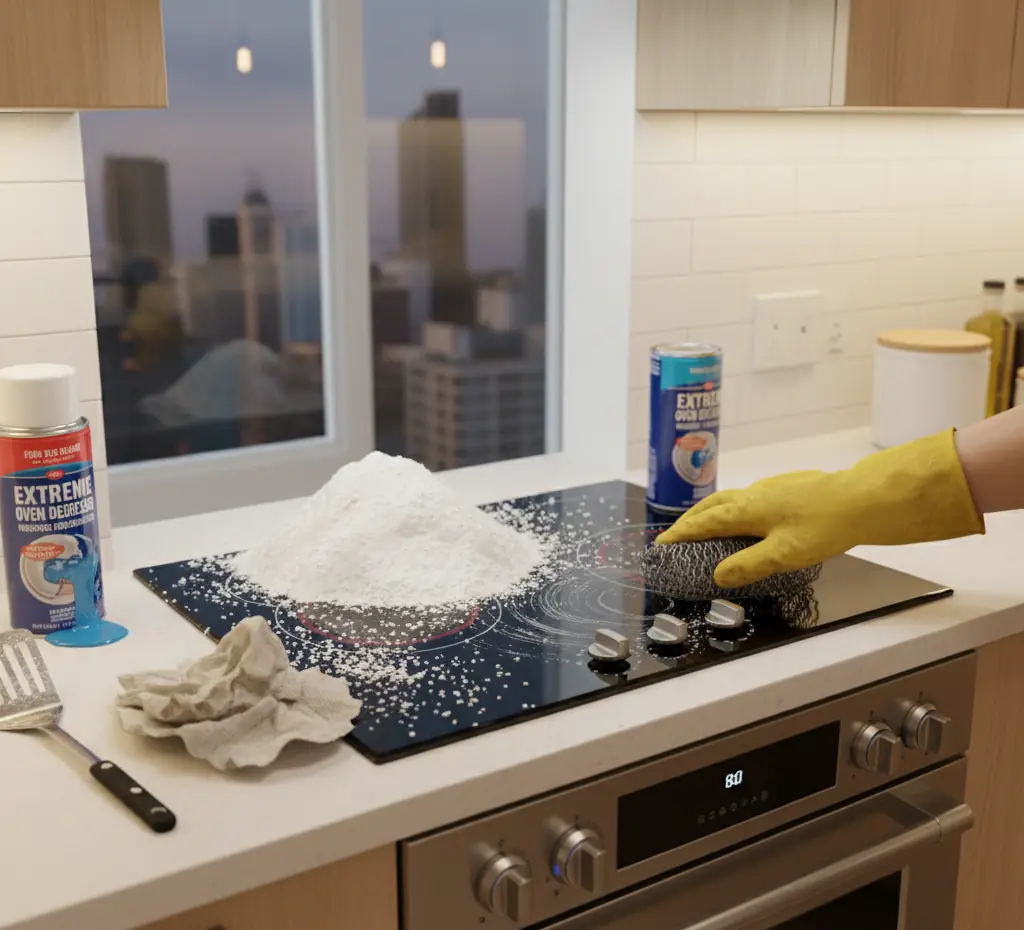
- No steel wool, green scouring pads or abrasive powders such as Comet or Ajax. They leave permanent micro-scratches that dull the finish and trap grime.
- No ammonia-based glass cleaners such as Windex on the cooktop. They can discolour or streak the surface, and the Canadian Centre for Occupational Health and Safety notes that ammonia is a common ingredient in glass cleaners.
- Never pry at residue with a knife or sharp utensil. One deep scratch is irreversible; the scraper exists for exactly this job.
- Never spray or wipe liquid on a hot cooktop. Thermal shock from cool liquid meeting hot glass can crack it.
Keep bleach off the area too, even for the surrounding trim: Lina DaSilva, cleaning expert and owner of Toronto Shine Cleaning, warned in her Homes & Gardens interview that bleach can dull and discolour stainless steel appliances, and suggests mild dish soap mixed with water instead.
Prevention is part of the same list. Lift pans instead of sliding them, since dragging rough or gritty bases scratches the glass, and keep pan bottoms flat, smooth and crumb-free, because warped or crusted bases damage the surface. Never treat the cooktop as a countertop, cutting board or storage shelf. And before trying any method, check the manufacturer’s care guide for rules specific to your model.
How do you deal with sugar spills, melted plastic and haze?
Some messes are emergencies, not cleaning tasks. A sugary spill from jam, candy or sauce is the urgent one: turn off the heat, put on an oven mitt and use the scraper to move the molten spill to a cool zone immediately. Cooled sugar fuses to the glass and pits it permanently, and no cleaner undoes pitting.
Melted plastic or foil follows the same rule in reverse: scrape while it is still soft. If it has already hardened, warm the burner on its lowest setting just long enough to re-soften it, then scrape, and ventilate the room while it warms.
Two marks people mistake for damage:
- White chalky film is hard-water mineral deposit. Let the vinegar spray sit on it for a few minutes before wiping, and the haze dissolves.
- Grey streaks are metal marks from aluminium or copper pans, and they buff out with a cooktop cleaner cream.
Know the difference between those and real damage. Deep scratches and sugar pitting are permanent; only the metal marks respond to polishing.
When does it make sense to call a professional?
One caution first: cracks, element failures and sparking are repair issues, not cleaning issues, and they need an appliance technician rather than more scrubbing. But if carbonized buildup, haze or metal marks keep returning no matter what you do, having a professional home cleaning service maintain the cooktop as part of regular kitchen care resets the surface safely, whether before a move-out inspection, after a tenancy, or before hosting. Our deep cleaning service covers the kitchen along with baseboards, vents and the rest of the home, for house cleaning across the GTA. Call (647) 424-0355 or book online, any time.
Frequently asked questions
Is a glass top stove the same as a ceramic cooktop?
Yes. Both names describe the same smooth glass-ceramic cooking surface, whether the burners underneath are radiant or induction, so the same toolkit, the same scraper angle and the same never-use list apply. The one thing to double-check is your model’s care guide, since a few makers specify their own cleaning products.
Can I use the same method on an induction cooktop?
Yes. The cooking surface is the same glass-ceramic as a radiant top; the difference sits beneath the glass, not on it. Scrape, soak and buff exactly as you would on any glass top, and still wait for the hot-surface indicator light to go off before your cloth touches it.
Will baking soda scratch the glass?
No, not the way it is used here. Worked into a damp paste with light circular pressure, it lifts grime without the scratching risk of gritty scouring powders. The danger comes from dry scrubbing with force, from mixing in a harsher powder, or from grit already on the glass, so rinse loose dirt away before you scrub.
How do I get rid of the brown rings around the burners?
Scrape the raised edges of each ring first while the cooktop is cool, since the raised lip is what holds the rest of the stain in place. Then cover the rings with baking soda and lay a hot, soapy towel over them for 15 to 30 minutes before scrubbing in circles. If a ring survives one pass, re-soak and repeat rather than pressing harder on the blade.