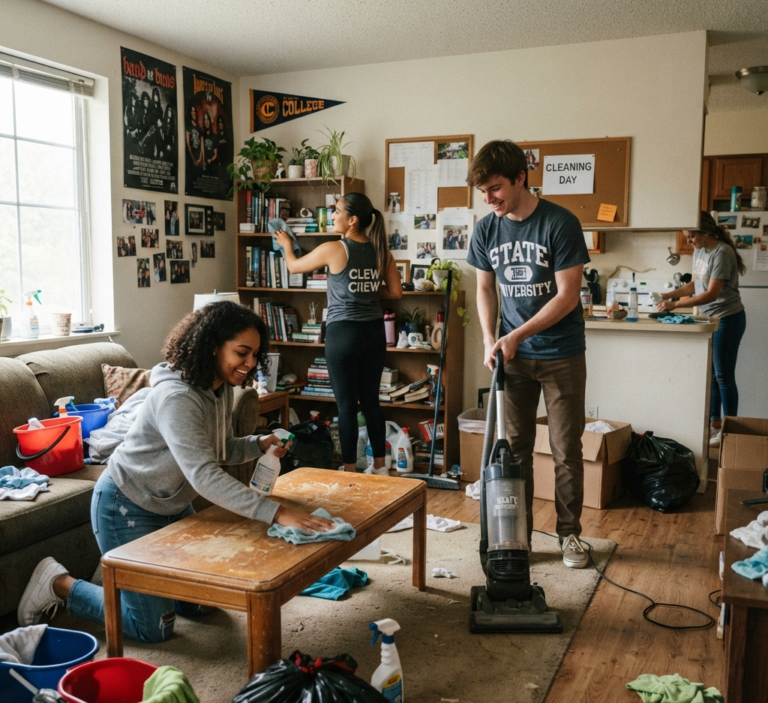










How to Declutter and Clean Your Home in 5 Easy Steps
Decluttering and cleaning is the task that keeps landing on tomorrow’s list. The good news is that the method is straightforward wherever you live, whether you are bracing against a brisk Toronto wind or enjoying a sunnier climate. Work through the five steps below in order, and the reward is a home that feels calmer, cleaner, and easier to keep that way.
1. Set Your Goal and Make a Plan
Start with a picture of the finished space. Maybe it is a pared-back room with clean surfaces and a few well-placed pieces, or a warm, book-filled corner with soft lighting and plush pillows. Hold that image, because it becomes the test for what stays and what goes. Then break the work into pieces. Sorting one drawer or one shelf at a time is far less intimidating than facing an entire house, and a sequence that flows logically from one area to the next stops you from simply moving clutter around. Write the plan down and keep it where you can see it, so every session starts with a known task instead of a decision. Set timelines you can actually meet; a couple of hours every Saturday will finish a home sooner than an ambitious weekend that never arrives. Finally, plan for the difficult parts. If sentimental items are hard to release, or motivation fades, arrange support from a friend or a small reward after each section.
2. Use the Four-Box Method
Four containers turn an overwhelming chore into a sorting game. Every object gets a verdict:
- Keep: items with a practical role or real emotional value, from favourite kitchen gadgets to photographs and cozy sweaters.
- Donate or sell: clothes that no longer fit, books you have finished, duplicate kitchen tools, and anything else that someone else could use.
- Recycle: things that should not go to landfill but can become something new, such as old magazines, tired electronics, and glass jars from finished condiments.
- Trash: worn-out shoes, broken electronics, and expired medications that have no further use.
Set the four boxes in the room you are working on and sort as you go. If more than one room is in play, label each container so nothing gets mixed up, and empty the donate box within the week so it does not become permanent furniture. The bin is the least pleasant destination, but it is a necessary one, because some items have reached the end of their useful life.
3. Deep Clean Once the Clutter Is Gone
With surfaces clear, clean from the top down so that falling dust does not settle on work you have already completed. Ceilings, ceiling fans, light fixtures, and crown moulding hold more dust than most people expect, which is why they come first. In Toronto, the changing seasons add their own mess: humidity, rain, and snow leave windows grimy, and washing them brightens a room immediately. Furnace filters deserve attention as well, because a clogged filter reduces efficiency and can push dirty air back through the house. Areas that stay damp, such as bathrooms, basements, and the space under sinks, need extra care, since moisture encourages mould that damages materials and can affect health. Scrub those spots, dry them thoroughly, and treat them if needed. Wash walls and baseboards while you are up there, then vacuum and mop the floors last, emptying the canister or changing the bag when you finish.
4. Organize What Is Left
Storage should match both the room and the way you live. Modular shelving, boxes that fit under a bed, drawer dividers, and over-the-door racks are solid starting points, and the aim is a system that blends into your decor while using the space well. Tall open units suit display, while closed cabinets hide the messier categories. Then place things where your routines need them. If mornings are rushed, keeping breakfast items and coffee mugs in one spot saves time; keeping cleaning supplies together in one accessible place means spills get handled the moment they happen. Once every item has a home, tidying gets easier, because putting things back becomes a habit rather than a chore. An organized room also does quiet work for your mood and your focus, cutting stress and freeing time for what you actually want to do.
5. Maintain the Result
Crossing the finish line feels wonderful, and holding the result takes only a modest routine. A short daily pass is enough: wipe the kitchen counters after dinner, sweep the living areas, make the beds in the morning. Keep a small caddy of supplies in each bathroom and one in the kitchen, and a quick pass takes seconds rather than an afternoon. Small actions repeated often stop mess from spiralling out of control. Share the load too. When everyone in the household owns a task or an area, nothing gets overlooked and cleaning stops being one person’s solo battle. Review your belongings regularly as well, ideally before a seasonal change or after the holidays, since a year changes what a household needs. That habit keeps clutter from creeping back and makes every future cleaning session shorter.
Bringing In Help
Some weeks the plan does not survive contact with work and family commitments. Toronto Shine Cleaning offers regular household upkeep and deep cleaning for exactly those weeks, with rates listed on the pricing page and bookings taken by phone at (647) 424-0355. Two reliable references help set the standard for the cleaning itself: the CDC guidance on cleaning and disinfecting your home and the CDC page on mould and health, which is worth reading before you tackle a damp basement. Everyday hygiene basics cover the rest.
Frequently Asked Questions
What should I do first when the whole house feels overwhelming? Shrink the job. Pick a single drawer or shelf, finish it, and move to the next area in a logical order. Small completed sections build the momentum that carries you through the rest of the home.
What are the four boxes in the four-box method? Keep, donate or sell, recycle, and trash. Each item you touch gets one verdict, which turns a vague sorting task into a clear decision about what earns its place in your home.
Why deep clean after decluttering instead of before? Clean surfaces are faster to work on, and clearing clutter first means dust is not hiding under the items you remove. Cleaning top to bottom then keeps the finished areas from being re-soiled before you are done.