Why is My House So Dusty in August? – 8 Professional Tips For a Flawless Home

On this page
You look at the coffee table an hour after cleaning it and see that a familiar, frustrating film of dust has already settled. You run your hand over a bookshelf and come away with a grey residue. In August, it can feel like you are fighting a losing battle against dust, a relentless invasion that reappears almost as soon as you’ve dealt with it. This isn’t your imagination. Several environmental and lifestyle factors converge during this specific time of year, turning your home into a perfect collector for fine particulate matter.
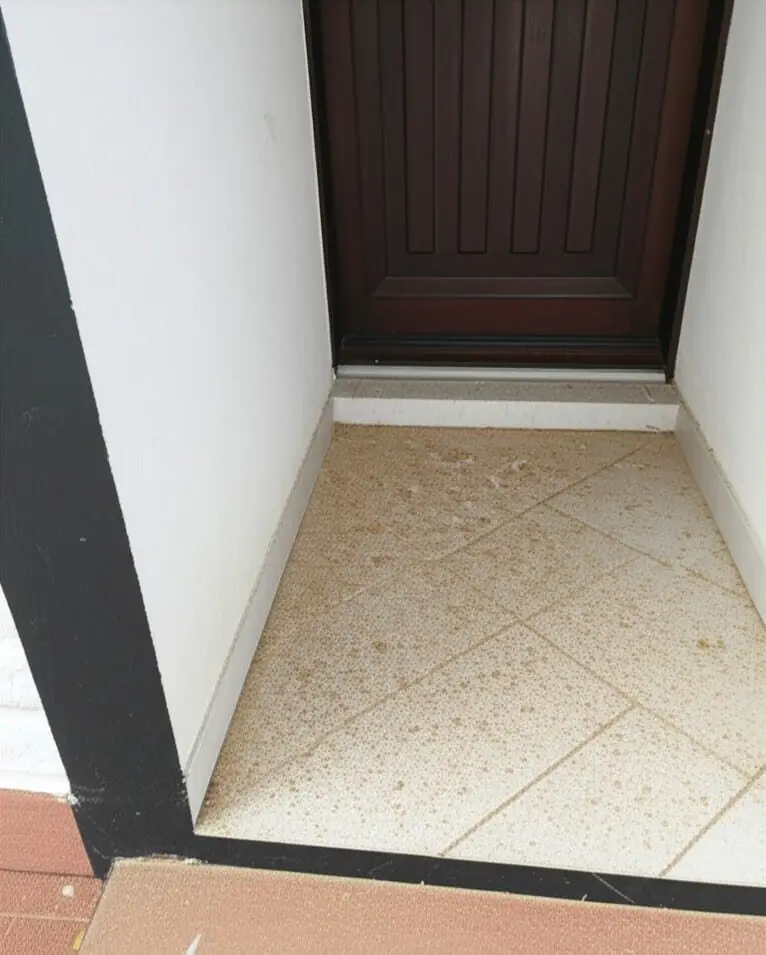
The most significant contributor is the world right outside your windows. August is typically one of the driest months of the year. The lack of rain means that soil in gardens, parks, and on construction sites becomes loose and powdery. Every gust of wind, every passing car, and even your own footsteps as you walk up the driveway can lift these fine particles of dirt, sand, and dried organic matter into the air. With windows and doors frequently open to catch a breeze, you are essentially providing a wide-open invitation for this airborne grit to enter and settle on every available surface inside your home. What you’re seeing isn’t just internally generated dust; it’s a fine layer of the outside world being imported directly into your living space.
1. Inviting
This outdoor invasion is compounded by the botanical calendar. Late summer is the peak season for specific types of pollen, most notably ragweed. These pollen grains are microscopic, lightweight, and designed for wind travel. They drift for miles, easily passing through standard window screens. Once inside, they mix with the existing dust particles, adding to the overall volume and often triggering allergic reactions. So, that film on your television screen is a complex mixture of dried soil, silica, pollen, and other pollutants from the neighborhood, all courtesy of the pleasant summer breeze you’re letting in.
2. HVAC
Your home’s primary defense and a potential major culprit in this battle is your HVAC system. In August, the air conditioning is likely running almost constantly to combat the heat. The system works by pulling in air from your rooms, cooling it, and then pushing it back out. In the process, all the airborne dust, pet dander, and other particles are pulled toward the return vents. The only thing standing between this dust and it being redistributed throughout your entire house is the air filter. If that filter is cheap, old, or clogged, it becomes shockingly ineffective.
A clogged filter can no longer trap new particles. Instead, the force of the air moving through the system can dislodge older, trapped dust and blow it right back into your rooms. The constant cycling of the AC ensures this dust never has a chance to fully settle; it’s kept in a state of perpetual motion, moving from room to room until the system shuts off and it can finally land on your furniture. Furthermore, the very process of air conditioning removes humidity from the air. While this makes the environment feel more comfortable, it also creates ideal conditions for dust. In humid air, dust particles absorb moisture, become heavier, and fall out of the air more quickly. In the dry, air-conditioned environment of an August home, these same particles remain lightweight and buoyant, floating for longer periods and traveling further before they finally settle. Your comfort system may be inadvertently creating the perfect indoor dust storm.
3. Pets
Human and pet activity also peaks in a way that contributes to the problem. Summer holidays mean children may be home more often, increasing the general foot traffic and activity within the house. Every time someone walks across a carpet, plops onto a sofa, or even just moves through a room, they create air currents that kick settled dust back into the air. We also bring in more dust from the outside on our shoes, clothing, and hair after spending more time outdoors.
Pets contribute significantly during this season as well. Many dogs and cats go through a late-summer shed, losing their thicker undercoats to prepare for the coming cooler months. This releases a tremendous amount of pet dander and fine hairs into the environment. Dander, which is essentially dead skin flakes, is a primary component of household dust and a major allergen. It is incredibly light and can remain airborne for hours, eventually settling everywhere and acting as a binder for other dust particles.

4. Carpets
The contents of your home itself act as a massive reservoir for dust. Fabric-heavy environments are particularly susceptible. Your carpets, area rugs, upholstered furniture, and curtains are all made of fibers that are experts at trapping and holding onto dust particles. A carpet can hold pounds of dust and dirt deep within its pile without even looking particularly dirty. Every footstep on that carpet acts like a small bellows, puffing microscopic clouds of this trapped dust back into the room. When you sit on the couch, a similar plume is released. These soft surfaces store the dust from spring and early summer, and the increased activity and air circulation of August helps to continuously release it.
5. Duster
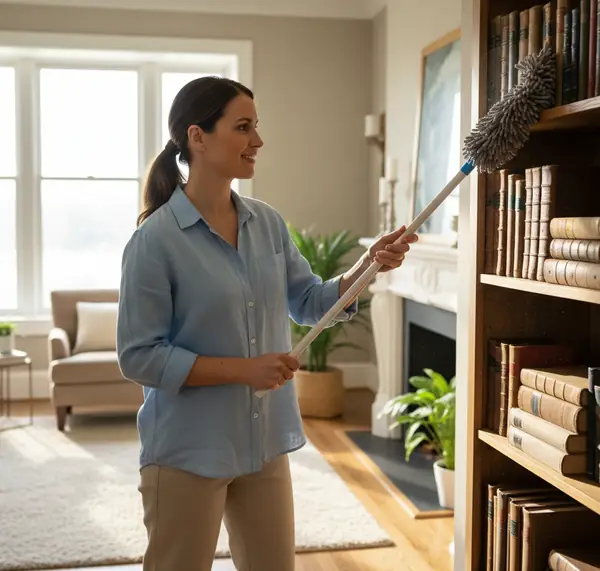
Effectively combating August dust requires a shift in cleaning strategy and an understanding of how to trap and remove it, rather than just moving it around. The common feather duster is one ofthe least effective tools for this job. It does little more than flick dust from a surface into the air, where it floats for a while before settling somewhere else, often on the floor you just cleaned. The goal must be removal, not relocation.
6. Microfiber Cloth
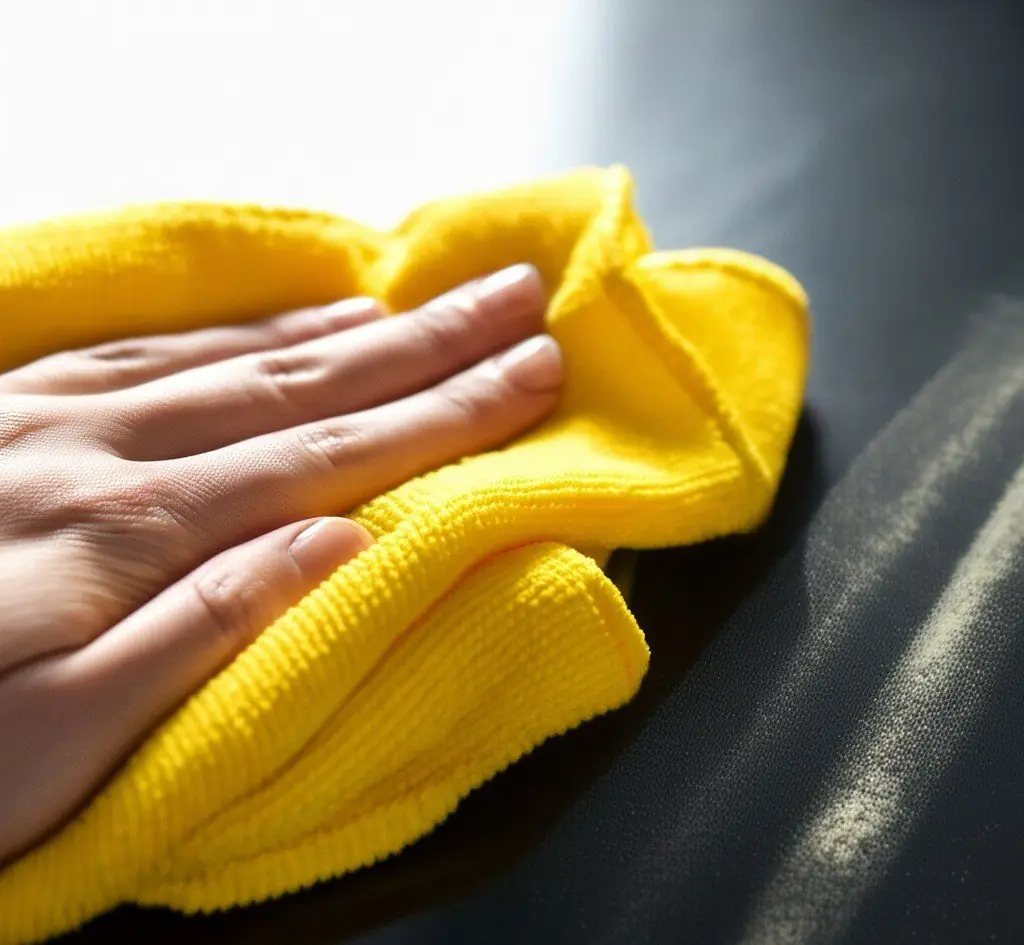
The most effective tool for dusting surfaces is a damp microfiber cloth. Microfiber is made of infinitesimally small synthetic fibers that are split, creating a massive surface area with a static charge that actively attracts and traps dust particles. When the cloth is dampened slightly with water or a suitable cleaning solution, it holds onto the dust even more effectively, preventing it from becoming airborne. The method should always be to work from the top of the room down. Start with ceiling fans, the tops of tall furniture, and picture frames. This ensures that any dust you dislodge falls downward onto surfaces you have yet to clean. After the higher areas, wipe down tables, counters, and other furniture before finally addressing the floors.
7. Vacuum Cleaner
Your choice of vacuum cleaner is just as critical. A standard vacuum without proper filtration can be like a feather duster on a massive scale. It sucks in dust from the floor, but the finest particles—the ones that stay airborne the longest and are most irritating to the respiratory system—can pass straight through the bag or canister and are blasted out of the exhaust port back into the air you’re breathing. To truly remove dust, you need a vacuum equipped with a HEPA (High-Efficiency Particulate Air) filter. A true HEPA filter is certified to capture 99.97% of particles as small as 0.3 microns. This ensures that the pollen, dander, dust mite feces, and fine dirt you vacuum up are permanently trapped inside the machine, not recirculated around the room.
When vacuuming, especially on carpets, slow passes are far more effective than quick ones. A slow, deliberate motion gives the brush roll and the suction time to agitate the carpet fibers and pull up the deeply embedded grit. Pay extra attention to high-traffic areas, and use the vacuum’s attachments to clean upholstery, curtains, and baseboards, where significant amounts of dust accumulate.
8. Extra Tips
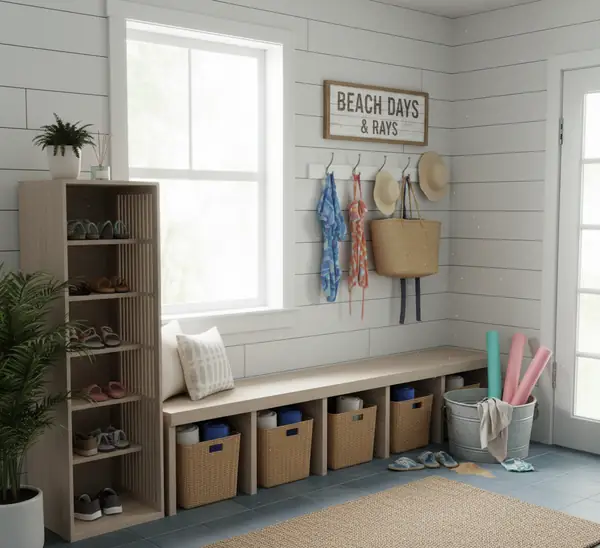
Beyond cleaning, you can take proactive steps to reduce the amount of dust entering and circulating in your home. Managing your entryways is a simple but highly effective first line of defense. Place a coarse doormat outside to scrape off dirt and a more absorbent one inside to catch finer particles and moisture. Instituting a “no-shoes-in-the-house” policy can dramatically cut down on the amount of tracked-in soil and pollutants. Upgrading your HVAC filter to one with a higher MERV (Minimum Efficiency Reporting Value) rating will also make a substantial difference. A filter with a MERV rating between 8 and 13 is excellent for residential use, trapping a much higher percentage of airborne particles like pollen and dander without overly restricting your system’s airflow. Just remember that higher-efficiency filters need to be checked and changed more frequently, especially during a high-use month like August. An air purifier with a HEPA filter can also be a valuable addition to bedrooms or main living areas, continuously filtering the air in a specific room to capture dust before it has a chance to settle.

The pervasive dust of August is the result of a perfect storm: dry, windy weather bringing the outdoors in, HVAC systems circulating particles, and our own summer activities stirring everything up. By understanding these sources, you can adjust your cleaning methods and home maintenance to more effectively manage the problem. It requires a more diligent and methodical approach, focusing on capturing and removing dust rather than simply redistributing it.
A regular house cleaning plan can keep dusting and vacuuming on the schedule through the late-summer buildup.
Tackling the unique challenges of August dust, from airborne pollen and dry soil entering through open windows to the fine particles endlessly recirculated by your air conditioner, requires a thorough and methodical approach. For a comprehensive clean that addresses these deep-seated and persistent issues at their source, consider the professional services of Toronto Shine Cleaning.