
Coffee Machine Cleaning: 5 Signs Your Coffee Machine Is Clogged with Limescale
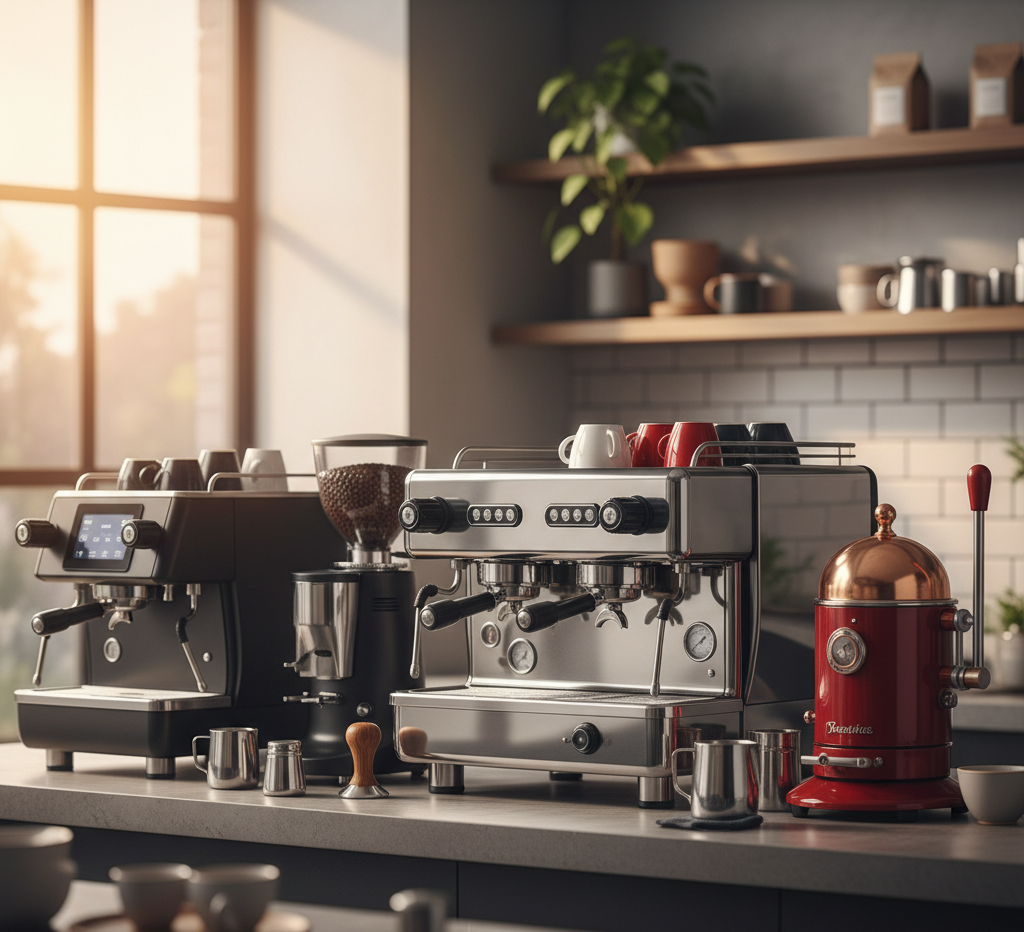
The coffee machine is the silent engine of the morning, a device that many regard with a level of reverence usually reserved for religious artifacts. It is the first appliance touched in the day, the vessel that delivers the caffeine required to jumpstart human productivity. However, this reliance often breeds a dangerous complacency regarding hygiene. We assume that because boiling water passes through the system daily, it is inherently self-cleaning. This is a fallacy that leads to bitter coffee, mechanical failure, and the ingestion of mold and bacteria. The internal geography of a coffee maker is a dark, damp, and warm environment, the trifecta for biological growth. Furthermore, the very ingredients used to make the beverage—water and coffee beans—leave behind chemical residues that calcify and oxidize, slowly choking the machine. Cleaning a coffee machine is not merely a matter of rinsing the pot; it is a necessary maintenance protocol involving chemistry and mechanics to preserve the integrity of the brew and the lifespan of the equipment. Distinct Enemies To understand the cleaning process, one must first understand the two distinct enemies of the coffee machine: mineral scale and coffee oils. Water is the solvent of life, but it is rarely pure. Tap water contains dissolved minerals, primarily calcium and magnesium. When water is heated, these minerals precipitate out of the liquid and bond to the heating elements and internal tubing of the machine. This is known as limescale. It acts like cholesterol in an artery, narrowing the passages and insulating the heating coil. A machine suffering from scale buildup will struggle to reach the optimal brewing temperature of 195 to 205 degrees Fahrenheit. It will brew slower, produce lukewarm coffee, and eventually, the pump will fail under the strain of trying to push water through a blocked pipe. The second enemy is the bean itself. Coffee beans are rich in lipids. When roasted and ground, these oils are released to create the flavor and crema we desire. However, once these oils settle on the plastic and metal surfaces of the filter basket, the carafe, and the dispensing showerhead, they begin to degrade. Oxidized coffee oil turns rancid, developing a sharp, acrid flavor profile. If you have ever tasted a cup of coffee that seemed sour or metallic despite using fresh beans, the culprit was likely layers of old, rancid oil coating the machine. This residue is sticky and hydrophobic, meaning a simple water rinse will not remove it; it requires a degreasing agent to break the chemical bond. Descaling For the standard drip coffee maker, the reservoir is the ground zero of biological activity. Because it is often left damp and closed, it frequently harbors coliform bacteria and yeast. The cleaning protocol here requires a descaling solution. While many manufacturers sell proprietary powders, a mixture of white distilled vinegar and water remains a potent and accessible descaler for standard machines. The acid in the vinegar reacts with the alkaline mineral deposits, dissolving them into a liquid state that can be flushed away. The process involves filling the reservoir with a fifty-fifty mixture of vinegar and water, running the brew cycle halfway, and then turning the machine off. This “dwell time” is critical. It allows the acidic solution to sit inside the heating element and the tubing, eating away the scale. After an hour, the cycle is finished, followed by multiple cycles of fresh water to ensure no acetic acid taste remains. However, vinegar has limitations. It can be harsh on the rubber seals and gaskets found in more expensive or complex machines. For high-end espresso machines or pod systems, using a specialized descaling solution based on citric or lactic acid is safer. These acids are odorless and formulated to be gentle on internal components while being ruthless on scale. Using vinegar in a high-pressure espresso pump can sometimes cause the rubber O-rings to degrade, leading to internal leaks. Single-Serve pod Machine The single-serve pod machine presents a unique set of hygiene challenges. These machines rely on a hollow needle to puncture the foil of the coffee capsule. This needle often becomes clogged with coffee grounds and dried oils, restricting flow and causing pressure backups. Cleaning the needle requires a mechanical approach, often using a straightened paper clip or a specialized tool provided by the manufacturer to physically dislodge the blockage. Furthermore, the exit spout of these machines is a trap for coffee splatter. Bacteria known as Serratia marcescens, which manifests as a pinkish slime, loves the drip tray and the nozzle area. Regular wiping with a disinfectant and running a “cleansing brew”—a cycle without a pod—is essential to flush out the internal chamber where the coffee is actually brewed. Espresso Machines Espresso machines are the most complex and require the most rigorous cleaning routine. The group head, the metal component where the portafilter locks in, is subjected to immense pressure and heat. Coffee fines and oils are forced back up into the group head after every shot. If not cleaned, this debris blocks the dispersion screen, causing water to channel unevenly through the puck, resulting in bad espresso. The solution is “backflushing.” This involves inserting a blind filter basket (one with no holes) into the portafilter, adding a specialized detergent powder, and engaging the pump. The pressure forces the soapy water back up into the group head and through the three-way solenoid valve, scrubbing the internal pathways. This should be done daily in commercial settings and at least weekly for home enthusiasts. The steam wand on an espresso machine acts as a direct line to the boiler or thermoblock. When steaming milk, a vacuum effect can occur when the steam knob is closed, sucking a small amount of milk back up into the wand. If this milk residue is allowed to dry, it rots. The bacteria multiply rapidly, and the next time you steam milk, you are injecting that bacteria into your drink. The rule for steam wands is absolute: purge and wipe. Before and after every use, the
Coffee Machine Cleaning: 5 Signs Your Coffee Machine Is Clogged with Limescale Read More »