
10 Genius Cleaning Hacks Using Lemon and Salt
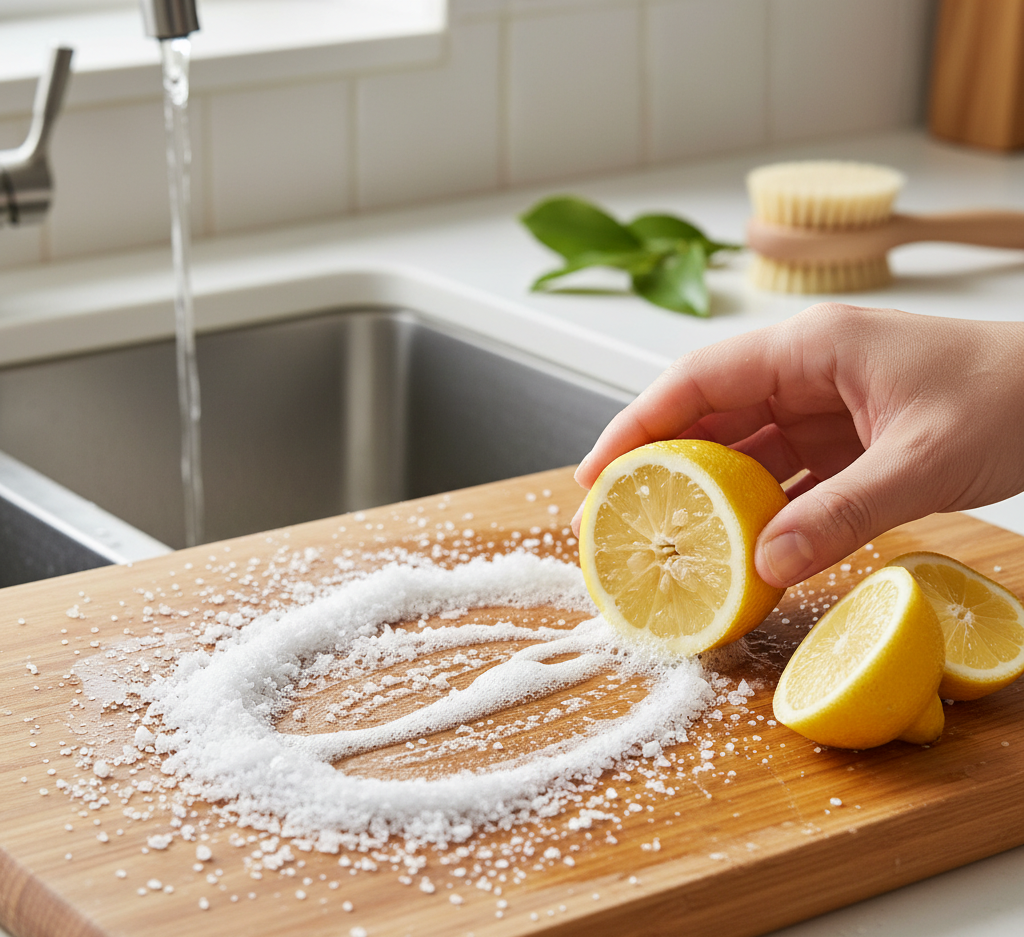
We need to add lemon and salt to our daily cleaning arsenal. In the modern pursuit of a clean home, we are often led to believe that effectiveness comes in a specialized bottle, a complex chemical formula designed for a single purpose. Yet, some of the most potent and versatile cleaning solutions are not born in a laboratory but are found in the simple, humble ingredients of our kitchens. Among these, the powerful partnership of lemon and salt stands out as a timeless, effective, and surprisingly sophisticated cleaning agent. This is not a quaint piece of folklore; it is a practical application of basic chemistry, a dynamic duo where the gentle acidity of the lemon and the fine, abrasive texture of the salt work in perfect synergy to dissolve, scrub, and shine a remarkable variety of surfaces. Natural Cleaner The magic of this combination lies in understanding the distinct role each component plays. The lemon is the chemical workhorse of the team. Its juice is a natural, mild solution of citric acid. This acid is a powerful chelating agent, meaning it is incredibly effective at reacting with and dissolving alkaline mineral deposits, such as the calcium and magnesium that make up the chalky, white buildup of limescale. It is also a potent agent against oxidation, the chemical process that causes metals like copper and brass to tarnish and turn dull. The lemon’s natural bleaching properties can help to lighten organic stains, and its bright, clean scent is a powerful natural deodorizer, cutting through unpleasant smells rather than just masking them. Salt, in this partnership, is the physical force. In its crystalline form, sodium chloride is a gentle but effective abrasive. When used as a scrubbing agent, its fine, hard edges work to physically dislodge and lift away grime, residue, and the very tarnish that the lemon’s acid has just chemically loosened. It provides the “elbow grease” without the risk of scratching that more aggressive abrasives would pose. Salt is also hygroscopic, meaning it absorbs moisture, which can help in lifting certain types of liquid stains from porous surfaces. When lemon and salt are combined, you get a complete cleaning system: the acid dissolves and loosens, and the salt scours and removes, creating a solution that is far more powerful than the sum of its parts. Perhaps the most celebrated and visually satisfying application of lemon and salt is in the restoration of tarnished metals. Copper cookware, with its fiery, rose-gold luster, is a prime example. Over time, exposure to oxygen and moisture causes copper to develop a dull, brownish, or even greenish patina. To restore it, the process is beautifully simple. Cut a fresh lemon in half and dip the cut, fleshy side into a small bowl of kosher or table salt, ensuring it is well-coated. Then, simply take this salted lemon half and begin to scrub the exterior of the copper pan in a firm, circular motion. As you rub the salted lemon across the dull surface, you will witness an almost magical transformation. The tarnish seems to melt away in its wake, revealing the brilliant luster of the pristine copper beneath. For more control or for larger surfaces, you can squeeze the lemon juice into a bowl, mix it with salt to form a thick paste, and apply this paste with a soft cloth. Continue scrubbing until the entire surface is clean, then rinse the item thoroughly with warm water. The final step, which is absolutely critical for a perfect finish, is to dry the pan immediately and completely with a soft, clean cloth. This prevents new water spots from forming and beginning the tarnishing process anew. This same principle applies with equal effectiveness to brass. Brass doorknobs, cabinet hardware, candlesticks, and decorative items that have become dull and dark can be brought back to life with the same lemon and salt technique. The acid and abrasive combination will cut through the years of oxidation, restoring the warm, golden shine of the brass. It is a simple way to revive the details of your home without resorting to harsh, foul-smelling chemical polishes. Kitchen The power of lemon and salt extends deep into the heart of the kitchen, proving its worth as a food-safe, non-toxic cleaning agent for food preparation surfaces. One of its best uses is on wooden cutting boards. Over time, wooden boards can absorb the pungent odors of garlic and onion and can develop stains from ingredients like berries or beets. To clean, deodorize, and sanitize your board, sprinkle it liberally with coarse salt. Then, take a lemon half and use it to scrub the salt into the entire surface of the board, squeezing the lemon to release its juice as you go. The salt acts as a powerful abrasive, scouring away fine food particles and lifting stains from the wood grain, while the lemon’s citric acid works to neutralize odors and kill bacteria. Let this lemon and salt slurry sit on the board for ten to fifteen minutes, then use a bench scraper or a spatula to scrape it off. Give the board a final rinse with a damp cloth and allow it to dry completely. This versatile duo can also be used to tackle light stains on laminate countertops and butcher blocks. The mild bleaching action of the lemon juice, combined with the gentle scrubbing power of the salt, can help to lift stains from tea, coffee, or fruit juice. A crucial word of caution, however, is necessary here: you must never use this acidic combination on porous, natural stone surfaces like marble, granite, or travertine. The citric acid will react with the calcium carbonate in the stone, causing permanent etching and dulling the polished finish. Bathroom In the bathroom, the power of lemon and salt is primarily directed at the relentless problem of hard water stains. The chrome fixtures, faucets, and drain covers that are constantly exposed to water can quickly develop a cloudy, white film of limescale. To remove this, create a paste of lemon and salt. Apply this paste to the affected areas and