How to Clean a Yoga Mat: The Ultimate Guide for PVC, Rubber, and Cork
On this page
The yoga mat is a sanctuary for the practitioner, a rectangular island of stability in a chaotic world where breath and movement synchronize. However, beneath the spiritual veneer of the practice lies a biological reality that is far less serene. A yoga mat is, by its very design and function, a trap for sweat, dead skin cells, oils, and the microscopic debris of the floor it rests upon. Every time you press your face into the mat for a child’s pose or dig your heels in for a downward dog, you are interacting with a porous surface that has absorbed the biological output of your previous sessions. The warm, humid environment created by a vigorous vinyasa class turns that foam or rubber sheet into an ideal incubator for bacteria, fungi, and viruses. Cleaning a yoga mat is therefore not merely a cosmetic preference to remove smudges; it is a fundamental hygiene protocol essential for preventing skin infections, neutralizing odors, and extending the lifespan of the equipment.
Rugs Made of Different Materials
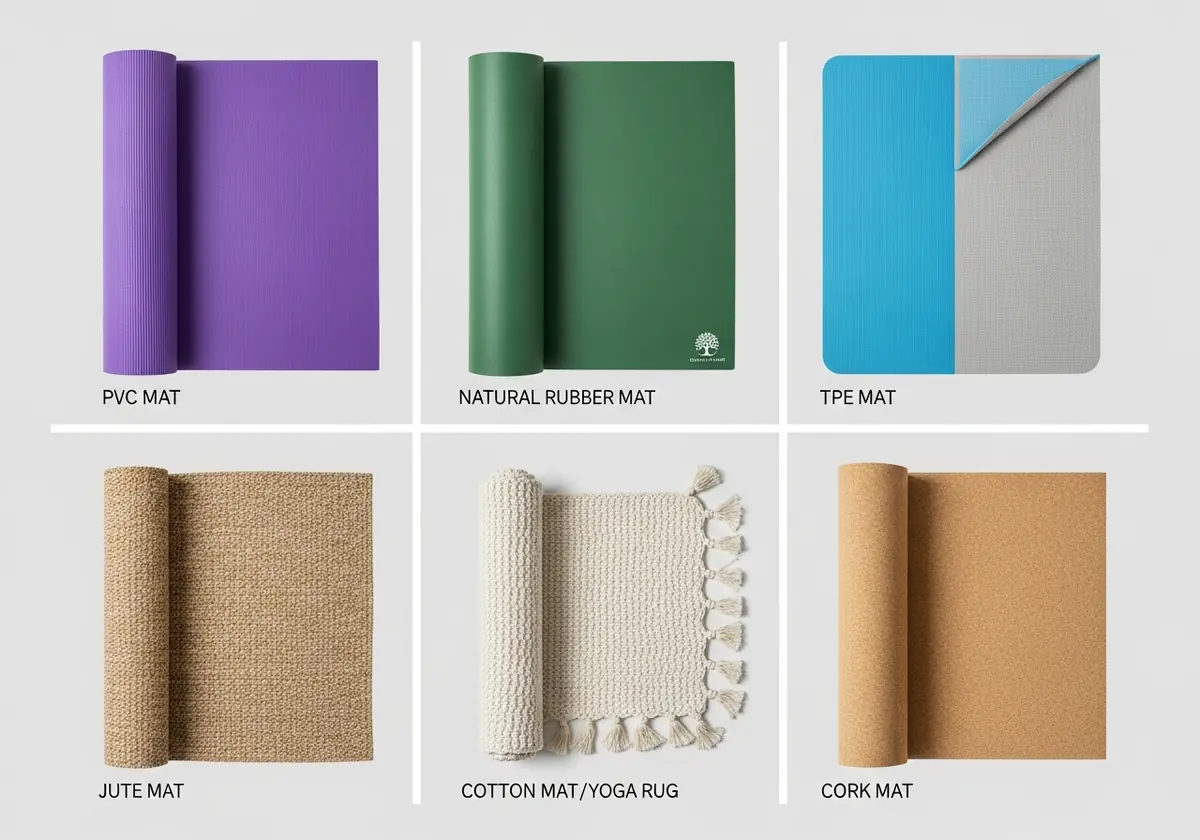
To approach the task of cleaning a mat correctly, one must first understand the engineering of the material. Not all mats are created equal, and treating a natural rubber mat with the same chemical aggression used on a synthetic PVC mat will lead to rapid degradation. Mats generally fall into two categories: open-cell and closed-cell. Open-cell mats are designed to provide grip even when wet; they are porous and act like a sponge, absorbing sweat instantly to prevent slipping. Because they absorb moisture, they also absorb bacteria deep into their core. Closed-cell mats, conversely, are impermeable. Sweat pools on top of them, making them easier to wipe down but often slipperier during a sweaty practice. Identifying which type you own is the prerequisite to choosing the correct cleaning method, as soaking an open-cell mat improperly can lead to it becoming waterlogged and heavy, essentially rotting from the inside out if not dried perfectly.
For the routine maintenance that should occur after every single practice, the goal is to remove surface bacteria and body oils before they have a chance to migrate deeper into the material or dry into a sticky film. The most effective solution for this daily maintenance is often the simplest. A mixture of distilled water and white vinegar, typically in a ratio of three parts water to one part vinegar, provides a gentle acidic environment that dissolves grease and neutralizes odors without damaging the polymer structure of most mats. Essential oils can be added to this mixture, but with extreme caution. While tea tree oil is heralded for its antifungal properties and lavender for its scent, oils can be slippery. If too much essential oil is applied and not thoroughly wiped away, the mat becomes a hazard, transforming the next session into a sliding match that risks injury. This solution should be spritzed lightly over the entire surface of the mat and wiped down immediately with a damp microfiber cloth. The friction of the wiping is just as important as the solution itself, as it physically dislodges the debris.
Persistent Odor
There comes a time, however, when a light spray is insufficient. If a mat has developed a persistent funk that rises to greet you the moment you unroll it, or if it has visibly darkened in the areas where your hands and feet land, a deep clean is required. For closed-cell mats made of PVC or TPE, the bathtub method is the most thorough approach. This involves filling a bathtub with warm water and a very small amount of mild dish soap. The emphasis must be on the word small; using too much soap is the most common mistake in mat maintenance. Soap residues are notoriously difficult to rinse out of foam materials. If soap is left behind, it reactivates the moment you start sweating in your next class, turning the mat into a slip-and-slide. A single teaspoon of detergent is usually enough for a full tub. The mat should be submerged and allowed to soak for fifteen to twenty minutes, allowing the water to penetrate and lift the grime.
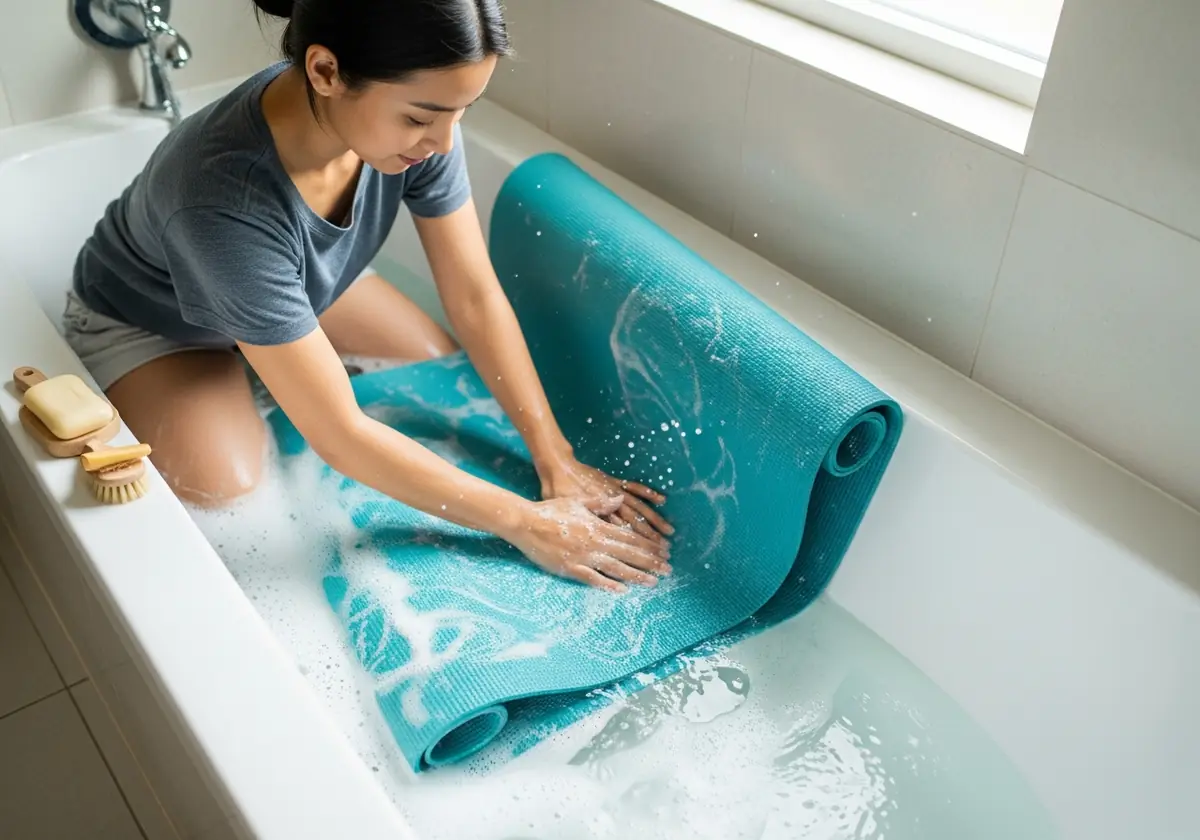
After the soak, the physical agitation process begins. Gently squeezing the mat with your hands or stepping on it lightly with bare feet helps to push the soapy water in and out of the texture. You will likely see the water turn a murky gray, a disturbing but satisfying visual confirmation of the dirt that was harboring in your equipment. The rinsing phase is the most critical and labor-intensive part of the deep clean. The mat must be drained and refilled with fresh water, or showered down, repeatedly until the water runs absolutely clear and no bubbles appear when the mat is squeezed. Any lingering soap is an enemy to your practice. Once the water is clear, the mat is heavy and saturated, and handling it requires care to avoid stretching or tearing the material.
Dry The Right Way
Drying the mat is a lesson in patience and physics. A wet yoga mat can take anywhere from twenty-four to forty-eight hours to dry completely, and using it while it is damp is a recipe for mold growth. The “burrito method” is the most effective way to jumpstart the drying process. Lay the wet mat flat on top of a large, dry bath towel. Roll the mat and the towel up together tightly, like a sleeping bag. Once rolled, step on the roll or kneel on it, using your body weight to transfer the water from the non-absorbent mat into the absorbent towel. Unroll it, and if necessary, repeat the process with a second dry towel. This mechanical extraction removes the bulk of the moisture that would otherwise take days to evaporate.
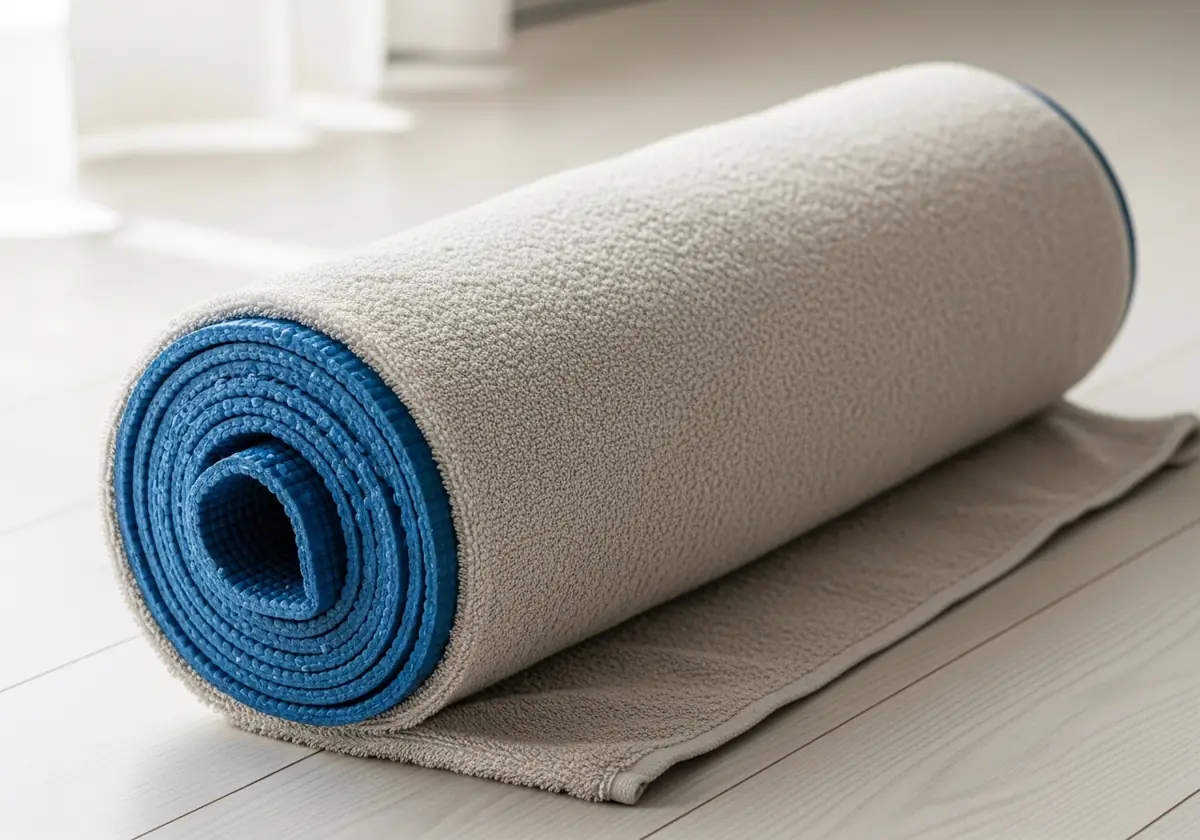
After the towel extraction, the mat must be hung to dry, but the location is paramount. One must never hang a yoga mat in direct sunlight. Ultraviolet rays are destructive to both natural rubber and synthetic plastics. They break down the chemical bonds that give the mat its elasticity and grip, causing it to become dry, brittle, and flaky. A mat left in the sun to dry will eventually start to crumble under your hands. Instead, drape the mat over a shower rod, a drying rack, or the back of a chair in a cool, well-ventilated room. A fan directed at the mat can speed up the process significantly. It is crucial not to roll the mat back up until it is bone dry. Rolling a damp mat creates a dark, moist, anaerobic environment where bacteria thrive, undoing all the work of the cleaning process and likely ruining the mat permanently with mildew.
Natural Rubber
Natural rubber mats require a slightly different protocol and higher sensitivity. Vinegar, while safe for many synthetics, can sometimes degrade natural rubber over time, drying it out. For these mats, it is often safer to use a very diluted mild soap solution or a specialized enzymatic cleaner designed specifically for rubber. Enzymes work by biologically breaking down the proteins in sweat and skin cells rather than using chemical solvents to dissolve them. Furthermore, natural rubber absorbs water readily, so the soaking method should be done with brevity, ensuring the mat isn’t submerged for so long that it becomes waterlogged and heavy enough to tear under its own weight when lifted. These mats often have a distinct rubber smell when wet, which is normal, but they are also more susceptible to oxidative damage, reinforcing the need to keep them away from heat sources and sunlight.
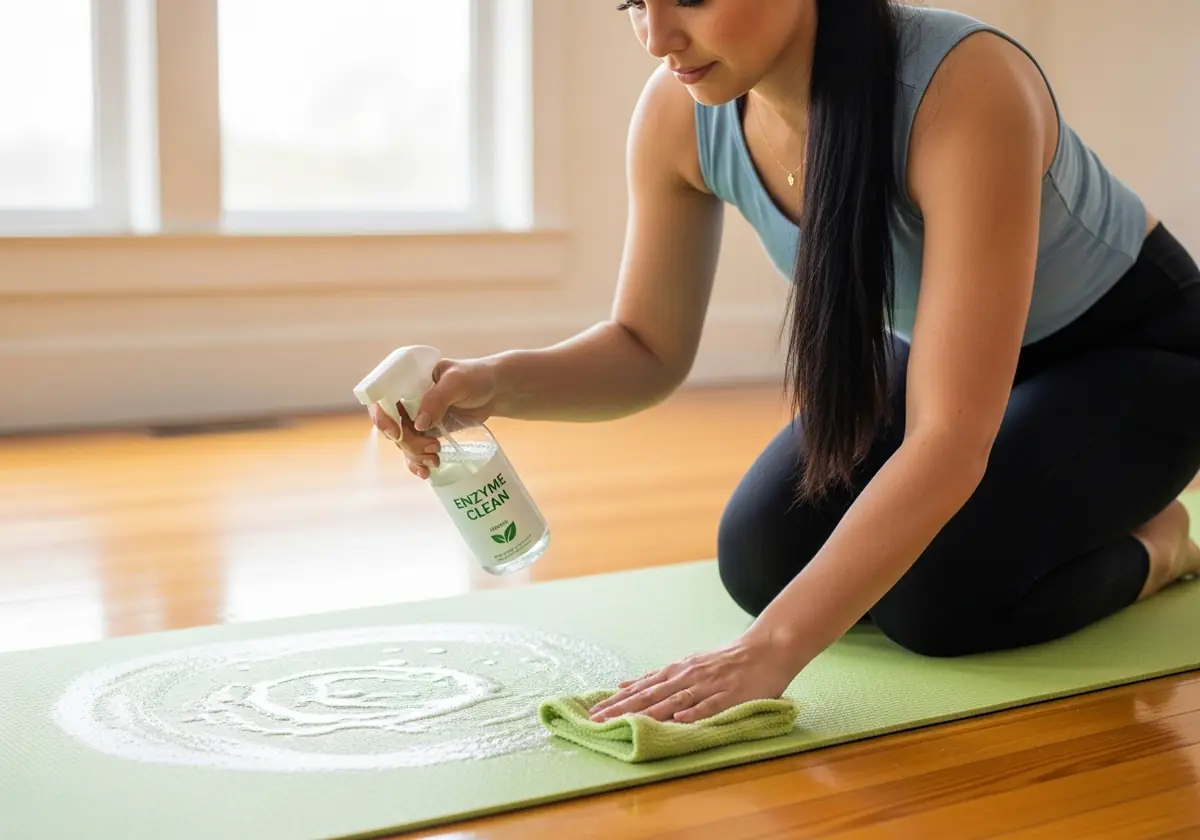
The question of machine washing often arises, driven by the desire for convenience. While some manufacturers of thinner, travel-style mats or cheap PVC mats claim their products are machine washable, it is a risk that is rarely worth taking. The agitation of a washing machine is violent for a foam material. It can cause the mat to stretch, tear, or delaminate. Furthermore, a yoga mat absorbs a tremendous amount of water, becoming incredibly heavy. This heavy, unbalanced load can damage the washing machine itself during the spin cycle. If one must use a machine, it should be on a delicate cycle without a spin, and the mat must still be air-dried, never put in a tumble dryer. The heat of a dryer will melt the synthetic fibers or warp the rubber, destroying the mat instantly.
Personal Hygiene
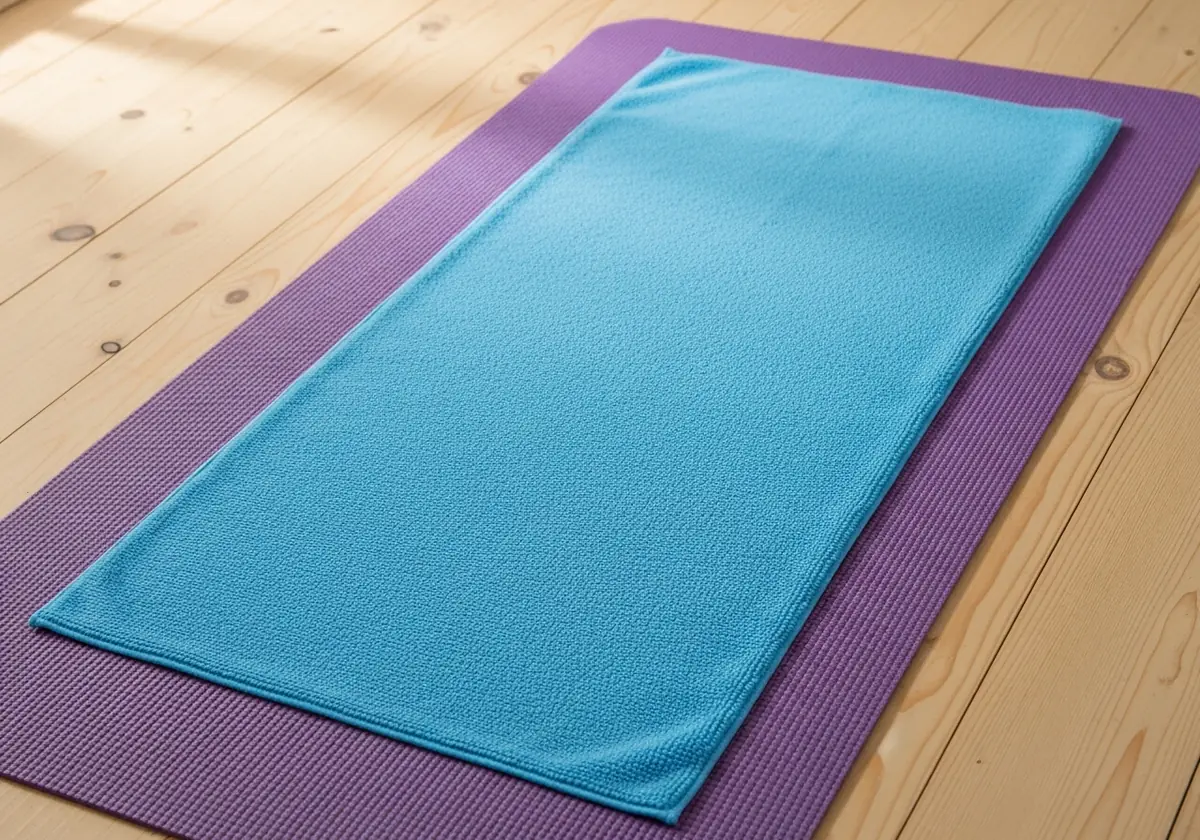
There is also a preventative aspect to mat hygiene that reduces the need for frequent deep cleaning. Personal hygiene plays a massive role. Practicing with clean hands and feet significantly reduces the amount of oil and dirt transferred to the surface. Using a yoga towel—a microfiber sheet designed to sit on top of the mat—is perhaps the best investment for longevity. The towel absorbs the sweat before it hits the mat, acting as a barrier. It is far easier to throw a towel in the washing machine after every class than it is to scrub a rubber mat. This layer of protection keeps the mat relatively dry and clean, relegating the deep cleaning process to a seasonal chore rather than a monthly necessity.
Addressing the issue of odor requires understanding the biological source. The smell is not the sweat itself, which is largely odorless, but the gases released by bacteria as they consume the proteins and fatty acids in the sweat. If a mat has reached a point where cleaning does not remove the smell, it indicates that the bacterial colony has established itself deep within the cellular structure of the foam. In such cases, a vinegar soak might be necessary to kill the bacteria, or freezing the mat (if space allows) can help kill odor-causing microbes, though this is a temporary fix. Sometimes, a mat reaches the end of its hygienic lifespan. If the surface is pitting, flaking, or retains a smell despite a deep clean, the material has degraded to a point where it can no longer be effectively sanitized, and replacement is the only sanitary option.
Last Analysis
Ultimately, the ritual of cleaning your yoga mat is an extension of the discipline of yoga itself. It is a practice of “saucha,” or cleanliness, which is one of the Niyamas (observances) in yoga philosophy. Treating the apparatus of your practice with respect ensures that the space remains a vessel for health rather than a vector for illness. It requires mindfulness to know which materials you are working with, patience to allow them to dry properly, and consistency to prevent the buildup of grime. By integrating a simple wipe-down into your post-practice routine and performing a careful deep clean when necessary, you ensure that the only thing you take away from your yoga class is peace of mind, not a skin infection.
Maintaining the cleanliness of your personal items like yoga mats is a manageable, albeit detailed, task that contributes to your personal well-being. However, the principles of material science, proper chemical application, and patience required to clean a mat are just a microcosm of the effort needed to maintain an entire home. When the scale of cleaning expands from a single rubber mat to the carpets, upholstery, and surfaces of your entire living space, the complexity and workload increase exponentially. This is where professional assistance becomes not just a luxury, but a necessity for maintaining a healthy environment.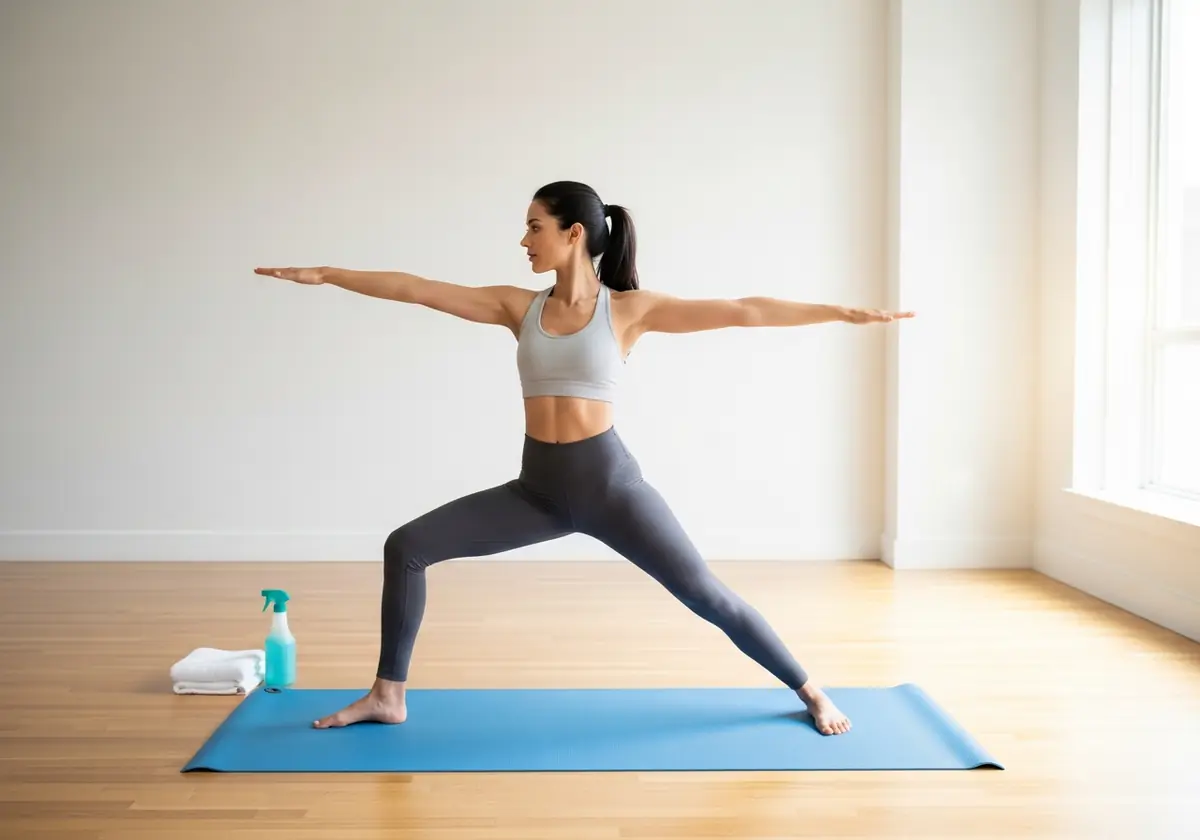
Toronto Shine Cleaning offers a comprehensive cleaning service that brings the same level of meticulous care to your home as you bring to your practice. Just as a yoga mat requires specific techniques to avoid damage and ensure sanitation, every surface in your home—from hardwood floors to delicate countertops—demands expert attention. Toronto Shine Cleaning understands the nuances of hygiene, ensuring that your living space is not just visually tidy, but deeply clean and free of the hidden allergens and bacteria that accumulate over time.