Easy Drain Change: DIY Cleaning and Maintenance for Your Sink
On this page
A sink that drains slowly or smells faintly of the last few meals is usually a maintenance problem, not a plumbing emergency. Changing a drain and cleaning around it are jobs a homeowner can finish in an afternoon with a few basic tools, and the work pays off in fewer clogs, less odour and plumbing that lasts longer.
Why Bother with DIY Drain Maintenance
Tackling the drain yourself is not only about fixing a blockage that already exists. Staying ahead of it is the point. Regular maintenance prevents the clogs that appear at the worst possible moment, so you are not staring at standing water while dishes pile up behind you.
Wear and tear matters as much as the blockage. Debris that sits in the pipe forces fittings and seals to work harder, so gentle upkeep keeps the assembly in better shape for longer and saves money on repairs. It also keeps the kitchen and bathroom smelling fresh, and there is real satisfaction in looking after your own home: you stop being only the owner and start being the caretaker.
Tools You Will Need
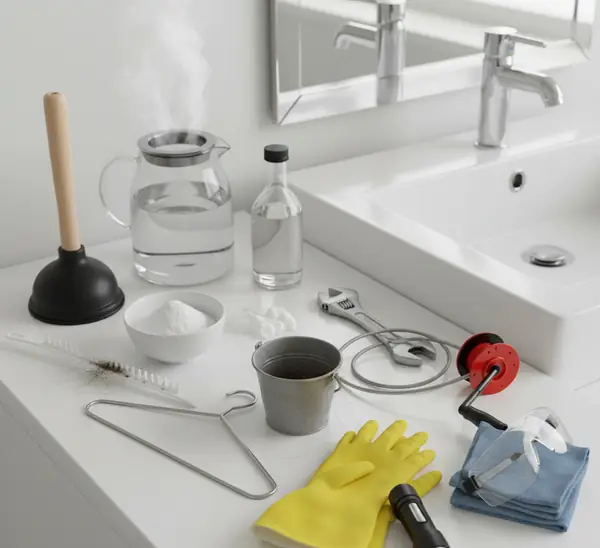
- A plunger, always handy for minor clogs
- A pipe wrench or pliers for tighter fittings
- A drain snake or a straightened wire hanger to fish out debris
- A bucket to catch water and gunk
- Rubber gloves to keep your hands clean
- Baking soda and vinegar, the natural cleaning pair
Step by Step: Changing Your Sink Drain
Turn off the water. Locate the valves under the sink and close them with a simple twist so nothing unexpected flows while the drain is open.
Remove the old drain. Loosen the fittings that hold the drain in place with the wrench or pliers, working gently to avoid cracking the sink, then lift the drain out. A stubborn one gives way with a little patience and elbow grease.
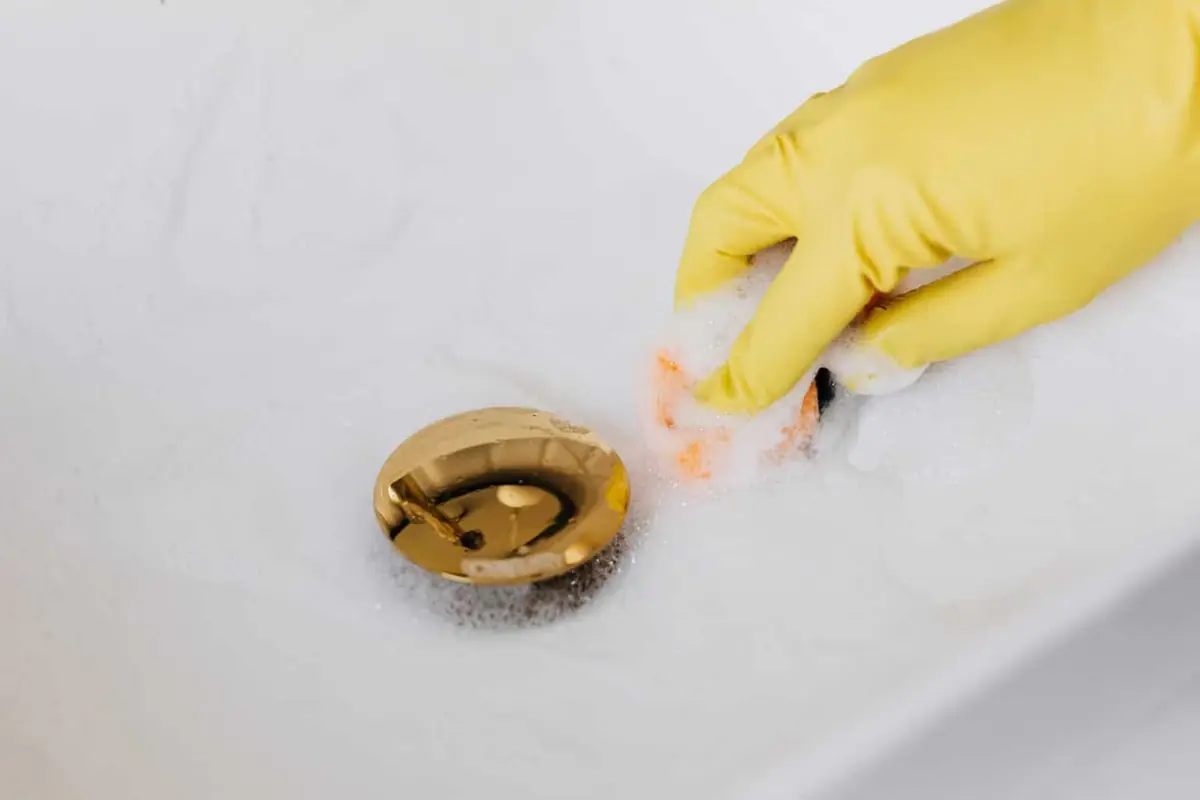
Clean the area. Expect gunk and residue around the opening. A cloth with a baking soda and vinegar mix clears it away and leaves a clean surface for the new drain to seal against.
Install the new drain. Apply plumber putty around the rim to create a watertight seal, set the drain into the opening, then tighten it from below. It takes some contorting under the cabinet, but nothing more than patience.
Reconnect and test. Refit any pipes that were disconnected and check that every joint is snug. Turn the water back on and run the tap, watching for a smooth drain and no leaks.
Cleaning and Unclogging a Slow Drain
You do not need harsh chemicals for this. Start with the simplest tool. A plunger is often the fastest answer to a blocked sink: keep enough water in the bowl to cover the cup, press down firmly, then pull up sharply and repeat several times.
If that fails, stir half a cup of baking soda into the same amount of salt, tip it down the drain, then rinse with about two litres of warm water. The mixture is abrasive enough to break down gunk, and the warm water helps dissolve what is left behind.
For stubborn blockages, use a drain snake or a straightened wire hanger with a small hook bent into one end. Ease it into the drain, work it around until you feel resistance, then pull the clog out. This is the best option for hair and soap scum, which rarely respond to water alone.
Regular Maintenance Tips
- Flush with hot water once a week, near boiling but not boiling, to melt greasy residue
- Pour baking soda and vinegar down the drain once a month, wait 15 to 20 minutes, then rinse
- Fit a strainer and empty it regularly so hair and food never reach the pipe
- Skip chemical drain cleaners, which can corrode pipes and cause leaks over time
Maintenance at a Glance
| Task | How often | Method |
|---|---|---|
| Hot water flush | Weekly | Pour near boiling water slowly down the drain |
| Natural cleaner | Monthly | Baking soda and vinegar, wait 15 to 20 minutes, rinse |
| Strainer check | Every few days | Empty hair and food particles into the bin |
| Fitting inspection | Seasonally | Look under the sink for damp joints or slow drips |
Safety Before You Start
Chemical drain cleaners are tempting when water will not move, but regular use damages pipes and the fumes irritate eyes, throat and lungs. If you do reach for one, ventilate the room, wear gloves and follow the label exactly. The CDC guidance on cleaning with bleach makes the same point for bleach based products: never combine them with another cleaner, because the vapours can be dangerous to breathe.
Wash your hands with soap and water once the gloves come off, one of the simplest ways to stop germs spreading, as the CDC handwashing page explains. A kitchen sink is also a food preparation area, so clean the basin and counter before disinfecting, and disinfect mainly when someone in the home has been unwell, following the order in the CDC home cleaning guide.
When to Call a Professional
A drain that keeps backing up after snaking, water pooling under the cabinet, or a cracked fitting all point to work beyond a homeowner toolkit. For the rest of the house, Toronto Shine Cleaning is insured, carrying $5,000,000 in liability insurance. Book a deep cleaning visit for the kitchen and bathrooms, keep it up with a regular cleaning plan, and check the pricing page for rates that start at $259 before HST. Call (647) 424-0355 to arrange a visit.
Frequently Asked Questions
How do I know the new drain is sealed?
Fill the sink, let it stand a few minutes, then release the water while you watch the fittings below with a torch. A dry joint after a full bowl has drained means the seal is sound.
Can I use boiling water on my pipes?
Near boiling is safer than a rolling boil. Hot water melts grease, but water straight off the stove can soften some plastic joints, so let the kettle rest for a minute first.
What if the clog keeps coming back?
Repeat clogs usually mean debris is caught further down than a plunger can reach. Try a snake, then a monthly baking soda and vinegar soak, and call a plumber if water still backs up.
Are chemical cleaners ever worth it?
Rarely, and never as routine maintenance, because they corrode pipes over time. If you use one, follow the label, ventilate the room and flush the pipe with plenty of water afterwards.