How to Clean a Refrigerator in 5 Steps

On this page
- Step 1: Empty the Fridge and Sort as You Go
- Step 2: Pull the Shelves and Drawers, Wash and Dry Them
- Step 3: Work Through the Walls, Ceiling and Door
- Step 4: Do Not Skip the Rubber Gaskets
- Step 5: Put Everything Back with Airflow in Mind
- Refrigerator Cleaning Schedule
- Weekly Habits That Keep a Fridge Cleaner
- When It Makes Sense to Bring In a Professional
- Common Questions About Fridge Cleaning
A fridge is the hardest-working appliance in most kitchens, and it is also the one people clean least often. Spilled juice, stray crumbs and forgotten leftovers feed bacteria, spread odours and can even make the compressor work harder than it should. Health Canada estimates that more than four million Canadians deal with food poisoning each year, and safe food handling begins with a clean fridge. The fix is simpler than it sounds: work through the five steps below.
Step 1: Empty the Fridge and Sort as You Go
Clear every shelf so you can see what you own and reach all the way to the back. Toss anything past its date or no longer wanted, so the fridge holds only food that is fresh and safe to eat. Move dairy, meat and produce into a cooler while you work, which keeps them at a safe temperature. Sorting as you unload also tells you what needs restocking and stops odours before they start.
Step 2: Pull the Shelves and Drawers, Wash and Dry Them
Take out every removable shelf and drawer, since they collect spills, crumbs and bacteria over time. Wash them in warm soapy water or a vinegar solution to loosen stuck-on grime, rinse until no residue remains, then dry them fully before they go back. Leaving moisture behind invites mold, so give each piece time to air dry.
Step 3: Work Through the Walls, Ceiling and Door
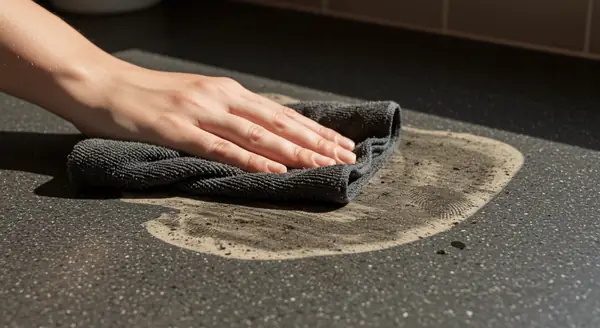
Blend warm water with a little mild detergent or vinegar, then wipe the walls, ceiling, shelves and door with a soft cloth. Corners and crevices trap food particles, so slow down there. Give sticky patches extra attention, then wipe every surface again with a damp cloth to lift any residue. A hygienic interior is what keeps stored food fresh and safe.
Step 4: Do Not Skip the Rubber Gaskets
Dip a cloth in a vinegar solution and run it along the full length of each seal, working into the folds. Clean seals hold temperature efficiently, which protects food and can trim energy use, and they stop the mold and mildew that cause stale smells. Moisture is the trigger for indoor mold growth, as the CDC explains in its mold and health guidance, so dry the gaskets after you wipe them.
Step 5: Put Everything Back with Airflow in Mind
Slide the dry shelves and drawers back into their original positions, then return food in an organized layout. Group similar items together, keep everyday staples at the front and centre, and push older items forward so they get used. Leaving a little space around containers helps air circulate and the fridge hold a steady temperature. The CDC food safety guidance reduces the job to four habits, clean, separate, cook and chill, and a tidy fridge supports all four. When you wipe down handles, work clean before you disinfect, following the CDC advice on cleaning and disinfecting your home.
Refrigerator Cleaning Schedule
| Task | How often | Why it matters |
|---|---|---|
| Spill wipe-down and date check | Weekly | Keeps bacteria and smells from taking hold. |
| Shelf and drawer wash | Every 3 to 4 months | Lifts residue you cannot see. |
| Seal and vent cleaning | Every 3 to 4 months | Keeps the door airtight and the unit running efficiently. |
| Complete empty-out reset | Twice a year | Gives the whole appliance a fresh start. |
Weekly Habits That Keep a Fridge Cleaner
- Check expiry dates as you unpack groceries, not weeks later.
- Wipe spills the moment they happen rather than at month end.
- Keep raw meat in a sealed container on a low shelf, well away from anything you will eat without cooking.
- Leave gaps between items so cold air can circulate freely.
When It Makes Sense to Bring In a Professional
Some fridges need more than a home routine: after a long rental vacancy, ahead of a home sale, or when the appliance sits inside a whole-home cleaning booking. Toronto Shine Cleaning treats the refrigerator interior as an add-on inside its deep cleaning service, alongside the oven and cabinets, and the pricing page confirms the full figure before you commit. Ring (647) 424-0355, read customer reviews, compare deep cleaning with regular maid service, and see which neighbourhoods are covered.
Common Questions About Fridge Cleaning
How often does a fridge need a full clean?
Clear out spills and check dates weekly, wash the shelves and drawers every few months, and strip the whole appliance down twice a year at minimum, plus after anyone in the home has been sick.
What is the best cleaner for inside a fridge?
A mix of warm water and mild dish soap, or a diluted vinegar solution, handles everyday residue without harming plastic or glass. Keep bleach sprays and aggressive chemicals away from anywhere food is stored.
How do I get rid of refrigerator odours?
Toss anything expired, wipe every surface, and treat the gaskets and drip pan too. Set out a box of baking soda, opened, on a middle shelf to soak up whatever remains after that.
Is vinegar safe on fridge gaskets?
Yes. Vinegar diluted in water will not harm the rubber, as long as you run a cloth down the entire gasket and dry it right away so nothing sits in the creases.