
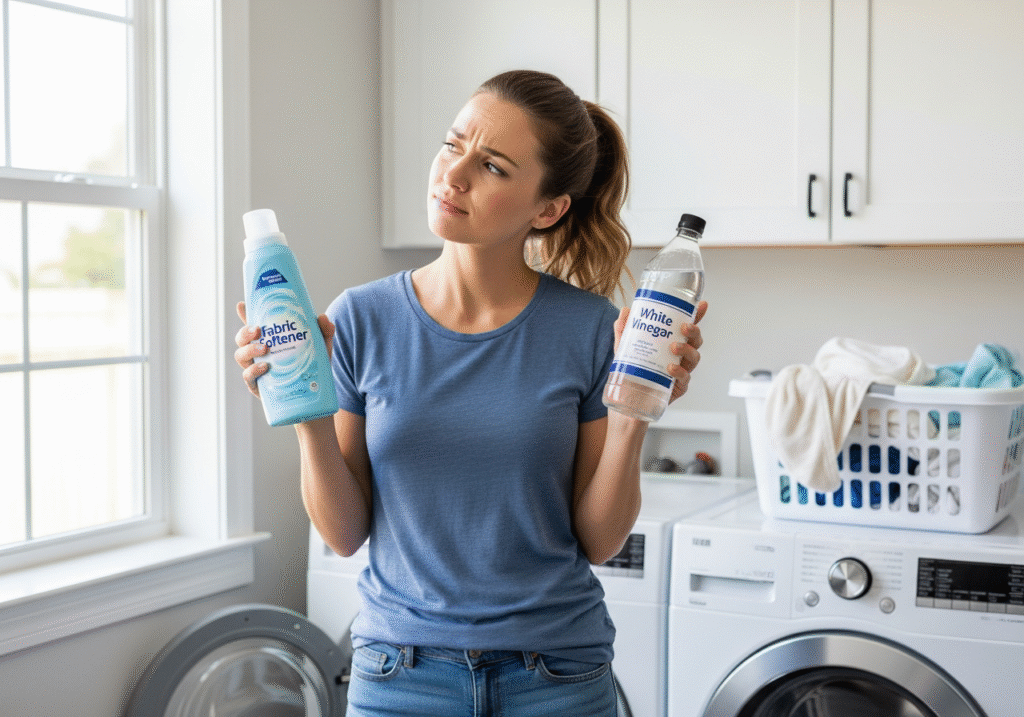
Fabric Softener vs. Vinegar: Which is Better for Your Laundry?
Fabric softener has become synonymous with the concept of “clean” for millions of households. We are conditioned to believe that clothes are not truly finished until they are perfumed with “ocean breeze” or “lavender fields” and feel silky to the touch. However, this staple of the laundry room is currently the subject of a significant debate in the world of textile care and appliance maintenance. While the immediate sensory benefits of fabric softener are undeniable, the long-term chemical effects on your wardrobe and your washing machine tell a more complicated story. To make an informed decision about whether to use these products, one must understand that fabric softener is not a cleaning agent; it is a conditioning agent that operates by coating fibers in a specific type of chemical residue. How Does Fabric Softener Work? To understand the pros and cons, we must first understand the mechanism of action. When you wash clothes, the agitation and the detergents strip away oils and dirt, leaving the fibers clean but often stripped of their natural lubricity. Furthermore, the mechanical action of the wash can leave natural fibers like cotton feeling rough or stiff, especially in areas with hard water where mineral deposits settle on the fabric. Fabric softeners are composed primarily of cationic surfactants. These are positively charged chemical molecules. Wet fabric fibers are generally negatively charged. Due to electrostatic attraction, the softener molecules bind tightly to the surface of the fabric, creating a thin, lubricating layer of fatty acids or silicones. It is essentially a layer of wax that stays on your clothes after the rinse cycle. The primary argument for the use of fabric softener is, naturally, the tactile improvement. For natural fibers like cotton and linen, which can become harsh and scratchy after repeated washing, softener restores a feeling of plushness. This is particularly noticeable with bedsheets and everyday clothing like t-shirts. The lubricating layer reduces friction between the individual fibers within the thread, allowing them to move against each other more freely. This results in a fabric that drapes better and feels smoother against the skin. For individuals with sensitive skin that is easily irritated by rough textures, this softening effect can make the difference between a comfortable garment and an unwearable one. Static Electricity Beyond the feel, there is the issue of static electricity. Static cling is a common annoyance, particularly in the winter months when the air is dry. Synthetic fabrics like polyester and nylon are prone to building up electrical charges as they tumble against each other in the dryer. The coating provided by fabric softeners and dryer sheets is conductive, which helps to neutralize these charges and prevent the fabrics from sticking together or sparking. If you live in a dry climate or wear a lot of synthetics, the anti-static properties of softener are a significant functional benefit that saves you from the embarrassment of a skirt clinging to your legs. The aesthetic appeal of fragrance is another massive driver of softener use. Laundry detergents often have scents that wash away or fade quickly. Fabric softeners are engineered with encapsulation technology, where fragrance molecules are trapped in microscopic bubbles that burst when the fabric is rubbed or moved. This ensures that the scent lingers for days or even weeks after the wash. For many, this lingering scent is the primary indicator of hygiene. A home that smells like fresh laundry is perceived as a clean home, and softener is the easiest way to achieve that olfactory standard. Additionally, the lubricating effect of the softener can help reduce wrinkling, making ironing easier or, in some cases, unnecessary for casual clothing. Absorption However, the very mechanism that provides these benefits—the coating of the fibers—is the source of the product’s significant downsides. The most detrimental effect of fabric softener is on absorbency. The waxy layer that makes a towel feel soft also makes it hydrophobic, meaning it repels water. When you use softener on bath towels, you are essentially waterproofing them. Over time, the buildup of these fatty acids coats the loops of the terry cloth. You end up with a towel that feels plush to the touch but merely pushes water around on your skin rather than soaking it up. This defeat of the towel’s primary function is a major drawback. To restore a towel’s absorbency, one often has to strip the fabric using vinegar and hot water to melt away the accumulated softener. This blocking of the fiber’s pores is even more catastrophic for modern athletic wear. Performance fabrics are engineered with a specific weave designed to wick moisture away from the body and allow it to evaporate quickly. This is a mechanical function of the textile. When you wash yoga pants or running shirts with fabric softener, the residue fills the micropores of the fabric. This traps sweat, dead skin cells, and bacteria inside the weave. The result is twofold: first, the garment loses its ability to wick sweat, leaving you clammy during a workout; second, it develops a “perma-stink.” Because the bacteria are trapped under a layer of silicone or wax, the detergent cannot reach them in the next wash. The clothes begin to smell musty even when they are technically clean. Manufacturers of high-end athletic gear almost universally advise against the use of softeners for this reason. Children’s Clothing The flammability of textiles is another serious safety concern that is often overlooked. Children’s sleepwear is legally required to be flame-resistant. This is achieved either through the use of specific synthetic fabrics or chemical treatments. Fabric softener, being derived from emulsified fats and oils, is inherently flammable. Coating flame-resistant pajamas in a layer of flammable residue reduces their resistance to fire. Most fabric softener bottles carry a warning label advising against use on children’s sleepwear or garments labeled as flame-resistant, yet many consumers pour it into every load indiscriminately, unknowingly compromising the safety features of the clothing. The impact on the washing machine itself is a “hidden cost” of fabric softener usage.
Fabric Softener vs. Vinegar: Which is Better for Your Laundry? Read More »