
Shower Cleaning Products: The Ultimate Guide to removing Hard Water Stains from Glass Shower Doors
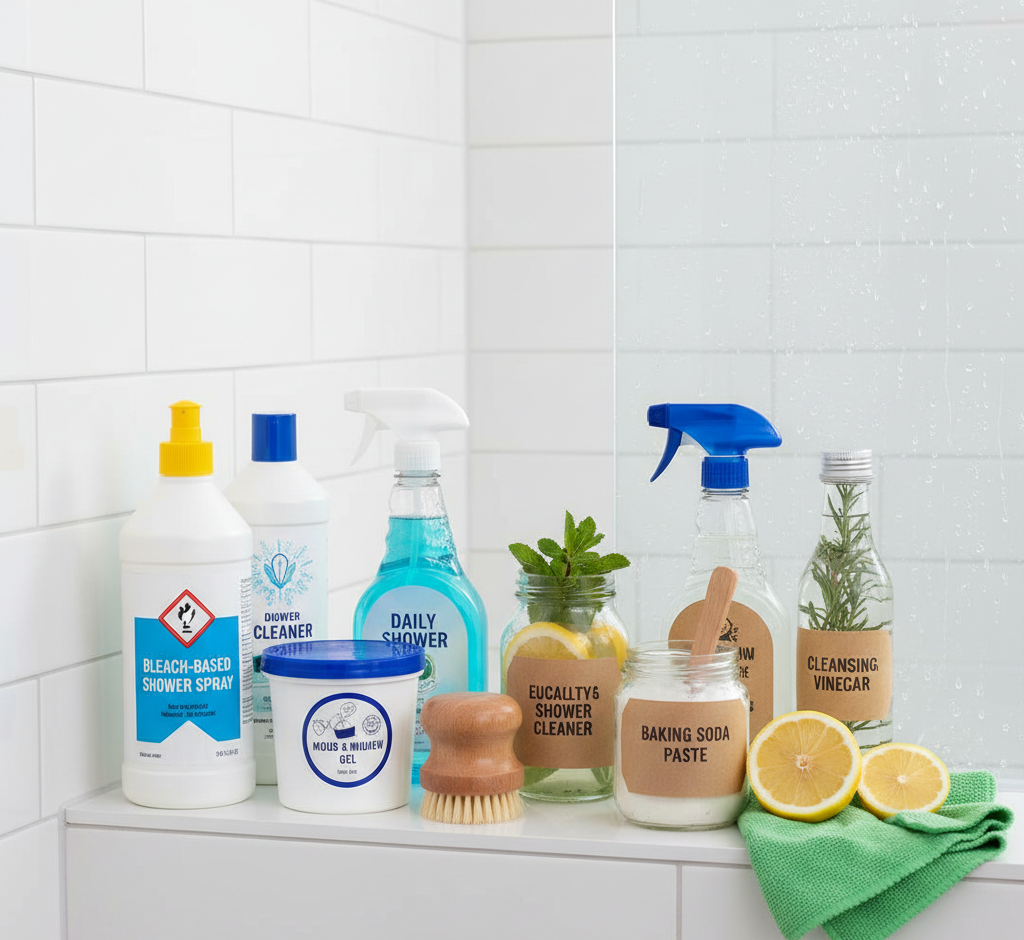
The shower is the most deceptive room in the home. Ideally, it is a pristine sanctuary of hygiene, a tiled box of steam and warmth where we wash away the cares of the day. Functionally, however, it is a biological and chemical battlefield. The shower environment creates a “perfect storm” for filth: high humidity, constant temperature fluctuations, and a steady supply of organic food sources (skin cells, oils) mixed with mineral-heavy water. This combination results in a layered defense system of grime that resists standard wiping. Soap scum, hard water scale, pink bacterial biofilm, and black mold all require different chemical approaches to defeat. Consequently, the aisle of the supermarket dedicated to “shower cleaning products” is often overwhelming, filled with neon bottles promising miracle results without scrubbing. To navigate this aisle effectively, and to actually clean your shower without damaging its surfaces or your lungs, you must understand the chemistry of the mess and the specific function of the chemicals designed to remove it. Acidic Products To choose the right product, you must first identify the primary enemy. In most North American homes, the white, cloudy film on glass doors and the rough texture on tiles is soap scum combined with limescale. Soap scum is chemically fascinating and frustrating; it is calcium stearate, a waxy solid formed when the fatty acids in bar soap react with the calcium and magnesium ions found in hard water. It is essentially waterproof grease. Limescale is purely mineral—calcium carbonate deposits left behind when water evaporates. Because these substances are alkaline (basic) in nature, the cleaning product required to remove them must be acidic. This is the fundamental rule of shower cleaning chemistry: acid dissolves mineral bonds. 1.Acidic Descalers This brings us to the first category of cleaning products: The Acidic Descalers. These are the workhorses for glass, ceramic tile, and chrome fixtures. Products in this category often contain citric acid, lactic acid, or in heavy-duty commercial versions, phosphoric or hydrochloric acid. When you spray these onto a shower door, the acid reacts with the alkaline minerals, breaking them down into soluble salts that can be rinsed away. If you see a product bubbling or fizzing upon contact with the grout or tile, you are witnessing this chemical reaction. These products are essential for restoring the shine to faucets and the transparency to glass. However, they carry a significant risk. Acid eats natural stone. If your shower is lined with marble, travertine, limestone, or slate, using a standard acidic bathroom cleaner will “etch” the stone, dissolving the calcium in the rock itself and leaving dull, rough spots that are permanent. For natural stone showers, you must bypass the heavy-duty descalers and select pH-neutral cleaners specifically formulated for stone, accepting that mechanical scrubbing will be required to do the work that the acid usually does. 2.Bleach-Based Oxidizers The second category tackles the biological threats: The Bleach-Based Oxidizers. While acids handle the minerals, they are often less effective against the living organisms that colonize the damp corners of the shower. The black spots on silicone caulk and the dark stains in the grout lines are fungal. The pink or orange slime around the drain is a bacteria called Serratia marcescens. To kill these, you need a disinfectant. Chlorine bleach (sodium hypochlorite) is the industry standard. Bleach-based sprays work by oxidizing the cell walls of the mold and bacteria, effectively destroying them. They also have a bleaching action that removes the pigment of the stain, making the grout look white again. However, there is a pervasive misconception that bleach “cleans” dirt. It does not. It kills and whitens, but it does not dissolve soap scum or limescale. In fact, if you spray bleach onto a thick layer of soap scum, the mold living underneath the scum will survive because the bleach cannot penetrate the waxy barrier. Furthermore, bleach is not a penetrating agent for porous materials like grout; it often just bleaches the surface mold while the root structure remains alive deep in the cement, leading to rapid regrowth. Therefore, bleach products should be viewed as the second step in a two-step process: first, remove the mineral/soap barrier with a cleaner, then disinfect the surface with a bleach product. 3.Abrasive Cleansers The third category is the Abrasive Cleansers, often found as creams, pastes, or powders. These products rely on physics rather than pure chemistry. They contain micro-particles—often feldspar, limestone, or silica—that physically grind the dirt off the surface. Products like “soft scrub” or scouring powders are exceptionally effective on textured shower floors (like fiberglass or acrylic pans) where dirt gets trapped in the non-slip grooves. They are also the best solution for removing grey metal marks from porcelain or stubborn rings around the drain. The carrier fluid (the cream) usually contains a surfactant (soap) to lift the loosened debris. The danger with abrasives is scratching. Using a coarse powder on a plastic shower wall or a high-gloss acrylic tub can dull the finish over time, creating a rougher surface that actually traps dirt faster in the future. These products require elbow grease and thorough rinsing to prevent a chalky residue from remaining. 4.Enzymatic Cleaners An emerging and highly effective category involves Enzymatic Cleaners. Borrowed from the pet-mess cleanup industry, these products use bio-active enzymes to digest organic matter. In a shower, enzymes can break down the protein and fat structures of body oils, skin cells, and soap residue. They are excellent for maintaining drains and keeping the “funk” out of the shower. While they work slower than acids or bleach—requiring “dwell time” to eat the dirt—they are generally safer for the user and the environment, and they pose no risk to plumbing or septic systems. 5.Daily Shower Spray The “Daily Shower Spray” represents a preventative approach. These products are chemically distinct from deep cleaners. They rely on surfactants and cheating agents (chemicals that bind to minerals) to reduce the surface tension of water. The goal is to make the water sheet off the walls and glass before it can evaporate and leave mineral deposits behind.