
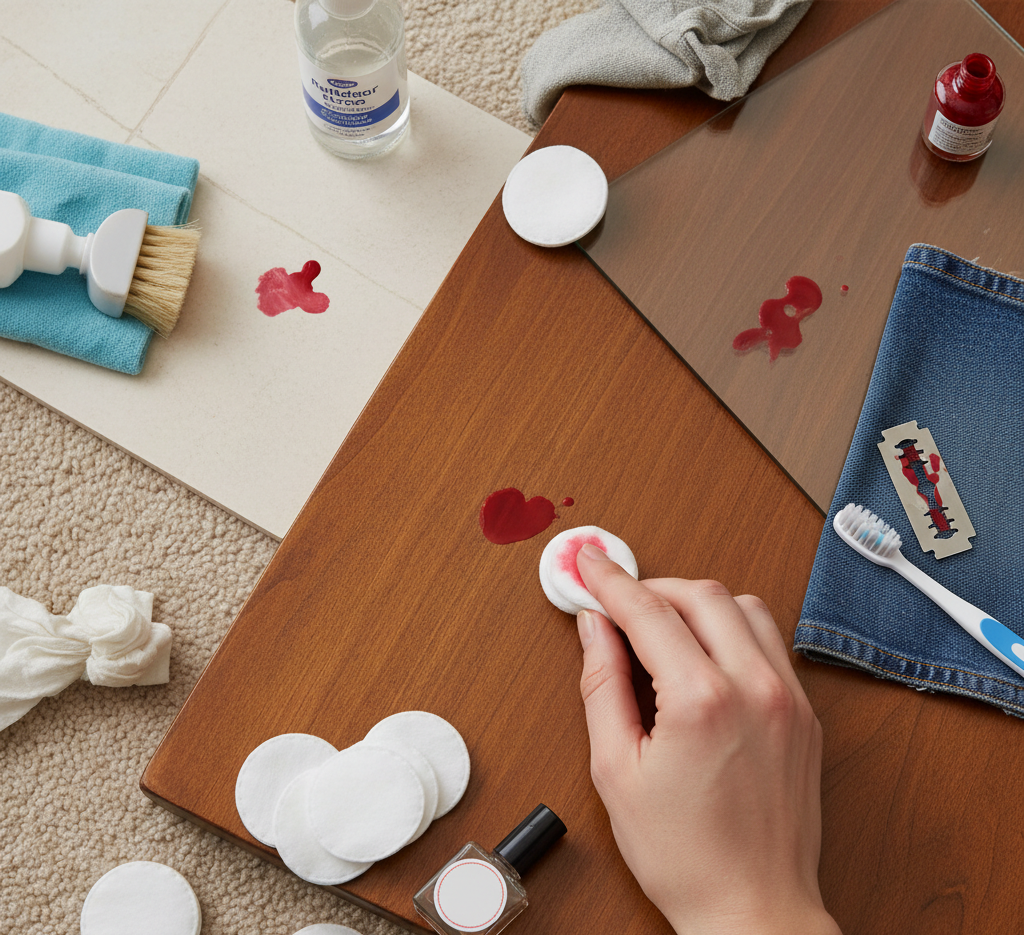
6 Tips How to Remove Nail Polish from Any Surface
A spilled bottle of nail polish is a moment of pure, heart-stopping panic. That small bottle contains a viscous, intensely pigmented lacquer designed to be durable, hard, and resistant to chipping—all the properties that make it a formidable and terrifying opponent when it lands on your carpet, your wooden floor, or your favorite piece of clothing. Removing a nail polish stain is not like treating a simple food or drink spill; it is a delicate chemical operation that requires patience, precision, and a clear understanding of the interaction between the solvent and the surface. Acting rashly with the wrong product or technique can spread the stain, dissolve the material underneath, and turn a small accident into a permanent disaster. Be Quick Before attempting any removal, there are several golden rules that must be observed. The first and most critical is to act as quickly as is safely possible. Wet nail polish is significantly easier to deal with than polish that has dried and hardened, bonding to the fibers of a fabric or the finish of a floor. Second, your instinct will be to scrub, but you must resist. The correct technique is always to blot, not rub. Rubbing or wiping a wet spill will only smear the polish over a larger area, pushing it deeper into the material and making the problem exponentially worse. Third, regardless of the surface, you must always perform a spot test with your chosen cleaning agent on a hidden, inconspicuous area first. The solvents powerful enough to dissolve nail polish are also powerful enough to dissolve dyes, finishes, and even the fibers of the material itself. Testing on the inside of a hem, a patch of carpet inside a closet, or the underside of a piece of furniture is a non-negotiable step that can save you from irreversible damage. Finally, ensure you are working in a well-ventilated area. Nail polish removers, particularly those containing acetone, produce strong fumes that can be irritating and flammable. The primary weapon in this battle is nail polish remover itself, but it comes in two main forms: acetone-based and non-acetone. Acetone is a powerful, aggressive solvent that is highly effective at dissolving polish quickly. However, it is also highly destructive to many surfaces, including certain plastics, synthetic fabrics like acetate, and virtually all wood finishes. Non-acetone removers are gentler and safer for a wider range of materials, but they work more slowly and may not be powerful enough for a heavy, set-in stain. The wise approach is to always begin with the gentlest method—a non-acetone remover—and only escalate to acetone if necessary, and only after a successful spot test. Surfaces 1.Porous and Delicate Let us begin with the most challenging scenarios: porous and delicate surfaces. If you spill nail polish on a wooden floor or piece of furniture, your first instinct must be to keep the acetone bottle far away. Acetone will strip the lacquer, varnish, or polyurethane finish from wood almost instantly, leaving a permanent, cloudy scar that will require professional refinishing to repair. The correct approach here is a careful and methodical one. If the polish is still wet, gently dab at the very center of the spill with a paper towel to absorb the excess, being extremely careful not to spread the puddle. For dried polish, do not scrape with a metal tool, which will scratch the wood. Instead, try a gentler solvent. Denatured alcohol is a good option. Apply a small amount to a cotton swab and gently dab at the polish, working from the outside edges of the stain inward. You should see the polish begin to dissolve and transfer to the swab. A surprising but effective alternative is aerosol hairspray, which contains solvents that can break down the lacquer. Spray a small amount onto the stain, let it sit for twenty to thirty seconds, and then gently wipe it away with a soft cloth. After using any solvent, you must immediately clean the area with a cloth dampened with a mild soap and water solution to neutralize the solvent, then wipe it completely dry. 2.Carpets Carpet is another common victim of nail polish spills and requires a multi-step, patient approach. First, if the spill is wet, use a spoon or the dull edge of a butter knife to gently scoop up as much of the excess polish as possible. Then, blot the remaining stain with a clean, dry paper towel. Next, begin the solvent treatment. Start with a non-acetone remover. It is crucial that you never pour the remover directly onto the carpet, as this will soak through to the backing and can dissolve the latex that holds the carpet together. Instead, apply a small amount of the remover to a clean, white cloth. Dab the stain with this cloth, again, working from the outside in to prevent the stain from spreading. As the polish transfers to your cloth, continuously move to a clean section of the cloth to avoid redepositing the stain. You will need to repeat this blotting process many times. If the non-acetone remover is not working, you can escalate to acetone, but only after you have tested it on a hidden piece of carpet to ensure it does not cause discoloration or melt the fibers. Once the polish has been lifted, the job is not done. You must now remove the solvent from the carpet fibers. To do this, blot the area with a new cloth dampened with plain, cool water. At the end, clean the spot with a solution of a few drops of clear, non-bleach dish soap mixed in a cup of water to remove any lingering residue from both the polish and the remover. Finish with a final “rinse” by blotting with a water-dampened cloth, and then dry the area by piling a thick stack of clean, dry paper towels on the spot and weighing them down with something heavy for several hours to wick all the moisture out of the carpet and padding. 3.Upholstery The
6 Tips How to Remove Nail Polish from Any Surface Read More »