









One Humble Bottle, Five Unexpected Jobs
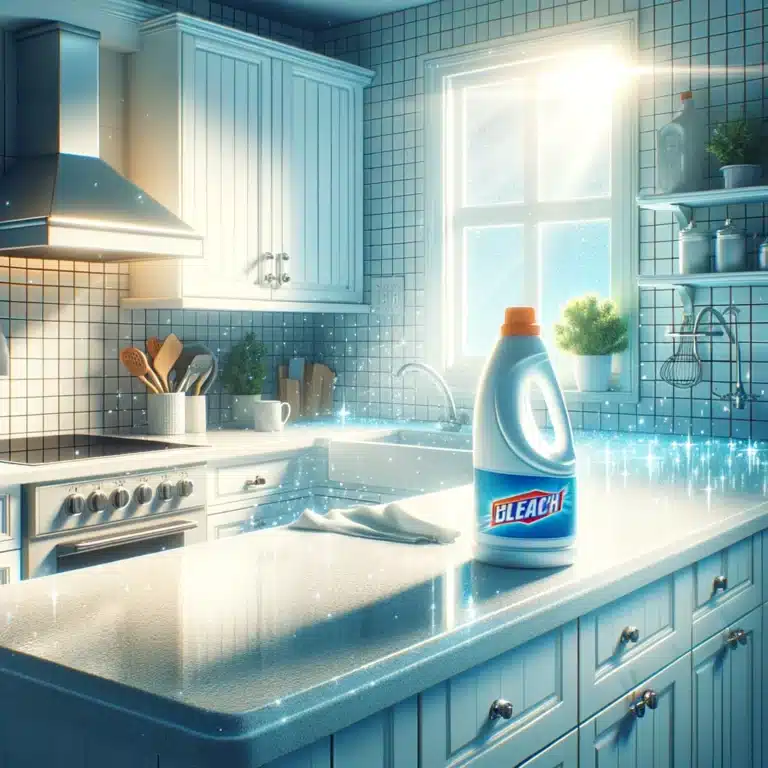
Bleach has sat in the cleaning cupboard for generations, zapping germs and brightening whites, and it quietly earns its place in far more routines than most households realize. Used at the right dilution, with gloves and an open window, it disinfects the surfaces raw meat touched, lifts decades from tired grout, neutralizes bin smell at the source, evicts mold spores, and pulls dinginess out of towels. The five methods below show how to get those results without the hazards people worry about, because every one of them starts and ends with the same safety habits.
Use 1: Sanitize Cutting Boards and Countertops
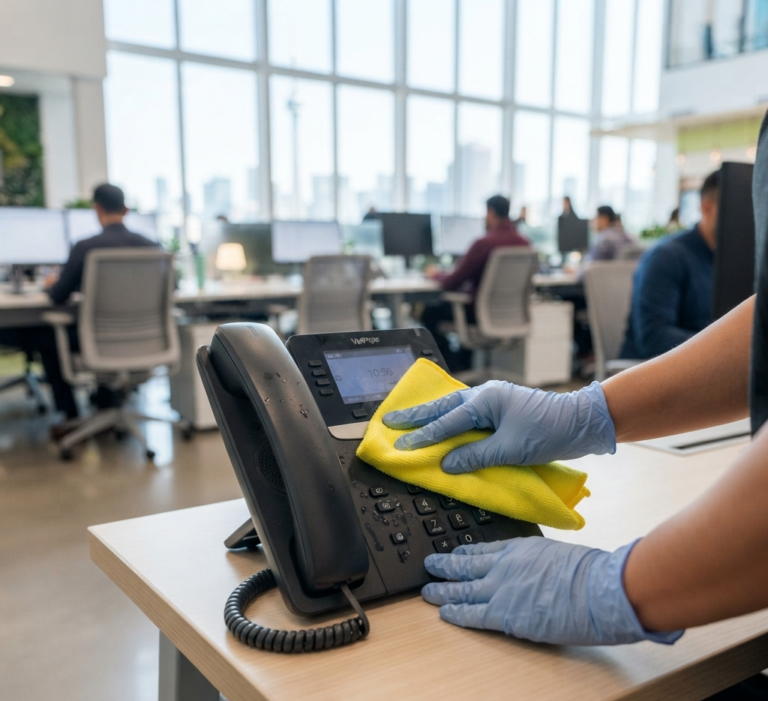
A simple solution of bleach diluted in water becomes a potent, cheap weapon against foodborne illness, and its reach extends well beyond the board: appliance handles, sink faucets, and even the interior of the fridge all collect spills and contaminants. The habit that matters is timing. After handling raw ingredients, wipe surfaces with the solution, let it sit for a few minutes to maximize germ-killing power, then rinse thoroughly with water so no bleach residue remains anywhere food will touch again. That rinse step is non-negotiable, and the payoff is a kitchen you can genuinely trust between meal preps.
Use 2: Bring Old Grout Back From the Dead
Grout is porous, so it drinks in dirt and grime until tiles look tired no matter how often you mop. The fix is a paste built on bleach’s whitening, disinfecting power plus the gentle abrasive action of baking soda. Apply it to the lines, let it work, then scrub with a brush so the physical action teams up with the chemistry to lift years of staining. In moisture-prone bathrooms and kitchens this also kills mold and mildew spores, helping prevent their return, and the rinsed-off result looks like a re-grouted room for the price of two pantry ingredients. Keep the exhaust fan running and your gloves on the whole time.
Use 3: Disinfect and Deodorize Trash Cans
A damp bin full of organic waste is a germ incubator, and the smell is bacterial decomposition announcing itself. Soap and water make the can look clean; a properly diluted bleach solution annihilates the bacteria, viruses, and fungi responsible, which is why the odor comes back gone rather than masked. Scrub inside and out with gloves on and ventilation open, then let the can air dry completely so leftover solution evaporates and the disinfectant finishes working. Sun drying adds a boost, since UV light contributes its own natural sanitizing effect. Do this whenever the bin starts to smell between takeouts.
Use 4: Deep-Clean Mold and Mildew
Mold and mildew are more than ugly: they aggravate allergies, asthma, and other respiratory problems, and they thrive wherever damp meets warmth, from bathrooms and kitchens to basements. Bleach’s strong oxidizing properties break mold down at a molecular level, killing the growth and making regrowth harder. Spray or sponge on the affected area, give it a real dwell time so it penetrates, scrub, then rinse well, because residual bleach fumes and skin contact are exactly what you are trying to avoid. Prevention decides whether this is a one-time job: run exhaust fans, fix leaks promptly, and dehumidify chronically damp rooms. Outdoors on siding or patios, a garden sprayer reaches big or high areas efficiently, but shield plants and grass first, since bleach runoff harms vegetation. The CDC’s mold and your health page explains who is most at risk, and Health Canada’s rules on household products cover reading labels for approved uses.
Use 5: Rescue Dingy White Laundry
Whites gray and yellow from body oils, sweat, and everyday stains that detergent alone leaves behind. Bleach’s active ingredients react with wash water to lift discoloration from deep inside fibers, whitening beyond what an ordinary cycle achieves, and the same antibacterial action makes towels, sheets, and underwear hygienically as well as visibly cleaner. Measure honestly: a general rule of thumb is about 1/4 cup per regular load, adjusted up or down for load size and soil level, because too much weakens fibers over time while too little leaves the dinginess. Check every care label first, since some fabrics cannot take bleach at all. If the environmental trade-off bothers you, oxygen-based brighteners are a gentler alternative that still tackles stains.
Bleach Safety Rules Before You Open The Bottle
- Always dilute with water to the right proportion: strong enough to disinfect, weak enough to protect surfaces and lungs
- Wear gloves and keep the room ventilated every single time you use it
- Rinse food-contact surfaces thoroughly after the dwell time, with no residue left behind
- Never combine bleach with ammonia-based or acidic cleaners, and store it away from kids and pets
- Protect plants and grass from runoff when treating outdoor mold or mildew
- Check fabric care labels before adding bleach to any laundry load
The Five Bleach Jobs Side by Side
| Job | Method | Key detail |
|---|---|---|
| Cutting boards and counters | Diluted solution, wipe and wait | Sit a few minutes, then rinse food surfaces fully |
| Grout lines | Bleach and baking soda paste plus brush | Ventilate; rinse away all loosened grime |
| Trash cans | Diluted scrub inside and out | Air dry, sun helps via UV |
| Mold and mildew | Apply, dwell, scrub, rinse | Exhaust fans and repairs prevent return |
| Whites laundry | About 1/4 cup per regular load | Adjust to load size; check care labels |
Bleach Questions From Real Households
Is bleach safe to use at all? Handled responsibly, yes, and Health Canada regulates it as a household chemical with label directions that are worth following. Dilution, gloves, ventilation, and thorough rinsing are what separate a safe routine from a risky one.
Can I use the CDC bleach guidance for food-contact surfaces? Yes. The CDC page on cleaning and disinfecting with bleach walks through dilution and contact time, the same details that make the cutting-board method work.
Will bleach kill mold forever? It kills surface growth and spores on non-porous materials and keeps regrowth away longer, but moisture is the root cause. Without ventilation, leak repairs, or dehumidification, mold will return no matter how well you scrubbed.
What if my grout or kitchen is past a DIY paste? Some buildup needs equipment and dwell times a household bottle cannot support. A scheduled deep cleaning service handles whole-home resets, and weekly upkeep from a regular cleaner keeps grime from reaching that stage; see pricing for both.
When To Call In Backup
Bleach is a powerhouse, but it is a tool, not a substitute for ventilation, rinsing, and honest dilution. Follow the safety rules above and five stubborn chores stop being chores. For the jobs that outgrow a weekend, Toronto Shine Cleaning brings trained crews, proper PPE, and insured service under a $1,000,000 policy to homes across the city. Reach us at (647) 424-0355 to book a reset, or start with our reviews to see how neighbors rate the finish.