Cleaning Checklist

Razor Blade Scraper to Your Cleaning Kit Today

Why You Should Add a Razor Blade Scraper to Your Cleaning Kit Today

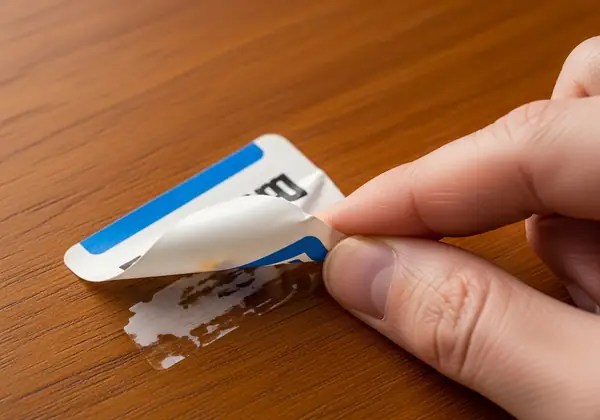
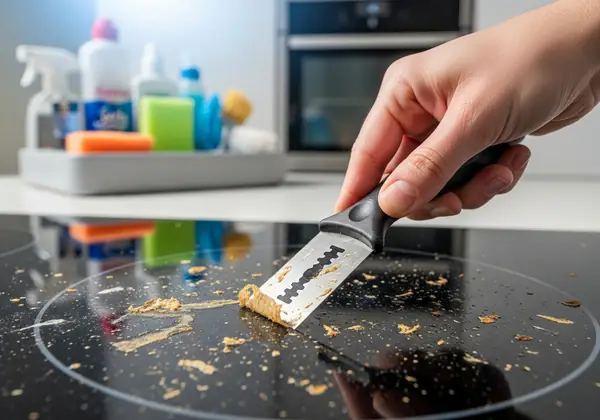
In the vast arsenal of cleaning tools, ranging from high-tech steam machines to complex chemical solvents, the humble razor blade scraper stands out as an anomaly. It is technologically primitive—a simple shard of steel held in a plastic or metal housing—yet it remains the ultimate problem solver for the most stubborn household soils. While the average homeowner often views the razor blade with trepidation, fearing that bringing a sharp edge near a delicate surface will result in catastrophic scratching, professional cleaners understand that the scraper is often safer and more effective than a scrubbing pad. The razor blade scraper operates on the principle of mechanical leverage, shearing the bond between the dirt and the surface rather than relying on abrasion. Understanding how to wield this tool transforms the cleaning process, turning hours of frustrating scrubbing into minutes of precise removal. How it Works To appreciate the utility of the razor blade scraper, one must first understand the physics of adhesion. When substances like paint, tree sap, burnt sugar, or hardened adhesives stick to a surface like glass or ceramic, they form a bond that is stronger than the friction provided by a cloth or a sponge. Attempting to remove these substances with a scouring pad requires applying significant downward pressure. This pressure creates friction, but because the scouring pad is abrasive, it acts like sandpaper. It grinds the soil, but it also grinds the surrounding surface. This is why glass cooktops often develop a hazy, swirled appearance over time; they have been micro-scratched by abrasive sponges. A razor blade scraper, by contrast, applies force laterally. It slides underneath the soil, exploiting the microscopic gap between the contaminant and the substrate. The blade acts as a wedge, lifting the debris off in a single sheet or flake without ever needing to grind the surface itself. The primary domain of the razor blade scraper is glass. Windows, mirrors, and glass-ceramic cooktops are materials that are harder than the steel of the blade, which allows the metal to glide over them without digging in. The glass cooktop is perhaps the most common application. When pasta water boils over or sugary sauces drip onto a hot burner, they carbonize instantly. Once cooled, this residue becomes concrete-like. Chemical cleaners can soften the top layer, but they rarely penetrate to the base of the burn. A razor blade scraper, held at a forty-five-degree angle, slices through this carbonization effortlessly. The key is lubrication. A scraper should never be used on a dry surface. The presence of a liquid—whether it is a specialized glass cooktop cleaner, soapy water, or even a glass cleaner—reduces friction and allows the blade to hydroplane slightly. This prevents the “chatter” or skipping of the blade that can cause gouges. Windows Windows are another area where the scraper is indispensable, particularly after renovations or painting projects. Painters tape is effective, but paint splatter is inevitable. Removing dried latex or oil paint from a windowpane with a rag is nearly impossible; it simply smears the paint into a thinner, more stubborn film. A razor blade snaps the dried paint off the glass in satisfying, solid chips. Similarly, stickers and decals that leave behind a gummy residue are easily conquered. Solvents like acetone can dissolve the glue, but they create a sticky mess that spreads. A scraper pushes the adhesive and the paper backing off together, leaving clean glass behind. This is also true for biological assaults, such as bird droppings or insect residue on exterior windows, which bake onto the glass in the sun and resist standard washing. However, the power of the razor blade scraper comes with strict rules of engagement. The first rule is the angle of attack. The blade must be held at a shallow angle, typically between thirty and forty-five degrees relative to the surface. If the angle is too steep, approaching ninety degrees, the blade ceases to act as a scraper and begins to act as a chisel. This is where damage occurs. A steep angle drives the edge into the glass rather than along it. Conversely, an angle that is too shallow prevents the edge from biting into the residue. Finding the “sweet spot” is a tactile skill; you can feel when the blade catches the dirt and begins to lift it. How to Use The second rule is unidirectional motion. A razor blade scraper is a pushing tool, not a pulling tool. You push the blade forward into the dirt, lift it away from the glass, pull it back, and push again. Dragging the blade backward across the surface is a cardinal sin. The edge of a razor blade is incredibly thin and fragile. If you drag it backward, the microscopic edge can roll over or chip. A chipped blade is essentially a serrated knife. The next time you push that damaged blade forward, the tiny burr on the metal will etch a scratch into the glass. This is why inspecting the blade before every use is mandatory. If the blade looks rusty, dull, or uneven, it must be discarded immediately. A fresh blade is a safe blade. There is also a critical distinction to be made regarding the type of glass being cleaned. Not all glass is created equal. Standard annealed glass and heat-strengthened glass are generally safe for scraping. However, tempered glass—often found in safety doors, shower screens, and side windows of cars—presents a unique risk. During the tempering process, microscopic glass dust, known as fabricating debris, can bake onto the surface of the glass. These particles are invisible to the naked eye. When a razor blade slides over them, it can dislodge these tiny glass rocks and drag them across the surface, creating deep, chaotic scratches. This is not the fault of the metal blade, but the fault of the debris being dragged by it. Professional window cleaners often perform a sound test on a small, inconspicuous corner of tempered glass. If the scraper makes a gritty, grinding sound, they stop immediately. For

Why You Should Add a Razor Blade Scraper to Your Cleaning Kit Today Read More »

woman needing to organize the house for holiday guests

5 Ways to Organize Your Home to Accommodate Extra Guests

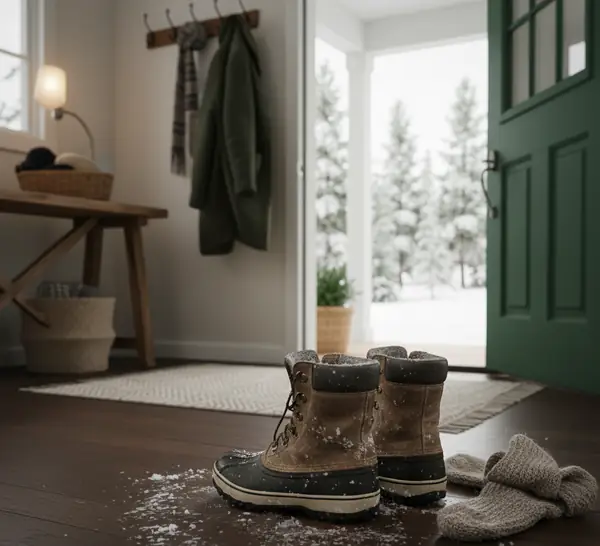
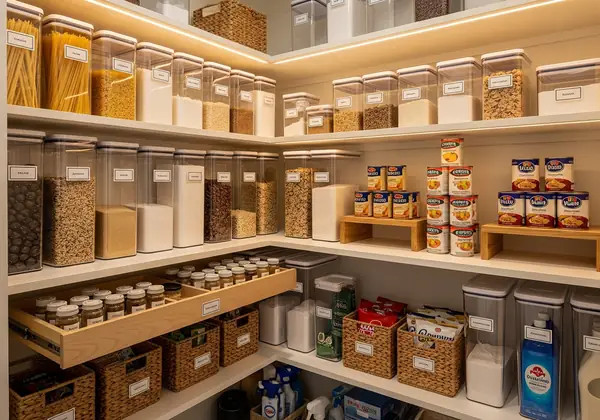
The end of the year brings a significant change to the atmosphere of a home, and we need to organize for guests; the house transforms from a private sanctuary, used for daily work and study routines, into a semi-public space dedicated to hospitality and celebrations. This metamorphosis brings with it a unique set of logistical challenges. Hosting guests, whether for a single dinner party or an extended stay, requires more than just a surface-level clean; it demands a structural reorganization of the living environment. The house must function differently when occupancy doubles or triples. Pathways need to be clearer, storage needs to be accessible, and the visual noise of daily life needs to be silenced to create a welcoming backdrop for the festivities. Organizing for guests is an exercise in empathy, requiring the host to walk through their own home with the eyes of a stranger to identify the friction points that might go unnoticed during the rest of the year. Entryway The organization process must begin at the threshold. The entryway is the bottleneck of the holiday home. In the winter months, this area is subjected to an onslaught of bulky coats, wet boots, scarves, and bags. A common mistake is failing to clear the family’s personal gear before the guests arrive. If the coat rack is already full of the host’s jackets, guests are left holding their outerwear or piling it on a bed in a distant room. The first step of organization is a ruthless purge of the front hall closet. Move the family’s winter gear to a secondary location, such as a garage, a basement, or a bedroom closet, to leave the prime real estate empty for visitors. Provide ample, sturdy hangers—not the flimsy wire ones that buckle under the weight of a wool peacoat. If the closet is small, setting up a temporary garment rack can prevent the “coat pile” on the sofa, which immediately clutters the living space. Floor space in the entryway is equally critical. In many regions, the end of the year means snow, mud, and salt. A standard doormat is rarely sufficient for a party’s worth of wet boots. Investing in large, rubber boot trays protects the flooring and keeps the slush contained. Organizing this area also means removing the visual clutter of mail, keys, and school permissions forms that tend to accumulate on entry tables. A clear surface at the door allows guests to set down a purse or a gift comfortably without knocking over a stack of bills. It sets the tone for the rest of the home; a chaotic entryway signals a chaotic visit, while a streamlined one suggests order and calm. Guest Room Moving into the guest accommodations, the definition of organization shifts from storage to comfort. If you have a dedicated guest room, it often serves as a storage unit for the other eleven months of the year, housing wrapping paper, out-of-season clothes, or exercise equipment. This debris must be removed, not just pushed into the corner. The guest needs to feel that the room was prepared specifically for them, not that they are invading a storage locker. This means clearing out the closet and the dresser drawers. It is uncomfortable for a guest to live out of a suitcase for a week because the drawers are full of the host’s old sweaters. Empty at least two drawers and provide cleared hanging space. The bedside area requires specific attention to modern needs. In the past, a lamp and a clock were sufficient. Today, the most important amenity is an accessible power outlet. Guests should not have to crawl under the bed or move heavy furniture to charge their phones. Organizing the room means checking the outlet situation and, if necessary, adding a power strip or an extension cord that sits on the nightstand. Bedding should be checked for freshness well in advance. Linens that have sat in a cupboard for a year often develop a stale, musty smell. Washing everything, including the duvet cover and the mattress protector, ensures the bed feels fresh. Adding an extra blanket at the foot of the bed is a functional organizational touch that prevents the guest from having to ask for more heat in the middle of the night. The bathroom is perhaps the most scrutinized room in the house. When organizing for guests, the goal is to make the space intuitive. Guests should never have to search for the essentials. Toilet paper should be stocked visibly, either in a basket or a clear stack, so there is no awkwardness when a roll runs out. Towels need to be distinct and plentiful. A common organizing tactic is to provide a specific color of towel for guests, separating them from the family’s daily linens. This prevents confusion and ensures that the guest always knows which towel is theirs. The countertops must be cleared of the host’s personal clutter. Toothbrushes, makeup bags, and razor stands should be stowed away in drawers or medicine cabinets. A guest needs surface area to place their own toiletries. If the shower is to be shared, clear the rim of the tub of half-empty shampoo bottles. A streamlined shower feels cleaner and more inviting than one crowded with the family’s grooming products. Kitchen The kitchen, usually the hub of the holiday, requires a zoning strategy. The danger in a kitchen during a party is that guests naturally congregate there, often blocking the work triangle (stove, sink, refrigerator) and hindering the cook. Organizing the kitchen for guests involves creating “self-serve” stations that draw people away from the active cooking zones. Set up a drinks station with glasses, ice, and beverages on a sideboard or a separate table. Create a snack zone on the island or a coffee table in the adjacent room. By physically separating the consumption areas from the preparation areas, you manage the flow of traffic. Inside the kitchen, the countertops must be ruthlessly decluttered. Appliances that are not essential for the holiday meal—the toaster,

5 Ways to Organize Your Home to Accommodate Extra Guests Read More »

Grill Cleaning A Masterclass in Barbecue Grill Maintenance

Grill Cleaning: A Masterclass in Barbecue Grill Maintenance

Cleaning the grill is important and the barbecue is undoubtedly the centerpiece of the outdoor culinary experience, a symbol of leisure, summer evenings, and the primal joy of cooking over an open fire. It’s a meeting point for friends and family, where the aroma of grilled meat and caramelized vegetables creates a festive atmosphere.However, once the last burger is flipped and the guests have departed, the grill is often abandoned to cool in the darkness, coated in a layer of rendered fat, charred marinades, and ash. This cycle of use and neglect is the primary cause of equipment failure and culinary disappointment. A grill is a cooking appliance just like a stove or an oven, yet it is exposed to the elements and subjected to intense, direct heat that carbonizes food residue into a stubborn, cement-like substance. Mastering the art of Barbecue Grill Cleaning is not merely a chore to be endured; it is a fundamental requirement for food safety, fire prevention, and the preservation of the flavor profiles you work so hard to create. A Dirty Grill Enhances The Flavor To understand the necessity of Barbecue Grill Cleaning, one must first dispel the persistent myth that a dirty grill adds flavor. There is a common misconception among amateur pitmasters that the black crust accumulated on the grates and the flavorizer bars is “seasoning,” similar to what one might find on a cast-iron skillet. This is false. A cast-iron skillet is seasoned with polymerized oil that creates a non-stick surface. The buildup on a grill is simply carbonized food waste, rancid grease, and soot. When this material heats up, it does not release a pleasant smoky aroma; it emits acrid, bitter smoke that coats fresh food with the taste of old, burnt meals. Furthermore, this buildup contains polycyclic aromatic hydrocarbons (PAHs) and heterocyclic amines (HCAs), chemical compounds formed when fat burns at high temperatures, which are known carcinogens. Regular Barbecue Grill Cleaning removes this toxic residue, ensuring that the smoke flavoring your food comes from your wood chips or charcoal, not from the decaying remnants of last month’s chicken wings. The process of Barbecue Grill Cleaning must begin with a focus on safety, particularly regarding the fuel source. If you are working with a gas grill, the tank should be turned off and disconnected. If it is a charcoal grill, all old ash must be cold and removed. The most critical safety hazard in a neglected grill is the grease fire. Every time you cook fatty foods, the rendered liquid drips down past the burners and collects in a tray or cup at the bottom of the unit. Over time, this grease creates a thick, flammable sludge. If a flare-up from the burners reaches this reservoir, the entire bottom of the grill can become an inferno that is difficult to extinguish with water. Routine Barbecue Grill Cleaning involves locating this grease management system—often hidden behind the doors of the cart—and scraping out the tray or replacing the disposable liner. Neglecting this hidden area is the leading cause of grill-related property damage. How to Clean Properly The grates are the primary point of contact for your food and naturally receive the most attention during Barbecue Grill Cleaning. The method of cleaning depends entirely on the material. Porcelain-coated cast-iron grates are fragile; if the porcelain chips, water enters the iron and causes rust, which eventually destroys the grate. For these, a soft brass brush or a nylon scrubber is preferred over harsh steel. Stainless steel grates are more durable and can withstand aggressive scrubbing with a stainless steel wire brush or a scraper. However, a significant safety concern has arisen in recent years regarding wire brushes. Loose bristles can snap off, adhere to the sticky grill surface, and eventually become embedded in food, leading to severe medical emergencies if ingested. As a result, many experts now recommend using coil brushes, wooden scrapers that form-fit to the bars over time, or even a ball of crumpled aluminum foil held with tongs for safe Barbecue Grill Cleaning. Beneath the grates lie the heat deflectors, often called flavorizer bars or heat tents. These metal angles protect the burners from direct dripping and help distribute heat evenly. They are also the first line of defense against grease and are subjected to extreme thermal shock. During Barbecue Grill Cleaning, these bars should be removed and scraped clean. They are often coated in a thick layer of white and black ash. If this ash is allowed to build up, it acts as an insulator, preventing the grill from reaching high searing temperatures. If these bars are crumbling or have holes rusted through them, cleaning is futile, and they must be replaced to protect the delicate burners underneath. The Burner Tubes The burner tubes themselves are the engine of a gas grill, and maintaining them is a delicate part of Barbecue Grill Cleaning. Over time, the tiny ports—the holes where the gas exits—can become clogged with drippings or corrosion. This results in uneven heating, where one side of the grill is hot while the other is tepid. Worse, insects such as spiders are attracted to the smell of propane and the shelter of the tubes. They often spin webs inside the venturi tubes (the mix point for air and gas), which creates a blockage. This blockage forces gas back toward the control knobs, leading to a “flashback” fire behind the control panel. Cleaning the burners involves using a venturi brush to clear the tubes and a small pin or paperclip to poke out any clogged ports, ensuring a consistent blue flame across the entire length of the tube. The interior of the lid and the cookbox is an area that often causes alarm for grill owners. Over time, the inside of the lid develops what looks like peeling black paint. This is rarely paint; it is a deposit of carbonized grease and smoke that has built up in layers and is now flaking off due to heat expansion. While not toxic, these flakes can fall onto your food, looking like

Grill Cleaning: A Masterclass in Barbecue Grill Maintenance Read More »

A family cleaning the kitchen for the end-of-year holidays.

Kitchen To-Do List Before The Holidays: 9 Essential Tips For a Worry-Free End of The Year

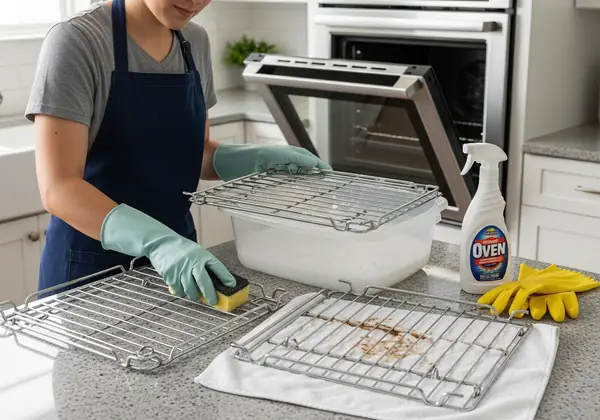
The kitchen is the undisputed command center of the holiday season. It is the engine room where the memories, the meals, and the chaos are manufactured. During the rest of the year, your kitchen might handle a quick breakfast and a simple dinner, but in December, it is expected to perform at an industrial level. The oven runs for hours at high heat, the refrigerator is packed to capacity with raw meats and precarious platters, and the dishwasher is cycled multiple times a day. If this machinery is not prepared for the onslaught, the result is not just a burnt turkey or a spoiled dessert; it can be a mechanical failure that brings the festivities to a grinding halt. Preparing the kitchen for the holidays is not merely about making it look presentable for guests; it is a logistical and sanitary necessity to ensure the safe and efficient execution of the season’s demands. 1.Refrigerator The first step in this preparation must be the refrigerator, effectively the staging ground for the entire holiday operation. Most people wait until they come home with bags of groceries to think about fridge space, which leads to a game of “Tetris” that compromises airflow and food safety. A packed refrigerator cannot circulate cold air effectively. If the air vents are blocked by boxes of leftovers or old condiments, the temperature in the back may freeze the lettuce while the temperature in the door rises to unsafe levels for milk and eggs. Two weeks before the holiday, a ruthless purge is required. Check every expiration date. The jars of pickles from three years ago and the crusty bottles of salad dressing must go. Once the space is cleared, the shelves and drawers need to be removed and washed with hot, soapy water. Spills from raw meat or sticky residues from soda bottles are breeding grounds for bacteria like Listeria, which thrives in cold environments. Sanitizing the fridge now prevents cross-contamination when you load it with the holiday roast. 2.Oven Once the cold storage is addressed, attention must shift to the heat source. The oven is the workhorse of the holiday meal, and a dirty oven is a liability. There is a dangerous temptation to run the “self-clean” cycle a few days before Christmas to make the interior sparkle. This is a critical error. The self-clean cycle heats the appliance to extreme temperatures, often exceeding 900 degrees Fahrenheit, to incinerate food residue. This thermal shock can blow fuses, fry electronic control boards, or burn out the heating element. Appliance repair technicians see a massive spike in calls right before holidays specifically because homeowners use this feature. Instead of risking a breakdown, you must clean the oven manually. Use a commercial degreaser or a paste of baking soda and water to lift the carbonized grease from the floor and walls of the oven. Clean the glass door so you can monitor the cooking without opening it and losing heat. Most importantly, clean the racks. Racks coated in old grease can smoke at high temperatures, flavoring your delicate pastries with the acrid taste of burning oil. 3.Exhaust Fan Ventilation is the invisible component of a successful holiday dinner. The range hood is responsible for removing steam, smoke, and airborne grease. If the metal mesh filters are clogged with a year’s worth of sticky yellow resin, the fan cannot breathe. Instead of venting the smoke, the system will recirculate it or, worse, drip hot grease back down onto the stovetop. Remove the filters and soak them in boiling water mixed with a heavy-duty degreaser or baking soda. You will be shocked by the amount of oil that releases. A clean filter ensures that when you sear the meat or boil the potatoes, the moisture and odors are actually removed from the house, keeping the air fresh for your guests. 4.Dishwasher The dishwasher is the unsung hero that prevents the host from spending the entire evening at the sink. However, a dishwasher cannot clean your plates if it is clogged with debris. At the bottom of the unit, usually under the lower spray arm, is a filter basket. This basket catches bones, glass shards, and undissolved food. If it is full, the water circulation is restricted, and the machine ends up spraying dirty, gritty water over your dishes. Pull this filter out and scrub it under hot running water with a stiff brush. Check the spray arms for clogged jets; a single apple seed stuck in a spray hole can leave an entire section of the rack unwashed. Run an empty cycle with a specialized dishwasher cleaner or a bowl of vinegar to remove hard water scale and buildup from the internal pipes. You need this machine to be operating at peak efficiency to handle the heavy, greasy loads of holiday cookware. 5.Countertop Countertop real estate is the most valuable commodity during holiday prep. In the weeks leading up to the main event, the counters act as the assembly line. Every square inch covered by a decorative jar, a seldom-used blender, or a stack of mail is a lost workspace. Be ruthless in your decluttering. If an appliance is not going to be used specifically for the holiday meal, move it to a cupboard or the basement. The goal is to create “zones” for preparation—a zone for chopping, a zone for mixing, and a zone for plating. Deep clean the corners where the backsplash meets the counter, as these areas often harbor crumbs and dust that you don’t want mixing with your cookie dough. Cleaning the undersides of the upper cabinets is also a detail that pays off; steam from cooking often creates a greasy film there that can drip when the kitchen heats up. 6.Microwave Small appliances also require a pre-holiday audit. The microwave will be working overtime to reheat side dishes and melt butter. Inspect the interior ceiling of the microwave, an area often coated in splatters that have been re-cooked dozens of times. These old food particles

Kitchen To-Do List Before The Holidays: 9 Essential Tips For a Worry-Free End of The Year Read More »

cleaning an air fryer

5 Signs Your Air Fryer Needs a Deep Clean Immediately

The air fryer has rapidly ascended the ranks of kitchen appliances to become as essential as the toaster or the microwave. It promises the golden, crispy texture of deep-fried food with a fraction of the oil, a proposition that has won over health-conscious cooks and busy families alike. However, this miracle machine hides a dirty secret. The very mechanism that makes it effective—high-speed air circulation—is also what makes it uniquely prone to accumulating filth. As the fan whips superheated air around the chamber, it also whips droplets of grease, crumbs, and spices, coating not just the basket, but the walls, the fan blades, and the heating element itself. Over time, these layers of debris polymerize, turning into a sticky, tar-like substance that can smoke, ruin the flavor of your food, and even pose a fire hazard. While most users rinse the basket after use, a true deep clean is rarely performed, leaving the heart of the machine to slowly suffocate under a blanket of carbonized grease. Anatomy of an Air Fryer To understand how to clean an air fryer effectively, one must appreciate the anatomy of the mess. Unlike a traditional oven, which is large and has static heating elements, an air fryer is a compact convection chamber. When you cook a fatty piece of chicken or a burger, the fat renders and spatters. In a large oven, this spatter hits the walls far away from the food. In an air fryer, the walls and the heating element are inches away. The intense heat bakes this grease onto the surfaces almost instantly. If you notice an acrid smell when you turn the machine on, or if thin wisps of white smoke escape from the vents, it is a sign that the machine is burning old food residue rather than cooking your dinner. 1.Should I Wash the Items by Hand or in The Dishwasher? The deep cleaning process must begin with safety. The air fryer should be unplugged and completely cool. Attempting to clean a hot element is dangerous and can lead to burns or damage to the cleaning tools. Once the unit is safe to handle, the easy part begins: the removable components. The basket and the crisper plate (or pan) are the workhorses. Most are dishwasher safe, but relying solely on the dishwasher is often a mistake. The harsh detergents and high heat of a dishwasher can degrade the non-stick coating over time, causing it to flake off. It is far better to wash these parts by hand. If there is stubborn, baked-on grease, the secret is not scrubbing, but soaking. Fill the basket with hot water and a generous squirt of grease-fighting dish soap. Let it sit for at least twenty minutes. This softens the bond between the food and the metal. For the stubborn residue that remains after soaking, you must be careful with your choice of tools. The non-stick coating in air fryers is notoriously fragile. A green scouring pad or a steel wool ball will destroy the surface in seconds, rendering the basket useless. Instead, use a non-abrasive sponge or a soft-bristled brush. If you encounter a spot that refuses to budge, create a paste using baking soda and a little water. Apply this paste to the spot and let it sit. Baking soda is a mild alkali that helps dissolve grease and offers a gentle abrasion that won’t scratch the coating. 2.Inside The Air Fryer Once the basket is clean, the real work begins. The interior of the main unit is where the deep clean truly happens, and it is the area most often neglected. To access this, you often need to turn the air fryer upside down or lay it on its back. Before doing this, ensure the crumb tray or basket is removed to prevent loose debris from falling into the fan. Looking up into the cavity, you will see the heating element—usually a spiral metal coil—and the fan behind it. This area is likely coated in dark brown spots or a greasy film. This buildup acts as an insulator, preventing the element from radiating heat efficiently, and it creates smoke. Cleaning the heating element requires precision. You cannot spray water or cleaner directly into this area, as it leads to the motor and electronics. Instead, you must use a damp tool. A soft toothbrush or a bottle brush is ideal for this. Dip the brush in warm, soapy water and shake off the excess liquid. Gently scrub the coil to remove the carbonized grease. It is a tedious process, as the grease is often baked on hard. For tough spots on the element, a paste of baking soda and water can be applied carefully with the toothbrush. Let it dry, then scrub it off with a clean, damp brush. It is crucial to be gentle; bending or damaging the heating coil can ruin the machine. Behind the heating element lies the fan. This is the hardest part to reach, but it is critical for airflow. If the fan blades are heavy with grease, the motor has to work harder to spin them, which can shorten the lifespan of the appliance. You can use a long-handled brush or a cotton swab to wipe the blades. It is difficult to get them perfectly clean without disassembling the unit—which voids the warranty and is generally not recommended—but removing the bulk of the surface grease will significantly improve performance. 3.Air Fryer Walls The walls of the interior chamber also need attention. These are usually metal or heat-resistant plastic. A microfiber cloth dampened with a mixture of vinegar and water is excellent for wiping these down. The vinegar cuts through the grease and neutralizes odors without leaving a soapy residue that could burn the next time you cook. Be sure to wring out the cloth well; you want to wipe the surface, not drench it. Pay special attention to the corners and the area where the basket slides in, as crumbs often accumulate here and

5 Signs Your Air Fryer Needs a Deep Clean Immediately Read More »

a clean gutter in winter

Gutter Cleaning: Why Gutter Cleaning is the Most Critical Winter Prep Task

The structural integrity of a house is often determined by how effectively it manages water. Gutter cleaning and preventative maintenance are essential. While the roof acts as the primary protection against precipitation, the gutter system functions as the fundamental drainage network that directs this water away from vulnerable parts of the building. However, this critical system is frequently neglected until a visible problem arises, such as a waterfall cascading over the front door or a damp spot appearing in the basement. This negligence creates a cascade of mechanical and structural failures that can cost thousands of dollars to repair. The simple, periodic act of gutter cleaning is the single most effective maintenance task a homeowner can perform to prevent water damage, yet it remains one of the most procrastinated chores due to the difficulty and danger involved in reaching the roofline. Blockage To understand why gutter cleaning is non-negotiable, one must understand the physics of a clogged trough. When leaves, twigs, and organic debris accumulate in a gutter, they create a dam. During a rainstorm, the water running off the roof carries granules from the shingles and fine dust, which mixes with the decomposing leaves to form a heavy, dense sludge. This muck does not dry out easily. It sits in the metal channel, adding immense weight to the fascia boards that hold the gutters in place. Over time, this weight causes the gutters to pull away from the house, ruining the pitch—the slight angle necessary for water to flow toward the downspout. Once the pitch is ruined, water pools even when the debris is removed, creating a permanent mosquito breeding ground and a rust accelerant for steel gutters. Regular gutter cleaning removes this weight before it can alter the geometry of the drainage system. The most severe consequence of failing to perform gutter cleaning occurs at the foundation of the home. The primary purpose of a gutter is to transport roof water at least six to ten feet away from the perimeter of the house. When gutters are clogged, water overflows the sides and falls directly down against the foundation walls. This soil saturation creates hydrostatic pressure, a force where the weight of the water pushes against the concrete or stone of the basement walls. Eventually, this water finds a crack or a porous section and enters the home. A wet basement is rarely caused by a rising water table; it is almost always caused by surface water that was not properly diverted. The cost of waterproofing a basement is astronomical compared to the cost of routine gutter cleaning, making the latter an essential investment in the longevity of the concrete footing and slab. Furthermore, the damage extends upward to the roof itself. In colder climates, a clogged gutter is the primary architect of the ice dam. When snow melts on the upper, warmer parts of the roof, it runs down toward the eaves. If the gutter is full of frozen debris, the meltwater cannot escape. It freezes, building a wall of ice. Subsequent meltwater pools behind this ice wall and backs up under the shingles. As this water sits against the roof deck, it seeps through nail holes and seams, destroying the insulation in the attic and rotting the plywood sheathing. This can lead to interior leaks that ruin drywall and paint inside the living quarters. Performing gutter cleaning in the late autumn, after the leaves have fallen but before the first freeze, is the only way to ensure the channel remains clear for meltwater to pass through safely. Compost Bin Biology also plays a significant role in the necessity of this chore. A gutter filled with rotting organic matter is essentially a compost bin elevated twenty feet in the air. This environment is attractive to a host of pests. Carpenter ants, mosquitoes, and even rodents find shelter and moisture in the debris. Birds often build nests in the corners of gutters, which completely block water flow. As these animals establish themselves, they often look for ways to enter the attic warmth, chewing through fascia boards or soffit vents. Regular gutter cleaning disrupts these habitats and removes the food sources and nesting materials that invite vermin into the structure of the house. It turns the gutter back into a cold, metal channel rather than a warm, organic ecosystem. The timing of gutter cleaning is dictated by the flora surrounding the property. For most homes, a twice-yearly schedule is the minimum requirement. The spring clean is necessary to remove the seeds, buds, and “helicopters” (maple keys) that fall as trees wake up. These small particles are particularly dangerous because they pack tightly into the downspouts, creating dense plugs that are difficult to dislodge. The autumn clean is the heavy lifting phase, dealing with the bulk volume of deciduous leaves. However, homes surrounded by pine trees face a year-round battle. Pine needles are insidious; they mat together and resist the flow of water, often bypassing gutter guards. For these properties, gutter cleaning may be required quarterly to prevent the needles from turning into a hardened acidic mat that corrodes aluminum and copper. Protection The process of gutter cleaning itself is physically demanding and fraught with risk. Ladder safety is the most critical component. Thousands of emergency room visits every year are attributed to falls from ladders during home maintenance. The ladder must be placed on firm, level ground, often difficult to find in garden beds or on sloped driveways. It must be set at the correct angle—the one-to-four rule—to prevent it from sliding out at the base or tipping backward. Furthermore, leaning a ladder against a metal gutter can dent the thin aluminum, compromising the aesthetic and function of the system. Professionals use standoff arms or stabilizers that rest on the roof surface or the wall, protecting the gutter lip. For the average homeowner, the physical act of climbing up and down, moving the ladder every four feet, creates fatigue that increases the likelihood of an accident. This danger is a primary reason why gutter cleaning is often outsourced to experts who have the equipment and training to work

Gutter Cleaning: Why Gutter Cleaning is the Most Critical Winter Prep Task Read More »

flu season

Flu Season: Is Your “Clean” Home Making You Sick? The Hidden Germs You Missed

Get ready for flu season, december in Canada is a time of duality. On one hand, it is the season of warmth, celebration, and gathering, where homes are filled with the scent of baking and the sounds of family. On the other hand, it is the undisputed peak of the viral season, a time when the harsh weather forces us indoors, sealing us into environments where air is recirculated and physical proximity is unavoidable. As the temperature drops and the windows are latched tight to preserve heat, our homes transform into perfect incubators for the influenza virus, the common cold, and various other respiratory pathogens. While we often focus on washing our hands, we frequently neglect the environment those hands interact with. We scrub the floors and vacuum the carpets to make the house look presentable for guests, but we often miss the invisible landscape of germs that colonize the small, high-traffic areas of our homes. True sanitation during flu season requires a shift in perspective from cleaning for aesthetics to cleaning for health, focusing intensely on the “high-touch” points that serve as the transit hubs for infection. Cleaning and Disinfecting The first step in fortifying your home against illness is understanding the crucial distinction between cleaning and disinfecting. These terms are often used interchangeably in casual conversation, but in the world of hygiene, they represent two distinct physical processes. Cleaning is the removal of visible soil, dust, and debris using soap, water, and friction. It physically lowers the number of germs by washing them away, but it does not necessarily kill them. Disinfecting, conversely, is a chemical process designed to destroy pathogens on a microscopic level. The mistake most homeowners make is attempting to disinfect a dirty surface. If a doorknob or a countertop has a layer of grease, dust, or sticky residue on it, that organic matter acts as a shield for bacteria and viruses. The disinfectant cannot penetrate the soil to reach the germ underneath. Therefore, the rule for flu season is rigid: clean first, then disinfect. You must remove the barrier of dirt before you can effectively neutralize the threat. Once the surface is clean, the efficacy of your disinfection efforts depends entirely on a concept known as dwell time. We live in a culture of immediacy, conditioned by commercials that show a person spraying a counter and wiping it dry instantly. In reality, this “spray and wipe” technique is almost useless against robust viruses like the flu. Chemical disinfectants require time to break down the cell walls of bacteria or the protein shells of viruses. If you wipe the product away immediately, you are essentially just giving the germs a bath. Most EPA-registered disinfectants require the surface to remain visibly wet for anywhere between three to ten minutes to achieve the kill rate promised on the label. This requires patience. It means spraying the light switch or the faucet handle and walking away, letting the liquid sit and do its work before wiping up any excess. Ignoring dwell time is the primary reason why flu spreads through households even when they claim to be cleaning regularly. Door Handle The entryway of the Canadian home is the primary breach point for pathogens. It is where the outside world makes contact with the sanctuary of the interior. When we come in from the cold, our hands are often the first things to touch the hardware. The exterior and interior doorknobs, the deadbolt turn, and the handle of the storm door are constantly bombarded with bacteria from public transit, grocery carts, and workplace surfaces. Yet, these hardware pieces are rarely scrubbed. The keypad of a garage door opener or a smart lock is even worse, as the textured buttons trap oils and dirt, creating a sticky medium that holds onto viruses for days. Sanitizing these points should be the first ritual of returning home. It is not enough to just wipe the knob; the edge of the door where people grab to pull it shut is often overlooked and heavily contaminated. Kitchen Utensils Moving into the heart of the home, the kitchen acts as the central gathering hub during the holidays, making it a high-risk zone for cross-contamination. While countertops usually get wiped down, the hardware of the kitchen is frequently ignored. Think about the refrigerator handle. It is touched by every member of the family, often while cooking, eating, or snacking. It is grabbed by unwashed hands reaching for milk or leftovers. The same applies to the handle of the microwave, the oven, and the dishwasher. These appliances are touched dozens of times a day, yet they are often only cleaned when there is a visible spill. Small appliances are equally guilty. The handle of the coffee pot, the button on the kettle, and the knobs on the toaster are fomites—objects capable of carrying infection. Even the salt and pepper shakers, passed from person to person during a holiday dinner, can act as vectors for the flu. A nightly routine of wiping these specific handles with a disinfectant can significantly reduce the viral load in the kitchen. Controls The living room offers a different set of challenges, primarily centered around entertainment and relaxation. The remote control is arguably the single filthiest object in the entire house. It is handled by everyone, often while eating popcorn or snacks, and it inevitably falls on the floor or gets stuffed between sofa cushions. The rubber buttons are difficult to clean, trapping debris and moisture that bacteria thrive on. Similarly, video game controllers are held for hours at a time in warm, sweating hands, creating a perfect environment for bacterial growth. These electronics cannot be sprayed directly with liquid, as moisture will damage the circuitry. They require careful cleaning with disinfectant wipes that are damp but not dripping, ensuring that the chemical gets into the crevices between the buttons without seeping into the device. Light switches in the living room and hallways are another universal touchpoint. The toggle switch itself

Flu Season: Is Your “Clean” Home Making You Sick? The Hidden Germs You Missed Read More »

Dangerous to Your Health: 5 Common Products That are Dangerous For Your Daily Life

What would be dangerous to your health? The modern home is often viewed as a sanctuary, a controlled environment where we retreat from the pollution and chaos of the outside world. We scrub, spray, and polish surfaces with the intention of creating a safe, hygienic space for our families. However, there is a profound irony hidden within the cabinets under our sinks. In our aggressive pursuit of cleanliness, we have introduced a chemical arsenal that often makes the air inside our homes significantly more toxic than the air outside. The products we trust to sanitize our countertops and brighten our floors are frequently composed of volatile compounds that are potentially dangerous to your health. Understanding the chemistry of these common household items is the first step in dismantling the dangerous myth that a strong chemical smell equates to a clean home, when in reality, it often signals the presence of toxins. 1.Sodium Hypochlorite The most ubiquitous and perhaps most misunderstood chemical in the cleaning arsenal is sodium hypochlorite, commonly known as bleach. It is the default weapon for many when tackling mold, mildew, or bathroom grime. The risk of bleach lies not just in its corrosive nature, which can burn skin and eyes upon contact, but in its respiratory impact. Bleach is highly volatile. When used in a confined space like a shower or a small bathroom, the fumes react with organic matter to create chlorinated volatile organic compounds that are dangerous to your health, especially if you suffer from respiratory issues. inhaling these fumes causes immediate irritation to the mucous membranes of the throat and lungs. Furthermore, the chemical instability of bleach leads to one of the most common and deadly household accidents: the mixing of cleaners. If bleach is mixed with ammonia—which is found in urine and many glass cleaners—it produces chloramine gas. If mixed with acidic cleaners, it releases chlorine gas. Both of these reactions create an immediate atmospheric condition that is acutely dangerous to your health, leading to hospitalization or worse. 2.Ammonia Ammonia itself is another staple that warrants extreme caution. It is the primary active ingredient in many glass and window cleaners due to its ability to evaporate quickly without streaking. However, ammonia is a powerful irritant. Upon inhalation, it seeks out moisture, meaning it aggressively attacks the eyes, the throat, and the lungs. High concentrations of ammonia are dangerous to your health, causing chemical burns to the respiratory tract and exacerbating chronic conditions like asthma. The risk is compounded by the method of application. Most ammonia products are sold in spray bottles. When the trigger is pulled, the chemical is aerosolized into a fine mist. This mist hangs in the breathing zone, ensuring that the person cleaning inhales a significant dose with every breath. The distinct, sharp odor of ammonia is a warning signal from the body that the environment has become dangerous to your health, yet many push through the discomfort under the false impression that the pain is necessary for cleanliness. 3.Fragrance or Parfum Beyond the obvious corrosives, there is a silent and pervasive threat hiding in almost every bottle: fragrance. The word “fragrance” or “parfum” on an ingredient label represents a regulatory loophole. It is considered a trade secret, meaning manufacturers are not required to list the hundreds of specific chemicals that make up their signature scent. Within this chemical cocktail, one often finds phthalates. Phthalates are a group of chemicals used to make scents last longer, but they are also known endocrine disruptors. They mimic hormones in the body, potentially interfering with reproductive development, making them subtly but profoundly dangerous to your health over the long term. When you spray a lemon-scented counter spray or plug in a floral air freshener, you are releasing these compounds into the air. They settle on surfaces, are absorbed through the skin, and are inhaled into the bloodstream. 4.Air Fresheners and Fabric Deodorizers Air fresheners and fabric deodorizers are particularly egregious offenders in this category. These products do not clean; they coat. Many air fresheners work by releasing a nerve-deadening agent that temporarily interferes with your ability to smell, or by coating the nasal passages with an oily film. Others simply overload the air with volatile organic compounds (VOCs) to mask the underlying odor. These VOCs contribute to poor indoor air quality, leading to headaches, dizziness, and fatigue. The use of aerosol sprays adds another layer of risk, as the propellants themselves can be flammable and irritating to the lungs, making the very act of freshening the room dangerous to your health. Using these products is essentially solving a hygiene problem with a pollution problem, replacing a bad smell with a toxic chemical cloud. 5.Oven Cleaners and Drain Openers The heavy artillery of kitchen cleaning, oven cleaners and drain openers, represents the most immediate physical danger. Oven cleaners are typically formulated with lye (sodium hydroxide), a caustic substance that dissolves baked-on grease by turning it into soap. This chemical is so corrosive that it can cause permanent blindness if it splashes into the eyes and severe chemical burns on the skin. The fumes generated when spraying a cold oven are bad enough, but many people make the mistake of spraying the cleaner onto a warm oven. This vaporizes the lye, creating a toxic cloud that fills the kitchen and is immediately dangerous to your health upon inhalation. Similarly, drain openers rely on concentrated sulfuric acid or lye to burn through hair and grease clogs. These chemicals generate intense heat and can damage old pipes, but the health risk to the user is paramount. If the product fails to clear the clog and a plumber later tries to snake the drain, the splashing backwash creates a scenario that is physically dangerous to your health. 6.Quats In the post-pandemic world, the use of quaternary ammonium compounds, or “quats,” has exploded. These are the active ingredients in most disinfectant wipes and sprays. While effective at killing bacteria and viruses, quats are powerful lung irritants. There is growing evidence to suggest that frequent exposure to quats

Dangerous to Your Health: 5 Common Products That are Dangerous For Your Daily Life Read More »

Washroom Cleaning

Beyond the Surface: Why Washroom Cleaning Requires a Different Strategy

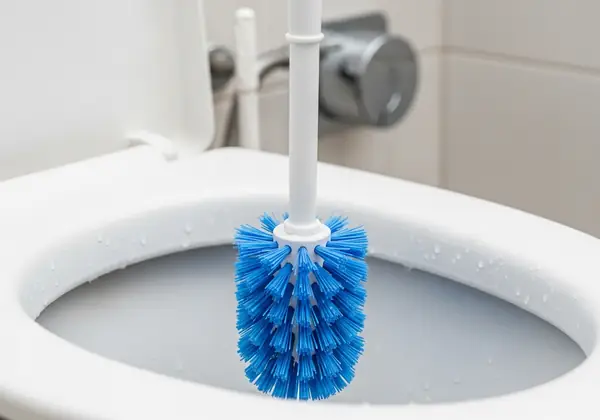
The washroom is undeniably the most functionally demanding environment within any architectural structure. It is a dedicated zone where the biological realities of human life intersect with the rigid requirements of sanitation. Unlike a living room or a bedroom, where cleaning is largely a matter of aesthetics and dust management, washroom cleaning is a constant battle against microbiology and chemistry. Every surface in a bathroom is subjected to a relentless cycle of wetting and drying, a process that creates distinct layers of mineral deposits, soap scum, and bacterial colonies known as biofilm. To clean a washroom effectively, one must move beyond the superficial act of wiping surfaces and understand the microscopic warfare taking place on the tile, the porcelain, and the grout. 1.Soap Residue The foundation of effective washroom hygiene lies in understanding the nature of the dirt you are fighting. In the shower and bathtub, the primary enemy is calcium stearate, commonly known as soap scum. This substance acts as a binding agent for filth, formed when the fatty acids in bar soap react with the minerals in hard water. This reaction creates a waxy, insoluble precipitate that clings tenaciously to fiberglass, glass, and tile. Trying to remove this substance with a standard all-purpose cleaner is often an exercise in futility because most general cleaners are pH-neutral. To break down the alkaline mineral bonds of soap scum, you need an acidic cleaner. This is why professional cleaners often rely on products containing phosphoric or citric acid. However, this chemical warfare requires caution; acid can etch natural stone like marble or travertine, destroying the finish permanently. 2.Mold Biofilm presents a different, more insidious challenge than simple dirt. This slime layer is a complex colony of bacteria that adheres to surfaces and secretes a protective, glue-like substance. In the washroom, this often manifests as the pink or orange discoloration seen in the corners of the shower. While it wipes away easily, it returns rapidly because the colony is resilient. True mold, typically black or dark green, is a fungus that roots into porous surfaces. The grout lines between your tiles are the most vulnerable points in the room. Grout is essentially cement, a porous material that absorbs water and organic matter like a sponge. When mold establishes itself in grout, surface scrubbing is often insufficient because the root structure lies deep within the pores. Effective remediation requires penetrating cleaners that can reach the sub-surface level to kill the root, followed by a sealer to lock moisture out. 3.Toilet The toilet, often viewed as the centerpiece of washroom cleaning, is frequently cleaned incorrectly due to a focus on the visible bowl rather than the invisible hygiene hazards. The mechanics of the flush create what is known as an aerosol plume. When a toilet is flushed with the lid up, microscopic droplets of water mixed with waste are ejected into the air, settling on nearby surfaces. Cleaning the toilet requires a top-down approach that addresses this spread. The most neglected area is the intersection between the toilet base and the floor. This area often accumulates a mix of condensation, dust, and stray urine, creating a persistent odor that no amount of air freshener can mask. Furthermore, the siphon jets—the small holes under the rim where water enters the bowl—often become clogged with mineral deposits and mold, reducing flush power and harboring bacteria. A bent brush is necessary to physically dislodge this buildup. 4.Faucet Aerator The sink and vanity area suffer from a unique cocktail of toothpaste splatters, hair, and makeup residues. The faucet aerator, the small mesh screen at the tip of the spout, is a hidden trap. It filters sediment from the water lines, but it also creates a damp environment where bacteria can grow. If the water flow seems irregular, it is likely because the aerator is calcified. Unscrewing this piece and soaking it in vinegar is a maintenance step that ensures the water you use to brush your teeth is actually clean. The sink drain, specifically the overflow hole near the top of the basin, is a dark, damp cave that rarely gets cleaned. It creates a perfect breeding ground for biofilm, which releases a musty, sewer-like odor. Pouring a cleaning solution down the overflow and using a small brush to agitate the interior walls is necessary to eliminate this phantom smell. 5.Mirrors and Glass Surfaces Mirrors and glass surfaces in the washroom are unforgiving of poor technique. The high humidity of the room often causes dust to stick to the glass, creating a muddy streak when wiped with a damp cloth. The secret to streak-free glass is not the chemical, but the tool. Traditional cotton cloths often leave lint or residues that cause streaking. A high-quality microfiber cloth, specifically woven for glass, uses microscopic hooks to lift oils and dust without the need for heavy detergents. Furthermore, the edges of the mirror, where the glass meets the frame, are often prone to corrosion caused by harsh ammonia-based cleaners seeping behind the glass. Cleaners should always be sprayed onto the cloth, never directly onto the mirror. 6.Floor The floor of the washroom is the final resting place for everything that falls or settles in the room. Because of the high moisture levels, dust on a bathroom floor does not sweep up easily; it smears. This mud-like dust packs into the corners and the grout lines. Mopping is often ineffective because it simply pushes this dirty water around, filling the low-lying grout lines with a slurry of gray filth. True floor hygiene in a washroom requires hand-cleaning the perimeter and the corners where the mop cannot reach. The area behind the toilet, often cramped and difficult to access, is a prime location for dust bunnies to collect moisture and begin to rot. This area should always be cleaned by hand to ensure that the source of potential odors is physically removed. 7. Exhaust Fan Ventilation is the invisible cleaner of the washroom. The exhaust fan is the single most important

Beyond the Surface: Why Washroom Cleaning Requires a Different Strategy Read More »

Baseboard Heaters routine day

Baseboard Heaters: The Step-by-Step Heater Cleaning Routine

Baseboard heaters are the silent, often ignored workhorses of residential heating. In many regions, particularly in older apartments and homes where retrofitting ductwork for forced air is structurally impossible, these metal units are the primary source of warmth. They sit unobtrusively at the floor level, usually beneath windows, occupying a visual blind spot that allows them to be easily disregarded until the first cold snap of autumn arrives. It is in that moment, when the thermostat is finally turned up, that the distinct, acrid scent of burning dust fills the room, signaling months of neglect. This smell is not merely a nuisance; it is the olfactory evidence of a system that is choked, inefficient, and potentially dangerous. While baseboard heaters are mechanically simple—essentially a heating element inside a metal pipe surrounded by aluminum fins—their placement and design make them magnets for the worst kind of household debris. Maintaining them is not just a matter of cleanliness; it is a critical component of energy efficiency, air quality, and home safety. How Does it Work? To understand why cleaning these units is so vital, one must first understand the physics of how they operate. Baseboard heaters rely on convection. Unlike a furnace that uses a blower fan to force air through vents, a baseboard heater is a passive engine. It utilizes the natural law that hot air rises and cold air sinks. Cold air from the floor creates a vacuum effect as it is drawn into the bottom of the heater. It passes over the heating element, warms up, and then rises out of the top of the unit, displacing the cooler air in the room. This cycle creates a continuous, silent current of air circulation. However, this same current acts as a low-level vacuum cleaner for the home. As the air is drawn into the bottom of the unit, it carries with it everything that settles on the floor: pet hair, human dander, textile fibers, and general dust. Because the heater is located at the lowest point of the room, it inhales the heaviest concentration of particulate matter. Once this debris enters the metal housing, it encounters the heat exchanger. This component consists of a central pipe surrounded by hundreds of thin, sharp aluminum fins. These fins are designed to maximize surface area, allowing the heat from the pipe to transfer to the air as efficiently as possible. However, the tight spacing between these fins makes them a perfect trap for debris. The dust and hair do not simply pass through; they get caught on the jagged edges of the aluminum and wedged between the plates. Over time, this buildup forms a thick, felt-like blanket of grey fuzz. This blanket acts as an insulator. The entire purpose of the fins is to release heat, but the dust layer traps that heat against the metal. The result is a heater that has to work significantly harder and run for longer periods to raise the room temperature, leading to a direct and noticeable spike in electricity bills. You are essentially paying to heat the dust, not the air. Security Beyond the financial cost of inefficiency, there is a legitimate safety concern. The heating element inside an electric baseboard heater gets incredibly hot. While the metal housing remains touchable, the internal components reach temperatures high enough to singe organic matter. The “burning smell” that permeates a home in October is literally the combustion of the dust and hair that has settled on the element during the summer months. While most of this dust simply carbonizes and floats into the air as soot, a heavy accumulation of lint—which is highly flammable—poses a fire risk. If a piece of paper, a curtain, or a thick clump of pet hair falls directly onto the element, it can ignite. This risk is compounded by the fact that baseboard heaters are often hidden behind furniture or drapes, meaning a small smolder could go unnoticed until it becomes a significant problem. The health implications of a dirty baseboard heater are also frequently underestimated. As the unit heats up and burns off the accumulated dust, it releases particulate matter and chemical byproducts of combustion back into the room’s airflow. For individuals with asthma, allergies, or respiratory sensitivities, this creates a toxic environment. The convection current that heats the room also serves to circulate these allergens efficiently, ensuring they remain suspended in the breathing zone. Furthermore, the dark, warm environment inside a heater that is not in use during the spring and summer can become a harbor for mold or pests. Cleaning the unit is the only way to break this cycle of recirculating filth. Cleaning a baseboard heater requires a specific methodology because the internal components are delicate and sharp. The aluminum fins are incredibly pliable; they can be bent by a stray vacuum attachment or a clumsy finger. If the fins are bent flat against each other, the airflow is blocked, and the unit’s efficiency drops to zero in that spot. Therefore, the first step in any cleaning regimen must be safety—both for the user and the machine. The power must be turned off at the main breaker panel. Simply turning the thermostat down is insufficient, as a sudden drop in temperature could trigger the unit to activate while your hands are inside. A voltage detector is a handy tool to confirm the power is truly dead before opening anything. Vacuum Cleaner The exterior cover, or the faceplate, is usually removable, though the difficulty varies by model. Removing this panel provides access to the fins and the element. The initial attack on the dust should always be dry. Introducing water to a caked-on layer of dust creates mud, which is nearly impossible to remove from the tight crevices of the fins. A vacuum cleaner with a strong suction and a crevice tool is the best starting point. The goal is to suck out the loose debris from between the fins without dragging the hard plastic of the vacuum nozzle

Baseboard Heaters: The Step-by-Step Heater Cleaning Routine Read More »