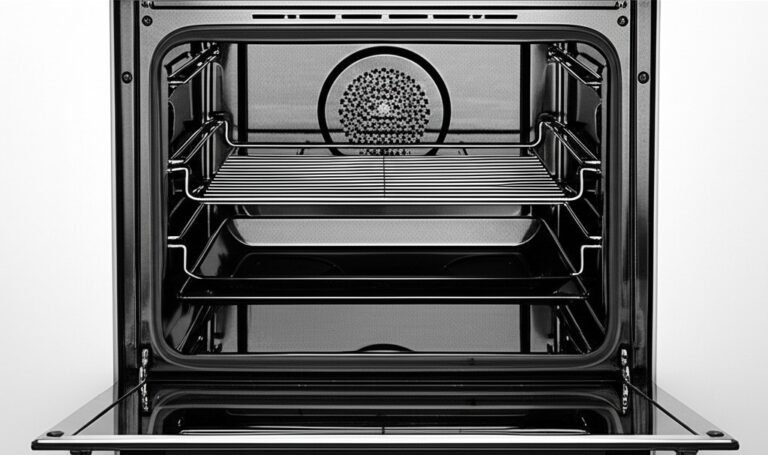










The Best Way To Clean Your Oven: Five Steps To a Spotless Interior
Facing a filthy oven can feel like gearing up for a battle. The baked-on grime and mystery splatters look invincible, but with a clear plan you can conquer them and get your oven genuinely sparkling again. This is not only about appearance: a clean oven heats more evenly, cooks better, and keeps your whole kitchen smelling fresh. Roll up your sleeves and work through these five steps in order. Done methodically, the chore that takes most people an exhausting weekend becomes a manageable hour or two, with the waiting time doing the heavy lifting for you.
Step 1: Prep Work, Safety, and Protection
Safety and setup decide whether this job goes smoothly. Make absolutely sure the oven is completely cold before you begin, no exceptions: cleaning a warm or hot oven risks burns and makes cleaning fumes noticeably more intense. Then do the following preparation:
- Pull out the oven racks, which usually carry the worst grime, and set them in the sink or a bathtub lined with an old towel to prevent scratches.
- Clear everything else out: pizza stones, oven thermometers, and that forgotten baking tray.
- Remove loose debris with a small brush and dustpan, or the crevice tool on your vacuum, sweeping crumbs, ash, and charred food particles from the oven floor. Getting this out now prevents turning it into a muddy paste later.
- Lay newspaper or old towels on the kitchen floor in front of and beneath the oven door to catch drips, and set up ventilation by cracking a window or switching on the extractor fan.
Step 2: Apply Your Chosen Cleaner Evenly
With the oven prepped, bring in your cleaning solution, whether a heavy-duty commercial oven spray formulated for tough grease or a homemade paste of baking soda and water. Before you start, put on sturdy rubber gloves to protect your skin, and consider safety glasses if you are using a strong chemical spray, because these products are potent; Health Canada’s guidance on household chemical safety is worth following for any caustic cleaner. Coat every interior surface evenly and thoroughly: the sides, the back panel, the bottom, and the inside of the door. Avoid spraying cleaner directly onto visible heating elements or internal fans, which are sensitive components. Do not be shy with product on the really stubborn baked-on spots. A generous, even coat now means dramatically less elbow grease later.
Step 3: The Waiting Game, Where the Real Cleaning Happens
Now let patience do the work. This is not wasted time: the solution is busy penetrating and breaking down the caked-on grease and food residue. Check your product’s label for the manufacturer’s recommended dwell time, and see the table below for typical ranges. Whatever the recommendation, do not rush this stage, because the full, uninterrupted dwell is what makes the next step dramatically easier. Think of it as your secret weapon against excessive scrubbing, and use the downtime productively on the racks.
| Cleaner option | Best for | Typical dwell time |
|---|---|---|
| Commercial oven spray | Regular cleaning and moderate grease | From around 30 minutes, always per the label |
| Heavy-duty chemical cleaner | Long-neglected, baked-on grime | Several hours to overnight, per the label |
| Baking soda and water paste | A gentler homemade approach | Several hours or overnight for tough messes |
| Hot soapy water soak | The removed racks | While the cleaner dwells inside the oven |
Step 4: Scrub, Wipe, and Watch the Transformation
The wait is over, and the cleaner has done the heavy lifting, so the grime should be significantly looser. Gather a non-scratch abrasive pad, a heavy-duty sponge, and a few clean rags. For spots that refuse to budge, a plastic scraper helps; an old credit card works in a pinch if used carefully. Wipe and scrub the interior systematically, starting at the top and working down, or finish one section before moving on, and do not forget the glass panes in the door. The deposits come away far more easily now than they would have with cold water and muscle alone. Rinse your sponge or rag frequently in a bucket of clean water so you are not simply spreading loosened dirt around the cavity, and pay special attention to corners, crevices, and recesses where grease loves to hide.
Step 5: Rinse, Dry, and Reassemble
On the home stretch. Now remove every last trace of cleaning product, because residue can produce nasty fumes or alter the taste of your food the next time you bake. Wipe all interior surfaces multiple times with clean, damp cloths, rinsing one often if that is what it takes, until no soapy or slippery feel remains. For an effective final rinse, many people wipe the surfaces with a cloth dampened in water mixed with a little white vinegar, which helps neutralize remaining cleaner residue and adds a nice sparkle. Then air-dry the oven with the door open for a few hours, or dry it thoroughly with a clean towel or microfiber cloth. Give the soaked racks a final rinse, dry them completely, and slide them back into position. Remove your floor protection and take a moment to admire the work.
Oven Cleaning FAQ
Can I use the self-cleaning cycle instead? A self-clean burns off soil with extreme heat, but it still cannot handle thick grease piles or loose debris, and many manufacturers advise against additional chemical cleaners with the cycle. The five manual steps above work on any oven and give you control over stubborn spots.
What about the oven door glass? Clean it as part of Step 4 rather than skipping it. With the interior surfaces degreased during the dwell time, the panes wipe far more easily, and a dry microfiber buff at the end keeps the view into the oven streak-free.
How often should an oven be cleaned? A light wipe after big spills keeps grime from carbonizing, and pairing it with a scheduled regular cleaning visit prevents the multi-hour buildup described in this post. Kitchens that roast or bake weekly need the shorter interval.
Are oven-cleaning chemicals safe around food? Only if fully removed. That is why Step 5 matters as much as the scrub: rinse repeatedly until there is no slippery residue, since leftover cleaner turns into fumes and off-flavours at baking temperature, a risk Health Canada’s household products safety information urges you to take seriously.
Skip the Scrubbing Entirely
Tackling baked-on grease is vital for a clean home, and it is also one of the most time-consuming chores there is. Toronto Shine Cleaning provides the expert help you need, specializing in advanced degreasing techniques and professional-grade products for everything from kitchen surfaces and range hoods to garage floors. Our deep cleaning service takes the whole kitchen, oven included, off your list, with studio and one-bedroom deep cleans from $270.38 before HST as listed on our pricing page. Call (647) 424-0355 and reclaim your weekend.