Furniture Cleaning

Shiny Polished Stainless Steel Surface

5 Tips to Perfectly Clean Stainless Steel Appliances

Hey there, folks! Today, we’re diving into a shiny topic – keeping those stainless steel appliances in your kitchen looking absolutely fabulous! A clean Stainless Steel is sleek, modern, and oh-so-classy, but let’s face it, it can be a bit of a diva when it comes to cleaning. Streaks, fingerprints, and smudges – we’ve all been there. But worry not, I’ve got some easy-peasy tips to make your stainless steel appliances sparkle like new! 1. Start with the Right Tools First up, let’s give a big shoutout to microfiber cloths. These aren’t your ordinary rags. Microfiber cloths are the secret stars of the cleaning world. They’re made of super fine fibers that are softer than silk. When you use a microfiber cloth, you’re not just wiping the surface; you’re giving it a gentle hug. This means they won’t leave any scratches or marks on your stainless steel, which is crucial because who wants a scratched-up fridge or dishwasher? Not me! Microfiber cloths are like dirt and grease magnets. They pick up and hold onto grime, so you’re not just moving dirt around, you’re actually lifting it off the surface. Plus, they’re reusable – just toss them in the wash and they’re good as new. Eco-friendly and economical? Yes, please! Moving on to cleaners, there’s a common misconception that you need strong, harsh chemicals to get stainless steel clean. But in reality, it’s the complete opposite. Stainless steel responds best to gentler, more loving care. Often, all you need is a mix of warm water and a mild dish soap. This combo is gentle yet effective enough to tackle everyday grime without damaging the surface. For those tougher spots – you know, the ones that make you think they’re going to live on your toaster forever – white vinegar is your go-to. White vinegar is like the unsung hero of the natural cleaning world. It cuts through grease and grime without being too harsh. It’s also great for dealing with water spots that tend to make stainless steel look dull. Just mix it with some water, and you’ve got yourself a powerful cleaner that’s still gentle on your appliances.     2. Follow the Grain When we think of stainless steel, we often imagine a smooth, uniform surface. However, if you take a moment to look a little closer, you’ll notice that just like wood, stainless steel has its own unique grain. This grain is essentially the subtle lines or striations that you can see on the surface. They might be vertical, horizontal, or even diagonal, depending on the appliance. Why does this matter? Well, when you’re cleaning, always wiping in the direction of this grain is like going with the flow of the river rather than against it. This approach is not just about being thorough; it’s about being smart. By aligning your cleaning strokes with the grain, you’re ensuring that every swipe of your cloth is maximally effective. It’s like each stroke is guided by the grain, allowing you to pick up and remove every bit of dirt and grime along the way. You might wonder if this extra attention to detail really makes a difference. The answer is a resounding yes! Firstly, following the grain helps to eliminate all the unwanted gunk more efficiently. This is because the grooves of the grain can trap particles, and wiping against the grain might just leave some behind. But when you wipe along the grain, you’re essentially guiding the dirt along the path of least resistance, right off the appliance. This method also plays a big role in preventing scratches. Stainless steel, despite its name and sturdy feel, can actually be quite susceptible to scratching. These scratches can be more visible if you clean in a haphazard manner. By following the grain, you reduce the risk of leaving behind those unsightly marks that can catch the light and show up like little battle scars on your otherwise pristine appliance. 3. Spot Treatment Let’s talk about fingerprints first. If you have stainless steel appliances, you know the struggle. It seems like all it takes is one glance in their direction, and poof! Fingerprints everywhere. These little reminders of our daily life can be quite the eyesore on otherwise pristine surfaces. But don’t despair, there’s a surprisingly simple solution: olive oil. Yes, the same stuff you use in your salad dressing can actually help with fingerprints on stainless steel. Remember this: moderation is key. You only need a tiny dab of olive oil on a soft cloth. Gently rub this over the fingerprints in a circular motion. What happens next is almost like magic. The oil helps to lift and remove these greasy smudges, leaving behind a clean, smudge-free surface. Plus, it adds a little bit of shine, making your appliance look even better. It’s like giving your fridge or dishwasher a mini spa treatment! Then there are those tough, baked-on messes that seem to cling on for dear life. Maybe it’s a splash of sauce that went unnoticed or a drip of something sticky that decided to make your oven its permanent home. For these, you’ll need something stronger than just soap and water. Enter the dynamic duo of baking soda and water. Mixing baking soda with a little water creates a gentle yet effective paste. This paste is kind of like an exfoliating scrub for your appliances. Apply it gently with a cloth to the stubborn spots. The mild abrasive nature of baking soda helps to lift the grime without scratching the surface. After a few minutes, wipe it off with a damp cloth, and you should see a noticeable difference. This method is especially great for areas that see a lot of action, like around the handles or control panels. 4. Shine It Up You might wonder, why glass cleaner? Well, it turns out that the same product that gives your windows and mirrors that streak-free sparkle can work wonders on stainless steel too. The beauty of glass cleaner

5 Tips to Perfectly Clean Stainless Steel Appliances Read More »

Kitchen refrigerator brimming with fresh veggies and meals.

How to Eliminate Refrigerator Odors: 5 Simple Steps

Hey there! Does your fridge smell like it’s been storing leftovers from a decade ago? Don’t worry; we’ve all been there. Getting rid of those stubborn fridge odors might seem like a daunting task, but with these five simple steps, you’ll have your refrigerator odor fresh in no time. Let’s dive in! Step 1: Empty and Sort Begin by taking everything out of your fridge. Yes, everything! This includes all those jars, bottles, and containers hiding in the back. Lay everything out where you can see it. This way, you’re not just tackling odors; you’re also getting a clear view of what’s in your fridge. You might be surprised to find a few items you forgot were there! Now, put on your detective hat. It’s time to investigate each item. Check those expiration dates closely. Sometimes, things get pushed to the back and forgotten. That jar of salsa from last summer’s BBQ? It might be time to say goodbye. Be ruthless here. If it’s past its prime or you can’t remember when you bought it, it’s better to toss it. As you’re sorting through your fridge contents, start organizing. Group similar items together – like keeping all your condiments in one area and dairy products in another. This not only helps you keep track of what you have but also makes it easier to find things later. Plus, a well-organized fridge is more efficient – it keeps everything cool more effectively. While you’re sorting, think about freshness. If you have fruits and vegetables, give them a quick check. Fresh produce can sometimes be the hidden source of fridge odors, especially if they start to go bad. Soft, overripe fruits or wilted veggies? It’s time for them to go.       Step 2: Deep Clean Time Your go-to cleaning solution is simple yet powerful: equal parts water and white vinegar. Why vinegar, you ask? Well, it’s a natural disinfectant and deodorizer, making it perfect for tackling those pesky fridge smells without leaving any harmful residues. Plus, it’s super budget-friendly and likely already in your pantry. Armed with your vinegar solution, start wiping down every surface inside your fridge. This includes the walls, the ceiling of the fridge, and even the floor of it. Pay special attention to the shelves and drawers. Remove them if possible for a more thorough clean. Sometimes, spills and crumbs get trapped under these areas, contributing to unwanted odors. Ah, the infamous nooks and crannies! These are the spots where spills often hide and odors linger. Use a soft brush or an old toothbrush dipped in your vinegar solution to gently scrub these areas. The rubber seals around the door, for example, are notorious for trapping food particles and mildew. Give them a good, gentle scrub. While the inside is crucial, the outside of your fridge needs love too, especially the handles and the top of the fridge. These areas can accumulate a lot of grime from daily use. A quick wipe-down with your vinegar solution not only keeps them clean but also maintains the overall hygiene of your kitchen. After you’ve wiped everything with the vinegar solution, it’s a good idea to go over the surfaces with a clean, damp cloth. This helps to remove any lingering vinegar smell and ensures that no cleaning residue is left behind. Once everything is clean, make sure to dry off all the surfaces with a clean towel. Moisture can be a breeding ground for bacteria and mold, which are big no-nos in your quest for a fresh fridge. Step 3: Baking Soda, the Refrigerator Odor Eater Baking soda, or sodium bicarbonate, is a natural odor absorber. Unlike air fresheners that just mask smells, baking soda actually neutralizes odors. It works by balancing pH levels, neutralizing both acidic and alkaline substances. This quality makes it perfect for tackling a variety of odors that can accumulate in your fridge from different foods. After your fridge is clean and dry, take an open box of baking soda and place it at the back of one of the shelves. Why the back? It’s less likely to get knocked over, and it ensures that the baking soda covers a large area of your fridge. If your fridge is particularly large or tends to get smelly quickly, consider using two boxes, placing one on each side. Baking soda does a fantastic job at absorbing odors, but it doesn’t work forever. Over time, its odor-absorbing abilities diminish. That’s why it’s important to replace the box of baking soda every three months. Set a reminder on your phone or mark it on your calendar – it’s a small step that makes a big difference. For an extra boost, you can stir or shake the baking soda occasionally. This simple action exposes new surfaces of the baking soda, enhancing its odor-absorbing capabilities. If you notice any strong odors in your fridge before the three-month mark, check the baking soda. Sometimes, particularly pungent foods might shorten its lifespan. Here’s a little bonus tip: Baking soda isn’t just great for odors; it’s also handy for cleaning. If you ever encounter a tough stain in your fridge, sprinkle some baking soda on a damp sponge and scrub away. It’s gentle yet effective, making it perfect for dealing with spills and stains. Step 4: Regular Maintenance Setting aside time each week for a quick fridge check can be a game-changer. This doesn’t need to be a lengthy process. A swift wipe-down of the shelves and bins, and a rapid scan for any spills or crumbs, can make a significant difference. Use a damp cloth for the wipe-down; if you encounter sticky or stubborn spots, a little bit of your vinegar solution from the deep clean can come in handy. During your weekly ritual, be vigilant about expiration dates. This is not just about discarding spoiled food; it’s about maintaining the overall health of your fridge. Expired items can be breeding grounds for bacteria and mold, which contribute to bad odors

How to Eliminate Refrigerator Odors: 5 Simple Steps Read More »

Mopping floor with organized cleaning supplies.

Mississauga’s Move-Out Cleaning: Common Mistakes to Avoid

Ah, Move-Out Cleaning – it’s that bittersweet symphony of excitement for the new and nostalgia for the old. And, whether you’re relocating across Mississauga or venturing beyond, leaving your place spotless is crucial, not just for getting your deposit back but also for peace of mind. However, amidst the chaos of packing and planning, many fall prey to common cleaning missteps. Let’s dive into what these are and how to dodge them, ensuring your move-out cleaning is nothing short of sparkling. 1. Procrastinating the Clean-Up The act of procrastination in your clean-up efforts can sneak up on you like a silent deadline. Many of us might chuckle at the thought of starting to clean weeks in advance, but this chuckle quickly turns into a sigh of overwhelm as moving day looms closer. The mistake often lies in underestimating the sheer volume of tasks that need to be done before handing over the keys. Between sorting what to keep and what to say goodbye to, packing up years of memories into boxes, and ensuring every surface shines, cleaning can suddenly become a monumental task. To sidestep this common pitfall, the strategy is simple yet effective: start early and break down the task. Instead of viewing the clean-up as a colossal, one-day event, consider breaking it into manageable chunks. Perhaps dedicate one weekend to decluttering, another to deep cleaning the living room and kitchen, and so on. This approach not only makes the task less daunting but also allows for more thorough cleaning. Plus, starting early means you have the flexibility to tackle unexpected cleaning challenges without the pressure of a ticking clock. Additionally, consider integrating cleaning into your daily routine as moving day approaches. Even setting aside just 15-30 minutes a day for cleaning can make a significant difference. Focus on one area or task each time—maybe today you clean the bathroom mirrors and countertops, and tomorrow you tackle the kitchen backsplash. This way, you gradually chip away at the workload, and it becomes part of your daily routine rather than an overwhelming obstacle. This methodical approach also allows for better stress management. Knowing that you’re progressively making headway can significantly reduce the anxiety that often accompanies moving. Plus, it gives you the chance to address areas you might have otherwise overlooked in a last-minute rush. For instance, cleaning behind appliances or touching up wall scuffs becomes feasible rather than wishful thinking.     2. Overlooking Rental Agreements Overlooking the rental agreement is a slip-up that can easily happen amidst the whirlwind of moving activities. It’s not just about packing boxes and figuring out logistics; it’s also about ensuring you’re leaving your space in accordance with the expectations set forth by your landlord or property management. This oversight can lead to unpleasant surprises, especially if your landlord expects more than just a surface-level clean. Imagine the scenario where, after a day spent scrubbing and cleaning, you find out that your efforts don’t meet the specific criteria outlined in your lease. This can lead to deductions from your security deposit or even additional charges to cover the cleaning services mandated by your agreement. The trick to avoiding such a predicament lies in the power of preparation and knowledge. Before you even unscrew the first lightbulb or pack away your dishes, take a moment to revisit your rental agreement. Look for any clauses that outline the condition in which the property should be returned. Landlords or property managers sometimes require professional cleaning for certain areas, such as carpets, which can accumulate dirt and debris in ways that standard vacuuming just can’t handle. They might also have requirements for steam cleaning, wall washing, or even specific repairs. If your agreement specifies such conditions, you’ll want to schedule these services well in advance of your move-out date. Waiting until the last minute could leave you scrambling to find available professional services, particularly during busy moving seasons. Moreover, having a clear understanding of these requirements enables you to budget accordingly. Professional cleaning services come at a cost, and it’s better to anticipate these expenses than to be caught off guard. If anything in the agreement seems unclear or you find certain stipulations unreasonable, it’s not too late to discuss these with your landlord. Communication can often lead to compromises or clarification that can ease your moving process. Perhaps a quick chat could reveal that your landlord is only concerned with the carpets being cleaned to a professional standard due to allergies, and they might recommend affordable services they’ve used in the past. 3. Skimping on Cleaning Supplies Skimping on cleaning supplies is a common misstep that can drastically reduce the effectiveness of your move-out clean. Many of us might think that a single all-purpose cleaner and a rag are sufficient to tackle all the dirt and grime accumulated over years of living in a place. However, this approach often leads to subpar cleaning results and can double your work when you find that tough stains and buildup don’t budge with a one-size-fits-all solution. The variety of surfaces in your home—from glass and laminate to stainless steel and ceramic tiles—each has its own cleaning needs. For instance, the cleaner that works wonders on your kitchen countertops might not be the best choice for your bathroom tiles or the hardwood floors. By not using the right tools for the job, you not only risk leaving behind dirt and grime but also potentially damaging sensitive materials with harsh chemicals not suited for them. Investing in a set of quality cleaning supplies tailored to different surfaces and purposes can make a world of difference. For example, a glass cleaner can leave your windows and mirrors streak-free, while a tile scrub can effectively clean the grout in your bathroom, making it look almost new. Wood polish can revive the natural beauty of your hardwood floors, and stainless steel cleaner can make your appliances shine. Additionally, consider the power of specialized tools like a squeegee for glass surfaces, microfiber cloths for

Mississauga’s Move-Out Cleaning: Common Mistakes to Avoid Read More »

Essential cleaning tools and products

5 Essential Cleaning Products for a Sparkling Spring Clean

Hey there, fellow clean freaks! Spring is in the air, and you know what that means – it’s time for a good old-fashioned spring cleaning! But before you pull on those rubber gloves and crank up the tunes, let’s chat about the essential cleaning products you’ll need to make your home sparkle like a diamond. Whether you’re gearing up for a deep clean or just a quick touch-up, these are your must-haves. Let’s dive in! 1. Cleaning products: The Almighty All-Purpose Cleaner When we call an all-purpose cleaner the MVP, we’re not exaggerating! This handy cleaner is a real game-changer when it comes to sprucing up your home. Its versatility is unmatched – you can use it in every room of your house. Whether it’s tackling a sticky spill on the kitchen counter, wiping down the greasy stovetop after a cooking session, or giving the bathroom sink a quick refresh, the all-purpose cleaner is up for the task. But what really makes it stand out? It’s the balance of strength and gentleness. You want a cleaner that’s tough enough to cut through dirt, grease, and grime without breaking a sweat. At the same time, it’s important to choose one that won’t harm your surfaces. Some cleaners can be too harsh, leading to damage or dullness, especially on delicate materials. The best all-purpose cleaners strike the perfect balance, keeping your surfaces safe while leaving them sparkling clean. And let’s not forget about the sensory experience! A good cleaner doesn’t just clean; it leaves a pleasant, fresh scent that makes your entire home feel refreshed. Imagine opening your windows to a gentle spring breeze and your home is filled with the aroma of blooming flowers or a fresh citrus grove. That’s the kind of atmosphere a great-smelling cleaner can create. It turns cleaning from a chore into a rejuvenating experience for your senses. 2. Microfiber Cloths: Your Cleaning BFFs Microfiber cloths are a true unsung hero in the world of cleaning. These versatile cloths are a huge step up from traditional cleaning rags and paper towels. Why? Well, it’s all in the microfibers. These fibers are incredibly fine – much finer than a strand of human hair. This allows them to reach into the tiniest nooks and crannies, picking up dust and dirt that other cloths might just skim over. But that’s not all. These cloths are amazing at absorbing liquids too. Spilled some coffee on the counter? No problem! A microfiber cloth can absorb several times its weight in liquid, making cleanup a breeze. This absorption power also makes them fantastic for drying dishes, wiping down wet surfaces, or even mopping up spills on the floor. Now, let’s talk about the eco-friendly aspect. In our world today, being conscious of our environmental impact is crucial. Microfiber cloths are washable and reusable, meaning you can say goodbye to the endless cycle of buying and throwing away paper towels. This not only saves you money in the long run but also reduces waste, making it a win-win for you and the planet. Their gentle nature is another huge plus. Whether you’re cleaning a delicate TV screen, polishing your favorite wooden furniture, or dusting off fragile knick-knacks, microfiber cloths do the job without leaving scratches or marks. They’re safe to use on virtually any surface, including stainless steel, granite, and even your car’s exterior.     3. A Trusty Scrub Brush The scrub brush is the unsung hero when it comes to deep cleaning. Sure, gentle cleaners and cloths are great for everyday messes, but when you’re faced with stubborn dirt, a scrub brush is what you need. Its superpower lies in its bristles – tough enough to battle the most stubborn of stains, yet designed to not damage your surfaces. Think about those times when you’re staring down a dirty bathtub ring, or when the kitchen sink is coated with food remnants that just won’t budge. Or how about the grout between your bathroom tiles that’s turned a shade you don’t even recognize anymore? This is where your scrub brush comes in, transforming seemingly impossible cleaning tasks into something manageable. What’s really great about a good scrub brush is the ergonomic design. Cleaning can be tough on the wrists and arms, especially when you’re scrubbing away at a tough spot. A brush with a comfortable grip makes this task much more manageable. It allows you to apply the necessary pressure without straining your hand, making your cleaning routine that much easier. And it’s not just about the tough stuff. A scrub brush can be a versatile tool for a variety of cleaning tasks. Use it for scrubbing vegetables, refreshing your outdoor furniture, or even giving your muddy boots a good cleaning. With the right brush, the possibilities are endless. When choosing your scrub brush, consider the bristle stiffness and the shape of the brush. Some brushes are designed for specific tasks – like a curved brush for getting into the corners of a bathtub, or a brush with a pointed tip for reaching into narrow spaces. Having the right tool for the job can make a big difference. 4. Disinfectant Spray: The Germ Buster In our quest for a clean and healthy home, a reliable disinfectant spray stands as a frontline defender. It’s not just about making surfaces look clean; it’s about ensuring they are free from harmful germs and bacteria that can affect our health. This is particularly crucial in high-traffic areas like the kitchen and bathroom, where the potential for germ transfer is high. Think about all the different surfaces in your home that hands touch regularly: doorknobs, light switches, countertops, faucet handles. These areas are hotspots for germs and bacteria. A good disinfectant spray tackles these unseen culprits effectively, reducing the risk of spreading illnesses. It’s a simple yet powerful tool in maintaining a healthy living environment. But it’s not just about spraying and wiping away. To get the most out of your disinfectant spray, it’s essential to use

5 Essential Cleaning Products for a Sparkling Spring Clean Read More »

Clean oven, cleaning products, gloves and sponges.

How to Clean Your Oven Quickly and Efficiently: A Step-by-Step Guide

Hey there, fellow clean-freaks! Today, we’re tackling a task that might make some of you cringe just thinking about it – Clean Your Oven Quickly. But fear not! I’ve got a step-by-step guide that’ll make this daunting task quicker and more efficient. Let’s turn that grime into shine! Step 1: Gather Your Supplies First things first, let’s talk tools and supplies. You’ll need: Baking soda White vinegar A spray bottle A damp dishcloth A plastic or silicone spatula A pair of rubber gloves (trust me, you’ll want these) Step 2: Empty the Oven Access to Every Nook and Cranny: When your oven is chock-full of racks, pizza stones, and other accessories, it’s like trying to clean a room full of furniture without moving anything – nearly impossible! Clearing everything out gives you unrestricted access to all those hard-to-reach areas, ensuring a more thorough clean. Individual Attention to Each Item: Each item in your oven has its own cleaning needs. Oven racks might require soaking and scrubbing, while a pizza stone might need a gentler approach. Cleaning them separately ensures they get the care they need without damaging them. Safety and Ease of Cleaning: Let’s face it, oven racks can be heavy and awkward. Removing them makes it safer and easier to clean the oven’s interior. You don’t want to be twisting and turning in odd angles to reach around them, do you? Spot Potential Issues: With everything out of the oven, you can inspect the interior for any maintenance issues that might need addressing, like a faulty heating element or wear and tear. How to Do It Oven Racks: Gently slide them out and set them aside. If they’re grimy, consider soaking them in soapy water while you clean the oven. Pizza Stones or Baking Sheets: Carefully remove these. Remember, pizza stones are porous and require special cleaning methods, like brushing off crumbs and baking on a high heat to sanitize. Thermometers and Other Gadgets: Take these out too. They’re delicate and could be damaged by cleaning agents or scrubbing. Check for Loose Debris: Before you start cleaning, do a quick sweep for any loose crumbs or food particles. These can be wiped out with a dry cloth or a handheld vacuum. Step 3: Make Your Cleaning Paste The heart of this cleaning method lies in baking soda, a humble kitchen staple that doubles as a powerful cleaning agent. Baking soda, or sodium bicarbonate, is mildly abrasive, which makes it perfect for scrubbing off tough stains without scratching surfaces. Plus, it’s a natural deodorizer, so it helps to eliminate any unpleasant smells. When you mix baking soda with water, you create a paste. This paste is the perfect consistency for cleaning – it’s thick enough to cling to vertical surfaces (like the walls of your oven) and gritty enough to scrub away grime. The beauty of making a paste is that it stays where you put it, targeting the dirt directly and giving it a chance to break down the baked-on spills and splatters. Crafting the Perfect Paste Creating this paste is more art than science. Start with half a cup of baking soda and add water gradually. You’re aiming for a spreadable consistency, similar to frosting. Too runny, and it won’t stick to the oven walls; too thick, and it won’t spread easily or penetrate the grime. Adjust the ratio as you mix. If it’s too thick, add a bit more water. If it’s too runny, sprinkle in a bit more baking soda. You’ll know you’ve got it right when it spreads easily but doesn’t drip. Why Baking Soda and Not Something Else? You might wonder, “Why not just use a commercial oven cleaner?” Well, those products often contain harsh chemicals that can be abrasive, toxic, and leave a strong chemical odor. Baking soda, on the other hand, is non-toxic, inexpensive, and widely available. It’s a safer choice, especially for households with pets, children, or anyone sensitive to harsh chemicals. Plus, there’s a certain satisfaction in using a natural, DIY solution – it’s kinder to the environment and gentle on your wallet!     Step 4: Coat the Oven When you’re ready to coat the oven, first slip on those rubber gloves. They aren’t just for keeping your hands clean; they also protect your skin from the grime and grease you’re about to tackle. Now, take the baking soda paste you’ve prepared. Start spreading it around the interior surfaces of your oven. You’ll want to cover every nook and cranny, but be careful to avoid the heating elements. Why? Well, baking soda can have a corrosive effect on these elements, potentially causing damage. Plus, it’s just unnecessary to put paste there as these areas don’t usually get dirty. As you apply the paste, you’ll notice something interesting – it might start turning brown. Don’t worry, this is a good sign! It means the baking soda is reacting with the dirt and grease. This discoloration is the baking soda lifting all that baked-on gunk off the surfaces. It’s sort of like a science experiment happening right in your kitchen. The paste adheres to the grime, and as it sits, it breaks down the tough, burnt-on residues, making them much easier to wipe away later. This coating step is crucial because it’s where the majority of the cleaning action happens. The abrasive nature of the baking soda works against the grime, while its alkaline properties help break down organic substances like grease and food particles. This is why baking soda is such a champion in cleaning – it tackles various types of dirt and stains all at once. Step 5: Let It Sit When you’ve finished spreading the paste, it’s time to step back and let patience play its part. The recommendation to let the paste sit for at least 12 hours, or overnight, isn’t arbitrary. This duration is essential for the baking soda to effectively break down and lift the grime from your oven’s surfaces. So, why the long

How to Clean Your Oven Quickly and Efficiently: A Step-by-Step Guide Read More »

Clean kitchen with a plant at the table

How to Easy Organize and Clean Your Kitchen Efficiently

Hey there, kitchen warriors! I’ve got your back! Today, we’re diving into the world Organize and Clean Your Kitchen, making it not just bearable but kinda fun too. So, grab your favorite cleaning gloves (you know, the ones that make you feel like a domestic superhero), and let’s get started! Decluttering: Your First Step Countertop Clear-Out Starting with your countertops, the goal here is to create a clear, usable space. Begin by removing all items from the countertops. This means everything – appliances, jars, utensil holders, and any decorative items. As you do this, clean the surface underneath each item. A simple mixture of warm water and mild dish soap works wonders for most countertop materials. For tougher stains, a baking soda paste (mixing baking soda with a bit of water) can be gently applied and then wiped away for a deeper clean. Once everything is off and the countertops are clean, it’s decision time. Carefully consider each item before putting it back. Ask yourself: Do I use this daily? Is it functional or purely decorative? Does it belong in the kitchen? This process helps you keep only what’s necessary and functional on your countertops. For the items that make the cut, place them back in a way that’s organized and aesthetically pleasing. The fewer items on the countertops, the easier they are to clean, and the more space you have for cooking and food preparation. Cabinet Crusade Now, let’s move on to the cabinets. This can be a bigger task, so set aside a good chunk of time for it. Start by emptying out all the contents of your cabinets. Lay everything out where you can see it – this helps in deciding what to keep. As you go through your items, have a box or bag ready for things you plan to donate or discard. For the items you decide to keep, consider how often you use them. Items used daily should be placed within easy reach, while those used less frequently can go on higher shelves or towards the back. This is also a good time to give your cabinets a good wipe-down. A simple all-purpose cleaner or a mix of vinegar and water can be used to clean the insides of the cabinets. For wood cabinets, a wood cleaner can help condition the wood and keep it looking its best. As you reorganize your items back into the cabinets, think about grouping like items together. For example, baking items in one area, pots and pans in another, and so on. This not only makes it easier to find what you need but also helps keep your cabinets tidy in the long run. Thorough Cleaning: More Than Just Surface-Level     Top-Down Approach Initiate your cleaning journey with the top-down approach. This method is particularly effective because it prevents the need to re-clean surfaces. Start with the highest points in your kitchen, such as the top of cabinets, refrigerator, and upper shelves. Dust and dirt tend to accumulate in these less frequently cleaned areas, and starting here ensures that any falling debris will be cleaned up in the later stages of your cleaning process. For dusting, you can use a microfiber cloth or a duster with an extendable handle. These tools are excellent for picking up dust without scattering it around. For areas with more stubborn dirt or grease, such as the tops of cabinets near the stove, you might need a cleaning solution. A mix of warm water and mild dish soap can work well, or you can use a vinegar solution (one part vinegar to one part water) for a more natural approach. Wipe these areas down and then move on to the next level, like shelves and counters. Appliance Deep Clean Your appliances deserve special attention during your cleaning spree. Over time, appliances accumulate grime, food particles, and other residues that can affect their performance and lifespan. For each appliance, the cleaning method will slightly vary: Refrigerator: Remove all items and shelves. Clean the interior with a baking soda solution (one tablespoon of baking soda to one quart of water) to remove odors and stains. Don’t forget to clean the rubber seals and the exterior. Oven: Use an oven cleaner for the interior, following the instructions on the product. For a natural method, a paste of baking soda and water left overnight works well. Wipe down the stovetop and control panels with a degreaser. Microwave: Heat a bowl of water with lemon juice inside the microwave for a few minutes. The steam will loosen any grime, making it easy to wipe away. Dishwasher: Run it empty with a specialized cleaner or just vinegar to clean and deodorize. Small Appliances: For toasters, blenders, coffee makers, etc., unplug and clean thoroughly. Use a vinegar-water mix for coffee makers and a damp cloth for toasters and blenders. Efficient Storage Solutions Use of Containers Containers are a game-changer in kitchen organization. They not only make your space look neater but also help in maintaining the freshness of your food. For dry goods like pasta, rice, and cereals, clear, airtight containers are ideal. These containers allow you to see what’s inside without opening them, saving you time and maintaining the quality of the food. They also come in uniform sizes, making it easier to stack them and utilize vertical space efficiently. When selecting containers, consider the size and shape based on what you’ll store in them and the space available in your pantry or cabinets. Square or rectangular containers are space-efficient as they fit snugly next to each other, minimizing wasted space. Glass containers are great for health and environmental reasons, but if you’re concerned about weight or breakage, BPA-free plastic containers are a good alternative. Label for Ease Labeling is a simple yet powerful tool in kitchen organization. It not only helps you identify contents quickly but also keeps track of expiration dates, reducing waste. This is particularly useful in the fridge, where leftovers and perishable items

How to Easy Organize and Clean Your Kitchen Efficiently Read More »

Vision from the ground of a corridor with carpet

How to Keep Your Carpets Looking New: Expert Advice on Carpet Care

Hey there, Keep Your Carpets Looking New Today! We’re diving into the wonderful world of carpets. Yes, those cozy, comfy beauties that make our homes feel like, well, home. But let’s face it, they can be a bit of a challenge to keep looking fresh and new. So, let’s roll up our sleeves and get into how to keep your carpets looking like they just rolled out of the store! Why Carpet Care Matters When we think of carpets, it’s easy to just see them as the background of our living spaces. But, oh, they’re so much more than that! Carpets work silently beneath our feet, playing a vital role in the comfort and aesthetics of our homes. They’re like the unsung heroes lying low, literally. One of the key roles of carpets is their ability to cushion our steps. This is particularly important in homes with little ones or elderly family members. Carpets provide a safer, softer surface that reduces the impact of slips and falls. They’re like a safety net, but comfier and more stylish. Besides safety, carpets bring an element of warmth and personality to a space. They can transform a room from feeling stark and cold to being inviting and cozy. It’s amazing how a single piece of fabric can add such warmth to a room, both in terms of aesthetics and actual temperature insulation. However, carpets do have a challenging side. They’re like magnets for dirt, dust, and pet hair. This isn’t just a cosmetic issue; it’s a matter of hygiene. Carpets can harbor allergens and bacteria if not properly maintained, which can affect indoor air quality and potentially your health. Think of all the times we walk over them, sit on them, or let the kids play on them. It’s essential to keep these surfaces clean for a healthy living environment. That’s why regular and thorough carpet care is so important. It’s not just about keeping them looking good, but also about extending their life and ensuring they contribute positively to the cleanliness and health of our living spaces. Properly cared for carpets can last years, even decades, becoming a cherished part of our home’s history. Regular Maintenance, The Key to Carpet Longevity Regular vacuuming is indeed a carpet’s lifeline, and using the right vacuum cleaner can make all the difference. For effective regular maintenance, choose a vacuum cleaner with strong suction and rotating brushes to lift dirt from deep within the carpet fibers. If you have pets, consider a vacuum specifically designed to pick up pet hair and dander. HEPA filters are also a great feature, as they can trap fine particles and allergens, contributing to a healthier environment. Regarding vacuuming frequency, if you have pets or kids, it’s recommended to vacuum high-traffic areas every couple of days and the entire carpet at least once a week. For less busy homes, weekly vacuuming might suffice. Remember to empty the vacuum’s canister or change its bag regularly to maintain its efficiency. When it comes to dealing with spills and stains, having a good arsenal of cleaning tools is essential. For immediate action, keep a clean, absorbent cloth or paper towels handy. Gentle blotting is the first and most crucial step in tackling a fresh spill. Avoid rubbing, as this can push the stain deeper into the carpet. For those tougher stains, a quality carpet cleaner or spot remover is key. Choose a cleaner suitable for your carpet type. There are various formulas available, including options for pet stains, heavy traffic areas, and gentle formulas for delicate carpets. Always test the cleaner on a small, inconspicuous area of the carpet first to ensure it doesn’t cause discoloration or damage. Follow the instructions on the cleaner for the best results. Lastly, professional carpet cleaning is an excellent way to deeply clean and rejuvenate your carpets. Professional cleaners use powerful equipment and specialized cleaning solutions that can remove deeply embedded dirt and stains more effectively than standard home cleaning methods. They can also address specific issues like pet odors, tough stains, or delicate fibers, ensuring your carpet gets the right treatment to extend its life and maintain its appearance.     Deep-Cleaning Tips: When Regular Maintenance Isn’t Enough One effective approach to deep-cleaning your carpet involves using a carpet cleaner machine, a true superhero in the world of carpet care. These machines excel at deep cleaning by injecting a mix of water and a specific carpet cleaning solution into your carpet’s fibers. This process loosens and dissolves the dirt and grime that have settled deep down. Then, the machine extracts the dirty water, along with all the loosened dirt, effectively refreshing your carpet. When selecting a carpet cleaner machine, look for one that suits the size and type of your carpet. For larger or heavily soiled carpets, a more powerful machine may be necessary, while smaller or less dirty areas might only need a lighter, more portable model. It’s also a good idea to check whether the machine heats the water, as hot water can enhance the cleaning process. Choosing the right cleaning solution is crucial. You’ll find a variety of carpet cleaning solutions on the market, each formulated for different types of carpet materials and stains. For synthetic fibers, a standard carpet shampoo might suffice, while natural fibers like wool might require a gentler, more specific cleaner. If your carpet is prone to heavy soiling or has pets frequenting it, consider a solution with enzymatic properties that can break down tougher stains and odors. Before applying the cleaner to your entire carpet, always perform a patch test for colorfastness. Apply a small amount of the cleaning solution to a hidden area of your carpet. After letting it sit for a few minutes, blot it dry and check for any color change or damage. This step ensures that the cleaner is safe to use on your specific carpet without causing discoloration or damage. Preventing Wear and Tear, Protect Your Carpet Before it’s Too Late Preventing wear

How to Keep Your Carpets Looking New: Expert Advice on Carpet Care Read More »

apartment cleaning oakville

Does Indoor Air Quality Affect Your Health? How to Improve Your Home’s Indoor Air Quality

Hey, folks! Let’s chat about something we often take for granted: Indoor Air Quality Affect Your Health? Ever wonder if it really impacts your health? Spoiler alert: It absolutely does! Indoor air quality plays a massive role in our well-being. Let’s break down why it’s important and how you can make it better. Why Indoor Air Quality is a Big Deal for Your Health When we think of air pollution, our minds often jump to smoggy city streets or industrial smokestacks. But what about the air inside our homes? Surprisingly, it can be just as polluted, if not more so, than outdoor air. Our homes, the places where we should feel safest, can be teeming with airborne enemies that we’re not even aware of. Hidden Nasties – Think about all the things in your home right now. Cozy, right? But lurking within this comfort are unseen dangers. Your fluffy carpet, your beloved pet, even your favorite scented candles can be sources of indoor pollutants. Dust mites, a common household allergen, thrive in bedding, upholstered furniture, and carpets. Pet dander, a trigger for allergy sufferers, circulates freely in the air. Mold, a result of excess moisture, can grow in bathrooms and kitchens, releasing spores that can cause respiratory issues. These VOCs can evaporate into the air at room temperature, potentially causing headaches, dizziness, and other health problems. 24/7 Exposure – Here in Toronto, with our chilly winters and hot summers, we spend a lot of time indoors. This means we’re constantly exposed to whatever is in our indoor air. Whether we’re sleeping, working, or just hanging out, we’re breathing in whatever’s floating around in our home. For those with allergies or asthma, this constant exposure can mean a never-ending cycle of symptoms. And for the rest of us, it could mean a gradual impact on our health without us even realizing it. Long-Term Impact – The effects of poor indoor air quality aren’t always immediate. They can creep up on us over time, leading to more serious health issues down the road. Consistent exposure to pollutants can exacerbate respiratory conditions like asthma and can even lead to the development of chronic respiratory diseases. But it’s not just our lungs that are at risk. Studies have shown that long-term exposure to certain air pollutants can have cardiovascular effects as well. This means that the air in our homes could potentially be affecting our heart health. Embrace Fresh Air Opening Windows: One of the simplest yet most effective ways to improve indoor air quality is by opening your windows. This straightforward action invites a natural flow of fresh air into your home, diluting and displacing indoor air pollutants. Whether it’s pollen, dust, or chemical residues from household cleaners, opening windows helps to flush these out, replacing stale, contaminated air with cleaner, outdoor air. Using Exhaust Fans: Now, let’s talk about the role of exhaust fans, particularly in kitchens and bathrooms. These areas of your home are hotspots for moisture and odors. Cooking, for example, releases a variety of particles and gases into the air, some of which can be harmful if inhaled in large quantities. Similarly, bathrooms are prone to mold and mildew growth due to high humidity levels. Exhaust fans come into play by effectively removing moist air, odors, and airborne pollutants from these rooms. When you cook or take a hot shower, turning on the exhaust fan helps in reducing the potential for mold growth and ensures that any harmful byproducts of cooking are quickly removed from your indoor environment. Why This Matters: The combined approach of opening windows and using exhaust fans is a proactive way to maintain good air quality inside your home. By doing so, you’re not just making the air in your home more pleasant to breathe; you’re also contributing to a healthier living environment. Reducing the levels of indoor pollutants can have a significant impact on your overall health, especially for those with respiratory issues or allergies. Plus, it’s a cost-effective and easy-to-implement solution that can make a big difference in the feel and safety of your home environment.     Keep It Clean Regular cleaning is more than just about keeping your place looking neat; it plays a pivotal role in the quality of air you breathe indoors. Dusting and vacuuming are key activities in this routine. Dust accumulates a variety of allergens like pet dander, pollen, and dust mites, which can trigger allergic reactions and respiratory issues. For those with pets, it’s even more critical. Pet hair and dander can easily become airborne and contribute to indoor air pollution. Vacuuming with a good-quality vacuum cleaner, preferably one with a HEPA filter, is vital. These filters are designed to trap very fine particles that other vacuums might recirculate back into the air. By regularly vacuuming carpets, rugs, and even upholstery, you significantly reduce the amount of dust and allergens in your home. The choice of cleaning products is equally important. Many conventional cleaning products contain harsh chemicals that can release volatile organic compounds (VOCs) into your indoor air. These compounds can be harmful when inhaled and contribute to indoor air pollution. Opting for natural, non-toxic cleaning products is a healthier choice. These products are made from ingredients that are less likely to degrade your indoor air quality. You can even make your own cleaning solutions using everyday household items like vinegar, baking soda, and lemon juice. These natural ingredients are effective at cleaning and are much safer for your indoor air. Green It Up with Plants Certain plants, like spider plants and peace lilies, are celebrated for their air-purifying abilities. These plants do more than just add a touch of greenery; they actively work to cleanse the air. How? They absorb common indoor pollutants through their leaves and roots. These pollutants, such as formaldehyde, benzene, and trichloroethylene, are commonly found in household items and can be harmful over time. Plants like the spider plant and peace lily have been shown to effectively reduce these

Does Indoor Air Quality Affect Your Health? How to Improve Your Home’s Indoor Air Quality Read More »

How to Prevent Cold and Flu with Natural Cleaning Solutions

Hey there! To Prevent Cold and Flu with Natural Cleaning, it’s super important to keep our homes clean and germ-free. But, guess what? You don’t need to rely on harsh chemicals to do the trick. Natural cleaning solutions can be just as effective in keeping those pesky germs at bay. Let’s dive into how you can use natural solutions to prevent cold and flu in your cozy nest. Why Go Natural? First and foremost, natural cleaning solutions are kinder to your skin. We’ve all been there – using a strong cleaner only to end up with irritated hands. Natural options, on the other hand, are much gentler. This means you can clean away without worrying about harsh reactions, which is especially great if you have sensitive skin. But it’s not just about you! If you have little ones scampering around or furry friends lounging on your floors, you’ll love that natural cleaners are safer for them too. Kids and pets are often more sensitive to the harsh chemicals found in many standard cleaning products. By switching to natural alternatives, you’re creating a safer environment for the entire family. Imagine your kiddos playing on floors cleaned with gentle ingredients or your pets cozying up on freshly cleaned carpets that don’t have any harsh residues. It’s all about creating a safe and healthy space for everyone. Now, let’s talk about Mother Earth. We all want to do our part in keeping our planet happy and healthy, right? Well, natural cleaning solutions are a great step in that direction. They’re eco-friendly, which means they’re kinder to the environment. When you wash away these natural cleaners, you’re not sending harsh chemicals down the drain and into our water systems. It’s a win-win for your home and the environment. Another cool thing? You probably have most of these natural cleaning superheroes in your kitchen right now! That’s right – items like vinegar, lemon, and baking soda aren’t just for cooking; they’re also powerful cleaning agents. This means you can start your natural cleaning journey without a trip to the store. It’s convenient, effective, and kinder to your wallet too. The Magic of Vinegar So, what makes vinegar so special? It’s all about the acidity. Vinegar is known for its acidic nature, which is a nightmare for germs and viruses. This acidity isn’t just good for adding zing to your salad dressing; it’s also what gives vinegar its germ-killing superpowers. When you use vinegar as a cleaning agent, it works hard to break down grime, cut through grease, and yes, kill those pesky germs that can lead to colds and flu. Now, how do you transform vinegar into a cleaning superhero? It’s super simple. Take equal parts of water and white vinegar, mix them in a spray bottle, and there you have it – a natural disinfectant ready to tackle germs in your home. This mixture can be used on a variety of surfaces where germs love to lurk. Think kitchen counters, bathroom surfaces, doorknobs, and even your smartphone screen. But here’s the best part: it’s so easy to make and use. You don’t need to be a DIY guru to mix water and vinegar. Plus, it’s a cost-effective solution. Vinegar is way cheaper than most store-bought cleaners, and since you’re diluting it with water, a little goes a long way. You’re not only keeping your home clean; you’re also being kind to your wallet. Another bonus? You’re avoiding the strong, sometimes overwhelming scents that come with many commercial cleaners. While vinegar does have a distinct smell, it dissipates quickly, leaving you with a clean, fresh space without any lingering chemical odors.     Lemon: Not Just for Lemonade Why are lemons such a big deal in the cleaning world? It’s all about their high acidity. Just like vinegar, the acidic nature of lemons makes them a natural enemy for germs and viruses. When you’re trying to keep your home free from cold and flu bugs, lemons are your trusty allies. They can kill bacteria and leave your house not just clean, but also smelling fresh and citrusy. So, how do you turn lemons into a cleaning solution? It’s as easy as pie (or should I say, lemon pie?). Squeeze some lemon juice, mix it with a bit of water, and you’ve got yourself a natural disinfectant. This lemon-water mix is perfect for wiping down those areas where germs love to hang out. Think kitchen countertops, where you prepare all your meals, or doorknobs, which everyone touches multiple times a day. Even your bathroom surfaces can benefit from a lemony clean, leaving them not just germ-free but also with a refreshing scent. One of the coolest things about using lemon as a cleaner is the scent factor. Unlike some cleaners that can be harsh on your nose, lemons leave a light, refreshing citrus aroma. This makes cleaning a more pleasant experience and leaves your home smelling naturally fresh. Plus, there’s something incredibly satisfying about knowing you’re using a natural, biodegradable substance to keep your home clean. And let’s not forget, lemons are also great for tackling tough stains and bringing out natural shine. Got a stubborn stain on your countertop? Lemon juice to the rescue! Want to add some sparkle to your faucets or sink? Rub them with a lemon wedge and watch them shine. Essential Oils: Smells Good and Cleans Too! So, why are these particular oils so great for cleaning? Well, it turns out, nature has equipped them with properties that are tough on bacteria and viruses. For instance, tea tree oil is known for its powerful antiseptic properties. It’s like that tough-on-germs cleaner but without the harsh chemicals. Eucalyptus oil, on the other hand, isn’t just for helping you breathe easier when you have a cold; it’s also great for wiping out germs. And then there’s lavender, the all-rounder, known for its calming scent and its ability to fight off bacteria. Now, how do you use these oils in cleaning? It’s pretty

How to Prevent Cold and Flu with Natural Cleaning Solutions Read More »

How to Easy Rejuvenate Your Home After the Holidays: Winter Maintenance Guide

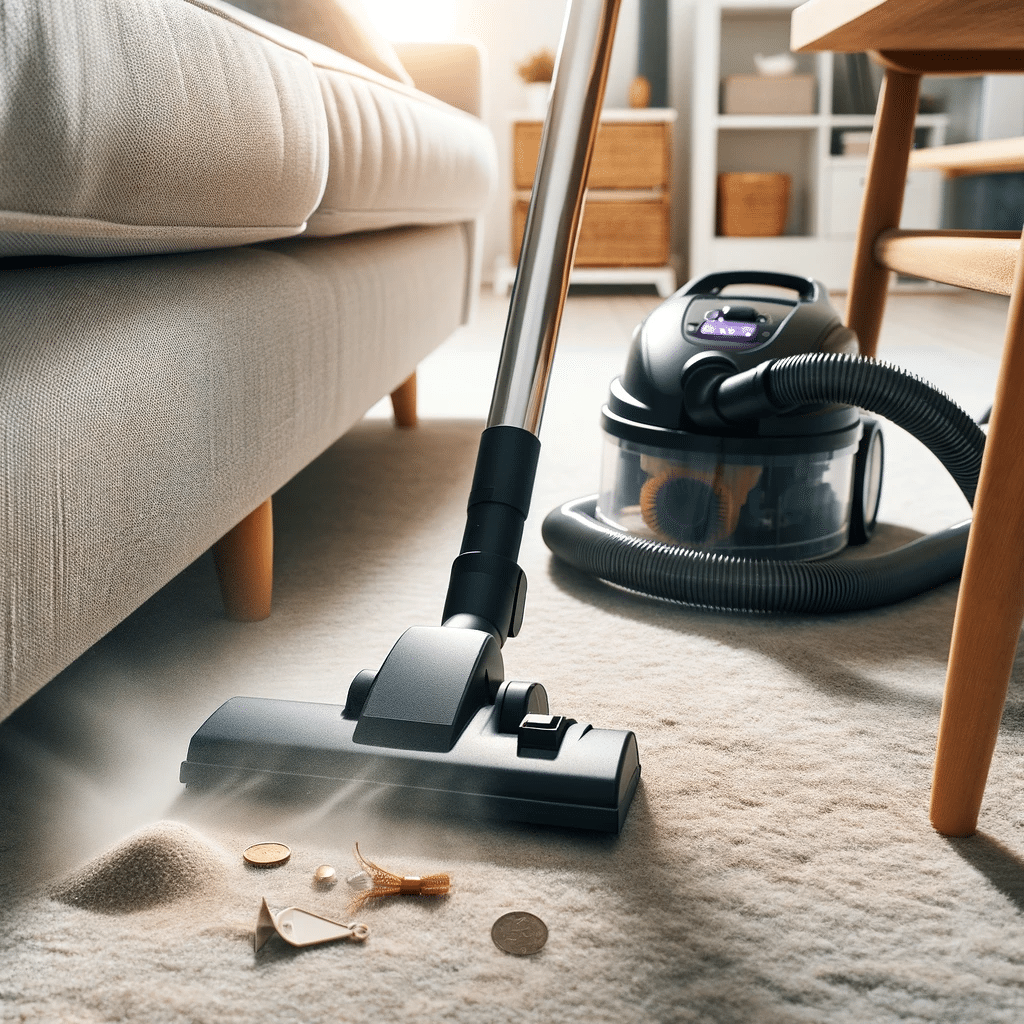
Hey there, folks! Rejuvenate Your Home for Winter’s chill, and with the holiday festivities now memories, it’s an ideal moment to embark on some post-holiday cleanup and home maintenance. This phase is crucial not just for tidiness but also for starting the new year on a fresh note. Let’s delve into some nifty ideas to help your home remain as dazzling as a winter wonderland, despite the snow and cold outside! Un-deck the Halls with Care The journey of post-holiday cleanup often begins with the bittersweet task of taking down those charming and festive decorations. It’s a gentle reminder that the season of joy and giving has wrapped up, and it’s time to welcome the new beginnings that the new year brings. But there’s no need to rush this process. After all, these decorations have been a source of joy and warmth during the cold days, so it’s perfectly fine to savor their presence a little longer. When you do decide it’s time to transition back to your regular decor, approach this task with a bit of strategy and a lot of care. Start with the smaller items like ornaments and tinsel. As you take down each piece, reflect on the memories they’ve been a part of – maybe the laughter shared during decorating, or the quiet, peaceful moments spent in their glow. Then, move on to the lights, which can be a bit tricky. A pro tip to avoid the all-too-familiar tangle frustration next year is to wrap your lights around a piece of cardboard. This simple step can save you a lot of time and prevent those pesky knots that seem to magically appear. Plus, it makes storage neater and more organized. Imagine pulling out perfectly coiled lights next holiday season – what a stress-reliever! As you pack away each item, consider doing a quick check for any repairs or replacements needed. Maybe some bulbs are out, or an ornament has seen better days. Taking note now means you can be ahead of the game when the next holiday season rolls around. Tree Be Gone! The process of removing your Christmas tree is more than just a cleanup task; it’s a step towards returning your home to its pre-holiday state. But before you start, take a moment to appreciate the joy and beauty it brought to your home. It’s been a symbol of warmth and cheer, a gathering spot for gift-giving and storytelling. As you prepare to remove it, you’re not just discarding a tree; you’re closing a chapter of this year’s festive story. Many cities, including Toronto and its surrounding areas, offer tree recycling programs, which is a fantastic way to give your tree a second life. These programs turn your once-adored Christmas tree into mulch or other useful materials, helping the environment and reducing waste. It’s a wonderful opportunity to contribute to sustainability efforts and ensure that the spirit of your tree lives on in a different form. Before you send your tree on its eco-friendly journey, make sure to strip it of all decorations. Remove every ornament, strand of tinsel, and light. This step is crucial as these items can hinder the recycling process. Plus, it’s a good practice to preserve and store these decorations for next year. Ensure that the tree is as natural as possible when you set it out for recycling – free of all the adornments that made it your unique holiday centerpiece.     Deep Clean the Living Spaces Starting with the living room, think of it as bringing back the calm after a delightful storm of festivities. This space, where you’ve shared gifts and stories, might now be showing signs of those joyous times. Vacuuming the carpets and floors is just the beginning. Dive into those nooks and crannies, under the couch cushions where stray popcorn kernels or cookie crumbs might be hiding. Dust off the shelves and entertainment center, and wipe down surfaces that have been frequent touchpoints. Next, the dining area, the stage of your sumptuous holiday feasts, may need some extra love. Cleaning the table and chairs is a given, but also remember to attend to the corners of the room and any sideboards or serving tables. If there are any lingering stains from wine spills or gravy drops, now’s the time to tackle them. And don’t forget about the floors – they’ve likely weathered their fair share of dropped food and scuff marks. Moving on to the kitchen, the command center of your holiday culinary exploits, it’s likely in need of a thorough scrub-down. After cooking and baking up a storm, your countertops, stove, and oven might be crying out for attention. Clear out the fridge, wiping down the shelves and getting rid of any holiday leftovers that have overstayed their welcome. Clean the sink and faucet, and consider running a cleaning cycle on your dishwasher, which has been a holiday hero in its own right. Freshen Up Your Floors First up, let’s talk about vacuuming. It might seem like a basic task, but it’s your first line of defense in reclaiming your floors from the remnants of holiday festivities. This step is crucial for removing dirt, crumbs, and other debris that have accumulated. Be thorough – move furniture around, get into the corners, and don’t forget those hard-to-reach spots like under the sofa or between the cushions. Next, if you have hardwood, tile, or laminate flooring, grab that mop and give them a good, thorough clean. This step is essential for removing any sticky spills or stains that might have occurred during the celebrations. It’s also a great way to restore the shine and luster that make your floors so inviting. Use a cleaner that’s suitable for your type of flooring to avoid any damage and bring out the best in your floors. For those with carpeted areas, consider a deeper clean. Steam cleaning is like a spa treatment for your carpets. It not only removes the surface dirt but also reaches deep

How to Easy Rejuvenate Your Home After the Holidays: Winter Maintenance Guide Read More »