
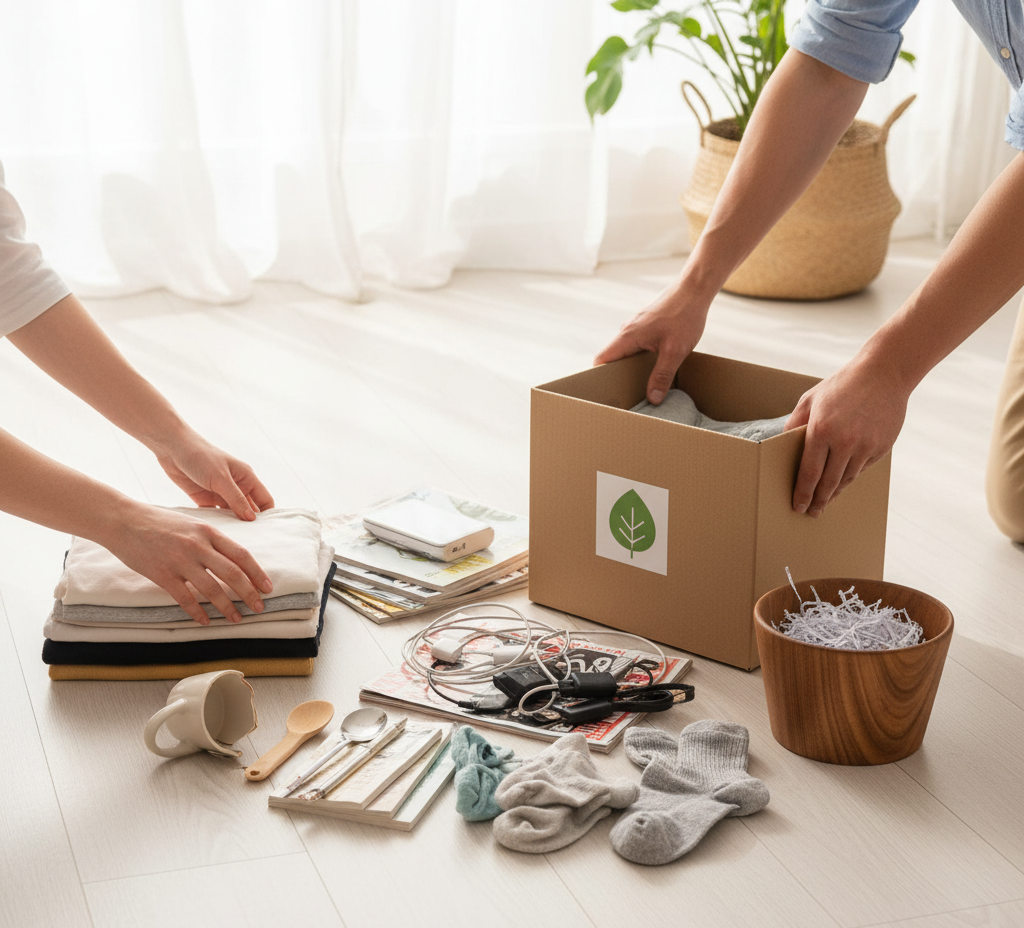
Spring Declutter Checklist: 7 Basic Things You Should Get Rid of at Home This Spring
Spring Declutter Checklist to get you ready for this season, spring arrives with a specific, undeniable energy. It is a season defined by the return of light and the thawing of the earth, a biological signal for renewal that extends into our domestic lives. During the winter, our homes function as bunkers. We stockpile food, we layer ourselves in heavy textiles, and we accumulate items in a subconscious effort to create warmth and security against the cold. However, as the days lengthen and the sun begins to stream through the windows, that accumulated density shifts from being comforting to being suffocating. The light exposes the dust, the piles, and the excess. Spring cleaning is a time-honored tradition, but true restoration cannot begin with a mop or a vacuum. It must begin with subtraction. You cannot clean clutter. Trying to organize excess is a futile exercise in shuffling items from one pile to another. To truly embrace the season, one must engage in a ruthless, systematic purge of the items that have served their purpose and are now merely occupying valuable square footage and mental bandwidth. Entryway The most logical starting point for this seasonal excavation is the entryway, the transitional zone that has likely borne the brunt of winter’s logistical chaos. For months, this space has been a holding cell for bulky parkas, wool scarves, heavy boots, and the grit of road salt. As the temperature rises, the heavy winter gear becomes obsolete, yet it often lingers on hooks and racks well into May, creating a visual bottleneck every time you enter the house. The spring declutter demands a strict audit of this gear before it is packed away. Inspect every coat and pair of boots. If a zipper is broken, a sole is cracked, or a glove is missing its mate, it should not be stored. Storing broken items is simply deferring a decision until next November. Furthermore, the entryway often accumulates a sediment of “homeless” items—flyers, batteries, keys to unknown locks, and dried-out lip balms. Clearing these flat surfaces restores the flow of the home, allowing the energy of the new season to enter without obstruction. Wardrobe Moving from the door to the bedroom, the wardrobe presents the most significant psychological challenge. The “seasonal switch” is not just about moving wool sweaters to the top shelf and bringing linen shirts down; it is an opportunity to confront the reality of your lifestyle. We often hold onto clothes for the person we used to be or the person we aspire to be, rather than the person we are. As you handle each heavy winter garment, ask yourself if you actually wore it this season. If a sweater remained folded in the drawer through the coldest months of January and February, it is highly unlikely to be worn next year. It has become dead weight. Similarly, inspect your spring and summer wardrobe as you unpack it. Elastic degrades over time, and white fabrics often yellow in storage. There is no virtue in keeping a sundress that doesn’t fit or a t-shirt that is permanently stained. By culling the wardrobe now, you reduce the friction of getting dressed every morning, starting each day with a sense of abundance rather than scarcity. The Kitchen The kitchen, the engine room of the home, requires a forensic approach to decluttering, particularly within the pantry and the refrigerator. Winter is the season of comfort cooking and baking. We buy specific spices for holiday meals, bags of specialty flour for cookies, and jars of heavy sauces. By spring, many of these items are stale, expired, or simply forgotten in the dark recesses of the cupboards. An open bag of brown sugar that has turned into a rock, a jar of dried herbs that has lost all scent, or a bottle of festive sprinkles from three years ago are not assets; they are trash. They occupy space that could be used for fresh, seasonal ingredients. The refrigerator door is another common offender, often crowded with the dregs of condiments used for winter roasts. Clearing this space allows for better airflow and makes room for the lighter, fresher produce of spring. The plastic container drawer also demands attention. If a container has no matching lid, or if a lid has no matching bottom, it should be recycled immediately. The daily frustration of searching for a matching set is a micro-stressor that can be completely eliminated in ten minutes of sorting. Bathroom The bathroom medicine cabinet and vanity often escape scrutiny, yet they are repositories for expired chemistry. We tend to accumulate products in a linear fashion, buying new ones before finishing the old. Over the winter, you may have gathered half-empty bottles of heavy moisturizers, cold flu remedies, and chapsticks. Check the expiration dates on everything. Sunscreen from last summer has likely lost its efficacy and should be replaced. Mascara and liquid makeup harbor bacteria and have a short shelf life. Medications that have expired lose potency and can become chemically unstable. Disposing of these items safely clears the visual noise from your morning routine. A streamlined bathroom counter, free of dusty bottles and half-used products, creates a spa-like atmosphere that aligns with the refreshing nature of spring. Living Areas In the living areas, the clutter is often paper and technology. Winter is a time of hibernation, which often leads to the accumulation of “doom piles”—stacks of mail, catalogs, and school papers that we intend to deal with later. Spring, often coinciding with tax season, is the natural deadline for these piles. Be ruthless with paper. Most manuals, bills, and statements are available digitally. Shredding the physical copies liberates physical space and reduces dust, as paper piles are magnets for allergens. Technology clutter is the modern equivalent of the junk drawer. We hold onto cables for devices we no longer own, broken headphones, and old remote controls “just in case.” If you cannot identify what device a cable charges, or if you haven’t used a piece of
Spring Declutter Checklist: 7 Basic Things You Should Get Rid of at Home This Spring Read More »