Winter Cleaning

Shovels and Snow Blowers testing who is better

Shovels or Snow Blowers: Which Is the Best for Snow Removal?

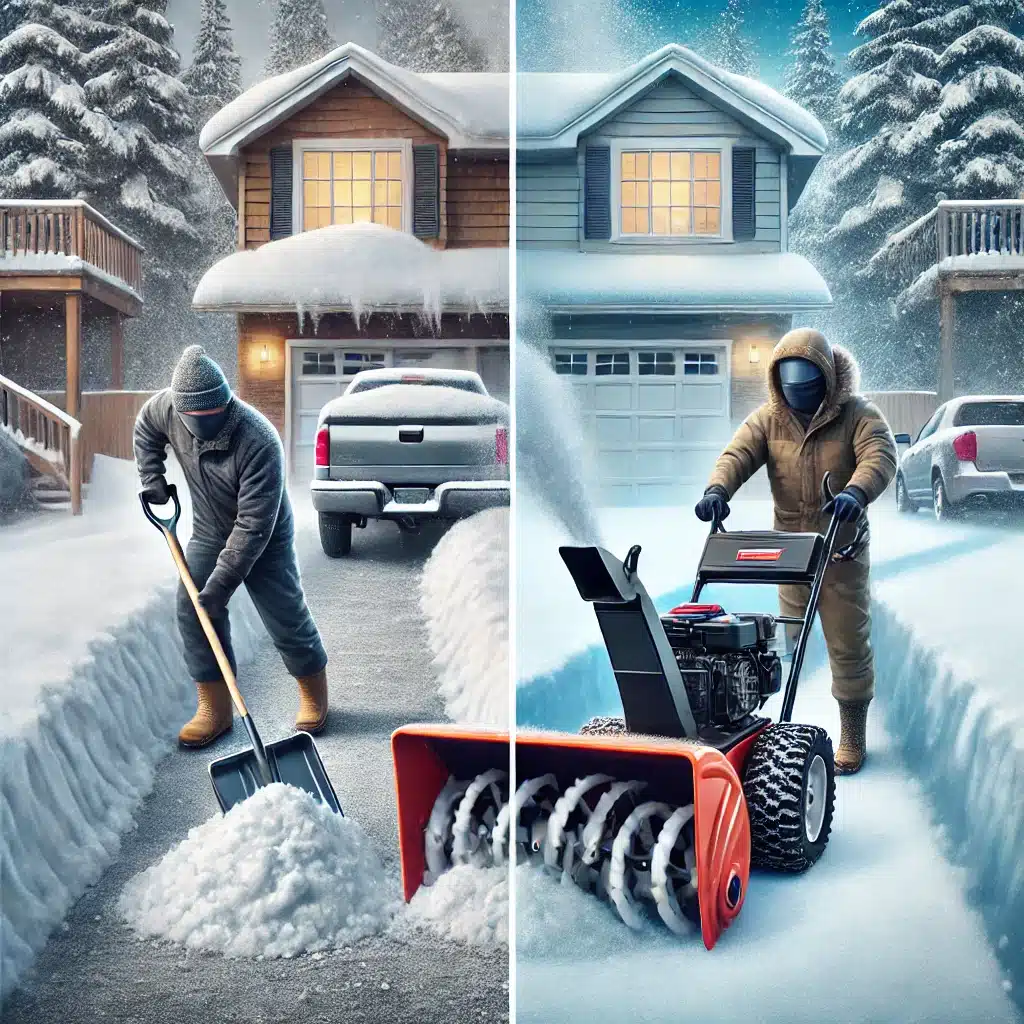
Winter in Toronto brings heavy snowfall, making snow removal an essential task for homeowners. Deciding Shovels or Snow Blowers depends on various factors, such as property size, snowfall frequency, and the level of physical effort required. Each method has its advantages and drawbacks, and understanding them will help you choose the best tool for keeping your driveway and walkways clear. A shovel is a traditional and budget-friendly method of clearing snow, but it requires physical effort and can be time-consuming. On the other hand, a snow blower is faster and more efficient but requires an upfront investment and regular maintenance. By evaluating your specific needs, you can determine which option is best suited for your winter snow removal routine. For homeowners who prefer a hassle-free solution, professional snow removal services in Toronto offer a reliable alternative. Hiring a team of experts can save time and effort while ensuring that your property remains clear and safe throughout the winter season. The Benefits and Drawbacks of Using a Snow Shovel A snow shovel is one of the most affordable and widely used tools for snow removal. It requires no electricity, fuel, or maintenance, making it a cost-effective and eco-friendly option. With a shovel, homeowners have greater control over where the snow is placed, which is particularly useful for clearing narrow walkways, stairs, and small driveways. For those who enjoy a winter workout, shoveling can also serve as a form of physical exercise. However, using a shovel can be physically demanding, especially after a heavy snowfall. Lifting and pushing snow can strain the back and shoulders, increasing the risk of injuries such as muscle pulls or joint pain. This is especially concerning for individuals with pre-existing health conditions or limited mobility. Additionally, the process of manually shoveling a large driveway or sidewalk can take a significant amount of time and energy, making it impractical for those with busy schedules. Another major drawback of shoveling is its inefficiency when dealing with wet, heavy snow. When snow accumulates quickly, it can become compacted and difficult to remove with a standard shovel. In extreme weather conditions, shoveling alone may not be sufficient to keep up with ongoing snowfall, requiring frequent and exhausting efforts throughout the day. Shovels or Snow Blowers and the Better Option A snow blower is a powerful and efficient tool designed to clear large areas quickly. Unlike a shovel, which requires manual effort, a snow blower uses a motorized system to lift and throw snow off driveways and sidewalks. This significantly reduces the strain on the body, making snow removal a faster and more manageable task. For homeowners with large properties, a snow blower can save hours of labor during the winter season. The efficiency of Shovels or Snow Blowers is particularly evident after a heavy snowfall. While shoveling may take multiple sessions to fully clear a driveway, a snow blower can complete the job in a fraction of the time. This is especially useful for individuals who need to clear their driveways quickly before heading to work or running errands. With different models available, from single-stage to three-stage snow blowers, homeowners can choose a machine that best suits their snowfall conditions. Despite its advantages, a snow blower does come with some downsides. The initial purchase cost is significantly higher than a shovel, and the machine requires regular maintenance, such as oil changes, fuel refills, and blade replacements. Additionally, storing a snow blower can be challenging, especially for homeowners with limited garage space. However, for those dealing with frequent heavy snowfalls in Toronto, the benefits of a snow blower often outweigh the costs. Understanding the Different Types of Snow Blowers Not all snow blowers are created equal, and choosing the right one depends on the amount and type of snowfall in your area. Single-stage snow blowers are ideal for light snowfall and work best on paved surfaces. They are lightweight, easy to maneuver, and suitable for small driveways and sidewalks. However, they may struggle with deep or heavy snow. Two-stage snow blowers are more powerful and designed for moderate to heavy snowfall. They feature an auger and impeller system, allowing them to handle deeper snow and clear larger driveways efficiently. Unlike single-stage models, they can work on both paved and gravel surfaces, making them a versatile choice for homeowners who experience frequent snowfall in Toronto. For the most extreme winter conditions, a three-stage snow blower provides the highest level of performance. These machines are built to handle deep, wet, and icy snow, making them perfect for large properties and areas with intense winter storms. While they are the most expensive option, they offer maximum efficiency and reduce the need for additional snow removal efforts. Dealing with Ice Buildup During Winter While Shovels or Snow Blowers are effective for clearing snow, ice buildup can still pose a safety hazard. Slippery driveways and sidewalks increase the risk of falls and injuries, making proper ice removal techniques essential for winter maintenance. Using the right de-icing methods can help keep surfaces clear and prevent accidents. One of the most effective ways to combat ice is by using calcium chloride or magnesium chloride-based ice melt. These products work by breaking down ice and preventing refreezing, making it easier to remove with Shovels or Snow Blowers. Unlike rock salt, which can damage concrete and harm plants, calcium chloride is a safer alternative for both your property and the environment. Another method for improving traction on icy surfaces is by spreading sand or kitty litter. These materials do not melt the ice but provide a rough surface that helps prevent slips and falls. Regularly clearing snow before it has a chance to compact and freeze is also an effective way to minimize ice formation. However, for those who want a more thorough approach, hiring a professional snow and ice removal service in Toronto is the best way to ensure safety throughout the winter. Choosing the Best Snow Removal Option Selecting between a Shovels or Snow Blowers depends on your property size, snowfall frequency,

Shovels or Snow Blowers: Which Is the Best for Snow Removal? Read More »
Cleaning snow with a snow shovel

The Best Ways to Remove Snow: Stay Safe and Efficient

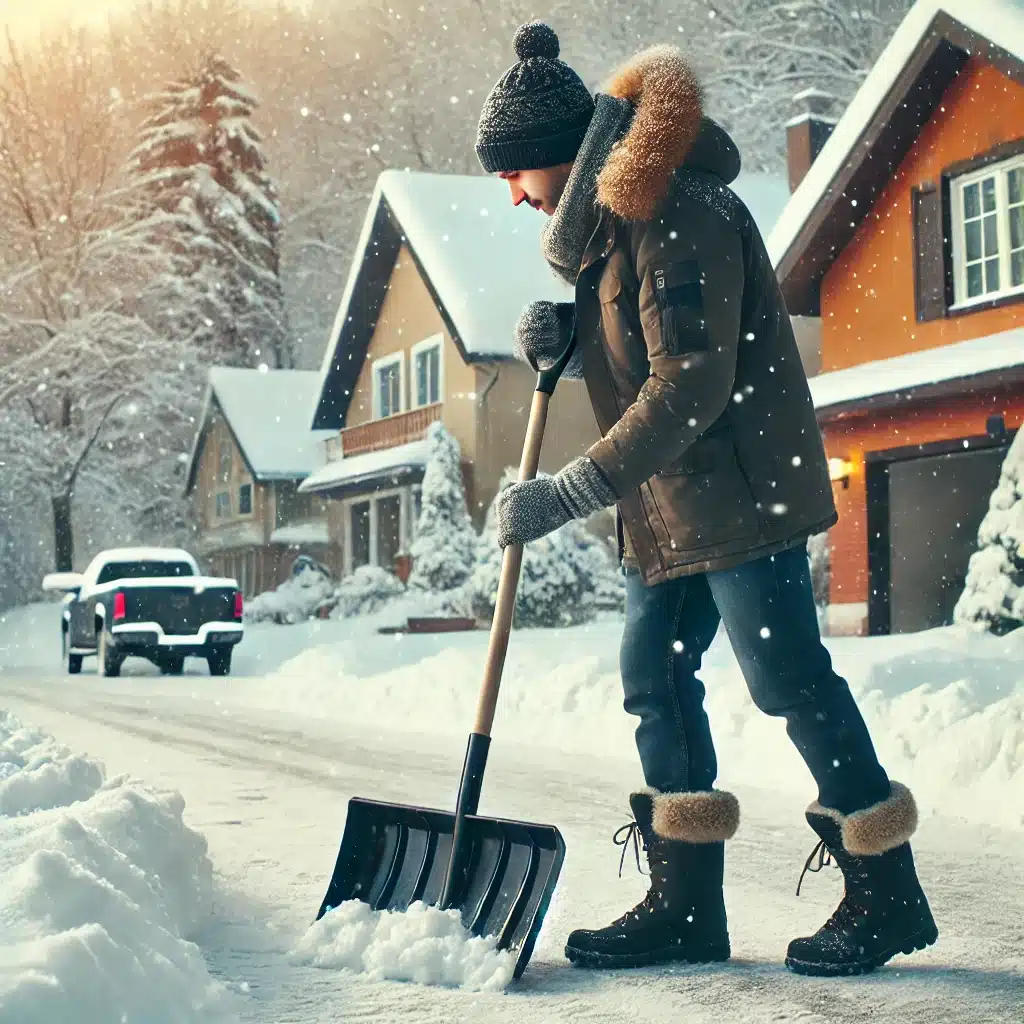
Winter brings beautiful snowfall, but it also means dealing with snow-covered driveways and sidewalks. Removing snow efficiently while staying safe is essential to prevent injuries and excessive strain. Here are the best ways to remove snow while keeping safety a top priority. 1. Use the Right Snow Shovel A lightweight, ergonomic snow shovel can reduce strain on your back and arms. Choose a shovel with a curved handle and a non-stick blade to make lifting and pushing snow easier. Avoid overloading the shovel to prevent muscle strain and fatigue. A well-designed shovel can significantly ease the burden of snow removal and reduce the risk of injury. Shoveling can be physically demanding, so it’s crucial to take breaks and pace yourself. Overexertion in cold weather can lead to health risks such as heart strain and hypothermia. Working steadily and not rushing the process will help keep you safe and make removing snow more efficient. Consider using an aluminum or plastic shovel instead of a metal one, as they tend to be lighter and easier to maneuver. Additionally, ergonomic shovels with adjustable handles can help you maintain a proper posture, reducing the risk of back pain and discomfort when you remove snow.     2. Shovel in Intervals Instead of waiting for heavy snow buildup, shovel periodically during snowfall. Removing snow in smaller amounts at a time reduces the risk of injury and makes the process more manageable. This method is particularly useful for large driveways and walkways. Snow is often heavier when compacted, so tackling it in layers can help prevent excessive strain when you remove snow. Timing is key when it comes to shoveling in intervals. Start early and continue at regular intervals to prevent snow from accumulating too much. If possible, check the weather forecast to anticipate heavy snowfall and prepare accordingly. Shoveling before the snow gets packed down can make removing snow much easier. It’s also important to be mindful of your technique while shoveling in intervals. Avoid sudden, jerky movements and try to maintain a steady, controlled pace. This will help conserve energy and reduce the likelihood of experiencing muscle soreness or fatigue after removing snow from your walkways. 3. Apply a Snow Melt Product Using a high-quality snow melt product before and after shoveling helps prevent ice formation. Choose an environmentally friendly de-icer to protect pets, plants, and driveways. Avoid rock salt, as it can damage concrete and harm vegetation. Proper application of snow melt products ensures safer surfaces and reduces the chances of slipping while you remove snow. Applying snow melt before snowfall can prevent ice from bonding to the ground, making it easier to remove snow when shoveling. After clearing snow, applying another layer can help maintain traction and prevent refreezing. Look for calcium chloride-based or magnesium chloride-based de-icers, which are more effective at lower temperatures than traditional salt. When using snow melt products, be sure to follow the manufacturer’s instructions for application. Overuse of these products can lead to runoff issues, which may affect nearby soil and water sources. Sweeping up excess granules after they’ve done their job can help mitigate environmental impact while keeping surfaces clear for removing snow. 4. Invest in a Snow Blower A snow blower is an excellent investment for those dealing with frequent heavy snowfall. Electric and gas-powered options are available, making snow removal faster and less physically demanding. Ensure proper maintenance to keep it running efficiently throughout the winter. Regular servicing can prolong the life of your equipment and ensure it operates at peak performance when you remove snow. Choosing the right snow blower depends on your specific needs. Single-stage snow blowers are lightweight and best for light snowfall, while two-stage or three-stage models can handle deeper, heavier snow. Consider factors such as driveway size and snow conditions when selecting the most suitable machine for removing snow efficiently. Operating a snow blower safely is essential. Always clear any debris from the area before use, and be mindful of where you direct the discharged snow. Wearing protective eyewear and gloves can help shield you from flying ice and cold temperatures, making your snow removal process safer and more effective.     5. Dress Properly for Snow Removal Wearing insulated gloves, waterproof boots, and layered clothing helps keep you warm and protected. Choose slip-resistant footwear to prevent falls on icy surfaces. Staying dry and warm is essential for maintaining comfort while removing snow. Proper attire not only increases comfort but also reduces the risk of hypothermia and frostbite. Layering is the key to dressing properly for removing snow. Start with a moisture-wicking base layer to keep sweat off your skin, add an insulating middle layer for warmth, and finish with a waterproof outer layer to protect against wind and snow. This combination allows you to regulate body temperature effectively. Don’t forget to protect your extremities. A good pair of insulated, waterproof gloves will keep your hands warm and maintain grip on the shovel. A hat or earmuffs will help retain body heat, and a scarf or face mask can shield your skin from the biting cold and wind while you remove snow. 6. Use Proper Shoveling Techniques Push snow rather than lifting it whenever possible. When lifting, bend at your knees and use your legs instead of your back. Switching hands periodically can help distribute effort evenly and reduce strain on one side of your body. Good technique is essential to efficiently and safely remove snow. Engaging your core muscles while shoveling can provide additional support and stability. Avoid twisting your torso while lifting, as this can strain your lower back. Instead, turn your entire body in the direction where you intend to deposit the snow to minimize stress on your spine and make removing snow safer and more effective. Using a rhythmic, controlled motion will also help maintain endurance. Avoid overexertion by taking breaks as needed and staying hydrated, even in cold weather. Proper technique, combined with a good shovel, will make removing snow much safer, easier,

The Best Ways to Remove Snow: Stay Safe and Efficient Read More »

How to Prevent Cold and Flu with Natural Cleaning Solutions

How to Prevent Cold and Flu with Natural Cleaning Solutions Cold and flu season puts every high touch surface in your home under a microscope. You do not need a cupboard full of harsh chemicals to keep those surfaces under control. Pantry staples such as vinegar, lemon, and baking soda, plus a little heat, handle most of the work, and they are gentler on your skin, your family, and your floors. Here is how to build a natural routine that actually gets done. Why Natural Cleaning Products Make Sense Strong commercial cleaners can leave hands dry, cracked, and irritated, especially if you clean without gloves. Natural options are far kinder to skin and safer around small children and pets, who spend more time on floors and put more things in their mouths. They also skip the lingering fumes that make a bathroom feel stuffy right after a spray and wipe, which matters in a home where windows stay closed for months. They are easier on the environment too, because what you rinse down the drain eventually reaches the water system. The practical bonus is cost: most of these ingredients are already in your kitchen, so a natural routine starts without a trip to the store. Five Natural Solutions You Can Mix Today None of these recipes needs special equipment, and each one covers a different kind of dirt. Mix them as you need them, label the bottles, and store them out of reach of children. White vinegar Vinegar is acidic, which is why it breaks down grime and cuts through grease so well. Mix equal parts water and white vinegar in a spray bottle for an all purpose spray. Use it on kitchen counters, bathroom surfaces, doorknobs, light switches, and even a phone screen. The smell fades quickly as it dries, so it leaves a fresh room rather than a chemical haze. Lemon juice Lemon brings the same acidity with a brighter scent. Squeeze fresh juice, mix it with a little water, and wipe down counters or doorknobs. Lemon also lifts stubborn marks and brings back shine on faucets and sinks, so keep a wedge handy for the metal fixtures in a bathroom. Essential oils Add a few drops of tea tree, eucalyptus, or lavender oil to your vinegar mix or a bucket of warm water. Tea tree is the traditional antiseptic choice, eucalyptus leaves a bracing scent, and lavender softens the atmosphere in busy rooms. A few drops are enough, and you can rotate oils to suit your mood. Keep bottles away from children and pets, and remember that oils can damage some plastics. Baking soda Baking soda scrubs without scratching, which makes it ideal for stovetops, tiles, and stainless steel sinks. Sprinkle it on the surface, add a splash of water to make a paste, then scrub. It also absorbs odours, so an open box in the fridge, a small bowl in a laundry hamper, or a light sprinkle on carpets before vacuuming freshens the room. Steam If you own a steam cleaner, heat does the work with no chemicals at all. Steam is effective on floors, tiles, and upholstery, and it helps reduce dust mites and other allergens in sofas, chairs, and mattresses. Because steam evaporates, it leaves no film and no rinse step behind. Give upholstery time to dry completely by opening a window or running a fan, and save mattress passes for a dry morning. Where Germs Gather Most Often Surface Natural approach Kitchen counters and handles Equal parts water and white vinegar in a spray bottle Bathroom taps and sinks Lemon juice for shine, baking soda paste for build up Doorknobs and switches Wipe weekly with a vinegar spray, more often when someone is sick Floors and tiles Steam, or a bucket of warm water with a few drops of essential oil Do Not Skip the Basics Natural cleaners work best alongside simple hygiene habits. Wash hands with soap for at least 20 seconds, roughly the time it takes to hum Happy Birthday twice, and teach children the same routine. The CDC lists the key moments to wash in its handwashing guidance. Open windows in the kitchen and bathroom to lower airborne germs and prevent mold from damp air. Let daylight in, because sunlight helps reduce some bacteria and viruses on surfaces. Clean first, then disinfect only when someone in the home is sick. The CDC explains why household cleaners come first in its cleaning and disinfecting guide. When to Call a Professional Cleaner Natural cleaning keeps a home healthy week to week, but some jobs need more muscle. Post renovation dust settles into every seam, a move in or move out leaves a whole property to reset, and seasonal deep cleaning reaches the areas a weekly wipe never touches. That is where a professional crew saves time and energy. Toronto Shine Cleaning is bonded and insured, carries a $1,000,000 insurance policy, and backs its work with a $10,000 accidental breakage and surety bond. Regular visits start at $212.63 before HST for a studio or one bedroom, with rates listed on the pricing page. Pair your routine with deep cleaning, move in and move out cleaning, or regular maid service, and check client reviews before you book. Frequently Asked Questions Can vinegar really replace disinfectant? Vinegar is a strong everyday cleaner for grease and grime, but it is not a replacement for disinfecting when someone at home is sick. In that case, clean the surface first and then use a product labelled as a disinfectant. If you reach for bleach, follow dilution and safety steps carefully, as described in this CDC bleach guide. Is baking soda safe on all surfaces? It is safe on most counters, tiles, and stainless steel sinks. Test it on polished stone, and skip it on brushed metals, because even a gentle abrasive can dull a soft finish. How often should I clean during cold and flu season? Wipe high touch points such as doorknobs, switches, and phone screens

How to Prevent Cold and Flu with Natural Cleaning Solutions Read More »