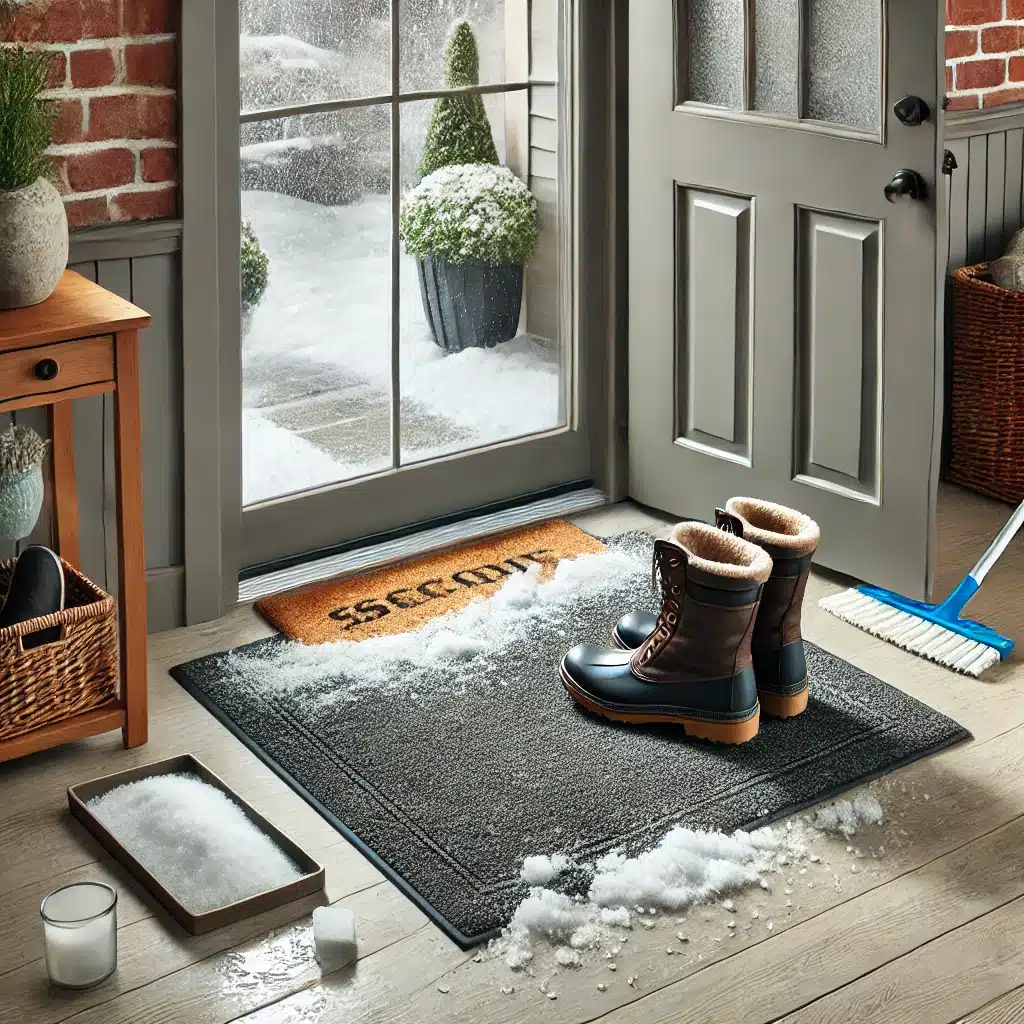
Winter Cleaning

Cleaning snow with a snow shovel

The Best Ways to Remove Snow: Stay Safe and Efficient

Winter brings beautiful snowfall, but it also means dealing with snow-covered driveways and sidewalks. Removing snow efficiently while staying safe is essential to prevent injuries and excessive strain. Here are the best ways to remove snow while keeping safety a top priority. 1. Use the Right Snow Shovel A lightweight, ergonomic snow shovel can reduce strain on your back and arms. Choose a shovel with a curved handle and a non-stick blade to make lifting and pushing snow easier. Avoid overloading the shovel to prevent muscle strain and fatigue. A well-designed shovel can significantly ease the burden of snow removal and reduce the risk of injury. Shoveling can be physically demanding, so it’s crucial to take breaks and pace yourself. Overexertion in cold weather can lead to health risks such as heart strain and hypothermia. Working steadily and not rushing the process will help keep you safe and make removing snow more efficient. Consider using an aluminum or plastic shovel instead of a metal one, as they tend to be lighter and easier to maneuver. Additionally, ergonomic shovels with adjustable handles can help you maintain a proper posture, reducing the risk of back pain and discomfort when you remove snow.     2. Shovel in Intervals Instead of waiting for heavy snow buildup, shovel periodically during snowfall. Removing snow in smaller amounts at a time reduces the risk of injury and makes the process more manageable. This method is particularly useful for large driveways and walkways. Snow is often heavier when compacted, so tackling it in layers can help prevent excessive strain when you remove snow. Timing is key when it comes to shoveling in intervals. Start early and continue at regular intervals to prevent snow from accumulating too much. If possible, check the weather forecast to anticipate heavy snowfall and prepare accordingly. Shoveling before the snow gets packed down can make removing snow much easier. It’s also important to be mindful of your technique while shoveling in intervals. Avoid sudden, jerky movements and try to maintain a steady, controlled pace. This will help conserve energy and reduce the likelihood of experiencing muscle soreness or fatigue after removing snow from your walkways. 3. Apply a Snow Melt Product Using a high-quality snow melt product before and after shoveling helps prevent ice formation. Choose an environmentally friendly de-icer to protect pets, plants, and driveways. Avoid rock salt, as it can damage concrete and harm vegetation. Proper application of snow melt products ensures safer surfaces and reduces the chances of slipping while you remove snow. Applying snow melt before snowfall can prevent ice from bonding to the ground, making it easier to remove snow when shoveling. After clearing snow, applying another layer can help maintain traction and prevent refreezing. Look for calcium chloride-based or magnesium chloride-based de-icers, which are more effective at lower temperatures than traditional salt. When using snow melt products, be sure to follow the manufacturer’s instructions for application. Overuse of these products can lead to runoff issues, which may affect nearby soil and water sources. Sweeping up excess granules after they’ve done their job can help mitigate environmental impact while keeping surfaces clear for removing snow. 4. Invest in a Snow Blower A snow blower is an excellent investment for those dealing with frequent heavy snowfall. Electric and gas-powered options are available, making snow removal faster and less physically demanding. Ensure proper maintenance to keep it running efficiently throughout the winter. Regular servicing can prolong the life of your equipment and ensure it operates at peak performance when you remove snow. Choosing the right snow blower depends on your specific needs. Single-stage snow blowers are lightweight and best for light snowfall, while two-stage or three-stage models can handle deeper, heavier snow. Consider factors such as driveway size and snow conditions when selecting the most suitable machine for removing snow efficiently. Operating a snow blower safely is essential. Always clear any debris from the area before use, and be mindful of where you direct the discharged snow. Wearing protective eyewear and gloves can help shield you from flying ice and cold temperatures, making your snow removal process safer and more effective.     5. Dress Properly for Snow Removal Wearing insulated gloves, waterproof boots, and layered clothing helps keep you warm and protected. Choose slip-resistant footwear to prevent falls on icy surfaces. Staying dry and warm is essential for maintaining comfort while removing snow. Proper attire not only increases comfort but also reduces the risk of hypothermia and frostbite. Layering is the key to dressing properly for removing snow. Start with a moisture-wicking base layer to keep sweat off your skin, add an insulating middle layer for warmth, and finish with a waterproof outer layer to protect against wind and snow. This combination allows you to regulate body temperature effectively. Don’t forget to protect your extremities. A good pair of insulated, waterproof gloves will keep your hands warm and maintain grip on the shovel. A hat or earmuffs will help retain body heat, and a scarf or face mask can shield your skin from the biting cold and wind while you remove snow. 6. Use Proper Shoveling Techniques Push snow rather than lifting it whenever possible. When lifting, bend at your knees and use your legs instead of your back. Switching hands periodically can help distribute effort evenly and reduce strain on one side of your body. Good technique is essential to efficiently and safely remove snow. Engaging your core muscles while shoveling can provide additional support and stability. Avoid twisting your torso while lifting, as this can strain your lower back. Instead, turn your entire body in the direction where you intend to deposit the snow to minimize stress on your spine and make removing snow safer and more effective. Using a rhythmic, controlled motion will also help maintain endurance. Avoid overexertion by taking breaks as needed and staying hydrated, even in cold weather. Proper technique, combined with a good shovel, will make removing snow much safer, easier,

The Best Ways to Remove Snow: Stay Safe and Efficient Read More »

How to Prevent Cold and Flu with Natural Cleaning Solutions

Hey there! To Prevent Cold and Flu with Natural Cleaning, it’s super important to keep our homes clean and germ-free. But, guess what? You don’t need to rely on harsh chemicals to do the trick. Natural cleaning solutions can be just as effective in keeping those pesky germs at bay. Let’s dive into how you can use natural solutions to prevent cold and flu in your cozy nest. Why Go Natural? First and foremost, natural cleaning solutions are kinder to your skin. We’ve all been there – using a strong cleaner only to end up with irritated hands. Natural options, on the other hand, are much gentler. This means you can clean away without worrying about harsh reactions, which is especially great if you have sensitive skin. But it’s not just about you! If you have little ones scampering around or furry friends lounging on your floors, you’ll love that natural cleaners are safer for them too. Kids and pets are often more sensitive to the harsh chemicals found in many standard cleaning products. By switching to natural alternatives, you’re creating a safer environment for the entire family. Imagine your kiddos playing on floors cleaned with gentle ingredients or your pets cozying up on freshly cleaned carpets that don’t have any harsh residues. It’s all about creating a safe and healthy space for everyone. Now, let’s talk about Mother Earth. We all want to do our part in keeping our planet happy and healthy, right? Well, natural cleaning solutions are a great step in that direction. They’re eco-friendly, which means they’re kinder to the environment. When you wash away these natural cleaners, you’re not sending harsh chemicals down the drain and into our water systems. It’s a win-win for your home and the environment. Another cool thing? You probably have most of these natural cleaning superheroes in your kitchen right now! That’s right – items like vinegar, lemon, and baking soda aren’t just for cooking; they’re also powerful cleaning agents. This means you can start your natural cleaning journey without a trip to the store. It’s convenient, effective, and kinder to your wallet too. The Magic of Vinegar So, what makes vinegar so special? It’s all about the acidity. Vinegar is known for its acidic nature, which is a nightmare for germs and viruses. This acidity isn’t just good for adding zing to your salad dressing; it’s also what gives vinegar its germ-killing superpowers. When you use vinegar as a cleaning agent, it works hard to break down grime, cut through grease, and yes, kill those pesky germs that can lead to colds and flu. Now, how do you transform vinegar into a cleaning superhero? It’s super simple. Take equal parts of water and white vinegar, mix them in a spray bottle, and there you have it – a natural disinfectant ready to tackle germs in your home. This mixture can be used on a variety of surfaces where germs love to lurk. Think kitchen counters, bathroom surfaces, doorknobs, and even your smartphone screen. But here’s the best part: it’s so easy to make and use. You don’t need to be a DIY guru to mix water and vinegar. Plus, it’s a cost-effective solution. Vinegar is way cheaper than most store-bought cleaners, and since you’re diluting it with water, a little goes a long way. You’re not only keeping your home clean; you’re also being kind to your wallet. Another bonus? You’re avoiding the strong, sometimes overwhelming scents that come with many commercial cleaners. While vinegar does have a distinct smell, it dissipates quickly, leaving you with a clean, fresh space without any lingering chemical odors.     Lemon: Not Just for Lemonade Why are lemons such a big deal in the cleaning world? It’s all about their high acidity. Just like vinegar, the acidic nature of lemons makes them a natural enemy for germs and viruses. When you’re trying to keep your home free from cold and flu bugs, lemons are your trusty allies. They can kill bacteria and leave your house not just clean, but also smelling fresh and citrusy. So, how do you turn lemons into a cleaning solution? It’s as easy as pie (or should I say, lemon pie?). Squeeze some lemon juice, mix it with a bit of water, and you’ve got yourself a natural disinfectant. This lemon-water mix is perfect for wiping down those areas where germs love to hang out. Think kitchen countertops, where you prepare all your meals, or doorknobs, which everyone touches multiple times a day. Even your bathroom surfaces can benefit from a lemony clean, leaving them not just germ-free but also with a refreshing scent. One of the coolest things about using lemon as a cleaner is the scent factor. Unlike some cleaners that can be harsh on your nose, lemons leave a light, refreshing citrus aroma. This makes cleaning a more pleasant experience and leaves your home smelling naturally fresh. Plus, there’s something incredibly satisfying about knowing you’re using a natural, biodegradable substance to keep your home clean. And let’s not forget, lemons are also great for tackling tough stains and bringing out natural shine. Got a stubborn stain on your countertop? Lemon juice to the rescue! Want to add some sparkle to your faucets or sink? Rub them with a lemon wedge and watch them shine. Essential Oils: Smells Good and Cleans Too! So, why are these particular oils so great for cleaning? Well, it turns out, nature has equipped them with properties that are tough on bacteria and viruses. For instance, tea tree oil is known for its powerful antiseptic properties. It’s like that tough-on-germs cleaner but without the harsh chemicals. Eucalyptus oil, on the other hand, isn’t just for helping you breathe easier when you have a cold; it’s also great for wiping out germs. And then there’s lavender, the all-rounder, known for its calming scent and its ability to fight off bacteria. Now, how do you use these oils in cleaning? It’s pretty

How to Prevent Cold and Flu with Natural Cleaning Solutions Read More »