
Sticker Removal: 5 Expert Tips For Removing Stickers From Different Types of Surfaces
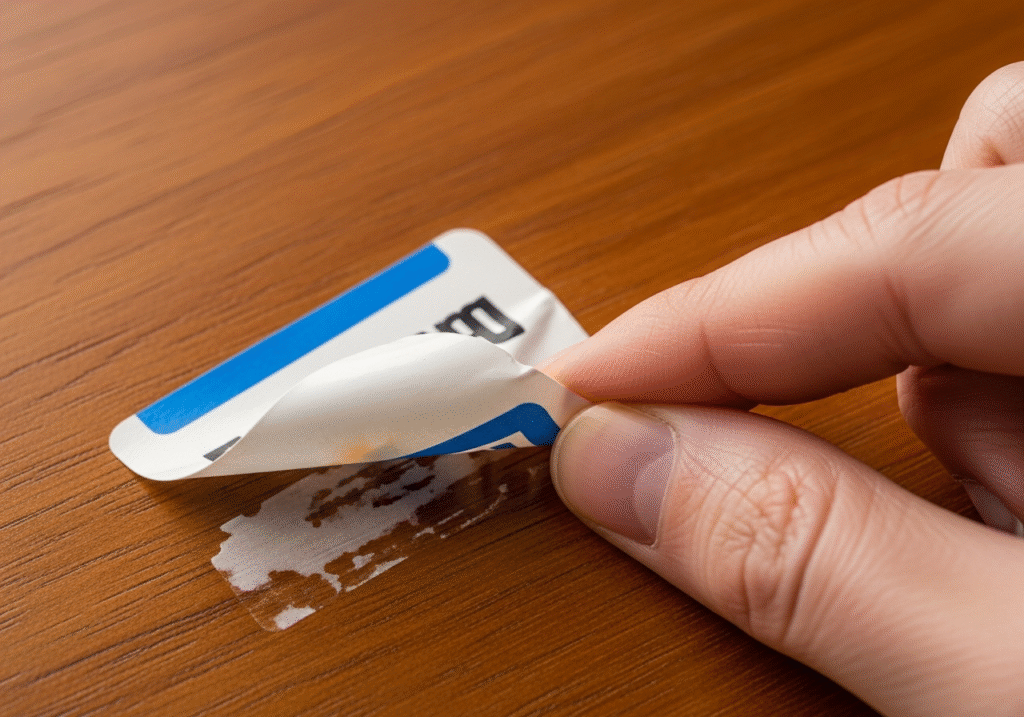
The presence of a sticker on a newly purchased item is one of the most baffling contradictions in modern retail. We buy a beautiful glass vase, a sleek stainless steel appliance, or a handcrafted wooden picture frame because we admire its aesthetic qualities. Yet, directly across the face of this pristine object, the manufacturer or the retailer often places a price tag or a brand decal using an adhesive that seems engineered to survive atmospheric reentry. The attempt to remove it usually results in one of two tragedies: the paper tears, leaving a fuzzy, white layer of impossible-to-remove strata, or the sticker comes off but leaves behind a gummy, sticky residue that attracts dust and turns grey within days. Mastering the removal of stickers is not just about having strong fingernails; it is a lesson in chemistry and material science. To defeat the adhesive, one must understand the nature of the bond and select the correct solvent or mechanical agent to break it without destroying the substrate beneath. Heat up The first rule of sticker removal is to resist the urge to scrape immediately. When we see a sticker, our instinct is to pick at the corner. While this works for the rare, low-tack adhesive, it is usually a trap. By picking at the sticker, you often separate the top layer of paper or plastic from the adhesive layer below. Once that top layer is gone, you lose your leverage. You are left with the adhesive exposed, which is infinitely harder to remove than when it was attached to the label. Therefore, the removal process should begin with preparation, not aggression. The method you choose must be dictated entirely by the surface the sticker is on. What works for a glass jar will ruin a wooden table, and what saves a hardcover book will melt a plastic laptop case. For the vast majority of stickers, particularly those on hard, non-porous surfaces like glass, ceramic, or metal, heat is the most effective and least damaging first line of defense. The adhesive used on stickers is typically a polymer that exists in a semi-solid state. When heated, these polymers soften and become more viscous. A standard hair dryer is the tool of choice here. Set the dryer to medium heat and hold it a few inches away from the sticker for about forty-five seconds to a minute. You are not trying to scorch the item; you are trying to warm the glue. Once heated, the adhesive loosens its grip on the surface and adheres more tightly to the sticker backing. If you lift the corner slowly while applying heat, the sticker often peels away in one satisfying, clean sheet. This method is particularly crucial for removing decals from car bumpers or stickers from laptops, where liquid solvents might cause damage to the paint or internal electronics. Oil However, heat has its limits. On certain plastics, high heat can warp the material. On items where the adhesive has cured for years—such as a price tag on a thrift store find—heat might not be enough to reactivate the dried-out glue. In these instances, we must turn to chemistry. The principle of “like dissolves like” is the guiding star of adhesive removal. Most sticker adhesives are lipid-based or rubber-based. Therefore, oil is a potent solvent. This is why common pantry items like cooking oil, olive oil, or even peanut butter are legendary sticker removers. The fats in the oil seep through the paper of the sticker (or around the edges if it is plastic) and mix with the adhesive, essentially diluting it until it loses its stickiness. To use this method effectively, one must score the surface of a paper sticker to allow the oil to penetrate, apply a generous layer of oil, and let it sit. Patience is the active ingredient. After twenty minutes, the sticker should slide off, leaving an oily residue that can be easily washed away with soap and water. This method is exceptionally safe for glass and reactive plastics but should be avoided on unsealed wood or porous stone, which will absorb the oil and stain permanently. Alcohol For surfaces where oil is not an option, or for stubborn residues that oil cannot touch, alcohol is the next tier of escalation. Isopropyl alcohol, commonly known as rubbing alcohol, is a solvent that breaks down the chemical bonds of the adhesive. It dries instantly, making it safe for electronics (when applied to a cloth, not sprayed directly) and unfinished surfaces that cannot get wet. It is particularly effective on the gummy residue left behind after a sticker has been peeled off. A microfiber cloth dampened with alcohol acts as an eraser for this goop. However, caution is required. Alcohol can act as a paint thinner. If used on certain painted surfaces or varnished wood, it can strip the finish along with the sticker. A spot test in an inconspicuous area is always mandatory before attacking the main stain. There is a specific category of stickers that creates a unique nightmare: the plastic-coated or laminated label. These are waterproof, meaning that oil, water, and vinegar cannot penetrate them from the top. To remove these, you must attack from the edges or compromise the surface. This is where mechanical removal tools come into play. A plastic razor blade or a specialized scraper is infinitely superior to a metal razor blade or a fingernail. Metal blades scratch glass and gouge plastic. A plastic scraper is harder than the adhesive but softer than the substrate. It allows you to get under the rim of the label and apply the necessary lifting force. For glass windows, a metal razor blade held at a precise forty-five-degree angle is permissible and effective, provided the glass is wet to provide lubrication, but this requires a steady hand to avoid scratching. Vinegar Vinegar, specifically white distilled vinegar, offers a different chemical approach. It is acidic. For old, dried-out masking tape or stickers on windows that have been baked by
Sticker Removal: 5 Expert Tips For Removing Stickers From Different Types of Surfaces Read More »