Floor Cleaning

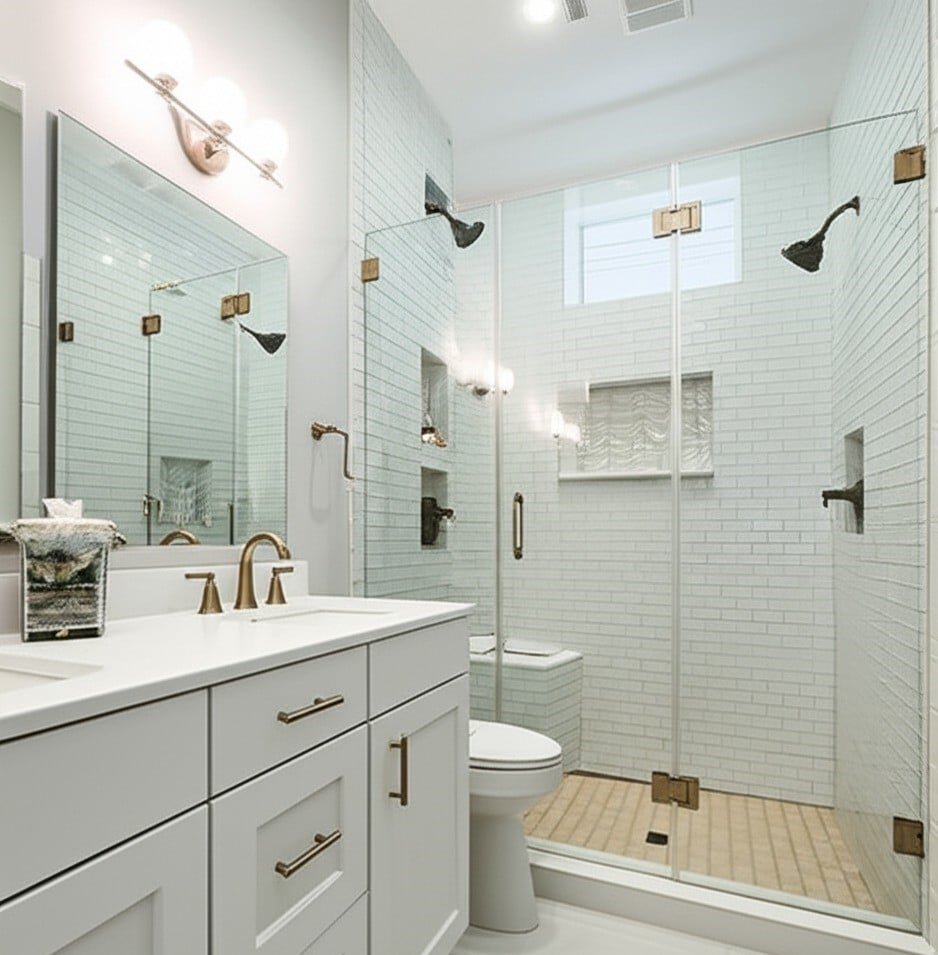
clean shower walls

How to Keep Your Shower Walls Shining – 5 Best Tips You Need to Know

Dealing with dirty shower walls is a common household challenge. Over time, these surfaces accumulate a variety of residues, from soap scum and hard water minerals to mold and mildew, diminishing the overall cleanliness and appeal of your bathroom. Understanding what causes these issues and how to address them effectively can transform your shower from a source of frustration into a sparkling clean space. 1.Mold and Mildew The main culprits for dirty shower walls are soap scum, hard water stains, and biological growths like mold and mildew. Soap scum is a reaction between the fatty acids in bar soap and minerals in tap water, such as calcium and magnesium. This reaction forms an insoluble, sticky, and often grayish or whitish film that adheres tightly to shower surfaces. If left untreated, layers of soap scum can build up on shower walls, becoming increasingly difficult to remove. Hard water stains, on the other hand, are mineral deposits left behind as water evaporates. They usually appear as chalky white spots or a cloudy film, particularly noticeable on darker tiles or glass. Calcium carbonate and magnesium carbonate are the main components of these deposits. Mold and mildew are fungi that thrive in warm, humid environments with poor air circulation, making showers an ideal breeding ground for them. Mold usually appears as a superficial, powdery growth, while mildew can penetrate deeper and present as black, green, or even pink spots, often in grout lines or corners. These spots are not only unsightly, but can also cause health problems for some people. Before beginning the cleaning process, proper preparation is essential for both effectiveness and safety. Start by clearing the shower area of all items. Remove shampoo bottles, conditioner, body wash, loofahs, razors, and any other accessories. This gives you unobstructed access to all wall surfaces. Next, gather your cleaning supplies. You will need a suitable cleaning solution, which could be a homemade mixture or a commercial product, contained in a spray bottle if it’s a liquid. Arm yourself with appropriate tools for scrubbing, such as non-abrasive sponges, soft cloths, microfiber towels, or scrub brushes with varying bristle stiffness depending on your wall material. An old toothbrush or a specialized grout brush is invaluable for cleaning grout lines. For rinsing, your showerhead will suffice, or you can use a bucket of water. Protecting yourself is also crucial. Wear waterproof gloves to shield your hands from cleaning agents and grime. Consider safety glasses to protect your eyes from splashes, especially when using spray cleaners or dealing with strong chemicals. Ensure good ventilation in the bathroom by turning on the exhaust fan, opening a window, or both. This helps to dissipate fumes from cleaning products and aids in drying. Choosing the right cleaner depends on the type of grime you are tackling and the material of your shower walls. For general cleaning and tackling soap scum and mild hard water stains, a solution of equal parts white vinegar and warm water is often effective. The acetic acid in vinegar helps to dissolve soap scum and mineral deposits. For more scrubbing power, particularly on tougher soap scum, a paste made from baking soda and a small amount of water can be used as a mild abrasive. Another popular homemade option involves mixing white vinegar with a squirt of liquid dish soap; the dish soap helps to cut through grease and allows the vinegar to cling better to vertical surfaces. For mold and mildew, hydrogen peroxide can be sprayed directly onto affected areas and allowed to sit. 2.Specific Products For Shower Walls If you opt for commercial cleaners, many products are available, formulated specifically for bathrooms. There are cleaners designed to target soap scum, others for hard water stains, and some that focus on killing mold and mildew. All-purpose bathroom cleaners can also be effective for regular maintenance. Always read the product label carefully, paying attention to the instructions for use, recommended dwell times, and any safety warnings. It is particularly important to check if a commercial cleaner is safe for your specific shower wall material. The material of your shower walls determines the types of cleaning products and tools you can safely use. Ceramic and porcelain tiles are generally very durable and can withstand most cleaning agents and vigorous scrubbing. However, the grout between tiles is porous and can stain or corrode if repeatedly treated with harsh or acidic cleaners. Fiberglass and acrylic shower surrounds are more sensitive; they can be scratched by abrasive cleaners or harsh cleaning tools, such as steel wool or stiff-bristled brushes. For these surfaces, opt for non-abrasive cleaners and soft sponges or cloths. Natural stone tiles, such as marble, granite, limestone or travertine, require special care. These materials are often porous and can be corroded or damaged by acidic cleaners, such as vinegar or lemon juice, as well as harsh alkaline cleaners, such as bleach. For natural stone, it is best to use pH-neutral cleaners that are specifically designed for stone surfaces. Always test any new cleaning product on a small, inconspicuous area first to ensure it won’t damage or discolor the material on your shower walls. 3.Timing The Time Once prepared and with your chosen cleaner ready, you can begin the cleaning process. Start by wetting the shower walls with warm water using the showerhead or a cup. This initial rinse helps to loosen surface dirt and allows the cleaner to adhere more effectively. Next, apply your cleaning solution. If using a spray, apply it generously to all wall surfaces, starting from the top and working your way down. This method prevents streaks and ensures that dirty solution doesn’t run over already cleaned areas. Allow the cleaner to dwell on the walls for the recommended time – this is a critical step. For mild cleaning, 5-10 minutes might be sufficient, but for heavy soap scum or mildew, you may need to let the cleaner sit for 15-30 minutes, or even longer for some commercial products. Dwell time allows the active ingredients in

How to Keep Your Shower Walls Shining – 5 Best Tips You Need to Know Read More »
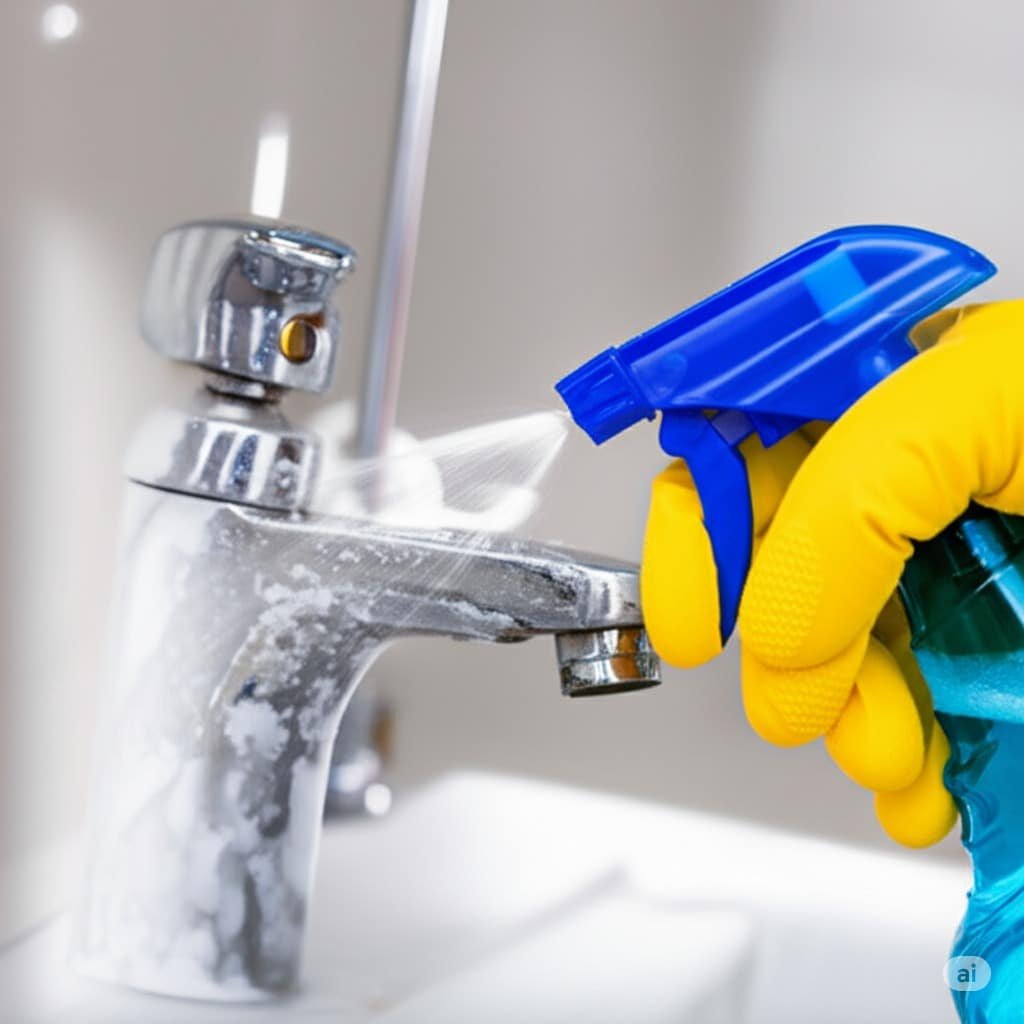
cleaning hard water

How to Clean Hard Water – 2 Easy Steps for a Sparkling Home

Hard water deposits, those chalky white or sometimes rusty stains, are a common nuisance in many homes. These marks are primarily composed of minerals like calcium and magnesium left behind as water evaporates. They can accumulate on various surfaces, diminishing their appearance and sometimes affecting their functionality. Addressing these buildups requires understanding how to dissolve these mineral deposits effectively. 1.Bathrooms In bathrooms, faucets and showerheads are frequent victims of hard water. The buildup can clog nozzles, reducing water flow and creating an unsightly crust. To clean these fixtures, undiluted white vinegar is a powerful ally. For faucets, you can soak a cloth or paper towel in vinegar and wrap it around the affected area. Let it sit for at least an hour, or longer for stubborn deposits. Afterward, scrub gently with an old toothbrush or a non-scratch sponge and rinse thoroughly. For showerheads, if removable, submerge them in a bowl or bag filled with white vinegar. Ensure the spray holes are completely covered. Let it soak for several hours, or even overnight for severe cases. After soaking, use a small brush or pin to clear any remaining debris from the nozzles and rinse with water before reattaching. Glass shower doors and enclosures often develop a cloudy film or streaks from hard water. A spray bottle filled with a solution of equal parts white vinegar and water can be used here. Spray the solution generously onto the glass and let it sit for 15 to 30 minutes. This allows the acetic acid in the vinegar to begin breaking down the mineral deposits. Then, scrub the surface with a non-scratch pad or a microfiber cloth. For more resistant stains, a paste made from baking soda and a small amount of vinegar can be applied and gently scrubbed before rinsing. Rinse the glass thoroughly with clean water and dry with a squeegee or a clean, lint-free cloth to prevent new spots from forming. Sinks and bathtubs, whether porcelain, ceramic, or stainless steel, can also suffer from hard water stains. For general cleaning, spraying with a vinegar solution and letting it sit before wiping and rinsing works well. For more concentrated stains, apply white vinegar directly or create a paste of vinegar and baking soda. Apply the paste to the stained areas, let it sit for about 30 minutes, then scrub with a soft brush or sponge. Rinse thoroughly with water. Be cautious with colored grout or natural stone, as vinegar’s acidity can sometimes affect these materials; test in an inconspicuous area first. Toilets often develop a hard water ring at the waterline. To address this, pour about one to two cups of white vinegar directly into the toilet bowl, ensuring it covers the ring. Let it sit for at least an hour, or preferably overnight for tough rings. After soaking, scrub the ring with a toilet brush. The minerals should loosen and come off more easily. Flush the toilet to rinse. For very stubborn stains below the waterline, you might need to empty the bowl of water first (by turning off the water supply and flushing) before applying vinegar directly to the stains. 2.Kitchen In the kitchen, appliances like kettles and coffee makers are prone to internal mineral buildup, often called scale. This scaling can affect the taste of your beverages and the efficiency of the appliance. To descale a kettle, fill it with a solution of equal parts white vinegar and water. Bring the solution to a boil, then turn off the kettle and let it sit for an hour or two. Empty the kettle and rinse it thoroughly several times with fresh water to remove any vinegar residue and taste. For coffee makers, fill the water reservoir with the same vinegar-water solution and run a brewing cycle without coffee grounds. Afterward, run two to three cycles with plain water to rinse the system completely. Dishwashers can also accumulate hard water deposits, leading to spotty dishes and a less effective cleaning cycle. To clean your dishwasher, place a dishwasher-safe cup or bowl filled with one to two cups of white vinegar on the top rack of the empty dishwasher. Run a regular hot water cycle. The vinegar will circulate through the machine, helping to dissolve mineral buildup on the interior components and spray arms. Washing machines, especially in hard water areas, can suffer from mineral buildup that affects their performance and can even leave deposits on clothes. To clean your washing machine, you can run an empty cycle with hot water and add about two to four cups of white vinegar directly into the drum or the detergent dispenser. Allow the machine to complete a full wash and rinse cycle. This helps to remove scale and soap scum from the drum and hoses. For tiles and grout in kitchens and bathrooms, a vinegar solution can be effective against hard water stains. Spray the solution onto the tiles, let it sit for a short period, then scrub with a brush, paying extra attention to grout lines. Rinse thoroughly with water. As mentioned, always test vinegar on a small, hidden area of tiles, especially if they are natural stone or colored, as acidity can sometimes cause etching or discoloration. While vinegar is a common and effective household cleaner for hard water, lemon juice, another natural acid, can also be used in a similar manner for smaller areas or as an alternative. Commercial descaling products are also available and can be very effective, especially for severe buildup or for appliances where manufacturers recommend specific descalers. Always follow the product instructions carefully when using commercial cleaners. Regular cleaning of affected surfaces can prevent severe buildup, making the task easier over time. Consistent attention to areas prone to hard water can keep your fixtures and appliances looking their best and functioning properly. Hard water stains and mineral buildup can be challenging, but with the right approach, these deposits can be effectively removed from various household surfaces. Understanding how to dissolve these minerals using common household items

How to Clean Hard Water – 2 Easy Steps for a Sparkling Home Read More »

summer cleaning woman

Preparing for Summer Cleaning – 6 Easy Steps

Before you begin your summer cleaning, certain preparations can make the entire process smoother, more efficient, and considerably less intimidating. Systematically tackling these preliminary steps turns a potentially overwhelming task into a series of manageable actions, setting you up for success and a refreshingly clean home. 1.Four Box Method The first and most impactful step is to thoroughly declutter. Unnecessary items not only take up valuable floor space, but they also collect dust, harbor allergens, and make cleaning around them more time-consuming and time-consuming. Embark on a systematic journey through your home, tackling it room by room, or perhaps by specific categories, such as clothes, books, papers, kitchen utensils, old electronics, or miscellaneous items. For each item, make a conscious decision: will you keep it, donate it, sell it, or discard it? Consider adopting a method like the “Four Box Method”—labeling boxes Keep, Donate/Sell, Trash, and Relocate (for items that belong in another room). Reducing the bulk of your possessions means less stuff to clean, move, and organize. This fundamental act immediately simplifies all subsequent cleaning steps, creating a more open, airy, and accessible space that’s conducive to thorough cleaning. Think of organization as the essential foundation that lightens the load for all future cleaning efforts—not just for summer cleaning, but for ongoing maintenance as well. The mental clarity and sense of calm that an organized space provides are also significant benefits, making your home feel more peaceful. 2.Start Your Summer Cleaning Once your spaces are significantly cleaner, it’s a good idea to develop a detailed, well-thought-out plan. This isn’t just a vague idea of ​​what needs to be cleaned; it’s a concrete roadmap for your summer cleaning. Identify all the specific areas and tasks you plan to tackle during your summer cleaning. This could include deep cleaning kitchen appliances like the oven and refrigerator, washing windows and drapes, scrubbing floors and baseboards, cleaning light fixtures and ceiling fans, or tackling outdoor spaces like patios, decks, or porches. List these tasks meticulously. You can organize them by room (e.g., all kitchen tasks, then all bathroom tasks) or by type of activity (e.g., dusting, vacuuming, and mopping). Having a clear, written checklist provides essential direction, helps you visually monitor progress (which is very motivating), and ensures that no important areas or tasks are inadvertently forgotten. A structured approach avoids the common feeling of being overwhelmed and allows for a more focused, efficient effort in your summer cleaning. This planning phase is crucial for visualizing the full scope of work for your summer cleanup, allowing you to allocate resources, including time and energy, more effectively. You can even prioritize tasks, deciding which ones will have the greatest impact or which ones are most urgent for your cleanup. 3.Accessories And Supplies With your comprehensive cleaning plan in place, the next logical step is to gather all the cleaning supplies and tools you’ll need for your summer cleanup. Take a complete inventory of your current supply of cleaning products, disinfectants, cloths, sponges, brushes, and any specialized equipment, such as vacuum cleaners with all their attachments, mops, buckets, or steam cleaners. Make a detailed list of everything that’s missing, low on supplies, or items that need replacing (such as old, ineffective sponges or worn-out mop heads). Purchase these items before you begin cleaning. Having everything readily available will prevent frustrating interruptions and help you keep the momentum going once the cleaning process begins. Most importantly, make sure your tools are in good working order: empty vacuum cleaner bags or containers, clean or replace filters, make sure mop heads are clean and fresh, and spray bottles are working properly. This preparatory step ensures that when you set aside time for your summer cleaning, you can proceed smoothly and efficiently without unnecessary delays or trips to the store. Consider whether you prefer commercial cleaning products or if you want to use more natural or homemade solutions like vinegar and baking soda for your cleaning, and make sure you have these ingredients on hand. 4.Make Your Own Pace Consider carefully how you will allocate time for your summer cleaning project. Breaking the overall summer cleaning endeavor into smaller, more manageable chunks can be highly effective and less daunting. You can dedicate specific days or weekends to certain rooms or specific types of tasks for your summer cleaning. For example, one Saturday morning could be dedicated to deep cleaning the kitchen, while another afternoon could be dedicated to washing all the windows in the house. Alternatively, you could take a “little and often” approach, dedicating 30 to 60 minutes each day to tackling one or two items on your summer cleaning checklist. Scheduling these time blocks into your existing calendar, just like any other commitment, helps you integrate summer cleaning into your routine without it becoming an all-consuming endeavor that disrupts your entire life. This approach also helps you maintain your energy levels and thoroughness for each individual task, preventing burnout. Be realistic about how long certain cleaning tasks will take; it’s usually better to overestimate a little. Fitting your summer cleaning into your current schedule, rather than trying to overhaul your entire routine to do so, leads to greater consistency and a higher likelihood of completion. 5.Protection Before you apply any cleaning products or start scrubbing or washing heavily, prepare the actual spaces you’ll be working in for your summer cleaning. Ensure good ventilation by opening windows and, if necessary, using fans to circulate the air, especially if you’ll be using strong-smelling cleaning solutions or chemicals while cleaning. This is especially important during the warmer summer months, when indoor air can become stagnant and fumes can build up. Protect furniture, floors, or delicate items that aren’t being cleaned by covering them with old sheets, drop cloths (canvas is durable, plastic protects against spills), or plastic sheeting. If possible and practical, move smaller pieces of furniture out of the area temporarily. Clearing walkways and ensuring that you have safe, unobstructed access to all areas you plan to clean

Preparing for Summer Cleaning – 6 Easy Steps Read More »

4 Easy Home Deep Cleaning Tips You Need to Try

Home deep cleaning represents a far more comprehensive and intensive approach to household cleanliness than routine or daily tidying. While regular cleaning maintains a surface level of order, deep cleaning delves into the accumulated dirt, stubborn grime, pervasive bacteria, and hidden allergens that build up over time in every part of a home. It is a methodical process designed to sanitize and refresh spaces from top to bottom, reaching beyond the immediately visible to address areas often overlooked. This type of cleaning aims not just for visual appeal but to restore a home to its optimal hygienic condition. It involves meticulous attention to detail, often requiring significantly more time, focused effort, and the use of specialized cleaning agents and equipment compared to standard upkeep. The goal is to systematically eliminate layers of dust, grease, soap scum, limescale, and other residues that can compromise both the appearance and the healthfulness of a living environment. 1.Home Deep Cleaning – Kitchen   A home environment stands to gain substantially from periodic, thorough home deep cleaning. Over months and seasons, dust particles, pet dander, pollen, mold spores, and various pathogens can settle and multiply in hard-to-reach places like behind furniture, within carpet fibers, on high ledges, and in air vents. These hidden accumulations can degrade indoor air quality, potentially triggering or exacerbating allergies, asthma, and other respiratory conditions. Home deep cleaning directly targets and removes these reservoirs of contaminants, contributing to a healthier atmosphere for all occupants. Beyond health implications, this intensive cleaning also plays a crucial role in home maintenance. By removing corrosive substances like grease build-up in kitchens or hard water stains in bathrooms, home deep cleaning helps preserve the integrity and extend the lifespan of fixtures, surfaces, and appliances. A deeply cleaned home offers an enhanced sense of comfort and well-being, transforming the living space into a more pleasant, sanitary, and genuinely revitalized sanctuary. This can also be a factor in preventing pest infestations by removing food sources and disturbing potential hiding spots.   Numerous situations and life events make a professional home deep cleaning service particularly beneficial. Seasonal transitions, notably spring and autumn, are common triggers as individuals look to refresh their homes after a long winter or prepare for increased indoor living as temperatures drop. Before hosting significant events, such as holiday gatherings, family celebrations, or important social functions, a deep clean ensures the home is impeccably presentable and welcoming. Conversely, after such events, a deep clean helps restore order and cleanliness. Moving is another prime occasion; cleaning an old residence thoroughly before vacating or ensuring a new home is sanitized and fresh before moving in is standard practice. Properties being prepared for sale or rental greatly benefit from home deep cleaning to enhance their appeal to potential buyers or tenants. Post-renovation or construction work, a specialized deep clean is essential to remove fine dust, debris, and construction residues that settle everywhere. Furthermore, many homeowners integrate home deep cleaning into their annual or semi-annual maintenance schedule as a proactive measure to maintain a consistently high standard of cleanliness and hygiene, even without a specific event prompting it. Observable signs like persistent musty odors, visible dust build-up in corners or on less-disturbed surfaces, or a general feeling that the home isn’t truly clean despite regular efforts also indicate it’s time for a deep clean. Home deep cleaning services are characterized by their meticulousness and comprehensive scope, designed to address areas that routine cleaning simply cannot cover effectively. While the exact checklist can vary between providers and can often be customized, a typical comprehensive service will dedicate focused attention to all rooms. In the kitchen, deep cleaning is particularly intensive due to grease, food particles, and potential bacteria. This usually involves cleaning the interior and exterior of major appliances. Ovens are degreased inside and out, including racks and doors. Microwaves are cleaned internally and externally. Refrigerators are cleaned on the outside, and often the inside if requested and emptied, including shelves and drawers. Dishwasher exteriors are wiped, and sometimes an internal cleaning cycle is run. Range hoods and their filters are thoroughly degreased. Cabinet exteriors are wiped down to remove fingerprints, food splatters, and grease accumulation; interior cabinet cleaning may also be included if they are empty. Sinks, faucets, and fixtures are descaled, cleaned, and polished to remove water spots and build-up. Countertops and backsplashes are cleaned and sanitized, with specific attention paid to grout lines to remove discoloration and grime. Floors, including edges, corners, and under movable appliances, are scrubbed or mopped meticulously. Even small appliances’ exteriors and accessible areas around them receive attention. 2. Mold, Hard Water And Dust? No! Bathrooms, being high-moisture areas prone to mold, mildew, and soap scum, undergo rigorous sanitization. Showers and bathtubs, including walls, doors, and tracks, are scrubbed intensively to eliminate soap scum, hard water deposits, and any signs of mildew. Toilets are disinfected thoroughly, both inside the bowl and all exterior surfaces, including the base and the floor area surrounding it. Sinks, vanities, and countertops are cleaned, sanitized, and polished. Mirrors are cleaned to achieve a streak-free finish. Tiles and grout on both floors and walls are scrubbed to remove build-up and restore brightness. Light fixtures, exhaust fans, and vents are dusted or wiped down to remove accumulated dust and improve air circulation. Faucets, showerheads, and other chrome fixtures are often descaled and polished. Living areas, dining rooms, and bedrooms are also given detailed treatment. All surfaces are thoroughly dusted, encompassing high areas such as ceiling fans (blades and fixtures), light fixtures, picture rails, and curtain rods, as well as often-neglected low areas like baseboards, skirting boards, and electrical outlet covers. Furniture is typically vacuumed, including under cushions, and if feasible, moved to allow cleaning underneath and behind. Upholstery may receive more detailed vacuuming, targeting crevices. Window sills, ledges, tracks, and frames are wiped clean of dust and grime. Cobwebs are carefully removed from ceilings, corners, and light fixtures. Interior windows (glass and frames) and mirrors throughout these rooms are cleaned.

4 Easy Home Deep Cleaning Tips You Need to Try Read More »

5 Best Tips To Keep Your Pet’s Area Clean And Odor-Free

Cleaning your pet’s area brings joy, companionship and a unique atmosphere to your life.. Of course, your pet also brings its own set of cleaning concerns—from loose fur and paw prints to the specific needs of their dining and bathroom areas. The goal isn’t just to deal with the mess, but to create a healthy, comfortable, and enjoyable environment for all family members, whether they have two or four legs. 1. Fundamental routines The foundation of a consistently clean, pet-friendly home lies in establishing clear routines and carefully designated zones for your pet’s main activities. Pets, like humans, often thrive on predictability, and a regular cleaning routine not only tackles messes as they occur, but also prevents them from escalating into larger, more daunting tasks. This routine naturally encompasses daily actions such as a quick sweep or vacuum of high-traffic pet areas, wiping down the perimeters of food bowls, and, for cat owners, the crucial daily cleaning of the litter box. In addition to these immediate daily needs, a weekly routine should include more thorough cleanings such as washing your pet’s bedding, vacuuming more deeply under furniture where hair tends to accumulate, and thoroughly cleaning food and water bowls. Periodically, perhaps monthly, even more intensive tasks such as deep cleaning carpets or washing pet toys should be incorporated. Concurrent with establishing these routines is the importance of thoughtfully designating specific areas within your home for your pet’s core activities. This means creating an intentional space for feeding, a comfortable and secure spot for sleeping, and a consistent location for elimination. For cats, this typically involves strategically placing their litter box in a quiet, accessible, yet somewhat private location. For dogs, especially puppies or those who use indoor potty pads, having a clearly defined potty spot is essential. The advantage of such designated zones is multifaceted. It helps to contain the inevitable messes associated with these activities – stray kibble, water splashes, litter scatter, or an occasional accident – to more manageable and predictable areas. This targeted approach makes cleaning more efficient and less overwhelming. Furthermore, the selection of materials within these zones can significantly impact ease of cleaning. Opting for pet bedding with removable, machine-washable covers, choosing food and water bowls made from non-porous, easily sanitized materials like stainless steel or ceramic, and selecting litter boxes that are simple to scrub and disinfect all contribute to a more hygienic environment with less intensive cleaning effort. This initial stage of thoughtful planning and routine-building lays a crucial foundation upon which all other cleaning efforts will more effectively rest.     2. Hair, Dandruff and Paw Marks One of the most ubiquitous challenges faced by pet owners is the relentless presence of pet hair and dander, along with the inevitable paw prints that chart their adventures through our homes. Effectively managing these elements is a continuous process, but with the right approach, it becomes a manageable part of maintaining a clean environment. Regular and thorough vacuuming stands as the primary defense. A vacuum cleaner with strong suction power, ideally one designed with pet owners in mind, can make a significant difference. Features such as effective beater brushes for carpets, specialized upholstery attachments, and a good quality filtration system, like a HEPA filter, can help capture not only visible hair but also finer dander particles that can contribute to allergies. Your vacuuming efforts should encompass all surfaces where hair accumulates – carpets and rugs will require slow, overlapping passes, while hard floors benefit from an attachment that prevents hair from scattering. Don’t overlook upholstery, as sofas and armchairs are often favorite lounging spots for pets. Beyond vacuuming, other methods can be employed to tackle pet hair on fabrics and surfaces. Simple tools like lint rollers are invaluable for quick touch-ups on clothing and furniture. A slightly dampened rubber glove, when wiped across upholstery, can create friction that miraculously gathers embedded fur into clumps for easy removal. For hard surfaces where dust and hair settle, microfiber cloths are excellent at trapping particles rather than just pushing them around. The battle against dander also extends to the air itself. Using an air purifier, particularly one equipped with a HEPA filter, in rooms where your pet spends a lot of time can help to significantly reduce airborne allergens and fine hairs, contributing to a fresher feeling home. And while our focus is on cleaning the environment, it’s worth acknowledging that regular grooming of your pet – consistent brushing to remove loose fur before it sheds onto your floors and furniture – is a powerful preventative measure that complements your cleaning efforts. Similarly, keeping a mat and a towel near entry points to wipe paws after outdoor excursions can drastically reduce the amount of dirt and mud tracked into the house, simplifying your floor cleaning tasks. 3. Food and Water The area where your pet eats and drinks is a critical zone for maintaining hygiene, not only for the cleanliness of your home but, more importantly, for the health and well-being of your pet. Food and water bowls can quickly become breeding grounds for bacteria if not cleaned regularly and properly. It is a good practice to wash food and water bowls daily. Warm, soapy water is generally sufficient for this task, ensuring all food residue and biofilm are scrubbed away. Stainless steel, ceramic, or glass bowls are often recommended as they are non-porous and easier to sanitize thoroughly compared to some plastic alternatives, which can develop scratches that harbor bacteria. After washing, rinse them well to remove any soap residue. Protecting the floor around the feeding station is also a wise measure. Pets can be enthusiastic, and sometimes messy, eaters and drinkers. Placing an easy-to-clean placemat or a shallow tray beneath their bowls can catch stray kibble and water splashes, preventing them from soiling your floor or carpet. These mats should also be wiped down or washed regularly. Any spills that occur around the feeding area should be addressed promptly. Dried-on food can be difficult

5 Best Tips To Keep Your Pet’s Area Clean And Odor-Free Read More »

5 Expert Tips for Cleaning With Hot Water At Home

The Power of Hot Water I’m highlighting one of the most fundamental yet profoundly effective allies in our quest for cleanliness: plain, unadulterated hot water. In our modern world, filled with a variety of specialized cleaning solutions and devices, it’s easy to overlook the sheer effectiveness of this readily available resource. Yet for generations, hot water has been the foundation of effective cleaning, and its power remains undiminished. Today, we’re going to delve into the remarkable benefits of incorporating hot water into our cleaning routines, exploring how its thermal energy works to break down dirt, improve hygiene, and ultimately make the task of maintaining a sparkling home significantly easier and more satisfying. The cleaning magic of hot water isn’t just an old wives’ tale; it’s rooted in basic principles of physics and chemistry. When water is heated, its molecules gain energy and move much more quickly. This increased molecular activity translates directly into increased cleaning power. These energized water molecules are better able to break the bonds that hold dirt, grease, and other residues to surfaces. They can penetrate dirt more effectively, loosening its grip and making it much easier to wipe or rinse away. Additionally, hot water often works to reduce the surface tension of the water itself, allowing it to spread more evenly and wet surfaces more thoroughly, which in turn helps cleaning agents, if used, work more effectively. Understanding this fundamental action helps us understand why hot water is not just a preference, but often a necessity for achieving a deep, satisfying clean. Let’s consider its application in the heart of the home, the kitchen, where some of the most challenging cleaning tasks reside. Think of a sink full of greasy dishes after a hearty meal. Attempting to tackle this with cold water can be a frustrating, smeary affair. Introduce hot water, however, and the scenario changes dramatically. The elevated temperature begins to liquefy fats and oils almost immediately, allowing them to be more easily emulsified by dish soap and rinsed away cleanly. The same principle applies to greasy stovetops, oven doors splattered with cooking residues, or countertops where oily spills have occurred. Hot water, often combined with a suitable degreasing agent, dramatically reduces the amount of physical effort – the scrubbing and scraping – required to lift these stubborn substances, leaving behind surfaces that are not only visibly clean but also feel less tacky to the touch. Even the kitchen sink itself, prone to a build-up of food particles and greasy films, benefits immensely from a regular wash and rinse with hot water, helping to keep drains clearer and the basin more hygienic. 2. Moving to the bathroom, another area where hygiene is paramount, hot water continues to prove its worth. Soap scum, that resilient film left behind by soap and hard water minerals, can be particularly stubborn on shower doors, tiles, and bathtubs. Hot water helps to soften and dissolve these deposits, making them more susceptible to removal by bathroom cleaners or even a simple scrubbing with a non-abrasive pad. When cleaning toilets, while specialized cleaners are often used in the bowl, wiping down the exterior surfaces with hot water and a disinfectant can contribute to a more thorough sanitization. For bathroom floors, mopping with hot water not only helps to lift dirt and footprints but also contributes to a faster drying time, reducing the chance of slips and leaving the room feeling fresher overall. The steam generated by hot water during a shower can even play a small role in loosening grime on surrounding surfaces, making them a bit easier to wipe down afterwards.   3. The benefits of hot water extend significantly to our laundry routines. Most laundry detergents are formulated to perform optimally in warm or hot water. The heat helps the detergent to dissolve completely and to activate its cleaning enzymes and surfactants more effectively, allowing them to penetrate fabric fibers more deeply and release trapped dirt, oils, and stains. For heavily soiled items, or for ensuring the effective sanitization of items like bedding or towels, particularly during times of illness, a hot water wash can be invaluable. It aids in killing germs and dust mites, contributing to a healthier home environment. While cold water washing has its place for delicate fabrics or energy saving, the sheer cleaning power for general laundry and stubborn stains is often best unlocked with the assistance of appropriately heated water. 4. Beyond these specific areas, the general application of hot water for cleaning various surfaces around the home brings tangible advantages. When mopping hard floors, whether tile, vinyl, or sealed wood, hot water helps to cut through accumulated grime more effectively than cold. It can make the task quicker and leave floors looking brighter and feeling cleaner underfoot. For wiping down painted walls, baseboards, or other washable surfaces, dampening a cloth with hot water can often be sufficient to remove light marks and dust, sometimes reducing the need for chemical cleaners altogether. The warmth can help to soften adhered dirt, making it easier to lift without excessive scrubbing that could potentially damage the surface. 5. One of the overarching benefits of utilizing hot water in our cleaning endeavors is the reduction in physical effort often required. Because hot water is inherently more effective at loosening and dissolving dirt and grease, we often find ourselves scrubbing less vigorously and for shorter periods. This not only makes the cleaning process less physically demanding but can also help to preserve the surfaces we are cleaning by minimizing wear and tear from excessive abrasion. Furthermore, by enhancing the action of soaps and detergents, hot water can sometimes allow us to use less product to achieve the same level of cleanliness, which can be both economically and environmentally beneficial. The faster evaporation rate of hot water also means surfaces tend to dry more quickly, reducing streaks and water spots, and getting the cleaned area back into use sooner. In essence, the consistent and thoughtful use of hot water elevates

5 Expert Tips for Cleaning With Hot Water At Home Read More »

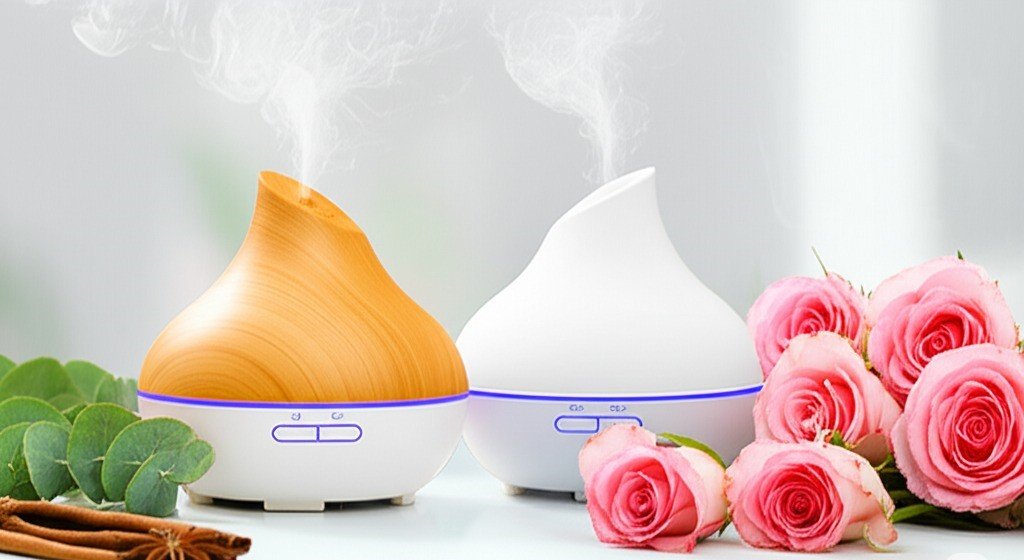
oil diffusers and flowers

6 Expert Tips For Getting Rid Of Odors In Your Home

How to prevent odors and have a home that smells good, either conjuring comfort and cleanliness or, if neglected, a sense of discomfort. Creating a space that always welcomes you with a breath of fresh air is less about masking odors and more about a deliberate, multifaceted approach. Today, we’ll walk you through five essential steps to transform your home into a fragrant sanctuary, where freshness is a constant and comforting presence. 1. Eliminating Sources of Odors Our first and most crucial step on the path to a sweet-smelling home lies in the uncompromising elimination of existing and potential odor sources through thorough, regular cleaning. Before any thought is given to introducing pleasant fragrances, the priority must be to neutralize the very things that cause unwelcome smells. This involves a commitment to consistent cleanliness across all areas. Kitchen waste bins, especially those holding food scraps, require daily emptying and periodic washing to prevent lingering odors. Similarly, bathroom bins and other refuse containers must be managed with diligence. Spills in the kitchen, whether on countertops, the stovetop, or the floor, need immediate attention, as decomposing food particles are a primary odor culprit. Sink drains in both the kitchen and bathroom should be regularly flushed and cleaned to prevent build-up. In the bathroom, combating moisture through ventilation and ensuring towels dry completely is key to preventing musty smells. Essentially, this initial stage is about removing the “bad” before we even consider adding the “good,” creating a truly clean slate. 2. Consistent Ventilation With a foundation of cleanliness established, our second vital step involves actively inviting fresh air into our homes. Consistent and effective ventilation is a remarkably simple yet profoundly effective tool in maintaining a pleasant indoor atmosphere. The daily practice of opening windows, even for a short duration when weather conditions permit, allows for the crucial exchange of stale, odor-laden indoor air with clean, fresh outdoor air. This natural circulation works wonders to dissipate lingering cooking smells, general household stuffiness, and a myriad of airborne particles that can otherwise contribute to a less-than-fresh environment. To maximize this effect, aim for cross-ventilation whenever possible by opening windows on opposite sides of a room or the home, creating a gentle but powerful current that sweeps away impurities and revitalizes the air within your living spaces. This regular “breathing” of your home is fundamental to its olfactory well-being. 3. Fabric Odors Our third significant step focuses on managing items within our homes that are particularly prone to trapping and holding onto odors: fabrics. Carpets, upholstered furniture, curtains, bedding, and clothing can all act like sponges, absorbing smells from cooking, pets, smoke, or general daily life. Regular vacuuming of carpets and upholstery is essential, not just for removing visible dirt but also for lifting odor-carrying particles. Bed linens should be laundered frequently, and dirty laundry, especially damp items or sportswear, should not be allowed to accumulate, as it can quickly become a source of unpleasant smells. Ensure all laundered items are completely dry before being stored to prevent mildew. For deeper-seated odors in carpets or large upholstered pieces, periodic professional steam cleaning or the use of appropriate fabric refreshers (preferably natural or unscented initially) can make a substantial difference, effectively neutralizing trapped smells and restoring freshness to these often-overlooked odor reservoirs. 4. Pet Areas The fourth step requires targeted attention to specific zones within the home that are inherently more susceptible to developing persistent odors. For households with pets, this means diligent management of pet-related smells. Regular grooming of animals, frequent cleaning of their bedding, and meticulous daily scooping and regular changing of litter boxes are non-negotiable. Any pet accidents must be addressed immediately with enzymatic cleaners designed to break down odor-causing proteins. High-moisture areas, primarily bathrooms but also potentially poorly ventilated laundry rooms or basements, need consistent strategies to combat mustiness. This includes ensuring good airflow, promptly repairing any leaks, and using dehumidifiers if necessary. The refrigerator also falls into this category; regular clearing out of old food and wiping down interior surfaces prevents it from becoming an odor source. By proactively managing these specific “hotspots,” we prevent localized odors from permeating the entire home. 5. Natural Fragrances Having diligently addressed cleanliness, ventilation, fabric care, and specific odor zones, our fifth and final step involves the artful and thoughtful introduction of subtle, natural fragrances to enhance the home’s ambiance. The aim here is not to overpower the senses with artificial chemicals but to add a delicate layer of pleasing scent that complements the underlying freshness. Consider placing fresh flowers or a bowl of citrus fruits in living areas for a light, natural aroma. Simmering a pot of water on the stove with ingredients like cinnamon sticks, cloves, and citrus peels can gently perfume the air, especially during cooler months. Essential oil diffusers, used responsibly with high-quality oils like lavender, citrus, or eucalyptus, can customize the scent profile of a room. Good quality candles made from natural waxes and scented with essential oils can also contribute, provided they are used safely and with adequate ventilation. The key is subtlety and a preference for natural sources, ensuring these added scents enhance, rather than compete with, the genuine cleanliness you’ve worked to achieve. 6. Maintenance Habits The sixth pillar emphasizes the critical importance of establishing and sticking to regular cleaning routines and habits. While the initial deep cleaning (Pillar One) is essential for a reset, it’s consistent and ongoing maintenance that truly keeps your home smelling great. This involves integrating small cleaning tasks into your daily and weekly routines. Daily habits might include wiping down kitchen counters after every meal, quickly sweeping or vacuuming high-traffic kitchen floors, making sure the sink is free of dirty dishes before bed, and quickly cleaning the bathroom sink. Weekly habits might include vacuuming and dusting all rooms more thoroughly, changing bed linens, cleaning bathroom fixtures more thoroughly, and mopping floors. By breaking down larger cleaning tasks into regular, manageable activities, you can prevent the buildup of dirt, grime, and odor-causing

6 Expert Tips For Getting Rid Of Odors In Your Home Read More »

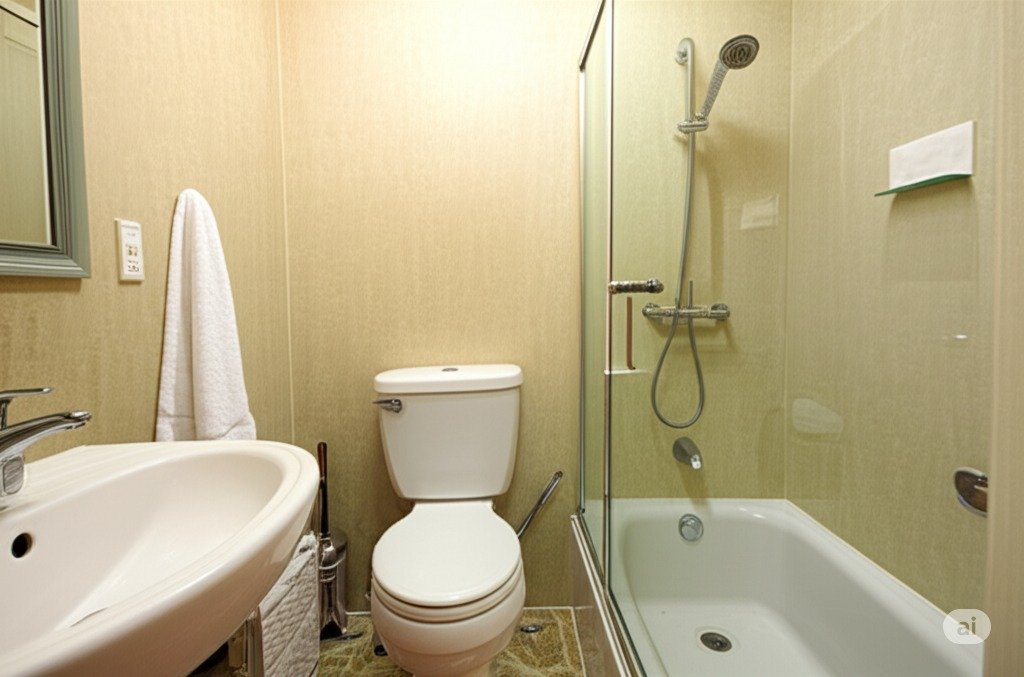
5 Bathroom Cleaning Tips Every Toronto Home Should Follow

Sparkling and Serene Bathroom Sanctuary in Five Stages A truly clean bathroom isn’t just about surface shine; it’s about deep hygiene, a fresh atmosphere, and the peace of mind that comes from knowing this essential space is well cared for. Today, we’re going to move beyond the mere mechanics of a quick wipe-down and unveil the pathway to transforming your bathroom into a sparkling, serene haven, a place that genuinely contributes to your well-being, by guiding you through five focused stages. 1. Conquering the Commode with Diligence Our journey to a revitalized bathroom appropriately begins with the fixture that handles the most essential, yet often least glamorous, tasks: the toilet. Giving this cornerstone of the bathroom thorough and meticulous attention is paramount for establishing a truly hygienic environment. The process extends beyond a mere cursory swish within the bowl. We commence by applying a good quality toilet bowl cleaner, ensuring it reaches under the rim and is allowed to coat the surfaces as it works its way down. This initial application needs a few minutes to effectively tackle unseen build-up and begin its sanitizing work. Following this brief pause, a dedicated toilet brush is brought into action to scrub the interior of the bowl with diligence, ensuring every curve and surface is reached and thoroughly cleaned. However, our care for this fixture does not conclude there. The exterior surfaces of the toilet – including the tank, the lid, the seat (addressing both sides and the often-overlooked underside), the pedestal itself, and critically, the floor area immediately surrounding its base – all require careful wiping with a reliable disinfectant cleaner. This comprehensive approach ensures that this vital fixture is not just visibly clean to the eye but is also hygienically sound, making a significant contribution to the overall freshness and health of the bathroom.   2.The Bath and Shower Having addressed the toilet, our attention naturally gravitates towards the area specifically designed for washing away the day’s cares and starting afresh: the bath and shower. This zone, with its constant exposure to water and soap, can quickly become a challenging battleground against the persistent trio of soap scum, stubborn hard water stains, and, in environments prone to dampness, the unwelcome beginnings of mildew if not regularly and effectively addressed. The methodical approach here involves applying a suitable bathroom cleaner, one specifically formulated to break down and dissolve these common bathroom culprits, to all the integral surfaces. This includes the shower walls (whether they are composed of tile, fiberglass, or acrylic), the shower door (be it glass or plastic), or, if applicable, the shower curtain. Allowing this cleaning solution to sit for a few crucial moments gives it the necessary time to penetrate and effectively loosen the accumulated grime. Once the cleaner has had time to work, a non-abrasive scrub sponge or a dedicated bathroom brush is employed to gently but firmly work away the softened residue. For tiled shower enclosures, paying close attention to the grout lines is particularly important; a specialized grout brush or even an old toothbrush can be effectively utilized to clean these often-neglected areas. We must not forget the fixtures themselves – the showerhead, the taps, and the drain cover – which also benefit immensely from a good clean and a final polish to remove unsightly water spots and mineral build-up. If your bathroom features a bathtub, the same meticulous principles apply: a thorough cleaning of the entire basin, with particular attention paid to the waterline where residue frequently collects, and ensuring the taps and overflow drain are left sparkling. A meticulously cleaned shower or bath area is not merely about visual appeal; it fundamentally enhances the experience of using it, making it far more pleasant, hygienic, and invigorating.   3.The Vanity, Sink, and Mirror From the cleansing zone of the shower and bath, we logically progress to the vanity area, a multifaceted space that typically encompasses the sink, the surrounding countertops, and the mirror. The sink basin, much like the toilet, is a high-use fixture that sees constant activity. Consequently, toothpaste splatters, soap residue, and persistent water spots can accumulate with surprising speed. An effective, yet gentle, cream cleanser or a versatile spray bathroom cleaner can be used to thoroughly scrub the basin, ensuring the drain area is also free of debris and build-up. The faucets and handles, items that are touched multiple times throughout the day, deserve special attention; they should be wiped down carefully and polished to a brilliant shine, effectively removing fingerprints and water marks. The countertops that frame the sink also demand regular care, diligently wiping away any spills from toiletries, accumulated dust, or product residue. And then, of course, there is the mirror – a clear, impeccably streak-free mirror possesses the remarkable ability to instantly make the entire bathroom feel brighter, larger, and more welcoming. Applying a quality glass cleaner and wiping with a clean, lint-free microfiber cloth, often using methodical overlapping strokes, is the tried-and-true key to achieving that coveted, flawless streak-free finish. Taking an additional moment to neatly organize any items typically left on the countertop also contributes significantly to the overall feeling of a calm, uncluttered, and orderly space. 4.The Bathroom Floor The foundational surface of any room, and this certainly holds true for the bathroom, is its floor. This particular surface often bears the visible brunt of daily foot traffic, collecting stray hairs, inevitable water splashes, dust, and other assorted debris. Before any wet cleaning methods are introduced, it is absolutely essential to remove all loose particles and dirt from the floor. This preparatory step can be accomplished with a thorough sweep using a soft-bristled broom, paying attention to corners and edges, or, for an even more effective result, with a vacuum cleaner, utilizing an appropriate attachment to meticulously clean along baseboards and around the base of fixtures like the toilet and vanity. Once the floor is entirely free of loose dirt, hair, and other surface debris, it is ready to be mopped. The specific type

5 Bathroom Cleaning Tips Every Toronto Home Should Follow Read More »

Floor wax, white package and background

Floor Wax Cleaning Guide: 5 Easy Steps for a Glossy Finish

Floor Wax Cleaning the Right Way for Long-Lasting Shine Floor wax is one of the best ways to protect and refresh your floors. Whether it’s hardwood, tile, or vinyl, using floor wax gives you that clean, glossy look while adding a protective layer against scratches and dirt. But to get those professional results, you need to follow the right steps. This floor wax cleaning guide walks you through 5 easy and effective steps to make sure your floors shine like new without the hassle. Step 1: Sweep or Vacuum Thoroughly Before applying any floor wax, the surface must be spotless. Sweep or vacuum the area to remove dust, pet hair, and crumbs. Any debris left behind will get trapped under the wax and ruin the finish. A thorough vacuum—especially with corner attachments—helps remove the dirt that causes scratches. For floor wax cleaning to work properly, you need to start with a totally clean base. A microfiber mop works great to pick up leftover fine dust. Once the larger debris is gone, go over the floor again using a dry microfiber cloth or mop. This extra step ensures there’s nothing left behind that could mess up the floor wax. Remember, floor wax seals whatever is underneath, so cleanliness matters. Avoid any oily or soapy cleaners before waxing. They can leave a residue that stops the floor wax from bonding correctly. Keep it dry, clean, and chemical-free for the best result. Skipping this part can cost you more time and effort later. If you wax over dirt, the floor will feel gritty and look dull—even right after the floor wax is applied. Taking a few extra minutes to clean properly sets the stage for a beautiful, glossy floor. Floor wax cleaning is all about building a strong foundation, and it all starts with sweeping and vacuuming the right way. Step 2: Strip Old Floor Wax (If Needed) If your floors already have layers of old floor wax, you need to strip them before adding more. Over time, floor wax can build up and make your floors look cloudy instead of shiny. Use a proper wax remover or floor stripper that’s safe for your floor type. Follow the instructions, and be sure to work in small sections so you can manage the process easily. Apply the wax remover and let it sit for the amount of time listed on the label. After it softens the old wax, use a scrub pad to gently lift it. Then, mop it all up and wipe the floor clean. You don’t want to apply new floor wax over leftover buildup. Fresh floor wax only sticks properly when the surface is clean and wax-free. This step makes sure your results are smooth and long-lasting. Skipping this step is one of the biggest mistakes in floor wax cleaning. Adding new wax on top of old wax leads to streaks, uneven color, and sometimes even peeling. By stripping old floor wax first, you give the new layer something clean to grip. The end result? A smoother finish that shines brighter and lasts longer. Always start fresh when it comes to floor wax. Step 3: Let the Floor Dry Completely Once the old floor wax is stripped and the surface is clean, let everything dry completely. Floor wax doesn’t stick to damp floors. Even a little moisture can cause bubbling, streaks, or make the wax peel off. Leave the floor alone for at least 30 minutes or until it feels totally dry to the touch. If you’re in a hurry, use fans to speed up the drying. This drying stage is a great time to check your work. Walk around and look at the floor from different angles. Make sure there’s no leftover wax, sticky spots, or residue that could interfere with your next coat of floor wax. If something doesn’t feel right underfoot, take care of it now. Floor wax cleaning depends on getting this part right before moving forward. Being patient here pays off. Applying floor wax to a fully dry surface ensures that it sticks evenly and lasts longer. Moisture weakens the bond, leading to rework or early wear. If you want your floors to keep that high-gloss finish, take your time with this step. Dry floors are essential to successful floor wax application. Step 4: Apply Floor Wax Evenly Now that the floor is dry, it’s time to apply the new floor wax. Use a clean mop or wax applicator to apply thin, even coats. Don’t pour too much wax at once. Applying floor wax in layers gives you a smoother, glossier look and prevents issues like streaks or stickiness. Always start in the farthest corner and work your way out so you don’t get trapped. Let each layer of floor wax dry completely before applying another. Usually, 20–30 minutes is enough, but always read the product label. Two thin coats of floor wax are usually enough for most homes. If you’re working in a high-traffic area, a third coat can add extra protection and shine. Floor wax cleaning works best when you build the finish slowly and evenly. Don’t forget to shake or stir the floor wax before use. Some products separate in the container, and using it without mixing can lead to uneven color or texture. Take your time, move in smooth strokes, and resist the urge to rush. When done right, floor wax gives your space a sleek, polished look that makes everything feel fresh and clean. Step 5: Let It Cure and Maintain Gently Once the final coat of floor wax is on, let it cure. This means avoiding foot traffic for at least 30 to 60 minutes—more if you can. Some waxes need up to 24 hours to fully harden. The longer you wait, the better your results. A well-cured floor wax finish will resist scuffs, stains, and general wear much better than one that’s rushed. During this time, keep kids, pets, and furniture off the floor. A single footprint or

Floor Wax Cleaning Guide: 5 Easy Steps for a Glossy Finish Read More »

Cleaning with proper ventilation

Why Ventilation Matters More Than You Think When Cleaning

Better Ventilation Makes a Big Difference in Your Cleaning Routine When you think about a clean home, fresh air might not be the first thing that comes to mind—but it should be. Better ventilation is key to removing airborne particles, odours, and moisture that get stirred up while cleaning. If you skip this step, you could end up with a house that looks clean but doesn’t actually smell or feel fresh. Ventilation supports every cleaning task, making it more effective and longer lasting. In many Toronto homes, especially during colder months, windows stay shut and the air inside becomes stale. Without ventilation, that trapped air holds on to dust, cleaning chemical residues, and humidity. Over time, this can make your space feel stuffy—even if you’ve just deep cleaned. By opening a few windows or turning on fans while you clean, you let that stale air escape and make room for fresh air to circulate throughout your home. Adding airflow also helps speed up drying times for things like freshly mopped floors, steam-cleaned furniture, or bathroom tiles. This prevents moisture buildup, which can lead to mold or mildew—especially in closed-off areas. Whether you’re cleaning your kitchen or your whole house, better ventilation creates a safer, healthier environment. It’s one of those cleaning tips that’s easy to overlook, but makes a big difference in results. Say Goodbye to Lingering Smells with Proper Ventilation Strong cleaning product smells can hang in the air long after the job is done. Whether it’s bleach in the bathroom or disinfectants in the kitchen, those fumes can cause headaches or irritate sensitive lungs. Better ventilation helps flush out those harsh odours fast, so your home smells fresh instead of “chemical clean.” It’s a quick way to improve the comfort and air quality of your space, especially if you’re cleaning regularly. In tightly sealed Toronto apartments or condos, smells tend to get trapped indoors. Without a proper exit path, those odours settle into your furniture, curtains, and carpets. Even eco-friendly products can leave behind a scent that lingers too long without airflow. Keeping a fan running or cracking open a few windows while cleaning will help refresh the entire room and stop smells from sticking around. If you’re cleaning multiple rooms, open up interior doors as well to create a cross breeze. This helps air move freely through the space and cuts down on stuffiness. Better ventilation during cleaning doesn’t just help with odours—it also improves your mood and energy levels. You’ll notice the difference right away. A home that feels clean starts with air that’s fresh and breathable. Ventilation Helps Cut Down on Dust and Allergens When you clean, you stir up dust, pollen, pet dander, and other allergens that have settled on surfaces. Without proper ventilation, all those particles just float around and resettle elsewhere. Better ventilation helps clear the air so allergens don’t have a chance to stick around. This is especially helpful if you or your family members suffer from allergies or asthma. In many older Toronto homes, poor airflow can make dust problems worse. Even after a good vacuum or wipe-down, allergens can stay trapped in the air unless you’ve got some ventilation going. Opening windows while dusting or sweeping helps move those particles out of your home completely. It turns regular cleaning into a real health boost, not just a cosmetic fix. Air purifiers can also help, but they work best when combined with natural ventilation. Don’t underestimate the power of a cracked window and a breeze. It’s a low-tech solution with high-impact results. Better ventilation helps every part of your cleaning routine work better—from vacuuming to scrubbing—so your space stays fresher, longer. Cleaning Small Spaces? Ventilation Is Even More Important Small areas like bathrooms, laundry rooms, and closets can easily become hot spots for poor ventilation. These spaces often collect moisture during cleaning, especially when you’re using hot water or steam. Without airflow, that moisture sticks around and creates the perfect environment for mold and mildew. Proper ventilation helps prevent these issues before they even start. In many Toronto homes, these small rooms don’t always have windows, making ventilation a bit trickier. But there are still ways to boost airflow. Use a portable fan, turn on an exhaust fan, or keep the door open while you clean. Even just a few minutes of fresh air can help remove the steam and dry out damp surfaces faster. If you’re doing a deep clean, leave the door open afterward to let air circulate for a while. This helps reduce any chemical build-up from cleaning products and keeps humidity in check. Small spaces may be compact, but they’re just as important when it comes to better ventilation. A little fresh air goes a long way in keeping them fresh and safe. Ventilation and Cleaning: A Habit Worth Building Making better ventilation a habit doesn’t require fancy equipment or big changes. It just takes a little bit of planning before you start cleaning. Open windows, set up a fan, and let the air flow freely as you work. Over time, you’ll notice that your home not only looks cleaner—it smells and feels fresher, too. In Toronto, where homes face every type of weather, it’s easy to forget about airflow during the winter months. But even cracking a window for a few minutes makes a difference. Ventilation helps every step of your cleaning process work better, whether you’re wiping down surfaces, vacuuming rugs, or scrubbing the shower. It’s one of the simplest and most effective cleaning tips you can add to your routine. Fresh air improves indoor air quality, prevents build-up of moisture and chemicals, and helps your home stay clean longer. It’s a win across the board. If you want your space to feel truly clean—not just look the part—don’t skip this step. Better ventilation is your secret weapon for healthier, more effective cleaning. Want a Truly Fresh and Clean Home? Call Toronto Shine Cleaning Keeping up with deep cleaning and proper ventilation can

Why Ventilation Matters More Than You Think When Cleaning Read More »