









Cleaning your pet’s area brings joy, companionship and a unique atmosphere to your life.. Of course, your pet also brings its own set of cleaning concerns—from loose fur and paw prints to the specific needs of their dining and bathroom areas. The goal isn’t just to deal with the mess, but to create a healthy, comfortable, and enjoyable environment for all family members, whether they have two or four legs.
1. Fundamental routines
The foundation of a consistently clean, pet-friendly home lies in establishing clear routines and carefully designated zones for your pet’s main activities. Pets, like humans, often thrive on predictability, and a regular cleaning routine not only tackles messes as they occur, but also prevents them from escalating into larger, more daunting tasks. This routine naturally encompasses daily actions such as a quick sweep or vacuum of high-traffic pet areas, wiping down the perimeters of food bowls, and, for cat owners, the crucial daily cleaning of the litter box. In addition to these immediate daily needs, a weekly routine should include more thorough cleanings such as washing your pet’s bedding, vacuuming more deeply under furniture where hair tends to accumulate, and thoroughly cleaning food and water bowls. Periodically, perhaps monthly, even more intensive tasks such as deep cleaning carpets or washing pet toys should be incorporated.
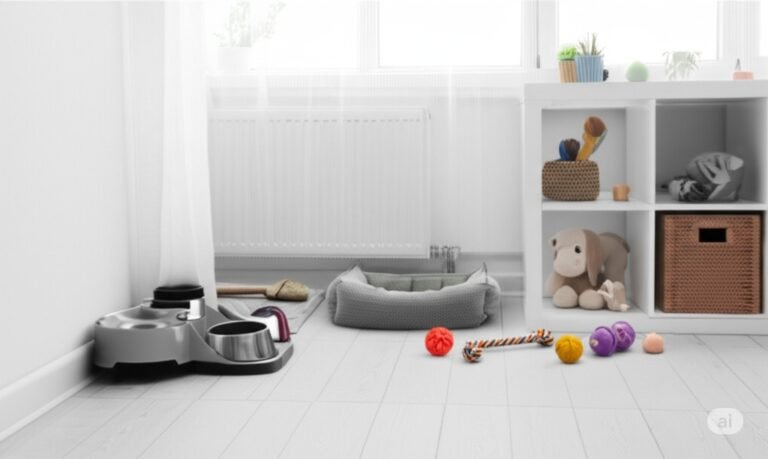
Concurrent with establishing these routines is the importance of thoughtfully designating specific areas within your home for your pet’s core activities. This means creating an intentional space for feeding, a comfortable and secure spot for sleeping, and a consistent location for elimination. For cats, this typically involves strategically placing their litter box in a quiet, accessible, yet somewhat private location. For dogs, especially puppies or those who use indoor potty pads, having a clearly defined potty spot is essential. The advantage of such designated zones is multifaceted. It helps to contain the inevitable messes associated with these activities – stray kibble, water splashes, litter scatter, or an occasional accident – to more manageable and predictable areas. This targeted approach makes cleaning more efficient and less overwhelming. Furthermore, the selection of materials within these zones can significantly impact ease of cleaning. Opting for pet bedding with removable, machine-washable covers, choosing food and water bowls made from non-porous, easily sanitized materials like stainless steel or ceramic, and selecting litter boxes that are simple to scrub and disinfect all contribute to a more hygienic environment with less intensive cleaning effort. This initial stage of thoughtful planning and routine-building lays a crucial foundation upon which all other cleaning efforts will more effectively rest.
2. Hair, Dandruff and Paw Marks
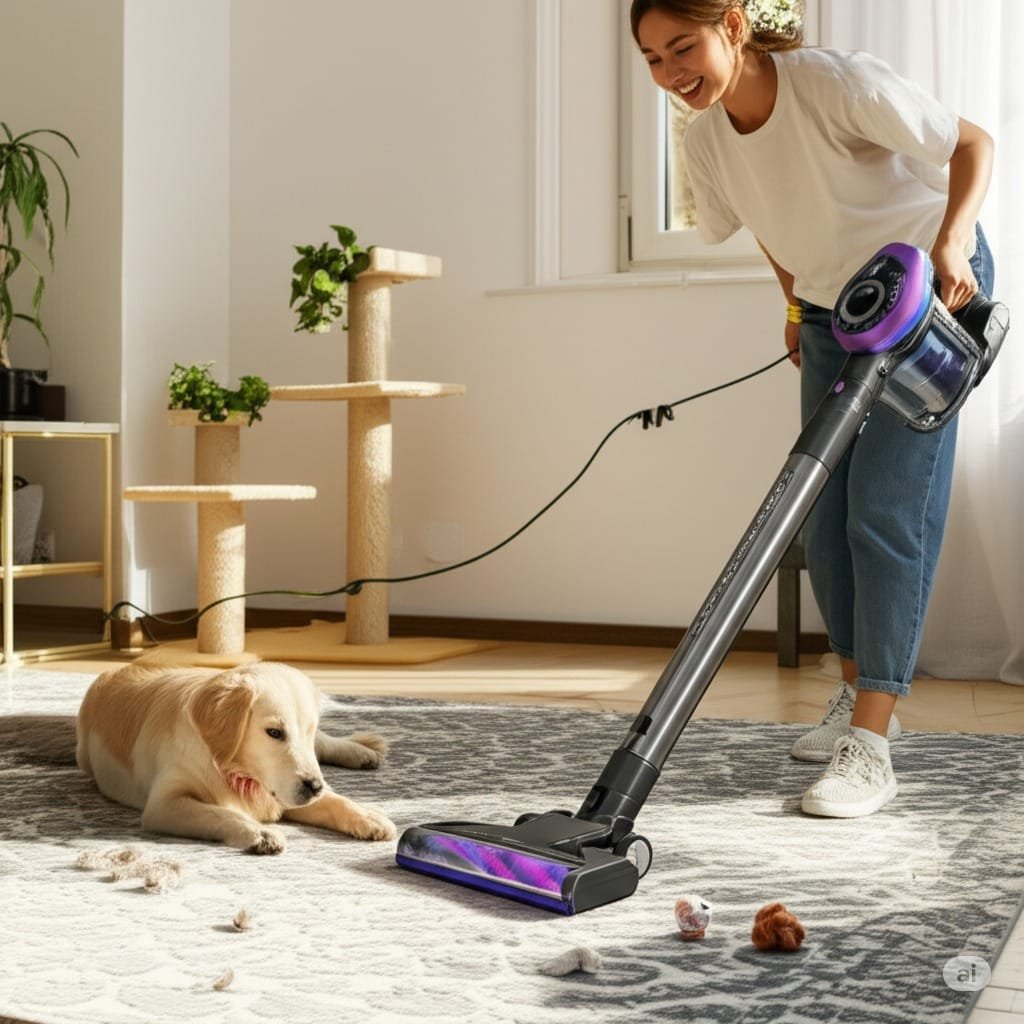
One of the most ubiquitous challenges faced by pet owners is the relentless presence of pet hair and dander, along with the inevitable paw prints that chart their adventures through our homes. Effectively managing these elements is a continuous process, but with the right approach, it becomes a manageable part of maintaining a clean environment. Regular and thorough vacuuming stands as the primary defense. A vacuum cleaner with strong suction power, ideally one designed with pet owners in mind, can make a significant difference. Features such as effective beater brushes for carpets, specialized upholstery attachments, and a good quality filtration system, like a HEPA filter, can help capture not only visible hair but also finer dander particles that can contribute to allergies. Your vacuuming efforts should encompass all surfaces where hair accumulates – carpets and rugs will require slow, overlapping passes, while hard floors benefit from an attachment that prevents hair from scattering. Don’t overlook upholstery, as sofas and armchairs are often favorite lounging spots for pets.
Beyond vacuuming, other methods can be employed to tackle pet hair on fabrics and surfaces. Simple tools like lint rollers are invaluable for quick touch-ups on clothing and furniture. A slightly dampened rubber glove, when wiped across upholstery, can create friction that miraculously gathers embedded fur into clumps for easy removal. For hard surfaces where dust and hair settle, microfiber cloths are excellent at trapping particles rather than just pushing them around. The battle against dander also extends to the air itself. Using an air purifier, particularly one equipped with a HEPA filter, in rooms where your pet spends a lot of time can help to significantly reduce airborne allergens and fine hairs, contributing to a fresher feeling home. And while our focus is on cleaning the environment, it’s worth acknowledging that regular grooming of your pet – consistent brushing to remove loose fur before it sheds onto your floors and furniture – is a powerful preventative measure that complements your cleaning efforts. Similarly, keeping a mat and a towel near entry points to wipe paws after outdoor excursions can drastically reduce the amount of dirt and mud tracked into the house, simplifying your floor cleaning tasks.
3. Food and Water
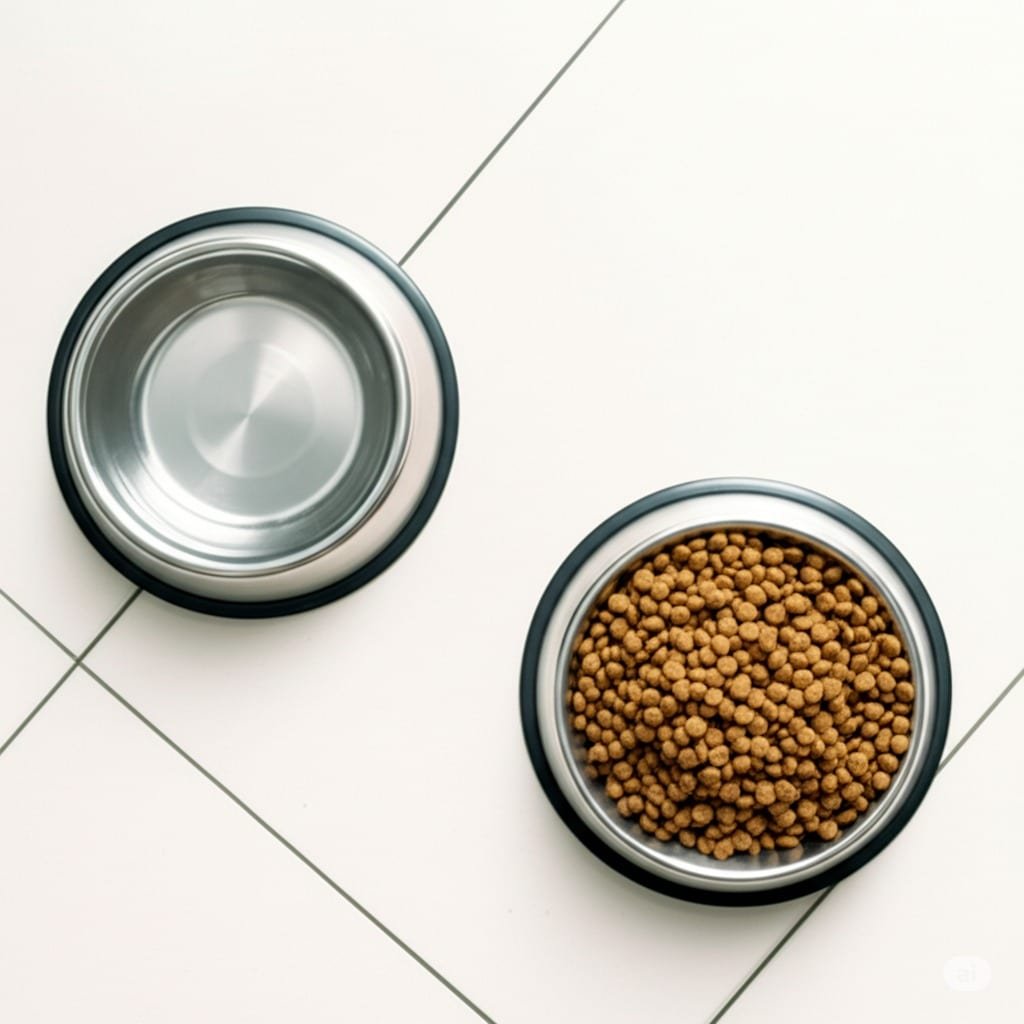
The area where your pet eats and drinks is a critical zone for maintaining hygiene, not only for the cleanliness of your home but, more importantly, for the health and well-being of your pet. Food and water bowls can quickly become breeding grounds for bacteria if not cleaned regularly and properly. It is a good practice to wash food and water bowls daily. Warm, soapy water is generally sufficient for this task, ensuring all food residue and biofilm are scrubbed away. Stainless steel, ceramic, or glass bowls are often recommended as they are non-porous and easier to sanitize thoroughly compared to some plastic alternatives, which can develop scratches that harbor bacteria. After washing, rinse them well to remove any soap residue.
Protecting the floor around the feeding station is also a wise measure. Pets can be enthusiastic, and sometimes messy, eaters and drinkers. Placing an easy-to-clean placemat or a shallow tray beneath their bowls can catch stray kibble and water splashes, preventing them from soiling your floor or carpet. These mats should also be wiped down or washed regularly. Any spills that occur around the feeding area should be addressed promptly. Dried-on food can be difficult to remove and can attract unwelcome pests like ants or other insects. Keeping the area clean discourages these visitors and prevents the development of unpleasant odors. Furthermore, the proper storage of pet food is integral to this stage. Keep dry kibble in an airtight container to maintain its freshness, prevent it from becoming stale, and protect it from moisture and pests. Wet food, once opened, should be covered and refrigerated, and any uneaten portions should be discarded promptly according to a safe timeframe to prevent spoilage. A clean and well-managed feeding station is a simple yet profoundly important aspect of responsible pet ownership and a clean home.
4. Litter Box and Potty Area
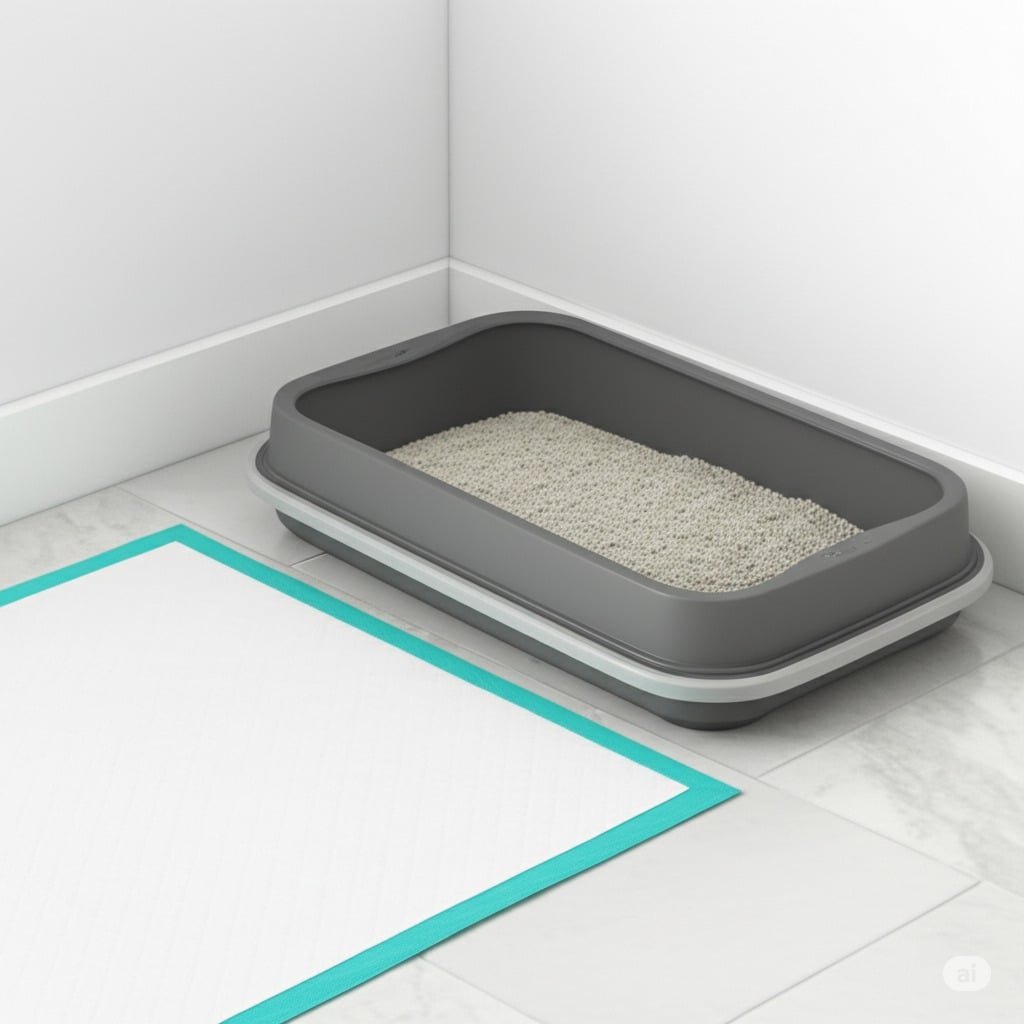
The management of your pet’s elimination areas presents distinct challenges depending on whether you have a cat or a dog, but consistent attention is key for both. For cat owners, the litter box is a central point of focus. Daily scooping of soiled litter is non-negotiable. This simple act significantly reduces odors, makes the box more inviting for your cat (which helps prevent out-of-box incidents), and allows you to monitor your cat’s habits. The choice of litter can also play a role in cleanliness and odor control; many varieties are available, from clumping clays to silica gels and natural pine or corn-based litters, each with different properties regarding absorption and tracking. Beyond daily scooping, a complete litter change and a thorough washing of the litter box itself should be performed regularly – typically once a week or bi-weekly, depending on the number of cats and type of litter used. To wash the box, empty all the old litter, scrub the interior with mild soap and hot water (avoiding harsh chemicals like ammonia, which can be off-putting or harmful to cats), rinse well, and dry completely before refilling with fresh litter. To manage the inevitable litter scatter that occurs as cats exit the box, placing a textured litter mat around the entrance can help trap particles from their paws.
For dog owners, particularly those with puppies in training or dogs that utilize indoor potty pads, prompt attention is equally crucial. Used potty pads should be removed and disposed of hygienically as soon as possible. The underlying floor area should also be cleaned and disinfected if any seepage has occurred. When inevitable accidents happen indoors, immediate and thorough cleanup is vital. Blot up as much liquid as possible first, then use a cleaning product specifically formulated for pet stains and odors. Many effective products contain enzymes that break down the organic compounds in urine, which not only removes the stain but also neutralizes the odor, discouraging your dog from re-marking the same spot. Avoid cleaners containing ammonia, as its scent can mimic urine and inadvertently attract your dog back to the area. For dogs that primarily eliminate outdoors, maintaining cleanliness in their designated yard “potty spots” is also important. Regularly removing dog waste from your lawn or garden helps to maintain yard hygiene, reduces odors, prevents the spread of parasites, and keeps your outdoor space more pleasant for everyone. Diligence in these specific areas is fundamental to preventing odors and maintaining a sanitary environment for both your pets and your family.
5. Deodorizing
While consistent daily and weekly cleaning routines form the backbone of a clean pet-friendly home, periodic deep cleaning and effective deodorizing strategies are essential for tackling ingrained dirt, lingering odors, and maintaining a truly fresh environment. Pet bedding, a magnet for hair, dander, dirt, and body oils, requires regular and thorough washing. Most removable pet bed covers, and many stuffed beds themselves, can be machine washed. Use a pet-safe detergent, and wash in hot water if the fabric allows, to help kill bacteria and dust mites. Ensure the bedding is completely dry before returning it to your pet, as dampness can promote mildew growth. Pet toys also accumulate dirt and germs and should be cleaned regularly according to their material. Hard plastic or rubber toys can often be washed in hot soapy water or even on the top rack of a dishwasher. Soft, plush toys can sometimes be machine washed, similar to bedding, or hand-washed.
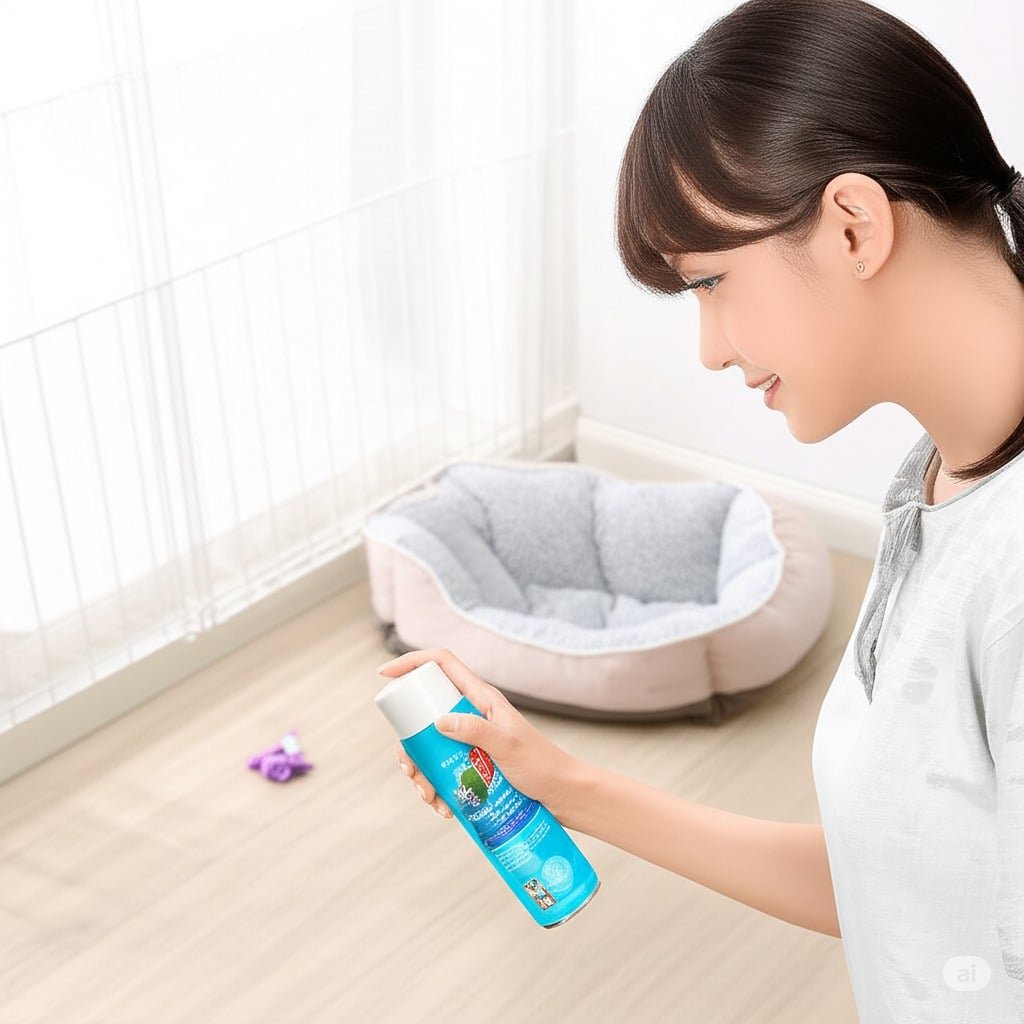
Over time, carpets and upholstered furniture in pet-occupied spaces can benefit immensely from a deeper clean than regular vacuuming provides. Consider professional steam cleaning, or renting a machine for DIY steam cleaning, once or twice a year. This process can remove deep-set dirt, stains, and allergens, revitalizing fabrics and significantly reducing pet-related odors. When it comes to ongoing odor control, there are many effective approaches. Good ventilation is key – regularly opening windows to air out your home can make a remarkable difference. Baking soda is a well-known natural deodorizer; placing open boxes in rooms or sprinkling it on carpets before vacuuming can help absorb ambient smells. If you choose to use commercial air fresheners or deodorizers, ensure they are specifically labeled as pet-safe, as some products contain chemicals that can be irritating or harmful to animals. An air purifier running in main living areas can also continuously work to filter out odor-causing particles. Addressing pet smells proactively, through consistent cleaning of pets themselves and their environment, is far more effective than simply trying to mask odors after they’ve become established. This commitment to periodic deep cleaning and thoughtful deodorizing completes the cycle, ensuring your home remains a truly welcoming and pleasant haven.
For those times when life gets too busy, or when you want a thorough deep clean that revitalizes your entire home, including the pet-specific areas, Toronto Shine Cleaning offers professional and reliable cleaning services. Our experienced teams understand the nuances of maintaining a spotless and hygienic home, even one blessed with the joyful presence of pets. We are equipped to take care of every aspect of home cleaning, ensuring that every corner receives the meticulous attention it deserves, allowing you to fully enjoy a truly sparkling, serene and wonderfully fresh home environment alongside your beloved animal friends.