Mold Removal

Best Ways To Clean Window Screens And Make Them Look Like New

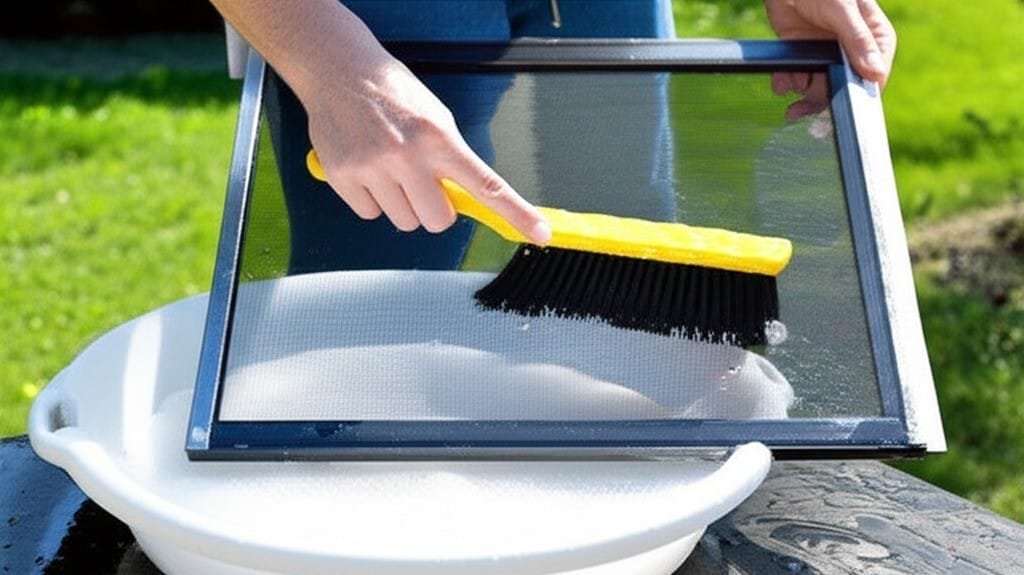
To begin cleaning your window screens, assemble your equipment. Professional results depend on having the right tools on hand. You will need a pair of buckets, a high-quality squeegee fitted with a sharp, flexible rubber blade, a strip applicator, several clean microfiber cloths, a soft-bristled brush, a garden hose with an adjustable spray nozzle, and your preferred cleaning solution. A simple yet highly effective solution can be made by mixing a gallon of cool water with just a few drops of dish soap in one bucket. The aim is for a slightly soapy mixture, not a foam; excessive soap will leave a residue on the glass that proves difficult to remove and subsequently attracts more dirt. The second bucket should contain only clean water for rinsing your tools. For interior work, a spray bottle filled with the same solution is more practical. For stubborn stains like mineral deposits, you might also require distilled white vinegar or a pad of fine #0000 grade steel wool. 1.Remove The Screen The most crucial first step, one that is fundamental to a lasting clean, is to address the window screens. Cleaning the glass first is a futile effort, as reinstalling dirty window screens will instantly coat your pristine windows with a fresh layer of dust and grime. Begin by carefully removing all the window screens from their frames. Take note of their fastening mechanisms; some utilize plunger bolts, while others have tension springs or clips. It is a good practice to label each of the window screens with a small piece of masking tape indicating its specific location (e.g., “Dining Room, Right”) to prevent confusion during reinstallation, as sizes can vary subtly. For window screens that have only a light coating of dust and loose debris, a dry cleaning method is often sufficient. Lay the screen on a flat, protected surface like a drop cloth or lean it securely against a wall. Use a soft-bristled brush or the brush attachment of your vacuum cleaner to gently go over the entire surface. This action will dislodge loose particles from the mesh of the window screens without the need for water. This is the fastest way to refresh window screens that are not heavily soiled. For window screens burdened with caked-on dirt, pollen, or greasy buildup, a wet cleaning is unavoidable. Move the window screens to a suitable outdoor location like a driveway or lawn. Start with a gentle pre-rinse using the garden hose on a low-pressure setting. A powerful jet of water can easily stretch, tear, or otherwise damage the delicate mesh material or even dent the frames of the window screens. In a bucket, mix a solution of warm water and a small amount of mild dish soap. Submerge a soft-bristled brush in this soapy water and gently scrub both sides of the screen. Use light, consistent pressure and work in systematic, overlapping motions. Pay close attention to the frames surrounding the mesh, as these channels are notorious for trapping dirt. After you have thoroughly scrubbed the window screens, rinse them completely with the hose. It is vital to wash away all soap residue, as any lingering film will act as a magnet for new dirt. To check, run a clean finger across the mesh; it should not feel slippery. 2.Dry Completely Once cleaned, the window screens must be dried completely. Lean them against a wall, fence, or outdoor furniture in a location that gets good air circulation and, ideally, some sun. Do not rush this step. Allowing the window screens to air dry thoroughly is critical. Reinstalling damp or wet window screens can trap moisture within the window frame and track, creating an ideal environment for mold and mildew to grow, which can cause damage and potential health issues. The time it takes for your window screens to dry is the perfect opportunity to clean the rest of the window assembly. With the window screens set aside to dry, direct your attention to the window tracks, sills, and frames. This often-neglected area makes a significant impact on the final look and functionality of your windows. Open the window fully to expose the tracks. Use a vacuum cleaner with a crevice tool attachment to suction out all the loose dirt, cobwebs, dead insects, and other accumulated debris. For stubborn, compacted dirt, use a stiff, dry brush or a putty knife to loosen it from the corners and channels before vacuuming. Following the dry removal, perform a wet cleaning. Dip a small, firm brush, like an old toothbrush, into your cleaning solution and scrub the tracks meticulously. Use a microfiber cloth to wipe out the loosened grime and suds. To reach into tight corners, you can wrap the cloth around the tip of a flathead screwdriver. Wipe down the entire window frame and sill, both inside and out, with a damp cloth, and then dry everything thoroughly with a clean, dry cloth.   3.Cleaning The Windows Now, you can proceed to clean the exterior glass. If the windows are exceptionally dirty, a quick rinse with the hose will remove the outermost layer of grit, preventing you from scratching the glass with your applicator. Submerge your strip applicator in the soapy water, wring out the excess, and wash the entire glass surface. Be methodical, working from edge to edge to ensure the entire pane is wet and scrubbed, loosening all the dirt. The squeegee is your tool for a streak-free finish. Before your first pull, use a microfiber cloth to wipe a narrow, one-inch vertical strip down one side of the pane. This “dry edge” allows the squeegee to start on a dry surface, preventing it from skipping. Place the squeegee at the top of the window, overlapping onto this dry strip. Angle the blade at about 30 degrees to the glass, apply light, even pressure, and pull it straight down in one continuous, smooth motion. After every single pull, wipe the rubber blade clean with a cloth. This is not optional; a dirty blade

Best Ways To Clean Window Screens And Make Them Look Like New Read More »

Clean-Looking House vs. Sanitized House

Clean-Looking House vs. Sanitized House: Why It’s More Important Than You Think

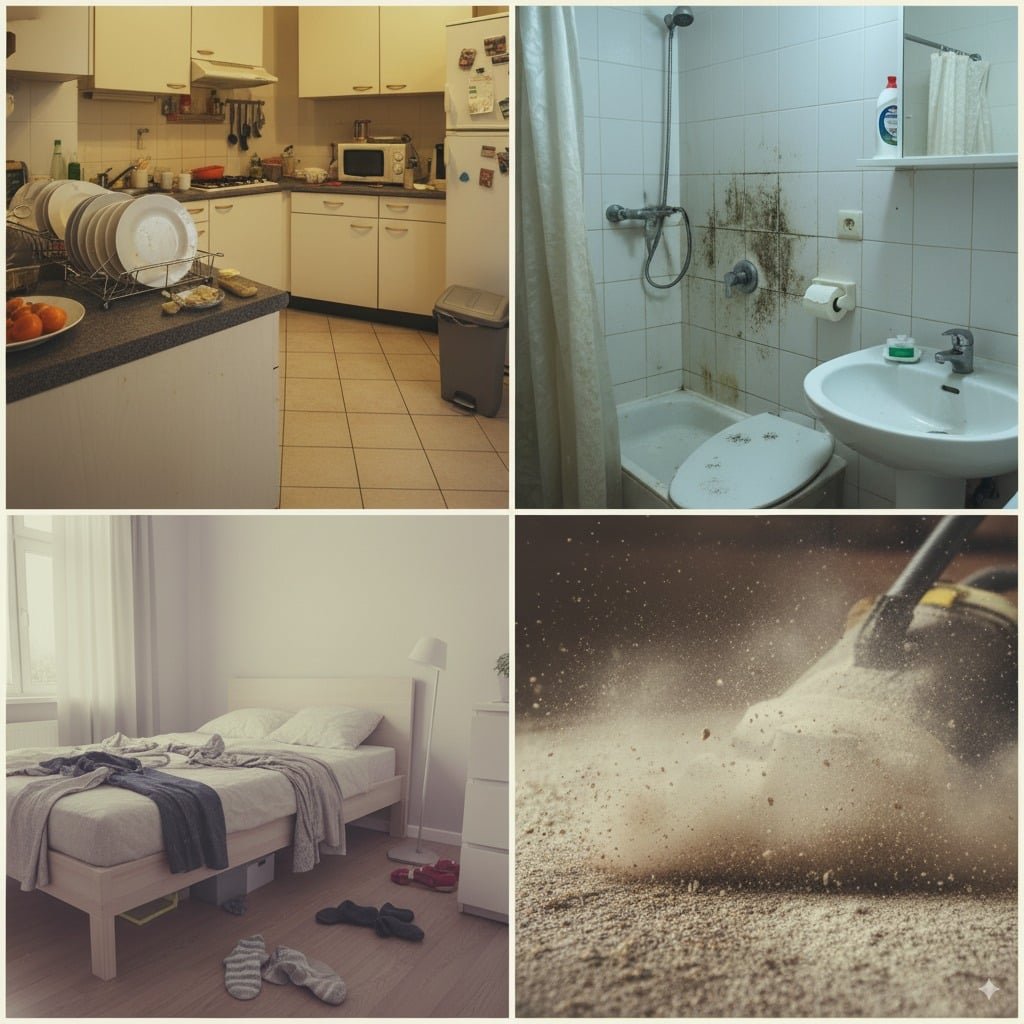
What’s the difference between a sanitized house and a clean house? A tidy home can be a deceptive space. Surfaces gleam under the lights, countertops are clean, cushions are fluffed, and the floor is free of visible debris. To the eye, this is the very picture of cleanliness. It brings a sense of calm, of order, and of accomplishment. This is the goal for most people when they embark on their weekly cleaning routine: to restore visual harmony to their environment. This is the clean-looking house. It is an aesthetic achievement, a curated space that feels organized and pleasant to inhabit. The methods used to achieve this look are often focused on speed and appearance. A quick wipe with a damp cloth, a swift pass of the vacuum, the stowing away of objects into closets and drawers. The primary function of this type of cleaning is to manage clutter and remove surface-level dust and dirt. It addresses what is immediately apparent to our senses. A pleasant scent from a candle or air freshener might be employed to complete the illusion, masking any underlying odors and signaling to our brain that the area is fresh and therefore clean. Psychological Benefits This pursuit of a clean-looking house is not without merit. Living in a cluttered, visibly dirty environment can contribute to stress and a feeling of being overwhelmed. The act of tidying and organizing has psychological benefits, creating a space that feels more manageable and restful. However, it is crucial to understand that this visual state of order has very little to do with the actual hygienic condition of the home. The clean-looking house is a stage set for daily life, but it often conceals a microscopic world that is far from pristine. The very tools used to create this appearance can be part of the problem. A sponge used to wipe down the kitchen counter may effectively remove crumbs, but if it is damp and has been used for days, it is simultaneously spreading millions of bacteria across the very surface it is meant to clean. The cloth used to dust the coffee table moves particles around, some of which become airborne, only to settle again later. The vacuum cleaner without a HEPA filter can suck up allergens and dust mites from the carpet and expel them back into the air to be inhaled. The focus is on the macro, the visible, while the micro, the unseen, is allowed to thrive. Intruders In stark contrast to the clean-looking house is the sanitized house. This state of cleanliness is not defined by aesthetics, but by science. A sanitized house is one where the populations of germs, bacteria, viruses, and fungi, have been reduced to levels that are considered safe for human health. It is a space where the invisible threats have been systematically addressed. This requires a completely different mindset, a different set of tools, and a more thorough methodology. The goal is not just to make a surface look clean, but to ensure that what remains on that surface is not a threat to the well-being of the inhabitants. This process goes far beyond a simple wipe-down. It involves understanding the difference between cleaning, sanitizing, and disinfecting, and knowing when and where to apply each process. Cleaning is the foundational step. It is the removal of visible soil, dirt, and organic matter from a surface. You cannot sanitize a dirty surface. The dirt itself provides a place for germs to hide and can neutralize the effectiveness of sanitizing agents. Cleaning is what is done with soap, water, and friction. It is the act of scrubbing the cutting board, washing the dishes, and mopping the floor to lift away the grime. This is an essential first step, and it is where the process for a clean-looking house often ends. Sanitization Sanitizing is the next level. It is a chemical process that lowers the number of microorganisms to a safe level, as judged by public health standards. This means killing 99.9% of specified bacteria in a short period of time. Sanitizing is most critical in areas where food is prepared and in bathrooms. When you use a proper sanitizing spray on a kitchen counter after wiping it clean of crumbs, you are actively working to kill bacteria like E. coli and Salmonella that could cause foodborne illness. Sanitizing the sink, where raw meat juices may have splashed, is another critical step. This is a targeted action, designed to mitigate a specific health risk. Disinfecting is the most potent of the three processes. It involves using chemicals to kill virtually all microorganisms, including hardy viruses and fungi, on a surface. Disinfection is less about daily maintenance and more about targeted intervention. It is what you do after a family member has been sick with the flu, using a disinfectant on doorknobs, light switches, and remote controls to prevent the illness from spreading. It is the process used to treat a toilet bowl or an area contaminated with bodily fluids. A crucial component of both sanitizing and disinfecting that is almost always overlooked in the pursuit of a merely clean-looking home is dwell time. This is the amount of time a chemical product must remain wet on a surface in order to effectively kill the germs it claims to kill. Simply spraying and immediately wiping is often ineffective. The product needs to sit for several minutes—the specific time is always listed on the product label—to do its job. This patient, methodical approach is a hallmark of a truly sanitized environment. Small Details The areas where a clean-looking house most dangerously diverges from a sanitized house are the high-touch surfaces and hidden spots. Think of all the items handled by multiple people throughout the day: doorknobs, cabinet pulls, faucet handles, the refrigerator door, remote controls, keyboards, and cell phones. These items may look perfectly clean. They are not sticky, they have no visible dirt, but they can be teeming with microorganisms transferred from unwashed hands.

Clean-Looking House vs. Sanitized House: Why It’s More Important Than You Think Read More »

cleaning product mint with mint branch

Mint Cleaning Products: Discover The 6 Benefits of Mint in Cleaning

Using a mint cleaning products transforms the chore of tidying up into a refreshing experience. The sharp, cool scent cuts through stale air, replacing lingering cooking odors or bathroom stuffiness with a crisp aroma that signals true cleanliness. It’s a clean you can smell long after the cloths have been put away. 1.Citrus Note The scent of a clean home is often as important as the visual sparkle. While citrus notes are known for their zesty, energizing effect and lavender provides a sense of calm, mint occupies a unique and powerful space in the world of cleaning. It delivers a crisp, cool, and unmistakably clean fragrance that signifies a truly refreshed environment. The use of mint cleaning products transforms the chore of cleaning into a more invigorating and rewarding sensory experience. The sharp, piercing scent cuts through stale air and lingering odors, leaving behind a feeling of pure, unadulterated freshness that is difficult to replicate with other fragrances. It is a scent that doesn’t just mask odors, but seems to eradicate them, replacing them with an aura of hygienic purity. 2.Kitchen Odors In the kitchen, where grease and food odors present a constant battle, mint cleaning products are exceptionally effective. The natural compounds found in mint, particularly menthol, have a degreasing quality that helps break down oily residues on stovetops, backsplashes, and countertops. After cooking a fragrant meal, the air can feel heavy and saturated. A quick wipe-down of surfaces with a quality mint-based spray not only removes spills and splatters but also neutralizes those stubborn smells of garlic, onion, or fish. The versatility of mint cleaning products is on full display here. The sink, often a source of unpleasant smells, benefits immensely from a scrub with a mint-infused cleaner. It tackles food particles and leaves the basin smelling cool and clean for hours. Even the garbage disposal can be refreshed by using mint cleaning products, sending a plume of invigorating scent up from the drain instead of a whiff of yesterday’s waste. When mopping kitchen floors, a mint-based solution does more than just lift dirt; it leaves the entire room smelling revitalized from the ground up. 3.Mold and Damp in The Bathroom The bathroom is another area where the power of mint cleaning products truly shines. This space demands a high level of hygiene, and the scent of mint is psychologically associated with that very concept. It smells sterile in the best possible way. When used in a toilet bowl cleaner, it provides a powerful clean while effectively deodorizing the entire fixture. For showers and tubs, the challenges are soap scum and the potential for musty, damp smells. A good mint cleaning product cuts through the chalky residue and replaces any mildewy notes with its sharp, clean fragrance. The antimicrobial properties often associated with the essential oils in mint cleaning products make them ideal for this space. Wiping down sinks, faucets, and countertops leaves them gleaming and imbued with a scent that makes the entire room feel like a spa. Even cleaning mirrors and chrome fixtures with a mint-based glass cleaner is a more pleasant task; as you wipe away streaks, you are met with a cool, refreshing aroma rather than the harsh chemical smell of ammonia. 4.Homemade Recipes Creating your own mint cleaning products is a straightforward and cost-effective way to harness this power throughout your home. The satisfaction of making effective mint cleaning products at home is immense. A simple all-purpose spray can be made by combining one part white vinegar with one part water in a spray bottle and adding 15-20 drops of high-quality peppermint or spearmint essential oil. Shake well before each use. This homemade mint cleaning product is perfect for countertops, sinks, and other hard surfaces. It disinfects, deodorizes, and leaves that signature fresh scent. For more abrasive cleaning needs, such as scrubbing a stained sink or a grimy bathtub, a paste can be made from baking soda, a small amount of liquid castile soap, and several drops of mint essential oil. Apply the paste, let it sit for a few minutes, and then scrub with a damp sponge. You now have a powerful, abrasive mint cleaning product that is tough on grime but free from harsh chemicals. A wonderfully effective floor cleaner is just as easy: add a quarter-cup of white vinegar and 10 drops of mint essential oil to a gallon of hot water. This simple solution is one of the most effective DIY mint cleaning products you can make for mopping tile, linoleum, or vinyl floors, leaving them spotless and the air in your home feeling exceptionally clean. 5.Carpets and Rugs The utility of mint cleaning products extends far beyond the kitchen and bathroom. To freshen up carpets and rugs, mix a cup of baking soda with 10-15 drops of peppermint essential oil in a jar. Shake it vigorously, then sprinkle the mixture over the carpet. Let it sit for at least 15 to 20 minutes to absorb odors, then vacuum it up thoroughly. This simple trick is one of the most underrated uses for the components of mint cleaning products, leaving your textiles smelling crisp and new. The inside of a trash can, even when lined with a bag, can develop persistent odors. A quick spray and wipe with a mint-based cleaner after you take out the trash will keep it smelling fresh. For homes with pets, mint cleaning products can be a game-changer for cleaning pet areas, neutralizing odors without overwhelming sensitive noses with artificial perfumes. Stainless steel appliances, which often show every fingerprint and smudge, can be polished to a brilliant shine using a soft cloth and a mint-based cleaner, which helps to cut through greasy marks and leaves a streak-free, aromatic finish. The finish left by certain mint cleaning products on appliances is both visually appealing and olfactorily pleasing. 6.Mental Health The experience of using mint cleaning products goes beyond the physical act of cleaning; it has a noticeable psychological effect. The scent of mint is

Mint Cleaning Products: Discover The 6 Benefits of Mint in Cleaning Read More »

Natural Cleaning Products

Amazing Natural Cleaning Products To Add To Your Daily Routine

The adoption of natural cleaning is a deliberate shift from chemical dependency to a fundamental understanding of household chemistry. It’s the recognition that the most pervasive messes in our homes, grease, mineral deposits, organic stains, and soap scum, are simply chemical compounds that can be broken down, dissolved, or lifted by other, simpler compounds. This isn’t a return to an antiquated past; it’s a sophisticated application of basic science. The core of this effective natural cleaning philosophy rests on the interplay between acids and alkalis, the power of gentle abrasion, and the surfactant properties of true soap. By mastering these principles, you can replace an entire arsenal of specialized, synthetic products with a handful of powerful, safe, and inexpensive staples. 1.White Vinegar The acid-alkali dynamic is the primary engine of natural cleaning. Most cleaning tasks involve using an acid to dissolve an alkaline mess, or vice versa. The undisputed champion on the acidic side is distilled white vinegar. Its power comes from its roughly 5% concentration of acetic acid, which gives it a pH of around 2.5. This acidity is perfect for dissolving alkaline mineral deposits like the calcium and magnesium that constitute hard water stains and limescale. This is why a vinegar solution is so brilliantly effective at making glassware, faucets, and shower doors sparkle. A simple soak in vinegar can de-scale a coffee maker or a showerhead, restoring its function. In the laundry, a cup of vinegar in the rinse cycle acts as a fabric softener by dissolving leftover alkaline detergent residue, leaving fabrics softer without a chemical coating. The foundational rule of this natural cleaning agent is its limitation: its acidity will react with and etch acid-sensitive stones like marble, granite, and travertine, which are made of calcium carbonate. 2.Baking Soda On the opposite end of the pH spectrum is baking soda, or sodium bicarbonate, a mild alkali. Its gentle but consistent abrasive texture makes it the ideal scouring agent for surfaces that could be scratched by harsher powders. It safely scrubs sinks, fiberglass tubs, and stovetops. For a more intensive natural cleaning scrub, its more potent cousin, washing soda (sodium carbonate), can be used. Washing soda is significantly more alkaline (a pH of around 11) and is a phenomenal degreaser and water softener, making it a key ingredient in homemade laundry detergents. When dealing with an acidic mess, like the sour smell from a garbage disposal, an alkaline substance like baking soda neutralizes it. This is the essence of its deodorizing power—it doesn’t mask odors, it chemically balances them. The explosive reaction between vinegar and baking soda is often misunderstood in natural cleaning. When they combine, they create an unstable carbonic acid, which immediately decomposes into carbon dioxide gas and water. The cleaning power here is not in the resulting liquid, which is mostly just salty water, but in the physical agitation of the fizzing gas. This mechanical scrubbing action is fantastic for loosening grime in drains or toilet bowls. The correct technique is to apply the baking soda first, then add the vinegar to trigger the reaction directly on the surface you intend to clean, harnessing the immediate power of that fizzy release. 3.Liquid Castile Soap Beyond the acid-alkali duo, a true soap is essential. Liquid castile soap, made from saponified vegetable oils, is fundamentally different from synthetic detergents. Soap molecules are surfactants, meaning they have a water-loving (hydrophilic) head and an oil-loving (hydrophobic) tail. The tail attaches to grease and dirt, and the head attaches to water, allowing the grime to be encapsulated and washed away. This simple mechanism is incredibly effective. The versatility of castile soap is a cornerstone of natural cleaning; dilution is key. A few drops in a spray bottle of water creates a general surface cleaner. A tablespoon in a bucket of hot water is a perfect floor mopping solution. A one-to-three ratio of soap to water in a foaming pump creates an excellent hand soap. 4.Hydrogen Peroxide For disinfection and whitening, hydrogen peroxide is the natural cleaning alternative to chlorine bleach. The 3% solution is an oxidizer, meaning it works by breaking down organic materials like bacteria, viruses, and mold spores. It’s a powerful disinfectant for kitchen and bathroom surfaces. For a stubborn stain on a white countertop or a discolored grout line, a paste of hydrogen peroxide and baking soda can work wonders. Left to sit for 10-15 minutes, it will bubble as it oxidizes the stain, lifting it from the surface. This combination also creates a potent, non-chlorine “oxygen bleach” that is excellent for whitening and brightening laundry without the harsh fumes and fabric damage associated with chlorine. To elevate these basic ingredients, essential oils add both aromatic and functional properties. Their use transforms natural cleaning from a purely functional task into a sensory experience. The properties vary: Tea Tree Oil: A powerful antiseptic, antifungal, and antibacterial agent. Ideal for adding to sprays for bathrooms or any area prone to mildew. Citrus Oils (Lemon, Orange, Grapefruit): Excellent degreasers due to their d-limonene content. They also have an uplifting, fresh scent. Eucalyptus Oil: A natural disinfectant and decongestant. Mopping the floor with a eucalyptus-infused solution when someone in the house is sick can help freshen the air. Peppermint Oil: A known deterrent for pests like ants and spiders. A few drops on cotton balls placed in corners or entry points can help keep them at bay. Clove Oil: One of the most potent essential oils for inhibiting mold growth. Applying these principles allows for a comprehensive approach to natural cleaning throughout the home. In the kitchen, an oven can be deep-cleaned by making a thick paste of baking soda and water, slathering it on the interior surfaces (avoiding the heating elements), and letting it sit overnight. The next day, the softened, baked-on grease can be easily scraped and wiped away, followed by a final wipe-down with a vinegar spray to neutralize any remaining soda residue. Stainless steel appliances can be cleaned with a vinegar spray and then polished to a streak-free shine

Amazing Natural Cleaning Products To Add To Your Daily Routine Read More »

Carpets Cleaning: 12 Mistakes You Need to Stop Making

Using the wrong cleaning product is a foundational error. The carpets is not just a floor covering; it is a textile made of specific fibers, dyes, and backings. Grabbing an all-purpose cleaner from under the sink is a gamble with high stakes. Many household cleaners contain bleach or bleaching agents that can permanently strip color from your carpet, leaving behind noticeable light spots. Others are highly alkaline or acidic, which can chemically burn synthetic fibers or dissolve natural ones like wool. Dish soap is a frequent culprit. While it is effective at cutting grease, it is designed to produce a large volume of suds and leaves behind a sticky, soapy residue that is nearly impossible to fully rinse out with home equipment. This residue acts as a magnet, attracting dirt and dust at an accelerated rate, causing the cleaned spot to become soiled much faster than the surrounding area. Always use a cleaning solution specifically formulated for carpets, and even then, one that is appropriate for your carpet’s specific material, be it wool, nylon, polyester, or olefin. 1.Do Not Rub Scrubbing a stain aggressively is a natural, yet entirely incorrect, impulse. When you see a spill, the instinct is to apply pressure and friction to remove it. On a carpet, this action is destructive. Vigorous scrubbing does not lift the stain; it pushes it deeper into the carpet fibers and, more critically, into the padding beneath. This can make the stain impossible to remove and can create a breeding ground for mildew. Furthermore, the harsh mechanical action untwists and frays the delicate carpet fibers. This damage is irreversible. Once the fibers are frayed, they lose their texture and sheen, creating a permanently fuzzy or distorted patch that looks different from the rest of the carpet, even after the stain is gone. The correct method is blotting. Using a clean, white, absorbent cloth, gently press down on the spill to soak up as much liquid as possible. Work from the outside of the spill inward to prevent it from spreading. Repeat with fresh sections of the cloth until no more of the stain is transferring. 2.Do Not Apply Products Directly Applying cleaning solution directly onto the carpet is another common misstep. Pouring or spraying cleaner straight onto a stain creates a concentrated, oversaturated area. This excess liquid immediately soaks through the carpet fibers and into the backing and padding. Not only does this make the stain harder to remove by spreading it underneath the surface, but it also creates a high risk of water damage to your subfloor. An oversaturated pad can take days or even weeks to dry completely, fostering the growth of mold and mildew, which leads to persistent musty odors and potential health concerns. The proper technique is to apply a small amount of the appropriate cleaning solution to a clean cloth, and then use that cloth to blot the stained area. This gives you complete control over the amount of moisture being introduced to the carpet, ensuring the fibers are cleaned without soaking the layers beneath. 3.Without Excess Water Using too much water during a deep clean is arguably the most damaging mistake. This is particularly common with rented carpet cleaning machines, which often entice users to make multiple wet passes in the belief that more water equals a better clean. The opposite is true. Excess water saturates the carpet backing and the foam padding, a combination that can lead to a cascade of problems. Delamination can occur, where the glue holding the primary and secondary backings of the carpet together dissolves, causing the carpet to ripple and buckle. The waterlogged padding, as mentioned, becomes a perfect environment for mold and mildew. Another significant issue is “wicking,” where dirt and stains trapped deep in the padding are dissolved by the excess water and then carried up to the tips of the carpet fibers as the carpet dries, causing old stains to mysteriously reappear. A properly cleaned carpet should feel only slightly damp to the touch and should dry completely within 6 to 12 hours. If it remains wet for 24 hours or more, it has been overwetted. 4.Do Not Rinse Well Failing to rinse the carpet thoroughly after cleaning is the direct consequence of using too much soap or the wrong kind of cleaner. Any cleaning solution left behind in the fibers will leave a sticky or stiff residue. This residue acts like flypaper for dirt, dust, and grime. Every particle that lands on it or is tracked in on shoes will adhere to the fibers. This is why spots often reappear and look darker shortly after being cleaned. The area becomes a dirt magnet, leading to a frustrating cycle of cleaning that never seems to last. When spot cleaning, after blotting the stain, you should lightly mist the area with clean water and blot again with a dry cloth to “rinse” the fibers and remove any lingering solution. During a machine cleaning, the rinsing and extraction phase is the most critical part of the process. A slow, deliberate extraction pass that removes as much water and solution as possible is paramount. 5.Don’t Wait Too Long Waiting too long to address a spill transforms a minor incident into a potential permanent stain. The longer a substance sits on carpet fibers, the more time it has to chemically bond with them. Many common household spills, such as wine, coffee, juice, or pet urine, contain dyes or acids that can permanently alter the color of the carpet fibers. The “golden rule” of stain removal is to act immediately. The moment a spill occurs, the cleanup process should begin. Blot up the excess, identify the type of stain, and use the appropriate removal technique right away. Letting a spill dry and set is a guarantee of a much more difficult, and often less successful, cleaning effort later on. 6.Do Not Test The Product On a Small Area Neglecting to test cleaning products in an inconspicuous area is a needless

Carpets Cleaning: 12 Mistakes You Need to Stop Making Read More »

before and after grouting

Grout Cleaning: Essential Products for a Sparkling Home

Grout lines, the fine cement-based filler between your tiles, are an essential component of any tiled surface. They lock tiles in place, account for minor size variations, and provide a finished look. However, their composition is their greatest weakness. Grout is inherently porous, meaning it is filled with microscopic holes. These pores act like tiny sponges, eagerly absorbing water, dirt, soap scum, oils, and anything else that comes into contact with them. Over time, this absorption leads to discoloration, staining, and the growth of mold and mildew, transforming what was once a crisp, clean grid into a network of grimy, unappealing lines. This not only detracts from the aesthetic of your bathroom, kitchen, or entryway but can also harbor bacteria and allergens. The process of cleaning grout is more than just a surface-level wipe-down; it requires a systematic approach to penetrate these pores and lift the embedded grime. The effectiveness of any cleaning method depends on understanding the type of stain and the condition of the grout. Before beginning any intensive cleaning, a preparatory phase is critical for safety and success. 1.Ventilation First, ensure adequate ventilation. Open windows and doors, and use a fan to circulate air, especially if you plan to use commercial cleaners or even vinegar, as the fumes can be irritating or harmful in a confined space. Protective gear is non-negotiable. Wear waterproof gloves to protect your skin from detergents and prolonged water exposure, and safety glasses or goggles to shield your eyes from accidental splashes. 2.Warm Water and a pH-neutral Cleaner The next step in preparation is to clean the tile surface itself. Applying a grout cleaner to dirty tiles is counterproductive, as you will simply be pushing surface dirt into the grout lines. Sweep or vacuum the floor to remove loose debris, then mop with a simple solution of warm water and a pH-neutral cleaner. For walls, wipe them down with a damp cloth. This initial cleaning removes the top layer of grime and allows you to focus your efforts directly on the grout. 3.Baking Soda For routine maintenance or light discoloration, the simplest methods are often sufficient. A paste made from baking soda and water is an excellent starting point. Baking soda is a mild abrasive that gently scrubs away surface stains without scratching the tiles or damaging the grout. Create a thick paste, apply it directly to the grout lines with your finger or a small spatula, and let it sit for 10-15 minutes. Then, use a stiff-bristled grout brush—not a wire brush, which is too harsh and will erode the grout—to scrub the lines in a circular motion. This agitation helps lift the grime from the pores. Once scrubbed, rinse the area thoroughly with clean water and wipe it dry with a microfiber cloth. 4.Mixture To increase the cleaning power for more stubborn dirt and soap scum, a combination of baking soda and white vinegar can be used. After applying the baking soda paste, spray it with a solution of equal parts white vinegar and water. The two ingredients will react, creating a fizzing action that helps to dislodge dirt from deep within the grout. Let the mixture bubble for several minutes before scrubbing vigorously with your brush. It is important to note, however, that the acidic nature of vinegar can be detrimental to certain materials. If you have natural stone tiles like marble, travertine, or limestone, avoid vinegar entirely, as it can etch and dull the stone’s surface. Similarly, repeated use of acid on unsealed grout can slowly weaken it over time. Always test this solution in an inconspicuous area first. 5.Mold and Mildew For stains caused by mold or mildew, or for whitening grout that has turned yellow or gray, hydrogen peroxide is a more effective agent. You can create a paste using baking soda and hydrogen peroxide instead of water. Apply this paste, let it sit for at least 15 minutes to allow the peroxide’s oxidizing properties to work on the stains, and then scrub. For an even stronger whitening effect, you can apply a 3% hydrogen peroxide solution directly to the grout lines, let it sit, scrub, and rinse. Unlike chlorine bleach, hydrogen peroxide is less harsh and does not produce toxic fumes, making it a safer alternative for deep cleaning. 6.Steam Cleaning Another powerful, non-toxic method is steam cleaning. A handheld steam cleaner uses high-pressure, high-temperature steam to blast away dirt, kill mold, and sanitize surfaces without any chemicals. The heat loosens the embedded grime, and the pressure forces it out of the grout’s pores. Simply direct the steam nozzle along the grout lines, moving slowly to allow the steam to penetrate. Follow behind with a clean cloth to wipe away the loosened dirt and moisture. Steam is safe for most tile types, including ceramic, porcelain, and granite, but exercise caution on less durable surfaces and ensure your grout is in good condition, as the high pressure could dislodge loose or crumbling sections. 7.Alkaline Cleaners When do-it-yourself solutions fall short, it may be time to consider commercial grout cleaners. These products are specifically formulated to tackle the unique challenges of grout. They generally fall into two categories: alkaline and acidic. Alkaline cleaners (with a high pH) are excellent at breaking down organic stains like grease, soap scum, and grime. They are typically safer for most tile and grout types. Follow the manufacturer’s instructions precisely, which usually involve applying the cleaner, letting it dwell for a specified time to break down the soil, and then scrubbing. 8.Acidic Cleaners Acidic cleaners (with a low pH) are designed to remove mineral deposits, such as rust stains, efflorescence (a white, powdery mineral residue), and hard water stains. These are much more powerful and require extreme caution. They can severely damage natural stone, and their fumes are potent. Always wear full protective gear and ensure maximum ventilation when using an acidic cleaner. Never, under any circumstances, mix an acidic cleaner with an alkaline cleaner or one containing bleach, as this can

Grout Cleaning: Essential Products for a Sparkling Home Read More »

old Toothbrushes For Cleaning services

8 Efficient And Economical Ways To Use Old Toothbrushes For Cleaning

Before you discard that old toothbrush, consider its second life as a precision cleaning instrument. Its small head, firm bristles, and ergonomic handle make it an unparalleled tool for tackling the grime that accumulates in the tightest, most awkward spaces in your home. Its utility extends far beyond the bathroom sink, reaching into every room to restore detail and cleanliness where larger tools cannot. 1.Floor Joints In the kitchen, the toothbrush becomes an indispensable ally. Start with the grout lines on your tiled floor or backsplash. These porous channels are magnets for spilled coffee, sauce splatters, and general kitchen debris. A standard mop or sponge glides over them, but a toothbrush gets right in. Create a paste using baking soda and a small amount of water or, for tougher stains, a bit of hydrogen peroxide. Apply the paste directly to the grout and let it sit for a few minutes. Then, take your old toothbrush and scrub in small, circular motions. The bristles will agitate the paste and lift the embedded grime, restoring the grout to its original color. This same method works wonders on countertop grout where crumbs and food particles become trapped. 2.Sink Move to the kitchen sink. The area around the base of the faucet is a breeding ground for mineral deposits and soap scum. The angled head of a toothbrush can get right up against the fixture, scrubbing away the chalky white residue. Dip the brush in white vinegar to help dissolve hard water stains. Don’t forget the faucet’s aerator; unscrew it and use the toothbrush to scrub the fine mesh screen, clearing any blockages that affect water pressure. The sink drain itself, particularly the rubber splash guard in a garbage disposal, is another target. Lift the rubber flaps and use the toothbrush with a degreasing dish soap to scrub away the slimy, foul-smelling buildup on the underside. It’s a task no one enjoys, but one for which the toothbrush is perfectly designed. 3.Microwave Appliances are filled with nooks that a cloth can’t reach. The control knobs on your stove can be removed and scrubbed individually. The tiny crevice between the cooktop and the counter is a trap for crumbs; a dry toothbrush can flick them out before you wipe the area down. The seal around your microwave or oven door collects grease and food splatter. A toothbrush dipped in a mild cleaning solution can gently scrub this gasket clean without causing damage. The vents on the front of your dishwasher, the control panel buttons, and even the intricate filter system inside can all be detailed with a toothbrush. For small appliances, its use is even more pronounced. The blades of a blender, the cutting gear of a can opener, and the grates of a toaster oven are all easily and safely cleaned with a toothbrush. A particularly clever use is for cleaning a cheese grater. Instead of shredding your sponge, scrub the grater from the inside out with a soapy toothbrush to dislodge every last bit of dried-on cheese. 4.Bathroom The bathroom presents its own set of detailed cleaning challenges. Shower and tub grout is constantly exposed to moisture, soap, and body oils, leading to mildew and soap scum. A toothbrush, paired with a specialized tile cleaner or a potent mixture of vinegar and dish soap, is the ultimate weapon. Its bristles are stiff enough to scour away the grime without scratching the tile. The track for a sliding shower door is notoriously difficult to clean. It’s a narrow channel that collects a disgusting combination of hard water deposits, soap scum, and hair. A dry toothbrush can first be used to loosen and sweep out the dry debris. Follow up by spraying a cleaner into the track and using the toothbrush to scrub it from end to end, reaching into the corners. The result is a smoothly gliding door and a far more hygienic shower environment. Look closely at your bathroom fixtures. The overflow hole in the sink is a dark, damp space that can develop odors and mildew. A toothbrush can be inserted and scrubbed around the opening to clean it thoroughly. The base of the toilet, where it meets the floor, collects dust and other unpleasantries. A dedicated, clearly marked toothbrush can be used to scrub this crevice clean. The most overlooked area is the toilet seat hinges. The complex plastic and metal parts are impossible to clean with a cloth. A toothbrush can get into every single gap, removing the grime that builds up around the bolts and hinges, a detail that makes the entire toilet look and feel cleaner. The jets under the rim of the toilet bowl, often clogged with mineral deposits, can be individually scrubbed with a toothbrush dipped in toilet bowl cleaner to ensure a powerful, effective flush. 5.Windows And Doors Beyond the kitchen and bath, the toothbrush proves its worth throughout the house. Window and sliding door tracks are a prime example. Dust, dirt, dead insects, and outdoor debris collect in these channels. A dry toothbrush works perfectly to loosen and sweep this material into a pile that can be easily vacuumed up with a crevice tool. For caked-on mud, a wet toothbrush will do the job. The delicate fins of heating and air conditioning vents are dust magnets. A dry toothbrush can gently brush the dust off each fin without bending or damaging them. 6.Electronics For electronics, a completely dry, clean toothbrush is essential. Gently brush it over your computer keyboard to dislodge crumbs, dust, and hair from between the keys. Do the same for the ports and vents on a laptop, gaming console, or television. The fine bristles can get into these areas without causing static damage, provided the brush is dry. The intricate patterns on furniture, such as carved wood on a headboard or the detailed legs of an antique table, can also be dusted with a dry toothbrush, which removes dust from crevices a cloth would miss. 7.Clothes Its applications in laundry

8 Efficient And Economical Ways To Use Old Toothbrushes For Cleaning Read More »

cleaning services in Edmonton

Edmonton Move-Out Cleaning: Common Mistakes to Avoid

Move-out cleaning services in Edmonton offer a few options because we’re made for this job. The process of moving is a study in controlled chaos. Boxes stack up like a makeshift fortress, furniture is wrapped and disassembled, and every day is a countdown to a new beginning. Amid this whirlwind of logistics and forward-thinking, there is one critical task that looks backward: the move-out clean. This is not your average weekly tidying. It is a forensic-level deep clean, a final act of stewardship for a space you once called home, and often, the single most important factor in retrieving your full security deposit from your Edmonton landlord. 1.Contract The rental agreement, a document often signed with optimism and filed away, becomes paramount at this stage. Clauses detailing the condition the property must be left in are no longer fine print; they are a direct checklist for your departure. The term “broom-swept condition” is a common but dangerously misleading phrase. To a tenant, it might mean a quick pass with a vacuum and a wipe of the counters. To a property manager or landlord preparing to show the unit to prospective new tenants, it means something entirely different. It means a property that is not just empty, but immaculate. It means a space that looks and feels as close as possible to the way it did the day you moved in. The gap between these two interpretations is where security deposits are lost. Every move-out clean begins with the understanding that you are cleaning for someone else’s inspection. You must adopt the critical eye of a landlord who is financially motivated to find fault. This means looking beyond the obvious surfaces and delving into the areas that accumulate grime over months and years of habitation. It is a top-to-bottom, inside-and-out operation that requires time, physical effort, and a specific set of tools and cleaning agents. 2.Removing Dust Let’s begin with the general spaces, living rooms, bedrooms, hallways, and entryways. The work starts high and ends low. Ceiling corners must be cleared of cobwebs. Light fixtures and ceiling fans, often magnets for dust, need to be carefully wiped down. Walls themselves are a primary focus. They bear the subtle marks of life: scuffs from furniture, fingerprints around light switches, and faint smudges that are only visible in certain light. A gentle but thorough washing of walls, doors, and doorframes is not optional; it’s essential. Light switch plates and outlet covers need to be wiped clean. Baseboards are another critical checkpoint. They trace the perimeter of every room and collect a surprising amount of dust, scuffs, and dirt. Cleaning them properly means getting on your hands and knees and wiping down every inch. It is tedious but non-negotiable. Windows must be cleaned inside and out, where accessible, but the detail work is in the sills and tracks. These channels collect dust, dirt, and dead insects, and cleaning them out with a brush and vacuum attachment is a sign of a truly thorough job. 3.Steam Cleaning Closets cannot be forgotten. They must be completely emptied, and all shelving, rods, and walls wiped down. The floor should be vacuumed and mopped, leaving no trace of previous storage. At the end, all hard flooring needs to be meticulously vacuumed and mopped, paying special attention to the edges and corners where dust bunnies congregate. If the unit has carpets, a professional steam cleaning is often stipulated in the lease agreement or, at the very least, expected. A standard household vacuum cannot remove the deep-set dirt, allergens, and odors that a year or more of foot traffic leaves behind. The kitchen is the heart of the home, and consequently, the heart of the move-out cleaning challenge. It is a zone of grease, food splatters, and built-up grime that requires significant effort to restore. Every single cabinet and drawer must be emptied, then cleaned from the inside out. This includes wiping down the interior shelves and surfaces, the drawer bottoms, and the exterior faces of the cabinetry, including the handles. Pay special attention to the areas above and around the stove, where aerosolized grease settles and becomes a sticky, dust-attracting film. 4.Electronics The appliances are the main event. The refrigerator must be completely emptied and cleaned. This means removing all shelves and drawers and washing them separately in warm, soapy water. The interior walls of the fridge and freezer must be scrubbed to remove any spills or stains. The exterior needs to be wiped down, including the top, and if possible, the unit should be carefully pulled away from the wall. The space behind and underneath the refrigerator is a forgotten landscape of dust, crumbs, and lost items that must be thoroughly cleaned. The coils on the back should be vacuumed to improve efficiency for the next tenant. The oven is often the most dreaded task. A simple wipe-down is insufficient. Years of baked-on grease and carbonized food require a powerful oven cleaner and a great deal of scrubbing. The oven racks must be removed and soaked, the interior walls scraped and scrubbed, and the glass on the door cleaned until it is transparent. The stovetop requires similar dedication. Burners must be cleaned, drip pans scrubbed or replaced, and the entire surface degreased. The range hood above the stove is equally important; its surface must be degreased, and its filter removed and thoroughly cleaned or replaced as per the manufacturer’s instructions. The dishwasher, too, needs a final clean. The interior should be wiped down, the filter at the bottom cleared of any food debris, and a cleaning cycle run with a dishwasher-specific cleaner to remove soap scum and hard water deposits. Finally, the sink, faucet, countertops, and backsplash must be scrubbed, disinfected, and polished until they shine. 5.Greasy The bathroom presents its own unique set of challenges, primarily involving soap scum, hard water stains, and sanitation. The toilet is the first priority and must be cleaned and disinfected from top to bottom. This includes the tank, the exterior

Edmonton Move-Out Cleaning: Common Mistakes to Avoid Read More »

Cleaning services in laval

House Cleaning Services in Laval: Get a Fascinating Home Today!

Reputable cleaning services in Laval have become a go-to solution for those who prioritize a spotless environment but lack the capacity to achieve it themselves. They provide the necessary expertise and dedicated time to handle the exhaustive requirements of deep cleaning and regular maintenance, ensuring spaces are not just tidy, but truly clean. The benefit extends beyond aesthetics; it contributes to a healthier indoor air quality and a more pleasant atmosphere for everyone. The necessity of maintaining a pristine environment in Laval is a fundamental aspect of modern living. For residents and business owners alike, the challenge lies in balancing a demanding schedule with the ongoing need for a clean, sanitary, and welcoming space. The very pace of life can relegate deep cleaning to a secondary priority, yet its importance for health and well-being remains paramount. This is precisely the gap that professional cleaning services fill, offering a systematic and reliable solution. The demand for high-quality cleaning services in Laval is a direct reflection of a community that values both its time and the quality of its surroundings. A truly effective cleaning regimen is built on a foundation of consistent, meticulous tasks. It begins with the universal battle against dust, which accumulates on every horizontal and vertical surface. A professional approach ensures that nothing is overlooked, from the tops of shelves and doorframes to the often-neglected baseboards and window sills. This process is more than a quick wipe; it involves using the correct tools and techniques to capture and remove dust, not just redistribute it. Following this, floors are given comprehensive attention. Carpets and area rugs are vacuumed thoroughly, edge to edge, with equipment powerful enough to lift dirt, allergens, and pet dander from deep within the fibers. For hard surfaces like wood, tile, or laminate, mopping is performed with pH-neutral solutions that sanitize without causing damage, leaving floors spotless and free of residue. This baseline of care, when performed regularly, is what separates a superficially tidy space from a genuinely clean one. The reliability of professional cleaning services in Laval ensures this standard is consistently met. The kitchen, as the hub of culinary activity, requires an even more rigorous standard of hygiene. Professional cleaning services in Laval address this with a detailed, multi-point process. Countertops are cleared and disinfected to eliminate bacteria and food particles. The exteriors of all appliances, refrigerator, oven, dishwasher, and microwave, are wiped down and polished, removing fingerprints and smudges to restore their intended finish. The stovetop, a frequent site of grease and food spatter, is thoroughly degreased and scrubbed. Sinks are scoured and faucets polished to a high shine, preventing the buildup of limescale and mildew. Cabinet fronts are wiped clean of drips and fingerprints, and the kitchen floor is given a final, meticulous sweep and mop. Similarly, bathrooms demand a clinical level of sanitation. Expert cleaning services in Laval execute a top-to-bottom disinfection. The toilet is cleaned and sanitized inside and out. Sinks and countertops are scrubbed free of soap residue and germs. Mirrors are polished to a streak-free shine. The most labor-intensive area, the shower and bathtub, is given special focus. Tile walls, grout lines, and glass doors are painstakingly scrubbed to remove soap scum, hard water stains, and any trace of mold or mildew. This task alone highlights the value of professional help, as it requires significant physical effort and specialized products to achieve a truly hygienic result. Emptying wastebaskets and sanitizing the floor complete the process, leaving the bathroom fresh and immaculate. The market for cleaning services in Laval has grown because residents understand the importance of this level of professional care. Beyond regular maintenance, there are times when a more intensive approach is necessary. A deep clean is a comprehensive, whole-home service that addresses the accumulated grime that standard cleaning may not reach. It encompasses all the tasks of a regular clean but expands upon them significantly. This includes washing interior windows and cleaning out the tracks and sills. Light fixtures, ceiling fans, and vents are carefully dusted. One of the defining features of a deep clean is the attention paid to the interior of appliances. Ovens are degreased, refrigerators are emptied and sanitized, and microwaves are cleaned inside and out. It’s a service that redefines what many people expect from cleaning services in Laval. This exhaustive process often involves washing down doors, doorframes, and baseboards throughout the entire property. Blinds may be individually wiped down, and furniture may be moved to clean the spaces underneath and behind it. This is the kind of transformative work that makes a home feel new again. People often schedule a deep clean seasonally, before hosting a major holiday or event, or simply when they feel their home needs a complete reset. The thoroughness offered by these types of cleaning services in Laval is unparalleled. Certain life events necessitate even more specialized cleaning solutions. Moving is a primary example. Whether you are a tenant aiming to secure a full security deposit or a homeowner preparing a property for sale, a move-out clean is critical. This is arguably the most intensive service offered by cleaning services in Laval. It involves deep cleaning an empty residence from top to bottom, including the insides of all cabinets, drawers, and closets. Walls are often spot-cleaned, and every fixture is polished. The goal is to leave the property in pristine condition for its next occupants. A move-in clean offers the opposite benefit: ensuring your new home is completely sanitized and free of the previous residents’ dust and dirt before you begin to unpack. Post-construction or post-renovation cleaning is another highly specialized field. Construction projects generate an immense amount of fine dust—from drywall, wood, and other materials—that permeates every surface and crevice. This is not ordinary dust; it is pervasive and requires specific equipment to remove safely and effectively. Professional cleaning services in Laval utilize industrial-strength vacuums with HEPA filters to capture these fine particles from the air and from surfaces. The process is multi-phased, often requiring several rounds of dusting and wiping to ensure all residue is gone. This is essential not

House Cleaning Services in Laval: Get a Fascinating Home Today! Read More »

Laundry Room Cleaning 101: The Ultimate Guide to a Sparkling Space

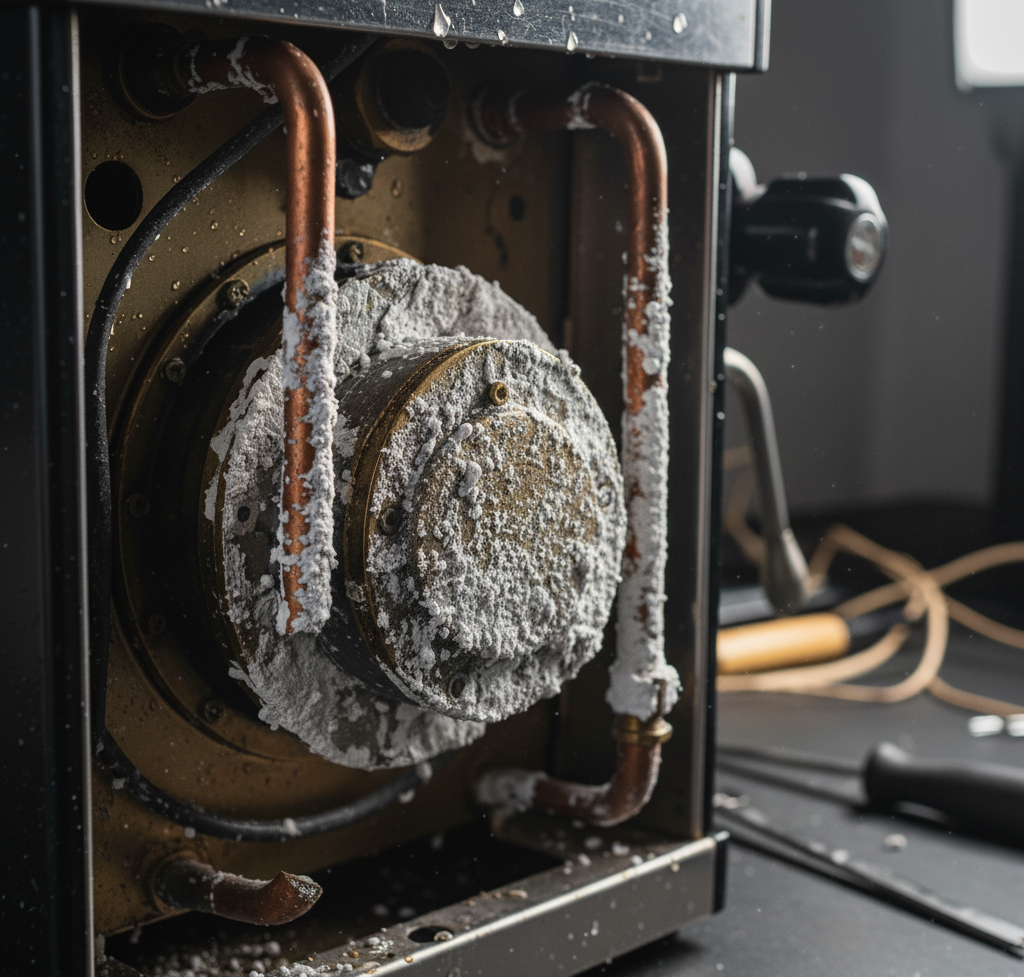
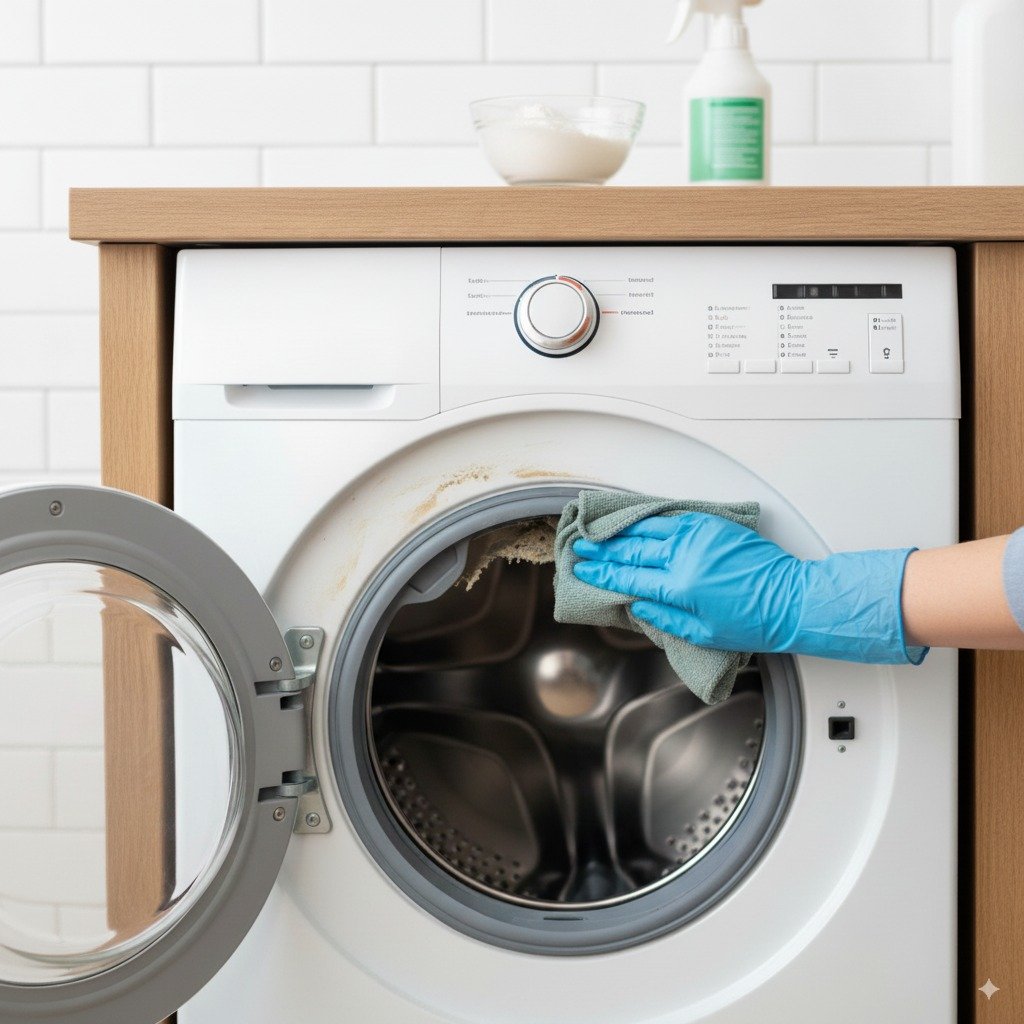
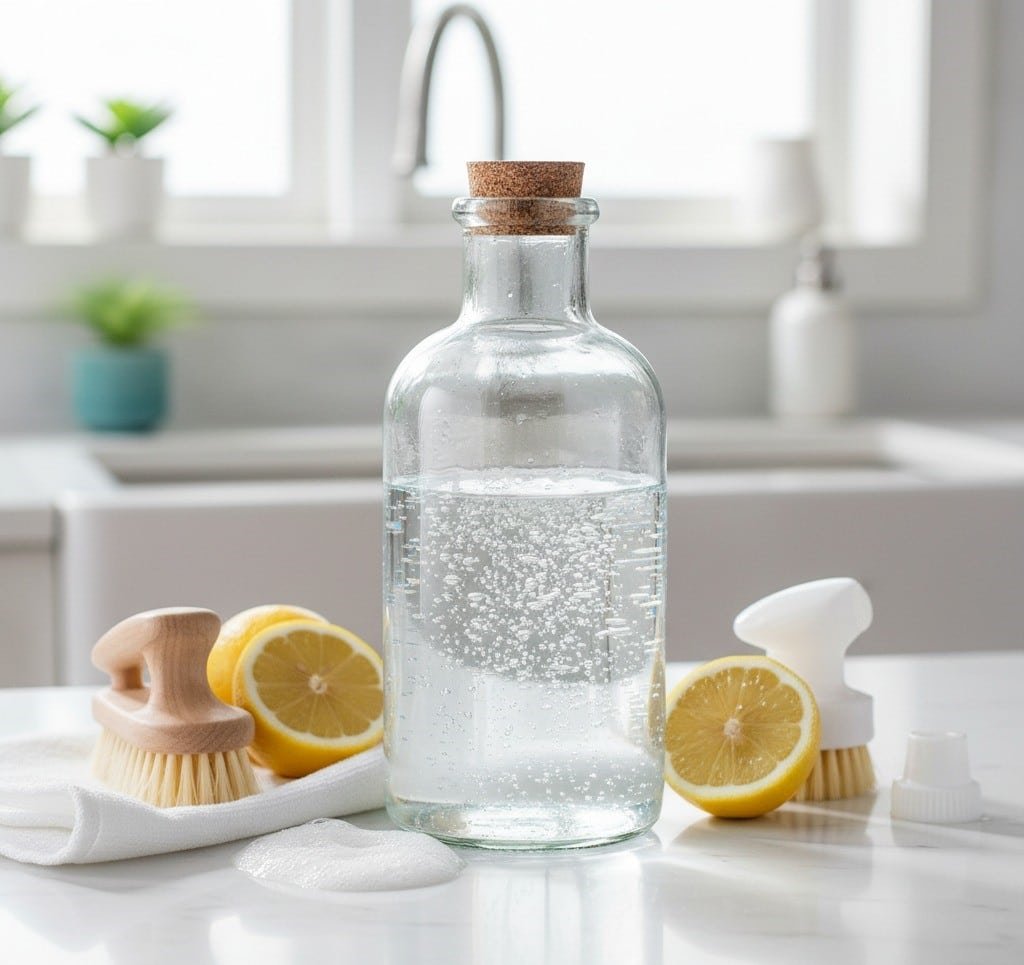
A functional laundry room starts not with buying new containers, but with a complete reset of the space. To achieve true, lasting organization, the room must be entirely emptied. Remove every bottle of detergent, every stray sock, every box of dryer sheets, and every piece of equipment. Take the clothes hampers out. If there is furniture, move it out. The goal is a completely bare room. 1.Donate/Discard, and Relocate This is the only way to accurately assess the space you have and to break old habits of clutter. As you remove items, sort them into three piles: keep, donate/discard, and relocate. Be ruthless. That half-empty bottle of fabric softener you never liked? Discard it. The collection of wire hangers from the dry cleaner? Return or recycle them. The tools that ended up in the laundry room by accident? Relocate them to the garage or toolbox. This initial purge is the most critical step. It declutters your inventory and your mind, creating a blank slate. 2.Deep Cleaning Once the room is empty, perform a deep clean. This is not a quick wipe-down. Start from the top down. Dust the ceiling corners and light fixtures. Wash the walls with a mixture of warm water and a gentle all-purpose cleaner. Pay special attention to the area behind the washer and dryer, which accumulates a surprising amount of lint, dust, and lost items. Scrub the baseboards. Next, address the appliances themselves. Pull the washer and dryer away from the wall. Disconnect the dryer vent hose and use a vacuum with a long attachment, or a specialized vent cleaning brush, to remove all the impacted lint from the hose and the vent opening in the wall. This is not just a cleaning task; it is a critical fire safety measure. Wipe down the exterior of both machines. For the washing machine, run a cleaning cycle with a dedicated washing machine cleaner or a mixture of vinegar and baking soda to eliminate soap scum and mildew odors. Clean the lint trap in the dryer thoroughly, washing it with soap and water to remove any film from dryer sheets that can reduce airflow. Finally, scrub the floor, getting into all the corners that were previously inaccessible. You are now working with a truly clean and empty space. 3.Planning With a blank canvas, the next phase is planning the workflow and storage. Think about the process of doing laundry in distinct zones. You need a zone for sorting dirty clothes, a zone for washing and drying, a zone for folding and treating stains, and a zone for storing supplies. The layout should follow a logical progression to minimize unnecessary steps. Ideally, dirty clothes come in and are sorted, then move to the washer, then the dryer, then a clear surface for folding, and finally out of the room. This linear flow prevents clean clothes from mixing with dirty ones and makes the entire process more efficient. Maximizing vertical space is essential, as most laundry rooms are compact. Install sturdy shelving above the washer and dryer. Open shelving is excellent for frequently used items, as it keeps them visible and accessible. Use clear containers or uniform baskets on these shelves to maintain a tidy appearance. For items used less frequently, or to hide visual clutter, closed cabinetry is the superior choice. If you have front-loading machines, installing a countertop over them is one of the most transformative additions you can make. This instantly creates a large, dedicated surface for sorting, treating stains, and, most importantly, folding clothes as soon as they come out of the dryer. This single feature prevents the classic pile-up of clean laundry in a basket that then sits for days. If a built-in countertop is not an option, a sturdy freestanding table can serve the same purpose. Wall space should not be wasted. A wall-mounted, collapsible drying rack is an invaluable tool for air-drying delicates, sweaters, or athletic wear. It folds flat against the wall when not in use, consuming zero floor space. Another smart use of wall space is a pegboard. A pegboard system is infinitely customizable. It can hold small baskets for clothespins and dryer balls, hooks for scrub brushes and a lint roller, and even small shelves for stain removers. You can also mount your ironing board on the wall with a dedicated holder, which often includes a spot for the iron itself, freeing up a significant amount of closet or corner space.    4.Visual Chaos Now, address the supplies themselves. The visual chaos of mismatched, brightly colored bottles and boxes contributes significantly to a room feeling cluttered. The solution is to decant. Purchase a set of uniform, clear containers for your liquid and powder detergents, fabric softeners, scent boosters, and stain removers. Glass beverage dispensers with spigots work wonderfully for liquids, while large glass or acrylic canisters with scoops are perfect for powders. Label each container clearly with a waterproof label. This not only creates a serene, cohesive look but also allows you to see at a glance when you are running low on a product. Group like items together on your shelves or in your cabinets. All stain treatment products should be in one tray or basket. All washing agents in another. This creates a system where you know exactly where to find what you need, when you need it. The sorting process needs its own dedicated system. A single hamper is not sufficient. Invest in a multi-bin sorting hamper, ideally on wheels for easy transport. A three-bin system is a good starting point: one for whites, one for darks, and one for colors. A four-bin system can add a separate category for delicates or heavily soiled work clothes. Label each bin. This simple act of pre-sorting as clothes are discarded into the hamper eliminates the dreaded task of sorting through a giant pile on the floor before you can even begin to wash. It transforms laundry from a massive, multi-step project into a simple task of grabbing a full

Laundry Room Cleaning 101: The Ultimate Guide to a Sparkling Space Read More »