









Why You Need to Prioritize Regular Home Cleaning Services: The Health Risks of Mold
Mold rarely announces itself. It grows quietly behind wallpaper, under carpets, inside HVAC systems, and anywhere moisture lingers, and by the time you can see or smell it, the problem is already established. For Toronto homes, with humid summers and condensation-prone winters, that makes mold less a possibility than a matter of when. Here is what it does to your health, why routine cleaning is your first line of defense, and when to bring in professionals.
Where Mold Hides in a Typical Home
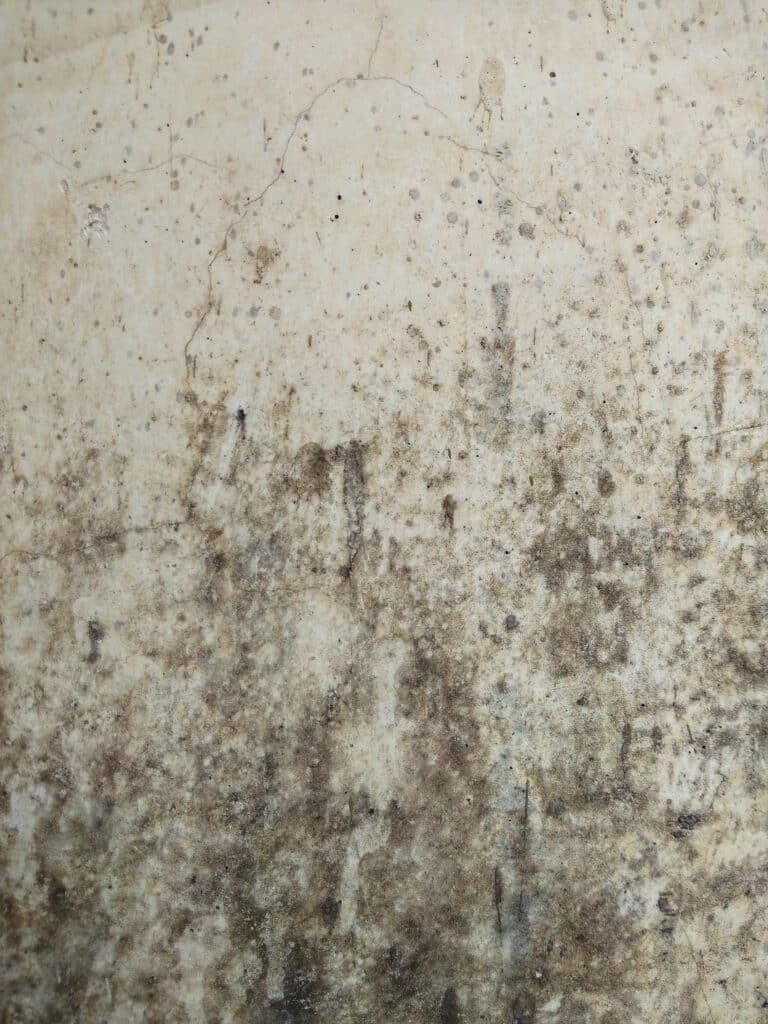
The obvious spots, like the tile grout in a shower, are only the beginning. Mold colonizes behind wallpaper and drywall, under carpets that have met moisture, inside ductwork, and around attic leaks. It feeds on organic material and needs only dampness and time. Because the earliest growth happens out of sight, the first signs are often indirect: a musty smell, a persistent allergy that improves when you leave the house, or a small discolored patch that keeps returning after you scrub it.
The Health Risks You Are Cleaning Against
Mold reproduces by releasing spores that travel through the air, and those spores are what your family breathes. Health effects range from irritating to serious:
- Respiratory irritation: wheezing, coughing, chest tightness, and throat irritation
- Allergic reactions: sneezing, runny nose, red eyes, and skin rash in sensitive people
- Asthma complications: more frequent attacks and worse symptoms in kids with asthma
- Heightened risk for vulnerable groups: infants, seniors, and anyone with a weakened immune system or chronic lung disease
These are not exotic scenarios. Health authorities treat damp and moldy environments as a genuine health hazard, which is why the CDC’s mold and health resources focus on both removal and moisture control rather than cosmetics. A home can look clean and still be recirculating spores from a hidden colony.
Why Regular Cleaning Is the First Line of Defense
Routine cleaning does two jobs at once. It removes the dust, soap scum, and organic residue mold feeds on, and it puts eyes on every bathroom, kitchen, and basement corner often enough that new growth cannot get a season’s head start. Consistent visits keep ventilation systems, exhaust fans, and window tracks working as designed instead of silently failing under grime. The single most effective habit is moisture control: fix leaks quickly, keep indoor humidity in the 30% to 50% range, run dehumidifiers in damp basements, and use exhaust fans in bathrooms and kitchens. Health Canada’s guidance on humidity and mould treats that pairing, moisture management plus cleaning, as the core strategy for keeping mold out of living spaces.
| Warning Sign | What It Often Means | Your Move |
|---|---|---|
| Persistent musty smell | Hidden growth behind walls or under flooring | Inspect moisture sources, call for an assessment |
| Recurring dark patches on grout or ceilings | Chronic moisture, not just surface dirt | Fix ventilation, deep clean, monitor closely |
| Allergies that ease when you leave home | Airborne spores from an indoor source | Check HVAC, carpets, and damp rooms |
| Condensation on windows and walls daily | Humidity above the healthy range | Dehumidify, improve airflow, insulate cold spots |
How Professional Cleaning Services Help
Professionals bring what household routines cannot: commercial equipment, trained eyes for early growth, and the thoroughness to address the sources rather than the symptoms. A deep cleaning service strips out the soap scum and embedded grime that feed bathroom and kitchen mold, while a move-in or move-out clean makes sure the home you are moving into, or handing over, is truly clean rather than cosmetically tidy. Ongoing regular housekeeping then keeps conditions hostile to regrowth, so the small problems are caught in the weeks they are still small.
Mold and Cleaning FAQs
Can I just clean mold off myself? Small surface patches on non-porous surfaces, like bathroom tile, can be handled with regular cleaning products and good ventilation. Large areas, recurring growth, or anything inside walls, carpets, or ductwork needs professional assessment, because disturbing a big colony spreads spores through the home.
Does mold really affect asthma? Yes. Damp and moldy environments are strongly associated with asthma development in children and with more frequent attacks in people who already have it. Removing the moisture source is as important medically as it is for the drywall.
How often should a home be cleaned to prevent mold? High moisture rooms, bathrooms and kitchens, deserve weekly attention, and the whole home benefits from a monthly routine that includes checking under sinks, around windows, and in the basement. A seasonal deep clean resets the areas daily routines never reach.
What humidity level stops mold from growing? Aim to keep indoor humidity between 30% and 50%. A $20 hygrometer tells you where you stand, and a dehumidifier plus working exhaust fans are usually enough to bring a damp Toronto home back into range.
Keep Your Home Hostile to Mold
Regular cleaning is not just about appearances; it is a health measure with a visible payoff. Call Toronto Shine Cleaning at (647) 424-0355 to set up a routine that keeps moisture, grime, and mold out of your home’s vocabulary, and breathe easier in every room.