
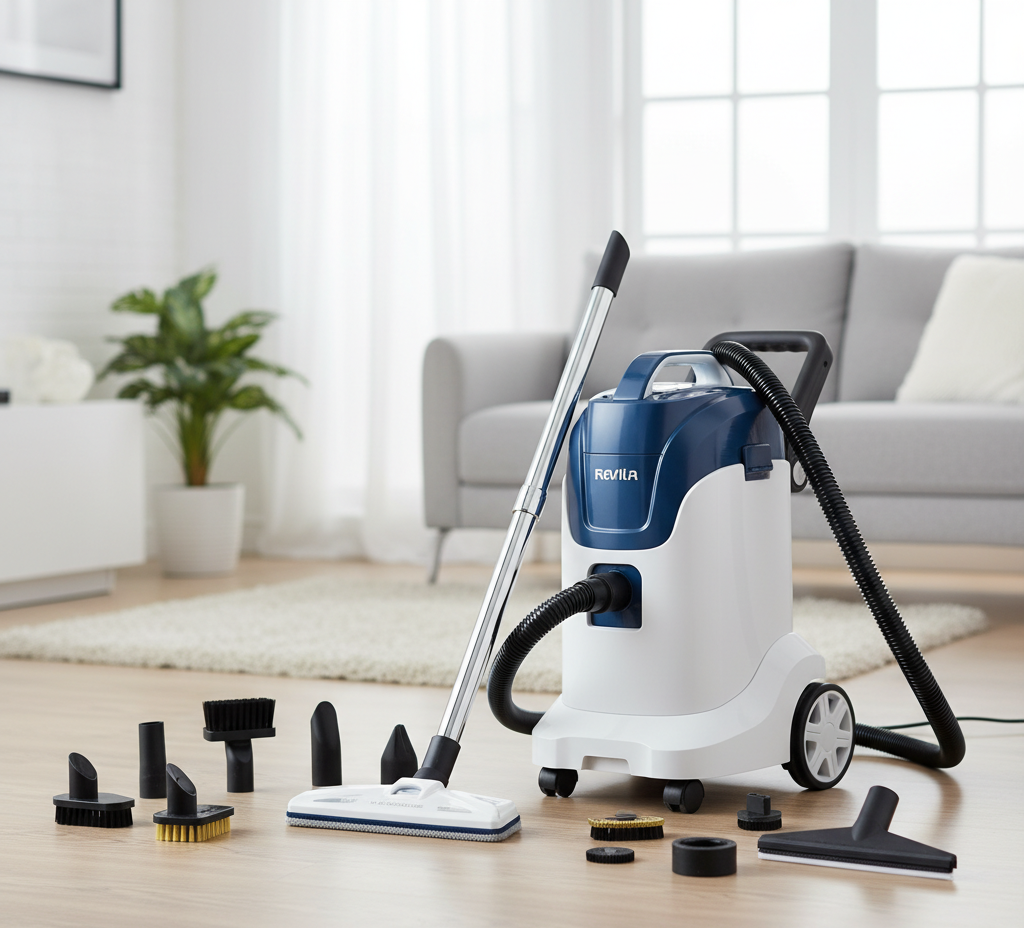
Best Steam Cleaner: 5 Tips for Choosing the Ideal Steam Cleaner for Your Home
The search for the “best” steam cleaner is not merely a hunt for a new household gadget; it is a search for a fundamental shift in how we approach hygiene. In a world increasingly wary of harsh chemicals, volatile organic compounds, and the residue left behind by traditional detergents, the steam cleaner represents a return to the most elemental cleaning agent available: water. However, this water is superheated and pressurized to a point where it transforms into a powerful solvent and a lethal disinfectant. The efficacy of a steam cleaner lies in its ability to force thermal energy into microscopic crevices, exploding dirt from the inside out and denaturing the proteins of bacteria and viruses upon contact. To determine which machine deserves the title of “best,” one must look beyond the marketing of sleek plastic shells and understand the thermodynamics of the boiler, the pressure of the output, and the specific engineering required to tackle different surfaces within the home. Details That Make all the Difference To evaluate these machines, we must first categorize them by their mechanical architecture, as the “best” cleaner for a tiled mudroom is rarely the best cleaner for detailed kitchen degreasing. The market is broadly divided into handheld units, steam mops, and canister systems. The handheld unit is the scalpel of the steam world. It is portable, heats rapidly, and is designed for targeted strikes against specific enemies: the grease around a faucet handle, the grime in a window track, or the bacteria on a doorknob. However, its small water tank limits its run time, and its lower pressure often struggles with large surface areas. The steam mop is the specialist, engineered almost exclusively for sealed hard floors. It excels at sanitizing tile and stone without the bucket-and-mop cross-contamination, but it lacks the versatility to clean vertical surfaces or upholstery. The true heavyweight, and the category where the “best” all-around performers are found, is the canister or cylinder steam cleaner. Resembling a canister vacuum, these machines separate the heavy boiler from the cleaning wand, allowing for a much larger water capacity and a more powerful heating element. A superior canister steamer is defined by its ability to produce “dry” steam. This creates a linguistic paradox—how can steam be dry? In this context, dry steam refers to vapor that has been heated significantly above the boiling point, often reaching temperatures of 240 to 300 degrees Fahrenheit, containing less than five percent liquid water volume. The best cleaners produce this low-moisture vapor, which is critical for cleaning delicate surfaces like mattresses, upholstery, and carpets. Wet steam leaves fabrics sodden and prone to mold; dry steam cleans and evaporates almost instantly, leaving the surface sanitized and dry within minutes. Pressure Pressure is the second metric that separates the professional-grade machines from the toys. Measured in bars or PSI (pounds per square inch), pressure dictates the mechanical force with which the steam exits the nozzle. A low-pressure steamer simply billows hot fog; it might kill surface bacteria, but it will not dislodge the black gunk from grout lines. The best steam cleaners operate at a minimum of four to five bars of pressure. This force turns the steam into a kinetic weapon. When directed into a grout line or the crevices of a radiator, the pressurized vapor blasts the debris out physically while simultaneously dissolving the bonds of grease and dirt chemically. This combination of heat and force is what allows for “touchless” cleaning in the hardest-to-reach areas. The heating system itself is a point of divergence in quality. Lower-end models often use a flash-heating system that drips water onto a hot plate. While fast, this often results in inconsistent temperature and wetter steam. The best steamers utilize a pressurized boiler tank, essentially a miniature pressure cooker inside the machine. This ensures that the water is maintained at a constant high temperature and pressure, providing a steady, powerful stream rather than sputtering bursts. Furthermore, the premier models feature a continuous refill system. In a standard pressurized boiler, once the water runs out, you must turn the machine off, wait for it to cool down (to release the pressure safely), refill it, and wait for it to heat up again. This downtime kills momentum. A continuous refill system utilizes a secondary non-pressurized reservoir that pumps water into the boiler as needed, allowing for indefinite cleaning sessions without interruption. Accessories The versatility of the attachments is what truly unlocks the potential of the machine. The best steam cleaner is a transformer. It should come with a robust floor head for mopping, but also a triangular brush for corners, a jet nozzle for high-pressure blasting, and small nylon or brass brushes for detailed scrubbing. The brass brushes are particularly effective for oven racks and grill grates, where the steam softens the carbonized food and the brass bristles scour it away. A window squeegee attachment turns the machine into a glass cleaning powerhouse, melting away seasonal grime and leaving a streak-free finish without a drop of blue chemical spray. The quality of these accessories matters; flimsy bristles that melt under high heat render the machine useless. One of the most profound applications for a high-quality steamer is in the realm of pest control, specifically dust mites and bed bugs. These organisms are resilient against many poisons but cannot survive thermal shock. A steam cleaner that can maintain a tip temperature above 160 degrees Fahrenheit is lethal to these pests and their eggs on contact. For allergy sufferers, the best steam cleaner is a medical device. It allows for the sanitization of pillows, mattresses, and plush toys, denaturing the proteins in dust mite waste that trigger respiratory reactions. This deep sanitization, achieved without introducing potential allergens found in chemical sprays, is a primary reason why investing in a higher-end canister model is justified. Where Not to Use However, the power of steam comes with the responsibility of usage. The “best” machine in the hands of an uneducated user can cause damage. Steam is
Best Steam Cleaner: 5 Tips for Choosing the Ideal Steam Cleaner for Your Home Read More »