Furniture Cleaning

5 Bathroom Cleaning Tips Every Toronto Home Should Follow

Sparkling and Serene Bathroom Sanctuary in Five Stages A truly clean bathroom isn’t just about surface shine; it’s about deep hygiene, a fresh atmosphere, and the peace of mind that comes from knowing this essential space is well cared for. Today, we’re going to move beyond the mere mechanics of a quick wipe-down and unveil the pathway to transforming your bathroom into a sparkling, serene haven, a place that genuinely contributes to your well-being, by guiding you through five focused stages. 1. Conquering the Commode with Diligence Our journey to a revitalized bathroom appropriately begins with the fixture that handles the most essential, yet often least glamorous, tasks: the toilet. Giving this cornerstone of the bathroom thorough and meticulous attention is paramount for establishing a truly hygienic environment. The process extends beyond a mere cursory swish within the bowl. We commence by applying a good quality toilet bowl cleaner, ensuring it reaches under the rim and is allowed to coat the surfaces as it works its way down. This initial application needs a few minutes to effectively tackle unseen build-up and begin its sanitizing work. Following this brief pause, a dedicated toilet brush is brought into action to scrub the interior of the bowl with diligence, ensuring every curve and surface is reached and thoroughly cleaned. However, our care for this fixture does not conclude there. The exterior surfaces of the toilet – including the tank, the lid, the seat (addressing both sides and the often-overlooked underside), the pedestal itself, and critically, the floor area immediately surrounding its base – all require careful wiping with a reliable disinfectant cleaner. This comprehensive approach ensures that this vital fixture is not just visibly clean to the eye but is also hygienically sound, making a significant contribution to the overall freshness and health of the bathroom.   2.The Bath and Shower Having addressed the toilet, our attention naturally gravitates towards the area specifically designed for washing away the day’s cares and starting afresh: the bath and shower. This zone, with its constant exposure to water and soap, can quickly become a challenging battleground against the persistent trio of soap scum, stubborn hard water stains, and, in environments prone to dampness, the unwelcome beginnings of mildew if not regularly and effectively addressed. The methodical approach here involves applying a suitable bathroom cleaner, one specifically formulated to break down and dissolve these common bathroom culprits, to all the integral surfaces. This includes the shower walls (whether they are composed of tile, fiberglass, or acrylic), the shower door (be it glass or plastic), or, if applicable, the shower curtain. Allowing this cleaning solution to sit for a few crucial moments gives it the necessary time to penetrate and effectively loosen the accumulated grime. Once the cleaner has had time to work, a non-abrasive scrub sponge or a dedicated bathroom brush is employed to gently but firmly work away the softened residue. For tiled shower enclosures, paying close attention to the grout lines is particularly important; a specialized grout brush or even an old toothbrush can be effectively utilized to clean these often-neglected areas. We must not forget the fixtures themselves – the showerhead, the taps, and the drain cover – which also benefit immensely from a good clean and a final polish to remove unsightly water spots and mineral build-up. If your bathroom features a bathtub, the same meticulous principles apply: a thorough cleaning of the entire basin, with particular attention paid to the waterline where residue frequently collects, and ensuring the taps and overflow drain are left sparkling. A meticulously cleaned shower or bath area is not merely about visual appeal; it fundamentally enhances the experience of using it, making it far more pleasant, hygienic, and invigorating.   3.The Vanity, Sink, and Mirror From the cleansing zone of the shower and bath, we logically progress to the vanity area, a multifaceted space that typically encompasses the sink, the surrounding countertops, and the mirror. The sink basin, much like the toilet, is a high-use fixture that sees constant activity. Consequently, toothpaste splatters, soap residue, and persistent water spots can accumulate with surprising speed. An effective, yet gentle, cream cleanser or a versatile spray bathroom cleaner can be used to thoroughly scrub the basin, ensuring the drain area is also free of debris and build-up. The faucets and handles, items that are touched multiple times throughout the day, deserve special attention; they should be wiped down carefully and polished to a brilliant shine, effectively removing fingerprints and water marks. The countertops that frame the sink also demand regular care, diligently wiping away any spills from toiletries, accumulated dust, or product residue. And then, of course, there is the mirror – a clear, impeccably streak-free mirror possesses the remarkable ability to instantly make the entire bathroom feel brighter, larger, and more welcoming. Applying a quality glass cleaner and wiping with a clean, lint-free microfiber cloth, often using methodical overlapping strokes, is the tried-and-true key to achieving that coveted, flawless streak-free finish. Taking an additional moment to neatly organize any items typically left on the countertop also contributes significantly to the overall feeling of a calm, uncluttered, and orderly space. 4.The Bathroom Floor The foundational surface of any room, and this certainly holds true for the bathroom, is its floor. This particular surface often bears the visible brunt of daily foot traffic, collecting stray hairs, inevitable water splashes, dust, and other assorted debris. Before any wet cleaning methods are introduced, it is absolutely essential to remove all loose particles and dirt from the floor. This preparatory step can be accomplished with a thorough sweep using a soft-bristled broom, paying attention to corners and edges, or, for an even more effective result, with a vacuum cleaner, utilizing an appropriate attachment to meticulously clean along baseboards and around the base of fixtures like the toilet and vanity. Once the floor is entirely free of loose dirt, hair, and other surface debris, it is ready to be mopped. The specific type

5 Bathroom Cleaning Tips Every Toronto Home Should Follow Read More »

2 people using a kitchen degreaser to clean

5 Best Ways to Use a Kitchen Degreaser for Kitchen and Home Cleaning

Using a degreaser can seriously upgrade how you clean around the house—especially in the kitchen. Regular cleaners don’t always cut through layers of grease, but a degreaser is built to break it down fast. Whether you’re dealing with stovetop splatter, sticky cabinets, or greasy garage floors, knowing how to clean with a degreaser makes your job a whole lot easier. Here are five ways to use it right and get better results every time you clean. 1. Stovetops and Cooktops Need a Degreaser for Deep Cleaning Stovetops collect everything from bubbling sauces to frying oil, and it doesn’t take long before they start looking grimy. Cleaning with a degreaser makes it easy to cut through thick grease. Spray the surface when it’s cool, let the product sit for a few minutes, and wipe it clean with a damp cloth. You’ll see a big difference right away. To keep your stovetop looking fresh, you can make this part of your weekly kitchen cleaning routine. The key is to let the degreaser work before scrubbing. That “wait time” allows it to break down buildup so you don’t have to scrub hard or risk scratching the surface. For gas stovetops, don’t forget to remove the burner grates and soak them in degreaser too. They often get overlooked but can build up the most grease. After everything is rinsed and dry, you’ll have a clean, smooth cooking surface ready for your next meal. 2. Use a Degreaser on Range Hoods and Filters Range hoods are grease magnets—especially if you cook with oil often. Over time, steam and grease combine into a sticky mess that clings to the hood and clogs the filter. Cleaning with a degreaser helps remove that grime quickly and keeps your kitchen air cleaner. Spray the surface and use a cloth to wipe it down after 5 minutes. If your hood has a metal filter, take it out and soak it in hot water mixed with a degreaser. Leave it in the sink for 10–15 minutes. Once the grease lifts, scrub it gently and rinse thoroughly before putting it back. You’ll be surprised how much better the fan works. Not only does a clean range hood work more efficiently, but it also helps prevent lingering kitchen smells. Regular degreaser cleaning keeps the fan blades, motor cover, and light covers in better shape too. It’s one of those areas most people forget—until they can’t unsee the buildup! 3. Degrease Kitchen Cabinets Without Damaging the Finish Kitchen cabinets may look clean, but they often hold onto invisible grease from cooking and handling. Over time, cabinet doors can feel sticky or look dull. Cleaning with a degreaser is a simple fix. Spray a cloth—not the cabinet itself—and gently wipe along the surface. Rinse with a clean damp cloth afterward. Always test the degreaser on a hidden spot first to avoid any damage. Some cabinet finishes are delicate, but most quality degreasers won’t harm the surface if you use the right amount and rinse it off. This quick step helps keep your kitchen looking well-kept and inviting. Use this method especially around cabinet handles and above the stove where grease tends to collect. Even white cabinets, which show grime easily, can be cleaned this way without discoloring the surface. It’s one of the most satisfying degreaser cleaning jobs you can do in the kitchen. 4. Degreaser Works Great for Cleaning Trash Cans Trash cans in the kitchen take a beating. Between spills, leaky bags, and everyday use, grease and grime can build up fast. Cleaning with a degreaser helps sanitize and remove stubborn stains. Spray the interior and exterior and let it sit for 10 minutes before scrubbing with a sponge or brush. If your trash can has a lid or foot pedal, don’t forget those areas too. They get touched constantly and are easy to forget during quick cleanups. A good degreaser dissolves the gunk in no time, making the can smell better and look new again. Rinse the trash can thoroughly and let it dry before using it again. Doing this once a week can prevent bacteria, odors, and that annoying sticky feeling around the rim. It’s a small task that makes your kitchen feel cleaner overall, and a degreaser really does most of the heavy lifting. 5. Garage Floors and Utility Areas Benefit From a Strong Degreaser If you’ve got a garage, laundry area, or utility space with oil stains or greasy footprints, this is the perfect place to use a degreaser. These spots get dirty quickly, and regular floor cleaners won’t always do the trick. Spray the degreaser over the affected area, wait at least 10 minutes, then scrub and rinse. For tougher stains, you might need to repeat the process, but the degreaser will loosen up the grime way better than soap alone. It works great on concrete, tile, or sealed floors. Just make sure to ventilate the area if you’re working inside. After rinsing, you’ll notice the surface not only looks cleaner but also feels safer—less slippery and sticky. Keeping these utility spaces clean with a degreaser cuts down on tracking grease back into your home. It’s a quick task with big results, especially if you have kids or pets running in and out. Let Toronto Shine Cleaning Handle the Dirty Work Using a degreaser is a smart way to keep your kitchen and home clean, but let’s be real—sometimes there just isn’t enough time in the day. That’s where Toronto Shine Cleaning comes in. We know the best degreaser cleaning methods and bring all the right products to get your home spotless without the stress. Whether it’s greasy kitchen cabinets, a grimy garage floor, or a range hood that hasn’t been touched in months, our team knows how to clean it right. Don’t waste hours scrubbing—book Toronto Shine Cleaning today and enjoy a fresher, cleaner home without lifting a finger.

5 Best Ways to Use a Kitchen Degreaser for Kitchen and Home Cleaning Read More »

Blue disinfectant inside a bottle while some using it to clean

5 Disinfectant Cleaning Tips Every Toronto Home Should Follow

Disinfectant cleaning is one of the most important habits to keep your home safe and healthy—especially in a busy city like Toronto where germs are just part of everyday life. But not everyone uses disinfectants the right way, and that can leave your home looking clean but still full of bacteria. These five tips will help you clean smarter and make sure you’re actually killing germs, not just pushing them around. 1. Always Clean Before You Disinfect A lot of people jump right into spraying disinfectant on dirty surfaces, but that doesn’t actually work. Disinfectants are made to kill germs on clean surfaces, not dirty ones. If there’s grease, crumbs, or dust in the way, the disinfectant can’t reach the germs underneath. That means you’re wasting product and not getting the protection you think you are. Start by wiping down the surface with warm water and a general-purpose cleaner or soap. This removes dirt and grime and preps the area for the disinfectant to do its job properly. It might seem like an extra step, but it’s crucial if you want your home to be truly clean and germ-free. If you’re cleaning something like a kitchen counter after prepping food, or a bathroom sink that gets daily use, always go through the clean-then-disinfect process. It only takes a few extra minutes and makes a huge difference in the effectiveness of your cleaning routine. 2. Let Disinfectant Sit — Don’t Wipe It Off Too Fast One of the most common disinfecting mistakes is spraying and immediately wiping the product off. Most disinfectants need to stay wet on a surface for a certain amount of time, called the “dwell time,” to work properly. If you wipe too soon, you’re not giving the product enough time to kill germs. Always read the label on your disinfectant. Most will recommend leaving the surface wet for anywhere from 5 to 10 minutes. During that time, the ingredients are actively killing bacteria and viruses. If the surface dries too quickly, you can reapply a little more to keep it moist for the full dwell time. Letting disinfectant sit might require a bit of patience, but it’s a small habit that really pays off. Whether you’re disinfecting your bathroom, kitchen, or even your front door handle, giving it time to work means a safer, cleaner space for everyone in your home. 3. Focus on High-Touch Areas Daily High-touch surfaces are the ones that get touched all the time without people thinking about it—like doorknobs, light switches, fridge handles, and even your TV remote. These spots are hotspots for germs, especially if someone in your house has been sick recently. That’s why disinfecting them daily is key. Keep disinfectant wipes or a spray and cloth handy for quick touch-ups in these areas. You don’t have to deep clean them every day, but a daily disinfectant pass can really cut down on the spread of germs around your home. It only takes a minute or two but makes a huge impact on hygiene. In Toronto’s busy households, especially those with kids or roommates, high-touch cleaning is one of the best habits you can build. These surfaces might not look dirty, but they’re often the dirtiest places in your home. Staying on top of them daily helps everyone stay healthier. 4. Use the Right Disinfectant for the Job Not every disinfectant is a one-size-fits-all solution. Some are meant for hard surfaces like counters and tiles, while others are safer for electronics or soft furnishings. Using the wrong one could either damage your surfaces or simply not kill the germs you’re trying to get rid of. When choosing a disinfectant, look for products that are approved to kill viruses and bacteria. If you’re cleaning around pets or kids, go for something that’s non-toxic and doesn’t leave behind strong fumes. For areas like touchscreens or keyboards, use disinfectant wipes that are safe for electronics and won’t cause damage. Using the right product means better results and less hassle. If you’re not sure what to use, it’s okay to ask or even bring in a pro. The team at Toronto Shine Cleaning knows exactly which products work best on each surface, so you don’t have to guess or risk doing damage. 5. Don’t Forget Shared Items In shared households—whether it’s with family, roommates, or even Airbnb guests—there are lots of items everyone touches all the time. Think bathroom faucets, microwave buttons, kettle handles, and game controllers. These get handled by multiple people daily and can spread germs quickly. Disinfecting shared items regularly helps keep everyone safe. Keep a pack of disinfectant wipes nearby and do a quick wipe-down of common-use items a few times a week, or more often if someone is under the weather. It’s a simple step that makes a big difference in how clean your home actually feels. When it comes to shared items, consistency is key. You don’t have to go overboard, but regular disinfecting keeps your home feeling fresh and shows your roommates or family you care about everyone’s health and comfort. Let Toronto Shine Cleaning Take the Work Off Your Plate Disinfecting the right way takes more than a quick spray-and-wipe. It means knowing what to clean, how to use products properly, and being consistent—especially in a busy city like Toronto. Life gets hectic, and sometimes there just isn’t time to keep up with all the little things that matter. That’s where Toronto Shine Cleaning comes in. Our team is trained to clean and disinfect your home with top-quality products and attention to detail. We follow best practices, focus on high-touch areas, and leave your space fresh, safe, and sparkling. Want to take disinfecting off your to-do list? Book a cleaning today with Toronto Shine Cleaning and enjoy peace of mind knowing your home is in great hands.

5 Disinfectant Cleaning Tips Every Toronto Home Should Follow Read More »

Desorganized kitchen smelling bad

6 Tricks to Get Rid of Kitchen Smells After Cooking

Cooking at home is awesome—until the smell of last night’s dinner hangs around like an uninvited guest. If you’re wondering how to get rid of kitchen smells after cooking, you’re not alone. Whether it’s fish, garlic, or fried food, certain kitchen smells love to linger. But don’t worry—we’ve got six easy tricks to freshen up your kitchen fast. 1. Ventilate Right Away to Stop Kitchen Smells from Settling Proper ventilation is the first step to keep kitchen smells under control. Always turn on your range hood or fan before you even start cooking. This helps direct steam, grease, and food particles out of your home before they can settle onto cabinets, curtains, and other surfaces. The sooner you start ventilating, the better. If you don’t have a range hood or a powerful fan, crack open a few windows to get air circulating. You can even place a box fan near a window to push the cooking air outside. Cross-ventilation is a simple way to flush out unwanted kitchen smells while you’re still cooking. After you’re done, leave the fan or windows open for a bit longer. This helps clear out any lingering kitchen smells that didn’t escape during the cooking process. It may seem like a small step, but it makes a big difference in how your kitchen smells later. 2. Boil Lemon Peels and Cinnamon Sticks After Cooking Want to replace bad kitchen smells with something fresh? Boiling lemon peels and cinnamon sticks is a quick and natural way to do it. Just fill a pot with water, add the peels and cinnamon, and let it simmer on low heat for 10–20 minutes. It works like a natural air freshener without any synthetic fragrances. This method doesn’t just mask kitchen smells—it helps neutralize them. The natural oils from lemon and cinnamon break down lingering odors in the air, making your space smell clean and cozy. It’s a great little trick to have up your sleeve, especially after cooking fish, onions, or anything fried that causes strong kitchen smells. You can even try adding cloves or orange peels for a different scent. This trick is easy, budget-friendly, and chemical-free, which makes it perfect for everyday use. Plus, your kitchen ends up smelling like a cozy bakery instead of last night’s stir-fry.     3. Take Out the Garbage and Food Scraps Right Away The trash can is one of the biggest reasons kitchen smells hang around. After you cook, especially if you’ve used meat or dairy, make sure to toss all scraps and food packaging right away. Don’t leave them sitting overnight—they’ll stink up the place fast. Even if your trash doesn’t look full, it might be holding onto a lot of hidden kitchen smells. It’s always a good idea to tie the bag up and take it outside after a big cooking session. You’ll notice the difference almost immediately, especially if you cook with strong spices or oils. Also, don’t forget about compost bins or food waste containers. These can build up kitchen smells just as quickly. Rinse them out regularly and use liners when possible to prevent odors from soaking into the plastic. Clean bins mean a fresher kitchen. 4. Wipe Down Counters and Stovetops Immediately Grease and food splatter love to cling to your counters and stove. After you’re done cooking, take a couple of minutes to wipe everything down with a good all-purpose cleaner. This stops kitchen smells from settling into sticky surfaces and keeps things looking fresh too. Make sure to get into corners, behind knobs, and under burners. These areas tend to trap tiny bits of food and oil, which can start to smell if not cleaned up right away. A quick wipe now saves you from dealing with lingering kitchen smells later. Don’t forget your backsplash, microwave exterior, and even cupboard handles. Kitchen smells don’t just come from what’s in the air—they stick to every surface. The more you clean up immediately, the less your kitchen will smell hours later.     5. Use Coffee Grounds or Baking Soda to Absorb Kitchen Smells Both coffee grounds and baking soda are excellent at absorbing kitchen smells. Just place a bowl of either one on the counter overnight after cooking a strong-smelling meal. By morning, most of the lingering odor will be gone or drastically reduced. Coffee grounds work well because they contain nitrogen, which helps neutralize kitchen smells in the air. Baking soda is also highly effective because it traps odor molecules. You can even sprinkle some in your garbage can or near your sink for extra freshness. Make sure not to mix baking soda with vinegar, though. That combo might look foamy, but it stops working once the fizz is over. Stick to dry methods like coffee or plain baking soda for best results, especially when you’re dealing with strong kitchen smells. 6. Clean Out Your Sink and Garbage Disposal Your sink might look clean, but food particles can hide in the drain and garbage disposal, causing stubborn kitchen smells. After cooking, give your sink a quick rinse and scrub it down with dish soap. Pay attention to the edges and the drain opening. For your garbage disposal, toss in a few ice cubes and lemon peels, then run it for 30 seconds. The ice helps knock off stuck-on bits inside the disposal, and the lemon peels leave a fresh scent behind. It’s simple, but super effective at fighting kitchen smells. Do this at least a few times a week, especially if you cook often. A clean drain and disposal can go a long way in keeping your entire kitchen smelling fresh. Kitchen smells can build up in places you can’t see, so regular maintenance is key.     Conclusion: Let Toronto Shine Cleaning Handle the Tough Kitchen Smells Keeping your kitchen smelling fresh can feel like a full-time job, especially if you’re cooking every day. While these tips definitely help, sometimes you need a deeper clean to get rid of stubborn

6 Tricks to Get Rid of Kitchen Smells After Cooking Read More »

Steam cleaning, a zoom focusing on the steam

Steam Cleaning 101: The Safe and Simple Way to Clean Any Surface

Steam Cleaning Is a Game-Changer for Safe and Chemical-Free Cleaning Steam cleaning is quickly becoming a go-to cleaning method for homeowners who want a safer, more eco-friendly way to clean. Unlike traditional cleaning methods that rely heavily on chemicals, steam cleaning only uses water. The high temperature of the steam is powerful enough to break down grease, grime, and bacteria without any harsh substances. This is especially great for homes with young children, pets, or anyone sensitive to strong cleaning products. Another reason steam cleaning is gaining popularity in Toronto is that it’s incredibly effective at disinfecting. The steam reaches temperatures high enough to kill most germs, bacteria, and even some viruses. This makes steam cleaning an excellent option for maintaining a hygienic home environment, especially during cold and flu season. It’s a cleaning method that’s not only thorough but also provides peace of mind. If you’re trying to reduce your household’s chemical use or just want a more efficient cleaning method, steam cleaning is a solid choice. It’s gentle on your surfaces but tough on dirt. You don’t have to worry about chemical residue left behind, which can be an issue with some store-bought cleaners. Plus, steam cleaning leaves your home feeling fresh and clean without any artificial scents. What Can You Clean with Steam? Almost Everything in Your Home One of the biggest advantages of steam cleaning is its versatility. Steam cleaning can be used on a wide variety of surfaces, making it ideal for whole-home cleaning. You can use it on tile floors, sealed hardwood, bathroom fixtures, kitchen counters, and even certain types of upholstery. Steam cleaning easily loosens stuck-on messes, lifts grime from grout lines, and refreshes fabrics without soaking them. Steam cleaning is especially handy in the kitchen and bathroom, two areas that tend to build up the most bacteria. It cuts through greasy messes around stoves, sanitizes countertops, and even refreshes garbage bins. In the bathroom, steam cleaning blasts away soap scum from shower doors, sanitizes sinks, and even cleans around the toilet without any scrubbing. It’s a powerful tool for deep cleaning those tough spots. Even appliances like ovens and microwaves can benefit from a good steam cleaning. It softens baked-on food, making it easier to wipe away. Plus, steam cleaning doesn’t scratch surfaces the way some abrasive cleaners can. Just be sure to check the manufacturer’s guidelines before using steam on delicate surfaces or electronics. When in doubt, a professional cleaning service like Toronto Shine Cleaning knows exactly what can and can’t be safely steam cleaned.     Steam Cleaning Floors: A Quick Way to Refresh and Sanitize Steam cleaning is an excellent option for floors, especially if you’re looking to sanitize without using harsh chemicals. It’s perfect for tile, vinyl, and sealed hardwood, where steam cleaning can lift dirt and grime while killing bacteria. Since it uses only water, there’s no sticky residue left behind, and your floors will dry much faster compared to mopping. That makes steam cleaning a great option for busy households. High-traffic areas can really benefit from regular steam cleaning. Entryways, kitchens, and hallways tend to collect dirt, grime, and germs, and steam cleaning can help keep these areas fresh and clean. If you’ve got kids crawling on the floors or pets lounging everywhere, steam cleaning is a hygienic way to keep those surfaces safe without resorting to heavy chemicals. It’s important to note that not all flooring is suitable for steam cleaning. Avoid using steam cleaning on unsealed wood or laminate, as the moisture can cause damage. If you’re unsure, test a small hidden area first. Or better yet, let the pros at Toronto Shine Cleaning handle it—we know exactly which floors can take the heat and which need a gentler approach. Why Steam Cleaning Beats Traditional Cleaning Methods Traditional cleaning methods often rely on harsh chemicals and a lot of elbow grease. Steam cleaning offers a faster, cleaner, and more effective alternative. It lifts and removes dirt rather than just spreading it around, which is sometimes the case with mops and wipes. The high temperature of the steam also helps kill bacteria and allergens, making your home not just cleaner but healthier with every steam cleaning session. People with allergies often notice a big improvement after switching to steam cleaning. That’s because steam cleaning penetrates soft surfaces and removes dust mites, pet dander, and other allergens from carpets and upholstery. Unlike sprays that can trigger allergies or leave lingering smells, steam cleaning sanitizes without leaving anything behind. Another benefit is how environmentally friendly steam cleaning is. There are no plastic bottles, no need for disposable wipes, and no harsh runoff going down the drain. All you need is water and a steam cleaner. Steam cleaning is a small switch that makes a big difference for your home and the planet. For those who want a green, efficient way to clean, steam cleaning is the way to go.     A Few Tips Before You Start Steam Cleaning Your Home Before you dive into steam cleaning, a little prep can go a long way. Start by vacuuming or sweeping the area. Steam cleaning is most effective on surfaces that are free of loose dirt and debris. This helps the steam focus on the deep grime and bacteria rather than just pushing crumbs around. It also protects your steam cleaner from getting clogged. Always test a small, hidden area first—especially if you’re steam cleaning upholstery, painted surfaces, or delicate flooring. While steam cleaning is safe for many materials, it can cause damage if the surface isn’t sealed or designed to handle moisture. When in doubt, check the manufacturer’s guidelines or call a professional who specializes in steam cleaning. Lastly, go slow and steady. Let the steam do the work. You don’t need to push hard or go over the same spot a dozen times. The heat will naturally loosen dirt and kill bacteria. And if you’re short on time or don’t want to risk damaging anything,

Steam Cleaning 101: The Safe and Simple Way to Clean Any Surface Read More »

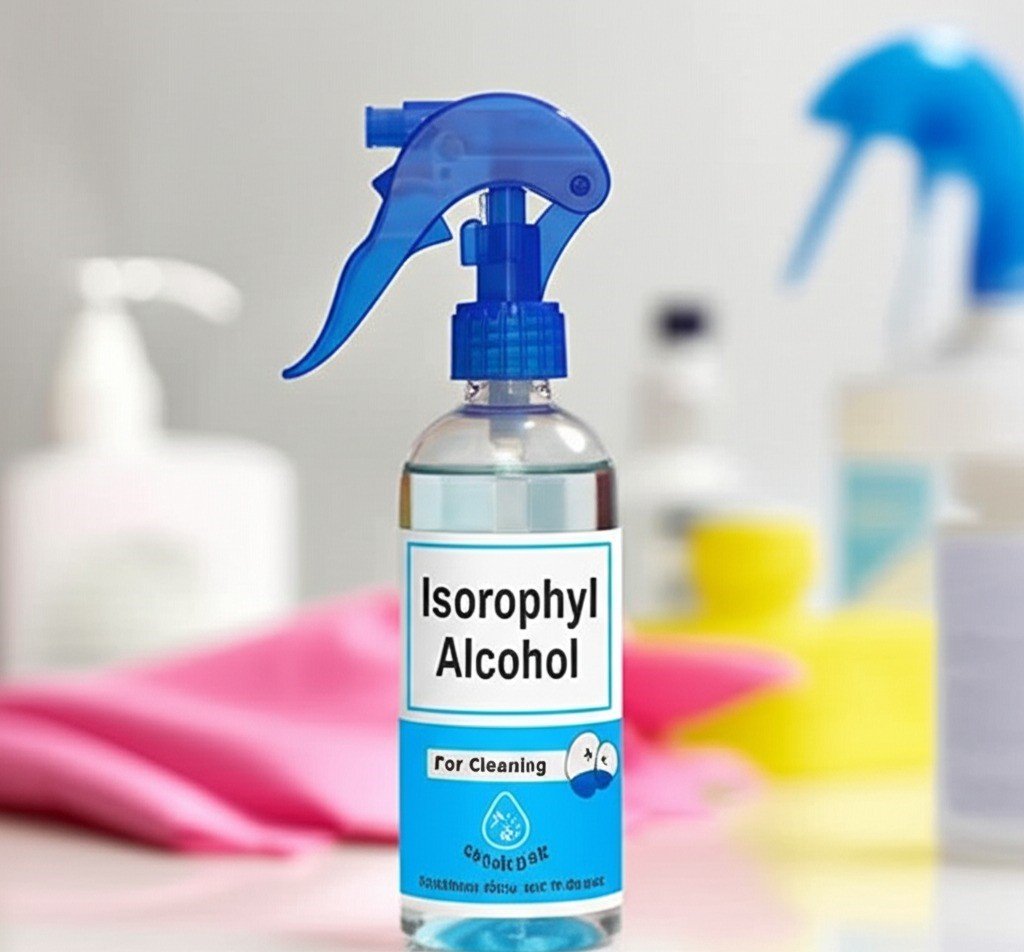
Cleaning with alcohol at home, spray bottle and cleaning gloves

7 Smart Ways to Clean with Alcohol at Home

Rubbing alcohol is one of those products we all have lying around but don’t always know how to use. Whether it’s 70% or 90% isopropyl, this simple product can actually be a cleaning superhero. When you clean with alcohol, you get fast-drying, streak-free results while also killing germs. From glass to electronics, there are tons of surfaces that benefit from cleaning with alcohol. Check out these 7 smart ways to use it around your home. 1. Clean and Sanitize Your Phone Our phones go with us everywhere, which means they pick up dirt, germs, and oils constantly. That’s why it’s so important to clean with alcohol regularly. A soft cloth or cotton pad with a small amount of rubbing alcohol can safely remove smudges and sanitize your phone. Since alcohol evaporates quickly, it won’t damage your screen or ports when used properly. Plus, you don’t have to worry about leftover moisture like with water-based cleaners. Just a light wipe-down leaves your phone cleaner and germ-free. Make it a habit to clean with alcohol at least once a week. It keeps your device looking great and helps prevent the spread of bacteria from one touch to the next. It’s one of the simplest ways to keep things clean without extra effort. 2. Disinfect High-Touch Surfaces Doorknobs, remotes, light switches—these spots get touched constantly and are easy to forget. When you clean with alcohol, you can disinfect them quickly without leaving a mess behind. It dries fast, kills bacteria, and doesn’t need rinsing, making it a perfect everyday cleaner. Spray a little alcohol onto a microfiber cloth and wipe down these high-traffic areas. It’s especially helpful if someone in your home is sick or if you’ve had guests over. Cleaning with alcohol is a smart way to keep surfaces safe and sanitized. This method also works well on electronics, like keyboards and controllers, that you can’t clean with soap and water. Keeping these items germ-free is simple when you regularly clean with alcohol. 3. Make Your Mirrors and Glass Shine If you’re tired of streaky glass and foggy mirrors, try switching up your routine and clean with alcohol instead. It cuts through fingerprints, hairspray, and toothpaste with zero streaks. Plus, it evaporates super fast, so you don’t have to worry about drip marks. Just mix equal parts alcohol and water in a spray bottle, spritz your mirror lightly, and wipe it down with a lint-free cloth. The result is a crystal-clear reflection with almost no effort. Cleaning with alcohol is especially useful in high-humidity spots like bathrooms. Use it on windows, glass tabletops, and even shower doors. Once you start to clean with alcohol, you’ll notice how easy it is to get that perfect shine—no extra scrubbing or polishing needed. 4. Remove Sticky Residue and Labels Sticker gunk, tape residue, and old labels can be super frustrating to clean. One of the easiest solutions is to clean with alcohol. Just apply some to a cotton pad or cloth and rub the sticky area gently. The adhesive starts to dissolve, making cleanup a breeze. This method is great on glass, plastic, metal, and even some finished wood. Always test a small spot first to be safe. If you’re removing labels from jars or price tags from new items, cleaning with alcohol gets the job done quickly. No more scraping with your fingernails or using harsh removers. When you clean with alcohol, the process is smooth, fast, and totally fuss-free. 5. Clean Your Makeup Tools Makeup brushes and beauty tools get dirty fast, and if you don’t clean them regularly, they can collect bacteria that ends up on your skin. That’s where cleaning with alcohol comes in handy. It’s perfect for a quick disinfect between deep washes. Spray your brushes lightly with alcohol and wipe them on a tissue to remove product buildup. You can also clean with alcohol on tools like tweezers, nail clippers, and eyelash curlers. It’s a fast way to keep everything sanitary and fresh. While it doesn’t replace a soapy deep clean, using alcohol in between keeps bacteria at bay and your tools ready to use. It’s another reason to always have rubbing alcohol on hand. 6. Freshen Up Bathroom Fixtures Faucets and towel bars can collect water spots and fingerprints fast. To bring back their shine, simply clean with alcohol using a soft cloth. It cuts through grime quickly and leaves chrome and stainless steel looking polished. Unlike soapy cleaners, cleaning with alcohol doesn’t leave a residue. It also helps prevent bacteria from building up, especially around sink handles and other high-touch areas. Since it dries instantly, there’s no need for rinsing or buffing. Add this to your weekly bathroom routine and your fixtures will always look fresh. It’s another simple reason to clean with alcohol when you want fast results and a cleaner look. 7. Disinfect Reusable Items Like Keys and Glasses You carry your keys, glasses, and wallet everywhere—so they’re bound to collect dirt and germs. It’s easy to overlook them, but taking a moment to clean with alcohol makes a big difference. A quick wipe-down can keep these everyday items cleaner and safer. Use a microfiber cloth with a little rubbing alcohol to clean glasses and sunglasses without streaks. For keys, just give them a good wipe to kill germs and remove any gunk from frequent handling. Cleaning with alcohol also works on headphones, debit cards, and your mouse. It only takes a minute to build this habit into your weekly routine. When you clean with alcohol, you’re staying ahead of the grime—and keeping your hands and face safer, too. Clean with Alcohol for the Small Stuff, Call Toronto Shine for the Big Stuff Knowing how to clean with alcohol gives you a powerful tool for quick, easy home cleaning. It’s affordable, fast-drying, and super effective for disinfecting and polishing everything from electronics to mirrors. Adding these habits to your weekly routine will help you stay on top of messes and keep germs at bay.

7 Smart Ways to Clean with Alcohol at Home Read More »

Cornstach being used for cleaning

6 Clever Uses for Cornstarch in Household Cleaning

Cornstarch isn’t just for cooking—it’s one of the most versatile household cleaning hacks you can use. If you’re looking for eco-friendly cleaning solutions, cornstarch can help remove grease, polish surfaces, and freshen up fabrics. Unlike harsh chemical cleaners, cornstarch is non-toxic, affordable, and highly effective at tackling common household messes. Want to know the best uses for cornstarch in cleaning? Here are six clever ways to use this simple ingredient for a spotless and fresh home. 1. Remove Grease Stains from Fabric One of the most effective uses for cornstarch is its ability to absorb grease stains from fabric. Whether it’s a cooking oil spill on your shirt or a greasy mark on your couch, cornstarch can lift stains without damaging the material. To start, sprinkle a generous amount of cornstarch for stain removal directly onto the affected area. Let it sit for at least 15 minutes so it can absorb the oil or grease. Then, gently brush off the excess powder with a dry cloth or vacuum. If the stain remains, repeat the process before washing the fabric as usual. This method works on clothing, upholstery, and carpets, making it one of the most useful household uses for cornstarch. Instead of reaching for chemical stain removers, try this natural and effective cleaning trick. 2. Polish Stainless Steel Without Streaks If you’re struggling with streaky stainless steel appliances, cornstarch is an excellent natural polisher. Many store-bought cleaners leave behind a residue, but cornstarch for cleaning stainless steel gives a streak-free shine. To use, mix a small amount of cornstarch with water to create a paste. Apply the mixture to your stainless steel fridge, sink, or faucets using a microfiber cloth. Gently buff the surface in circular motions, then wipe it dry with a clean cloth. Using cornstarch as a polishing agent is a great way to maintain your appliances without using harsh chemicals. It works wonders on kitchen appliances, cookware, and even stainless steel fixtures, making it a must-try in your cleaning routine. 3. Freshen Up Carpets and Rugs Did you know that one of the best deodorizing uses for cornstarch is freshening up carpets and rugs? Over time, carpets can trap odors from pets, food, and general foot traffic. Instead of using artificial deodorizers, cornstarch provides a natural way to eliminate odors. Simply sprinkle cornstarch generously over your carpet, focusing on high-traffic areas. Let it sit for 30 minutes to an hour, allowing it to absorb moisture and neutralize odors. Then, vacuum up the cornstarch to reveal a fresher, cleaner carpet. This technique is especially useful for pet owners looking for safe and non-toxic ways to deodorize carpets. Regular use of cornstarch will keep your rugs smelling clean without the need for artificial fragrances. 4. Clean Windows and Mirrors If you’re tired of streaky glass, cornstarch for window cleaning is a game-changer. Many commercial glass cleaners leave behind smudges, but cornstarch helps break down grime and prevents streaks. To make a DIY glass cleaner, mix cornstarch with water and a small amount of dish soap. Apply the mixture to windows, mirrors, and glass surfaces using a microfiber cloth. Gently wipe in circular motions to remove dust and fingerprints, then buff with a dry cloth for a streak-free shine. This trick works wonders for bathroom mirrors, shower doors, and glass tabletops. It’s one of the most underrated uses for cornstarch, but once you try it, you’ll never go back to store-bought glass cleaners. 5. Deodorize Shoes Naturally Smelly shoes? Cornstarch is a natural shoe deodorizer that absorbs moisture and eliminates odors without any artificial fragrances. To use, sprinkle a small amount of cornstarch inside your shoes before bed. Let it sit overnight so it can absorb sweat and neutralize odors. In the morning, shake out the excess powder or wipe the insides with a dry cloth. This method works well for sneakers, leather shoes, and even gym bags. Using cornstarch regularly will help keep your shoes fresh, dry, and odor-free. If you’re looking for simple yet effective uses for cornstarch, this one is a must-try. 6. Remove Furniture Polish Buildup Over time, excessive use of furniture polish can leave behind a dull residue on wooden surfaces. One of the best household uses for cornstarch is removing this buildup while restoring the natural shine of your furniture. Lightly sprinkle cornstarch onto wooden tables, cabinets, or shelves, then wipe it away with a soft cloth. The cornstarch will absorb excess oils and polish, leaving your furniture looking clean and refreshed. For deeper cleaning, mix cornstarch with a small amount of water to create a paste and gently rub it into the wood before wiping clean. This technique is safe for all types of wood surfaces and helps maintain your furniture without causing damage. Instead of relying on store-bought polish, use cornstarch for a natural and effective shine. Keep Your Home Clean with Toronto Shine Cleaning While cornstarch is an excellent natural cleaning solution, keeping up with household chores can be overwhelming. If you need professional help, Toronto Shine Cleaning offers top-quality cleaning services to keep your home spotless. Our expert team provides deep cleaning, regular home maintenance, and customized cleaning plans tailored to your needs. Whether you need a one-time deep clean or ongoing cleaning services, we’ve got you covered. Contact Toronto Shine Cleaning today for a cleaner, fresher home—so you can enjoy the benefits of a tidy space without the hassle!

6 Clever Uses for Cornstarch in Household Cleaning Read More »

Baking soda used for cleanliness

6 Household Items To Remove Oil Stains Like Magic

Oil stains can be one of the toughest messes to clean, whether they’re on your favorite shirt, your kitchen countertop, or even your driveway. The worst part? If not treated quickly, oil can seep deep into fabrics and surfaces, making it even harder to remove. But before you panic or toss out that stained clothing, try these six common household items that can remove oil stains like magic! 1. Dish Soap Dish soap is a powerhouse when it comes to fighting grease, and it’s not just for washing dishes. Since it’s specifically designed to break down oils, it’s one of the best solutions to remove oil stains on fabric, upholstery, and even kitchen surfaces. To use dish soap, apply a few drops directly onto the stain, gently rub it in with your fingers or a soft brush, and let it sit for at least 10 minutes. For fabric stains, rinse the area with warm water before tossing it into the washing machine. If you’re dealing with a tough, set-in stain, repeat the process or soak the item in warm water mixed with dish soap for about 30 minutes. For oil spills on kitchen counters or stovetops, mix dish soap with warm water and scrub the affected area with a sponge. You’ll be surprised at how quickly it cuts through the grease! If you have a delicate fabric like silk or wool, be sure to use a mild dish soap and test a small area first. Dish soap is safe for most materials, but some delicate fabrics require extra care. Always air-dry your clothes after washing to make sure the stain is completely gone before using heat, as heat can set the stain permanently. 2. Baking Soda Baking soda is one of the best natural oil absorbers, making it a great solution for fresh and even some older oil stains. Its fine particles soak up the oil, helping to remove oil stains from fabrics, carpets, and even hard surfaces like tile or stone. If you catch an oil spill early, sprinkle a generous amount of baking soda over the stain and let it sit for at least 15–20 minutes. Then, use a brush to scrub it off, or vacuum the residue if you’re working on a carpet or upholstery. For deeper stains, you can create a paste by mixing baking soda with a small amount of water. Apply the paste to the stain, let it sit for another 15 minutes, and then scrub with a brush before rinsing or washing. This method works particularly well on clothing, as baking soda can lift even stubborn grease stains that dish soap alone might not tackle. Baking soda is also useful for removing oil stains from concrete driveways or garage floors. Simply sprinkle a thick layer over the stain, let it sit overnight, and scrub it off the next day with warm water and a stiff brush. Since baking soda is non-toxic and gentle, it’s a great option for families with pets and kids. 3. Cornstarch Cornstarch works similarly to baking soda when it comes to oil stain removal. It absorbs grease quickly and effectively, making it a handy alternative if you don’t have baking soda on hand. Just like with baking soda, sprinkle a generous amount of cornstarch onto the stain and let it sit for at least 30 minutes to an hour. This allows it to fully absorb the oil before you brush or vacuum it away. If you’re dealing with an oil stain on clothing, press the cornstarch into the fabric using your fingers or a spoon. Let it sit before brushing it off, then wash the clothing as you normally would. For fresh oil spills on furniture, you can also apply cornstarch, let it absorb the oil, and then wipe it away with a damp cloth. For larger stains, such as grease spills on carpets or rugs, you can combine cornstarch with a small amount of mild detergent for extra cleaning power. Let the mixture work its magic before scrubbing gently with a soft brush. This method is effective for delicate surfaces that might not hold up well to stronger chemical cleaners. 4. Chalk Chalk may seem like an unexpected oil stain remover, but it works wonders on fresh grease stains—especially on clothing. Chalk is made of calcium carbonate, which naturally absorbs grease and oil. The best way to use it is to rub white chalk directly onto the oil stain as soon as possible. Let it sit for a few minutes before brushing off the excess powder and washing the fabric as usual. This trick is particularly useful for on-the-go emergencies. If you’re eating out and accidentally spill salad dressing or butter on your clothes, rubbing a piece of chalk over the stain can help prevent the oil from setting in. Keep a small piece of white chalk in your bag for quick stain treatments when you’re not at home. Chalk works best on lighter fabrics, so if you’re trying to remove oil stains from dark clothing, test a small area first to ensure it doesn’t leave a visible residue. It’s a quick and easy solution for those last-minute stain mishaps before an important event! 5. Rubbing Alcohol Rubbing alcohol is a powerful oil and grease remover that works well on clothes, furniture, and even some hard surfaces. It helps break down oils and evaporates quickly, leaving little residue behind. To use rubbing alcohol on fabric stains, pour a small amount onto a clean cloth or cotton ball and blot the stained area. Let it sit for a few minutes before rinsing with water or washing the item in the laundry. For stains on upholstery, apply rubbing alcohol using a soft cloth and gently dab at the stain until the oil lifts. Be careful not to rub too hard, as this might spread the stain further. Rubbing alcohol is also effective on glass and countertops—just apply it to a paper towel and wipe away greasy fingerprints or residue.

6 Household Items To Remove Oil Stains Like Magic Read More »

A clean white sunroom with some plants

Sunroom Cleaning 101: The Ultimate Guide for a Sparkling Space

A sunroom is the perfect place to relax and enjoy natural light, but it can quickly accumulate dust, dirt, and streaks. Regular sunroom cleaning will keep your space looking bright and inviting. Here’s how to clean your sunroom effectively. 1. Dust and Vacuum Regularly Dust accumulates quickly in a sunroom due to its large windows and constant sunlight exposure. Use a microfiber cloth or a duster to wipe down surfaces like window sills, furniture, and décor. Start from the highest points, such as ceiling fans and light fixtures, and work your way down to avoid redistributing dust onto already-cleaned areas. Vacuum floors, rugs, and even furniture to remove dirt and dust buildup. A handheld vacuum with a brush attachment is great for getting into tight corners and crevices. If you have fabric furniture, consider using a lint roller or upholstery attachment to remove embedded dirt and pet hair. For best results, make sunroom cleaning a weekly habit. This prevents dirt from accumulating and makes deep cleaning sessions much easier. By staying consistent, you’ll keep your sunroom looking fresh and inviting at all times. 2. Clean the Windows for a Streak-Free Shine Windows are the focal point of any sunroom. Dirty, streaky windows can make even the cleanest room look neglected. Use a high-quality glass cleaner and a microfiber cloth to wipe down the glass. Start from the top and work your way down in a circular or zig-zag motion to avoid streaks. A rubber squeegee can also be effective in achieving a flawless, streak-free finish. For best results, clean windows on a cloudy day. Sunlight can cause the cleaning solution to dry too quickly, leaving behind streaks and residue. Pay special attention to window edges, as dust and dirt often accumulate there. A soft toothbrush or a small brush can help scrub out debris from tracks and corners. If your sunroom windows are large or hard to reach, consider using an extendable window cleaning tool. Regular sunroom cleaning not only enhances visibility but also helps maintain the integrity of the glass by preventing long-term dirt buildup and potential etching.     3. Wipe Down Walls and Ceilings Dust and cobwebs can settle on walls and ceilings over time. Use a duster with an extendable handle or a damp cloth to wipe down these surfaces. Start from one corner and work your way across to ensure even coverage. Be sure to check areas where the walls meet the ceiling, as dust and spider webs tend to accumulate in those spots. If your sunroom has a painted ceiling or walls, a mild soap solution will help remove dirt and stains without damaging the finish. Dip a microfiber cloth into a mixture of warm water and gentle detergent, then wring it out before wiping. Avoid excessive moisture to prevent streaking or paint damage. For deeper sunroom cleaning, consider using a melamine sponge to remove scuff marks or stubborn stains. If you notice discoloration or signs of mildew, address the issue immediately with a mildew remover to prevent further spread. 4. Deep Clean the Floors Depending on the flooring material, different sunroom cleaning methods work best. For tile or hardwood floors, sweep and mop with a gentle floor cleaner. A microfiber mop is ideal as it effectively traps dust and dirt without scratching surfaces. Be sure to dry the floor immediately to prevent streaks or water damage. If your sunroom has carpets, vacuum thoroughly and consider steam cleaning for a deep refresh. Over time, dirt and dust can become embedded in carpet fibers, leading to discoloration and odors. Spot clean any spills immediately to prevent stains from setting in. Using a carpet deodorizer can also help keep the room smelling fresh. Rugs should be shaken outside and spot-cleaned as needed. If they are machine-washable, follow the manufacturer’s instructions for the best cleaning results. Rotating rugs every few months can also prevent uneven wear and fading.     5. Refresh the Furniture Outdoor and indoor furniture in a sunroom can collect dust and grime. Wipe down plastic, metal, or wooden furniture with a damp cloth and mild soap. For wooden furniture, use a wood-safe cleaner to preserve the finish. A microfiber cloth works well to prevent streaking or water damage. If you have fabric cushions, vacuum them regularly and spot-clean any stains to keep them fresh and clean. Removable cushion covers should be washed according to care instructions. Sun exposure can cause fading, so rotating cushions periodically helps ensure even wear. For an extra touch, consider adding washable slipcovers to protect furniture from dust and spills. Keeping furniture clean not only enhances the look of your sunroom but also prolongs the life of your pieces. 6. Check for Mold and Mildew Sunrooms can develop moisture buildup, leading to mold and mildew. High humidity levels, condensation, or leaks can create the perfect environment for fungal growth. Check corners, window sills, and furniture for any signs of mold. A musty smell is often the first indicator of a problem. Use a mold remover or a mixture of mild detergent and warm water to clean affected areas. Scrub gently with a soft-bristled brush or sponge to remove mold without damaging surfaces. If the problem persists, consider using a dehumidifier to control moisture levels in the room. Ensuring proper ventilation helps prevent future mold issues. Open windows regularly to allow airflow, and consider adding moisture-absorbing products in humid seasons. Preventative sunroom cleaning is key to keeping your space mold-free and healthy. 7. Keep Your Sunroom Smelling Fresh A clean sunroom should also smell fresh! Open windows for natural airflow, especially on breezy days. Fresh air helps eliminate stale odors and keeps the space feeling vibrant. Using an air purifier can further improve indoor air quality by removing dust and allergens. Placing a few indoor plants in your sunroom can also enhance air quality. Plants like aloe vera, spider plants, and peace lilies naturally purify the air and add a touch of greenery. Keeping them well-maintained will prevent soil-related

Sunroom Cleaning 101: The Ultimate Guide for a Sparkling Space Read More »

A cleaning setup featuring a blue bucket with a microfiber cloth

Spring Is Coming! Top Things to Clean in March

March is the perfect time to shake off the winter blues and get your home ready for spring. The changing season means more sunlight, warmer temperatures, and a fresh start. A deep clean in March will help you clear out winter dust, refresh your space, and prepare for the months ahead. Here are seven essential areas to focus on during your March cleaning routine. 1. Wash Your Windows Inside and Out Winter weather leaves behind streaks, dirt, and dust on windows, making them look dull and blocking natural light. That’s why one of the first things to clean in March should be your windows. Grab a microfiber cloth and a streak-free glass cleaner to give them a thorough clean. For extra shine, use a squeegee to remove any remaining residue. Don’t forget about the window tracks and sills! These areas collect dust, grime, and even dead bugs over time. Use a vacuum attachment or an old toothbrush to scrub away dirt before wiping everything down. If you have screens, take them out and rinse them with soapy water to remove built-up dust. A proper clean in March will ensure your windows let in more natural light, instantly brightening your home. With longer days ahead, you’ll want to enjoy all the sunshine you can get! 2. Deep Clean Carpets and Rugs Your carpets and rugs have taken a beating over the winter months, collecting dirt, pet hair, and dust from heavy foot traffic. Even if you vacuum regularly, a deep clean in March is essential to remove embedded dirt and allergens. A steam cleaner or professional carpet cleaning service can make a huge difference. Before deep cleaning, move furniture to vacuum underneath and along baseboards where dust collects. If you notice any stains, treat them with a carpet stain remover and let it sit before scrubbing gently. Baking soda is also great for freshening up carpets—just sprinkle it on, let it sit for 15 minutes, and vacuum thoroughly. A thorough clean in March will not only make your carpets look better but also improve indoor air quality. With allergy season approaching, getting rid of dust and allergens now will help you breathe easier in the coming months. 3. Declutter and Organize Closets Spring is the perfect time to go through your closets and get rid of clothing you no longer wear. One key step to clean in March is decluttering your wardrobe. Start by taking everything out and sorting items into keep, donate, and discard piles. If you haven’t worn something in over a year, it’s probably time to let it go. Once you’ve sorted your clothes, organize them by category or season to make finding outfits easier. Store away heavy winter coats, boots, and scarves to free up space for lighter clothing. Investing in storage bins or vacuum-sealed bags can help keep everything tidy and protected. A well-organized closet saves time and makes getting dressed in the morning much less stressful. Plus, donating clothes you no longer need helps others in need and gives your wardrobe a fresh start for spring. A proper clean in March will leave your space looking neat and refreshed. 4. Clean Out Your Fridge and Pantry March is a great time to go through your kitchen and clear out expired or unused food. A kitchen clean in March should start by emptying your fridge and wiping down shelves and drawers with warm, soapy water. Toss anything past its expiration date and reorganize what’s left to make it easier to access. The pantry needs attention too! Go through dry goods like pasta, rice, and canned foods, checking for anything expired. Wipe down shelves and organize items so you can easily see what you have. This is also a good time to plan meals using ingredients you already own, reducing food waste. A clean and organized kitchen makes meal prep easier and ensures that your food stays fresh. With warmer weather coming, you’ll want a refreshed space to start making lighter, healthier meals. Prioritizing a kitchen clean in March will set you up for a fresh and organized spring. 5. Wash Bedding and Rotate Your Mattress Your bed is where you spend a lot of time, and it collects dust, sweat, and bacteria over time. One of the most important things to clean in March is your bedding. Strip all your pillowcases, sheets, and comforters, and wash them in hot water. If you have a mattress cover, wash that too for an extra layer of cleanliness. While your bedding is in the wash, take time to rotate or flip your mattress. This helps prevent uneven wear and extends its lifespan. If you notice any stains, spot clean them with a mild detergent or upholstery cleaner. Sprinkling baking soda over the mattress and vacuuming it up after 30 minutes can also help eliminate odors. Fresh bedding and a clean mattress improve sleep quality and make your bedroom feel more inviting. After all, there’s nothing better than climbing into a crisp, clean bed at the end of the day. A proper clean in March will ensure your sleep space is fresh and hygienic. 6. Scrub Baseboards and Walls Baseboards and walls often get overlooked, but they collect dust, dirt, and scuff marks over time. To properly clean in March, use a damp microfiber cloth or a mild soap solution to wipe down baseboards, removing built-up grime. Pay special attention to corners and edges where dust accumulates. Walls also need a refresh, especially in high-traffic areas like hallways and kitchens. A gentle wipe with a damp cloth can remove fingerprints, stains, and dust. If you have stubborn marks, try using a magic eraser for a deeper clean. A good clean in March will instantly brighten up your home, making it feel fresh and well-maintained. It’s a simple but effective way to prepare for the new season while eliminating winter grime. 7. Refresh Outdoor Spaces As the weather warms up, you’ll want to spend more time outside, so now is

Spring Is Coming! Top Things to Clean in March Read More »