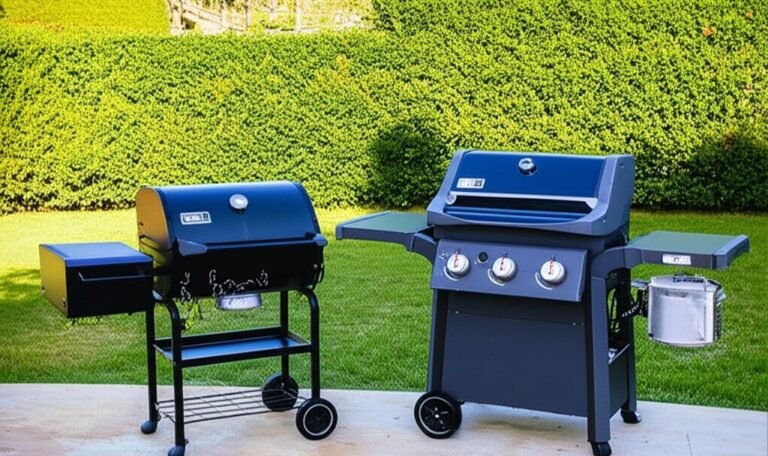










Six Tips to Keep Your Barbecue Grill Looking Like New
The film clinging to your grates is residue from past meals: carbonized marinade sugars, polymerized fats from meat, and open-flame ash. It is not a badge of honor or a seasoning layer: that buildup adds bitter flavor to fresh food, fuels flare-ups, and can harbor bacteria, so a clean grill matters for taste, safety, and equipment life. Grates touch your food directly, and the routine is simpler than it looks once you learn the order of operations.
Tip 1: Assemble the Right Tools First
Preparation wins here. Buy a quality grill brush: wire bristles clean fast but can shed into food, so inspect yours before every use or choose a bristle-free coiled-steel design. Then keep these nearby:
- A long-handled scraper for thick, flat carbon deposits
- Heavy-duty rubber or nitrile gloves and a bucket
- Degreasing dish soap, distilled white vinegar, baking soda
- Microfiber cloths and a non-abrasive scour pad
- A barbecue degreaser or oven cleaner, only for extreme cases
Tip 2: Burn-Off and Scrape After Every Cook
The routine always starts with heat, and this one habit outperforms any deep clean. Set the grill to its highest setting, close the lid, and run it for 15 to 20 minutes until fresh residue incinerates into dry white or gray ash, which makes scraping dramatically easier. Then shut off the gas or extinguish the charcoal and, while the grates are still very hot, scrape along the bars with firm pressure. Repeat after every cook and deep cleans stay rare.
Tip 3: Submerge the Grates in Hot Soapy Water
For a deep clean, remove the grates once they are cool enough to handle. Submerge them in a sink, bucket, or heavy-duty trash bag filled with the hottest water you can handle plus a generous pour of degreasing dish soap. Soak at least 30 minutes, or several hours to overnight for neglected grates, so the polymerized grease the burn-off missed softens and dissolves. Scrub with a stiff non-abrasive brush, rinse away every trace of soap so it cannot flavor your next steak, and dry immediately, because cast iron especially will flash-rust if it sits damp.
Tip 4: Fight Rust and Grime with Vinegar and Baking Soda
For a detergent-free approach, place cool grates in a large heavy-duty trash bag and pour in a two to one mix of distilled white vinegar and water, using enough liquid to coat every bar. Close the bag and leave it to rest for several hours, ideally overnight, while the acetic acid breaks down grease and rust. Open it, sprinkle baking soda generously over the wet grates, and the acid-alkali reaction fizzes into a gentle abrasive foam. Close the bag for another 20 to 30 minutes, scrub, rinse thoroughly, and dry completely.
Tip 5: Reach for Oven Cleaner Only in Extreme Cases
When carbon has fused to grates over years of neglect, a commercial oven cleaner or barbecue degreaser is the last resort. Work outdoors with ventilation, away from children and pets, wearing gloves and eye protection, with the grates laid on newspaper. Spray evenly, follow the product instructions, and bag the coated grates for 30 minutes to several hours. Open the bag away from your face, then rinse with a hose obsessively and wash with soap, because leftover caustic residue is hazardous if ingested. Skip this route on porcelain-coated grates unless the label allows it, since harsh chemicals etch the coating. Health Canada’s rules for using household chemicals safely apply directly to degreasers like these.
Tip 6: Clean the Cook Box, Then Season Before Reassembly
While the grates soak, do not neglect the interior. Heat tents, also called flavorizer bars, catch drippings, vaporize them into flavor, and shield the burner tubes; they get just as filthy, so remove and scrape them or soak them in hot soapy water. Inspect the gas ports along the burner tubes, because clogs cause uneven heating and weak yellow flames; clear them with a paperclip, never anything that can break off inside. Scrape flaking carbon from the lid and basin so it cannot land on your food, then vacuum loose debris out with a wet/dry shop vacuum. Finish with the grease tray and catch pan, where rendered fat becomes a fire hazard: scrape out hardened grease, wash the tray in hot soapy water, replace disposable pans, and scrub reusable ones clean.
With everything dry, reassemble the tray, burners, and tents, then season the clean grates: wipe a barely-there sheen of high-smoke-point oil (canola, grapeseed, or vegetable), pat off excess, and heat the closed grill on medium-high for 15 to 20 minutes until smoking stops. That polymerizes the oil into a hard, non-stick finish.
Deep-Clean Methods Compared
| Method | Best for | Dwell time | Watch out for |
|---|---|---|---|
| High-heat burn-off and scrape | Every cook, light residue | 15 to 20 minutes heating | Very hot grates; work along the bars |
| Hot soapy soak | Routine deep cleans | 30 minutes to overnight | Rinse all soap; dry fast to prevent rust |
| Vinegar soak plus baking soda | Surface rust, natural cleaning | Hours plus 20 to 30 minutes fizzing | The bag must be heavy-duty and sealed |
| Oven cleaner or BBQ degreaser | Years of fused carbon | 30 minutes to several hours bagged | Gloves, eye protection, outdoor air; skip on porcelain coating |
Scrape after every cook and you stretch the distance between full resets; deep clean at the start and end of grilling season and the equipment lasts for years. The same logic applies indoors, since food-contact surfaces deserve real cleaning, a point the CDC makes in its food safety basics. When your grill, or the kitchen beneath it, needs a professional reset, Toronto Shine Cleaning brings that care to GTA homes: a deep cleaning handles the big job, regular visits keep kitchens maintained, and the pricing page shows plans for every area we serve. Call (647) 424-0355 to book.
Barbecue Cleaning FAQ
How often should I deep clean my grill? Scrape and burn-off after every cook; deep clean the grates, burners, cook box, and grease system at the start and end of grilling season, or monthly in heavy use. Flaking carbon, pooled grease, or uneven yellow flames mean you are overdue.
Are wire grill brushes safe to use? They work, but bristles can detach and land in food. Inspect the brush before each use, replace it at the first sign of shedding, or switch to a bristle-free design, and scrape with the bars, not across them.
Why do I have to oil the grates after cleaning them? Seasoning bonds polymerized oil to the metal, creating a non-stick surface and blocking rust, which matters most on cast iron. A barely-there sheen of canola, grapeseed, or vegetable oil, heated on medium-high until smoking stops, does the job.
Can I use oven cleaner on porcelain-coated grates? Only if the label says it is safe for porcelain coating. Otherwise the alkaline chemicals etch and dull the coating. Stick to the vinegar and baking soda method or a degreaser labeled for coated grates.