









Keep Your Wood Items Shining: 4 Best Tips
Wood furniture, floors, and decor add warmth to a Toronto home, but wood is a living material: it is porous, it breathes, and it reacts to humidity, heat, and sunlight. The finish, whether paint, oil, wax, varnish, lacquer, or polyurethane, acts as the real shield against damage, so care routines should match the finish. Follow these four tips and your wood pieces will keep their glow for decades. When life gets busy, a professional maid service can dust and polish wood surfaces on a schedule that suits your home.
Tip 1: Dust Often and With the Right Fabric
Dust looks harmless, but it is abrasive: left to build up, it causes microscopic scratches that dull a finish over time and wear it away. Dust wooden furniture once or twice a week, more often in busy or dusty homes, and always wipe along the grain so particles lift out of the texture instead of getting pushed deeper.
- Use a soft, lint-free cloth such as microfiber or a well-washed cotton T-shirt
- Choose real ostrich feather dusters for carved or delicate pieces, since they trap dust instead of scattering it
- Reach crevices with a soft-bristled brush such as a clean paintbrush
- Avoid silicone dusting sprays, which leave a greasy coating that pulls in more dust
Tip 2: Clean Grime Gently, Never Soak the Wood
Fingerprints, sticky stains, and everyday grime need more than dusting, but water is wood’s weak spot. For sealed finishes such as varnish, polyurethane, or lacquer, wring a cloth out until nearly dry, wipe the surface, and dry immediately with a clean cloth; never let water sit on wood, since it can seep into imperfect finishes and cause swelling, white spots, or discoloration. Add a tiny amount of mild dish soap to the water for stubborn grime, and always test any product, even plain water, on a hidden spot first. Oiled and waxed finishes are more vulnerable to moisture, so use a dry cloth or a cleaner made for those finishes. Blot spills the moment they happen, working from the outside in, because wiping spreads liquid deeper into the grain.
Tip 3: Protect Wood From Sun, Heat, and Humidity Swings
Environmental damage is slower than spills but just as real. Prolonged sunlight fades color and dries wood out until it cracks or warps, so keep valuable pieces out of direct sun, use UV-blocking blinds or film, and rotate furniture so light exposure stays even. Humidity matters even more: wood absorbs and releases moisture, so aim for a stable indoor range of 40-60 percent. When the air is too dry, joints loosen, floorboards gap, and surfaces crack; when it is too damp, drawers stick, veneer bubbles, and mold can take hold.
| Threat | What it does | Simple fix |
|---|---|---|
| Direct sunlight | Fades color, dries the wood, causes cracking | UV-blocking curtains or window film; rotate pieces seasonally |
| Low humidity in winter | Shrinks wood, loosens joints, opens cracks | Run a humidifier and track moisture with a hygrometer |
| High humidity | Swelling, sticking drawers, lifted veneer, mold risk | Use a dehumidifier and improve ventilation |
| Heat vents and radiators | Localized drying, warping, and finish damage | Keep furniture several feet away from heat sources |
Coasters, placemats, trivets under hot dishes, and felt pads under lamps and vases prevent most water rings and scratches, and lifting furniture instead of dragging it protects both the piece and your floor.
Tip 4: Feed the Finish: Polish, Oil, or Wax
Deeper treatments restore shine and add protection, but only the right product for the finish. Hard, sealed surfaces such as polyurethane or varnish need little more than a quality furniture polish used sparingly a few times a year; skip heavy silicone or wax polishes, which build up into a dull, hard-to-remove film, and always spray or apply polish to the cloth, never directly on the wood. Oiled pieces want re-oiling every six to twelve months with tung oil or boiled linseed oil, applied thinly and wiped down so excess never turns sticky; note that linseed-soaked rags can ignite, so dispose of them safely. Waxed finishes benefit from an annual coat of paste wax, allowed to haze and then buffed vigorously to a hard shine. Whatever the finish, start from a completely clean, dry surface.
Caring for Floors, Cutting Boards, and Special Pieces
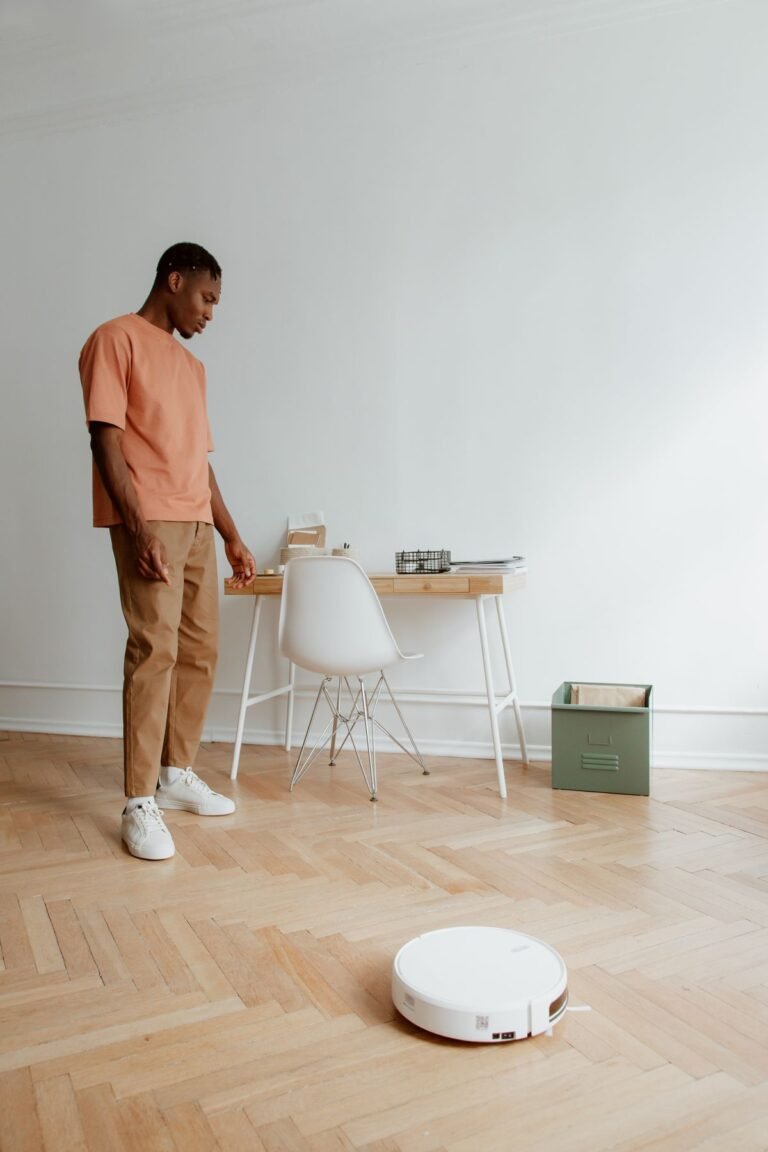
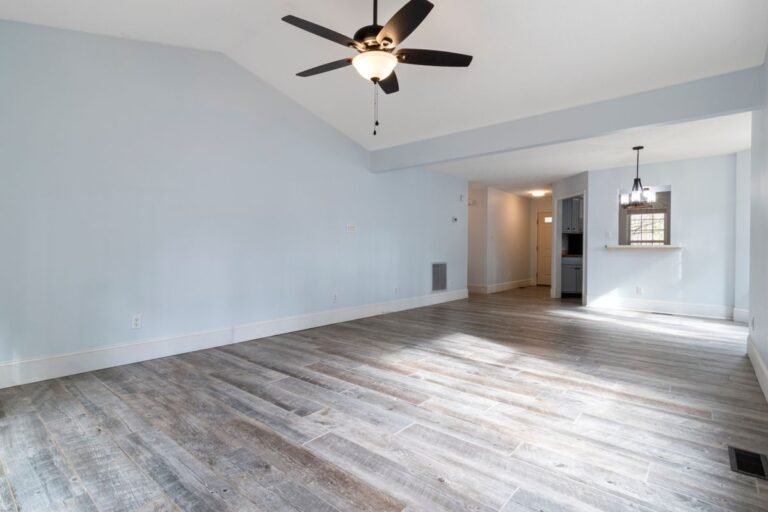
Hardwood floors take the most abuse in a home. Vacuum or sweep regularly with a soft brush, then clean with a damp microfiber mop and a pH-neutral hardwood cleaner; skip steam mops and oil-based soaps, which force moisture into the wood or leave residue. Wood cutting boards need hand washing in hot, soapy water after every use, thorough drying, and periodic treatment with food-grade mineral oil to keep them from cracking and to seal pores against bacteria. Antiques and carved decor deserve gentle dusting and a spot away from heat and sun. For anything stubborn, test a small hidden area first, and remember that harsh chemicals such as ammonia, bleach, and scouring powders strip finishes. Health Canada’s household chemical safety tips are a useful reminder to read labels before using strong products, and its guide to using household products safely covers cleaning and care items.
Frequently Asked Questions
How do I remove white water rings from wood? Light rings sometimes lift when you press a dry cloth over the mark with a warm iron for a few seconds, or with a brief application of non-gel toothpaste or mayonnaise wiped off and polished; test any method in a hidden spot, since these tricks can alter the finish.
Can I use vinegar to clean wood furniture? Avoid it on most finishes: vinegar is acidic and can dull varnish and polyurethane over time; a barely damp cloth or a cleaner matched to your finish is safer.
Should I oil wood furniture even if it looks fine? Only oiled finishes need re-oiling, roughly every six to twelve months or when the surface looks dry; sealed finishes need polish, not oil, which would sit on top and attract dust.
How do I hide light scratches on wood? Rub the scratch with the meat of a walnut or pecan so the natural oils fill and darken it, or use a matching touch-up marker or repair wax stick, testing in an inconspicuous area first.
Consistent, gentle care keeps wood items glowing for generations. If your home needs a full refresh that respects delicate surfaces, Toronto Shine Cleaning is bonded and insured, and our deep cleaning service treats furniture and floors with the right products for each finish. Call (647) 424-0355 or check our pricing page to get started.