Mental Health

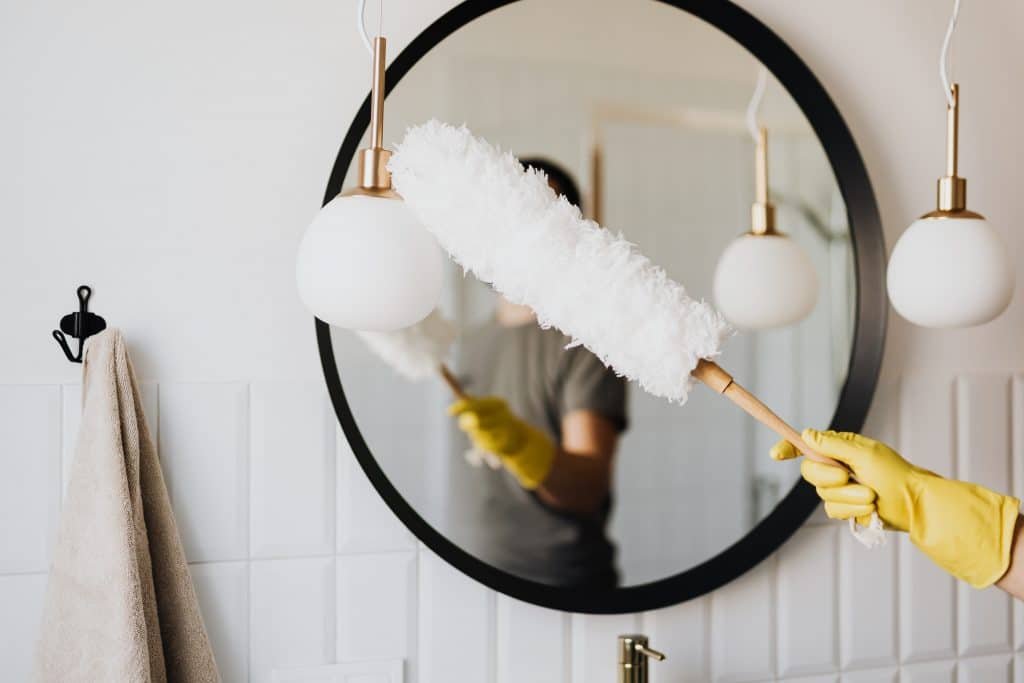
Cleaner dusting mirror

Dust And Your Health: Why Dusting is a Good Idea

What Is Household Dust, and Why Does It Matter? Dust looks harmless on a coffee table, but it is actually a mix of dead skin cells, strands of hair, pet dander, pollen, and microscopic fibers from clothing, carpets, and household items. Tiny dust mites feed on this material and thrive in warm, humid places like beds, upholstered furniture, and carpets. It is not the mites themselves but their droppings and body fragments that act as powerful allergens for many people. Asthma Canada notes that Canadians spend about 90 percent of their time indoors, and the U.S. EPA reports that indoor air can be more polluted than outdoor air even in large cities. The EPA’s guide to indoor air quality explains why controlling dust is one of the simplest ways to improve the air you breathe. Allergies and Asthma: How Dust Affects Breathing For people with allergies or asthma, inhaling dust can trigger sneezing, a runny or stuffy nose, red or itchy eyes, and in more severe cases, wheezing, chest tightness, or full asthma attacks. Dust mite allergens are among the most common indoor triggers. Asthma Canada’s indoor triggers guide explains that dust mites live in carpet fibres, plush furniture, curtains, mattresses, pillows, and bedding, and their excretions and body parts can powerfully trigger asthma symptoms. Skin Irritation and Long-Term Concerns Dust does not only affect the lungs. For people with sensitive skin or eczema, dust particles can stick to the skin and cause rashes, itching, or flare-ups. Researchers are also studying the long-term effects of chronic dust exposure, including possible links to respiratory conditions and other lung issues, and the National Institute of Environmental Health Sciences lists house-dust mites among the most common allergens. Keeping dust under control is a low-effort way to protect everyone in the household, especially children, seniors, and people with respiratory conditions. Why Regular Dusting Helps Your Home and Your Health Dusting is much more than a chore for appearances. Regular dusting delivers real benefits: Reduces allergens and irritants in the air you breathe Improves indoor air quality, especially during allergy season Protects electronics, furniture, and fabrics from dust buildup Reduces the need for harsh chemical cleaners Creates a calmer, more inviting living space There is a psychological side too. A clean, dust-free room feels calmer and more peaceful, and a tidy space is easier to relax in after a long day. Even the act of dusting can be therapeutic: a simple, repetitive task that lets your mind settle while you work. Dust also damages belongings over time. It settles into electronics, scratches fine surfaces, and dulls fabrics and finishes, so regular dusting protects your furniture and appliances as much as your lungs. Dusting Tips That Actually Work Dust from the top down, using a damp microfiber cloth so particles stick to the cloth instead of floating into the air. Vacuum regularly with a HEPA-filter vacuum, and do not forget under furniture and along baseboards. In the bedroom, wash bedding in hot water and consider allergen-proof encasings for the mattress and pillows. Keep indoor humidity below 50 percent, since dust mites cannot survive in dry environments. Dust Source Where It Hides How to Control It Dust mites Mattresses, pillows, bedding, carpets, upholstered furniture Wash bedding in hot water, use allergen-proof encasings, keep humidity below 50 percent Pet dander Carpets, furniture, fabrics Vacuum with a HEPA filter, dust with damp cloths Pollen and outdoor particles Window sills, entryways, shelves Wipe surfaces weekly, remove shoes at the door When Professional Cleaning Makes a Difference If allergies are flaring up or dust has built up in hard-to-reach places, a professional clean can reset your home. Toronto Shine Cleaning’s regular cleaning service keeps dust under control on a schedule, and our deep cleaning service reaches the spots that are easy to miss, like vents, baseboards, and behind furniture. Every cleaner is background-checked and insured, and we can use eco-friendly products on request. Call us at (647) 424-0355, read our customer reviews, or see the areas we serve to get started. Dust and Health FAQ Is household dust bad for your health? For most people dust is a nuisance, but for those with allergies, asthma, or sensitive skin it can trigger sneezing, itchy eyes, wheezing, rashes, and flare-ups. Reducing dust through regular cleaning lowers exposure for everyone. How often should I dust my home? Dust high-traffic surfaces weekly and do a deeper dusting of shelves, baseboards, and vents once a month. Homes with pets or allergy sufferers benefit from more frequent dusting. Does dusting make allergies worse? Dusting with a dry cloth can stir particles into the air. Use a damp microfiber cloth and vacuum with a HEPA filter to trap dust instead of spreading it. Can dust mites be eliminated completely? No, but you can control them: wash bedding in hot water weekly, use allergen-proof encasings, remove carpet where possible, and keep humidity below 50 percent.

Dust And Your Health: Why Dusting is a Good Idea Read More »

yellow sponges

The Ultimate Spring Cleaning Guide 101

Why Spring Cleaning Matters for Your Toronto Home Spring is the season of renewal, and after a long winter of closed windows and indoor heating, your home needs a refresh. Spring cleaning is more than a tradition: it is a chance to remove the dust, allergens, and clutter that settled in over the colder months before allergy season arrives. A clean home reduces common triggers like dust and mold, which is especially helpful as the weather warms up. The U.S. EPA notes that indoor air can be more polluted than outdoor air even in large cities, and most people spend about 90 percent of their time indoors, so the air in your home deserves attention. Learn more about indoor air quality from the EPA before you start. Think of spring cleaning as clearing your space and your mind at the same time. Sorting through stacks of magazines, reorganizing closets, and scrubbing the kitchen are physical activities that also make room for new experiences. Approach the project room by room, and you will see real progress with every finished space instead of feeling overwhelmed. Where to Start: Declutter Before You Deep Clean Decluttering is the opening act of any good spring clean. Work through the home one room at a time and sort items into keep, donate, recycle, and toss piles. That sweater you have not worn in a year? Let it find a new home. Those old magazines gathering dust? Recycle them. Clearing the stage first makes every later step faster and gives you an immediate sense of accomplishment. Gather the Right Cleaning Tools Before you start, assemble everything you need so you are not hunting for supplies mid-task. Here is the starter kit: An all-purpose cleaner for most surfaces Microfiber cloths that trap dust instead of pushing it around A duster with an extension handle for high shelves and corners A vacuum with attachments for edges, upholstery, and under furniture A mop and bucket for hard floors Rubber gloves and a scrub brush for stubborn spots When using any cleaning product, read the label, never mix products, and keep children and pets away from the work area. The National Capital Poison Center publishes safe spring cleaning tips that are worth a quick read before you begin. Room-by-Room Spring Cleaning Checklist Working room by room keeps the project manageable and gives you a visible win with each finished space. Start wherever you feel most motivated, then move through the rest of the home. Kitchen: empty the fridge shelf by shelf, wipe every surface, and tackle the oven and stovetop. Bathroom: disinfect the toilet, scrub away soap scum in the tub and shower, and polish the mirrors for a streak-free shine. Living room: dust bookshelves and coffee tables, then vacuum the floors, including under furniture. Bedroom: strip the bed, wash the linens, and flip or rotate the mattress to extend its life and help you sleep better. Room Priority Tasks Tools to Have Ready Kitchen Empty and wipe the fridge, clean the oven, degrease the stovetop All-purpose cleaner, microfiber cloths, sponge Bathroom Disinfect the toilet, scrub tub and shower, polish mirrors Disinfectant, scrub brush, glass cleaner Living room Dust surfaces, vacuum floors and under furniture, rearrange if needed Duster, vacuum, microfiber cloths Bedroom Wash linens, flip or rotate the mattress, tidy closets Fresh bedding, vacuum, storage bins Don’t Forget the Small Stuff Light switches, door handles, window sills, baseboards, and vents are touched or ignored daily and collect surprising amounts of grime. Wipe them down during your spring clean, and you will notice how much fresher each room feels. For high-touch surfaces like handles and switches, the CDC recommends cleaning first, then sanitizing or disinfecting when someone is sick or at higher risk of illness. See the CDC guidance on cleaning and disinfecting your home. Outdoor Spaces and Maintaining the Clean If you have a balcony, patio, or entryway, sweep away the leaves and debris that gathered over the fall and winter, and declutter anything that does not belong there. To make the results last, build small habits: a few minutes of daily tidying, a weekly schedule that assigns one task per day, and cleaning supplies stored where you actually use them. When to Call in Professional Cleaners Sometimes the job is bigger than your weekend allows. Toronto Shine Cleaning offers a regular cleaning service to maintain your home and a deep cleaning service for the top-to-bottom reset your home needs once a season. Our insured, background-checked team follows a detailed checklist and can use eco-friendly products on request. Call us at (647) 424-0355, check our house cleaning prices, or see the areas we serve to get started. Spring Cleaning FAQ How long does a full spring cleaning take? A thorough spring clean of a typical Toronto apartment usually takes a full day when done alone, and longer for larger homes. Splitting the work across rooms and weekends makes it easier to finish without burnout. What should I clean first during spring cleaning? Start with decluttering, then clean from the top down: dust high shelves and ceiling corners before vacuuming and mopping floors, so loosened dust does not land on finished surfaces. How often should I do a deep spring cleaning? Once a year is the traditional pace, but homes with pets, allergies, or young children benefit from a deep clean every season or every few months. Is spring cleaning worth hiring professionals for? If your schedule is tight or the home needs a full reset, professional cleaners save hours and reach the spots that are easy to miss. Many families book a deep cleaning once a year and keep up with regular cleanings in between.

The Ultimate Spring Cleaning Guide 101 Read More »