The Ultimate Spring Cleaning Guide
On this page
Behind closed windows all winter, a home quietly collects dust, dander, and clutter that nobody notices until the light changes. Spring is the moment to open the place up and clear it out, ideally before allergy season settles in. That timing matters more than it sounds. The United States Environmental Protection Agency has reported that air indoors can carry more pollution than air outdoors even in large cities, and that people spend somewhere near nine hours in ten inside, which makes the air in your own rooms worth attention. There is a mental payoff too: sorting closets and scrubbing the kitchen keeps you moving and makes space for something new. Take the work one room at a time and each finished space reads as progress rather than an endless list.
Step One: Clear the Clutter First
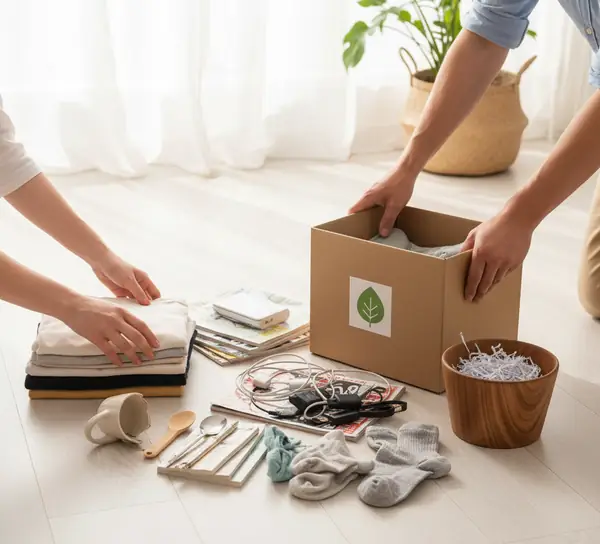
Sorting comes before scrubbing. Move from room to room and build four piles: keep, donate, recycle, discard. A coat that has hung unworn for a year can go to somebody who needs it, and magazines that gathered dust can head to the blue box. Anything you cannot decide on goes into a maybe box, and if it is still sitting there untouched a month from now, it can leave the house too. Bare surfaces clean faster, and clearing them first gives you something to show for the effort right away.
Step Two: Assemble Your Supplies
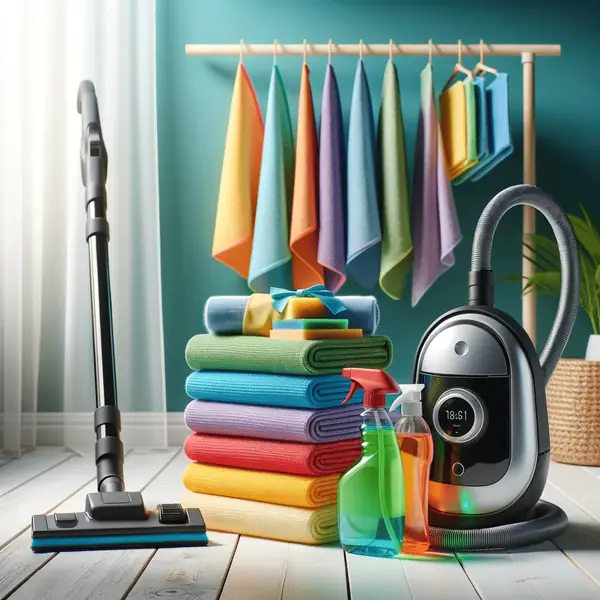
Collect everything up front so the job is never interrupted by a missing bottle. A starter kit covers most homes:
- All-purpose spray for general surfaces
- Microfiber cloths, which hold dust rather than moving it around
- An extending duster for high shelving and corners
- A vacuum with tools for edges, upholstery, and under furniture
- Mop and bucket for hard floors
- Gloves plus a stiff brush for stubborn marks
Safety guidance from poison control centres is worth a minute of your time: read every label, never combine products, and keep children and pets clear of the area you are working in.
Step Three: Move Through the Rooms
Start wherever motivation strikes; the order matters less than finishing one space completely before moving on. In the kitchen, empty the fridge a shelf at a time, wipe it down, then deal with the oven and the stovetop. In the bathroom, disinfect the toilet, lift soap scum out of the tub and shower, and polish the glass until it is streak-free. In the living room, dust the shelves and tables, then vacuum, including beneath the furniture. In the bedroom, strip the bed, wash the linens, and turn or rotate the mattress, which lengthens its life and helps you sleep better.
| Room | What needs doing | Keep handy |
|---|---|---|
| Kitchen | Fridge emptied shelf by shelf, oven cleaned, stovetop degreased | All-purpose spray, cloths, sponge |
| Bathroom | Toilet disinfected, tub and shower scrubbed, mirrors polished | Disinfectant, brush, glass cleaner |
| Living room | Surfaces dusted, floors vacuumed underneath furniture, layout refreshed | Duster, vacuum, cloths |
| Bedroom | Linens washed, mattress turned, closets tidied | Fresh bedding, vacuum, storage bins |
Step Four: Do Not Overlook the Small Surfaces
Switches, handles, sills, baseboards, and vents pick up grime steadily even though nobody looks at them. Wiping them as you pass leaves each room feeling noticeably cleaner. If allergies are an issue in the household, wear a mask while you dust and let fresh air through the room, since a clean home cuts down on the triggers that make spring uncomfortable, including dust and mold. When somebody in the household is unwell or at higher risk, the CDC suggests cleaning a surface and then disinfecting it, which is spelled out in the CDC advice on cleaning and disinfecting a home.
Step Five: Balconies, Entryways, and Keeping It Done
Sweep the balcony, patio, or entry clear of the leaves and grit winter left behind, and carry out anything that does not belong there. Staying ahead afterwards is a matter of small routines: a few minutes of tidying each day, one assigned task per week, and supplies kept where you use them. That activity counts as movement as well, which is worth something beyond a tidy house, since staying active supports mood, sleep, and general health according to the CDC on the benefits of physical activity.
Bringing In Professional Cleaners
When the list outgrows the weekend, help is the practical answer. Toronto Shine Cleaning provides a regular cleaning service that keeps a home steady week to week, and a deep cleaning service for the once-a-season reset. The team is insured and background-checked, and works from a detailed checklist. A first visit also leaves you with a clear picture of what needs attention most often, which makes the next season far quicker to handle. Call (647) 424-0355, check the figures on our house cleaning prices page, or look at the areas we serve.
Spring Cleaning FAQ
How long should a spring clean take?
A typical Toronto apartment takes most of a day if one person handles everything, and longer in a bigger home. Splitting the work across rooms and weekends keeps it realistic.
What comes first?
Declutter, then work from the top down, dusting high shelving and ceiling corners before vacuuming and mopping, so anything you knock loose does not land on a surface you already finished.
How often is it needed?
Once a year suits most households, while pets, allergies, or young children make a deep pass every few months the better choice.
Is it worth hiring cleaners?
It can be. A professional visit covers the whole home far faster than most people manage alone, and a regular schedule keeps the work from piling up again. Many families book one deep clean a year and keep up with routine visits in between.