Carpet and Rug Cleaning

4 Easy Home Deep Cleaning Tips You Need to Try

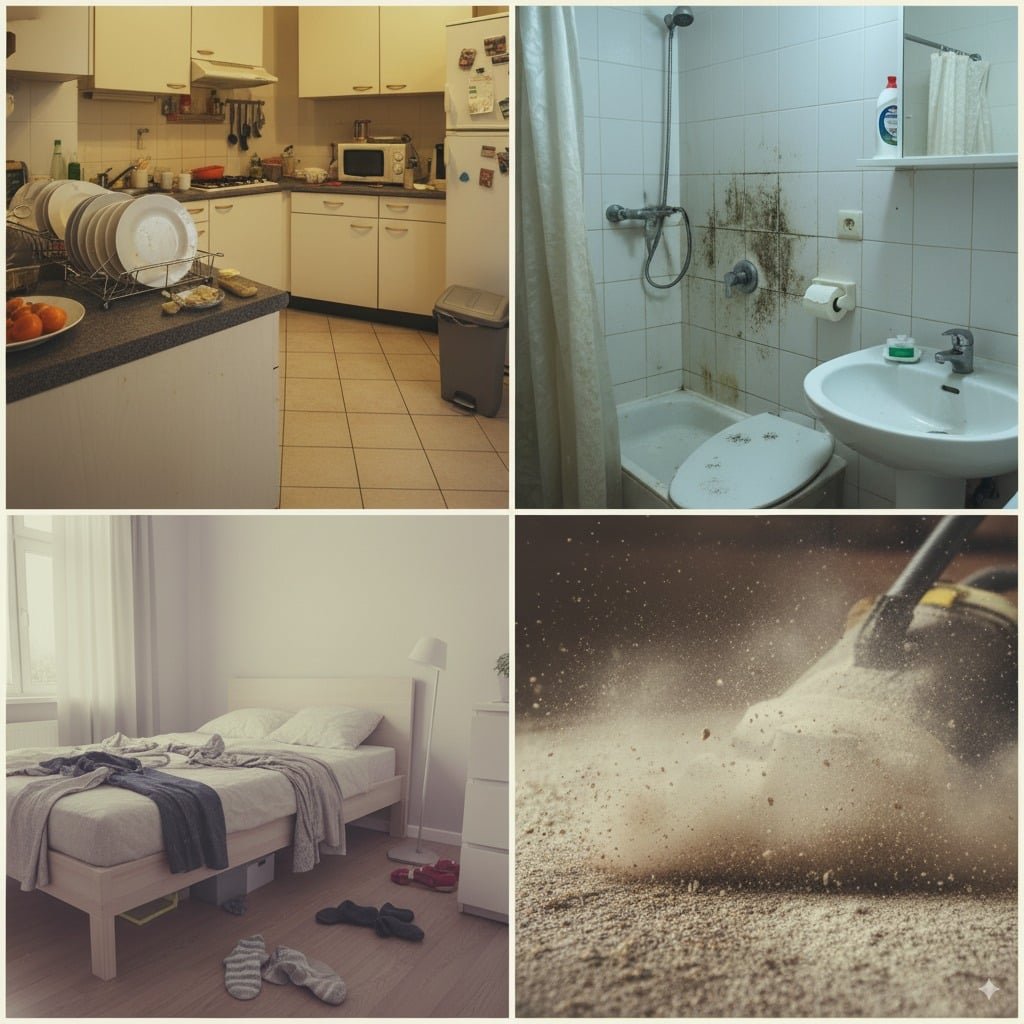
Home deep cleaning represents a far more comprehensive and intensive approach to household cleanliness than routine or daily tidying. While regular cleaning maintains a surface level of order, deep cleaning delves into the accumulated dirt, stubborn grime, pervasive bacteria, and hidden allergens that build up over time in every part of a home. It is a methodical process designed to sanitize and refresh spaces from top to bottom, reaching beyond the immediately visible to address areas often overlooked. This type of cleaning aims not just for visual appeal but to restore a home to its optimal hygienic condition. It involves meticulous attention to detail, often requiring significantly more time, focused effort, and the use of specialized cleaning agents and equipment compared to standard upkeep. The goal is to systematically eliminate layers of dust, grease, soap scum, limescale, and other residues that can compromise both the appearance and the healthfulness of a living environment. 1.Home Deep Cleaning – Kitchen   A home environment stands to gain substantially from periodic, thorough home deep cleaning. Over months and seasons, dust particles, pet dander, pollen, mold spores, and various pathogens can settle and multiply in hard-to-reach places like behind furniture, within carpet fibers, on high ledges, and in air vents. These hidden accumulations can degrade indoor air quality, potentially triggering or exacerbating allergies, asthma, and other respiratory conditions. Home deep cleaning directly targets and removes these reservoirs of contaminants, contributing to a healthier atmosphere for all occupants. Beyond health implications, this intensive cleaning also plays a crucial role in home maintenance. By removing corrosive substances like grease build-up in kitchens or hard water stains in bathrooms, home deep cleaning helps preserve the integrity and extend the lifespan of fixtures, surfaces, and appliances. A deeply cleaned home offers an enhanced sense of comfort and well-being, transforming the living space into a more pleasant, sanitary, and genuinely revitalized sanctuary. This can also be a factor in preventing pest infestations by removing food sources and disturbing potential hiding spots.   Numerous situations and life events make a professional home deep cleaning service particularly beneficial. Seasonal transitions, notably spring and autumn, are common triggers as individuals look to refresh their homes after a long winter or prepare for increased indoor living as temperatures drop. Before hosting significant events, such as holiday gatherings, family celebrations, or important social functions, a deep clean ensures the home is impeccably presentable and welcoming. Conversely, after such events, a deep clean helps restore order and cleanliness. Moving is another prime occasion; cleaning an old residence thoroughly before vacating or ensuring a new home is sanitized and fresh before moving in is standard practice. Properties being prepared for sale or rental greatly benefit from home deep cleaning to enhance their appeal to potential buyers or tenants. Post-renovation or construction work, a specialized deep clean is essential to remove fine dust, debris, and construction residues that settle everywhere. Furthermore, many homeowners integrate home deep cleaning into their annual or semi-annual maintenance schedule as a proactive measure to maintain a consistently high standard of cleanliness and hygiene, even without a specific event prompting it. Observable signs like persistent musty odors, visible dust build-up in corners or on less-disturbed surfaces, or a general feeling that the home isn’t truly clean despite regular efforts also indicate it’s time for a deep clean. Home deep cleaning services are characterized by their meticulousness and comprehensive scope, designed to address areas that routine cleaning simply cannot cover effectively. While the exact checklist can vary between providers and can often be customized, a typical comprehensive service will dedicate focused attention to all rooms. In the kitchen, deep cleaning is particularly intensive due to grease, food particles, and potential bacteria. This usually involves cleaning the interior and exterior of major appliances. Ovens are degreased inside and out, including racks and doors. Microwaves are cleaned internally and externally. Refrigerators are cleaned on the outside, and often the inside if requested and emptied, including shelves and drawers. Dishwasher exteriors are wiped, and sometimes an internal cleaning cycle is run. Range hoods and their filters are thoroughly degreased. Cabinet exteriors are wiped down to remove fingerprints, food splatters, and grease accumulation; interior cabinet cleaning may also be included if they are empty. Sinks, faucets, and fixtures are descaled, cleaned, and polished to remove water spots and build-up. Countertops and backsplashes are cleaned and sanitized, with specific attention paid to grout lines to remove discoloration and grime. Floors, including edges, corners, and under movable appliances, are scrubbed or mopped meticulously. Even small appliances’ exteriors and accessible areas around them receive attention. 2. Mold, Hard Water And Dust? No! Bathrooms, being high-moisture areas prone to mold, mildew, and soap scum, undergo rigorous sanitization. Showers and bathtubs, including walls, doors, and tracks, are scrubbed intensively to eliminate soap scum, hard water deposits, and any signs of mildew. Toilets are disinfected thoroughly, both inside the bowl and all exterior surfaces, including the base and the floor area surrounding it. Sinks, vanities, and countertops are cleaned, sanitized, and polished. Mirrors are cleaned to achieve a streak-free finish. Tiles and grout on both floors and walls are scrubbed to remove build-up and restore brightness. Light fixtures, exhaust fans, and vents are dusted or wiped down to remove accumulated dust and improve air circulation. Faucets, showerheads, and other chrome fixtures are often descaled and polished. Living areas, dining rooms, and bedrooms are also given detailed treatment. All surfaces are thoroughly dusted, encompassing high areas such as ceiling fans (blades and fixtures), light fixtures, picture rails, and curtain rods, as well as often-neglected low areas like baseboards, skirting boards, and electrical outlet covers. Furniture is typically vacuumed, including under cushions, and if feasible, moved to allow cleaning underneath and behind. Upholstery may receive more detailed vacuuming, targeting crevices. Window sills, ledges, tracks, and frames are wiped clean of dust and grime. Cobwebs are carefully removed from ceilings, corners, and light fixtures. Interior windows (glass and frames) and mirrors throughout these rooms are cleaned.

4 Easy Home Deep Cleaning Tips You Need to Try Read More »

dry leather

5 Tips for Caring for Dry Leather That You Need to Know to Make It Last Longer

Dry Leather requires specific care to maintain its appearance and longevity. As a natural material derived from animal hides, its unique structure is sensitive to conventional cleaning methods. Different types of leather, such as full-grain, top-grain, suede, or nubuck, possess distinct characteristics that influence how they react to cleaning agents and processes. The porous nature of leather means it can readily absorb liquids, oils, and dirt, which can become embedded within its fibers. If not cleaned correctly, leather can suffer irreversible damage, becoming dry leather that is prone to cracking, discoloration, stiffness, or loss of its natural texture. Understanding these inherent properties is fundamental to appreciating why specialized cleaning approaches are necessary for its upkeep and to avoid the problems associated with dry leather. 1.Why does dry leather require care? The primary reason leather often necessitates dry cleaning is its adverse reaction to water and common detergents. Water can strip leather of its essential natural oils. These oils are crucial for keeping the material supple, flexible, and resilient. When these oils are depleted, the material becomes dry leather, brittle, and prone to cracking. Furthermore, water can cause unsightly stains, spotting, and even color bleeding, particularly on leathers that are unfinished or have minimal protective coatings, often leading to a dry leather appearance. Many detergents used in standard laundry practices are too alkaline or contain harsh chemicals that can damage the leather’s finish, strip its dyes, and further deplete its natural emollients, accelerating the transformation into dry leather. The physical agitation from a washing machine can also be detrimental, potentially distorting the shape of leather garments, causing stretching, or damaging seams and structural components. Dry cleaning, in contrast, utilizes solvents that clean effectively without the damaging effects of excessive moisture, offering a gentler yet thorough cleaning solution tailored to leather’s sensitivities and preventing the onset of dry leather. The professional leather dry cleaning process is a multi-stage operation that requires expertise and specialized equipment. It begins with a thorough inspection. A trained cleaner examines the leather item meticulously, identifying the type of leather, its construction, any pre-existing damage including signs of dry leather, the nature of visible stains, and the presence of any embellishments like buttons, zippers, or decorative elements that might require special attention or removal. A crucial part of this initial assessment is a colorfastness test, typically performed on an inconspicuous area of the item to ensure the cleaning process will not cause adverse color changes. Specific stains, such as those from ink, oil, food, or beverages, are noted and may undergo pre-treatment. This involves the careful application of specialized spotting agents formulated for use on leather. The choice of agent and application technique is critical to lift the stain without harming the leather’s surface or color, or worsening any existing conditions like dry leather. 2.Hydrocarbon solvents Following inspection and any necessary pre-spotting, the item moves to the cleaning phase. Leather dry cleaning utilizes specific solvents designed to dissolve and remove grease, oils, and general soiling. While traditional dry cleaning solvents like perchloroethylene (perc) have been used, the industry is increasingly shifting towards newer, more leather-friendly alternatives. Hydrocarbon solvents, for example, are generally considered gentler and pose less risk of causing color loss, shrinkage, or damage to the leather’s delicate finish, which is especially important for items already showing signs of becoming dry leather. These solvents clean effectively without relying on water, thus bypassing the issues associated with aqueous cleaning methods. The actual cleaning takes place in specialized dry cleaning machines. These machines are distinct from domestic washing machines and are designed to handle delicate materials. The cleaning cycles are carefully controlled in terms of solvent temperature, mechanical action (tumbling), and duration. Settings are often optimized specifically for leather to minimize stress on the material. To prevent issues like dye transfer or abrasion from other garments, leather items are typically cleaned separately or with other similar leather pieces. The machine gently agitates the garments in the solvent, which lifts the dirt and oils. After the cleaning cycle, the solvent is drained, and the items go through an extraction phase to remove most of the residual solvent, followed by a carefully controlled drying process designed to avoid making the material dry leather. 3.Steam clean Post-cleaning care is perhaps the most critical stage in professional leather dry cleaning and significantly differentiates it from standard fabric dry cleaning. The cleaning process, even with gentle solvents, can remove some of the leather’s natural oils. To counteract this, and to prevent the material from becoming dry leather, a re-oiling or “fatliquoring” step is essential. Specialized oils, conditioners, and fatliquors are applied to the leather. These products penetrate the fibers, replenishing lost moisture and emollients, thereby restoring the leather’s suppleness, flexibility, and characteristic feel. Without this step, the material becomes dry leather, which is stiff and more susceptible to cracking over time. After re-oiling, further finishing processes may be undertaken. This can include measures to restore or even out color if any minor fading has occurred, though significant color restoration is a more specialized service. Protective finishes might be reapplied to enhance resistance to future soiling and moisture, further safeguarding against conditions that lead to dry leather. The item is then professionally pressed or steamed to restore its original shape, remove wrinkles, and improve its overall appearance. The techniques used for pressing leather are different from those for fabrics, often involving lower temperatures and specialized equipment to avoid damaging the surface, especially if it’s delicate or prone to becoming dry leather. For certain types of smooth leather, a glazing process might be employed to restore a high-gloss finish. The entire process ensures the leather is not only clean but also properly conditioned and finished to look its best and to prevent it from turning into dry leather. 4.Professional leather dry A wide variety of leather items are suitable for professional dry cleaning. Common examples include leather jackets, coats, and vests, which are frequently exposed to the elements and daily wear that can lead to dry leather if not maintained. Leather trousers, skirts, and dresses also benefit from this

5 Tips for Caring for Dry Leather That You Need to Know to Make It Last Longer Read More »

5 Best Tips To Keep Your Pet’s Area Clean And Odor-Free

Cleaning your pet’s area brings joy, companionship and a unique atmosphere to your life.. Of course, your pet also brings its own set of cleaning concerns—from loose fur and paw prints to the specific needs of their dining and bathroom areas. The goal isn’t just to deal with the mess, but to create a healthy, comfortable, and enjoyable environment for all family members, whether they have two or four legs. 1. Fundamental routines The foundation of a consistently clean, pet-friendly home lies in establishing clear routines and carefully designated zones for your pet’s main activities. Pets, like humans, often thrive on predictability, and a regular cleaning routine not only tackles messes as they occur, but also prevents them from escalating into larger, more daunting tasks. This routine naturally encompasses daily actions such as a quick sweep or vacuum of high-traffic pet areas, wiping down the perimeters of food bowls, and, for cat owners, the crucial daily cleaning of the litter box. In addition to these immediate daily needs, a weekly routine should include more thorough cleanings such as washing your pet’s bedding, vacuuming more deeply under furniture where hair tends to accumulate, and thoroughly cleaning food and water bowls. Periodically, perhaps monthly, even more intensive tasks such as deep cleaning carpets or washing pet toys should be incorporated. Concurrent with establishing these routines is the importance of thoughtfully designating specific areas within your home for your pet’s core activities. This means creating an intentional space for feeding, a comfortable and secure spot for sleeping, and a consistent location for elimination. For cats, this typically involves strategically placing their litter box in a quiet, accessible, yet somewhat private location. For dogs, especially puppies or those who use indoor potty pads, having a clearly defined potty spot is essential. The advantage of such designated zones is multifaceted. It helps to contain the inevitable messes associated with these activities – stray kibble, water splashes, litter scatter, or an occasional accident – to more manageable and predictable areas. This targeted approach makes cleaning more efficient and less overwhelming. Furthermore, the selection of materials within these zones can significantly impact ease of cleaning. Opting for pet bedding with removable, machine-washable covers, choosing food and water bowls made from non-porous, easily sanitized materials like stainless steel or ceramic, and selecting litter boxes that are simple to scrub and disinfect all contribute to a more hygienic environment with less intensive cleaning effort. This initial stage of thoughtful planning and routine-building lays a crucial foundation upon which all other cleaning efforts will more effectively rest.     2. Hair, Dandruff and Paw Marks One of the most ubiquitous challenges faced by pet owners is the relentless presence of pet hair and dander, along with the inevitable paw prints that chart their adventures through our homes. Effectively managing these elements is a continuous process, but with the right approach, it becomes a manageable part of maintaining a clean environment. Regular and thorough vacuuming stands as the primary defense. A vacuum cleaner with strong suction power, ideally one designed with pet owners in mind, can make a significant difference. Features such as effective beater brushes for carpets, specialized upholstery attachments, and a good quality filtration system, like a HEPA filter, can help capture not only visible hair but also finer dander particles that can contribute to allergies. Your vacuuming efforts should encompass all surfaces where hair accumulates – carpets and rugs will require slow, overlapping passes, while hard floors benefit from an attachment that prevents hair from scattering. Don’t overlook upholstery, as sofas and armchairs are often favorite lounging spots for pets. Beyond vacuuming, other methods can be employed to tackle pet hair on fabrics and surfaces. Simple tools like lint rollers are invaluable for quick touch-ups on clothing and furniture. A slightly dampened rubber glove, when wiped across upholstery, can create friction that miraculously gathers embedded fur into clumps for easy removal. For hard surfaces where dust and hair settle, microfiber cloths are excellent at trapping particles rather than just pushing them around. The battle against dander also extends to the air itself. Using an air purifier, particularly one equipped with a HEPA filter, in rooms where your pet spends a lot of time can help to significantly reduce airborne allergens and fine hairs, contributing to a fresher feeling home. And while our focus is on cleaning the environment, it’s worth acknowledging that regular grooming of your pet – consistent brushing to remove loose fur before it sheds onto your floors and furniture – is a powerful preventative measure that complements your cleaning efforts. Similarly, keeping a mat and a towel near entry points to wipe paws after outdoor excursions can drastically reduce the amount of dirt and mud tracked into the house, simplifying your floor cleaning tasks. 3. Food and Water The area where your pet eats and drinks is a critical zone for maintaining hygiene, not only for the cleanliness of your home but, more importantly, for the health and well-being of your pet. Food and water bowls can quickly become breeding grounds for bacteria if not cleaned regularly and properly. It is a good practice to wash food and water bowls daily. Warm, soapy water is generally sufficient for this task, ensuring all food residue and biofilm are scrubbed away. Stainless steel, ceramic, or glass bowls are often recommended as they are non-porous and easier to sanitize thoroughly compared to some plastic alternatives, which can develop scratches that harbor bacteria. After washing, rinse them well to remove any soap residue. Protecting the floor around the feeding station is also a wise measure. Pets can be enthusiastic, and sometimes messy, eaters and drinkers. Placing an easy-to-clean placemat or a shallow tray beneath their bowls can catch stray kibble and water splashes, preventing them from soiling your floor or carpet. These mats should also be wiped down or washed regularly. Any spills that occur around the feeding area should be addressed promptly. Dried-on food can be difficult

5 Best Tips To Keep Your Pet’s Area Clean And Odor-Free Read More »

oil diffusers and flowers

6 Expert Tips For Getting Rid Of Odors In Your Home

How to prevent odors and have a home that smells good, either conjuring comfort and cleanliness or, if neglected, a sense of discomfort. Creating a space that always welcomes you with a breath of fresh air is less about masking odors and more about a deliberate, multifaceted approach. Today, we’ll walk you through five essential steps to transform your home into a fragrant sanctuary, where freshness is a constant and comforting presence. 1. Eliminating Sources of Odors Our first and most crucial step on the path to a sweet-smelling home lies in the uncompromising elimination of existing and potential odor sources through thorough, regular cleaning. Before any thought is given to introducing pleasant fragrances, the priority must be to neutralize the very things that cause unwelcome smells. This involves a commitment to consistent cleanliness across all areas. Kitchen waste bins, especially those holding food scraps, require daily emptying and periodic washing to prevent lingering odors. Similarly, bathroom bins and other refuse containers must be managed with diligence. Spills in the kitchen, whether on countertops, the stovetop, or the floor, need immediate attention, as decomposing food particles are a primary odor culprit. Sink drains in both the kitchen and bathroom should be regularly flushed and cleaned to prevent build-up. In the bathroom, combating moisture through ventilation and ensuring towels dry completely is key to preventing musty smells. Essentially, this initial stage is about removing the “bad” before we even consider adding the “good,” creating a truly clean slate. 2. Consistent Ventilation With a foundation of cleanliness established, our second vital step involves actively inviting fresh air into our homes. Consistent and effective ventilation is a remarkably simple yet profoundly effective tool in maintaining a pleasant indoor atmosphere. The daily practice of opening windows, even for a short duration when weather conditions permit, allows for the crucial exchange of stale, odor-laden indoor air with clean, fresh outdoor air. This natural circulation works wonders to dissipate lingering cooking smells, general household stuffiness, and a myriad of airborne particles that can otherwise contribute to a less-than-fresh environment. To maximize this effect, aim for cross-ventilation whenever possible by opening windows on opposite sides of a room or the home, creating a gentle but powerful current that sweeps away impurities and revitalizes the air within your living spaces. This regular “breathing” of your home is fundamental to its olfactory well-being. 3. Fabric Odors Our third significant step focuses on managing items within our homes that are particularly prone to trapping and holding onto odors: fabrics. Carpets, upholstered furniture, curtains, bedding, and clothing can all act like sponges, absorbing smells from cooking, pets, smoke, or general daily life. Regular vacuuming of carpets and upholstery is essential, not just for removing visible dirt but also for lifting odor-carrying particles. Bed linens should be laundered frequently, and dirty laundry, especially damp items or sportswear, should not be allowed to accumulate, as it can quickly become a source of unpleasant smells. Ensure all laundered items are completely dry before being stored to prevent mildew. For deeper-seated odors in carpets or large upholstered pieces, periodic professional steam cleaning or the use of appropriate fabric refreshers (preferably natural or unscented initially) can make a substantial difference, effectively neutralizing trapped smells and restoring freshness to these often-overlooked odor reservoirs. 4. Pet Areas The fourth step requires targeted attention to specific zones within the home that are inherently more susceptible to developing persistent odors. For households with pets, this means diligent management of pet-related smells. Regular grooming of animals, frequent cleaning of their bedding, and meticulous daily scooping and regular changing of litter boxes are non-negotiable. Any pet accidents must be addressed immediately with enzymatic cleaners designed to break down odor-causing proteins. High-moisture areas, primarily bathrooms but also potentially poorly ventilated laundry rooms or basements, need consistent strategies to combat mustiness. This includes ensuring good airflow, promptly repairing any leaks, and using dehumidifiers if necessary. The refrigerator also falls into this category; regular clearing out of old food and wiping down interior surfaces prevents it from becoming an odor source. By proactively managing these specific “hotspots,” we prevent localized odors from permeating the entire home. 5. Natural Fragrances Having diligently addressed cleanliness, ventilation, fabric care, and specific odor zones, our fifth and final step involves the artful and thoughtful introduction of subtle, natural fragrances to enhance the home’s ambiance. The aim here is not to overpower the senses with artificial chemicals but to add a delicate layer of pleasing scent that complements the underlying freshness. Consider placing fresh flowers or a bowl of citrus fruits in living areas for a light, natural aroma. Simmering a pot of water on the stove with ingredients like cinnamon sticks, cloves, and citrus peels can gently perfume the air, especially during cooler months. Essential oil diffusers, used responsibly with high-quality oils like lavender, citrus, or eucalyptus, can customize the scent profile of a room. Good quality candles made from natural waxes and scented with essential oils can also contribute, provided they are used safely and with adequate ventilation. The key is subtlety and a preference for natural sources, ensuring these added scents enhance, rather than compete with, the genuine cleanliness you’ve worked to achieve. 6. Maintenance Habits The sixth pillar emphasizes the critical importance of establishing and sticking to regular cleaning routines and habits. While the initial deep cleaning (Pillar One) is essential for a reset, it’s consistent and ongoing maintenance that truly keeps your home smelling great. This involves integrating small cleaning tasks into your daily and weekly routines. Daily habits might include wiping down kitchen counters after every meal, quickly sweeping or vacuuming high-traffic kitchen floors, making sure the sink is free of dirty dishes before bed, and quickly cleaning the bathroom sink. Weekly habits might include vacuuming and dusting all rooms more thoroughly, changing bed linens, cleaning bathroom fixtures more thoroughly, and mopping floors. By breaking down larger cleaning tasks into regular, manageable activities, you can prevent the buildup of dirt, grime, and odor-causing

6 Expert Tips For Getting Rid Of Odors In Your Home Read More »

Cornstach being used for cleaning

6 Clever Uses for Cornstarch in Household Cleaning

Cornstarch isn’t just for cooking—it’s one of the most versatile household cleaning hacks you can use. If you’re looking for eco-friendly cleaning solutions, cornstarch can help remove grease, polish surfaces, and freshen up fabrics. Unlike harsh chemical cleaners, cornstarch is non-toxic, affordable, and highly effective at tackling common household messes. Want to know the best uses for cornstarch in cleaning? Here are six clever ways to use this simple ingredient for a spotless and fresh home. 1. Remove Grease Stains from Fabric One of the most effective uses for cornstarch is its ability to absorb grease stains from fabric. Whether it’s a cooking oil spill on your shirt or a greasy mark on your couch, cornstarch can lift stains without damaging the material. To start, sprinkle a generous amount of cornstarch for stain removal directly onto the affected area. Let it sit for at least 15 minutes so it can absorb the oil or grease. Then, gently brush off the excess powder with a dry cloth or vacuum. If the stain remains, repeat the process before washing the fabric as usual. This method works on clothing, upholstery, and carpets, making it one of the most useful household uses for cornstarch. Instead of reaching for chemical stain removers, try this natural and effective cleaning trick. 2. Polish Stainless Steel Without Streaks If you’re struggling with streaky stainless steel appliances, cornstarch is an excellent natural polisher. Many store-bought cleaners leave behind a residue, but cornstarch for cleaning stainless steel gives a streak-free shine. To use, mix a small amount of cornstarch with water to create a paste. Apply the mixture to your stainless steel fridge, sink, or faucets using a microfiber cloth. Gently buff the surface in circular motions, then wipe it dry with a clean cloth. Using cornstarch as a polishing agent is a great way to maintain your appliances without using harsh chemicals. It works wonders on kitchen appliances, cookware, and even stainless steel fixtures, making it a must-try in your cleaning routine. 3. Freshen Up Carpets and Rugs Did you know that one of the best deodorizing uses for cornstarch is freshening up carpets and rugs? Over time, carpets can trap odors from pets, food, and general foot traffic. Instead of using artificial deodorizers, cornstarch provides a natural way to eliminate odors. Simply sprinkle cornstarch generously over your carpet, focusing on high-traffic areas. Let it sit for 30 minutes to an hour, allowing it to absorb moisture and neutralize odors. Then, vacuum up the cornstarch to reveal a fresher, cleaner carpet. This technique is especially useful for pet owners looking for safe and non-toxic ways to deodorize carpets. Regular use of cornstarch will keep your rugs smelling clean without the need for artificial fragrances. 4. Clean Windows and Mirrors If you’re tired of streaky glass, cornstarch for window cleaning is a game-changer. Many commercial glass cleaners leave behind smudges, but cornstarch helps break down grime and prevents streaks. To make a DIY glass cleaner, mix cornstarch with water and a small amount of dish soap. Apply the mixture to windows, mirrors, and glass surfaces using a microfiber cloth. Gently wipe in circular motions to remove dust and fingerprints, then buff with a dry cloth for a streak-free shine. This trick works wonders for bathroom mirrors, shower doors, and glass tabletops. It’s one of the most underrated uses for cornstarch, but once you try it, you’ll never go back to store-bought glass cleaners. 5. Deodorize Shoes Naturally Smelly shoes? Cornstarch is a natural shoe deodorizer that absorbs moisture and eliminates odors without any artificial fragrances. To use, sprinkle a small amount of cornstarch inside your shoes before bed. Let it sit overnight so it can absorb sweat and neutralize odors. In the morning, shake out the excess powder or wipe the insides with a dry cloth. This method works well for sneakers, leather shoes, and even gym bags. Using cornstarch regularly will help keep your shoes fresh, dry, and odor-free. If you’re looking for simple yet effective uses for cornstarch, this one is a must-try. 6. Remove Furniture Polish Buildup Over time, excessive use of furniture polish can leave behind a dull residue on wooden surfaces. One of the best household uses for cornstarch is removing this buildup while restoring the natural shine of your furniture. Lightly sprinkle cornstarch onto wooden tables, cabinets, or shelves, then wipe it away with a soft cloth. The cornstarch will absorb excess oils and polish, leaving your furniture looking clean and refreshed. For deeper cleaning, mix cornstarch with a small amount of water to create a paste and gently rub it into the wood before wiping clean. This technique is safe for all types of wood surfaces and helps maintain your furniture without causing damage. Instead of relying on store-bought polish, use cornstarch for a natural and effective shine. Keep Your Home Clean with Toronto Shine Cleaning While cornstarch is an excellent natural cleaning solution, keeping up with household chores can be overwhelming. If you need professional help, Toronto Shine Cleaning offers top-quality cleaning services to keep your home spotless. Our expert team provides deep cleaning, regular home maintenance, and customized cleaning plans tailored to your needs. Whether you need a one-time deep clean or ongoing cleaning services, we’ve got you covered. Contact Toronto Shine Cleaning today for a cleaner, fresher home—so you can enjoy the benefits of a tidy space without the hassle!

6 Clever Uses for Cornstarch in Household Cleaning Read More »

Detergent being wasted while cleaning

7 Common Detergent Mistakes You Need to Avoid

Using detergent might seem straightforward, but small detergent mistakes can lead to ineffective cleaning, stubborn stains, or even damage to your clothes. Here are seven common detergent mistakes to avoid to keep your laundry fresh and clean. 1. Using Too Much Detergent More detergent doesn’t mean cleaner clothes. Excess detergent creates too many suds, trapping dirt and residue in fabrics. This buildup can make clothes feel stiff and cause skin irritation. Clothes may also develop a soapy residue that dulls colors and reduces fabric softness over time. Using too much detergent can also clog your washing machine, leading to mold and mildew growth. The excess soap may not fully rinse out, causing unpleasant odors in both your machine and clothes. If you notice a musty smell in your laundry, this might be the cause. To avoid this detergent mistake, always measure Detergent Mistakes according to the manufacturer’s instructions. If your clothes feel sticky or stiff after washing, try using less detergent and running an extra rinse cycle to remove any residue. 2. Not Using Enough Detergent On the flip side, using too little detergent won’t properly clean your laundry. Dirt and oils will remain trapped in the fabric, leading to dull-looking and smelly clothes. Skimping on detergent might also result in stubborn stains that require extra washes, wasting more water and energy in the long run. Using insufficient detergent can also allow bacteria and allergens to linger on your clothes. This is especially problematic for those with sensitive skin or allergies. Sweat, body oils, and everyday grime need an adequate amount of detergent to be fully removed. To avoid this detergent mistake, use the recommended amount based on the size of the load and the level of soiling. For extra-dirty laundry, pre-treat stains and increase detergent slightly instead of underusing it.     3. Pouring Detergent Directly on Clothes Pouring detergent straight onto clothes can lead to staining and uneven cleaning. Liquid detergent should go into the designated dispenser, while powder detergent should be evenly distributed in the drum before adding clothes. Failing to do so may result in Detergent Mistakes residue that sticks to fabrics and causes discoloration. Undissolved detergent can also leave behind a sticky residue, which attracts dirt and makes clothes feel rough. This buildup may cause irritation, especially for those with sensitive skin. Detergent stains are often difficult to remove and may require additional washes. To avoid this detergent mistake, always follow the washing machine’s guidelines. If your machine lacks a dispenser, mix detergent with water before adding it to your laundry. This ensures even distribution and thorough cleaning. 4. Ignoring Water Temperature Different detergents work best at specific water temperatures. Hot water is great for whites and heavily soiled items, while cold water is best for bright colors and delicate fabrics. Washing everything at the wrong temperature can lead to shrinkage, fading, or ineffective stain removal. Cold water saves energy but may not activate some detergents properly, leading to less effective cleaning. On the other hand, hot water can set certain stains, making them harder to remove. It can also damage delicate fabrics, causing them to wear out faster. To avoid detergent mistakes related to water temperature, always check clothing labels and choose the right water temperature for each load. Using a high-quality detergent designed for cold washes can help maintain fabric integrity while still getting clothes thoroughly cleaned. 5. Using the Wrong Detergent for Your Washer High-efficiency (HE) washers require HE detergent. Regular detergent produces too many suds, which can leave a residue in the washer and lead to buildup over time. This buildup can cause mechanical issues, foul odors, and inefficient cleaning performance. Using the wrong detergent can also shorten the lifespan of your washing machine. Excessive suds make it harder for the washer to drain properly, leading to mildew and unpleasant smells. If you’ve noticed your washer struggling or smelling bad, it might be due to improper detergent use. To prevent this detergent mistake, always check your washing machine’s manual and use the correct type of detergent. HE detergents are designed to work with less water and produce fewer suds, ensuring your washer runs efficiently and your clothes come out clean. 6. Overloading the Washing Machine Stuffing your washing machine to the brim prevents detergent from distributing evenly. Clothes won’t get properly cleaned, and detergent might not rinse out completely. Overloading can also strain the machine, leading to mechanical issues over time. When the drum is too full, clothes don’t have enough space to move around, causing dirt and detergent residue to get trapped in the fabric. This can make your laundry smell musty and look dull, even after washing. In severe cases, overloading can lead to unbalanced loads and excessive wear on your machine. To avoid this detergent mistake, fill your washing machine only up to three-quarters full. This allows enough room for water and detergent to circulate properly, ensuring a thorough and effective clean.     7. Skipping Fabric Softener or Additives While detergent is key, fabric softeners and stain removers can enhance your laundry results. Skipping these extras can leave your clothes feeling rough or looking dull. Fabric softeners help maintain softness, while additives like oxygen bleach can brighten colors and remove tough stains. Some people avoid fabric softener due to concerns about buildup, but using the right amount ensures your clothes stay fresh without residue. If you find your laundry feels stiff or loses its softness over time, consider adding a small amount of fabric softener to your routine. For stubborn stains, pre-treating with a stain remover before washing can make a big difference. Adding baking soda or borax to your wash can also help boost cleaning power and eliminate odors. Conclusion Avoiding these detergent mistakes can make a huge difference in the cleanliness and longevity of your clothes. Proper detergent use, the right water temperature, and balanced loads all contribute to better laundry results. Paying attention to these small details ensures your clothes stay fresh, bright,

7 Common Detergent Mistakes You Need to Avoid Read More »

Winter January cleaning the floor

January Cleaning Checklist: Removing Snow, Slush, and Ice Indoors

Winter brings plenty of challenges when it comes to keeping your home clean. Snow, slush, and ice can easily be tracked indoors, leading to wet floors, salt stains, and potential slip hazards. To maintain a clean and safe space, follow this January cleaning checklist to keep your home in top condition. 1. Place Heavy-Duty Mats and Boot Trays at Entrances Preventing snow and slush from spreading inside starts at your entryway. Placing heavy-duty, absorbent mats at all doors will help trap moisture and dirt before they enter your home. A good combination includes a rough-textured mat outside to remove excess snow from shoes and a super-absorbent mat inside to soak up any remaining moisture. Boot trays are another essential tool for January cleaning. These trays collect water and debris from shoes, preventing puddles and dirt from spreading onto your floors. They also help keep footwear organized, making your entryway look neater and more welcoming. Regularly cleaning and drying these mats is key to their effectiveness. Shake out mats daily, vacuum them weekly, and wash them as needed to ensure they continue to do their job. A well-maintained entryway setup will significantly reduce the amount of snow and slush tracked indoors.     2. Regularly Mop and Dry Floors Moisture buildup from snow and slush can create slippery and hazardous conditions. Using a microfiber mop or an absorbent cloth to wipe up water immediately helps prevent slips and falls. The key to effective mopping during January cleaning is frequent maintenance and using the right cleaning tools. Salt and dirt buildup can cause long-term damage to floors. A damp mop with warm water and a mild detergent can help remove grime without harming your flooring. Avoid using too much water, as excess moisture can seep into cracks and cause warping or mildew. To keep floors completely dry, follow up mopping with a dry microfiber mop or towel. This extra step ensures no lingering moisture remains, reducing the risk of slip hazards and maintaining the overall cleanliness of your home. 3. Remove Salt Stains from Floors and Carpets During winter, salt is commonly used to melt ice and prevent slipping outdoors, but it can also create stubborn stains on floors and carpets. These white, powdery marks can dull the appearance of your flooring and cause damage if not addressed promptly. To remove salt stains effectively, mix warm water with a few drops of dish soap and apply the solution to the affected area. Use a microfiber cloth or a soft brush to gently scrub the stains. Avoid using excessive moisture, especially on carpets, to prevent water damage or mold growth. For carpets, blot the stained area with a damp cloth, then use a dry towel to absorb any remaining moisture. Vacuuming regularly also helps prevent salt buildup. Making salt stain removal a key part of your January cleaning routine will keep your floors looking fresh all season.     4. Vacuum and Deep Clean Entryway Mats Entryway mats collect significant amounts of dirt, salt, and moisture during winter. Regular vacuuming helps keep them effective at trapping debris before it spreads throughout your home. Using a HEPA-filtered vacuum ensures dust and allergens are efficiently removed. For deeper cleaning, shake out mats daily and wash them weekly with warm water and mild detergent. Allow them to air dry completely before placing them back at the entrance to avoid mold or mildew growth. Maintaining these mats ensures they continue to function properly in your January cleaning efforts. Another useful tip is to rotate mats if you have extra ones available. Swapping them out allows them to fully dry between uses, keeping your entryway consistently clean and dry.     5. Wipe Down Doors and Walls Near Entrances Snow and slush often splash onto doors and walls, leaving streaks and dirt marks. Keeping these surfaces clean is an important yet often overlooked part of January cleaning. Regular wiping prevents grime buildup and maintains a polished appearance. Use a damp microfiber cloth or a gentle all-purpose cleaner to remove dirt from doors and walls. For stubborn stains, a mixture of warm water and mild detergent works well. Avoid harsh chemicals that could damage paint or finishes. Pay attention to high-touch areas like door handles and frames, which tend to collect dirt quickly. Regular cleaning of these surfaces ensures a welcoming and hygienic home environment, even during the harshest winter months. 6. Maintain Indoor Humidity Levels and Heating Vents Keeping indoor humidity levels balanced is essential during winter. Excess humidity can lead to condensation, which may cause slippery floors and mold growth. On the other hand, overly dry air can make dust and dirt more airborne, contributing to respiratory issues. Using a humidifier can help maintain the right humidity levels, making it easier to manage indoor air quality. If excess moisture is an issue, a dehumidifier can help prevent condensation from forming on floors and windows. Regularly cleaning heating vents is another crucial aspect of January cleaning. Dust and debris can accumulate in vents, reducing efficiency and circulating allergens. Vacuum vents weekly and replace air filters as needed to keep your home’s air clean and fresh. 7. Keep Entryways Dry and Safe A dry and well-maintained entryway is key to preventing accidents and keeping your home clean. Snow, slush, and ice can make floors slippery, increasing the risk of falls. Implementing a strict drying routine will help minimize hazards. After wiping up moisture, using a dry towel or squeegee to remove excess water ensures a safe walking surface. Keeping towels or extra mats near the entrance can also help absorb unexpected wet spots quickly. Regularly inspecting entryways for water buildup and addressing it immediately keeps your home safe and presentable. This final step in your January cleaning checklist ensures a comfortable and hazard-free environment throughout winter.     Let Toronto Shine Cleaning With Your January Cleaning! By following this January cleaning checklist, you can effectively manage snow, slush, and ice indoors while maintaining a safe and clean environment.

January Cleaning Checklist: Removing Snow, Slush, and Ice Indoors Read More »

Brown stain on a carpet

7 Methods to Remove Stains from Carpet and Upholstery

Keeping your carpet and upholstery clean can be challenging, especially when stubborn stains appear. Whether it’s coffee, wine, or pet stains, using the right techniques can make all the difference. Here are seven effective methods to remove stains from carpet and upholstery and keep your home looking fresh. 1. Blot, Don’t Rub As soon as a spill happens, blot the stain with a clean microfiber cloth or paper towel. This prevents the stain from spreading further and soaking deeper into the fibers. Rubbing will only push the stain deeper and make it harder to remove stains effectively. Blotting should be done with a light hand, using gentle pressure to absorb as much of the liquid as possible. Work from the outside of the stain inward to prevent it from spreading. If needed, use a dry paper towel to continue blotting until the area is no longer wet. For best results, follow up with an appropriate cleaning solution based on the type of stain. Avoid using excessive water, as this can lead to mold or mildew in carpets and upholstery. Always allow the area to dry completely before using it again to prevent further stains. 2. Use a Mild Dish Soap Solution Mix a few drops of mild dish soap with warm water to create an effective cleaning solution. This mixture is great for handling common stains like juice, coffee, and greasy spills that may settle into carpets or upholstery. Dish soap is a great agent to remove stains without damaging fabric. Dip a clean cloth into the solution and gently dab the stain, working in small sections. Avoid scrubbing, as this may damage the fibers and push the stain further into the material. Keep blotting with a fresh section of the cloth until the stain begins to lift. Once the stain has lightened or disappeared, rinse the area with a damp cloth to remove any soap residue. Allow the area to air dry completely before using it again to prevent moisture-related issues such as mildew or odors. This method is one of the simplest ways to remove stains effectively.     3. Try Hydrogen Peroxide for Stubborn Stains Hydrogen peroxide is highly effective at removing tough stains such as blood and wine. Its oxidizing properties help break down stain particles, making them easier to lift from carpet and upholstery fibers. It is a powerful method to remove stains without using harsh chemicals. To use, apply a small amount of hydrogen peroxide directly onto the stain and let it sit for 10–15 minutes. The solution will begin to fizz as it works to lift the stain. Use a clean cloth to blot the area, absorbing the loosened stain particles. If necessary, repeat the process until the stain is fully removed. Always perform a patch test on a hidden area first to ensure that the fabric does not become discolored. Once the stain is gone, rinse the area with water and let it dry thoroughly. This technique is great to remove stains without much effort. 4. Use Baking Soda for Odors and Stains Baking soda is a natural deodorizer and stain remover that works particularly well for pet stains and food spills. It absorbs moisture, eliminates odors, and lifts stains without damaging carpet or upholstery fibers. This is one of the most effective ways to remove stains naturally. Sprinkle a generous amount of baking soda over the affected area and let it sit for at least 15 minutes. This allows the baking soda to absorb excess moisture and neutralize odors trapped in the fabric. For deeper stains, leave it on for a few hours before vacuuming. After vacuuming the baking soda, inspect the area. If the stain persists, apply a mild cleaning solution and blot gently. Repeat the process if necessary until the stain and odor are completely removed. Baking soda is a safe and easy way to remove stains without harsh chemicals.     5. Remove Ink Stains with Rubbing Alcohol Ink stains can be particularly difficult to remove stains from carpets and upholstery, but rubbing alcohol can break down the ink’s pigments. This method is highly effective for pen and marker stains. To treat an ink stain, dampen a cotton ball or clean cloth with rubbing alcohol. Carefully blot the stained area without rubbing, as rubbing may cause the ink to spread further into the fabric. Continue blotting until the ink starts to lift. Once the stain is mostly gone, rinse the area with a damp cloth to remove any remaining alcohol residue. Allow the upholstery or carpet to dry completely before using the furniture or walking on the carpet. Using rubbing alcohol is an efficient way to remove stains caused by ink spills. 6. Tackle Greasy Stains with Cornstarch Greasy stains from food or oil can be challenging to remove stains, but cornstarch helps absorb the grease and lift it from carpet and upholstery fibers. This method is simple and effective for tackling fresh grease stains. Sprinkle cornstarch generously over the stained area and let it sit for 15–20 minutes. The powder will absorb the grease, making it easier to remove. Once the time has passed, vacuum up the cornstarch thoroughly. If any residue remains, apply a small amount of dish soap mixed with warm water to the affected area. Blot with a clean cloth until the stain disappears. Allow the area to air dry completely before using it again. Cornstarch is an excellent tool to remove stains caused by greasy substances. 7. Use a Carpet and Upholstery Cleaner For deep stains or large areas, a commercial carpet and upholstery cleaner can be highly effective. These products are specially formulated to break down tough stains and refresh fabric surfaces. Always select a cleaner designed to remove stains effectively. Choose a cleaner designed for your specific type of fabric and follow the manufacturer’s instructions. Apply the cleaner to the stained area and let it sit for the recommended time before blotting or scrubbing as instructed. Once the stain is

7 Methods to Remove Stains from Carpet and Upholstery Read More »

Pristine beige carpet close-up, freshly vacuumed and spotless.

How to Clean Stains on Carpets in Richmond Hill: Top 5 Expert Tips

Carpets add a cozy and luxurious feel to any home, but they also attract stains on carpets. Whether it’s a wine spill during a dinner party or muddy footprints from an outdoor adventure, stains on carpets can be a real headache. Don’t worry! With these top 5 expert tips, you can tackle even the toughest stains and keep your carpet looking fresh and clean. Let’s dive into how you can master carpet stain removal in Richmond Hill! 1. Act Quickly When it comes to managing stains on carpets, speed is of the essence. The longer a stain sits on your carpet, the more it settles into the fibers, making it increasingly difficult to remove. As soon as you notice a spill, your first step should be to gently blot it with a clean cloth. This action helps to absorb as much of the liquid as possible right away. It’s crucial to avoid rubbing the stain, as this can inadvertently push the stain deeper into the carpet fibers, spreading it further and making it more entrenched. The type of cloth you use for blotting is also significant. For liquid spills, a white cloth is recommended to prevent any color transfer onto your carpet, which could compound the problem. Colored cloths might bleed dye onto your carpet, adding to the stain issue. When blotting, start from the outer edges of the stain and work your way towards the center. This method helps contain the stain, preventing it from spreading further across your carpet. Blotting, as opposed to rubbing, is essential because it lifts the stain particles from the surface without grinding them into the fibers. Moreover, the immediate response to a spill can significantly impact the ease of stain removal. Acting quickly not only prevents the liquid from soaking deep into the carpet but also reduces the risk of permanent discoloration and damage. By addressing the spill promptly and using the proper technique, you enhance the likelihood of restoring your carpet to its original state. The importance of quick action cannot be overstated, as it is the first and most crucial step in managing stains on carpets effectively. 2. Use the Right Cleaning Solutions When dealing with stains on carpets, it’s essential to choose the right cleaning solutions tailored to the specific type of stain you’re tackling. Different stains require different treatments to be effectively removed. For example, a mixture of white vinegar and water is particularly effective for removing coffee and tea stains, breaking down the pigments and lifting them from the carpet fibers. On the other hand, greasy stains such as those from food or oily substances respond well to a solution of dish soap mixed with warm water, which cuts through the grease and makes it easier to blot away. Before applying any cleaning solution to a large or visible area of your carpet, it’s crucial to test it on a small, inconspicuous section first. This step ensures that the solution will not cause any unwanted discoloration or damage to your carpet fibers. Even though many home remedies and store-bought solutions are generally safe, carpets can vary greatly in their material and dye stability. By performing a spot test, you can avoid the potential risk of worsening the stain or creating a new one. Store-bought carpet cleaners can also be very effective in dealing with stains on carpets, provided they are suitable for both your carpet type and the specific stain you’re addressing. These products often come with detailed instructions from the manufacturer that should be followed carefully for the best results. Using the right cleaner in the correct manner can significantly enhance its effectiveness, ensuring that the stain is removed without leaving behind any residue or causing damage to the carpet. Always read the label and follow the recommended usage instructions to achieve the best possible outcome.     3. Blot, Don’t Scrub When dealing with stains on carpets, the technique you use can make all the difference. It is crucial to blot the stain rather than scrubbing it. Scrubbing might seem like the natural thing to do when you’re trying to remove a stain, but this action can actually cause more harm than good. Scrubbing can damage the carpet fibers, leading to fraying and wear, and can also push the stain deeper into the carpet, making it more difficult to remove. Instead, blotting involves pressing gently on the stain with a clean, absorbent cloth or paper towel, which helps to lift the stain from the carpet fibers without spreading it. The key to effective blotting is using the right motion and materials. Start by gently pressing the cloth onto the stained area to absorb the spill. It’s important to use a clean section of the cloth or a fresh paper towel each time you blot to avoid reapplying the stain to the carpet. As you continue blotting, you should notice the stain transferring from the carpet to the cloth. This method is not only gentle on your carpet fibers but also more efficient in lifting the stain out of the carpet. It’s also essential to be patient and persistent when blotting stains on carpets. Depending on the size and type of the stain, it may take several attempts to completely remove it. Repeating the blotting process, while ensuring you replace the cloth frequently, can gradually eliminate the stain without causing additional damage to your carpet. Remember, the goal is to lift the stain out of the fibers, not to rub it deeper in. By adhering to this blotting technique, you can effectively manage and remove stains, keeping your carpet in excellent condition and extending its lifespan. 4. Rinse and Dry Properly After successfully treating stains on carpets, it’s crucial to thoroughly rinse the area with clean water to eliminate any leftover residue from the cleaning solution. Residual cleaning products can attract dirt, making your carpet look dirty again much sooner than it should. To rinse effectively, simply use a damp cloth or sponge soaked in clean

How to Clean Stains on Carpets in Richmond Hill: Top 5 Expert Tips Read More »

Modern furnished room with shiny vinyl flooring and cozy rug.

6 Easy Ways to Keep Your Vinyl Floors Looking New

Vinyl floors are a popular choice for many homeowners due to their durability, affordability, and stylish appearance. However, keeping them looking new can be a bit of a challenge if you don’t know the right techniques. Don’t worry, though! We’ve got you covered with these six easy ways to maintain the pristine look of your vinyl floors. 1. Regular Sweeping and Vacuuming One of the simplest ways to keep your vinyl floors looking new is to sweep or vacuum them regularly. Vinyl floors, known for their durability and low maintenance, can still suffer from the abrasive effects of dirt, dust, and debris. These particles can act like sandpaper, scratching and dulling the surface over time. By regularly sweeping or vacuuming, you can remove these particles before they cause any damage. Use a soft-bristle broom for sweeping to gently lift and remove dirt without scratching the surface. If you prefer vacuuming, choose a vacuum cleaner designed for hard floors. Such vacuums often come with attachments or settings specifically for hard surfaces, ensuring they pick up debris without harming the vinyl. Regularly maintaining your vinyl floors by removing dirt and dust not only preserves their appearance but also extends their lifespan, keeping them looking fresh and new for years. In addition to daily sweeping or vacuuming, consider using a dust mop for a more thorough clean. A dust mop can reach into corners and under furniture where a broom or vacuum might miss. This extra step ensures that even the smallest particles are removed, preventing them from accumulating and causing damage over time. If you have pets, it’s especially important to keep up with this routine, as pet hair and dander can quickly build up on vinyl floors. Frequent sweeping or vacuuming helps manage this issue and maintains a clean and healthy home environment. For those living in areas with heavy foot traffic or near construction sites, increasing the frequency of cleaning can further protect your vinyl floors from unwanted wear and tear.     2. Mop with the Right Cleaner When it comes to mopping your vinyl floors, using the right cleaner is essential for maintaining their appearance and durability. Vinyl floors have a protective layer that can be compromised by harsh chemicals or abrasive cleaners, leading to discoloration and damage. Therefore, it is crucial to select a cleaner specifically designed for vinyl surfaces. A safe and effective option for cleaning vinyl floors is a simple mixture of warm water and mild dish soap. This gentle solution effectively removes dirt and grime without harming the floor’s protective coating. When mopping, ensure that you wring out the mop thoroughly to avoid excess water. Standing water can seep into the seams of vinyl flooring, potentially damaging the adhesive and causing the floor to lift or warp. For an extra touch of care, consider using a microfiber mop. Microfiber mops are excellent at trapping dust and dirt while also being gentle on vinyl surfaces. They require less water and cleaning solution, reducing the risk of water damage. Additionally, they are easy to wash and reuse, making them a cost-effective and environmentally friendly choice. In cases where you encounter stubborn stains or spills, spot cleaning with a slightly stronger vinyl-safe cleaner may be necessary. Always test a small, inconspicuous area first to ensure that the cleaner does not cause any discoloration or damage. Gently scrub the stained area with a soft cloth or sponge, then rinse with clean water and dry thoroughly. Regular mopping with the right cleaner not only keeps your vinyl floors looking pristine but also extends their lifespan. By avoiding harsh chemicals and excessive water, you maintain the integrity of the vinyl and preserve its vibrant appearance. This careful approach to cleaning ensures that your vinyl floors continue to be a beautiful and durable part of your home. 3. Wipe Spills Immediately Spills are inevitable, especially in high-traffic areas like the kitchen, but addressing them promptly can make all the difference in maintaining your vinyl floors. The key to preventing stains and damage is to wipe up spills immediately, ensuring they do not have a chance to seep into the vinyl and cause long-term issues. When a spill occurs, start by using a damp cloth to clean the affected area. This method effectively lifts the liquid off the surface without spreading it further. Once you have wiped the spill, it’s crucial to dry the area thoroughly with a soft towel. This step is essential because any remaining moisture can penetrate the seams of the vinyl flooring, potentially damaging the adhesive and leading to warping or lifting. In addition to using a damp cloth and towel, it’s beneficial to have a mild vinyl floor cleaner on hand for more stubborn spills. This type of cleaner can address tougher stains without harming the vinyl’s protective layer. Apply a small amount of the cleaner to the spill, gently wipe it away, and then rinse with a damp cloth. Always finish by drying the area completely to avoid any moisture-related problems. Another important aspect of spill management is to be aware of the types of liquids that can cause more significant damage. For example, acidic substances like vinegar or tomato sauce can cause discoloration if left unattended. Similarly, oils and grease can leave behind residues that attract dirt and grime. By wiping up these spills immediately, you prevent them from becoming ingrained in the vinyl, maintaining the floor’s pristine appearance. Being vigilant about spills and responding quickly not only keeps your vinyl floors looking new but also extends their longevity. Regularly inspecting high-traffic areas for any unnoticed spills can help maintain their condition. This proactive approach ensures that your vinyl floors remain a beautiful and durable feature in your home. 4. Use Doormats and Rugs Incorporating doormats and rugs into your home’s design is a practical and stylish way to protect your vinyl floors. Placing doormats at all entrances and using rugs in high-traffic areas significantly reduces the amount of dirt and debris that gets

6 Easy Ways to Keep Your Vinyl Floors Looking New Read More »