Mental Health

housekeeper

What Is A Housekeeper – 3 Reasons Why You Should Hire

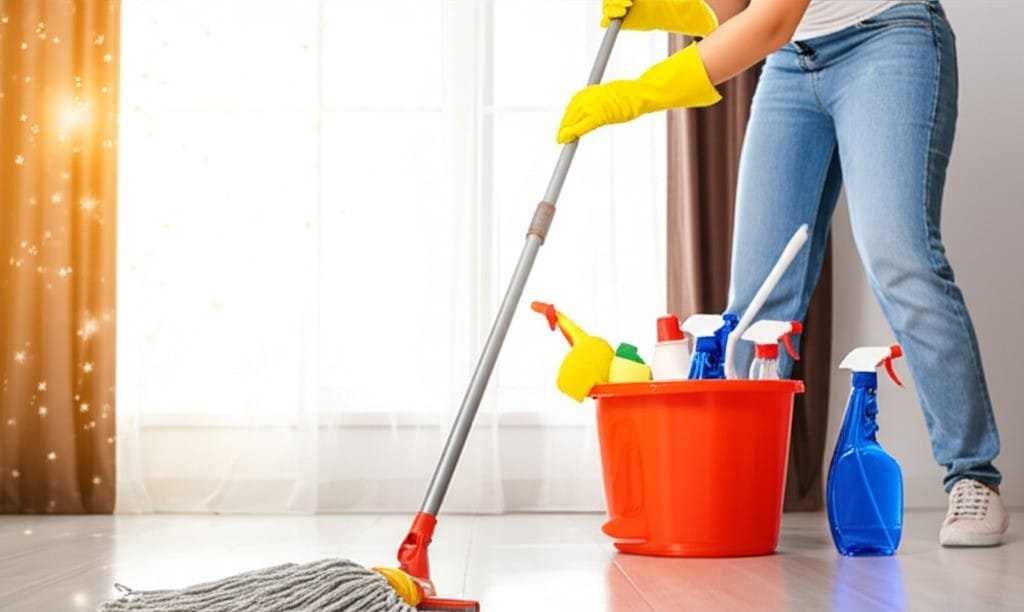
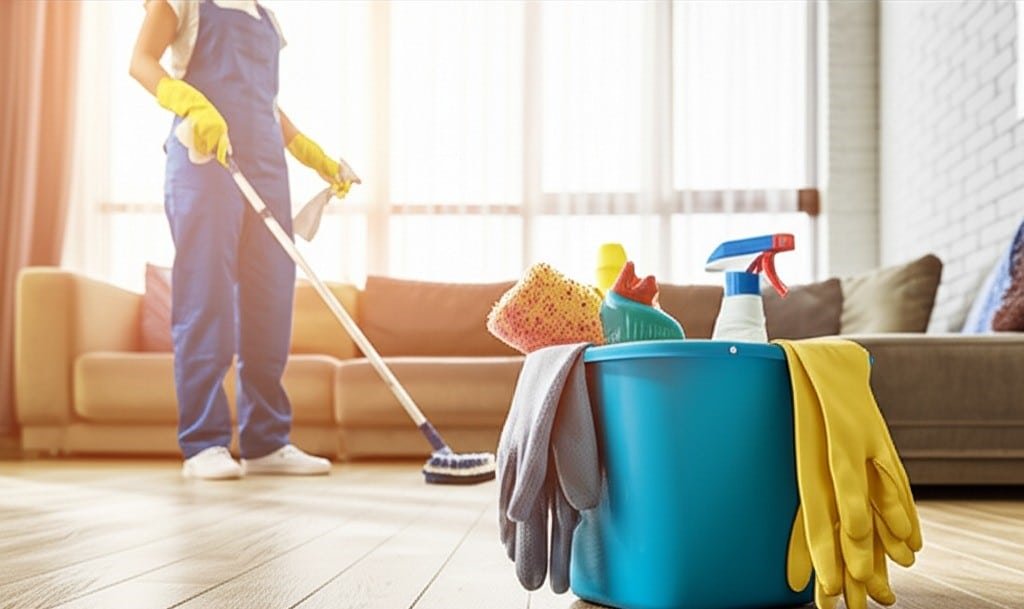
A housekeeper is far more than just someone who cleans your home. While the primary image that comes to mind might be someone with a vacuum or a dust cloth, the reality of a professional housekeeper’s role is much broader, encompassing a comprehensive approach to home management and the overall well-being of a living space. They are individuals entrusted with maintaining the order, cleanliness, and functionality of a household, often serving as a crucial backbone for busy individuals and families. It’s about creating and sustaining an environment where you can truly thrive, not just exist. Think of a housekeeper not as a visitor who performs a single task, but as a dedicated manager of your domestic environment. Their responsibilities extend well beyond surface-level tidiness. They delve into the intricate details of what makes a house feel like a home  a place of comfort, peace, and efficiency. This often includes a wide array of duties that can be customized to suit specific household needs, but generally covers everything from meticulous cleaning to organizational tasks and even light household management. They are experts in ensuring that every corner of your home is not just clean, but cared for, reflecting an understanding of proper maintenance and the nuances of different materials and surfaces. 1.Light and Heavy Cleaning For instance, their cleaning duties are exhaustive. This isn’t just a quick sweep or a superficial wipe-down. A professional housekeeper engages in deep cleaning protocols for kitchens and bathrooms, sanitizing surfaces, scrubbing grout, polishing fixtures, and ensuring these critical areas are hygienic and sparkling. They handle floor care with precision, knowing the right methods for hardwood, tile, carpet, or laminate, ensuring longevity and shine. Dusting isn’t limited to visible surfaces; it extends to baseboards, light fixtures, ceiling fans, blinds, and intricate decor, preventing the buildup of allergens and maintaining a fresh atmosphere. Vacuuming and mopping are performed thoroughly, reaching under furniture and into corners that are often overlooked in daily tidying. Laundry management is also a common duty, involving washing, drying, folding, ironing, and putting away clothes, linens, and towels, ensuring that your wardrobe and household textiles are always fresh and ready. They make beds with an eye for detail, turning a simple chore into an act of creating a welcoming sanctuary. Beyond the immediate act of cleaning, a housekeeper is also an organizational wizard. They help in reducing clutter, creating systems for storage, and maintaining order in common areas, closets, and pantries. This proactive approach to organization means less time spent searching for items and more time enjoying a harmonious living space. They might assist with tidying up children’s play areas, ensuring toys are stored properly, or organizing bookshelves and filing systems. It’s about creating a flow in the home that makes daily living smoother and less stressful. This often involves an intuitive understanding of how a household operates and anticipating what areas might become disorganized, intervening before chaos takes hold. Furthermore, a housekeeper often takes on light household management responsibilities. This can include managing household supplies, ensuring that cleaning products, toiletries, and even certain pantry staples are always stocked. They might run light errands, such as dropping off dry cleaning or picking up groceries. For homes with pets, they might assist with basic pet care, like feeding or tidying up pet areas. They can also oversee plant care, ensuring your indoor greenery thrives. In some cases, especially in larger homes, a housekeeper might coordinate with other service providers, such as plumbers, electricians, or gardeners, ensuring maintenance schedules are met and issues are addressed promptly. They act as a central point of contact, ensuring the home functions like a well-oiled machine, even when you are not present to manage every detail yourself. The distinction between a “cleaner” and a “housekeeper” is critical. A cleaner typically comes for a few hours, performs specific cleaning tasks, and then leaves. Their focus is solely on the immediate cleanliness of the space. A housekeeper, on the other hand, often has a more encompassing and ongoing relationship with the household. They are involved in the continuous upkeep, proactive organization, and management of the home’s daily rhythm. They build an intimate understanding of the home’s needs, its inhabitants’ preferences, and the specific routines that keep everything running smoothly. This level of dedication and involvement fosters a deeper sense of trust and partnership, where the housekeeper becomes an invaluable asset to the household’s operational efficiency and overall peace. 2.Making Up For Lost Time So, why should you consider hiring a housekeeper? The reasons are multifaceted and profoundly impactful on your daily life. Primarily, it’s about reclaiming your time. In today’s fast-paced world, time is arguably our most precious commodity. Juggling demanding careers, family responsibilities, social obligations, and personal pursuits leaves very little room for the arduous and often relentless demands of household chores. The hours spent on cleaning, organizing, and maintaining a home can quickly accumulate, eating into weekends, evenings, and any potential moments of relaxation. Hiring a housekeeper liberates these hours, allowing you to dedicate them to activities that genuinely enrich your life – spending quality time with loved ones, pursuing hobbies, engaging in personal development, exercising, or simply enjoying uninterrupted rest. Imagine coming home after a long day not to a list of chores, but to a clean, organized, and welcoming sanctuary, ready for you to unwind. This isn’t just about saving time; it’s about investing in your personal well-being and life satisfaction. Beyond time, hiring a housekeeper significantly reduces stress and mental load. The burden of an untidy or disorganized home can weigh heavily on one’s mind, creating a constant hum of anxiety and guilt. The mental energy expended on planning cleaning schedules, remembering what needs to be done, or feeling overwhelmed by accumulated mess is immense. A housekeeper takes this entire burden off your shoulders. The peace of mind that comes from knowing your home is being professionally cared for, consistently and thoroughly, is immeasurable. It eliminates potential arguments or frustrations over chore distribution in shared living spaces and

What Is A Housekeeper – 3 Reasons Why You Should Hire Read More »

organizing child's wardrobe

Organizing Your Child’s Closet – Stop Making These Mistakes

A child’s closet can quickly become a zone of chaos. It starts with a few misplaced shirts and, before you know it, transforms into a jumble of clothes that may or may not fit, single shoes, forgotten toys, and mystery items that defy categorization, all crammed into the child’s closet. Restoring order to a child’s closet is not just about making it look tidy; it’s about creating a functional system that a child can understand and, most importantly, help maintain. The goal is to move from a space that causes daily frustration to one that simplifies routines, from dressing in the morning to cleaning up at night. 1.Empty Everything The first, and often most overwhelming, step is to pull everything out of the child’s closet. Every single item must be removed from the child’s closet and placed in an open area, like the middle of the bedroom floor. This includes every piece of clothing, every shoe, every belt, every long-forgotten stuffed animal, and every piece of sports equipment tucked into a corner of the child’s closet. The initial sight of this pile will likely be daunting. It will look significantly worse before it gets better. This is a necessary part of the process. It allows you to see the true volume of what you’re dealing with and prevents you from simply rearranging clutter. Before you begin, have four distinct containers ready: large bags or boxes labeled Keep, Donate, Trash, and Outgrown. This preparation prevents you from having to make decisions about where things go mid-sort. With the closet completely empty, you can begin the sorting process. This is a critical stage that requires ruthless honesty. Pick up each item one by one and make a decision. For clothing, ask a series of questions. Does it currently fit the child? If the answer is no, it does not belong back in the child’s closet. Is it stained, ripped, or damaged beyond reasonable repair? If so, it belongs in the “Trash” bag. Is it in good condition but simply isn’t worn? Perhaps the fabric is itchy, the style is disliked, or it’s for an occasion that never arises. These items, along with clothes in good condition that are too small, can go in the “Donate” box.   2.Boxes The “Outgrown” box serves a specific purpose for families planning to have more children or who have younger relatives to pass things down to. This is for high-quality items that are too small but are worth saving. Be selective here. Only keep the best of the outgrown items; otherwise, you are simply shifting clutter from one storage area to another. Once this box is full, label it clearly with the sizes and season (e.g., “Boys Clothes, 3T, Summer”) and store it away from the primary closet space, perhaps in the attic, basement, or a storage bin under a bed. Involving the child in this sorting phase can be beneficial, but it must be managed carefully. For a very young child, their involvement might be minimal. For a child old enough to have opinions, their input is valuable for items in the “Keep” pile. You can ask, “Do you still love wearing this shirt?” This gives them a sense of control and ownership over their belongings. However, be prepared to make the final executive decision on items that are clearly too small or damaged. Avoid asking questions like, “Do you want to get rid of this?” as the answer will almost always be no. Frame it differently: “Let’s put this in the donation box so another little boy who needs a coat can stay warm.” This reframes the act from one of loss to one of generosity. Once the sorting is complete and the piles have been dealt with trash taken out, donations placed in the car to be dropped off turn your attention to the now-empty child’s closet. Do not skip this step. This is your chance to create a truly clean slate. Wipe down every surface within the child’s closet: the shelves, the hanging rod, the walls, and the baseboards. Vacuum the floor of the closet thoroughly, getting into the corners. This is also the perfect time to make any small improvements. A fresh coat of light-colored paint can make a small, dark child’s closet feel brighter and larger. Consider adding a battery-operated, motion-sensor puck light if the closet is dim. This small touch makes finding things easier and the space more inviting for a child. Now, with a clean and empty space, you can design the system for the child’s closet. The single most important principle for a child’s closet is accessibility. If a child cannot reach their clothes, they cannot dress themselves independently or put their clothes away. The standard child’s closet configuration with a high shelf and a high hanging rod is designed for adults, not for children. 3.Adjust The Wardrobe Rod The most impactful change you can make in a child’s closet is to adjust the clothing rod. In many a child’s closet, this is a simple fix. If you can, lower the main rod to a height where your child can easily see and reach their hanging clothes. If you cannot move the existing rod, a simple and inexpensive solution is a closet doubler. This is an adjustable second rod that hangs from the top rod, instantly creating a lower, kid-height hanging space. This one change can be revolutionary for a child’s independence. Use this lower rod for their everyday clothes: shirts, dresses, and jackets. The higher, original rod can then be used for out-of-season items, special occasion outfits, or costumes that are used less frequently. Shelving and bins are the next core components for an organized child’s closet. Children are not naturally inclined to create neat, folded stacks of clothes. Bins and baskets bypass this issue by providing a designated “home” for categories of items. Use open-top bins or baskets on the child’s closet shelves or floor for bulky items. Assign one bin for pajamas, one for

Organizing Your Child’s Closet – Stop Making These Mistakes Read More »

closet

How To Organize Your Closet The Easy Way – 4 Incredible Tips

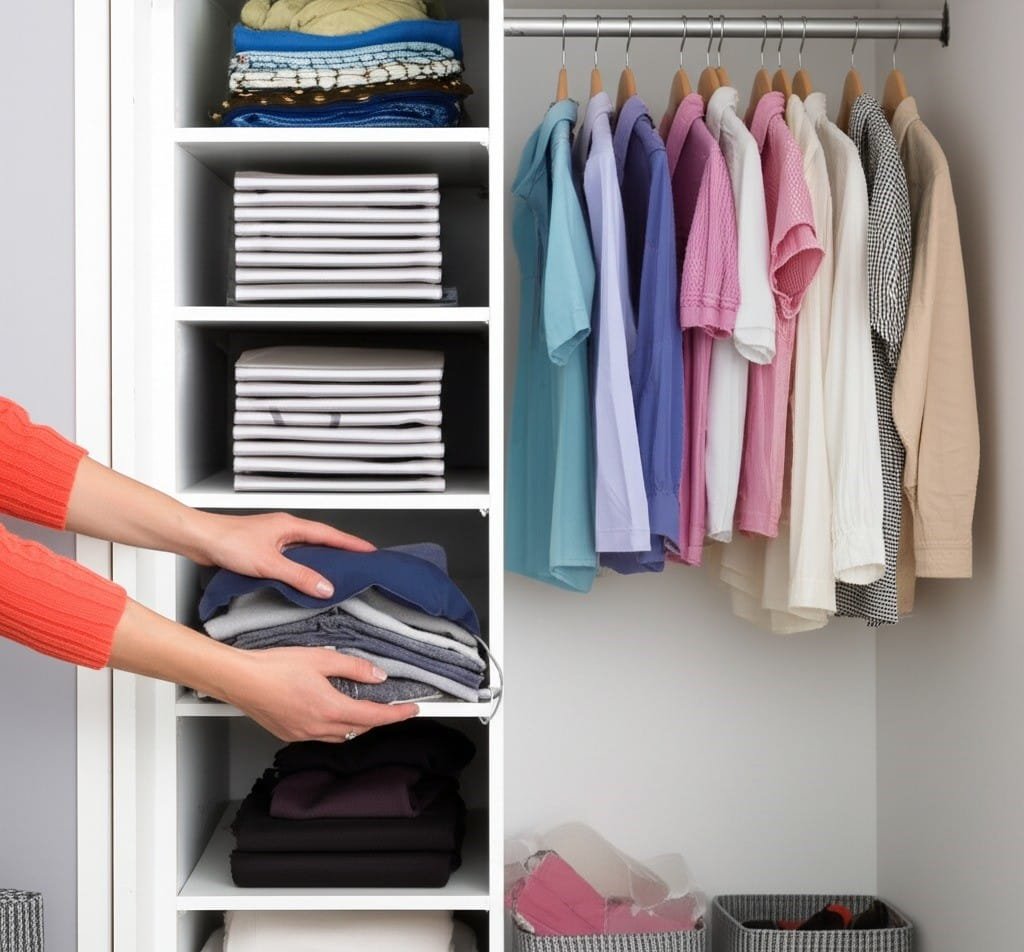
A closet should be a functional space, not a source of stress. When it becomes a jumble of clothing and forgotten items, finding what you need turns into a daily chore. The path to an organized closet is a systematic process that begins with a complete reset. It requires time and a decisive mindset, but the result is a space that simplifies your routine and brings a sense of calm to your environment. The first step is not to buy storage bins or new hangers. The first step is to allocate a block of uninterrupted time. This is not a task to be squeezed into a spare thirty minutes. Depending on the state of your closet, you may need a full afternoon or even an entire day. Prepare for the task by gathering essential supplies: heavy-duty trash bags for items to be thrown away, separate bags or boxes for donations, and perhaps another box for items that need mending or dry-cleaning. You will also need basic cleaning supplies: a vacuum with attachments, microfiber cloths, and an all-purpose cleaner. 1.Empty The Closet Once you are prepared, the real work begins. You must empty the closet completely. Every single item must come out. Take out all the clothes from the rod, remove every shoe from the floor, clear every shelf, and empty every drawer or basket. Pile everything onto your bed. This act is crucial for two reasons. First, it forces you to confront the sheer volume of what you own. Seeing it all in one place provides a powerful perspective that is lost when items are hidden away. Second, it gives you a truly blank slate. You cannot properly organize a space that is still partially full, and you cannot properly clean it. The initial sight of the pile can be overwhelming, but this is a necessary stage of the process. With the closet now empty, you can see the space itself for what it is. This is the time for a deep clean. Start from the top and work your way down to manage dust and debris effectively. Dust the top shelves and the clothing rod. Wipe down all surfaces walls, shelves, and baseboards with a damp microfiber cloth and a suitable cleaner. Pay attention to corners where dust and cobwebs accumulate. Use a vacuum with a crevice tool to get into all the nooks and crannies. At the end, vacuum the floor of the closet thoroughly. A clean foundation is essential; putting items back into a dusty space defeats the purpose of the effort. This is also an opportunity to inspect for any issues like dampness, mold, or pests that might have gone unnoticed. 2.The Screening Now, turn your attention to the mountain of items on your bed. This is the most challenging and time-consuming part of the process: the sorting. Work through each item one by one. There is no shortcut. For every piece of clothing, every pair of shoes, and every accessory, you must make a decision. Create distinct piles for your sorted items: Keep, Donate, and Trash. A fourth pile, for items needing Repair, can also be useful. To make an effective decision for each item, ask yourself a series of direct questions. Be honest in your answers. First, have you worn it in the last year? If the answer is no, the reason why is important. If it’s a seasonal item like a heavy winter coat, that’s understandable. But if it’s a regular shirt or pair of pants you haven’t touched in over twelve months, it is unlikely you will wear it again. Second, does it fit you right now? Not if you lose ten pounds, and not if you gain some back. An organized closet is for the person you are today. Clothing that doesn’t fit takes up valuable real estate and can be a source of guilt or pressure. If it’s a high-quality item you truly love, and the size is only slightly off, you might consider a separate storage box for these “aspirational” pieces, but they should not live in your primary closet space. Third, what is its condition? Look for permanent stains, irreparable holes, significant pilling, or stretched-out fabric. If an item is past its prime and cannot be repaired, it belongs in the trash or textile recycling pile. Don’t donate items that are in poor condition. Similarly, if an item just needs a button sewn on or a small tear mended, place it in the repair pile, but commit to getting it fixed within a specific timeframe, such as the next two weeks. If you don’t, it’s just clutter in a different form. Fourth, does it align with your current lifestyle and personal style? Tastes and circumstances change. The suit you wore for a job you left five years ago may no longer be necessary. The trendy pieces from a few seasons ago might no longer feel like “you.” Your wardrobe should reflect who you are now and the life you currently lead. At the end, how does it make you feel when you wear it? Clothing should be comfortable and make you feel confident. If an item is itchy, pinches, or you are constantly adjusting it, it’s not serving you. If you put something on and immediately feel self-conscious, it has no place in your streamlined wardrobe. The goal is to open your closet and see only things you would be happy to wear. Be particularly ruthless with duplicates. Do you really need six similar black t-shirts or four pairs of nearly identical blue jeans? Keep the best one or two the ones that fit best and are in the best condition and donate the rest. Dealing with sentimental items can be difficult. A dress from a special occasion or a sweater inherited from a loved one holds meaning beyond its function. If you don’t wear it but cannot part with it, consider creating a separate memory box for these few precious items. They are keepsakes, not active

How To Organize Your Closet The Easy Way – 4 Incredible Tips Read More »

Labeling Kitchen Items – 4 Easy and Fast Tips

Kitchen product labeling is not merely a formality; it is a critical pillar of safety, health, and efficiency in any space where food is prepared, stored, or cleaned. The seemingly small details printed on a package or affixed to a container carry immense weight, guiding decisions that impact well-being, prevent waste, and ensure smooth operations. Without clear, accurate labeling, a kitchen, whether professional or domestic, quickly descends into a realm of uncertainty and potential hazards. 1.Food Allergies Consider the immediate and profound impact on safety. Allergens, for instance, represent a constant, invisible threat without proper labeling. For individuals with severe food allergies to peanuts, tree nuts, dairy, gluten, soy, eggs, fish, or shellfish, the absence of explicit allergen warnings on food packaging can mean the difference between a safe meal and a life-threatening anaphylactic shock. This isn’t just about avoiding discomfort; it’s about preventing medical emergencies. Labels clearly state “contains” or “may contain” information, allowing consumers to make informed choices that protect their health. This responsibility extends beyond the original packaging. Once a product is opened and transferred to another container, or if ingredients are portioned out, the new container must be meticulously labeled with its contents and, crucially, any allergen information relevant to those ingredients. Imagine a kitchen where flour is stored next to gluten-free flour without distinction, or where sugar is confused with salt; such errors are not just inconvenient but can render food inedible or, worse, dangerous. 2.Validity Data Expiry dates and best-before dates are another fundamental safety component. These dates are not arbitrary; they are meticulously determined by manufacturers based on product stability and safety. Consuming food past its expiry date significantly increases the risk of foodborne illnesses, ranging from mild digestive upset to severe bacterial infections like salmonella or E. coli. Labels on perishable items like dairy, meats, and prepared foods dictate the window within which they are safest to consume. For shelf-stable goods, a best-before date indicates optimal quality rather than immediate danger, but ignoring it can still lead to diminished taste, texture, and nutritional value. The absence of these dates, or their illegibility, creates a guessing game, leading to either unnecessary waste due to premature disposal or dangerous consumption of spoiled goods. Effective labeling ensures that a rotation system, like “First-In, First-Out” (FIFO), can be accurately implemented, minimizing spoilage and optimizing inventory. 3.Cleaning Products Beyond food, the kitchen is also home to various cleaning products, each with its own set of risks and specific usage instructions. A cleaning product label is a comprehensive safety manual. It details active ingredients, potential hazards (corrosive, irritant, flammable), and crucial first aid measures in case of accidental contact or ingestion. It specifies appropriate personal protective equipment (gloves, eye protection), ventilation requirements, and compatible surfaces. Using the wrong cleaner on a surface, applying an undiluted concentrate, or mixing incompatible chemicals can lead to damage to kitchen surfaces, toxic fumes, or even explosive reactions. Imagine mistaking a strong oven cleaner for a dish soap; the consequences could be severe for both the user and the kitchen environment. Clear, persistent labeling on these products is not merely a recommendation; it is an absolute necessity for safe handling and preventing chemical burns, respiratory issues, or other serious injuries. Nutritional information on food labels serves a vital health function. For many, dietary choices are not just about taste but about managing chronic health conditions like diabetes, heart disease, or hypertension. The nutrition facts panel provides detailed breakdowns of calories, fats, carbohydrates, sugars, sodium, and protein, empowering individuals to make informed decisions that align with their specific health needs or dietary goals. Labels also list vitamins and minerals, helping to identify nutrient-dense options or potential deficiencies. Without this information, individuals are left guessing, making it incredibly difficult to maintain a balanced diet or adhere to medically advised restrictions. Furthermore, ingredient lists are crucial for those avoiding specific components for ethical reasons, such as animal products for vegans, or for those with sensitivities to certain additives, preservatives, or artificial colors. The transparency provided by comprehensive labeling fosters trust and enables consumers to exercise genuine autonomy over what they consume. 4.Storage Proper storage instructions, frequently found on labels, are essential for maintaining food quality and preventing spoilage. Labels dictate whether a product requires refrigeration, freezing, or pantry storage, and often specify conditions like “store in a cool, dry place away from direct sunlight” or “refrigerate after opening.” These instructions are not arbitrary suggestions but are based on scientific understanding of how different ingredients react to temperature, light, and air exposure. Ignoring these guidelines can lead to rapid degradation of food quality, nutrient loss, and bacterial growth. An opened jar of sauce, for instance, might have a short “use within X days of opening” recommendation due to increased exposure to air and potential contaminants. Labeling ensures that these critical details are not overlooked, extending the useful life of food and preventing unnecessary waste. Efficiency in a kitchen, particularly in a professional setting, relies heavily on organized processes, and labeling is central to this. Knowing exactly what is in every container, when it was prepared, and when it expires streamlines inventory management, reduces preparation time, and minimizes cross-contamination risks. For dry goods like spices, flours, or grains, labeling prevents mix-ups that could ruin a dish or, again, pose an allergen risk. Imagine a busy kitchen without labels on containers of baking soda and baking powder; the subtle difference could lead to a collapsed cake or an inedible one. Even for homemade items like sauces, stocks, or prepped vegetables, clear labels indicating content and date of preparation are indispensable for maintaining freshness and ensuring proper rotation. This not only saves money by preventing spoilage but also saves time by eliminating guesswork. The legal and regulatory framework underpinning product labeling underscores its importance. Governments worldwide mandate specific labeling requirements for food and cleaning products to protect consumers. These regulations cover everything from ingredient disclosure and nutritional information to allergen warnings and handling instructions. Manufacturers are legally obligated to

Labeling Kitchen Items – 4 Easy and Fast Tips Read More »

How Mental Health and House Cleaning are Completely Linked

Do you know why mental health and house cleaning are completely linked? It’s where we spend most of our time and where we give it the least value. The state of our living space is often a direct reflection of our internal world. When we feel overwhelmed, stressed, or lost, our homes can begin to mirror that chaos. Piles of mail accumulate on the counter, laundry remains unfolded in baskets, and a thin layer of dust settles on surfaces we no longer have the energy to notice. Conversely, when we feel in control and at peace, our surroundings tend to be more orderly and calm. This connection is not a coincidence; it is a profound and interactive relationship. The act of cleaning, often dismissed as a mundane chore, is one of the most accessible and powerful tools we have for managing our mental health. It is a physical activity that produces tangible results, creating a positive feedback loop that can quiet an anxious mind, restore a sense of agency, and pave the way for clearer thinking. 1.Sense of Control One of the most significant psychological benefits of cleaning is the restoration of a sense of control. Life is inherently unpredictable. We cannot control global events, the economy, the actions of others, or the unexpected challenges that arise in our careers and personal lives. This lack of control can be a major source of anxiety and feelings of helplessness. In the face of such large, unmanageable forces, the home becomes a sanctuary, a small, manageable universe where our actions have direct and immediate consequences. When you decide to scrub the kitchen floor, you are the sole agent of that change. You choose the cleaner, you apply the effort, and you witness the transformation from grimy to gleaming. This simple act reinforces a powerful truth: you are capable of creating order out of chaos. You can effect positive change. This feeling of efficacy, cultivated in the small sphere of your home, can then ripple outward, bolstering your confidence to tackle other, more complex challenges in your life. The methodical task of sorting a messy closet or organizing a chaotic pantry provides a contained problem with a clear solution, a satisfying and rare experience in a world full of complex, ambiguous issues. The physical process of cleaning itself is a form of active meditation. Repetitive motions, such as scrubbing, wiping, sweeping, or folding, can be incredibly grounding. When the mind is racing with anxious thoughts, looping over past regrets or future worries, it is difficult to break the cycle. The physical demands of cleaning force your attention into the present moment. You become focused on the task at hand: the feeling of the warm, soapy water on your hands, the rhythmic back-and-forth motion of a vacuum cleaner, the faint scent of lemon polish, the sound of a cloth wiping across a glass surface. This sensory engagement is a core principle of mindfulness. It anchors you in the “now,” providing a temporary respite from the mental chatter that fuels anxiety. For the duration of the task, you are not ruminating; you are simply doing. This period of focused activity allows the nervous system to calm down, lowering cortisol levels and reducing the physiological symptoms of stress, such as a rapid heart rate and shallow breathing. It is an accessible way to achieve a state of flow, where you are so immersed in an activity that time seems to fade away, leaving you feeling refreshed and centered afterward. 2.Dopamine Furthermore, completing a cleaning task triggers a genuine neurological reward. Our brains are wired to feel pleasure from accomplishment. When you look at a cluttered, dirty room and then see it transformed into a clean, orderly space through your own efforts, you receive a potent dose of dopamine. This neurotransmitter is associated with pleasure, motivation, and satisfaction. The “before and after” effect is not just visually pleasing; it is chemically rewarding. It provides tangible proof of your productivity and competence. This is why making your bed in the morning can have such a positive impact on the rest of your day. It is the first completed task, the first small victory that sets a precedent for further accomplishment. Each cleared counter, organized shelf, and polished surface becomes a small monument to your effort, reinforcing a sense of capability. This process helps to counteract feelings of depression, which are often characterized by lethargy, apathy, and a sense of futility. By engaging in a purposeful activity with a clear and positive outcome, you actively fight against the inertia of a low mood. Conversely, living in a cluttered and disorganized environment exacts a constant, low-level toll on our mental resources. Clutter is more than just an aesthetic issue; it is a source of excessive sensory input. Every object in our field of vision sends a signal to our brain. In a tidy space, these signals are manageable. In a cluttered space, the brain is bombarded with stimuli. Piles of paper signal unfinished tasks, overflowing laundry baskets are a reminder of pending chores, and disorganized surfaces create a sense of visual noise that is difficult to ignore, even on a subconscious level. This constant overstimulation makes it difficult to relax and focus. It can lead to a persistent state of low-grade stress, keeping cortisol levels slightly elevated. The mind is perpetually distracted, unable to fully rest because the environment is signaling that work is never done. This can drain cognitive resources, making it harder to concentrate on work, enjoy a hobby, or even engage in a meaningful conversation. The simple act of decluttering removes this visual noise, giving your mind the clear space it needs to function effectively and peacefully. 3.Better Focus A clean and organized environment also directly supports better focus and productivity. When your physical space is in order, your mental space tends to follow. Imagine trying to write an important report or study for an exam at a desk covered in old mugs, stray papers, and

How Mental Health and House Cleaning are Completely Linked Read More »

cleaning professional

4 Reasons Why You Should Hire a Cleaning Service

The decision to hire a professional cleaning service is often viewed through a simple lens of cost versus convenience. Yet, the true value extends far beyond that straightforward calculation. It’s an investment in your time, your health, your peace of mind, and the longevity of your home itself. It is about reclaiming a fundamental part of your life that is quietly consumed by the endless cycle of upkeep. 1.Your Time is Precious A home is more than just a structure; it’s a sanctuary, a place of rest and reprieve from the demands of the outside world. However, the responsibility of maintaining that sanctuary can become a significant source of stress and a relentless chore. The hours spent each week scrubbing, dusting, vacuuming, and mopping are hours that are permanently lost. This is time that could be dedicated to family, personal passions, professional development, or simply the vital act of resting and recharging. When you delegate the task of cleaning, you aren’t just paying for clean floors; you are purchasing time, the single most finite and precious commodity we possess. Think of the weekend not as two days to catch up on household labor, but as two full days to live. Beyond the reclamation of time, there is the undeniable element of quality. A professional cleaner brings a level of expertise and efficiency that is difficult for the average homeowner to replicate. They operate with a systematic approach, honed over hundreds of hours in countless homes. They understand the science of cleaning which products work on which surfaces, the most effective way to remove stubborn soap scum without damaging tile, and the precise technique for leaving windows streak-free. They see the details that are often overlooked in a hurried weekly wipe-down: the dust accumulating on baseboards, the grime building up on cabinet doors, the fingerprints on light switch plates, and the forgotten corners behind furniture. 2.Trust the Cleaning Professional This professional standard is supported by professional-grade tools and supplies. While a homeowner might have a domestic vacuum and a handful of all-purpose sprays, a cleaning service arrives with a specialized arsenal. They utilize high-filtration vacuums that capture fine dust particles and allergens rather than redistributing them into the air. They use a system of color-coded microfiber cloths to prevent cross-contamination between the bathroom and the kitchen. Their cleaning solutions are often more effective and formulated for specific tasks, allowing them to work more efficiently and produce a superior result. This eliminates the need for you to research, purchase, and store a dozen different bottles of chemicals, many of which may be used infrequently or prove ineffective. This leads directly to one of the most compelling reasons to hire a service: the impact on your health. A home that looks clean and a home that is hygienically clean are two different things. Dust is not just an unsightly layer on your furniture; it’s a complex matrix of skin cells, fabric fibers, pollen, pet dander, and microscopic dust mites, all of which are common triggers for allergies and asthma. A thorough, professional dusting and vacuuming routine significantly reduces the level of these airborne irritants, contributing to better indoor air quality and easier breathing. The kitchen and bathroom are particular areas of concern. These spaces can be breeding grounds for bacteria, mold, and mildew. A professional service doesn’t just wipe down counters; they sanitize them. They have the knowledge and products to effectively disinfect toilets, sinks, and showers, tackling the invisible germs that can contribute to illness. They can identify and address areas of potential mold growth before they become a more significant problem. A consistently clean home is a healthier environment, reducing the occupants’ exposure to allergens and pathogens on a daily basis. 3.Take Care of Your Mental Health The mental health benefits are just as profound. Living in a cluttered or dirty environment has been shown to increase levels of the stress hormone cortisol. The persistent, low-grade anxiety of knowing there are chores waiting to be done can weigh heavily on the mind. Walking into a home that is consistently clean and orderly provides an immediate sense of calm and control. It removes a major source of friction and mental clutter, allowing your home to function as a true space for relaxation. The burden of the task is lifted, not just for the few hours of the cleaning itself, but permanently. You no longer have to spend your evenings thinking about when you’ll find the time to scrub the floors or clean the bathrooms. That mental energy is freed up for more important or enjoyable pursuits. For many households, cleaning is also a source of domestic conflict. Disagreements over whose turn it is to do a particular chore or differing standards of what “clean” means can create unnecessary tension between partners or family members. Outsourcing this labor removes it as a point of contention entirely. It becomes a neutral, scheduled service that maintains a consistent standard for everyone, fostering a more harmonious living environment. 4.Avoid Conflicts Furthermore, a professional service provides a level of consistency that is difficult to maintain on your own. Life gets busy. Work projects, family obligations, or simple fatigue can lead to cleaning being postponed. A week of neglect can quickly turn into two, allowing dirt and grime to become more deeply embedded and harder to remove. With a scheduled service, your home is brought back to a baseline level of clean on a regular basis—whether it’s weekly, bi-weekly, or monthly. This regular maintenance prevents the deep buildup of dirt, making the home easier to manage between professional visits and preserving the condition of your floors, fixtures, and surfaces over the long term. This proactive care can save you money on costly restoration or replacement projects down the road. There are also specific life stages and events where a cleaning service transitions from a luxury to a near-necessity. When moving into a new home, a deep clean ensures you are starting with a completely fresh, sanitized slate.

4 Reasons Why You Should Hire a Cleaning Service Read More »

preparing for the July cleaning

How to Prepare for July Cleaning: 4 Steps Fast and Easy

July Cleaning brings a unique set of circumstances to our living spaces. The longer days, increased outdoor activity, and potential for more guests mean our homes need a different kind of attention. Preparing for a thorough July Cleaning is not merely about having supplies on hand; it is a systematic approach to ensuring efficiency and effectiveness, laying the groundwork so the actual cleaning process becomes smoother and more impactful. Without proper preparation, cleaning can feel overwhelming and incomplete, like trying to build a house without first pouring a solid foundation. 1.Preparing The Mind Start by mentally preparing yourself for the task ahead. This involves more than just setting aside time; it means adopting a mindset focused on systematic action rather than sporadic effort. Acknowledge that a significant clean requires energy and focus. Break down the entire house into manageable zones or rooms. Avoid the trap of trying to tackle everything at once, which often leads to burnout and a sense of defeat. Instead, visualize the clean, organized space you aim to achieve, and let that vision guide your planning. Consider creating a simple, unwritten mental checklist or a rough written outline of areas you want to address. This helps in prioritizing tasks and ensures nothing important is overlooked. Think about who else might be able to contribute, even small tasks, as collaboration can significantly lighten the load. Hydrate well, ensure you have comfortable clothing, and think about playing some uplifting music to keep spirits high. The mental readiness is the first, often underestimated, step towards a successful July Cleaning. 2.One Room At a Time Once your mind is aligned, the next crucial step is comprehensive decluttering. This isn’t just tidying; it’s a strategic removal of anything that obstructs access or impedes effective cleaning. Clutter acts as a barrier, trapping dust, hiding spills, and making it impossible to properly wipe surfaces or vacuum floors during your July Cleaning efforts. Begin by focusing on one area at a time, perhaps starting with the most heavily used spaces like the kitchen or living room. In the kitchen, this means clearing every countertop. Move small appliances like toasters, coffee makers, and blenders. Don’t just push them aside; truly lift them, wipe the counter beneath them, and consider if they need a quick wipe-down themselves. Empty the sink of all dirty dishes and load them into the dishwasher, or wash them immediately. Go through any papers or mail that have accumulated on kitchen surfaces, sorting them into immediate action, filing, or recycling piles. Check the pantry and refrigerator for expired food items, disposing of anything that’s past its prime to prevent future messes and odors. This creates clear, unobstructed surfaces, allowing your cleaning tools to reach every corner and crevice effectively for your July Cleaning. 3.Supplies And Tools With decluttering underway, the next phase is gathering all your cleaning supplies and tools. There’s nothing more frustrating than starting a task only to realize you’re missing a crucial item or that a bottle is empty. Take an inventory of your cleaning arsenal for your July Cleaning. Do you have a sufficient supply of all-purpose cleaner, glass cleaner, bathroom cleaner, and floor cleaner suitable for your specific flooring types? Check the levels of your dish soap and hand soap. Ensure you have plenty of clean microfiber cloths for dusting and wiping, a separate set for glass, and another for bathrooms to prevent cross-contamination. Sponges, scrub brushes for tough grime, a toilet brush, and a squeegee for windows or shower doors are essential. Check the condition of your mop and bucket; do they need to be cleaned or replaced? Ensure your vacuum cleaner bags are empty or the canister is cleared, and that all attachments are readily available and free of blockages. A good dustpan and brush are also invaluable. Don’t forget protective gloves to safeguard your hands from harsh chemicals and dirty water. Have a designated cleaning caddy or bucket where you can neatly organize and transport these items from room to room, minimizing trips back and forth to the supply closet. This foresight saves valuable time and maintains momentum once the actual July Cleaning begins. Before the deep cleaning commences, there are a few immediate pre-cleaning actions that make a significant difference. First and foremost, empty all trash cans throughout the house. This prevents new odors from developing and clears the way for wiping down the bins themselves. Next, address any obvious large debris or major spills. If there’s a pile of dirt by the entryway, sweep it up. If there’s a visible spill on the kitchen floor, wipe it up immediately rather than waiting for the floor cleaning. These seemingly small actions prevent tracking dirt into other areas and save you from having to clean over existing messes during your July Cleaning. For bathrooms, consider pre-treating stubborn stains in the toilet bowl or shower with a specialized cleaner; allowing it to soak for some time will significantly reduce scrubbing effort later. In the kitchen, if your oven racks are greasy, remove them and soak them in a tub with hot, soapy water. Opening windows and doors, if the weather permits, is also an excellent preliminary step, especially in July, for an effective July Cleaning. This not only ventilates the house, dispelling stale air and potential cleaning fumes, but also helps to dry surfaces more quickly after they’ve been cleaned, which is particularly useful in humid summer conditions. Now, let’s refine the room-by-room preparation, ensuring every space is primed for optimal July Cleaning. 4.Remove Items In the kitchen, beyond clearing countertops and dealing with dishes, think about items typically stored inside cupboards or drawers that might benefit from a quick re-organization or wipe-down of their exterior. Pull out the toaster crumb tray and empty it. If your microwave is splattered, a quick pre-wipe with a damp cloth or a bowl of water steamed inside for a few minutes will loosen grime significantly, aiding your July Cleaning. Ensure the area around your sink is completely clear, moving soap dispensers, sponge holders, and dish racks. If you have a small

How to Prepare for July Cleaning: 4 Steps Fast and Easy Read More »

protective items for cleaning the house

Why do You Need Protection To Clean Your House? – 6 Essential Items

Cleaning your home without protection can be dangerous. It’s a battle against dust, dirt, germs, and clutter. In this battle, we arm ourselves with an arsenal of tools: powerful chemical sprays, abrasive sponges, powerful vacuum cleaners, and microfiber cloths. However, amidst the focus on eliminating dirt from our surroundings, one critical element is often overlooked: protecting the combatant. The cleaning process exposes individuals to a variety of occupational hazards, ranging from the seemingly minor, such as dry skin, to the extremely serious, such as chemical burns, respiratory distress, and lasting physical injuries. Wearing a full complement of protective gear is not a sign of over-meticulousness; it’s the hallmark of a smart, safe, and professional approach to a task that involves direct contact with chemicals, biological contaminants, and significant physical exertion. 1.Gloves The most immediate and constant point of contact in any cleaning endeavor is the hands. They are the primary instruments, manipulating cloths, holding spray bottles, and scrubbing surfaces. The skin, our body’s largest organ, provides a remarkable natural barrier, but it is a barrier with limits. Continuous exposure to water, a universal solvent, systematically strips away the skin’s protective layer of sebum, leading to dehydration, redness, painful cracking, and a compromised ability to defend against infection. Introduce cleaning chemicals into this equation, and the risks escalate dramatically. Detergents, degreasers, disinfectants, and acidic or alkaline solutions can induce contact dermatitis, trigger severe allergic reactions, and, in the case of concentrated agents like oven cleaners or drain unblockers, inflict serious chemical burns. Therefore, gloves are not an optional accessory; they are an indispensable piece of personal protective equipment. A truly prepared cleaning kit contains multiple types of gloves for different applications. For light-duty tasks requiring high dexterity, such as wiping down countertops, polishing fixtures, or handling soiled laundry, disposable gloves are the superior choice. Nitrile gloves are often preferred over latex due to their superior chemical resistance and the prevalence of latex allergies. They provide a reliable shield against germs and chemicals for short-term use and can be discarded immediately, which is a crucial step in preventing cross-contamination between different areas of the home, like the kitchen and the bathroom. For more demanding jobs, a pair of heavy-duty, reusable gloves is required. Tasks like washing dishes in very hot water, scrubbing floors with strong detergents, or cleaning a mold-affected area call for the robust protection of thick rubber or PVC gloves. These are more durable, less prone to tearing, and often feature longer cuffs that extend up the forearm, providing a crucial defense against splashes. Opting for a pair with a flock lining can significantly increase comfort by absorbing perspiration, allowing them to be worn for longer periods without discomfort. Proper care extends the life and safety of these gloves. After each use, they must be rinsed thoroughly while still on the hands, washed with soap and water, then removed and allowed to air dry completely, both inside and out, to inhibit the growth of bacteria and mold within them. 2.Ventilation As we move from contact hazards to airborne ones, the protection of the respiratory system becomes paramount. Many of the most effective cleaning products achieve their results through chemical reactions that release fumes and volatile organic compounds (VOCs) into the air. When a cleaner is sprayed, it is aerosolized, creating a fine mist of chemical droplets that are easily inhaled. The acrid scent of bleach, the sharp, pungent odor of ammonia-based glass cleaners, or the powerful fumes from a self-cleaning oven cycle are all indicators of airborne chemicals that can irritate the delicate mucous membranes of the nose, throat, and lungs. For individuals with asthma, allergies, or other respiratory sensitivities, this exposure can trigger wheezing, coughing, and shortness of breath. Even for those without pre-existing conditions, chronic, long-term inhalation of these fumes can contribute to a range of health problems. The first line of defense is always ventilation. Opening windows and doors to create a cross-breeze and using an exhaust fan can significantly dilute the concentration of airborne chemicals. However, ventilation alone is not always sufficient, especially in enclosed spaces like small bathrooms or when dealing with particularly potent substances or large amounts of particulates. In these cases, respiratory protection is essential. For tasks that kick up a lot of dust, pet dander, or debris, such as sweeping a dusty garage, deep-cleaning carpets, or clearing out a long-neglected storage area a well-fitting N95 respirator is the appropriate choice. Unlike a simple dust mask, an N95 is certified to filter out at least 95 percent of fine airborne particles, providing meaningful protection against allergens and irritants that can penetrate deep into the lungs. When working with aggressive chemicals known to produce harmful vapors, such as certain solvents, paint strippers, or heavy-duty oven cleaners, a more advanced respirator is warranted. An elastomeric half-mask respirator with interchangeable cartridges designed to filter organic vapors offers a much higher level of protection. It is also a vital piece of safety knowledge that mixing certain household cleaners can create lethal gases. The most infamous combination, bleach and ammonia, produces toxic chloramine gas, while mixing bleach with acidic cleaners can release chlorine gas. Proper respiratory protection, coupled with unwavering adherence to the rule of never mixing cleaning products, is a foundational principle of household safety. 3.Safety Glasses The eyes, with their delicate and irreplaceable tissues, are uniquely vulnerable to cleaning-related injuries. A single misdirected splash of a chemical cleaner can cause immediate, intense pain and has the potential to inflict permanent corneal damage and vision loss. These incidents can happen with surprising ease: a toilet brush flicking contaminated water upwards, an aerosol spray nozzle sputtering unexpectedly, or gravity pulling droplets down as you clean a surface overhead, like a showerhead or a ceiling fan. Standard eyeglasses or sunglasses offer minimal protection, as splashes can easily enter from the sides, top, or bottom. The gold standard for eye protection during cleaning is a pair of safety goggles. Goggles are designed to form a seal around the eye

Why do You Need Protection To Clean Your House? – 6 Essential Items Read More »

disorganized home

Why Hiring A Professional Organizer Is Important – 5 Key Factors

Thinking about hiring a professional organizer? Then we will help you. The sheer weight of accumulated belongings can become a quiet, pervasive burden in any home. It starts subtly, an item here, a stack there, until spaces that once felt open and functional begin to feel constricted, heavy. This isn’t just about untidiness; it’s about the way clutter can insidiously affect daily life, breeding a sense of low-grade stress, making simple tasks feel more complicated, and, critically, turning the act of cleaning into a monumental, often futile, effort. When surfaces are obscured and floors are pathways through obstacles, true cleanliness remains elusive. Dust settles not just on shelves, but within an environment of disorder, making it harder to breathe easy, both literally and figuratively. Many find that no matter how much they wipe, scrub, or vacuum, the underlying disarray prevents a feeling of genuine, lasting cleanliness. This is often the point where the realization dawns that something more fundamental than cleaning is required; a strategic approach to the items themselves. This is where the expertise of a professional organizer becomes invaluable. These individuals are more than just people who like to tidy; they are specialists in creating order from chaos, developing sustainable systems, and transforming living spaces into environments that support, rather than hinder, daily life. Their work is a methodical process, beginning with an in-depth consultation. This initial step involves understanding your specific challenges, how you use your space, what your frustrations are, and what your vision is for a more functional home. They assess the scope of the clutter, the types of items involved, and the underlying habits or circumstances that may have contributed to the situation. It’s a non-judgmental exploration designed to tailor a plan that aligns with your lifestyle and goals. 1.Do You Need All The Objects? The heart of the organizing process, and often the most daunting phase for homeowners, is decluttering. A professional organizer acts as a calm, objective guide through this potentially emotional journey. They help you confront your possessions, item by item or category by category, and make decisions about what stays and what goes. This isn’t about indiscriminately throwing things away; it’s about thoughtful evaluation. Questions like “Do I use this?”, “Do I love this?”, “Do I need this?” become central. For sentimental items, which often carry the heaviest emotional weight, organizers provide strategies for honoring memories without being overwhelmed by physical objects. They might suggest digitizing photos or letters, or creating a dedicated, contained memory box. For general household clutter, from overflowing kitchen cabinets to jumbled linen closets, they bring a systematic approach, helping you to see your belongings with fresh eyes and make choices that serve your current life, not a past or imagined future one. They also assist with the responsible disposal of unwanted items, coordinating donations to charities, identifying items for sale, or ensuring proper recycling and waste removal.   2.Sorting And Categorizing Once the excess is cleared, the next stage involves sorting and categorizing what remains. Items are grouped logically, all baking supplies together, all office stationery in one area, all cleaning products consolidated. This “like with like” principle is fundamental to creating intuitive systems. It might sound simple, but in a home where items have migrated and been stashed haphazardly over years, this step alone can be revealing, showing you exactly what you own and highlighting redundancies. With items sorted, the professional organizer then moves into space planning and system implementation. This is where their strategic thinking truly shines. They analyze the available space, closets, cabinets, shelves, drawers, even vertical space and design solutions to store items efficiently and accessibly. In a kitchen, this might involve reconfiguring pantry shelves, introducing clear, stackable containers for dry goods, implementing a first-in-first-out system to reduce food waste, using drawer dividers for utensils and gadgets, or finding clever solutions for awkward items like pot lids or baking sheets. The goal is to create a workflow that makes cooking and cleaning smoother. 3.Closets In closets, organizers might introduce uniform hangers to save space and create visual calm, demonstrate effective folding techniques that maximize drawer capacity, suggest shoe storage solutions that keep pairs together and visible, and implement systems for accessories like scarves, belts, and jewelry. They often help with seasonal wardrobe rotation, ensuring that out-of-season clothes are stored properly and easily retrieved when needed. For home offices, the focus is on creating an environment conducive to productivity. This can involve setting up effective paper management systems (e.g., action files, reference files, archives), advising on digital organization strategies, optimizing desk layout for ergonomic comfort, and ensuring essential supplies are within easy reach. Children’s playrooms and bedrooms benefit immensely from an organizer’s touch. Systems are designed to make it easier for children to find their toys and, crucially, to put them away. This often involves clear bins, picture labels for younger children, and strategies for toy rotation to prevent overwhelm and keep engagement high. Even daunting spaces like garages, basements, or attics are tackled methodically. Organizers can help install heavy-duty shelving, utilize clear, durable storage bins, and create designated zones for tools, sporting equipment, holiday decorations, and long-term storage, transforming these areas from dumping grounds into functional extensions of the home. 4.Labeling A critical component of any organizing system is labeling. Clear, consistent, and easy-to-read labels are the signposts that help everyone in the household understand where things belong. This simple step is vital for the long-term maintenance of order, preventing items from slowly migrating back into disorganized piles. The professional organizer doesn’t just set up these systems and leave; a key part of their service often involves coaching on how to maintain them. They understand that lasting organization requires a shift in habits. They might provide tips for quick daily or weekly resets, help establish routines for managing incoming mail or putting away groceries, and sometimes offer follow-up sessions to tweak systems as needs evolve or to provide a refresher. The benefits of engaging a professional organizer extend far beyond

Why Hiring A Professional Organizer Is Important – 5 Key Factors Read More »

microfiber cloth, cleaning spray and a timer

A Fast Home Cleaning Guide for Busy People

Keeping your home clean can be challenging, especially with a hectic schedule. However, with the right approach, you can maintain a tidy space without spending hours scrubbing. Follow these quick home cleaning tips to keep your home spotless and organized effortlessly. Fast home cleaning techniques ensure efficiency while saving time. 1. Declutter Before You Clean Before diving into cleaning, take five minutes to declutter each room. Remove unnecessary items from counters, tables, and floors to create a clear space. A clutter-free environment makes fast home cleaning much more efficient. Try using baskets or bins to store loose items for easy organization. Decluttering not only helps in cleaning but also creates a sense of calm and order in your home. A room with fewer unnecessary items looks more spacious and inviting, making it easier to navigate and maintain. Once you have decluttered, consider setting up a routine to keep it that way. Take a few minutes each evening to put things back in their designated places. This simple habit ensures that clutter doesn’t accumulate over time, reducing the need for frequent deep-cleaning sessions. A well-organized home is easier to clean and helps you save time in the long run, making fast home cleaning a sustainable habit. 2. Speed Up Dusting and Wiping Use a microfiber cloth to quickly dust surfaces like shelves, coffee tables, and TV stands. For kitchen counters and bathroom sinks, a damp cloth with mild dish soap works wonders. Dusting and wiping down surfaces daily prevents buildup, reducing the time needed for deep cleaning later. Microfiber cloths trap dust effectively, preventing it from resettling on surfaces and improving indoor air quality. Fast home cleaning routines should include daily dusting to keep surfaces looking fresh. To make dusting even more efficient, use a top-to-bottom approach. Start from higher surfaces such as shelves and cabinets, then move down to tables and counters. This method ensures that dust particles don’t fall onto already cleaned areas. Additionally, consider using furniture polish or anti-static sprays to keep dust from accumulating quickly, prolonging the cleanliness of your home. For wiping down surfaces, keep disinfectant wipes handy in commonly used areas like the kitchen and bathroom. A quick wipe after preparing meals or washing up in the sink helps prevent grime and bacteria buildup. Establishing a habit of frequent, small cleanups reduces the workload when it’s time for a full house cleaning, making fast home cleaning easier.     3. Optimize Vacuuming and Sweeping Focus on high-traffic areas when vacuuming or sweeping. Hallways, living rooms, and kitchen floors tend to accumulate the most dirt and debris. A quick pass with a vacuum or broom every other day keeps floors looking fresh and reduces allergens in the home. If you have pets, vacuuming frequently helps remove pet hair and dander, contributing to a cleaner and healthier environment. Fast home cleaning practices include regular vacuuming to maintain cleanliness effortlessly. Using the right vacuum attachments can make a big difference in cleaning efficiency. A crevice tool helps clean edges and corners, while a brush attachment is perfect for upholstery and drapes. Investing in a cordless vacuum can also save time, allowing you to move quickly from one room to another without plugging and unplugging cords. For hard floors, consider using a damp mop after sweeping to pick up any leftover dust and dirt. If you’re short on time, a spray mop with a built-in cleaner can provide a fast and convenient solution. Regular floor maintenance prevents dirt from accumulating, making deep cleaning less frequent and more manageable, a key aspect of fast home cleaning.     4. Clean As You Go One of the best home cleaning tips is to clean as you go. Wipe spills immediately, put dishes in the dishwasher after meals, and fold laundry as soon as it’s dry. These small habits prevent messes from piling up, making overall home cleaning much easier. When tasks are handled in small increments, they feel less overwhelming and take less time to complete, making fast home cleaning a daily reality. Incorporating cleaning into your daily routine ensures that no single task becomes too time-consuming. For example, after brushing your teeth, take a moment to wipe down the bathroom sink. When cooking, clean utensils and cutting boards as you finish using them. These minor efforts add up and create a consistently clean environment. A helpful strategy is to designate certain tasks to specific times of the day. For instance, do a quick tidy-up before bed or spend five minutes in the morning organizing your living space. By integrating cleaning into your daily activities, you’ll always have a neat home without dedicating large blocks of time to chores, keeping fast home cleaning at the forefront. 5. Use Multipurpose Cleaning Products Save time by using multipurpose cleaners for different surfaces. A good all-purpose cleaner can handle kitchen counters, bathroom tiles, and even doorknobs. This eliminates the need for multiple products and speeds up your home cleaning routine. Having fewer cleaning supplies also means less clutter in storage areas, making it easier to access the products you need. Fast home cleaning is made simpler with fewer, high-quality cleaning products. When choosing a multipurpose cleaner, look for one that is safe for various surfaces such as wood, glass, and metal. Natural options, like enzyme-based cleaners, effectively break down grease and grime without harsh chemicals. These products help maintain a healthier indoor environment while simplifying your cleaning process. Consider using reusable spray bottles to mix your own cleaning solution with safe ingredients. A simple mix of mild dish soap and warm water can clean most household surfaces effectively. Keeping a spray bottle in key areas like the kitchen and bathroom allows for quick touch-ups throughout the day, reinforcing fast home cleaning habits. 6. Focus on High-Impact Areas If you’re short on time, prioritize areas that make the most visual impact. Cleaning mirrors, wiping kitchen counters, and making the bed can instantly make your home look tidier. These quick fixes can give the illusion

A Fast Home Cleaning Guide for Busy People Read More »