How to Clean a Plywood Floor in 5 Steps

On this page
- Step 1: Dust Daily With a Soft, Electrostatic Tool
- Step 2: Mop Weekly With Barely Any Water
- Step 3: Treat Spills on Contact
- Step 4: Put Mats Where Traffic and Water Land
- Step 5: Refresh the Top Coat Every Few Years
- Plywood Floor Care at a Glance
- Five Rules That Prevent Damage
- Frequently Asked Questions
- Let Your Plywood Floors Shine
Plywood floors deliver the warmth of wood at a friendlier price, but water and grit are their sworn enemies. A handful of consistent habits keeps the surface smooth and the finish intact for years. These five steps, from daily dusting to a periodic refresh, cover everything a plywood floor needs to stay in top shape.
Plywood Floor Care in 5 Steps
Read the video transcript
Grit goes. Grain stays. Give plywood a gentle routine. Keep grit off and moisture light with soft cloths and a microfiber mop. One. Dust daily with a soft microfiber or electrostatic tool. Two. Mop weekly with a pH-neutral cleaner, diluted as directed. The pad should be moist, not dripping. Three. Dab spills immediately with a clean, damp cloth. Press, rather than rub. Four. Use hardwood-safe, non-slip mats with airflow underneath, and protective furniture pads. Five. Every few years, clean, then lightly sand. Apply thin, water-based polyurethane coats with the grain. Follow the label’s drying time between coats. Never wet-mop or pour cleaner onto the floor. Keep abrasive pads away from the finish. A clean surface lets the wood’s grain show through. Dust daily. Mop weekly. Dab spills straight away. Refresh the top coat every few years. Let regular cleaning handle the routine: dusted surfaces, kitchens, bathrooms and vacuumed and mopped floors. Your vetted, background-checked cleaners arrive with professional supplies and equipment. Choose your clean. See your price, choose your time. We take it from there. Add entry instructions. No contracts. No upfront payment. You'll love your clean, or we'll make it right. See your price at torontoshinecleaning.ca.
Step 1: Dust Daily With a Soft, Electrostatic Tool
Gentle daily dusting is the foundation of plywood care. Choose a microfiber mop or a dust mop made for wood floors: the fibers lift dust, pet hair, and everyday debris without dragging scratchy grit across the finish. Electrostatic sweepers such as the Swiffer Sweeper work especially well, because their charged cloths act like a dust magnet that catches even fine particles. The CDC’s cleaning guidance takes the same line: regular cleaning is what keeps dust and dirt under control in the first place.
Step 2: Mop Weekly With Barely Any Water
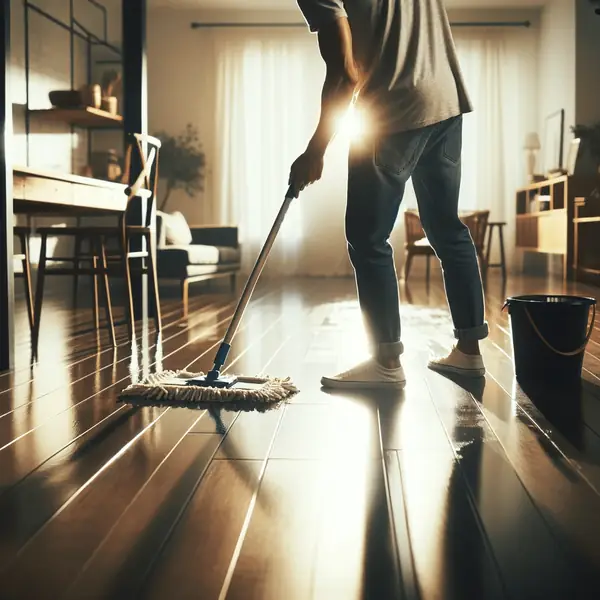
Water is the one thing plywood layers cannot forgive: let it seep between them and you risk swelling, warping, and mold growth. That makes your mop and solution the real tools of the job. A flat mop with a microfiber pad spreads moisture evenly instead of leaving wet pools, and its soft surface lifts dirt without scratches or streaks.
For the solution, use a pH-neutral cleaner such as Bona Hardwood Floor Cleaner, mixed with water as the label directs. Dampen the pad until it is moist but not dripping, then work across the floor in sections with smooth, even strokes. Going section by section keeps the moisture controlled, so nothing is missed and nothing gets soaked. The CDC’s information on mold explains why the caution is worth it: mold grows wherever moisture lingers, and wood is on its menu.
Step 3: Treat Spills on Contact
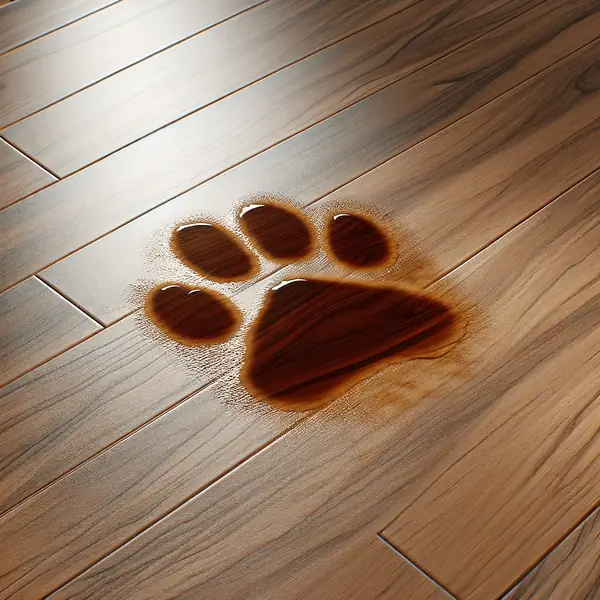
A spill starts a clock, and dabbing with a clean, damp cloth is the fastest way to stop it. Press and blot rather than rub, since rubbing spreads the liquid and pushes it deeper into the wood. Grease and oil need one extra step: mix a drop of dish soap into a cup of water, apply the mild solution, and let it cut the grease before you wipe it away.
For a stain that shrugs off the first attempt, use a dedicated wood floor cleaner such as Method Squirt + Mop Wood Floor Cleaner. Apply it to a soft cloth rather than pouring it onto the floor, and dab gently until the mark lifts. Keep abrasive pads and scrubbers away entirely, because they scratch the finish and open the surface to worse damage. Products work best when used as directed, and Health Canada’s guidance on using household products safely is a solid reference for cleaning and storing them.
Step 4: Put Mats Where Traffic and Water Land
Mats at every entry point stop grime and moisture before they reach the floor. Choose versions made for hardwood, with a non-slip backing that holds them steady and a design that lets air flow underneath so trapped dampness cannot harm the plywood. Extend the strategy indoors: hallways, the stretch in front of the kitchen sink, and any spot where feet travel often. Under heavy furniture, area rugs and protective pads spread the weight more evenly, which curbs indentations and scratches.
Step 5: Refresh the Top Coat Every Few Years
A new coat of polyurethane every few years restores the original luster and adds a layer of protection against daily life. Pick a water-based product: it dries fast, so the floor is out of service for less time, and it releases far fewer odors and volatile organic compounds than oil-based finishes, which matters in homes with children, pets, or sensitive noses.
The order of work matters. Clean the floor thoroughly first, then sand it lightly with fine-grit paper, working evenly so the fresh coat has a surface to grip. Apply the polyurethane in thin, even layers with a quality brush or roller, following the grain and starting at the farthest corner so you can walk out without touching the wet finish. Several thin coats usually beat one thick one, with the label’s drying time between rounds. The payoff is a floor that looks refreshed and resists scratches, scuffs, and stains.
Plywood Floor Care at a Glance
| Task | How often | The critical detail |
|---|---|---|
| Dusting | Daily | Microfiber or electrostatic cloth, gentle strokes |
| Mopping | Weekly | Microfiber pad moist, not dripping; pH-neutral cleaner |
| Spill care | Immediately | Dab, never rub; dish soap solution for grease |
| Mats and rugs | Ongoing | Clean them regularly; airflow backing prevents trapped damp |
| Refinishing | Every few years | Water-based polyurethane in thin coats |
Five Rules That Prevent Damage
- Never wet-mop; keep the pad moist, not dripping.
- Never rub a spill; dab it the moment it happens.
- Never pour cleaner directly onto the floor.
- Never use abrasive pads or scrubbers on the finish.
- Never skip the light sanding before a new top coat.
Frequently Asked Questions
Can plywood floors handle a wet mop?
No, so keep water to a minimum. A microfiber pad that is moist but not dripping, paired with a pH-neutral cleaner, cleans the floor without letting moisture seep between the layers. Excess water is what causes swelling, warping, and mold, so the weekly mop should leave the surface nearly dry.
What is the best cleaner for plywood floors?
A pH-neutral floor cleaner mixed with water as directed is the safe default. For grease, a drop of dish soap in a cup of water cuts through it. For stubborn stains, reach for a dedicated wood floor cleaner applied to a cloth, not the floor itself.
How do I stop spills from staining?
Speed and technique. Blot with a clean, damp cloth right away, pressing instead of rubbing so the liquid does not spread or sink deeper. Grease gets the dish soap treatment; anything stubborn gets a wood floor cleaner dabbed on gently. Abrasive scrubbers only make the damage worse.
When does a plywood floor need refinishing?
Usually every few years, or whenever the finish looks dull and worn. Clean and lightly sand first, then apply water-based polyurethane in thin, even coats along the grain, letting each coat dry per the label. The new layer restores the shine and shields the wood from scratches and stains.
Let Your Plywood Floors Shine
Five steps, a few good tools, and a little consistency are all it takes to keep plywood floors looking their best. When the deep work is due, Toronto Shine Cleaning is insured, with $5,000,000 liability insurance. Book a regular clean or a deep clean, check our service areas, or read client reviews, and call (647) 424-0355 to book.