5 Easy Miraculous Uses of Baking Soda for Cleaning
On this page
Baking soda costs about two dollars a box and solves problems that expensive sprays cannot touch. It absorbs odour instead of covering it, it lifts grease when mixed into a paste, and it scours hard enough to strip baked on food without scratching most finishes. Here are five uses worth keeping in rotation.
1. Freshen Carpets and Rugs
Baking soda does not mask a smell, it absorbs it, which is why it works so well on pet odours and the musty smell that settles into fibres over a winter. The routine is simple:
- Sprinkle an even layer over the carpet, working in sections
- Leave it for at least 15 minutes so it has time to pull odours in
- Work it into the pile with a soft bristled brush for heavy odours
- Vacuum slowly and go over the area twice to lift every trace
A few drops of lavender, lemon or peppermint oil stirred into the soda before you sprinkle leave a light scent behind. Because the powder is non-toxic, it is a safe choice in a home with children or pets.
2. Unclog Drains with Hot Water
Skip the harsh chemical drain cleaner. Boil a full kettle or pot of water and pour it slowly down the slow drain first; the heat softens whatever is caught in the trap. Follow with half a cup of baking soda straight into the drain and let it sit for several minutes so it can break down the buildup. Finish with a second pot of boiling water to flush the loosened debris away.
It is easy on the pipes, cheap, and it avoids putting caustic products into your plumbing and the water system. Repeat the cycle if the drain is still sluggish, and use a strainer afterwards to keep hair and food out of the trap.
3. Sparkling Kitchen Surfaces
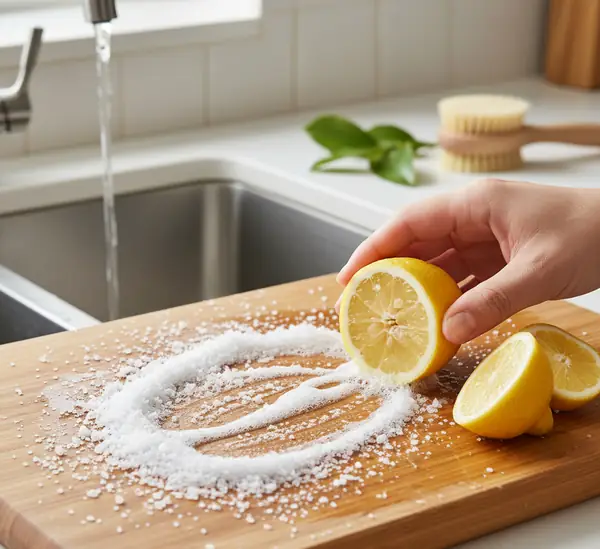
Mix baking soda with a little water to form a paste. Spread it over greasy spots and dried food residue and it clings to vertical surfaces such as a backsplash or the front of the fridge, where a liquid cleaner simply runs off. The powder is abrasive enough to remove baked on mess but soft enough to leave stainless steel, granite, marble and laminate unmarked.
For an oven interior, spread the paste over the grime and leave it overnight. The long soak softens baked on grease so it wipes away the next morning, with none of the fumes that come with a caustic oven spray. Rinse the surface with clean water and dry it afterwards, since a soda film can leave a chalky look on dark counters.
4. Deodorize the Refrigerator
Put an open box or a small bowl of baking soda in the fridge and let it go to work. The powder attracts and holds odour particles on its surface, which means the smells are removed rather than blended with a perfume. One box can absorb a surprising amount, and it is safe next to food because it is the same ingredient you bake with.
Replace it about once a month to keep the effect going. A fresh smelling fridge is also a practical win: odours transfer between uncovered food, so neutral air helps leftovers and produce taste like themselves.
5. Revive the Laundry
Add baking soda to a normal wash cycle and it does two things at once. It raises the pH of the water so your detergent breaks down dirt more effectively, and it softens hard water so soap rinses out cleanly and clothes feel softer without a fabric softener. Towels, gym clothes and pet bedding come out noticeably fresher, because the powder absorbs the odour molecules rather than hiding them.
It is gentle enough for everyday loads, so colours and delicate fabrics hold up well. For a stain, mix a thick paste with water, work it into the fabric and let it stand before washing, then launder as usual.
Amounts at a Glance
| Job | How much | Timing |
|---|---|---|
| Carpets and rugs | Even sprinkle over the area | 15 minutes or longer, then vacuum |
| Slow drain | Half a cup into the drain | A few minutes, then flush with boiling water |
| Kitchen surfaces | Paste with a little water | Soak stubborn spots overnight |
| Refrigerator | One open box or bowl | Replace monthly |
| Laundry | A scoop in the wash cycle | Every load, with your usual detergent |
Where Baking Soda Stops Working
Two limits are worth knowing. Baking soda is a cleaner, not a disinfectant, so a surface that needs sanitizing should be washed with soap and water first, as the CDC household cleaning guide sets out, and your hands washed after handling a clogged drain or pet mess, per the CDC handwashing advice. Leave it off aluminium, where it can darken the finish, and do not expect a box left in the fridge to do the work of actually cleaning up a spill.
When to Call a Professional
Pantry staples reset a room between visits, but nothing in a box of soda takes on grout, oven interiors, carpets and windows in one afternoon. Toronto Shine Cleaning is insured, with $5,000,000 liability insurance, and covers Toronto and the GTA. Book an in depth deep clean for the heavy build up, keep a regular maid service on the calendar, and review the pricing page for rates that start at $194 before HST. Call (647) 424-0355 to get started.
Frequently Asked Questions
Is baking soda safe on every surface?
It is safe on most, including stainless steel, ceramic, glass and sealed counters. Two exceptions matter: aluminium can darken when the powder sits on it, and unsealed natural stone should be treated carefully. Rinse and dry after use.
How long should the carpet powder sit?
Fifteen minutes handles everyday odours and a longer wait of an hour or two helps with pet smells, as long as traffic stays off the area. Always vacuum twice, since powder left in the pile dulls the carpet and dulls the vacuum.
Can I mix baking soda and vinegar for a stronger clean?
They fizz together, but the reaction mostly cancels the acid and leaves you with salty water. Use vinegar for glass, scale and grease, and baking soda as the abrasive and odour absorber, one after the other rather than together.
Does baking soda kill germs?
It removes dirt and odour but it is not a disinfectant. For surfaces that need germ removal, clean with soap and water first, then use a product labelled for disinfecting, and wash your hands when you are done.