5 Ways to Remove Soap Scum From Shower Tiles
On this page
That cloudy, streaky layer on shower tile has a simple origin: soap meets the minerals in hard water and the oils your skin sheds, and the residue dries into film. Toronto’s water supply makes the problem worse, which is why so many bathrooms here end up fighting it. Beating it does not require harsh chemistry, though. The five approaches below rely on supplies you probably already have at home, plus a couple of store-bought options for heavier buildup. Whichever you choose, try it on an inconspicuous patch of tile first.
1. Vinegar and Water
Fill a spray bottle with equal amounts of white vinegar and water. Coat the tile and give the acid about ten minutes to soften the film, then go over it lightly with a sponge or a non-abrasive brush and rinse. Results show up right away, and the mix will not harm glazed finishes. Where the waterline has left a hard ring, soak a cloth in the solution, wrap the cloth around the area, wait a few minutes, and then scrub.
2. A Baking Soda Paste
Add just enough water to baking soda to make a thick paste. Smear it across the tile, work it in with small circles using a soft brush, and rinse. The powder’s fine texture lifts residue without scratching the surface, and there is no chemical smell to ventilate away.
3. Store-Bought Shower Cleaner
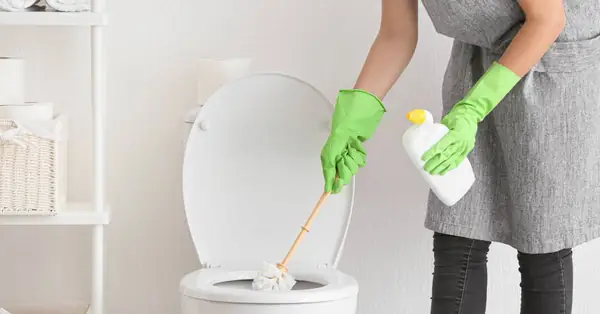
Commercial bathroom products are designed to dissolve scum fast. Spray, wait as long as the label directs, and rinse. Two rules protect you while you work:
- Open a window or switch on the exhaust fan so the room stays ventilated.
- Do not combine products, because bleach mixed with other cleaners can release toxic gases.
Rinsing well and drying the tile afterwards also cuts the humidity that damp surfaces hold, which is why the CDC material on mould and health treats moisture control as a health issue rather than a cosmetic one.
4. Lemon Oil for the Finishing Pass
Whichever method you used, finish by putting several drops of lemon oil on a soft cloth and wiping the tile. It lifts the last of the water spots and streaks, leaves a faint citrus scent behind, and adds a light sheen that makes the room feel clean.
5. Dish Soap and Warm Water
Cutting grease is exactly what dish soap is made for, and soap scum is largely oily residue. Add a few drops to warm water in a spray bottle, mist the tile, give it a few minutes, scrub gently, and rinse. Nothing here is harsh, the mix suits every tile type, and it leaves no strong odour behind. Warm water helps the soap spread evenly, and the same bottle works on glass shower doors too.
| Approach | What you need | Where it shines |
|---|---|---|
| Vinegar and water | White vinegar, spray bottle | Routine film on glazed tile |
| Baking soda paste | Baking soda, water | Stubborn patches, no-chemical homes |
| Commercial cleaner | Spray from the store | Fast work on heavy buildup |
| Lemon oil | Lemon oil, soft cloth | Streaks and final shine |
| Dish soap and water | Dish soap, spray bottle | Light weekly upkeep |
Prevention Beats Scrubbing
Stopping the film from forming is easier than removing it afterward:
- Pull a squeegee across the tile after each shower, which takes only seconds.
- Leave the exhaust fan running during and after a shower to pull humidity out of the room.
- Choose liquid soap rather than a bar, which leaves more residue behind.
- Wipe the shower down once a week so nothing has time to harden.
- Rinse the tile for about 30 seconds after a shower to carry fresh residue away before it dries.
Moisture control matters for more than appearance. A bathroom that dries out properly protects your health along with the tile, and the CDC household cleaning pages explain how to clean, then disinfect, surfaces once soil takes hold.
When Professional Help Makes Sense
Once scum has had months to build, or when a Toronto rental has to pass an inspection, a professional visit saves the day. Toronto Shine Cleaning handles shower, grout, and tile deep cleaning, end-of-tenancy cleaning for tenants and landlords, and recurring home cleaning that keeps bathrooms fresh in between. Our Google rating sits at 4.8 out of 5, and the reviews page has the details. Phone (647) 424-0355 to book a visit.
Frequently Asked Questions About Soap Scum
Does vinegar damage any tile?
Glazed ceramic and porcelain handle it fine, but natural stone such as marble, limestone, or travertine can be etched by acid. Use dish soap or a cleaner formulated for stone on those surfaces instead.
What makes soap scum return so quickly?
Every shower adds fresh soap residue to the minerals already present in hard water. Squeegeeing daily, cleaning weekly, and running the exhaust fan all slow the film down considerably.
Should I combine vinegar and baking soda?
The two fizz when mixed but largely cancel each other out, so the result cleans less effectively than either one on its own. Use vinegar first, then bring out a baking soda paste for the stubborn spots.
How frequently should shower tile be cleaned?
A daily squeegee or wipe plus one weekly clean with your preferred method stops scum from settling in, and a monthly pass over the grout lines and corners prevents the worst of the buildup.
Do I need the fan running while I clean?
Yes, whenever a commercial product is involved, and never mix bleach with another cleaner. Airflow keeps the room safe to breathe and helps the tile dry without streaks.
In the press Lina DaSilva, founder of Toronto Shine Cleaning, was quoted on this topic in Homes & Gardens (“How to clean a shower: 8 steps to a spotless shower space”).