Cleaning Products

Cleaning vinegar vs regular vinegar

Cleaning Vinegar vs Regular Vinegar: Which One Should You Use?

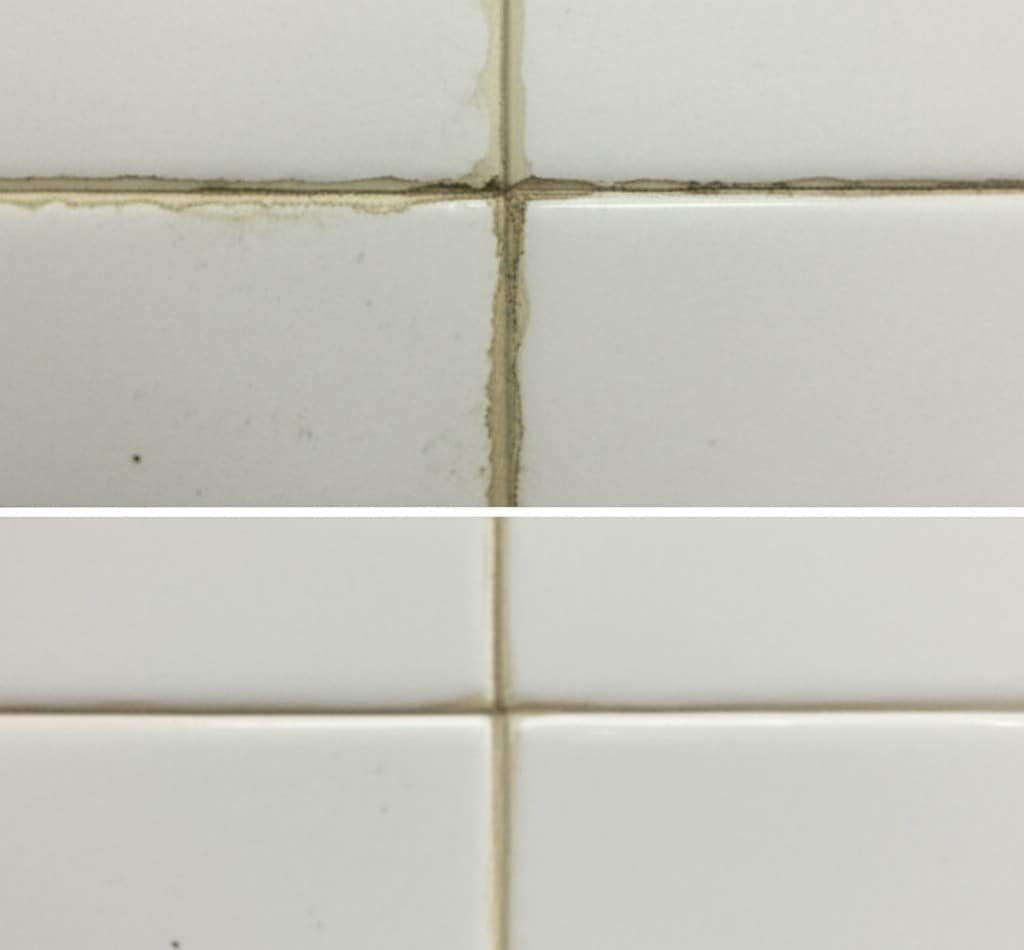
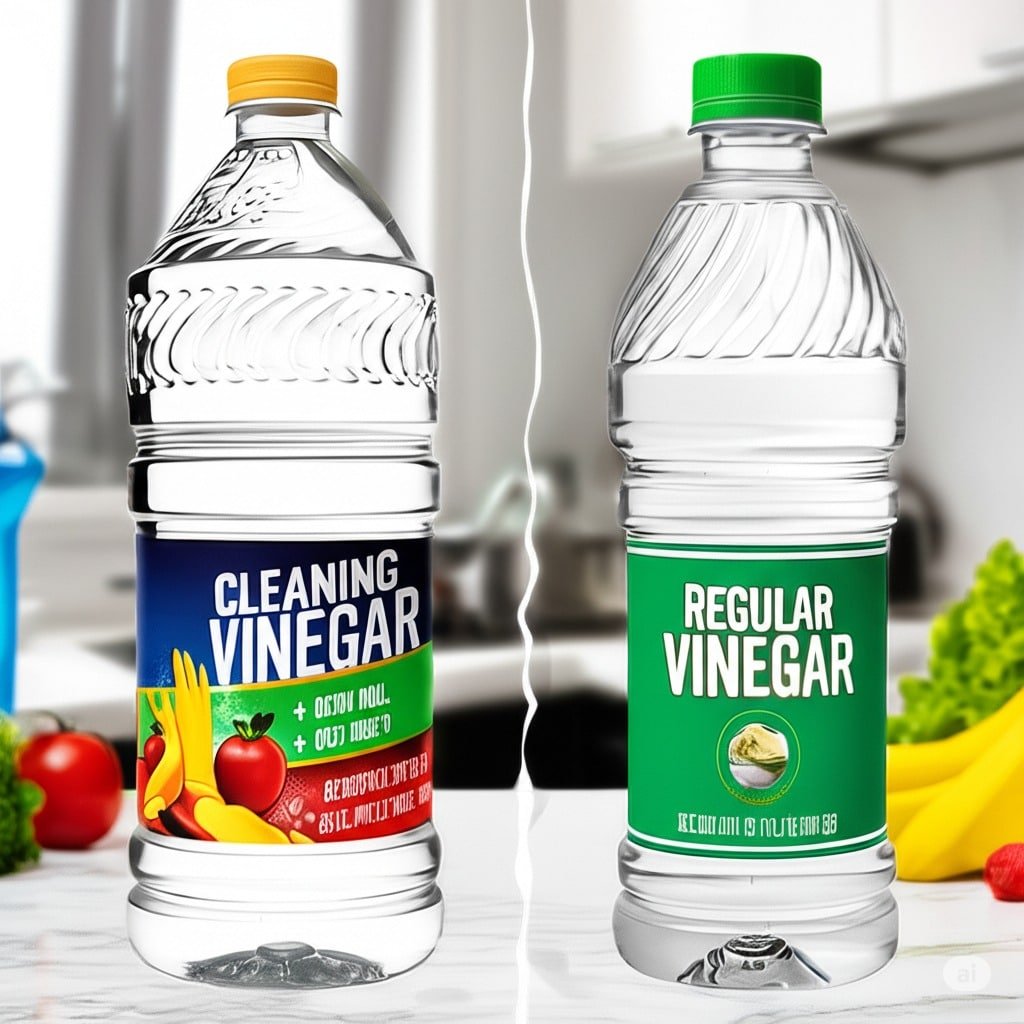
Walking down the cleaning aisle, you see it: a jug labeled “Cleaning Vinegar.” It sits near the all-purpose sprays and scouring powders, looking distinctly more industrial than its culinary cousin in the condiment aisle. The question arises naturally: is this just a marketing gimmick, or is there a real, functional difference between the vinegar you put on your salad and the one you use on your shower door? The answer is simple and significant. Yes, there is a difference, and understanding it is key to using this powerful natural cleaner safely and effectively. 1.Fermentation Process At its core, all vinegar is a solution of acetic acid and water. This acid is the active ingredient responsible for vinegar’s cleaning power. It’s created through a two-step fermentation process. First, yeast converts sugars from a plant source, like corn, apples, grapes, or grains, into alcohol. Then, a specific type of bacteria, Acetobacter, converts that alcohol into acetic acid. The final concentration of this acid is what separates one type of vinegar from another. Let’s first consider the familiar bottle of regular distilled white vinegar, a staple in pantries everywhere. This is the product most people grab when a cleaning recipe calls for vinegar. Standard white vinegar sold for culinary purposes in North America has a strictly regulated acidity level, typically containing 5% acetic acid. This percentage is not arbitrary; it’s a balance that makes it palatable and safe for consumption while still being effective for pickling, marinading, and creating salad dressings. Because it’s food-grade, it offers a distinct peace of mind when used for cleaning in kitchen environments. You can descale your coffee maker with it and know that any residue left behind is harmless. You can wipe down your countertops or clean your microwave, confident that you aren’t introducing harsh, inedible chemicals where you prepare your food. The 5% acidity of regular white vinegar is potent enough for a vast range of household cleaning tasks. Its acidic nature is excellent at breaking down and dissolving mineral deposits, which is why it works so well against hard water stains and scale buildup. When you run a cycle of vinegar and water through your coffee machine or kettle, the acetic acid goes to work on the calcium and magnesium deposits, dissolving them and flushing them away, improving the machine’s performance and the taste of your beverage. The same principle applies to cleaning shower heads clogged with scale or removing the white, chalky film that hard water leaves on glass shower doors and faucets. 2.Degreaser and Deodorizer Furthermore, regular vinegar is an effective degreaser and deodorizer. It cuts through light grease on stovetops and backsplashes. Its ability to neutralize alkaline odors makes it a fantastic solution for eliminating smells from garbage disposals, refrigerators, or musty laundry. A small bowl of vinegar left on a counter can absorb and neutralize unpleasant cooking odors overnight. As a rinse aid in the dishwasher, it helps break down soap residue and leaves glassware sparkling and spot-free. When used in laundry, a cup in the rinse cycle can act as a natural fabric softener, breaking down detergent buildup and leaving clothes feeling softer without a waxy coating. Its applications are broad, making it a true multi-purpose workhorse for general, everyday cleaning. Now, let’s turn our attention to the jug labeled “Cleaning Vinegar.” At first glance, it looks the same, a clear liquid, just like its culinary counterpart. The crucial difference, however, lies in its strength. Cleaning vinegar is formulated with a higher concentration of acetic acid, typically around 6% to 8%. While a jump from 5% to 6% might seem insignificant, it represents a 20% increase in acidic strength. This boost in potency makes it a more formidable opponent against tougher, more stubborn messes where regular vinegar might require more time or more scrubbing to be effective. This increased acidity means cleaning vinegar excels at heavy-duty jobs. It cuts through thick, caked-on soap scum in bathtubs and showers with noticeably more ease. It tackles severe hard water stains on glass and fixtures that have been building up for months. For homes with very hard water, cleaning vinegar can be the difference between a frustrating scrub session and a quick, satisfying wipe-down. It’s also more effective at cleaning neglected tile grout, its higher acidity helping to lift deep-set grime and mildew stains. Some people even use it as a more natural alternative to chemical herbicides for killing weeds that pop up in the cracks of driveways and sidewalks, as the stronger acid is more effective at desiccating the plant life. 3.Not For Consumption However, this increased power comes with important caveats, primarily concerning safety and surface compatibility. The most critical distinction is that cleaning vinegar is not produced to be food-safe. It is not intended for consumption, and it should never be used in cooking or food preparation. Its production is not regulated by food safety standards, and it may contain impurities not present in distilled white vinegar. The label will almost always include a warning: “Not for consumption.” The stronger concentration also means it releases more potent fumes. When using cleaning vinegar, especially in enclosed spaces like a bathroom, proper ventilation is not just recommended, it’s essential. Opening a window or running an exhaust fan helps to dissipate the strong acidic smell and prevents irritation to the respiratory system. For individuals with sensitivities, the fumes from cleaning vinegar can be overwhelming. It’s also more likely to cause skin and eye irritation upon direct contact. Wearing gloves is a wise precaution to protect your hands, and care should be taken to avoid splashing it into your eyes. The heightened acidity also increases the risk of damaging certain surfaces. While all vinegar should be used with caution on sensitive materials, cleaning vinegar requires even greater care. It should never be used on natural stone surfaces like marble, granite, travertine, or limestone. The acid, even when diluted, will etch and dull the surface, causing permanent damage. It’s also too harsh for unsealed

Cleaning Vinegar vs Regular Vinegar: Which One Should You Use? Read More »

Island Cleaning Supplies: The Ultimate Guide for a Sparkling Space

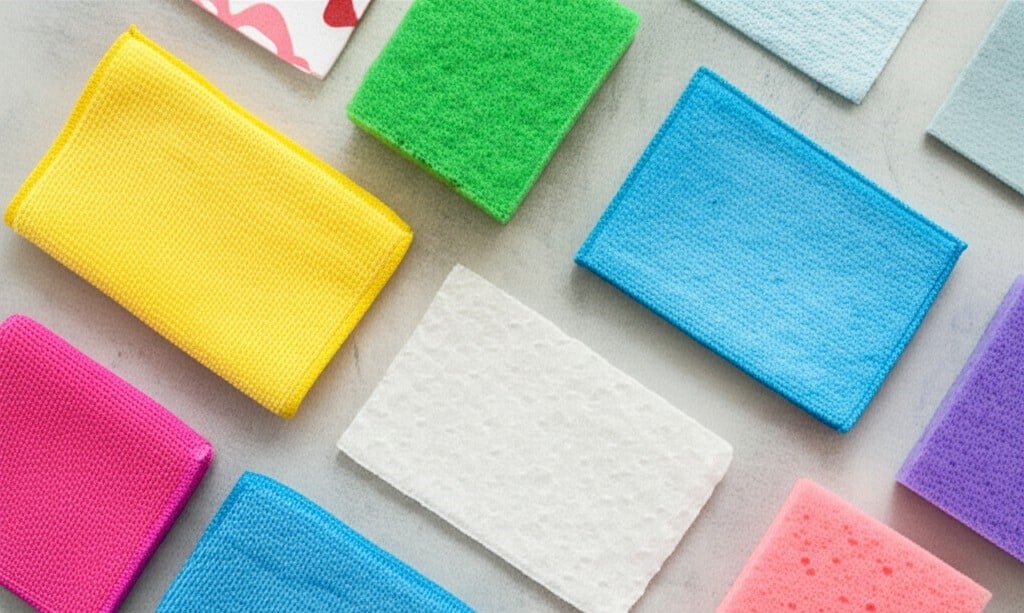
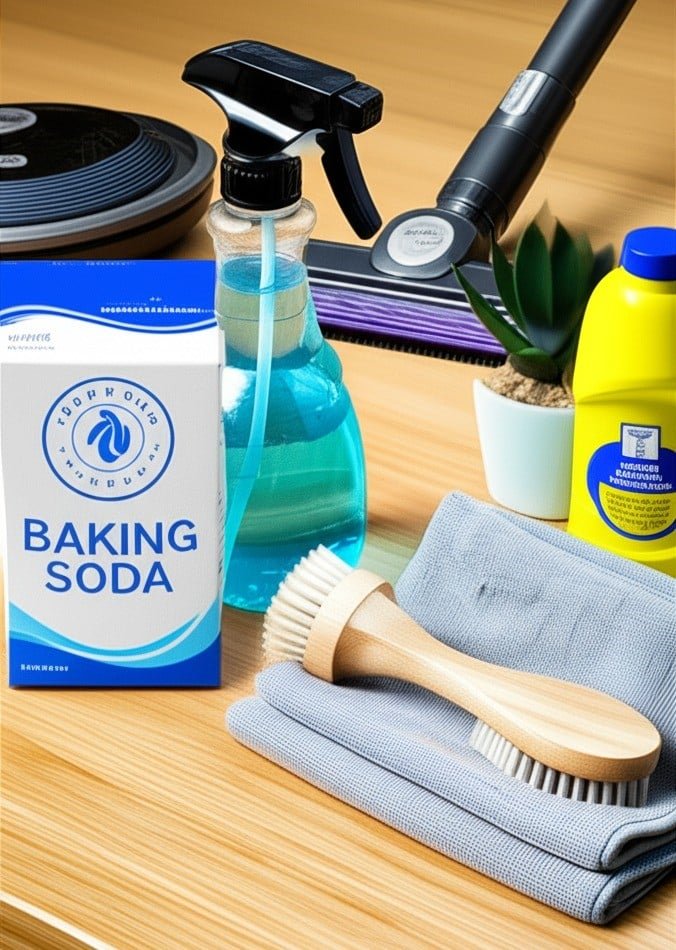
A cleaning cart should function as a self-sufficient ecosystem for island cleaning. This is the fundamental principle of island cleaning. The goal is to create a compact, portable kit that can tackle any common mess without requiring constant trips back to a supply closet overflowing with specialized, single-use products. This island cleaning approach isn’t about deprivation; it’s about efficiency. It prioritizes versatile tools and a deep understanding of how they work, saving space, time, and money. A well-executed island cleaning strategy means you’re always prepared, with a lean yet powerful arsenal ready for immediate deployment. This philosophy transforms cleaning from a scattered, reactive task into a streamlined, proactive process. 1.Indispensable The absolute foundation of any island cleaning kit is not a chemical, but a textile: the microfiber cloth. To underestimate the power of high-quality microfiber is to misunderstand the fundamentals of effective cleaning. A robust stack of these cloths is the most versatile component in your entire setup. Their composition of millions of fine, split fibers creates an immense surface area that grabs and traps dust, grime, and bacteria with an almost magnetic force. Unlike cotton rags that merely push dirt around, microfiber lifts and removes it from the surface. These cloths are also incredibly absorbent, capable of holding up to seven times their weight in liquid, which makes them superior for drying surfaces without leaving behind streaks or lint. A proper island cleaning inventory should include several types. General-purpose cloths are the daily workhorses. Glass and polishing cloths possess a tighter, smoother weave for a flawless finish on mirrors, windows, and chrome fixtures. Waffle-weave cloths are excellent for soaking up larger spills or drying dishes. Owning a dozen or more, color-coded for different rooms (e.g., blue for glass, green for kitchen, red for bathroom), prevents cross-contamination and is a cornerstone of a smart island cleaning system. 2.Spray Bottle With textiles in place, the next necessity is a proper vessel. A professional-grade, chemical-resistant spray bottle is a non-negotiable tool. The cheap, flimsy bottles from the dollar store will fail you; their triggers will stick and their nozzles will clog. Investing in one or two high-quality bottles with adjustable nozzles gives you complete control over your cleaning solutions. You can switch from a fine, wide mist for damp-dusting a delicate surface to a concentrated stream for targeting stubborn grout lines. This level of control is essential for efficient island cleaning. Alongside the bottle, a set of reliable brushes provides the necessary mechanical force. A simple, palm-held dish brush with durable nylon bristles is the starting point, perfect for scrubbing sinks and countertops. For more demanding jobs, a dedicated grout brush with a narrow profile and stiff bristles is indispensable for attacking tile lines, tracks, and tight corners. 3.White Vinegar Now we address the liquids, the true multi-taskers of the island cleaning philosophy. The first and most vital is simple white distilled vinegar. Its power is rooted in its acidity. The acetic acid in vinegar is brilliant for dissolving the mineral deposits found in hard water stains on faucets, shower heads, and inside coffee makers. Diluted with water in a spray bottle, it becomes an exceptional glass cleaner, cutting through grime and evaporating without leaving streaks. It’s also a natural and effective deodorizer, neutralizing odors rather than just masking them with fragrance. A small bowl of vinegar left in a smoky or food-scented room will absorb the unwanted smells. Its mild acidity also lends it disinfecting properties, making it a safe choice for many kitchen surfaces. The one critical exception is its use on natural stone like marble, granite, or travertine, as the acid will etch and permanently dull the finish. Understanding this limitation is part of mastering the island cleaning approach. 4.Dish Soap The second essential liquid is a quality dish soap, specifically one known for its potent degreasing formula. Dish soap is a surfactant, meaning it breaks down the surface tension of water, allowing it to mix with and lift away oils and grease. This property is useful far beyond the sink. A few drops mixed with warm water in a spray bottle creates a universal, all-purpose cleaner that is safe and effective on nearly any surface, including sealed wood floors, painted walls, countertops, and cabinets. It can be used to pretreat greasy stains on laundry or upholstery. For heavily caked-on grease on a stovetop, applying a thin layer of dish soap and letting it sit for ten to fifteen minutes will soften the grime, making it easy to wipe away. This gentle yet powerful action makes dish soap a non-negotiable component for true island cleaning. 5.Isopropyl Alcohol The third liquid that completes the primary arsenal is isopropyl alcohol, or rubbing alcohol, at a 70% concentration. Alcohol is both a powerful solvent and a fast-acting disinfectant. Its defining characteristic is its rapid evaporation rate. This makes it the perfect solution for cleaning stainless steel appliances, which are notoriously prone to streaking. A spray of 50/50 alcohol and water, wiped with a clean microfiber cloth, will lift fingerprints and grime and evaporate almost instantly, leaving a flawless, polished shine. It is also the ideal cleaner for electronics like keyboards, remote controls, and phones, as it disinfects effectively without the risk of moisture damage. This completes the liquid trifecta of any serious island cleaning caddy. 6.Baking Soda With liquids established, we turn to powders, which provide the abrasive force that chemicals alone cannot. The gentlest and most versatile of these is sodium bicarbonate, better known as baking soda. As a mild alkali and a fine, soft abrasive, it is the perfect scrubbing agent for surfaces you do not want to scratch, such as porcelain sinks, fiberglass tubs, and enamel cookware. Sprinkled directly onto a damp sponge or surface, it provides just enough grit to lift away stains and buildup. It can be mixed with a small amount of water to form a powerful scrubbing paste for tackling burnt-on food on stovetops or inside ovens. Like vinegar, it is also a fantastic deodorizer. An open box in the refrigerator absorbs ambient odors, while sprinkling it on

Island Cleaning Supplies: The Ultimate Guide for a Sparkling Space Read More »

Ammonia – 3 Essential Tips On How To Use

Ammonia, a compound of nitrogen and hydrogen, is a cornerstone of the cleaning world, a powerful and effective agent whose utility is matched only by the need for its cautious handling. Its presence in a cleaning arsenal signifies a serious approach to tackling specific types of grime, particularly grease and soils that other cleaners struggle to lift. In its pure form, ammonia is a gas with a characteristically pungent, sharp odor that is instantly recognizable. For cleaning purposes, it is dissolved in water to create a solution known as ammonium hydroxide. This alkaline solution is what gives ammonia-based cleaners their formidable power. 1.pH Scale The primary mechanism behind ammonia’s cleaning prowess is its alkalinity. On the pH scale, which measures acidity and alkalinity, ammonia sits comfortably on the high end. This high pH makes it incredibly effective at breaking down acidic soils, which include common household messes like kitchen grease, cooking oils, and grime from fingerprints. When applied to a greasy surface, the alkaline nature of the ammonia solution works to emulsify the fats and oils, essentially breaking them down into smaller, water-soluble particles that can be easily wiped away. This process, called saponification, is similar to how soap is made and is the reason ammonia can cut through built-up layers of kitchen residue on stovetops, range hoods, and backsplashes with minimal effort. Another significant advantage of ammonia is its volatility. It evaporates quickly and completely from surfaces, leaving behind no streaks or residue. This property is precisely why it has been a long-standing key ingredient in glass and mirror cleaners. While soaps and other detergents can leave a film that causes streaks, an ammonia-based solution cleans the glass and then dissipates into the air, resulting in a perfectly clear, unmarred finish. This same quality makes it ideal for cleaning other non-porous, high-shine surfaces like stainless steel appliances, chrome fixtures, and some types of countertops. The rapid evaporation ensures that water spots and hazy films are not left behind to dull the surface. You will find ammonia in a variety of commercial cleaning products, though sometimes its presence is not overtly advertised on the front of the label. Glass cleaners are the most common and well-known application. Heavy-duty all-purpose cleaners, especially those marketed for tough kitchen or bathroom jobs, often contain ammonia to boost their degreasing capabilities. Oven cleaners, designed to tackle the most stubborn, baked-on grease and food spatter, frequently rely on a high concentration of ammonium hydroxide to dissolve the carbonized mess. It can also be found in some floor cleaners, particularly for no-wax vinyl or linoleum floors, where it can lift dirt and grime without damaging the surface or leaving a sticky residue. Even some jewelry cleaning solutions use a diluted form of ammonia to remove body oils and dirt, restoring shine to hard gemstones and precious metals. Beyond pre-packaged products, many people purchase household ammonia itself to create their own custom cleaning solutions, typically by diluting it with water for a versatile, powerful, and economical cleaner.   2.Good Cleaner The practical applications in a home are extensive. In the kitchen, a diluted ammonia solution can make quick work of greasy cabinet doors, backsplashes, and range hoods. For stainless steel refrigerators and dishwashers prone to fingerprints, an ammonia-based cleaner wipes them away and leaves a streak-free surface. When cleaning an oven, the chemical power of ammonia can drastically reduce the amount of physical scrubbing required. In the bathroom, it can be used to deep clean sinks, tubs, and tiles, removing soap scum and body oils. It restores the brilliant shine to chrome faucets and showerheads. When washing windows and mirrors, nothing quite matches the flawless, transparent finish an ammonia cleaner provides. It can even be used in laundry as a stain pretreatment for organic stains like blood or grass, and adding a cup to a load of white linens can help to brighten them and remove residue from detergents. However, the immense power of ammonia necessitates a deep respect for its potential hazards and limitations. The single most important safety rule, one that cannot be overstated, is to never, under any circumstances, mix ammonia with bleach. The combination of ammonia (ammonium hydroxide) and bleach (sodium hypochlorite) creates a chemical reaction that releases highly toxic chloramine gas. Inhaling chloramine gas can cause severe respiratory distress, including coughing, shortness of breath, chest pain, nausea, and watery eyes. In high concentrations or with prolonged exposure, it can lead to serious lung damage and can even be fatal. This danger extends not just to intentionally mixing the two liquids in a bucket, but also to using them sequentially on the same surface without thorough rinsing in between. For example, cleaning a toilet bowl with a bleach-based cleaner and then adding an ammonia-based cleaner can release chloramine gas directly into a small, enclosed space. Always read product labels to identify ingredients and ensure you are not creating a dangerous chemical cocktail. 3.Never Mix Proper ventilation is the second critical safety measure. The fumes from ammonia, even when used alone, are a potent irritant to the eyes, nose, throat, and lungs. Working in a poorly ventilated area can lead to headaches, dizziness, and respiratory irritation. When using any ammonia-based product, from a simple glass cleaner to a heavy-duty oven cleaner, always ensure there is good airflow. Open windows and doors, and use an exhaust fan if one is available. This helps to dissipate the fumes and reduces your exposure. Personal protective equipment is also highly recommended. Because ammonia is caustic, direct contact can irritate or burn the skin. Wearing waterproof gloves creates a barrier that protects your hands, especially during prolonged cleaning tasks. Safety glasses or goggles are also a wise precaution to protect your eyes from accidental splashes, which can cause serious and immediate damage. There are also many surfaces where ammonia should never be used. Its strong alkaline nature makes it damaging to certain materials. It should never be used on porous stone surfaces like marble, limestone, or travertine. The ammonia

Ammonia – 3 Essential Tips On How To Use Read More »