









Carpet Cleaning: 12 Mistakes You Need to Stop Making
Your carpet is a textile made of specific fibers, dyes, and backings, not a surface for any cleaner you grab from under the sink. Many household cleaners contain bleach that can permanently strip color, while others are so alkaline or acidic they can burn synthetic fibers or dissolve natural ones like wool. Dish soap is a frequent culprit: it cuts grease but leaves a sticky residue that attracts dirt faster than the surrounding carpet. The twelve mistakes below quietly destroy carpets, and all of them are avoidable.
Mistakes That Damage Carpet Fibers
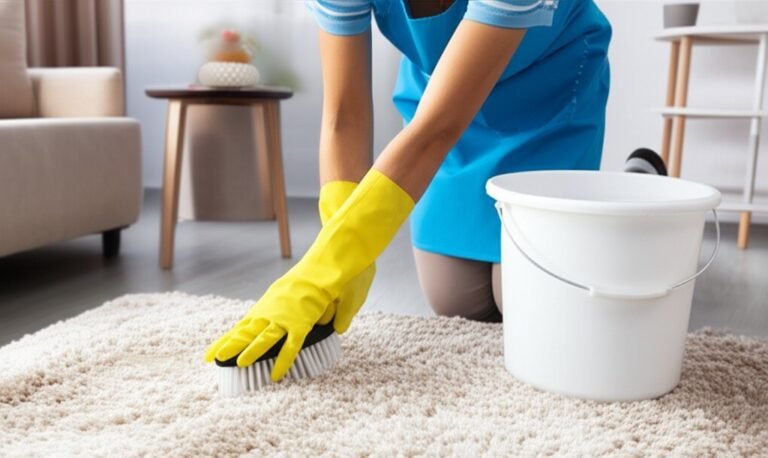
Rubbing a stain is the most natural, and most destructive, impulse. Vigorous scrubbing pushes the spill deeper into the fibers and the padding beneath, can create a breeding ground for mildew, and frays the fibers so they look fuzzy and worn forever. Always blot with a clean, white cloth, working from the outside of the spill inward. Never apply cleaning solution directly to the carpet, either: pouring it on oversaturates the area, spreads the stain under the surface, and risks water damage to your subfloor. Instead, apply a small amount of solution to a cloth and blot with that. Excess water is the most damaging mistake of all, especially with rented machines, where multiple wet passes are tempting. Overwetting can dissolve the glue between the carpet backings, causing ripples and buckling, and it can trigger wicking, where old stains rise back to the surface as the carpet dries. A properly cleaned carpet should feel only slightly damp and dry within 6 to 12 hours; if it stays wet for 24 hours or more, it has been overwetted, and damp carpet and padding can grow mold.
Mistakes That Make Stains Permanent
Waiting too long turns a minor spill into a permanent stain, because dyes and acids in wine, coffee, juice, and pet urine chemically bond with the fibers over time. The golden rule is to act immediately: blot the excess, identify the stain, and treat it right away. Never skip the spot test. Even a reputable product can react unpredictably with your carpet’s specific dyes, so test any cleaner on a hidden area such as inside a closet or under a large piece of furniture before treating a visible stain. And always rinse. Any solution left in the fibers dries into a sticky, stiff residue that acts like flypaper for dirt, which is why spots darken and reappear shortly after cleaning. After blotting a stain, mist the area with clean water and blot again with a dry cloth.
Mistakes That Wear Carpets Out Early
Infrequent vacuuming is the silent destroyer of carpets. Fine, abrasive grit settles deep in the pile, and every footstep grinds it against the fibers like sandpaper, dulling them and creating traffic lanes. Vacuum high-traffic areas at least twice a week and the rest of the home at least once. Use a beater bar or rotating brush for cut-pile carpets, a suction-only vacuum for loop-pile styles like Berber to avoid snagging, and keep the bag or canister no more than two-thirds full for maximum suction. Deodorizing powders are another well-intentioned mistake: they coat fibers with fragrance, and most household vacuums cannot fully remove the fine powder, which builds into a paste-like layer at the base of the pile and can clog your vacuum. Fix odors at the source with proper cleaning, and remember that a cleaner home means better indoor air quality for everyone in it.
Mistakes That Undo Your Hard Work
Walking on a wet carpet crushes the weakened pile, leaving matted footprints, and shoe soles transfer dirt and oils onto freshly cleaned fibers. Stay off the carpet until it is completely dry, and speed drying with fans, a dehumidifier, or the HVAC system. Ignoring the padding is another costly error: the pad acts like a sponge, and liquid from spills or pet accidents wicks back up to the surface for weeks, returning stains and odors no matter how well you clean the surface. Significant spills often need professional subsurface extraction to flush the pad. Be careful with homemade solutions, too. Vinegar is an acid that can damage natural fiber carpets like wool or silk, baking soda is a fine particulate that builds up over time, and mixing vinegar with a bleach-containing cleaner can release toxic chlorine gas. Commercial carpet cleaners are pH-balanced and formulated with surfactants and rinsing agents that rinse away cleanly.
Mistakes in Maintenance Planning
Waiting until the carpet looks visibly filthy is the costliest mistake of all, because by then it holds pounds of deep-seated abrasive grit that is actively wearing down the fibers. Schedule professional cleanings as preventative care: for a typical household, an annual professional cleaning is recommended, with more frequent cleanings for homes with pets, children, or high traffic. Keeping up with cleaning routines is part of the everyday hygiene practices that protect your family’s health.
The 12 Carpet Cleaning Mistakes at a Glance
| Mistake | Consequence | Fix |
|---|---|---|
| Using the wrong product | Color loss, burned fibers, sticky residue | Use carpet-specific, fiber-appropriate cleaners |
| Rubbing stains | Frayed fibers, stain pushed deeper | Blot from the outside in |
| Applying products directly | Oversaturation, subfloor damage | Apply to a cloth, then blot |
| Using too much water | Buckling, mold, wicking | Dry within 6 to 12 hours |
| Not rinsing | Residue attracts dirt | Rinse with clean water and blot dry |
| Vacuuming too rarely | Abrasive grit wears fibers down | Vacuum high-traffic areas twice a week |
| Skipping professional cleanings | Embedded soil becomes permanent | Book an annual deep cleaning |
Frequently Asked Questions
How long should carpet take to dry after cleaning? A properly cleaned carpet should feel only slightly damp and dry completely within 6 to 12 hours. If it remains wet for 24 hours or more, it has been overwetted, which risks mold and mildew in the padding.
How often should I vacuum my carpets? Vacuum high-traffic areas at least twice a week and the rest of the home at least once a week. Frequent vacuuming removes the abrasive grit that wears down fibers and causes traffic lanes.
Is vinegar and baking soda safe for carpet stains? Sometimes, but not always. Vinegar is an acid that can damage wool or silk carpets and set certain protein stains, and baking soda is a fine powder that can build up in the pile. Test first, and never mix vinegar with bleach-containing cleaners.
How often should carpets be professionally cleaned? For a typical household, once a year, with more frequent cleanings for homes with pets, children, or heavy foot traffic. Professional extraction also flushes the padding that surface cleaning cannot reach.
Avoiding these mistakes is the difference between preserving your carpet and prematurely destroying it. Toronto Shine Cleaning offers expert carpet care that protects your investment, using pH-balanced solutions and professional-grade extraction to remove deep-seated soil without overwetting, residue, or fiber damage. Book a deep cleaning, add a regular cleaner to your routine, see what clients say on our reviews page, or check our pricing page. Call (647) 424-0355 today.