Decoration

woman preparing the house for Halloween

Halloween Cleaning: The Secret to a Stress-Free Halloween? A Pre-Holiday Clean.

October arrives with Halloween, a distinct change in the air, a freshness that signals a change in seasons and a turn toward festive preparations. For many, this means a flurry of activity centered around one of the year’s most anticipated celebrations: Halloween. The focus naturally falls on costumes, candy, and decorations, on carving pumpkins and creating a perfectly spooky ambiance. But beneath all this excitement lies a foundational step that is often overlooked in the rush, a preparatory ritual that is not just about tidiness, but about safety, functionality, and creating the perfect canvas for the holiday. This is the pre-Halloween cleaning, a comprehensive effort that readies your home for the ghosts, goblins, and guests to come. The Walkway of Your House This is not a typical weekly clean. It is a targeted, purposeful project that addresses your home from the outside in. The primary focus must begin where the Halloween experience itself begins: the exterior of your home. Your walkway, porch, and front door will be the stage for the entire evening’s events, the first and most important point of contact for every trick-or-treater who visits. Its condition sets the tone for the night and, more importantly, ensures the safety of your guests. Start with the path leading to your door. In October, this walkway is likely covered in a slick carpet of fallen leaves, twigs, and other natural debris. When damp, these leaves create a significant slipping hazard, especially for small children in bulky costumes who are excitedly running from house to house in the dark. The first and most critical task is to perform a thorough sweep. Clear the entire walkway, from the sidewalk to your front steps, of all leaves and debris. Follow this with a quick but powerful spray from a garden hose to wash away any residual mud or grime. This single act immediately makes your home safer and more welcoming. Once the path is clear, your attention must turn to the porch or stoop itself. This is the main stage, and it needs to be cleared for action. Remove any lingering summer items—empty planters, forgotten garden tools, or worn-out summer mats. Give the entire surface a comprehensive sweep, paying close attention to the corners where dust and spiderwebs accumulate. While some might consider real spiderwebs to be thematic, they often just look dirty and neglected, detracting from the intentional, spooky atmosphere you plan to create with carefully placed fake webbing. Remove the real ones to make way for the decorative ones. The Front Door With the porch floor clear, focus on the vertical surfaces. The front door will be the centerpiece of the evening. Give it a thorough wipe-down with a damp cloth and a simple solution of warm water and a few drops of dish soap. Clean off the fingerprints, smudges, and accumulated dust from the late summer months. A clean door provides a much better backdrop for a festive wreath or any other decorations you plan to hang. While you are there, wipe down the door handle and any hardware. Next, address the windows that flank your entryway. These windows are prime real estate for spooky silhouettes, window clings, or dramatic lighting effects. They will have a much greater impact if the glass is clean and free of streaks and grime. A simple solution of equal parts white vinegar and water in a spray bottle, wiped away with a squeegee or a clean microfiber cloth, will ensure your ghouls and ghosts are seen in perfect, terrifying clarity. Do not neglect the details of the porch. Wipe down railings and handrails, not just for appearance, but because they will be used by parents and children navigating your steps in the dark. Look up and address the exterior light fixtures. These lights are essential for both safety and atmosphere on Halloween night. A thick layer of dust and dead insects can significantly dim their glow. A careful wipe-down of the glass or plastic covers will ensure they shine as brightly as possible, illuminating the path and highlighting your best decorations. This is also a good time to check that the bulbs are working, replacing them if necessary. Inside the House With the exterior prepared, the focus shifts inward, beginning with the area that will bear the brunt of the evening’s traffic: the entryway. This space acts as an airlock between the autumn chill and the warmth of your home, and on Halloween night, it will see a constant stream of opening and closing doors. It is the buffer zone that helps to contain the dirt and leaves that will inevitably be tracked in. First, clear any clutter. Shoes, bags, and mail that have accumulated by the door should be put away to create a clear, wide path. A cluttered entryway is a tripping hazard, especially for a group of excited children. The floor in this area is the most important surface. Remove your doormat and give it a thorough cleaning. If it is a durable outdoor-style mat, take it outside, scrub it with soap and water, and let it dry completely. If it is an indoor mat, a vigorous vacuuming should suffice. Clean the floor underneath the mat, a spot that often traps a surprising amount of grit. This is the perfect time to place a heavy-duty boot tray by the door. While you may not see snow yet in October, it is the beginning of the wet season, and a boot tray provides a designated, contained space for wet or muddy footwear for the months ahead. Entryway From the entryway, move to the main living areas, the rooms that are visible from the front door. A pre-Halloween clean in these spaces is about creating a clean, dust-free environment before you begin adding the clutter of decorations. A thorough dusting of all surfaces is essential. Dust the mantelpiece where you might place a spooky candelabra, the bookshelves that might soon be draped in cobwebs, and the coffee and end tables that will

Halloween Cleaning: The Secret to a Stress-Free Halloween? A Pre-Holiday Clean. Read More »

woman giving her friend a cleaning gift card

Cleaning Gift: The Most Thoughtful Thanksgiving Gift You Can Give

Thanksgiving is a holiday centered on the beautiful, simple act of gathering. It’s about the warmth of a crowded table, gifts, the familiar comfort of shared recipes, and the expression of gratitude for the people in our lives. We plan menus, we brine turkeys, and we coordinate who will bring which dessert. But beneath this joyful preparation lies a silent, often stressful, and monumental task that almost always falls on the host: the pre-Thanksgiving deep clean. We have all felt it. The week before the guests arrive is a frantic race against the clock. It is a period of scrubbing, dusting, and mopping, driven by the quiet but intense pressure to present a home that is not just tidy, but impeccably clean. It is a labor of love, but it is labor nonetheless. It is hours spent on hands and knees, wiping baseboards and scrubbing floors, when that time could be spent perfecting a pie crust or simply taking a moment to breathe before the happy chaos begins. This year, consider a different kind of contribution. Instead of offering to bring another side dish that will crowd the refrigerator, think about giving a gift that truly serves the person you are thankful for. Consider giving the gift of a clean home. It may sound unconventional, but a pre-Thanksgiving cleaning, whether performed by you or a professional service, is one of the most thoughtful, practical, and profoundly impactful gifts you can possibly give a friend who is hosting. It is a gesture that transcends a simple present; it is a gift of time, of peace of mind, and of genuine, functional support. The Gift of Time In our busy lives, time is the most precious and non-renewable resource we have. During the holiday season, this becomes acutely apparent. The host of a Thanksgiving dinner is not just cooking a single meal; they are orchestrating a major event. Their to-do list is a marathon of planning, shopping, chopping, and baking. The last thing they have is a surplus of free hours. Let’s be honest about what a true guest-ready clean entails. It is not a quick wipe of the counters. It is a comprehensive, top-to-bottom effort. The Dusting: This means getting not just the coffee table, but the tops of the door frames, the ceiling fan blades, the baseboards, and the window sills. It is a detailed, meticulous job that can easily take an hour or more. The Kitchen Deep Clean: The kitchen is the heart of Thanksgiving, and it needs the most intensive work. This involves scrubbing the stovetop, wiping down the fronts of all appliances, cleaning the microwave, disinfecting the countertops, and making sure the sink is sparkling. This is a solid hour of focused work, at minimum. The Bathroom Scrub: The guest bathroom needs to be pristine. This means scrubbing the toilet, cleaning the sink and faucet, wiping down the mirror until it is streak-free, and washing the floor. The Floors: Every hard-surface floor in the main living areas needs to be thoroughly swept and mopped. Every carpet needs to be vacuumed, including moving furniture to get the dust bunnies hiding underneath. This can easily consume another hour or two, depending on the size of the home. The Final Touches: Cleaning entryway glass, tidying up clutter, and giving everything a final polish. When you add it all up, a proper pre-hosting deep clean can easily take five to eight hours of hard, physical work. By giving the gift of a cleaning, you are handing your friend an entire day of their life back. That is a day they can now use to finalize their menu, to bake a dessert without rushing, to spend time with their children who are excited for the holiday, or, most importantly, to simply sit down with a cup of tea and mentally prepare for the joy of hosting, rather than the stress of it. You are not just saving them a chore; you are giving them the space to enjoy the process. The Gift of Peace of Mind The physical labor of cleaning is only half the battle. For any host, the mental load can be even more exhausting. The pressure to have a “perfect” home is a real and often unspoken source of anxiety. Every dust bunny in the corner, every smudge on the window, and every crumb under the dining table can feel like a personal failing when you are about to welcome people into your home. This “hosting anxiety” creates a mental checklist that runs on a constant loop in a host’s mind. Did I remember to dust the lampshades? Is the guest bathroom clean enough? Does the house smell fresh? This internal monologue is a significant source of stress that detracts from the true spirit of the holiday. When you give the gift of a clean home, you are silencing that nagging voice. You are taking a huge, stressful item off their mental checklist and completely erasing it. Imagine the profound sense of relief your friend will feel, walking into their home a day or two before Thanksgiving to find that it is already done. The floors are gleaming. The kitchen is sanitized and ready for the culinary marathon. The bathroom is sparkling. This gift allows your friend to transition their focus from the presentation of their home to the purpose of the gathering. They can channel all their energy into what truly matters: the food, the conversation, and the connection with their loved ones. They can be a present, relaxed, and joyful host, not a frazzled, exhausted one who is secretly worrying about whether a guest noticed the dust on the baseboards. You are not just cleaning their house; you are clearing their mind. A Foundation for the Entire Holiday Season Thanksgiving in many ways is the official kick-off to the entire winter holiday season. The festivities of November flow directly into the preparations for December. A deep clean for Thanksgiving is therefore not just a gift for a single day; it is a foundational gift that keeps on

Cleaning Gift: The Most Thoughtful Thanksgiving Gift You Can Give Read More »

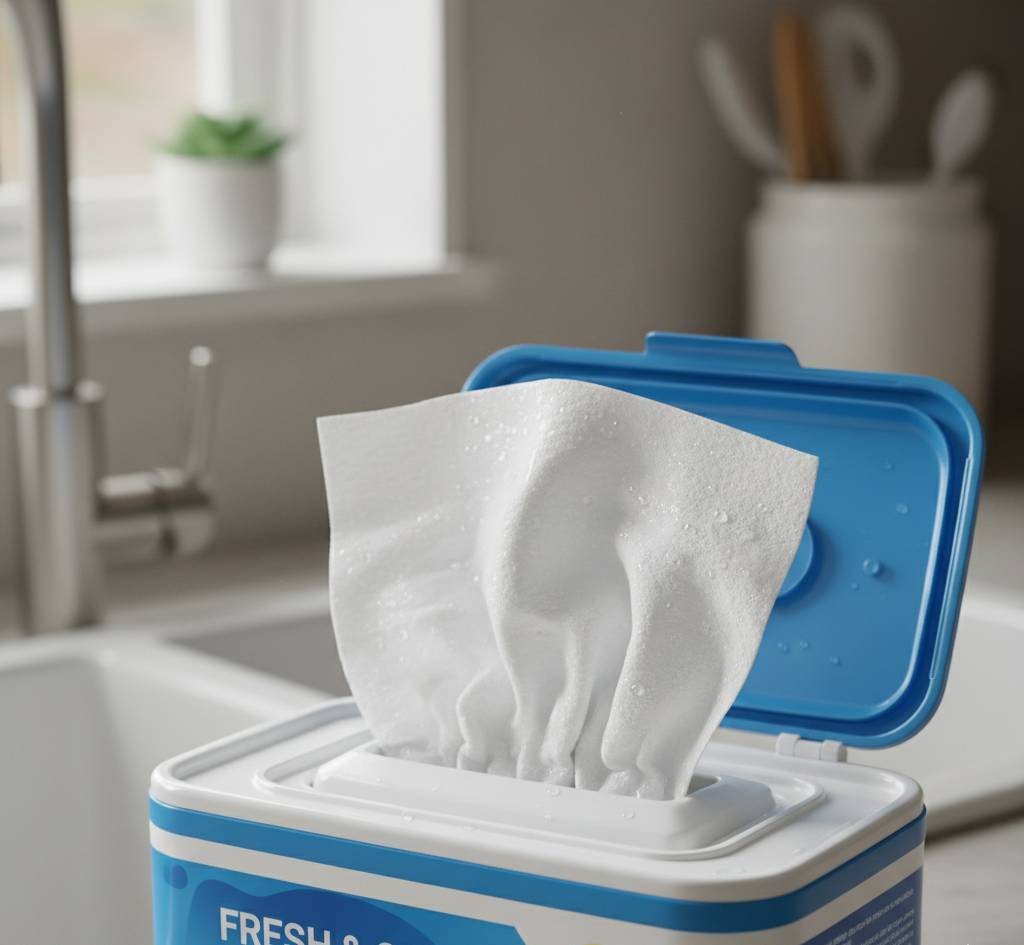
wet cleaning wipes

Wet Wipes: 5 Why Wipes Aren’t the Best Solution

The convenience wet wipes is undeniable. It sits on the counter, in the car, in a handbag, a small, sealed packet promising a swift and simple solution to life’s messes. It is the wet wipe, and in the space of a few short decades, it has become one of the most ubiquitous and relied-upon products in modern life. From wiping a baby’s bottom to removing stubborn makeup, from sanitizing a shopping cart handle to a quick clean of a dusty dashboard, the wet wipe presents itself as the ultimate tool of immediate, portable cleanliness. But this convenience comes at a steep, and often hidden, price. The very qualities that make the wet wipe so appealing—its strength, its moisture, its disposability—are the same qualities that contribute to a cascade of environmental, infrastructural, and even personal health problems. The story of the wet wipe is a classic tale of a modern convenience with profound and unintended consequences. To truly understand its impact, we must look beyond the clean surface it leaves behind and examine the journey it takes after its single, fleeting use. What Are Wet Wipes Actually Made Of? The most significant misconception about wet wipes is what they are made of. We use them much like paper towels or toilet paper, and so we assume they are, in fact, a form of paper. This could not be further from the truth. If you have ever tried to tear a wet wipe, you know it has a surprising, fabric-like strength. This is because the vast majority of wet wipes are not made from paper at all, but from non-woven fabrics composed of plastic resins like polyester and polypropylene. These are the same materials used to make clothing, ropes, and plastic bottles. They are chosen for their durability and their ability to remain strong when saturated with liquid. This is precisely why they are so effective at scrubbing. However, it is also why they are an environmental disaster. Unlike paper, which is made from wood pulp and biodegrades relatively quickly, these plastic fibers do not break down in any meaningful timeframe. A single wet wipe can persist in the environment for hundreds of years, slowly breaking apart not into organic matter, but into smaller and smaller plastic fragments known as microplastics. The “Flushable” Myth This brings us to the most damaging myth perpetuated by the industry: the “flushable” wipe. Many brands market their wipes as safe to flush, creating the impression that they will simply disintegrate like toilet paper once they enter the plumbing system. This is a catastrophic falsehood. Toilet paper is specifically designed to have very short fibers that lose all their structural integrity almost immediately upon contact with water. Wet wipes are designed to do the exact opposite. When flushed, they do not break down. They travel through the pipes intact, where they snag on imperfections, catch on other debris, and begin to form the foundation of clogs. In the municipal sewer systems, this problem scales up to a monstrous degree. Here, the flushed wipes combine with the fats, oils, and grease (FOG) that are improperly poured down drains from household kitchens. The strong plastic fibers of the wipes act as a durable net, binding with the congealing fats to create colossal, rock-hard masses known as “fatbergs.” These blockages, which can grow to be the size of a bus and weigh several tons, are a plague on modern cities. They cause raw sewage to back up into streets and homes, require enormous and expensive efforts to break apart with high-pressure water jets and manual labor, and place an incredible strain on our aging water infrastructure. Every single time a “flushable” wipe is flushed, it becomes a potential building block for the next fatberg. The problem is not just contained to the sewers. During periods of heavy rainfall, sewer systems can overflow, discharging this toxic slurry directly into our rivers and oceans. Here, the wet wipes emerge, carpeting riverbeds and washing up on beaches in what is now grimly referred to as a “wet wipe reef.” They are frequently mistaken for food by marine animals and birds, leading to internal blockages and death. The Problem with the Bin Even when disposed of correctly in a trash can, the problems do not disappear. Because they are made of plastic, they end up in landfills where they will sit for centuries without biodegrading. They contribute to the ever-growing mountain of single-use plastic waste that is a hallmark of our disposable culture. Furthermore, the cleaning solutions and preservatives they are soaked in can leach into the soil and groundwater over time. The Cost to Our Health and Skin The convenience of a wet wipe can also come at a cost to our skin. In order to keep the wipes moist and free of mold and bacteria within their packaging, they are saturated in a solution that often contains a cocktail of chemicals, including preservatives, fragrances, and surfactants. Preservatives like parabens and methylisothiazolinone are necessary to prevent the growth of microbes, but they are also known skin irritants and allergens for many people. The “fragrance” listed on a package is often a proprietary blend of dozens of chemicals that do not have to be disclosed individually, and these are common triggers for dermatitis and allergic reactions. For personal hygiene, particularly on sensitive areas, the constant use of wet wipes can disrupt the skin’s natural microbiome, the community of beneficial bacteria that protects our skin. The chemical and physical action of wiping can strip away the skin’s natural protective oils, leading to dryness, irritation, and a compromised moisture barrier. From a cleaning perspective, wipes often provide an illusion of clean rather than a true removal of dirt and germs. Without a rinsing action, they often just smear bacteria and grime across a surface rather than lifting it away. A proper cleaning process involves a cleaning agent to loosen dirt and a cloth or sponge that can be rinsed out, physically removing the contaminants from

Wet Wipes: 5 Why Wipes Aren’t the Best Solution Read More »

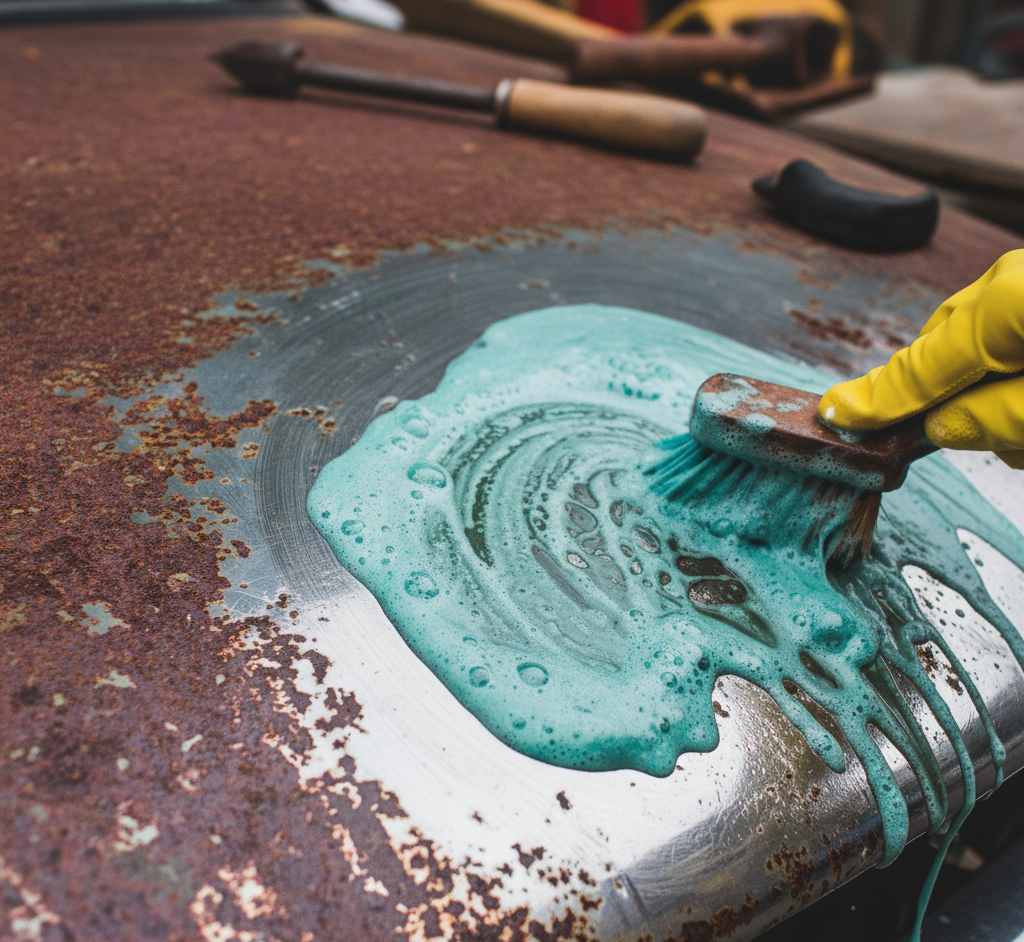
5 Rust Removal Tips: The Ultimate Solution for Stubborn Rust Stains

It is a slow, silent, and relentless process of decay. Rust creeps into the corners of our homes, staining our fixtures, seizing our tools, and weakening the structures we rely on. It is a familiar reddish-brown stain, the universal sign of iron’s surrender to the elements. While it may seem like a simple cosmetic issue, this form of corrosion, known as rust, is a chemical reaction that actively eats away at metal, compromising its integrity and leaving a trail of stubborn, unsightly marks in its wake. Dealing with rust is a fundamental aspect of home maintenance. It is not a battle that can be won with a single, miraculous cleaning product. It requires a deeper understanding of what it is, why and where it forms, and a strategic, two-pronged approach of prevention and removal. To control this type of corrosion is to control the very environment that allows it to thrive. What is This Corrosion? In the simplest terms, rust is the common name for iron oxide. It is the result of a chemical reaction called oxidation, which occurs when iron or its alloys, like steel, are exposed to oxygen and moisture for a prolonged period. The simple formula is: Iron + Oxygen + Water = Hydrated Iron (III) Oxide (the substance we call rust) This explains why it is so pervasive in certain areas of a home. The bathroom, with its constant humidity and water splashes, is a perfect breeding ground. The kitchen sink, the outdoor patio furniture left in the rain, the damp basement, any environment where iron-based metals meet air and water is a potential site for rust to form. The presence of salt can dramatically accelerate this process, which is why cars in regions with snowy, salted roads degrade so much faster. The key takeaway from this simple science is that if you can eliminate one of the three components, iron, oxygen, or water, you can prevent the problem. Since we cannot eliminate the metal itself or the oxygen in the air, the entire strategy of rust prevention revolves around one single, critical goal: moisture control. The Common Culprits Before you can fight it, you must know where to find it. It often appears in predictable places where moisture is a constant companion. The Bathroom: This is the epicenter of household corrosion. Stains in the toilet bowl are often caused by high iron content in the water or from the degradation of old cast-iron plumbing pipes. The metal components in the tank can also corrode and stain the bowl. Metal shower caddies, the bottoms of shaving cream cans, and bobby pins left on the ledge are common sources of these stains on porcelain and fiberglass. The drain, showerhead, and faucet fixtures can also develop issues over time. The Kitchen: Stainless steel sinks are resistant, not immune. If wet cast iron pans, steel wool, or other iron objects are left in the sink, they can cause rust stains to form on the surface. Cast iron cookware is a special case. It requires a protective layer of polymerized oil, called seasoning, to prevent it from oxidizing instantly. The racks in your dishwasher, especially if their vinyl coating becomes chipped, can expose the metal underneath, leading to spots that can stain your dishes. The Laundry Room: Metal buttons, zippers, or rivets on clothing can leave marks on other garments during a wash cycle. A forgotten nail or screw in a pocket can do the same. The Garage, Basement, and Outdoors: Hand tools made of steel are highly susceptible to corrosion if stored in a damp or humid environment. Wrought iron or steel patio furniture will corrode quickly if its protective paint coating is scratched or chipped, leading to flaky rust. The grates and body of a grill are constantly exposed to moisture and heat, making them prime candidates for the problem. 1.Prevention The easiest way to deal with corrosion is to stop it from ever starting. Prevention is about diligent moisture control and creating protective barriers. Keep Surfaces Dry: This is the most fundamental rule. Wipe down your kitchen sink after doing dishes. Squeegee the walls of your shower after use. Dry your tools before putting them away. Improve Ventilation: In moisture-prone areas like the bathroom, always use the exhaust fan during and after a shower to pull humid air out. A dehumidifier in a damp basement can make a world of difference for preventing issues on tools and stored items. Use Protective Coatings: For outdoor metal furniture, railings, and grills, a coat of corrosion-inhibiting paint is essential. Inspect these items annually and touch up any chips or scratches immediately to prevent moisture from reaching the metal. For tools, a light coating of a machine oil can create a barrier against moisture. For cast iron cookware, maintain a good layer of seasoning. Avoid Prolonged Contact: Do not leave wet metal items sitting on susceptible surfaces. This means no wet cans on the bathtub ledge, no wet cast iron pans in the sink, and no wet steel wool on the countertop. Address High-Iron Water: If the stains in your toilet and sinks are from the water itself, consider installing a water softener or an iron filter for your home’s water supply. 2.Effective Removal When rust does appear, you need the right technique for the specific surface you are cleaning. The methods range from gentle, natural solutions to more aggressive chemical and abrasive approaches. The Natural Acidic Approach (For Light to Moderate Corrosion) The principle here is simple: a mild acid can dissolve iron oxide. White Vinegar: The acetic acid in vinegar is a fantastic remover. For small items like tools, nuts, or bolts, you can submerge them in a bath of white vinegar and let them soak for several hours, or even overnight. The rust will dissolve and can be scrubbed away with a brush. Lemon Juice and Salt: For stains on less-durable surfaces, like clothing or countertops, a paste of lemon juice and salt is a great option. The salt acts as a gentle abrasive, and the citric acid in the lemon juice dissolves the unwanted buildup. Baking Soda: For a more gentle approach, a

5 Rust Removal Tips: The Ultimate Solution for Stubborn Rust Stains Read More »

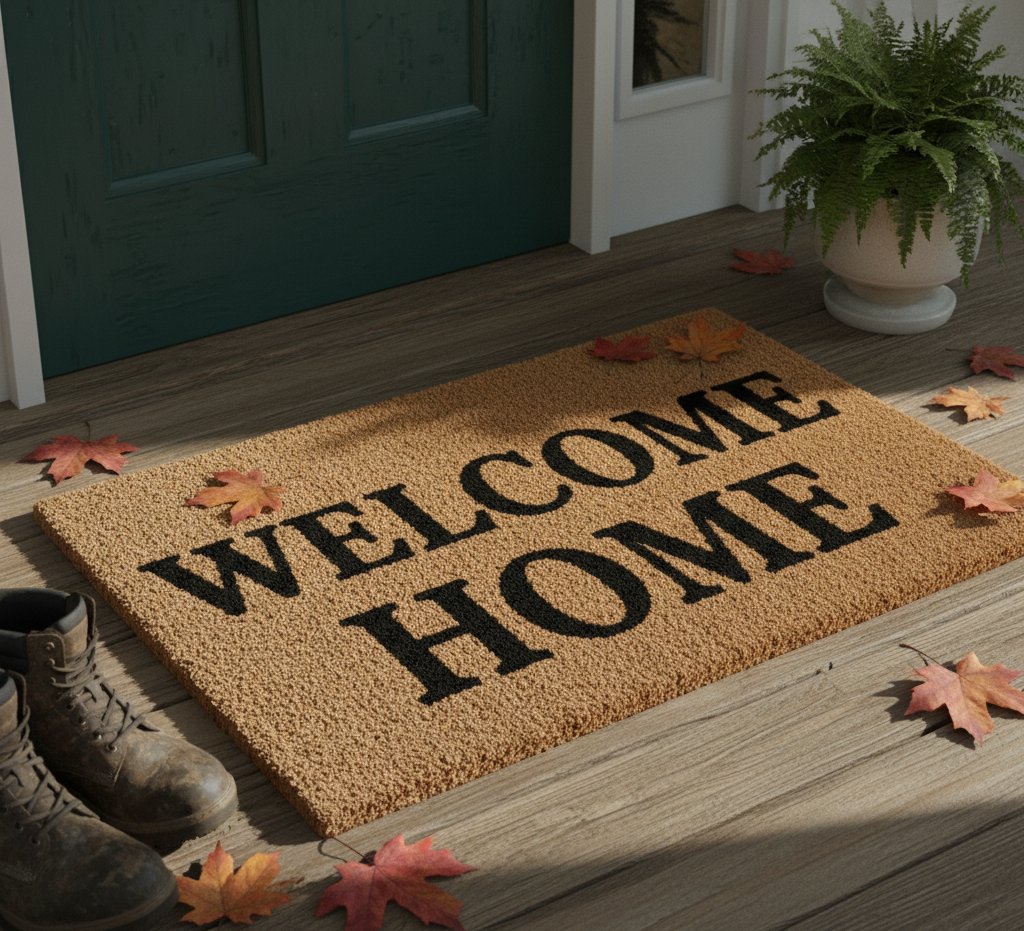
doormat

5 Reasons Your Doormat Is Your Most Important Cleaning Tool

It is the most overlooked and yet one of the most hardworking items in any home. Doormat, it is a humble rectangle, a simple slab of bristly fiber or textured rubber, lying in wait at the threshold. It is the doormat, and its role is far more critical than its modest appearance suggests. The doormat is not a mere decorative accessory; it is the first line of defense in the ceaseless battle to keep a home clean. It is the silent gatekeeper, the unsung hero that single-handedly prevents a significant percentage of the dirt, grime, and pollutants of the outside world from ever crossing into your living space. Understanding the profound importance of a doormat requires an appreciation for what is being carried on the soles of our shoes. A study conducted by the University of Arizona made a startling discovery: the average shoe sole is covered in hundreds of thousands of bacteria per square inch, including E. coli. Beyond the microscopic threats, our shoes pick up everything from lawn chemicals, pesticides, and asphalt residue to common dirt, mud, dust, and pollen. Without a doormat, all of this is tracked directly onto your floors, where it is then circulated throughout your home, embedding itself in carpets and becoming airborne. A good doormat is a simple, passive, yet incredibly effective tool for trapping this unwanted material at the door. 1.Effective Doormat Not all doormats are created equal. An effective doormat is a piece of functional equipment, and its design and material composition are directly related to its performance. A flimsy, decorative mat might offer a cheerful greeting, but it will do little to stop the ingress of dirt. A truly effective doormat excels in two primary functions: scraping and absorbing. Scraping: The first job of a doormat is to physically scrape away solid particles from the bottom of shoes. This includes mud, dirt, sand, gravel, and even snow and ice. To do this, the mat needs a coarse, abrasive texture. The bristles or fibers must be stiff and resilient enough to dig into the treads of a shoe sole and dislodge the debris. Absorbing: The second job is to absorb moisture. Wet shoes are not only a slipping hazard but also track in dirty water that can stain carpets and damage hardwood floors. An effective doormat needs to have absorbent properties to trap rainwater, snowmelt, and moisture from damp ground. For this reason, the most effective entryway strategy often involves a two-mat system: a tough, scraping mat outside the door and a softer, absorbent mat inside the door. 2.Choosing the Right Material The material of a doormat is the most significant factor in its ability to perform its duties. Coir (Coco Fiber): This is the classic, traditional doormat material, and for good reason. Made from the husks of coconuts, coir is a natural, highly durable, and coarse fiber that is exceptional at scraping dirt and mud from shoes. It is also naturally resistant to mold and mildew, making it an excellent choice for an outdoor mat. Its one major weakness is that it can shed fibers and does not absorb a large amount of water, which can lead to it becoming waterlogged in very wet climates if not placed in a covered area. Rubber: Rubber doormats are the heavy-duty workhorses of the mat world. They are extremely durable, weather-resistant, and their weight helps them stay in place. Many rubber mats feature a textured or patterned surface with deep grooves designed to scrape away debris and trap it within the mat. They are excellent for scraping and are very easy to clean—a simple spray with a hose is usually all that is needed. They are not, however, absorbent. This makes them a perfect choice for an outdoor scraping mat, often in combination with an indoor absorbent mat. Synthetic Fibers (Polypropylene, Nylon, Polyester): Doormats made from synthetic fibers are a versatile and popular choice. They can be designed to be both abrasive and absorbent. Polypropylene, in particular, is a fantastic material for an all-around doormat. It is highly resistant to staining, fading, mold, and mildew, and it dries very quickly. This makes it suitable for both indoor and outdoor use. Synthetic mats are often designed with a “bi-level” construction, featuring a coarse scraping surface and deeper channels to trap dirt and water, keeping the top surface cleaner. Cotton and Microfiber: These materials are champions of absorption. A cotton or microfiber mat is the ideal choice for the inside of the entryway. After the outdoor mat has scraped off the solid debris, the indoor mat’s job is to soak up any remaining moisture and trap fine dust particles. They are soft underfoot and are typically machine washable, making them very easy to maintain. They are not, however, suitable for outdoor use, as they would quickly become saturated and take a long time to dry. Wrought Iron: While less common, cast iron or wrought iron doormats are purely functional scraping tools. Their ornate, open-scrollwork designs provide a highly effective surface for scraping mud and snow from boots. They are incredibly durable and last a lifetime. Naturally, they have zero absorbent properties and must be paired with an indoor mat. 3.The Two-Mat System The single best way to maximize the effectiveness of your doormats is to implement a two-mat system. The Outdoor Mat: This is your first line of defense. Its sole purpose is to scrape. It should be coarse, durable, and weather-resistant. Coir, rubber, or a heavy-duty synthetic mat are the best choices here. This is the mat that will take the brunt of the mud, snow, and heavy dirt. The Indoor Mat: This is your second line of defense, located just inside the door. Its primary purpose is to absorb. After the heavy debris has been removed outside, this mat’s job is to trap any remaining moisture and fine dust. Cotton, microfiber, or a softer synthetic mat are ideal for this role. This mat also provides a clean, dry place to stand while removing shoes. This tandem approach ensures that by the time a

5 Reasons Your Doormat Is Your Most Important Cleaning Tool Read More »

getting ready for fall cleaning

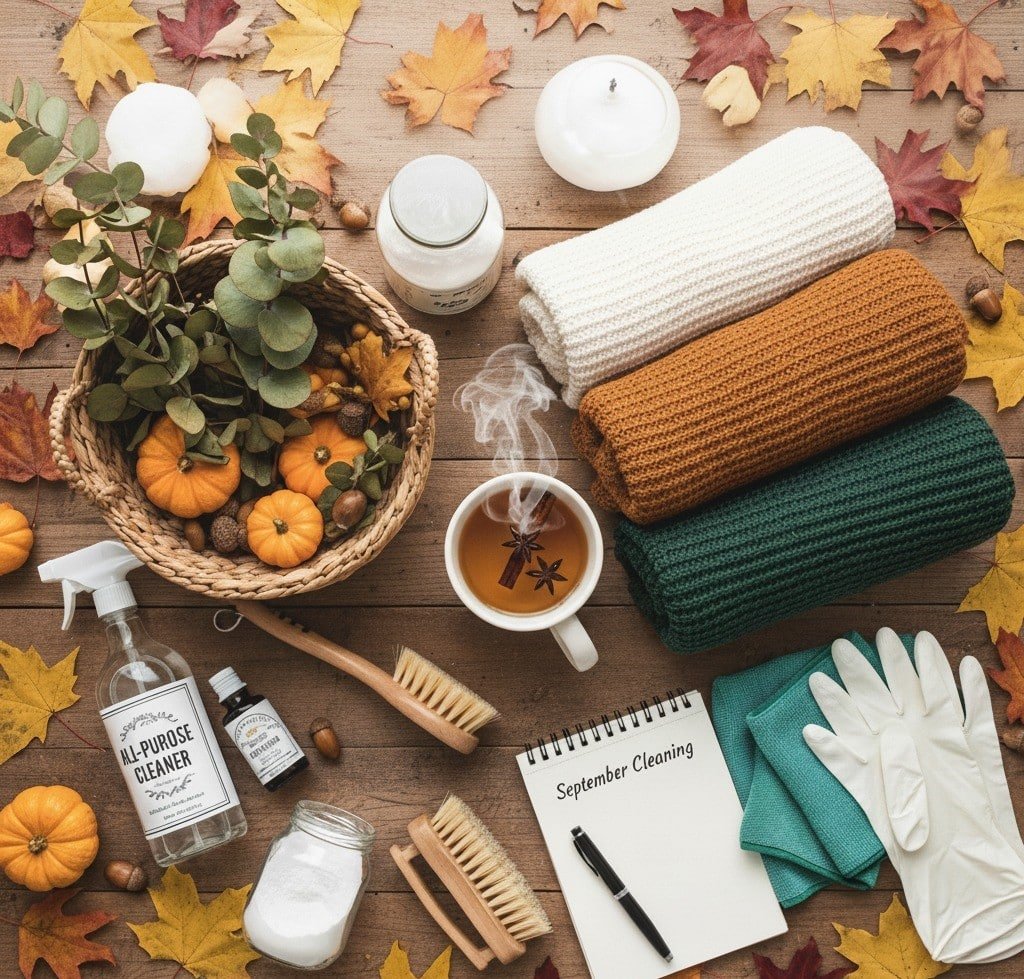
September Cleaning: 7 Quick And Easy Steps To Get Ready For Fall

September in Canada marks an essential transition, the end of summer and the beginning of preparations for autumn and winter. This period demands a thorough house cleaning, not just to get rid of accumulated dust and clutter from the warmer months, but also to prepare the home for the long periods when we spend more time indoors. An effective September cleanup is the foundation for a healthy, organized, and welcoming environment during the colder seasons, contributing to both physical and mental well-being. The approach should be systematic, starting with planning and decluttering, and moving on to detailed cleaning of each area of the house. 1.Planning Preparation for the September cleanup begins with creating an action plan and decluttering. It is essential to adopt an organized approach to avoid feeling overwhelmed. Start by scheduling specific time blocks for different areas or types of tasks. This transforms what seems like a gigantic chore into manageable steps. Take an inventory of your cleaning supplies. Make sure you have microfiber cloths, a vacuum cleaner with various attachments, a mop, buckets, protective gloves, and a variety of cleaning products such as an all-purpose cleaner, disinfectant, glass cleaner, bathroom cleaner, and floor cleaner. Consider investing in eco-friendly and non-toxic products, especially if there are children, pets, or people with allergies in the home. 2.Three-Box Method Decluttering should be the first step in every room before any cleaning begins. This process is crucial for freeing up space and facilitating deep cleaning. Adopt the “three-box method”: one for items to keep and organize, one for donating or selling, and another for trash or recycling. Start with seasonal summer items, putting away beach gear, garden decorations, and summer clothes. Evaluate clothing, toys, books, and stationery. Getting rid of excess not only organizes the space but also reduces the amount of dust and clutter to clean. In the kitchen, clear out the pantry and refrigerator, discarding expired food and reorganizing the rest. In living areas, collect and categorize papers, magazines, and personal items. In bedrooms, perform a wardrobe rotation, putting away summer clothes and preparing for autumn/winter. Once decluttering is complete, plan to deliver items for donation or recycling. 3.Focus On The Kitchen With decluttering done, cleaning of each room can begin. The kitchen, being a hub of activity, requires special attention. Perform a deep clean of appliances. The oven should be cleaned internally, removing grease and residue. The microwave needs a complete internal and external cleaning. Empty the refrigerator, discard old food, clean shelves and drawers, and wash the interior with mild soap and water. The dishwasher should be run with a vinegar cycle to remove deposits and odors. Clean all cabinets and drawers, both inside and out, and wash countertops and backsplashes. Disinfect the sink and faucets, and pay attention to cleaning the garbage disposal, if you have one. Finish by mopping or steaming the floor. 4.Bathroom In bathrooms, hygiene is paramount. Scrub toilets, showers, and bathtubs, paying attention to tile grout to remove mold and mildew. Wash or replace shower curtains and liners. Clean mirrors, light fixtures, and all contact surfaces, such as faucets, doorknobs, and light switches, with an effective disinfectant. The bathroom floor should be thoroughly washed and disinfected. Organize medicine cabinets and drawers, discarding expired or unused products. In bedrooms, start by washing all bedding (sheets, duvets, blankets) and curtains. Vacuum the mattress and consider flipping or rotating it to extend its lifespan. Dust all surfaces, furniture, light fixtures, and ceiling fans. Vacuum or mop the floor, including under the bed and furniture. Reorganize closets and drawers, taking the opportunity for the seasonal clothing swap prepared during decluttering. 5.Living Room Living and common areas also require detailed cleaning. Dust all furniture, electronics, and decorative items. Vacuum or clean upholstery on sofas and chairs. Clean windows and window treatments, such as blinds and curtains. Vacuum or mop floors. Dedicate time to cleaning high-touch surfaces, such as remote controls, light switches, and doorknobs. Hallways and entryways, which are the first points of contact with the outdoors, need to be kept free of clutter. Clean and organize shoe racks and coat hooks. Wipe down walls to remove any marks or scuffs. Deeply vacuum or mop floors in these areas, removing any salt, mud, or debris that may have been tracked in. 6.Laundry Room In the laundry room, wipe down the exterior of the washing machine and dryer. Clean the dryer’s lint trap thoroughly to ensure efficiency and fire safety. Wash the utility sink, if present, and organize detergents and cleaning supplies. Beyond the main rooms, there are often overlooked areas that need attention during the September cleanup. Windows, both inside and out, should be cleaned to maximize natural light during the darker months. Clean walls and baseboards to remove marks and accumulated dust. Doors and doorframes also accumulate fingerprints and dust, requiring thorough cleaning. Light fixtures and ceiling fans should be dusted and cleaned. A crucial step is cleaning or replacing air filters in heating and air conditioning systems. This significantly improves indoor air quality, which is essential when windows remain closed. Wash and disinfect trash cans in all rooms. Small appliances like toasters, coffee makers, and kettles also deserve a thorough cleaning. Although the focus is internal, a brief outdoor preparation to put away summer items, such as patio furniture and barbecues, is also part of the transition to autumn. 7.Maintenance Maintaining a clean and organized home after the big September cleanup requires implementing long-term maintenance strategies. Reinforce daily “mini-cleaning” habits to prevent dirt accumulation. Create a weekly schedule for deeper cleaning tasks, rotating areas so none are neglected. Conduct seasonal check-ins to plan future cleanups, adapting them to the needs of each season. Invest in smart storage solutions to maintain organization and reduce clutter. Delegate responsibilities among family members so that maintenance is a joint effort. Considering the Canadian lifestyle, with its distinct seasons, the September cleanup is particularly important for preparing the home for colder months. This includes storing summer equipment, such as

September Cleaning: 7 Quick And Easy Steps To Get Ready For Fall Read More »

Why is My House So Dusty in August? – 8 Professional Tips For a Flawless Home

You look at the coffee table an hour after cleaning it and see that a familiar, frustrating film of dust has already settled. You run your hand over a bookshelf and come away with a grey residue. In August, it can feel like you are fighting a losing battle against dust, a relentless invasion that reappears almost as soon as you’ve dealt with it. This isn’t your imagination. Several environmental and lifestyle factors converge during this specific time of year, turning your home into a perfect collector for fine particulate matter. The most significant contributor is the world right outside your windows. August is typically one of the driest months of the year. The lack of rain means that soil in gardens, parks, and on construction sites becomes loose and powdery. Every gust of wind, every passing car, and even your own footsteps as you walk up the driveway can lift these fine particles of dirt, sand, and dried organic matter into the air. With windows and doors frequently open to catch a breeze, you are essentially providing a wide-open invitation for this airborne grit to enter and settle on every available surface inside your home. What you’re seeing isn’t just internally generated dust; it’s a fine layer of the outside world being imported directly into your living space. 1.Inviting This outdoor invasion is compounded by the botanical calendar. Late summer is the peak season for specific types of pollen, most notably ragweed. These pollen grains are microscopic, lightweight, and designed for wind travel. They drift for miles, easily passing through standard window screens. Once inside, they mix with the existing dust particles, adding to the overall volume and often triggering allergic reactions. So, that film on your television screen is a complex mixture of dried soil, silica, pollen, and other pollutants from the neighborhood, all courtesy of the pleasant summer breeze you’re letting in. 2.HVAC Your home’s primary defense and a potential major culprit in this battle is your HVAC system. In August, the air conditioning is likely running almost constantly to combat the heat. The system works by pulling in air from your rooms, cooling it, and then pushing it back out. In the process, all the airborne dust, pet dander, and other particles are pulled toward the return vents. The only thing standing between this dust and it being redistributed throughout your entire house is the air filter. If that filter is cheap, old, or clogged, it becomes shockingly ineffective. A clogged filter can no longer trap new particles. Instead, the force of the air moving through the system can dislodge older, trapped dust and blow it right back into your rooms. The constant cycling of the AC ensures this dust never has a chance to fully settle; it’s kept in a state of perpetual motion, moving from room to room until the system shuts off and it can finally land on your furniture. Furthermore, the very process of air conditioning removes humidity from the air. While this makes the environment feel more comfortable, it also creates ideal conditions for dust. In humid air, dust particles absorb moisture, become heavier, and fall out of the air more quickly. In the dry, air-conditioned environment of an August home, these same particles remain lightweight and buoyant, floating for longer periods and traveling further before they finally settle. Your comfort system may be inadvertently creating the perfect indoor dust storm. 3.Pets Human and pet activity also peaks in a way that contributes to the problem. Summer holidays mean children may be home more often, increasing the general foot traffic and activity within the house. Every time someone walks across a carpet, plops onto a sofa, or even just moves through a room, they create air currents that kick settled dust back into the air. We also bring in more dust from the outside on our shoes, clothing, and hair after spending more time outdoors. Pets contribute significantly during this season as well. Many dogs and cats go through a late-summer shed, losing their thicker undercoats to prepare for the coming cooler months. This releases a tremendous amount of pet dander and fine hairs into the environment. Dander, which is essentially dead skin flakes, is a primary component of household dust and a major allergen. It is incredibly light and can remain airborne for hours, eventually settling everywhere and acting as a binder for other dust particles. 4.Carpets The contents of your home itself act as a massive reservoir for dust. Fabric-heavy environments are particularly susceptible. Your carpets, area rugs, upholstered furniture, and curtains are all made of fibers that are experts at trapping and holding onto dust particles. A carpet can hold pounds of dust and dirt deep within its pile without even looking particularly dirty. Every footstep on that carpet acts like a small bellows, puffing microscopic clouds of this trapped dust back into the room. When you sit on the couch, a similar plume is released. These soft surfaces store the dust from spring and early summer, and the increased activity and air circulation of August helps to continuously release it. 5.Duster Effectively combating August dust requires a shift in cleaning strategy and an understanding of how to trap and remove it, rather than just moving it around. The common feather duster is one ofthe least effective tools for this job. It does little more than flick dust from a surface into the air, where it floats for a while before settling somewhere else, often on the floor you just cleaned. The goal must be removal, not relocation. 6.Microfiber Cloth The most effective tool for dusting surfaces is a damp microfiber cloth. Microfiber is made of infinitesimally small synthetic fibers that are split, creating a massive surface area with a static charge that actively attracts and traps dust particles. When the cloth is dampened slightly with water or a suitable cleaning solution, it holds onto the dust even more effectively, preventing it from becoming airborne. The method

Why is My House So Dusty in August? – 8 Professional Tips For a Flawless Home Read More »

Airbnb Cleaning Service

How to Choose The Best Airbnb Cleaning Services in Toronto: 5 Key Factors

Professional Airbnb cleaning services in Toronto Shine Cleaning manage the rigorous turnover process, ensuring every unit is flawless for the next arrival. 1.The Turnover The successful operation of a short-term rental hinges on a single, critical process: the turnover. This is not a simple tidy-up; it is a complete, systematic reset of the guest experience. For a property in a world-class city, the standards are exceptionally high, and meeting them consistently is the work of dedicated professionals. The level of detail required to earn five-star reviews is the baseline expectation for the best Airbnb cleaning services in Toronto. Every turnover must transform the property from a lived-in space back to the immaculate condition promised in the listing, a task that demands a rigorous, repeatable system. The smallest oversight, a stray hair, a sticky spot on the counter, can compromise the entire guest stay. This is why hosts who are serious about their business invest in professional Airbnb cleaning services in Toronto. 2.Ventilation The moment a guest departs, the clock begins on the turnover. The first action is to air out the entire unit. All windows and balcony doors are opened to flush out stale air and any lingering odors from cooking or personal fragrances. This simple step creates a neutral, fresh canvas for the cleaning to begin. While the space ventilates, a preliminary walkthrough is conducted. This initial sweep is not for cleaning but for assessment. The crew scans each room for any new damage, such as scuffs on the walls, stains on the carpet, or broken items. Any issues are immediately documented with clear, time-stamped photographs and reported to the host. This documentation is a crucial protective measure and a standard operating procedure for reliable Airbnb cleaning services in Toronto. Concurrently, all used linens are gathered. Beds are stripped completely, and all towels, bathmats, and kitchen cloths are collected and placed in designated laundry bags to prevent cross-contamination and clear the way for efficient cleaning. 3.Details The bedroom is a guest’s sanctuary, and its cleanliness must be absolute. After stripping the linens, the mattress protector and pillows are carefully inspected for any stains or soiling. Maintaining the hygiene of these core items is paramount, and they are laundered or replaced as needed. The mattress itself is thoroughly vacuumed with an upholstery attachment to remove dust, allergens, and skin cells. A fresh, crisp set of linens is then used to remake the bed. This is not just a functional task; it’s a presentation. Sheets must be taut, corners tucked tightly in a hotel-style finish, and the duvet spread perfectly without a wrinkle in sight. This level of precision is a signature of high-quality Airbnb cleaning services in Toronto. All other surfaces in the bedroom are meticulously wiped down, including the headboard, nightstands, and dressers. Drawers and closets are opened, checked for any items left behind by the previous guest, and wiped clean. All picture frames, lamps, and window sills are dusted. Finally, the entire floor is vacuumed, with careful attention paid to the areas under the bed and behind furniture, where debris loves to hide. The consistent execution of these details is what defines professional Airbnb cleaning services in Toronto. Nowhere is cleanliness scrutinized more intensely than in the bathroom. For any reputable provider of Airbnb cleaning services in Toronto, this room is a testament to their thoroughness. The process begins by clearing all surfaces and emptying the trash bin. A powerful, quality disinfectant cleaner is sprayed on the shower, bathtub, toilet, and sink, and it is left to sit for several minutes to effectively dissolve soap scum, grime, and bacteria. The shower and tub are scrubbed wall to wall, with special brushes used for grout lines and around the drain to ensure it is clear of hair. Glass shower doors are cleaned and squeegeed to achieve a flawless, streak-free finish. The toilet is disinfected inside and out, from the bowl and seat to the tank and the entire base down to the floor. The sink basin is scrubbed, the faucet is polished until it shines, and the mirror is cleaned to perfection. The quality of a rental is often judged by its bathroom, a fact that top-tier Airbnb cleaning services in Toronto understand well. Once sanitized, the space is restocked. This is a critical function of comprehensive Airbnb cleaning services in Toronto. Ample toilet paper, fresh hand soap, and full bottles of shampoo, conditioner, and body wash are replenished. A complete set of fresh, professionally laundered towels, bath towel, hand towel, and washcloth per guest, is folded and displayed neatly. The floor is mopped last, and final touches include wiping down light switches, door handles, and the exhaust fan cover. The best Airbnb cleaning services in Toronto leave no surface untouched. 4.Disinfect The kitchen is another high-stakes area where hygiene is non-negotiable. The turnover starts with emptying the refrigerator and freezer of any food left behind. All interior shelves, drawers, and door seals are then wiped clean with a food-safe disinfectant. The exterior of all appliances, including handles, is wiped down and polished. The microwave is checked for splatters and cleaned thoroughly. The oven is inspected for spills, and the stovetop is degreased and scrubbed until it shines. All countertops are cleared of items like the coffee maker and toaster so that the surface underneath can be completely sanitized. The trust that guests place in the property is directly tied to the cleanliness of the kitchen, a responsibility that expert Airbnb cleaning services in Toronto take very seriously. The sink is scoured and disinfected, and the faucet is polished. Cupboards and drawers are spot-checked for cleanliness and organization. All provided dinnerware, glassware, and cutlery are inspected to ensure they are clean and ready for use. A key part of the service provided by Airbnb cleaning services in Toronto is restocking essentials. This includes fresh paper towels, a new sponge or dishcloth, dish soap, and dishwasher pods. The coffee station is cleaned and fully restocked. Finally, the trash and recycling bins are emptied, wiped clean, and relined with fresh bags. The floor

How to Choose The Best Airbnb Cleaning Services in Toronto: 5 Key Factors Read More »

Labeling Kitchen Items – 4 Easy and Fast Tips

Kitchen product labeling is not merely a formality; it is a critical pillar of safety, health, and efficiency in any space where food is prepared, stored, or cleaned. The seemingly small details printed on a package or affixed to a container carry immense weight, guiding decisions that impact well-being, prevent waste, and ensure smooth operations. Without clear, accurate labeling, a kitchen, whether professional or domestic, quickly descends into a realm of uncertainty and potential hazards. 1.Food Allergies Consider the immediate and profound impact on safety. Allergens, for instance, represent a constant, invisible threat without proper labeling. For individuals with severe food allergies to peanuts, tree nuts, dairy, gluten, soy, eggs, fish, or shellfish, the absence of explicit allergen warnings on food packaging can mean the difference between a safe meal and a life-threatening anaphylactic shock. This isn’t just about avoiding discomfort; it’s about preventing medical emergencies. Labels clearly state “contains” or “may contain” information, allowing consumers to make informed choices that protect their health. This responsibility extends beyond the original packaging. Once a product is opened and transferred to another container, or if ingredients are portioned out, the new container must be meticulously labeled with its contents and, crucially, any allergen information relevant to those ingredients. Imagine a kitchen where flour is stored next to gluten-free flour without distinction, or where sugar is confused with salt; such errors are not just inconvenient but can render food inedible or, worse, dangerous. 2.Validity Data Expiry dates and best-before dates are another fundamental safety component. These dates are not arbitrary; they are meticulously determined by manufacturers based on product stability and safety. Consuming food past its expiry date significantly increases the risk of foodborne illnesses, ranging from mild digestive upset to severe bacterial infections like salmonella or E. coli. Labels on perishable items like dairy, meats, and prepared foods dictate the window within which they are safest to consume. For shelf-stable goods, a best-before date indicates optimal quality rather than immediate danger, but ignoring it can still lead to diminished taste, texture, and nutritional value. The absence of these dates, or their illegibility, creates a guessing game, leading to either unnecessary waste due to premature disposal or dangerous consumption of spoiled goods. Effective labeling ensures that a rotation system, like “First-In, First-Out” (FIFO), can be accurately implemented, minimizing spoilage and optimizing inventory. 3.Cleaning Products Beyond food, the kitchen is also home to various cleaning products, each with its own set of risks and specific usage instructions. A cleaning product label is a comprehensive safety manual. It details active ingredients, potential hazards (corrosive, irritant, flammable), and crucial first aid measures in case of accidental contact or ingestion. It specifies appropriate personal protective equipment (gloves, eye protection), ventilation requirements, and compatible surfaces. Using the wrong cleaner on a surface, applying an undiluted concentrate, or mixing incompatible chemicals can lead to damage to kitchen surfaces, toxic fumes, or even explosive reactions. Imagine mistaking a strong oven cleaner for a dish soap; the consequences could be severe for both the user and the kitchen environment. Clear, persistent labeling on these products is not merely a recommendation; it is an absolute necessity for safe handling and preventing chemical burns, respiratory issues, or other serious injuries. Nutritional information on food labels serves a vital health function. For many, dietary choices are not just about taste but about managing chronic health conditions like diabetes, heart disease, or hypertension. The nutrition facts panel provides detailed breakdowns of calories, fats, carbohydrates, sugars, sodium, and protein, empowering individuals to make informed decisions that align with their specific health needs or dietary goals. Labels also list vitamins and minerals, helping to identify nutrient-dense options or potential deficiencies. Without this information, individuals are left guessing, making it incredibly difficult to maintain a balanced diet or adhere to medically advised restrictions. Furthermore, ingredient lists are crucial for those avoiding specific components for ethical reasons, such as animal products for vegans, or for those with sensitivities to certain additives, preservatives, or artificial colors. The transparency provided by comprehensive labeling fosters trust and enables consumers to exercise genuine autonomy over what they consume. 4.Storage Proper storage instructions, frequently found on labels, are essential for maintaining food quality and preventing spoilage. Labels dictate whether a product requires refrigeration, freezing, or pantry storage, and often specify conditions like “store in a cool, dry place away from direct sunlight” or “refrigerate after opening.” These instructions are not arbitrary suggestions but are based on scientific understanding of how different ingredients react to temperature, light, and air exposure. Ignoring these guidelines can lead to rapid degradation of food quality, nutrient loss, and bacterial growth. An opened jar of sauce, for instance, might have a short “use within X days of opening” recommendation due to increased exposure to air and potential contaminants. Labeling ensures that these critical details are not overlooked, extending the useful life of food and preventing unnecessary waste. Efficiency in a kitchen, particularly in a professional setting, relies heavily on organized processes, and labeling is central to this. Knowing exactly what is in every container, when it was prepared, and when it expires streamlines inventory management, reduces preparation time, and minimizes cross-contamination risks. For dry goods like spices, flours, or grains, labeling prevents mix-ups that could ruin a dish or, again, pose an allergen risk. Imagine a busy kitchen without labels on containers of baking soda and baking powder; the subtle difference could lead to a collapsed cake or an inedible one. Even for homemade items like sauces, stocks, or prepped vegetables, clear labels indicating content and date of preparation are indispensable for maintaining freshness and ensuring proper rotation. This not only saves money by preventing spoilage but also saves time by eliminating guesswork. The legal and regulatory framework underpinning product labeling underscores its importance. Governments worldwide mandate specific labeling requirements for food and cleaning products to protect consumers. These regulations cover everything from ingredient disclosure and nutritional information to allergen warnings and handling instructions. Manufacturers are legally obligated to

Labeling Kitchen Items – 4 Easy and Fast Tips Read More »

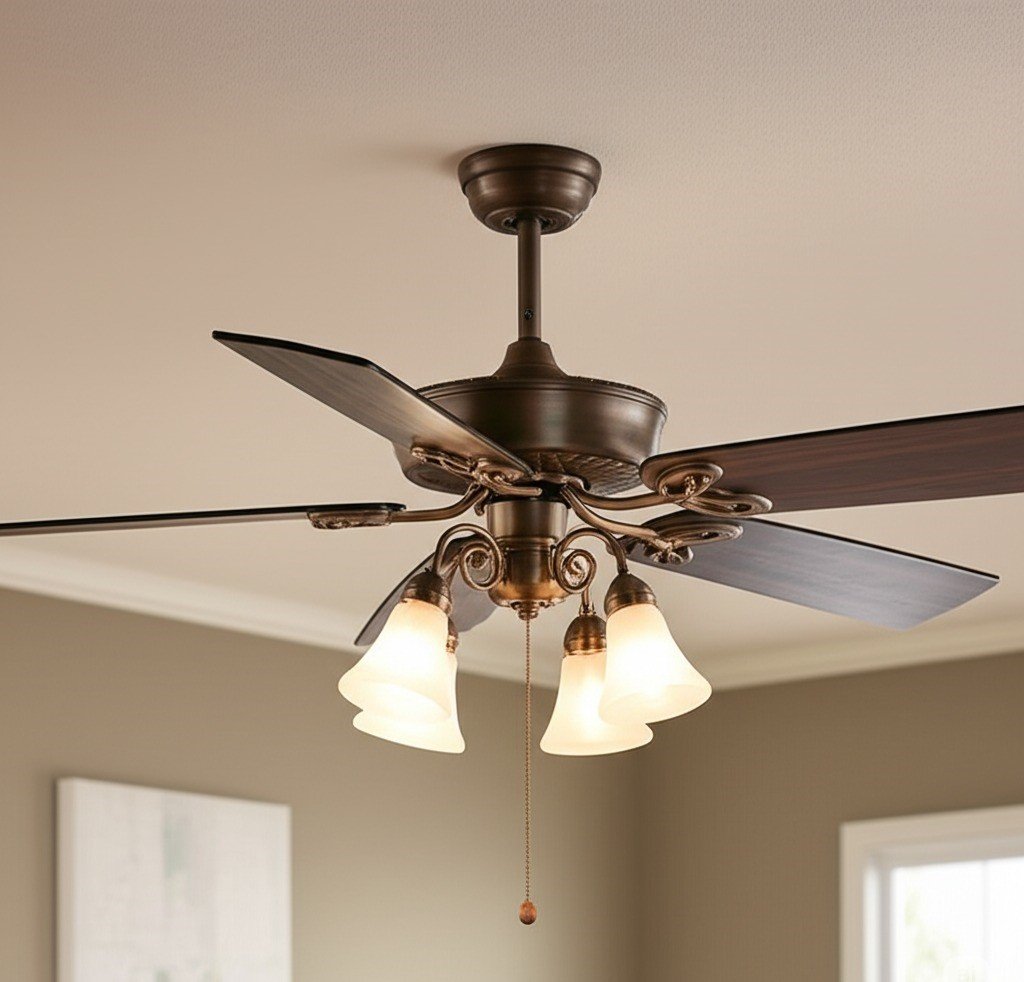
ceiling fan

4 Ceiling Fan Cleaning Tricks You Need to Try

Cleaning a ceiling fan is an essential household chore that significantly improves the air quality in your home and maintains its operational efficiency. Dust and dirt that accumulate on fan blades are not only unsightly; they can be dispersed into the air with each rotation, potentially aggravating allergies and respiratory problems. Additionally, a substantial buildup of debris can cause the blades to become unbalanced, which can cause wobbling, noise, and excessive strain on the fan motor, reducing its lifespan. This guide provides a comprehensive and straightforward approach to cleaning your ceiling fan safely and effectively. 1.Protection Before you begin the cleaning process, meticulous preparation is essential. Make sure you have all the necessary supplies readily available. A sturdy, stable ladder is essential; choose one that allows you to reach the fan comfortably without overreaching or standing on the top rungs. An A-frame ladder or platform ladder usually offers the best stability. You’ll need an old sheet, a painter’s tarp (canvas or plastic), or even large, flat cardboard boxes to cover the furniture and floor directly below the fan. This protective layer will catch any dust and debris that falls from the fan, making the cleanup process much easier. Personal protective equipment (PPE) is also crucial. Wear safety glasses, preferably the wraparound type, to protect your eyes from falling particles, and a dust mask (an N95 respirator offers superior protection) to avoid inhaling dust. For the cleaning itself, gather an old pillowcase (cotton works well due to its light texture), a vacuum cleaner equipped with a soft brush attachment and possibly a crevice tool, several clean microfiber cloths (their electrostatic properties make them excellent at trapping dust), and a cleaning solution appropriate for cleaning your ceiling fan. For most fan blades made of metal, plastic, or finished wood, a mild all-purpose cleaner diluted with water will usually suffice. A common homemade solution is a mixture of equal parts white vinegar and water in a spray bottle. If your fan blades are made of delicate, unfinished or specialty wood, a wood-specific cleaner or simply a cloth lightly dampened with plain water is recommended to prevent damage. Always have a dry cloth on hand to wipe away excess moisture. 2.Circuit Breaker The first and most critical step before making any physical contact with your ceiling fan is to ensure that it is completely de-energized. Turn off the fan using the designated wall switch or pull chain. For an added layer of safety and to eliminate any risk of accidental activation, go to your home’s electrical panel and turn off the circuit breaker that controls the power supply to the ceiling fan. It’s a good practice to test the fan’s switch again after turning off the circuit breaker to confirm that the power has indeed been cut off. You may even consider placing a piece of tape over the switch or circuit breaker as a reminder not to turn it back on prematurely. Ladder safety cannot be overemphasized: make sure the ladder is fully extended, your feet are firmly planted on level ground, and that you can comfortably access the fan blades. Maintain three points of contact with the ladder whenever possible (two feet and one hand, or two hands and one foot). Avoid overreaching; it’s safer to climb down and reposition the ladder. Having another person present to act as a spotter can provide additional safety so that you can clean your ceiling fan without any problems. With all safety precautions in place and your supplies organized, carefully lay down your chosen tarp or old sheet over the floor and any furniture directly beneath the fan. This will be your main defense against a shower of dust that will spread throughout the room. Put on your safety glasses and dust mask before beginning any cleaning action. One of the most efficient and least messy methods for cleaning dusty fan blades involves using an old pillowcase. Carefully climb up on a ladder. Grab the open end of the pillowcase and carefully slide it over an entire fan blade, as if you were putting on a sock, making sure the blade is completely enclosed in the fabric. Once the blade is inside, gently press the top and bottom surfaces of the pillowcase against the blade. Then, in a smooth, controlled motion, slide the pillowcase off the blade. The dust, dirt, and cobwebs will be contained in the pillowcase, rather than being blown into the air or onto the surfaces below. Repeat this procedure for each blade. Once all the blades have been treated, carefully take the dust-filled pillowcase outside and shake it out well, away from open windows or doors. If there is still some lingering residue on the blades, you can proceed with cleaning your ceiling fan. 3.Dust Alternatively, you can use a vacuum cleaner fitted with a soft brush attachment. This method is particularly suitable for light dust accumulations or for more regular, quick touch-ups between deeper cleanings. Before you begin, make sure the brush attachment is clean to avoid transferring dirt. Carefully and methodically vacuum the top, bottom, and all edges of each fan blade. Move the attachment slowly to maximize dust capture, and be careful not to scratch the blade surface or unbalance it inadvertently. The crevice cleaning attachment can be useful for cleaning the areas where the blades attach to the motor housing (the blade mounts or brackets) of your ceiling fan. For more intensive cleaning, or if the blades are coated with an oily film or stubborn, caked-on dirt (often found on ceiling fans in or near kitchens), you will need to clean them directly. Dampen a clean microfiber cloth with your chosen cleaning solution. Wring the cloth out thoroughly; it should be damp, not soaking wet. Excess moisture can cause irreparable damage to the internal components of the fan motor and can also cause the wooden blades to warp, swell, or stain. Gently wipe down all surfaces of each blade—top, bottom, and the leading and trailing edges.

4 Ceiling Fan Cleaning Tricks You Need to Try Read More »