Mold Removal

apartment cleaning oakville

Does Indoor Air Quality Affect Your Health? How to Improve Your Home’s Indoor Air Quality

Hey, folks! Let’s chat about something we often take for granted: Indoor Air Quality Affect Your Health? Ever wonder if it really impacts your health? Spoiler alert: It absolutely does! Indoor air quality plays a massive role in our well-being. Let’s break down why it’s important and how you can make it better. Why Indoor Air Quality is a Big Deal for Your Health When we think of air pollution, our minds often jump to smoggy city streets or industrial smokestacks. But what about the air inside our homes? Surprisingly, it can be just as polluted, if not more so, than outdoor air. Our homes, the places where we should feel safest, can be teeming with airborne enemies that we’re not even aware of. Hidden Nasties – Think about all the things in your home right now. Cozy, right? But lurking within this comfort are unseen dangers. Your fluffy carpet, your beloved pet, even your favorite scented candles can be sources of indoor pollutants. Dust mites, a common household allergen, thrive in bedding, upholstered furniture, and carpets. Pet dander, a trigger for allergy sufferers, circulates freely in the air. Mold, a result of excess moisture, can grow in bathrooms and kitchens, releasing spores that can cause respiratory issues. These VOCs can evaporate into the air at room temperature, potentially causing headaches, dizziness, and other health problems. 24/7 Exposure – Here in Toronto, with our chilly winters and hot summers, we spend a lot of time indoors. This means we’re constantly exposed to whatever is in our indoor air. Whether we’re sleeping, working, or just hanging out, we’re breathing in whatever’s floating around in our home. For those with allergies or asthma, this constant exposure can mean a never-ending cycle of symptoms. And for the rest of us, it could mean a gradual impact on our health without us even realizing it. Long-Term Impact – The effects of poor indoor air quality aren’t always immediate. They can creep up on us over time, leading to more serious health issues down the road. Consistent exposure to pollutants can exacerbate respiratory conditions like asthma and can even lead to the development of chronic respiratory diseases. But it’s not just our lungs that are at risk. Studies have shown that long-term exposure to certain air pollutants can have cardiovascular effects as well. This means that the air in our homes could potentially be affecting our heart health. Embrace Fresh Air Opening Windows: One of the simplest yet most effective ways to improve indoor air quality is by opening your windows. This straightforward action invites a natural flow of fresh air into your home, diluting and displacing indoor air pollutants. Whether it’s pollen, dust, or chemical residues from household cleaners, opening windows helps to flush these out, replacing stale, contaminated air with cleaner, outdoor air. Using Exhaust Fans: Now, let’s talk about the role of exhaust fans, particularly in kitchens and bathrooms. These areas of your home are hotspots for moisture and odors. Cooking, for example, releases a variety of particles and gases into the air, some of which can be harmful if inhaled in large quantities. Similarly, bathrooms are prone to mold and mildew growth due to high humidity levels. Exhaust fans come into play by effectively removing moist air, odors, and airborne pollutants from these rooms. When you cook or take a hot shower, turning on the exhaust fan helps in reducing the potential for mold growth and ensures that any harmful byproducts of cooking are quickly removed from your indoor environment. Why This Matters: The combined approach of opening windows and using exhaust fans is a proactive way to maintain good air quality inside your home. By doing so, you’re not just making the air in your home more pleasant to breathe; you’re also contributing to a healthier living environment. Reducing the levels of indoor pollutants can have a significant impact on your overall health, especially for those with respiratory issues or allergies. Plus, it’s a cost-effective and easy-to-implement solution that can make a big difference in the feel and safety of your home environment.     Keep It Clean Regular cleaning is more than just about keeping your place looking neat; it plays a pivotal role in the quality of air you breathe indoors. Dusting and vacuuming are key activities in this routine. Dust accumulates a variety of allergens like pet dander, pollen, and dust mites, which can trigger allergic reactions and respiratory issues. For those with pets, it’s even more critical. Pet hair and dander can easily become airborne and contribute to indoor air pollution. Vacuuming with a good-quality vacuum cleaner, preferably one with a HEPA filter, is vital. These filters are designed to trap very fine particles that other vacuums might recirculate back into the air. By regularly vacuuming carpets, rugs, and even upholstery, you significantly reduce the amount of dust and allergens in your home. The choice of cleaning products is equally important. Many conventional cleaning products contain harsh chemicals that can release volatile organic compounds (VOCs) into your indoor air. These compounds can be harmful when inhaled and contribute to indoor air pollution. Opting for natural, non-toxic cleaning products is a healthier choice. These products are made from ingredients that are less likely to degrade your indoor air quality. You can even make your own cleaning solutions using everyday household items like vinegar, baking soda, and lemon juice. These natural ingredients are effective at cleaning and are much safer for your indoor air. Green It Up with Plants Certain plants, like spider plants and peace lilies, are celebrated for their air-purifying abilities. These plants do more than just add a touch of greenery; they actively work to cleanse the air. How? They absorb common indoor pollutants through their leaves and roots. These pollutants, such as formaldehyde, benzene, and trichloroethylene, are commonly found in household items and can be harmful over time. Plants like the spider plant and peace lily have been shown to effectively reduce these
Does Indoor Air Quality Affect Your Health? How to Improve Your Home’s Indoor Air Quality Read More »

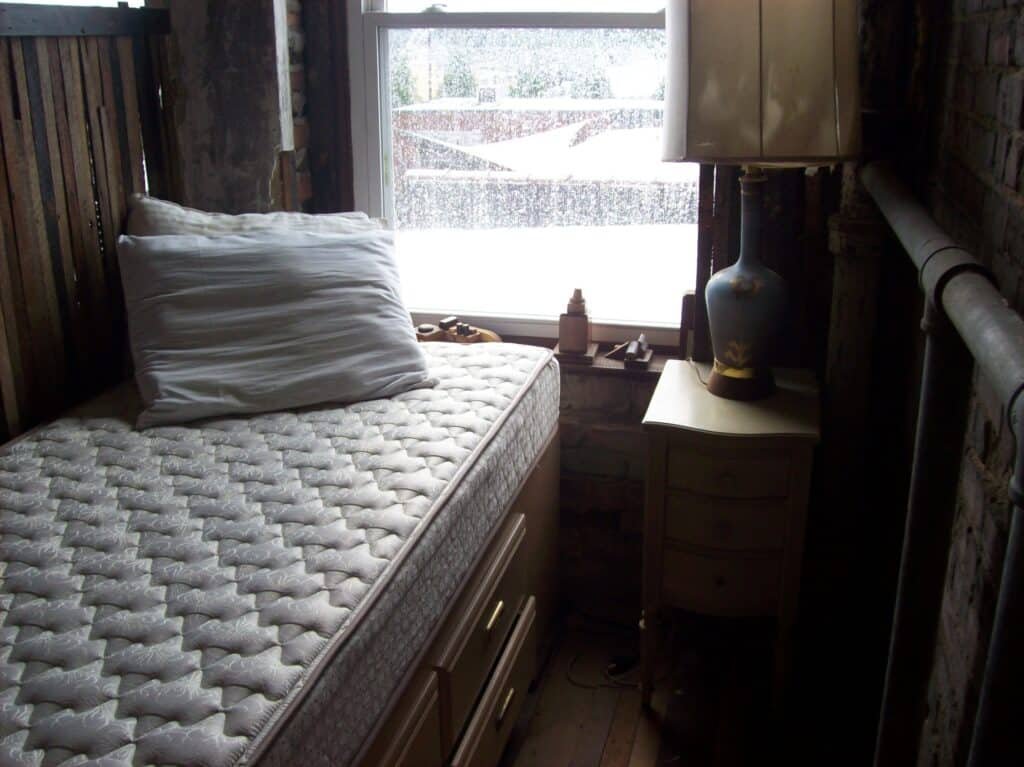
Small bedroom, snowing

How to Deep Clean Your Mattress for a Better Night’s Sleep

How to Deep Clean Your Mattress for a Better Night’s Sleep You spend about a third of your life asleep, and during those hours your mattress collects sweat, body oils, dust, dead skin cells, and the occasional food crumb from a late-night snack. Over time these accumulations turn a comfortable bed into a breeding ground for dust mites and allergens that can disturb your sleep and aggravate respiratory issues. A thorough deep clean every six months changes that, keeping your mattress fresh, extending its life, and helping you fall asleep in a truly clean environment. Why Mattress Deep Cleaning Matters Think of your mattress as a giant sponge. It absorbs whatever comes into contact with it: perspiration, oils, and moisture from the body, plus airborne dust and pollen that settle into the fabric. Dust mites, microscopic creatures that feed on shed skin cells, thrive in this environment, and their presence can trigger allergies and asthma symptoms in sensitive individuals. Health Canada notes that dust mites live in beds, carpets, and upholstered furniture and that keeping dust levels down reduces exposure to potentially harmful substances. Beyond the health angle, a clean mattress simply feels better. The surface stays smooth and odor-free, and you avoid the stale, musty smell that develops when bedding goes too long without attention. What You Need Before You Start Vacuum cleaner with an upholstery attachment Baking soda (a generous box or bag) Mild laundry detergent Cold water in a spray bottle or bowl Clean cloths (microfiber or soft cotton) Optional: a few drops of lavender or eucalyptus essential oil for a relaxing scent Step-by-Step Mattress Deep Clean Step 1: Strip the bed and vacuum Remove all sheets, pillowcases, and mattress protectors and toss them into the wash. With the mattress bare, run the upholstery attachment over the entire surface, paying close attention to seams, crevices, and tufts where dust and debris settle. Go over each area multiple times, especially if you have not cleaned the mattress in a while. A thorough vacuum lifts the bulk of loose dust, skin cells, and allergens before you tackle stains. Step 2: Spot-clean stains with cold water Mix a small amount of mild detergent with cold water. Hot water can set certain stains, making them harder to remove, so stick with cold. Dip a clean cloth into the solution and dab the stain gently. Do not scrub, which pushes the stain deeper into the padding, and do not soak the mattress: excess moisture can lead to mold and mildew growth inside the core. For tougher, stubborn stains, sprinkle a layer of baking soda over the area and let it sit for a few hours. Baking soda acts as a natural absorbent and deodorizer, pulling the stain and odor out of the fabric. The CDC warns that mold grows wherever moisture accumulates, so keeping the mattress as dry as possible during cleaning is essential. Step 3: Deodorize with baking soda Once the stains are treated, sprinkle a generous, even layer of baking soda over the entire mattress surface. If you want a calming scent, add a few drops of lavender or eucalyptus essential oil to the baking soda and mix it through before sprinkling. Let the baking soda rest for several hours, or ideally the whole day. During this time it absorbs lingering odors, residual moisture, and any remaining oils that the vacuum did not lift. Step 4: Vacuum everything off After the baking soda has done its work, vacuum the entire surface again using the upholstery attachment. Every granule of baking soda needs to come off, because any left behind creates a gritty texture that makes the bed uncomfortable. Run the attachment over seams, tufts, and edges where the powder settles. This final pass also lifts any dust or allergens that re-settled during the deodorizing process. Step 5: Air it out in sunlight If your living situation allows it, move the mattress outside to a balcony, patio, or backyard. Direct sunlight acts as a natural disinfectant: UV rays help kill bacteria and microorganisms that survived the cleaning process, and fresh air ventilates the padding to remove the last traces of moisture. Keep an eye on the weather a sudden rain shower can undo your work. If moving the mattress outdoors is not practical, place it in a well-ventilated room near an open window for several hours. Step 6: Add a mattress protector After the mattress is completely dry, cover it with a mattress protector. A fitted-sheet-style cover guards the top surface, while a full-zip encasement wraps the entire mattress for complete protection against spills, dust mites, and allergens. Homes with young children, pets, or allergy sufferers benefit most from full encasement. Wash the protector regularly like your sheets to keep it fresh. Mattress Maintenance at a Glance Task Frequency Benefit Strip and vacuum mattress Every six months with deep clean Removes dust, allergens, and skin cells Spot-clean stains As soon as they appear Prevents permanent marks and odors Deodorize with baking soda Every six months Absorbs odors and residual moisture Air out in sunlight Every six months Natural disinfectant and ventilation Wash mattress protector With regular laundry Keeps the barrier clean and effective Mattress Deep Cleaning FAQ How often should I deep clean my mattress? A full deep clean every six months is the standard recommendation. More frequent cleaning may be needed if you have allergies, asthma, or pets that share the bed. Why should I use cold water instead of hot for stains? Hot water can set certain stains, especially protein-based ones like sweat or blood, locking them into the fabric. Cold water lifts the stain without fixing it. Can I use vinegar or hydrogen peroxide on my mattress? Vinegar and peroxide are sometimes used for stain removal, but they can damage some mattress fabrics or leave a strong smell. The safest method for most mattresses is mild detergent with cold water and baking soda. Is professional deep cleaning worth it for a mattress? A regular at-home clean handles

How to Deep Clean Your Mattress for a Better Night’s Sleep Read More »

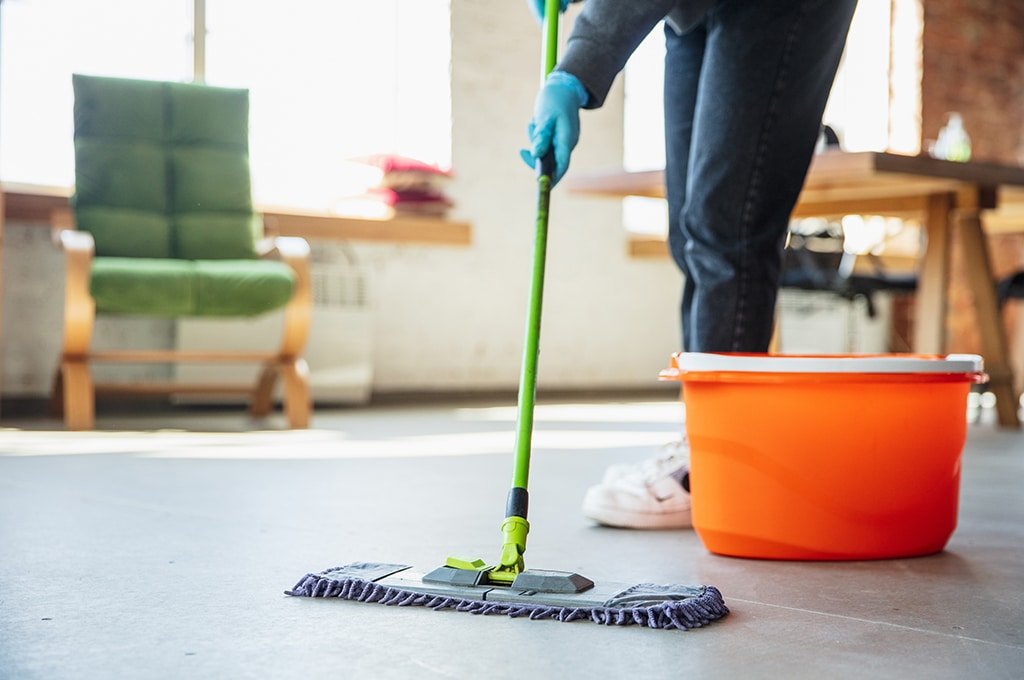
broom, wood floor, sweeping, bucket

How Much Does Deep Cleaning Cost in Canada?

How Much Does Deep Cleaning Cost in Canada? Most Canadian households pay somewhere between CAD 100 and CAD 400 or more for a professional deep clean, but the honest answer is that the final number depends on the size of your home, its condition, your city, and the work you ask for. This guide breaks down realistic price ranges, the five factors that move the number up or down, and how a flat-rate quote compares with a ballpark estimate, so you can budget for a whole-home reset without surprises. What Does a Deep Clean Actually Include? A deep clean goes well beyond surface tidying, especially in kitchens and bathrooms, the rooms most prone to dirt and bacteria buildup. Crews scrub tile, clean behind appliances, and descale faucets and showerheads. The insides of ovens, refrigerators, and dishwashers get attention they rarely receive between routine visits. Windows are washed inside and out, and blinds, curtains, and window sills are cared for as well. Floors get intensive work rather than a quick sweep: thorough mopping, deep carpet cleaning, and attention to corners and the spaces under furniture. Dusting targets spots regular cleaning skips, such as high shelves, ceiling fans, and the tops of door frames, and walls are wiped down to lift dust, fingerprints, and marks. For the difference between a reset visit and routine upkeep, see our regular maid service page, and follow the CDC’s guidance on when and how to clean and disinfect your home. Five Factors That Influence Deep Cleaning Costs Size of the space. A spacious four-bedroom house takes far more time than a cozy studio, so larger layouts cost more. Current condition. A regularly maintained home needs a touch-up, while a neglected one needs extra tender loving care and a higher price. Location. The cost of living and doing business varies widely across Canada, so downtown Toronto carries a premium over smaller towns. Frequency. A one-time deep clean costs more per session than an ongoing schedule, which often comes with long-term discounts. Custom requests. Delicate surfaces, specific products, or special-attention areas add time and equipment. If you handle those products yourself, Health Canada’s rules for using household chemicals safely are worth reading first. Average Deep Cleaning Costs in Canada Ballpark figures for smaller spaces, such as a studio or one-bedroom apartment, sit around CAD 100 to CAD 200. For medium to large homes, such as a three-bedroom house, expect CAD 200 to CAD 400 to cover the extra area and work. Luxury or larger properties start around CAD 400 and climb from there based on size, complexity, and special requirements. Treat every one of these as an estimate, because the most accurate way to price your home is a personalized quote. The table compares the national ballparks with the flat, before-HST rates on our pricing page. Property type Typical Canadian estimate Toronto Shine deep clean, before HST Studio or 1 bedroom CAD 100 to CAD 200 from $270.38 3 bedroom home CAD 200 to CAD 400 $441 Luxury or 4+ bedrooms CAD 400 and up $527.63 for a 4 bedroom How Often Should You Book a Deep Clean? Cost looks far more reasonable when you spread it over the year, because a deep clean is not a weekly chore. Most Canadian homes need a full reset one or two times a year. A spring clean is the classic choice, and a pre-holiday reset is a close second. Book a fresh session whenever life creates a deadline: a renovation that leaves fine dust in every crack, a new baby arriving, a wedding or house party on the calendar, a seasonal allergy flare-up that routine dusting cannot fix, or simply the realization that the oven has not been opened in a year. Households with pets, hardwood floors, or multiple kids tend to need resets closer to every six months. Between those appointments, a scheduled maid visit keeps grime from reaching the level that drives a quote upward, which is the single most effective way to pay less per session. Why the Investment Pays Off Health and hygiene Deep cleaning targets the spots where allergens, mold, and bacteria collect: under beds, behind appliances, and inside air vents. Reaching those areas improves indoor air quality, one of the concerns Health Canada tracks in its guide to indoor air contaminants and health. For households managing allergies or respiratory issues, a reset clean can make a noticeable difference. Maintenance and peace of mind Removing built-up grime protects finishes and can prolong the life of furniture, carpets, and appliances, which means fewer repairs and replacements over time. Advanced techniques such as steam cleaning for carpets and upholstery, pressure washing for outdoor areas, and detailed hand-washing of delicate items deliver a level of clean a routine cannot match. There is also a psychological return: coming home to a deeply cleansed, orderly space reduces stress and helps you relax. Deep Cleaning Cost FAQs Is a deep clean worth the extra cost over regular cleaning? Yes, whenever your home needs work a routine visit does not cover, such as inside appliances, descaled fixtures, washed walls, and cleaned carpets. Many households pair a one-time reset with recurring visits through our deep cleaning services in Toronto and maintain the result with scheduled housekeeping. How much does deep cleaning a three-bedroom house cost? Across Canada, three-bedroom homes typically fall between CAD 200 and CAD 400. Condition and add-ons swing that number, so the final quote depends on an assessment of your actual space rather than the bedroom count alone. Does timing affect the price? It can. Move-in and move-out dates are one of the most common reasons Canadians book a deep clean, and end-of-tenancy work follows its own checklist. See our move-out cleaning service for the deposit-focused version of this reset. How do I get an exact price? Request a personalized quote that reflects the services and level of attention your home actually needs, so you pay for exactly what you need and nothing you do not. What is included

How Much Does Deep Cleaning Cost in Canada? Read More »

Corridor, cleaning, maid, vacuum machine

How Much Does a Cleaning Maid Cost in Toronto

How Much Does a Cleaning Maid Cost in Toronto It is the search everyone does eventually: staring at a weekend’s worth of chores and wondering what it would cost to hand them to a professional. In Toronto the honest answer is a range, not a number, because maid service pricing responds to the size of your space, the level of cleaning required, and how often someone comes. Here is the full breakdown, from market rate ranges to what actually changes the quote, so you can price your own home in minutes. What Regular Cleaning Costs Regular cleaning is the maintenance tier: the recurring visit that keeps a home consistently fresh. A standard visit covers: Dusting surfaces, frames, and the corners where bunnies breed Vacuuming carpets and rugs thoroughly Mopping hard floors back to a shine Cleaning and sanitizing kitchen and bathroom sinks, counters, and appliances General tidying, from making beds to organizing the magazine pile Toronto market rates for regular cleaning typically run from $100 to $250 per visit. Smaller apartments sit at the lower end, larger houses reach the top, and extras like laundry or dishwashing add to the total. Frequency matters too: weekly or bi-weekly schedules often qualify for a lower per-visit rate, because a maintained home takes less work than a catch-up one. For comparison, Toronto Shine Cleaning’s current regular base for a studio or one bedroom starts at $212.63 before HST, with every size listed on the pricing page. What Deep Cleaning Costs Deep cleaning is the reset button: everything in a regular clean plus the detail work that standard visits never reach. That includes grout and tile scrubbing, the insides of the microwave, oven, and fridge, under and behind furniture, baseboards and window sills, and ceiling fans and light fixtures. Market rates for a professional deep clean commonly start around $200 and climb with size and condition. At Toronto Shine Cleaning the deep clean base for a studio or one bedroom is $270.38 before HST, rising with bedrooms and bathrooms as listed on the pricing page, and larger homes with months of buildup take proportionally more time, which is exactly what the price reflects. Custom requests, such as eco-friendly or allergy-sensitive products, can also adjust the total. Specialized Services and Their Pricing Beyond the two standard tiers, specialized cleans are quoted individually because their scope varies so much: Move-in and move-out cleaning is the comprehensive empty-home reset: inside cabinets and drawers, behind appliances, everything the next occupant or landlord will inspect. Post-construction cleaning removes the dust, debris, and paint splatter renos leave behind, with the equipment and techniques to do it safely. Short-term rental cleaning keeps an Airbnb guest-ready between stays, and office cleaning tailors the same rigor to commercial spaces. Personalized quotes are the norm here since the price depends on property size, condition, and any specific challenges the space presents. The Four Factors That Move Every Quote Factor Effect on Price Size of the space More rooms and bathrooms mean more time at every tier Level of cleaning Regular, then deep, then specialized in ascending cost Frequency Recurring schedules reduce the per-visit rate Condition and extras Buildup, pets, and add-ons like laundry add time One-Time Visit or Ongoing Service? A one-time clean makes sense for specific moments: a spring reset, prepping for guests or an event, or catching up after a chaotic stretch. Ongoing service is the better long-term value, because each visit maintains the last one instead of fighting buildup, the crew learns your home and preferences, and per-visit pricing usually improves with commitment. If your schedule allows only the occasional clean, book the deep version, then let regular visits take over; the combined cost beats repeated catch-up cleans. What the Bonded and Insured Question Means for Price Comparing quotes is not only about the number; it is about what sits behind it. A service that is bonded and insured carries real overhead that cheap operators skip, and it protects you if anything breaks or goes missing. Toronto Shine Cleaning holds a $1,000,000 insurance policy plus a $10,000 accidental breakage and surety bond, so the safety net is explicit. Whatever provider you choose, the answer to the insurance question should be instant and specific. Maid Cost FAQs Why is there such a wide price range in Toronto? The $100 to $250 market range for regular visits reflects real differences: home size, number of bathrooms, condition, frequency, and whether supplies and insurance are included. Quoting on details is how accurate pricing works. Does the first clean cost more? Usually the first visit takes longer because the team is establishing the baseline a regular schedule then maintains. After that, each visit gets faster and the per-visit rate often drops with recurrence. Are supplies included in the price? Professional services typically bring their own pro-grade products, including eco-friendly options on request, which is part of what the rate covers. Confirm at booking if you have specific product preferences; Health Canada’s household products guidance is a good reference for what to ask about, and its chemical safety page covers what the labels of stronger agents require. Is hiring a maid cheaper than doing it myself? In hours, yes: the average deep clean can eat most of a weekend, and your time has value. The professional rate buys back those hours with a more thorough result, which is the trade most busy Toronto households are happy to make. Get Your Home Priced Properly Toronto Shine Cleaning’s rates are published, not hidden: regular housekeeping, deep cleaning, and specialized services all map to the bases on the pricing page. Call (647) 424-0355, describe your space, and get a quote that matches your home and your schedule, not a guess.

How Much Does a Cleaning Maid Cost in Toronto Read More »

Bathroom, clean, sink

Your Complete Guide to Clean Your Bathroom

Hey there! Let’s be honest, clean your bathroom is probably not on your list of favorite things to do, but it’s definitely on the list of “must-do’s” for a fresh and hygienic home. But worry not, because we’ve got your back with a complete guide to get that bathroom sparkling without spending your entire weekend scrubbing. Whether you’re doing a quick tidy-up or going for that deep-clean gleam, we’ve got tips, tricks, and everything in between to make the process as painless as possible. Let’s dive in! Complete Guide to a Flawless Bathroom Clean-Up Hey there! Ready to make your bathroom sparkle from top to bottom? Let’s dive into a step-by-step guide on how to achieve a perfectly clean bathroom. Trust me, it’s easier than you think, and the results will be totally worth it! Start at the Top – Ceilings, Light Fixtures, and Walls   Why Starting at the Top Matters Gravity Plays a Role Downward Dust Movement: When you clean, any dust or debris that you disturb tends to fall downwards due to gravity. If you start cleaning from the top of the room, such as the ceiling, you ensure that this falling dust doesn’t land on already cleaned lower surfaces like floors or countertops. Preventing Double Cleaning: By tackling the highest areas first, you prevent having to re-clean lower areas that get dirty from the dust falling from above. This makes your cleaning process more efficient and less time-consuming.Dust and Cobwebs in High Places Common Accumulation Spots: Ceilings, especially in the corners, and light fixtures are common places where dust and cobwebs accumulate. These areas are often overlooked during regular cleaning routines. Ensuring Thorough Cleanliness: By focusing on these high areas first, you ensure that your bathroom is thoroughly cleaned, contributing to better air quality and overall cleanliness. How to Effectively Clean the Top AreasCeilings Tools Needed: A duster with an extendable handle is ideal for reaching high ceilings. Alternatively, a clean, dry mop can also be effective, especially for larger ceiling areas. Technique: Extend the duster or mop to its full length and gently glide it across the ceiling surface. Pay particular attention to the corners and edges where cobwebs and dust are more likely to accumulate. If you come across any stubborn or sticky spots, slightly dampen the duster to help lift the dirt off. It’s important to work in sections and systematically move across the entire ceiling to ensure no areas are missed.   Light Fixtures Tools Needed: A stable step ladder to safely reach higher fixtures, a gentle cleanser that won’t damage the fixture’s material, and a microfiber cloth for gentle, effective cleaning. Technique: Before cleaning, ensure that the lights are turned off and cool to the touch. Carefully climb the step ladder to reach the fixtures. If any parts of the fixture are detachable, gently remove them for easier cleaning. Use the damp cloth with a mild cleaner to gently wipe the fixture. For more intricate designs or hard-to-reach areas, a soft-bristled brush can gently remove dust without scratching the fixture. Be sure to clean both the inside and outside of any shades or covers.   Walls Tools Needed: A sponge or a soft cloth, a bucket filled with warm water mixed with a gentle detergent, and a dry towel for drying the walls after cleaning. Technique: Start by moistening the sponge or cloth in the soapy water. Begin wiping the walls from the top and move downwards, ensuring you cover all areas, including corners and edges. Pay extra attention to areas around light switches, as they are high-contact points and may have more dirt and fingerprints. For textured wallpapers or delicate paint finishes, use a less damp sponge to avoid water damage. Rinse the sponge frequently in the cleaning solution to avoid spreading dirt. After cleaning a section, use the dry towel to pat the area dry, preventing water streaks and aiding in faster drying. Additional Tip:Freshening the Air: After cleaning the higher areas, it’s a good time to let fresh air in. Open a window to help clear out any disturbed dust and to refresh the room.     Mirror and Glass Surfaces   Why Cleaning Mirrors and Glass Enhances Bathroom Brightness and Appearance Reflection of Light: Mirrors and glass surfaces significantly impact how light is reflected and distributed throughout the bathroom. A clean mirror can act like a light amplifier, making the space appear brighter and more inviting. Spatial Illusion: Mirrors, in particular, have the ability to create an illusion of space, making even smaller bathrooms feel more expansive. However, this effect is greatly diminished if the mirror is smeared or dirty. Visibility of Marks and Smudges Shows Every Mark: Glass surfaces, including mirrors, display every fingerprint, water mark, and smudge, more so than most other surfaces. These marks are particularly noticeable in the bright lighting typically found in bathrooms. Aesthetics and Hygiene: Streaks, smudges, and spots can make the bathroom appear unkempt and less hygienic. Regular cleaning is necessary to maintain the aesthetic appeal and the sense of cleanliness in the bathroom.   Cleaning Mirrors Tools Needed: A high-quality glass cleaner or a homemade solution (such as one part white vinegar to one part water) can be effective. A microfiber cloth is preferred for cleaning as it doesn’t leave lint and is gentle on the surface. Technique: Spray the cleaner directly onto the mirror. Begin by gently wiping in a circular motion to loosen any dirt or grime. Then, switch to vertical strokes followed by horizontal swipes to cover the entire surface. This method ensures that you clean every part of the mirror and helps to avoid streaking.   Cleaning Glass Surfaces Tools Needed: For larger glass surfaces, such as shower doors or glass walls, a squeegee is an ideal tool. It helps to effectively remove cleaner and water without leaving streaks. For dealing with hard water stains, vinegar or lemon juice can be effective. A soft-bristled brush is useful for cleaning corners and edges where grime

Your Complete Guide to Clean Your Bathroom Read More »

airbnb cleaning toronto

Why You Need to Prioritize Regular Home Cleaning Services The Health Risks of Mold

Why You Need to Prioritize Regular Home Cleaning Services: The Health Risks of Mold Mold rarely announces itself. It grows quietly behind wallpaper, under carpets, inside HVAC systems, and anywhere moisture lingers, and by the time you can see or smell it, the problem is already established. For Toronto homes, with humid summers and condensation-prone winters, that makes mold less a possibility than a matter of when. Here is what it does to your health, why routine cleaning is your first line of defense, and when to bring in professionals. Where Mold Hides in a Typical Home The obvious spots, like the tile grout in a shower, are only the beginning. Mold colonizes behind wallpaper and drywall, under carpets that have met moisture, inside ductwork, and around attic leaks. It feeds on organic material and needs only dampness and time. Because the earliest growth happens out of sight, the first signs are often indirect: a musty smell, a persistent allergy that improves when you leave the house, or a small discolored patch that keeps returning after you scrub it. The Health Risks You Are Cleaning Against Mold reproduces by releasing spores that travel through the air, and those spores are what your family breathes. Health effects range from irritating to serious: Respiratory irritation: wheezing, coughing, chest tightness, and throat irritation Allergic reactions: sneezing, runny nose, red eyes, and skin rash in sensitive people Asthma complications: more frequent attacks and worse symptoms in kids with asthma Heightened risk for vulnerable groups: infants, seniors, and anyone with a weakened immune system or chronic lung disease These are not exotic scenarios. Health authorities treat damp and moldy environments as a genuine health hazard, which is why the CDC’s mold and health resources focus on both removal and moisture control rather than cosmetics. A home can look clean and still be recirculating spores from a hidden colony. Why Regular Cleaning Is the First Line of Defense Routine cleaning does two jobs at once. It removes the dust, soap scum, and organic residue mold feeds on, and it puts eyes on every bathroom, kitchen, and basement corner often enough that new growth cannot get a season’s head start. Consistent visits keep ventilation systems, exhaust fans, and window tracks working as designed instead of silently failing under grime. The single most effective habit is moisture control: fix leaks quickly, keep indoor humidity in the 30% to 50% range, run dehumidifiers in damp basements, and use exhaust fans in bathrooms and kitchens. Health Canada’s guidance on humidity and mould treats that pairing, moisture management plus cleaning, as the core strategy for keeping mold out of living spaces. Warning Sign What It Often Means Your Move Persistent musty smell Hidden growth behind walls or under flooring Inspect moisture sources, call for an assessment Recurring dark patches on grout or ceilings Chronic moisture, not just surface dirt Fix ventilation, deep clean, monitor closely Allergies that ease when you leave home Airborne spores from an indoor source Check HVAC, carpets, and damp rooms Condensation on windows and walls daily Humidity above the healthy range Dehumidify, improve airflow, insulate cold spots How Professional Cleaning Services Help Professionals bring what household routines cannot: commercial equipment, trained eyes for early growth, and the thoroughness to address the sources rather than the symptoms. A deep cleaning service strips out the soap scum and embedded grime that feed bathroom and kitchen mold, while a move-in or move-out clean makes sure the home you are moving into, or handing over, is truly clean rather than cosmetically tidy. Ongoing regular housekeeping then keeps conditions hostile to regrowth, so the small problems are caught in the weeks they are still small. Mold and Cleaning FAQs Can I just clean mold off myself? Small surface patches on non-porous surfaces, like bathroom tile, can be handled with regular cleaning products and good ventilation. Large areas, recurring growth, or anything inside walls, carpets, or ductwork needs professional assessment, because disturbing a big colony spreads spores through the home. Does mold really affect asthma? Yes. Damp and moldy environments are strongly associated with asthma development in children and with more frequent attacks in people who already have it. Removing the moisture source is as important medically as it is for the drywall. How often should a home be cleaned to prevent mold? High moisture rooms, bathrooms and kitchens, deserve weekly attention, and the whole home benefits from a monthly routine that includes checking under sinks, around windows, and in the basement. A seasonal deep clean resets the areas daily routines never reach. What humidity level stops mold from growing? Aim to keep indoor humidity between 30% and 50%. A $20 hygrometer tells you where you stand, and a dehumidifier plus working exhaust fans are usually enough to bring a damp Toronto home back into range. Keep Your Home Hostile to Mold Regular cleaning is not just about appearances; it is a health measure with a visible payoff. Call Toronto Shine Cleaning at (647) 424-0355 to set up a routine that keeps moisture, grime, and mold out of your home’s vocabulary, and breathe easier in every room.

Why You Need to Prioritize Regular Home Cleaning Services The Health Risks of Mold Read More »

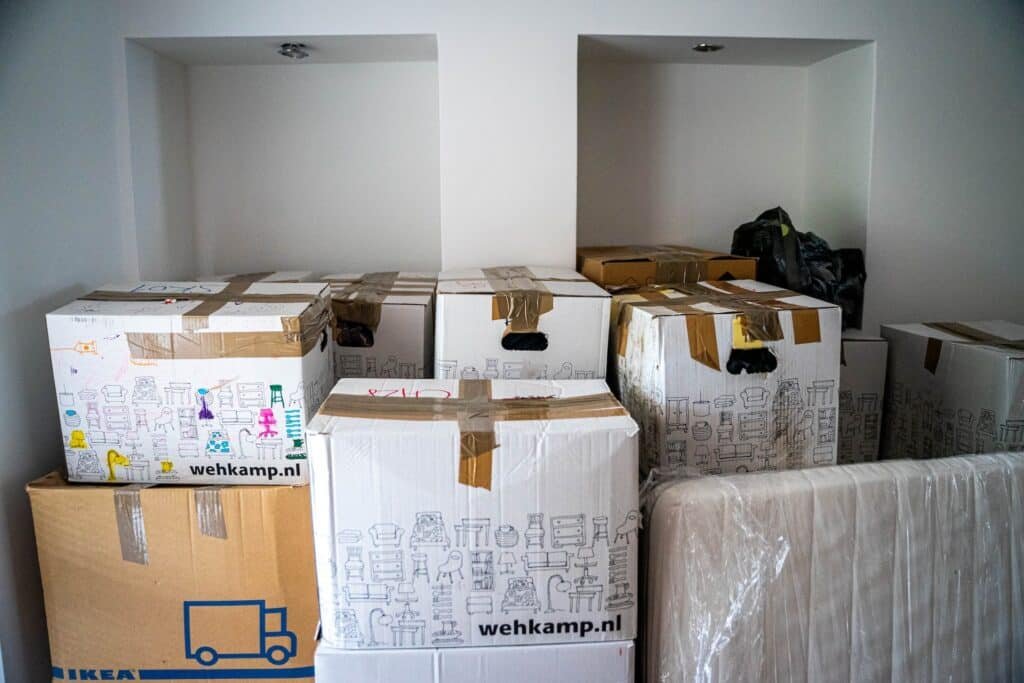
Packed boxes inside the home for moving out

Benefits of Hiring Professional Move In and Move Out Cleaners in Toronto

Benefits of Hiring Professional Move In and Move Out Cleaners in Toronto Moving in the 6ix is a maze of boxes, utility calls, and last-minute logistics, and one enormous task sits at the end of every checklist: the big clean-up. Whether you are leaving a rental that has to pass a landlord’s final inspection or settling into a place where you want a true fresh start, professional move-in and move-out cleaners turn that chore into a single booked appointment. Here is why hiring them is one of the smartest moving decisions you can make. Professional Cleaners Save You Serious Time Imagine moving week: boxes everywhere, utilities on hold, a pet adding confusion to the chaos, and a deep clean still ahead. Professionals change the equation. They arrive with every tool and product the job needs and follow a systematic approach that covers the corners a hurried DIY clean overlooks, such as the insides of cabinets and the gaps behind appliances. Their speed comes from specialization: hardwood floors, tiled bathrooms, stubborn stains, and accumulated grime are handled without relearning the process on your clock. The deeper value is mental relief. With the cleaning in capable hands, you can focus on packing, organizing, or stealing a quiet moment to say goodbye to your old home. Scrubbing a whole unit is real physical work, and while the CDC notes genuine mood benefits of staying physically active, moving week is a poor time to get that exercise. Our end-of-tenancy cleaning service is built for exactly this week. Professional Cleaning Helps You Get Your Deposit Back For many tenants, the security deposit is a significant amount of money that comes down to a walkthrough. Cleaners who do this work regularly know what landlords and property managers check during the final inspection, and they catch the details a standard clean misses: cabinet tops, oven interiors, the undersides of sinks, and tile grout where dirt collects. They bring the right tools and agents for each task, whether that means removing limescale from bathroom fixtures, degreasing kitchen appliances, or leaving windows streak-free. Meticulous coverage significantly increases the odds of a full deposit return and spares you the stress of second-guessing your own elbow grease. Here is where the typical DIY effort falls short: Cabinet tops and interiors: grease and dust build up for years, unseen. Ovens and refrigerators: baked-on carbon and forgotten spills. Under sinks: limescale, grime, and missed corners. Grout and drains: discoloration and hair that inspectors spot instantly. Windows and tracks: smudges and streaks under daylight. Toronto landlords and property managers see the difference constantly, and you can read what clients say about our results on our reviews page. A Healthy, Fresh Start in Your New Home Moving somewhere new is the start of a chapter, and you want it to begin in a genuinely clean space. Move-in cleaners go past the surface to remove the dust, dirt, and allergens previous occupants left behind. They sanitize high-touch points like countertops, doorknobs, and light switches, deep-clean carpets that harbor dust mites, and address neglected areas such as air vents and bathroom grout, where mold and mildew can grow unnoticed. The CDC’s overview of cleaning and disinfecting your home explains why thorough sanitization matters. That peace of mind is especially valuable if anyone in your family lives with allergies or asthma, because a professionally cleaned home significantly reduces common triggers. Professional Grade Equipment, Customized to Your Home Tools and products you do not own Experts work with industrial-grade equipment rarely found in a household closet: powerful vacuums that suction more dust and allergens than standard models, steam cleaners that sanitize without harsh chemicals, and surface-specific solutions for hardwood, marble, and delicate upholstery. Their expertise covers tough stains and high, hard-to-reach areas, and their methodical approach leaves nothing out, from baseboards to ceiling fans. The result is a home that does not just look clean but shines. A cleaning plan built around your needs A good service starts with a consultation to understand your priorities, whether that means concentrating on kitchens and bathrooms or tackling pet odors and allergen reduction. Techniques match the problem: degreasers and steam for a greasy kitchen, deep shampooing or hot water extraction for carpets. Homes with large glass surfaces are handled differently than homes full of wooden furniture, and special pieces like antique furniture, high-end appliances, and delicate fabrics get careful treatment, so you get value instead of a generic pass that overlooks your concerns. Compare Your Options Before Moving Day Aspect DIY with a weekend to spare Hired professional crew Time cost Many exhausting hours after a day of lifting boxes A scheduled visit while you handle the rest of the move Equipment Store-bought products and a household vacuum Industrial tools, steam cleaners, surface-specific agents Deposit risk Missed spots can mean deductions and disputes A checklist built around landlord inspections The Peace of Mind Factor When you entrust your space to a professional team, you lean on their skills, experience, and specialized knowledge. They follow a systematic process that reaches high shelves, ceiling corners, and behind appliances, and they treat every material appropriately, from hardwood floors to delicate light fixtures. Moving is inherently stressful, so delegating the cleaning removes a major burden and gives you confidence the job is done right as you prepare a space for its next chapter. As for numbers, move-in and move-out cleaning starts at $242.63 before HST for a studio or one-bedroom, as listed on our pricing page. Move In and Move Out Cleaning FAQs What is the difference between move-in and move-out cleaning? The checklist is largely the same because both require a vacant, spotless home: inside cabinets and appliances, walls, baseboards, fixtures, floors, and bathrooms. Move-out work adds deposit-pressure items like limescale and grease removal, while move-in work focuses on sanitizing what the previous occupants left behind. Do landlords in Toronto require professional cleaning? Many leases expect the property returned in rental-ready condition, and landlords run detailed final inspections. Even where a professional service is

Benefits of Hiring Professional Move In and Move Out Cleaners in Toronto Read More »

woman in white long sleeve shirt and blue denim jeans standing beside white wooden framed glas

Deep Cleaning Services for Etobicoke Homes

Deep Cleaning Services for Etobicoke Homes Keeping an Etobicoke home truly clean means going beyond the weekly sweep and mop. Deep cleaning tackles the hidden dirt, grease, and allergens that regular cleaning misses. Toronto Shine Cleaning offers thorough deep cleaning services designed to refresh every corner of your Etobicoke home, from the kitchen backsplash to the bedroom baseboards. Our professional team uses eco-friendly products and commercial-grade equipment to deliver results that standard household cleaning cannot match. Whether your home is a century-old house in The Kingsway or a modern condo near Humber Bay Shores, our deep cleaning service adapts to the specific cleaning needs of your property and lifestyle. What Deep Cleaning Covers A deep cleaning service addresses areas that accumulate grime over time and are often neglected during routine cleaning. In the kitchen, we clean inside and outside all appliances including ovens, microwaves, and refrigerators. We scrub cabinet fronts and interiors to remove cooking grease and food residue, degrease backsplashes thoroughly, and sanitize countertops, sinks, and faucets. In bathrooms, we scrub tile and grout lines with specialized brushes to remove soap scum and mildew, clean shower doors and tracks, sanitize toilets including the base and behind, clean vanity cabinets inside and out, and polish mirrors to a streak-free shine. For living areas and bedrooms, we dust ceiling fans, window sills, blinds, light fixtures, picture frames, and baseboards. We vacuum under and behind furniture, clean door frames and switch plates, and detail every high-touch surface. We also pay special attention to staircases, handrails, and entryways that see heavy daily traffic and accumulate dirt faster than other areas. Benefits of Deep Cleaning Your Etobicoke Home Healthier indoor air: Deep cleaning removes dust mites, pollen, pet dander, and mould spores trapped in carpets, upholstery, and HVAC vents. This significantly reduces allergy and asthma triggers for your family and creates a fresher, more breathable environment. Extended lifespan of surfaces: Regular deep cleaning prevents dirt and grime from wearing down carpets, hardwood floors, tile grout, and appliance seals. This protects your home investment and delays the need for expensive replacements or refinishing. Reduced stress: A deeply cleaned home feels calmer, more organized, and more inviting. The psychological benefit of a clean environment directly improves your daily well-being and productivity, making your home a true sanctuary. Long-term savings: Removing dust build-up from appliance coils, filters, and seals helps appliances run efficiently and last longer. Well-maintained appliances consume less energy and require fewer repairs, saving you money month after month. Area Deep Cleaning Tasks Recommended Frequency Kitchen Inside oven, fridge, microwave; cabinet fronts and interiors; backsplash degreasing; counter sanitizing Every 3 to 4 months Bathroom Grout scrubbing; shower head descaling; toilet base and tank cleaning; mirror polishing Quarterly Living areas Under furniture dusting; ceiling fans; window tracks; baseboards; light fixtures Every 6 months HVAC vents Register cleaning; filter inspection; duct surface wipe-down Seasonally Why Etobicoke Homeowners Trust Professional Deep Cleaning Etobicoke homes have their own character. Older homes feature original hardwood floors, ornate woodwork, and classic tile that require gentle, specialized handling. Newer condos and townhouses feature stainless steel appliances, glass shower enclosures, and quartz countertops that need streak-free, non-abrasive care. Professional cleaners bring the right tools and expertise for every surface type. They use food-safe disinfectants in the kitchen, non-abrasive cleaners for tile and stone, and HEPA-filtered vacuums to capture fine particles that household vacuums recirculate. A professional deep cleaning also saves hours of physical effort and delivers results that are difficult to achieve with off-the-shelf cleaning supplies alone. How Deep Cleaning Differs from Regular Cleaning Understanding the difference between deep cleaning and standard housekeeping helps you choose the right service. A standard cleaning focuses on visible surfaces: countertops, floors, sink fixtures, and high-traffic areas. Deep cleaning goes further, targeting the grime that accumulates in hidden spaces. For example, while a regular cleaning wipes down the exterior of kitchen cabinets, a deep clean addresses the interior shelves and door tracks. Where standard service dusts visible shelves, deep cleaning reaches ceiling fan blades, window tracks, and under heavy furniture. Both services are valuable, but deep cleaning provides the comprehensive refresh that homes need periodically to stay truly clean and healthy. Frequently Asked Questions How is deep cleaning different from a standard clean? A standard clean addresses visible surfaces like counters, floors, and sinks. Deep cleaning includes detailed work on grout, inside and behind appliances, under furniture, baseboards, light fixtures, and window tracks for a comprehensive refresh. Do I need to be home during the cleaning? No. Many Etobicoke clients provide access instructions, and our bonded, insured team cleans while you are at work or running errands. What cleaning products do you use? We use eco-friendly, non-toxic cleaning products that are safe for children, pets, and all common home surfaces. We can also accommodate specific product requests or sensitivities. How long does a deep cleaning take? For a typical two-bedroom Etobicoke home, expect approximately three to five hours. Larger homes or homes with significant build-up may require more time. Transform your Etobicoke home with a professional deep cleaning today. Call (647) 424-0355 or visit our deep cleaning page to book. Our team also offers regular cleaning services for ongoing maintenance. View pricing and packages and read customer reviews on our reviews page. Serving all GTA locations including Etobicoke. For safe cleaning guidance, refer to the CDC guide on home cleaning and disinfection and the Canada.ca tips on household chemical safety.

Deep Cleaning Services for Etobicoke Homes Read More »

Office Cleaning Services Toronto

Deep Cleaning Service: The Benefits of Hiring a Professional

The Benefits of Hiring a Professional Deep Cleaning Service There comes a point in every home when a standard surface clean just is not enough. Dust accumulates in hidden corners, grime builds up behind appliances, and the general wear and tear of daily life leaves your space feeling less than fresh. That is when a professional deep cleaning service becomes a worthwhile investment. Here are the key benefits of bringing in the experts. Unmatched Thoroughness and Attention to Detail Professional deep cleaners go far beyond what a regular vacuum and mop can achieve. They reach the spaces most of us forget about: behind the refrigerator, under the bed, inside cabinets, and along high shelves where dust collects undisturbed. Their training and commercial-grade tools allow them to remove embedded dirt, grease, and grime that standard cleaning leaves behind. Every crevice, baseboard, and light fixture receives the same meticulous attention, leaving your home noticeably fresher and more sanitary. Save Hours of Your Time A thorough deep clean can take an entire weekend for the average homeowner. Professionals complete the same job in a fraction of the time because they work in teams, use industrial equipment, and follow efficient systems. That means you reclaim your weekend for activities that matter more, whether spending time with family, pursuing a hobby, or simply relaxing. The time savings alone often justify the service cost for busy Toronto households. Healthier Indoor Air and Surfaces Deep cleaning actively improves your indoor environment by removing allergens, mold spores, bacteria, and dust mites that accumulate in carpets, upholstery, and ventilation areas. The CDC emphasizes that regular cleaning and disinfecting reduces the spread of viruses and bacteria in homes. Professional cleaners follow best practices for sanitizing kitchens and bathrooms, the two rooms most prone to bacterial growth. They also use appropriate cleaning agents for different surfaces, ensuring your home is both clean and safe. Benefit Regular Cleaning Professional Deep Cleaning Reach behind appliances Rarely Always Sanitize high-touch surfaces Basic wipe-down Disinfected thoroughly Remove embedded allergens Surface only Deep extraction Clean window tracks and blinds Often skipped Included Time required (typical home) 1-2 hours weekly 2-4 hours per session Extend the Life of Your Home and Furnishings Dust, dirt, and grime do more than look bad; they gradually break down carpets, upholstery, paint, and finishes. Embedded particles act like sandpaper on flooring, while grease buildup on kitchen surfaces can cause permanent discoloration. Regular deep cleaning removes these destructive elements before they cause lasting damage. Protecting your home’s surfaces and furnishings preserves their appearance and function, saving you money on premature replacements. It also maintains your property’s market value, a clear advantage if you plan to sell in the future. Be Ready for Any Occasion Whether you are hosting a holiday dinner, welcoming overnight guests, or preparing for a family gathering, a professionally deep-cleaned home makes a lasting impression. Knowing every surface is spotless and sanitized gives you confidence as a host. You can focus on preparing food and enjoying your guests instead of scrambling to tidy up at the last minute. The Government of Canada recommends using household cleaning products safely to reduce health risks, and professional cleaners are trained to handle these products correctly in every room. Professional-Grade Products and Equipment Household cleaning tools have limits. Professional services bring high-powered vacuums with HEPA filtration, steam cleaners, and industrial-grade degreasers that deliver results you simply cannot achieve with off-the-shelf products. They know which products are safe for hardwood, tile, marble, and stainless steel, preventing accidental damage. Many also offer eco-friendly cleaning options for households with children, pets, or anyone sensitive to strong chemicals. Professional crews typically arrive equipped with: HEPA-filter vacuums that trap fine dust and allergens instead of recirculating them Steam cleaners for grout, tile, and other hard surfaces Commercial degreasers that cut through kitchen buildup Surface-appropriate agents for wood, stone, glass, and steel Frequently Asked Questions What is included in a professional deep cleaning service? A deep clean typically covers all rooms with detailed attention to kitchens and bathrooms: inside appliances, cabinet fronts, baseboards, window sills, light fixtures, blinds, and all flooring. It goes much further than a standard maintenance clean. How often should I schedule a deep cleaning? Most households benefit from a deep clean every three to six months, with regular maintenance cleaning in between. Homes with pets, children, or allergy sufferers may need it more frequently. Does deep cleaning kill mold and bacteria? Yes, professional deep cleaning uses disinfecting agents and techniques that eliminate mold, bacteria, and viruses from surfaces. For persistent mold issues, specialized treatments are available. Can I combine deep cleaning with regular maid service? Absolutely. Many homeowners schedule a deep clean seasonally while maintaining weekly or bi-weekly regular cleaning visits for day-to-day upkeep. Invest in a Cleaner, Healthier Home A professional deep cleaning service delivers thoroughness, convenience, and health benefits that standard cleaning cannot match. From extending the life of your furnishings to improving indoor air quality, the value extends well beyond surface appearances. Toronto Shine Cleaning offers comprehensive deep cleaning services and competitive pricing tailored to your home’s unique needs. Call (647) 424-0355 today to schedule your appointment and experience the difference a professional clean makes.

Deep Cleaning Service: The Benefits of Hiring a Professional Read More »

Cleaning Services East York

A Complete Guide to Cleaning After Moving Out

Why a Thorough Move-Out Clean Matters Cleaning after moving out is about more than appearances. A spotless unit helps you protect your security deposit, leaves a good impression with the landlord or next tenant, and makes the final walkthrough far less stressful. Moving is exhausting, so the cleaning often gets pushed to the last minute. That is exactly why a clear plan matters: break the job into room-by-room tasks, gather your supplies first, and tackle the dirtiest areas while you still have energy. Start With a Move-Out Cleaning Plan Before you touch a sponge, walk through the unit and note every area that needs attention. Build a checklist so nothing gets missed: kitchen, bathrooms, living room, bedrooms, hallways, closets, and windows. Landlords notice details like dusty baseboards, greasy range hoods, and dirty window tracks, so give those extras a place on your list. Confirm what your lease or property manager expects, since requirements vary from building to building. Ontario’s home and housing pages are a helpful starting point for tenant rights and responsibilities. Gather your supplies before you start: an all-purpose cleaner, microfiber cloths, glass cleaner, a scrub brush, a mop and bucket, and a vacuum with attachments. Having everything in one caddy means you can move from room to room without losing momentum. Kitchen: The Room Landlords Inspect First Empty the fridge and freezer, discard expired food, and wipe down every shelf and drawer. Clean the oven, stovetop, and range hood, including the filters, and degrease the backsplash. Wipe cabinet fronts and handles, take out all trash, and leave the sink clean and shiny. The kitchen shows the most wear, so it deserves the most time. Bathroom: Grime and Mildew Have to Go Scrub the toilet inside and out, remove soap scum from the tub and shower, clean the grout, and polish mirrors and fixtures. Wipe down the exhaust fan and vents, and check corners for mildew. If you spot mould, small areas can be cleaned with warm water and unscented dishwashing detergent, following CMHC’s mould guidance, but larger areas should be handled by trained professionals. Living Room and Bedrooms: Dust, Vacuum, Repeat Dust all surfaces from top to bottom, vacuum under furniture and along baseboards, and spot clean walls and doors. Wash or wipe closet shelves and drawers so the next tenant starts fresh. Wipe light switches, door handles, and window sills: the small touches that signal a truly clean home. For high-touch surfaces, the CDC recommends cleaning first, then disinfecting when needed, which is enough for most move-outs. Other Areas: Hallways, Entryways, and Storage Sweep and mop entryways, wipe doors and frames, and clean staircases and railings. Vacuum closets and storage areas, and remove every item you left behind. A quick pass over vents and light fixtures finishes the job and shows the unit was cared for end to end. Move-Out Cleaning Checklist Empty and wipe the fridge and freezer Clean the oven, stovetop, and range hood Scrub toilets, tubs, showers, and sinks Dust all surfaces and wipe baseboards Vacuum and mop every floor Clean windows, sills, and tracks Wipe light switches, door handles, and vents Take out all trash and recycling Room Must-Do Tasks Commonly Missed Spots Kitchen Fridge, oven, stovetop, counters, cabinets Range hood, backsplash, cabinet tops Bathroom Toilet, tub, shower, sink, mirror Grout, exhaust fan, behind the toilet Bedrooms and living room Dust, vacuum, mop, spot clean walls Baseboards, window tracks, closet shelves Entryway and halls Sweep, mop, wipe doors and frames Stair railings, light switches DIY or Professional Move-Out Cleaning? If you are short on time or the unit needs a deep reset, professional move-out cleaning often pays for itself in deposit protection and peace of mind. Toronto Shine Cleaning’s move-in/out cleaning service is designed for end-of-tenancy turnover, with move-out cleaning starting at $242.63 for a studio or 1 bedroom home before HST. Get an exact price for your home size, call us at (647) 424-0355, see the areas we serve, or read our customer reviews. Move-Out Cleaning FAQ Do I have to clean when I move out? Most leases ask tenants to return the unit in a reasonably clean condition, and a thorough clean is usually needed to get your full deposit back. Check your lease and local rules, and photograph the unit after cleaning. How long does a move-out clean take? A one-bedroom apartment can take most of a day when done alone, and larger homes take longer. Splitting the work across two days or booking professionals is a common approach. What do landlords check at a final walkthrough? They commonly check the fridge and oven, bathrooms for soap scum and mildew, floors, walls, windows, and any signs of damage or leftover items. Is professional move-out cleaning worth it? For most movers, yes: professionals cover the details landlords notice, save you hours during an already busy move, and the cost is often small compared with a partial deposit deduction.

A Complete Guide to Cleaning After Moving Out Read More »