
Office Cleaning

disorganized home

Why Hiring A Professional Organizer Is Important – 5 Key Factors

Thinking about hiring a professional organizer? Then we will help you. The sheer weight of accumulated belongings can become a quiet, pervasive burden in any home. It starts subtly, an item here, a stack there, until spaces that once felt open and functional begin to feel constricted, heavy. This isn’t just about untidiness; it’s about the way clutter can insidiously affect daily life, breeding a sense of low-grade stress, making simple tasks feel more complicated, and, critically, turning the act of cleaning into a monumental, often futile, effort. When surfaces are obscured and floors are pathways through obstacles, true cleanliness remains elusive. Dust settles not just on shelves, but within an environment of disorder, making it harder to breathe easy, both literally and figuratively. Many find that no matter how much they wipe, scrub, or vacuum, the underlying disarray prevents a feeling of genuine, lasting cleanliness. This is often the point where the realization dawns that something more fundamental than cleaning is required; a strategic approach to the items themselves. This is where the expertise of a professional organizer becomes invaluable. These individuals are more than just people who like to tidy; they are specialists in creating order from chaos, developing sustainable systems, and transforming living spaces into environments that support, rather than hinder, daily life. Their work is a methodical process, beginning with an in-depth consultation. This initial step involves understanding your specific challenges, how you use your space, what your frustrations are, and what your vision is for a more functional home. They assess the scope of the clutter, the types of items involved, and the underlying habits or circumstances that may have contributed to the situation. It’s a non-judgmental exploration designed to tailor a plan that aligns with your lifestyle and goals. 1.Do You Need All The Objects? The heart of the organizing process, and often the most daunting phase for homeowners, is decluttering. A professional organizer acts as a calm, objective guide through this potentially emotional journey. They help you confront your possessions, item by item or category by category, and make decisions about what stays and what goes. This isn’t about indiscriminately throwing things away; it’s about thoughtful evaluation. Questions like “Do I use this?”, “Do I love this?”, “Do I need this?” become central. For sentimental items, which often carry the heaviest emotional weight, organizers provide strategies for honoring memories without being overwhelmed by physical objects. They might suggest digitizing photos or letters, or creating a dedicated, contained memory box. For general household clutter, from overflowing kitchen cabinets to jumbled linen closets, they bring a systematic approach, helping you to see your belongings with fresh eyes and make choices that serve your current life, not a past or imagined future one. They also assist with the responsible disposal of unwanted items, coordinating donations to charities, identifying items for sale, or ensuring proper recycling and waste removal.   2.Sorting And Categorizing Once the excess is cleared, the next stage involves sorting and categorizing what remains. Items are grouped logically, all baking supplies together, all office stationery in one area, all cleaning products consolidated. This “like with like” principle is fundamental to creating intuitive systems. It might sound simple, but in a home where items have migrated and been stashed haphazardly over years, this step alone can be revealing, showing you exactly what you own and highlighting redundancies. With items sorted, the professional organizer then moves into space planning and system implementation. This is where their strategic thinking truly shines. They analyze the available space, closets, cabinets, shelves, drawers, even vertical space and design solutions to store items efficiently and accessibly. In a kitchen, this might involve reconfiguring pantry shelves, introducing clear, stackable containers for dry goods, implementing a first-in-first-out system to reduce food waste, using drawer dividers for utensils and gadgets, or finding clever solutions for awkward items like pot lids or baking sheets. The goal is to create a workflow that makes cooking and cleaning smoother. 3.Closets In closets, organizers might introduce uniform hangers to save space and create visual calm, demonstrate effective folding techniques that maximize drawer capacity, suggest shoe storage solutions that keep pairs together and visible, and implement systems for accessories like scarves, belts, and jewelry. They often help with seasonal wardrobe rotation, ensuring that out-of-season clothes are stored properly and easily retrieved when needed. For home offices, the focus is on creating an environment conducive to productivity. This can involve setting up effective paper management systems (e.g., action files, reference files, archives), advising on digital organization strategies, optimizing desk layout for ergonomic comfort, and ensuring essential supplies are within easy reach. Children’s playrooms and bedrooms benefit immensely from an organizer’s touch. Systems are designed to make it easier for children to find their toys and, crucially, to put them away. This often involves clear bins, picture labels for younger children, and strategies for toy rotation to prevent overwhelm and keep engagement high. Even daunting spaces like garages, basements, or attics are tackled methodically. Organizers can help install heavy-duty shelving, utilize clear, durable storage bins, and create designated zones for tools, sporting equipment, holiday decorations, and long-term storage, transforming these areas from dumping grounds into functional extensions of the home. 4.Labeling A critical component of any organizing system is labeling. Clear, consistent, and easy-to-read labels are the signposts that help everyone in the household understand where things belong. This simple step is vital for the long-term maintenance of order, preventing items from slowly migrating back into disorganized piles. The professional organizer doesn’t just set up these systems and leave; a key part of their service often involves coaching on how to maintain them. They understand that lasting organization requires a shift in habits. They might provide tips for quick daily or weekly resets, help establish routines for managing incoming mail or putting away groceries, and sometimes offer follow-up sessions to tweak systems as needs evolve or to provide a refresher. The benefits of engaging a professional organizer extend far beyond

Why Hiring A Professional Organizer Is Important – 5 Key Factors Read More »
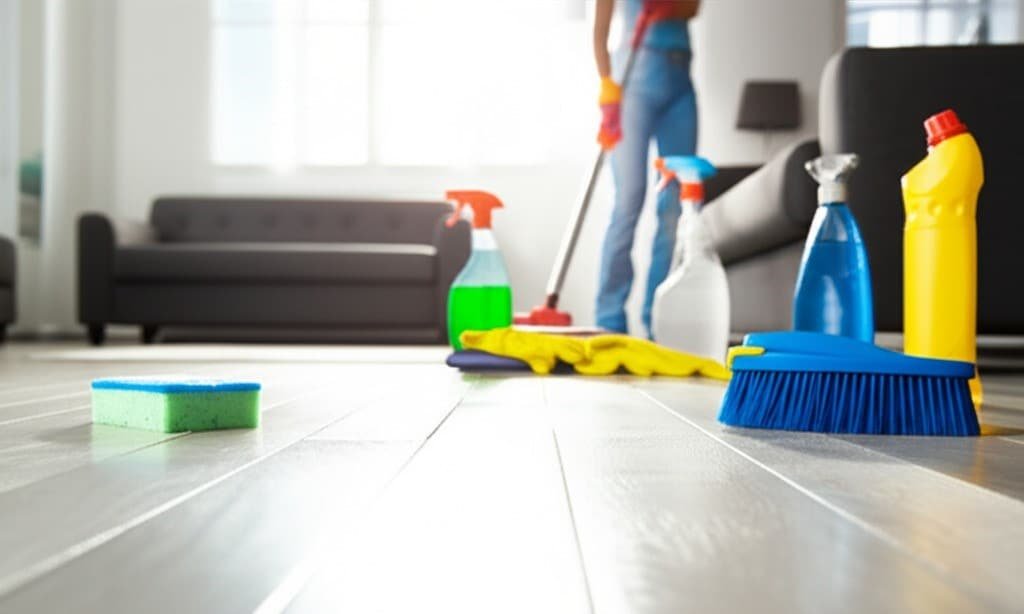
4 Easy Home Deep Cleaning Tips You Need to Try

Home deep cleaning represents a far more comprehensive and intensive approach to household cleanliness than routine or daily tidying. While regular cleaning maintains a surface level of order, deep cleaning delves into the accumulated dirt, stubborn grime, pervasive bacteria, and hidden allergens that build up over time in every part of a home. It is a methodical process designed to sanitize and refresh spaces from top to bottom, reaching beyond the immediately visible to address areas often overlooked. This type of cleaning aims not just for visual appeal but to restore a home to its optimal hygienic condition. It involves meticulous attention to detail, often requiring significantly more time, focused effort, and the use of specialized cleaning agents and equipment compared to standard upkeep. The goal is to systematically eliminate layers of dust, grease, soap scum, limescale, and other residues that can compromise both the appearance and the healthfulness of a living environment. 1.Home Deep Cleaning – Kitchen   A home environment stands to gain substantially from periodic, thorough home deep cleaning. Over months and seasons, dust particles, pet dander, pollen, mold spores, and various pathogens can settle and multiply in hard-to-reach places like behind furniture, within carpet fibers, on high ledges, and in air vents. These hidden accumulations can degrade indoor air quality, potentially triggering or exacerbating allergies, asthma, and other respiratory conditions. Home deep cleaning directly targets and removes these reservoirs of contaminants, contributing to a healthier atmosphere for all occupants. Beyond health implications, this intensive cleaning also plays a crucial role in home maintenance. By removing corrosive substances like grease build-up in kitchens or hard water stains in bathrooms, home deep cleaning helps preserve the integrity and extend the lifespan of fixtures, surfaces, and appliances. A deeply cleaned home offers an enhanced sense of comfort and well-being, transforming the living space into a more pleasant, sanitary, and genuinely revitalized sanctuary. This can also be a factor in preventing pest infestations by removing food sources and disturbing potential hiding spots.   Numerous situations and life events make a professional home deep cleaning service particularly beneficial. Seasonal transitions, notably spring and autumn, are common triggers as individuals look to refresh their homes after a long winter or prepare for increased indoor living as temperatures drop. Before hosting significant events, such as holiday gatherings, family celebrations, or important social functions, a deep clean ensures the home is impeccably presentable and welcoming. Conversely, after such events, a deep clean helps restore order and cleanliness. Moving is another prime occasion; cleaning an old residence thoroughly before vacating or ensuring a new home is sanitized and fresh before moving in is standard practice. Properties being prepared for sale or rental greatly benefit from home deep cleaning to enhance their appeal to potential buyers or tenants. Post-renovation or construction work, a specialized deep clean is essential to remove fine dust, debris, and construction residues that settle everywhere. Furthermore, many homeowners integrate home deep cleaning into their annual or semi-annual maintenance schedule as a proactive measure to maintain a consistently high standard of cleanliness and hygiene, even without a specific event prompting it. Observable signs like persistent musty odors, visible dust build-up in corners or on less-disturbed surfaces, or a general feeling that the home isn’t truly clean despite regular efforts also indicate it’s time for a deep clean. Home deep cleaning services are characterized by their meticulousness and comprehensive scope, designed to address areas that routine cleaning simply cannot cover effectively. While the exact checklist can vary between providers and can often be customized, a typical comprehensive service will dedicate focused attention to all rooms. In the kitchen, deep cleaning is particularly intensive due to grease, food particles, and potential bacteria. This usually involves cleaning the interior and exterior of major appliances. Ovens are degreased inside and out, including racks and doors. Microwaves are cleaned internally and externally. Refrigerators are cleaned on the outside, and often the inside if requested and emptied, including shelves and drawers. Dishwasher exteriors are wiped, and sometimes an internal cleaning cycle is run. Range hoods and their filters are thoroughly degreased. Cabinet exteriors are wiped down to remove fingerprints, food splatters, and grease accumulation; interior cabinet cleaning may also be included if they are empty. Sinks, faucets, and fixtures are descaled, cleaned, and polished to remove water spots and build-up. Countertops and backsplashes are cleaned and sanitized, with specific attention paid to grout lines to remove discoloration and grime. Floors, including edges, corners, and under movable appliances, are scrubbed or mopped meticulously. Even small appliances’ exteriors and accessible areas around them receive attention. 2. Mold, Hard Water And Dust? No! Bathrooms, being high-moisture areas prone to mold, mildew, and soap scum, undergo rigorous sanitization. Showers and bathtubs, including walls, doors, and tracks, are scrubbed intensively to eliminate soap scum, hard water deposits, and any signs of mildew. Toilets are disinfected thoroughly, both inside the bowl and all exterior surfaces, including the base and the floor area surrounding it. Sinks, vanities, and countertops are cleaned, sanitized, and polished. Mirrors are cleaned to achieve a streak-free finish. Tiles and grout on both floors and walls are scrubbed to remove build-up and restore brightness. Light fixtures, exhaust fans, and vents are dusted or wiped down to remove accumulated dust and improve air circulation. Faucets, showerheads, and other chrome fixtures are often descaled and polished. Living areas, dining rooms, and bedrooms are also given detailed treatment. All surfaces are thoroughly dusted, encompassing high areas such as ceiling fans (blades and fixtures), light fixtures, picture rails, and curtain rods, as well as often-neglected low areas like baseboards, skirting boards, and electrical outlet covers. Furniture is typically vacuumed, including under cushions, and if feasible, moved to allow cleaning underneath and behind. Upholstery may receive more detailed vacuuming, targeting crevices. Window sills, ledges, tracks, and frames are wiped clean of dust and grime. Cobwebs are carefully removed from ceilings, corners, and light fixtures. Interior windows (glass and frames) and mirrors throughout these rooms are cleaned.

4 Easy Home Deep Cleaning Tips You Need to Try Read More »

Professional maid in uniform diligently cleans office space with supplies.

How to Choose the Best Janitorial Services: 5 Key Factors

How to Choose the Best Janitorial Services: 5 Key Factors A workspace that looks after itself does not exist. Behind every consistently clean office, clinic or retail floor is a janitorial arrangement that was chosen carefully. Five factors separate providers that deliver month after month from those that fade after the first invoice, and every one of them can be checked before you sign. 1. Reputation and Reviews Start with what other clients already know. Reviews on Google, Yelp and the Better Business Bureau reveal patterns: how often a provider arrives on schedule, how steady the quality stays between visits, and how quickly problems get answered. Read for repetition rather than for a single glowing or furious post. Recurring complaints are the real signal. Missed visits, uneven results from different crews and slow replies to emails tend to appear in reviews long before a contract ends. Ask the company for references as well, then actually call them. Questions about reliability, the professionalism of the staff on site and how past issues were resolved give you a picture no marketing page can. 2. Range of Services Offered Match the provider’s capabilities to what the building actually needs. Routine janitorial work covers dusting, vacuuming and waste removal, but most sites need more: carpet extraction and hard floor care to protect the flooring investment, window washing to keep daylight coming through, and sanitizing in washrooms and other busy zones. Some sectors carry extra requirements. A medical or dental office needs disinfection protocols, careful handling of clinical waste and products that meet healthcare standards. If a provider has never worked in that environment, the gap will show up during an inspection. Hiring one company that covers the full scope saves you from coordinating several vendors and keeps accountability in one place. Ask for the scope in writing before you compare quotes. Two providers can advertise the same list of services and still differ on how often each task happens, which rooms are included and whether supplies are part of the fee. A written scope is what makes one bid comparable with another. 3. Experience and Expertise Longevity matters, though not on its own. A firm that has operated for years has usually refined its processes and learned how to handle unexpected messes, but relevant sector experience counts just as much as the calendar. A crew familiar with clinics understands strict sanitation routines; a crew that only services offices may not. Ask about staff training too. Ongoing instruction and certification keep workers current on safe chemical handling, equipment use and newer methods. A company that invests in its team tends to produce consistent results and fewer incidents, which matters in a space where employees and visitors spend their whole day. 4. Customized Cleaning Plans No two buildings are cleaned the same way. Lobbies, lunchrooms and washrooms may need daily attention, while storage areas and executive offices can wait for a weekly pass. Server rooms, labs and other sensitive spaces call for specific products and extra care around electronics. Before signing, ask how the provider builds its plan. A serious company walks the site first, noting traffic patterns, floor types and problem areas, then writes a schedule around them. Flexibility is the real test: as headcount grows or operating hours change, can the plan be adjusted without a drop in quality? 5. Eco-Friendly Practices Green cleaning is now a practical requirement for many landlords and corporate tenants. It means non-toxic, biodegradable products, waste reduction, recycling programs and equipment chosen to use less water and energy, such as microfiber systems and vacuums with HEPA filtration. The benefits land close to home. Fewer harsh chemicals in the air means fewer allergic and respiratory complaints among employees, which shows up in morale and sick days. A greener building also supports sustainability reporting. The CDC’s hygiene overview and its guidance on when and how to clean and disinfect explain the health logic behind those routines. Questions to Ask Before You Sign Which tasks are included in every visit, and which ones cost extra? Who supervises the crew, and how are quality checks recorded? How much notice is needed for a schedule change or an added deep clean? Which products will be used, and are they suitable for your floors and fixtures? How are complaints logged, and how fast is a response expected? Janitorial Services in the Greater Toronto Area Toronto Shine Cleaning works with businesses across the Greater Toronto Area and brings the same standards to a commercial contract that it applies in homes: trained staff, tailored schedules, and a bond and insurance package that includes $1,000,000 in coverage and $10,000 for accidental breakage. Rates are listed on the pricing page, the service area is set out on the locations page, and feedback from past clients sits on the reviews page. Call (647) 424-0355 to arrange a walkthrough of your premises. Frequently Asked Questions How do I check a janitorial company’s reputation quickly? Read reviews across more than one platform to spot repeated themes, then ask for two or three client references and phone them. Ask each reference how the crew handled a problem, since that tells you more than a list of happy outcomes. Should I hire one provider for all cleaning tasks? Usually yes, when the company can cover routine work, floor care, windows and sanitizing. One contract means one point of accountability, and it removes the scheduling gaps that appear when several vendors share a building. Why does staff training matter in a janitorial contract? Trained workers handle chemicals and equipment safely and clean consistently from one visit to the next. Ongoing certification also keeps a team current as products and standards change, which lowers the risk of incidents on your site. What makes a commercial cleaning plan flexible? A provider that reassesses the site when your headcount, hours or floor plan change. Ask how often plans are reviewed and what happens if you need extra attention in one area for a week.

How to Choose the Best Janitorial Services: 5 Key Factors Read More »

broom, wood floor, sweeping, bucket

How Much Does Deep Cleaning Cost in Canada?

How Much Does Deep Cleaning Cost in Canada? Most Canadian households pay somewhere between CAD 100 and CAD 400 or more for a professional deep clean, but the honest answer is that the final number depends on the size of your home, its condition, your city, and the work you ask for. This guide breaks down realistic price ranges, the five factors that move the number up or down, and how a flat-rate quote compares with a ballpark estimate, so you can budget for a whole-home reset without surprises. What Does a Deep Clean Actually Include? A deep clean goes well beyond surface tidying, especially in kitchens and bathrooms, the rooms most prone to dirt and bacteria buildup. Crews scrub tile, clean behind appliances, and descale faucets and showerheads. The insides of ovens, refrigerators, and dishwashers get attention they rarely receive between routine visits. Windows are washed inside and out, and blinds, curtains, and window sills are cared for as well. Floors get intensive work rather than a quick sweep: thorough mopping, deep carpet cleaning, and attention to corners and the spaces under furniture. Dusting targets spots regular cleaning skips, such as high shelves, ceiling fans, and the tops of door frames, and walls are wiped down to lift dust, fingerprints, and marks. For the difference between a reset visit and routine upkeep, see our regular maid service page, and follow the CDC’s guidance on when and how to clean and disinfect your home. Five Factors That Influence Deep Cleaning Costs Size of the space. A spacious four-bedroom house takes far more time than a cozy studio, so larger layouts cost more. Current condition. A regularly maintained home needs a touch-up, while a neglected one needs extra tender loving care and a higher price. Location. The cost of living and doing business varies widely across Canada, so downtown Toronto carries a premium over smaller towns. Frequency. A one-time deep clean costs more per session than an ongoing schedule, which often comes with long-term discounts. Custom requests. Delicate surfaces, specific products, or special-attention areas add time and equipment. If you handle those products yourself, Health Canada’s rules for using household chemicals safely are worth reading first. Average Deep Cleaning Costs in Canada Ballpark figures for smaller spaces, such as a studio or one-bedroom apartment, sit around CAD 100 to CAD 200. For medium to large homes, such as a three-bedroom house, expect CAD 200 to CAD 400 to cover the extra area and work. Luxury or larger properties start around CAD 400 and climb from there based on size, complexity, and special requirements. Treat every one of these as an estimate, because the most accurate way to price your home is a personalized quote. The table compares the national ballparks with the flat, before-HST rates on our pricing page. Property type Typical Canadian estimate Toronto Shine deep clean, before HST Studio or 1 bedroom CAD 100 to CAD 200 from $270.38 3 bedroom home CAD 200 to CAD 400 $441 Luxury or 4+ bedrooms CAD 400 and up $527.63 for a 4 bedroom How Often Should You Book a Deep Clean? Cost looks far more reasonable when you spread it over the year, because a deep clean is not a weekly chore. Most Canadian homes need a full reset one or two times a year. A spring clean is the classic choice, and a pre-holiday reset is a close second. Book a fresh session whenever life creates a deadline: a renovation that leaves fine dust in every crack, a new baby arriving, a wedding or house party on the calendar, a seasonal allergy flare-up that routine dusting cannot fix, or simply the realization that the oven has not been opened in a year. Households with pets, hardwood floors, or multiple kids tend to need resets closer to every six months. Between those appointments, a scheduled maid visit keeps grime from reaching the level that drives a quote upward, which is the single most effective way to pay less per session. Why the Investment Pays Off Health and hygiene Deep cleaning targets the spots where allergens, mold, and bacteria collect: under beds, behind appliances, and inside air vents. Reaching those areas improves indoor air quality, one of the concerns Health Canada tracks in its guide to indoor air contaminants and health. For households managing allergies or respiratory issues, a reset clean can make a noticeable difference. Maintenance and peace of mind Removing built-up grime protects finishes and can prolong the life of furniture, carpets, and appliances, which means fewer repairs and replacements over time. Advanced techniques such as steam cleaning for carpets and upholstery, pressure washing for outdoor areas, and detailed hand-washing of delicate items deliver a level of clean a routine cannot match. There is also a psychological return: coming home to a deeply cleansed, orderly space reduces stress and helps you relax. Deep Cleaning Cost FAQs Is a deep clean worth the extra cost over regular cleaning? Yes, whenever your home needs work a routine visit does not cover, such as inside appliances, descaled fixtures, washed walls, and cleaned carpets. Many households pair a one-time reset with recurring visits through our deep cleaning services in Toronto and maintain the result with scheduled housekeeping. How much does deep cleaning a three-bedroom house cost? Across Canada, three-bedroom homes typically fall between CAD 200 and CAD 400. Condition and add-ons swing that number, so the final quote depends on an assessment of your actual space rather than the bedroom count alone. Does timing affect the price? It can. Move-in and move-out dates are one of the most common reasons Canadians book a deep clean, and end-of-tenancy work follows its own checklist. See our move-out cleaning service for the deposit-focused version of this reset. How do I get an exact price? Request a personalized quote that reflects the services and level of attention your home actually needs, so you pay for exactly what you need and nothing you do not. What is included

How Much Does Deep Cleaning Cost in Canada? Read More »

Woman cleaning a sink with gloves deep cleaning

What is Deep Cleaning?

What Is Deep Cleaning? A Complete Guide Deep cleaning is a comprehensive, top-to-bottom cleaning process that goes far beyond your regular weekly tidy-up. While standard cleaning focuses on visible surfaces, deep cleaning targets the grime, dust, and bacteria that accumulate in hidden areas — behind appliances, inside cabinets, under furniture, and within upholstery fibers. Think of it as a reset button for your entire home. When done properly, deep cleaning restores surfaces to their original condition, eliminates accumulated allergens, and creates a noticeably fresher indoor environment. Deep Cleaning vs. Regular Cleaning Regular cleaning maintains a baseline of tidiness: sweeping floors, wiping counters, making beds, and taking out the trash. Deep cleaning, by contrast, involves scrubbing every surface until it is restored to its original condition. This means pulling out the refrigerator to clean behind it, degreasing oven interiors, scrubbing tile grout with specialized brushes, washing baseboards and window tracks, and steam-cleaning carpets and upholstery to extract embedded dirt. The difference is immediately visible in the sparkle of your home and the freshness of the air you breathe. For homes with pets, smokers, or high foot traffic, deep cleaning every two to three months is essential to prevent the buildup that regular cleaning cannot address. Why Deep Cleaning Matters for Your Health Hidden dirt and moisture create ideal conditions for mold, dust mites, and bacteria to thrive. The CDC notes that mold exposure can cause stuffy nose, sore throat, coughing, and wheezing, particularly for people with asthma or allergies. Regular deep cleaning removes these hazards at their source by eliminating the organic matter that mold and bacteria feed on. Similarly, Health Canada advises controlling humidity and cleaning up moisture problems to prevent mold growth and improve indoor air quality. A thorough deep clean every season can dramatically reduce airborne irritants, making your home safer for everyone, especially children, seniors, and anyone with respiratory conditions. When you combine deep cleaning with regular maintenance cleaning, you maintain a consistently healthy home environment year-round. What Areas Does a Deep Clean Cover? Area Regular Clean Deep Clean Kitchen Wipe counters, sweep floor Degrease oven and hood, scrub inside fridge, clean cabinet fronts and handles, descale sink Bathroom Wipe sink and mirror Scrub grout, descale shower head, disinfect toilet and base, clean exhaust fan and vanity Living areas Dust visible surfaces Clean behind and under furniture, wash window tracks and blinds, wipe baseboards and doors Bedrooms Make bed, tidy surfaces Vacuum mattress, dust ceiling fans, wash comforters and decorative pillows Floors Sweep or vacuum Steam clean carpets, mop and polish hard floors, clean corners and edges by hand When You Should Schedule a Deep Clean Seasonal refresh: At the start of spring and fall to reset your home for the new season and address the buildup of the previous months. Before or after moving: Ensure your new space is pristine or leave your old one in top condition to secure your full deposit. After renovations: Construction dust settles everywhere and requires specialized removal techniques to avoid spreading fine particles. Before hosting guests: Make a great impression with a thoroughly clean home, especially for holiday gatherings or special occasions. When allergies flare: A deep clean removes dust, dander, and mold spores that trigger symptoms, providing immediate relief for sensitive individuals. Can You Do It Yourself or Should You Hire a Pro? A DIY deep clean takes an entire weekend and requires renting or buying equipment like steam cleaners, carpet extractors, and specialized brushes. Professional services bring industrial-grade tools, commercial cleaning agents, and trained technicians who can complete the job in a fraction of the time. Explore professional deep cleaning services or see current deep cleaning pricing to compare the investment against the value of your free time. Many Toronto homeowners bundle deep cleaning with regular maintenance to keep their homes in peak condition year-round. If you are planning a move, our move-in and move-out cleaning is tailored to the strict standards landlords and tenants expect. Frequently Asked Questions How often should I deep clean my home? Most homes benefit from a deep clean every two to four months, depending on household size, pets, and allergy concerns. Does deep cleaning include inside appliances? Yes, a professional deep clean typically covers oven interiors, refrigerator shelves and drawers, microwave interiors, and dishwasher filters as standard. Is deep cleaning safe for pets? Reputable services use pet-safe, eco-friendly cleaning products, but it is wise to confirm with your provider in advance if your pet has specific sensitivities. How long does a professional deep clean take? A standard two-bedroom home takes approximately three to five hours, while larger homes may require a full day depending on the level of buildup. Ready to give your home the deep clean it deserves? Call Toronto Shine Cleaning at (647) 424-0355 to book your appointment. Our trained team serves all Toronto neighbourhoods with eco-friendly products and meticulous attention to detail.

What is Deep Cleaning? Read More »

House cleaner inside a home

How to Choose the Right Professional House Cleaning Service in Yorkville: 5 Essential Tips

Choosing a House Cleaning Service in Yorkville Yorkville homes range from compact condos on Bay to century houses near Avenue Road, and the cleaning company that suits a suburban five-bedroom may not suit a glass-walled suite where every streak shows. Choosing well comes down to five checks: what you need cleaned, what reviews say, what happens if something breaks, who is actually doing the work, and what the quote really includes. Work through them in order and you will avoid the two classic mistakes, paying for scope you do not need and hiring on price alone. 1. Define Your Cleaning Needs First Before you request a single quote, write down what you want cleaned and how often. Most households land in one of three buckets: recurring maintenance for the weekly basics, a seasonal deep clean that reaches inside appliances and behind furniture, or a move-in or move-out clean tied to a lease or sale. Be specific about the extras that quote forms hide: inside the oven, inside the fridge, interior windows, balconies, and laundry. A clear scope in writing is what makes three quotes comparable, and it protects you from a surprise line item on invoice day. 2. Research Reviews and References Look beyond the star rating. Read recent reviews with photos, note whether complaints repeat, and check how the company responded, because a calm, specific reply says more than a wall of five stars. Google, Yelp, and local neighbourhood groups each catch different customers, so scan all three. Then ask for two references from homes similar to yours, ideally in the same part of the city, and call them. A company that hesitates to share references is telling you something. For local proof, you can also scan reviews of Toronto Shine Cleaning while you compare options. 3. Ask for Proof of Insurance and Bonding This is the check homeowners skip and later regret. Ask for a certificate of insurance showing liability coverage and confirm the company carries bonding for its cleaners, because a spilled bottle of bleach on an oak floor should never become your repair bill. At minimum, request: A current certificate of insurance with the policy number and coverage limits. Proof of a surety bond or a written guarantee covering theft and breakage. A clear statement of who pays if something is damaged, and by when. Confirmation that cleaners are employees or insured contractors, not an unvetted marketplace. As a benchmark, Toronto Shine Cleaning is bonded and insured with a one million dollar insurance policy and a ten thousand dollar accidental breakage and surety bond, and shares those details before the first visit rather than after an accident. 4. Check Experience and Expertise Years in business matter less than fit. Ask what training new cleaners receive, how the company handles special surfaces like marble, hardwood, and stainless steel, and whether the same cleaner returns each visit. Consistency is worth a premium: a team that learns your home cleans faster and needs less supervision. Also ask how they screen staff and whether they use their own supplies and equipment. A company that brings professional-grade products and a commercial vacuum tends to finish faster, while one that asks you to supply everything may cost less upfront and more in the long run. It also helps to know whether the team cleans first and disinfects only where needed, the sequence the CDC describes for cleaning and disinfecting your home. 5. Compare Prices and What Is Included Rates mean nothing without scope. Compare quotes on three axes: the base price, the tasks included, and any fees for pets, heavy clutter, or larger square footage. Flat rates are predictable but only fair if the task list is complete; hourly rates flex with the job but can punish a slow visit. Ask specifically whether oven interiors, fridge interiors, and interior windows are included or add-ons. For a concrete reference, the Toronto Shine Cleaning pricing page lists base rates before HST as follows. Service Studio or 1 bedroom 2 bedroom 3 bedroom 4 bedroom Regular cleaning from $212.63 $273 $327 Deep cleaning $270.38 $393.75 $441 $527.63 Move-in or move-out from $242.63 Request every quote in writing with the scope attached, then compare totals rather than the headline number. When you are ready to book a regular plan, you can see the recurring cleaning service and confirm whether your address falls inside the service areas. Choosing a Yorkville Cleaner FAQ How much should house cleaning cost in Yorkville? Downtown Toronto rates sit above the national average because of labour and parking costs. Expect roughly $210 to $330 for a regular clean of a smaller home before tax, with deep cleans higher; compare at least three written quotes with identical task lists. Should I tip my house cleaner? Tipping is optional but appreciated. If you are happy with the work, ten to fifteen percent per visit or a year-end bonus are common in Toronto. Regular clients often build it into their budget rather than deciding each visit. Do I need to be home during the cleaning? No. Many clients provide a key, lockbox code, or door code, and companies document arrival and departure. If you prefer to be present, say so when booking; it will not change the price for a standard visit. What cleaning products will they use in my home? Ask before booking, especially if anyone in the home has allergies or asthma, and confirm whether you can request fragrance-free products. Safe storage, dilution, and handling of cleaning chemicals matter too, and Health Canada’s household chemical safety tips are a good standard to hold any provider to. Book With Confidence Toronto Shine Cleaning serves Yorkville and the surrounding downtown core with bonded and insured cleaners, a one million dollar insurance policy, and a ten thousand dollar accidental breakage and surety bond. Whether you need a weekly maintenance plan or a seasonal refresh, review current rates on the pricing page or call (647) 424-0355 to get a quote for your address.

How to Choose the Right Professional House Cleaning Service in Yorkville: 5 Essential Tips Read More »