Post Renovation/Construction Guide

The Benefits of Hiring a Professional

Post-Construction Cleaning: 3 The Benefits of Hiring a Professional

The end of a construction or renovation project is a moment of pure anticipation. The final nail has been hammered, the last coat of paint has dried, and the blueprint that once existed only on paper has been transformed into a tangible, three-dimensional space. But in the quiet aftermath, after the contractors have packed up their tools and driven away, the dream space remains just out of reach, separated from reality by a formidable, often underestimated barrier: the post-construction mess. This is not the familiar, everyday dirt of a lived-in home. Post-construction cleaning is a specialized, intensive discipline, a top-to-bottom reclamation project that deals with a unique and pervasive type of grime. It is the final, essential bridge that transforms a hazardous, dusty worksite into a clean, breathable, and truly livable home. 1.The Anatomy of a Construction Mess To appreciate the scope of a post-construction clean, one must first understand the nature of the debris left behind. It is a class of dirt all its own, requiring a specific strategy and a different set of tools than your weekly cleaning routine. The undisputed villain of any construction project is the dust. This is not the soft, fluffy dust that gathers on bookshelves. Construction dust is a fine, gritty, and abrasive particulate matter composed of a cocktail of materials: drywall compound (gypsum), plaster, sawdust, cement powder, silica, and more. Its particles are so fine that they become airborne with the slightest disturbance, traveling through HVAC systems and settling in a uniform, ghostly layer on every single conceivable surface. It’s not just on the floors and countertops; it’s inside cabinets, on top of door frames, within light fixtures, coating the blades of a ceiling fan, and settled deep within the fibers of any existing carpet. This dust is more than an eyesore; it can be a significant respiratory irritant, making its complete and total removal a matter of health and safety, not just aesthetics. Beyond the all-encompassing dust, a construction site is littered with other forms of debris. You will find stray nails, orphaned screws, small chunks of wood and drywall, plastic shavings from plumbing work, and hardened blobs of caulk or adhesive. New windows, appliances, and fixtures are typically covered in protective plastic films and manufacturer’s stickers, which often leave behind a stubborn, sticky residue when removed. There are almost always errant paint splatters on hinges, glass panes, or flooring, and scuff marks on newly installed baseboards from ladders and equipment. Attempting to tackle this complex mess with a household all-purpose cleaner and a roll of paper towels will result in frustration, smeared grime, and potentially permanent damage to brand-new, expensive surfaces. 2.Professional Post-Construction Clean A truly effective post-construction clean is not a single, chaotic event. It is a systematic, multi-phase process where each stage builds upon the last, ensuring that every corner is addressed and no detail is overlooked. Phase 1: The Rough Clean This initial phase is about clearing the battlefield. It often takes place during the final days of construction or immediately after the contractors have departed. The primary objective of the rough clean is to remove the bulk of the large-scale debris, making the space safe and accessible for the meticulous, detailed cleaning to follow. A standard rough clean includes: The collection, removal, and proper disposal of all large trash and debris. This includes wood scraps, leftover materials, hardware packaging, and cardboard boxes. Scraping and sweeping up large piles of drywall dust, sawdust, and other major accumulations from the floors. Peeling off all protective plastic films from windows, doors, appliances, and fixtures. A preliminary pass with a heavy-duty shop-vac over all surfaces to remove the thickest, most obvious layers of dust. At the conclusion of the rough clean, the space will still be visibly dirty, but it will be free of major hazards and clutter. This crucial first step clears the way for the much more intensive and detailed work of the deep clean. Phase 2: The Deep Clean  This is the heart and soul of the post-construction cleaning process. It is a methodical, top-to-bottom cleaning of every single surface in the renovated area. The guiding principle is universal to all serious cleaning: start high and work your way down. This ensures that any dust or debris you dislodge from a high surface falls onto a surface you have yet to clean, preventing you from having to re-clean areas. A comprehensive deep clean checklist is exhaustive: Ceilings, Walls, and High Fixtures: Wiping down ceilings and walls to remove the fine layer of settled dust. This may involve dry dusting or using a damp microfiber cloth, depending on the paint finish. Cleaning all light fixtures, ceiling fans, and recessed lighting, both inside and out. Wiping down the tops of all door frames, window casings, and any high-up molding. Doors and Windows: Cleaning both sides of every window and glass door. This critical step includes carefully scraping off any paint splatters, caulk, or sticker residue with a professional razor scraper. Thoroughly cleaning window sills and tracks. These areas are notorious collection points for a surprising amount of sawdust and drywall debris. Wiping down every part of the doors, including the hinges, doorknobs, and the often-forgotten top edge where dust loves to settle. Trim, Baseboards, and Cabinetry: Wiping down every inch of trim, molding, baseboards, and any built-in shelving. This is often a detailed, hands-and-knees job that requires patience. Cleaning the inside and outside of all cabinets, cupboards, and drawers. This is especially vital for kitchens and bathrooms. You must ensure these storage spaces are completely free of sawdust and drywall dust before storing clean dishes, food, or linens. Kitchen and Bathrooms: Cleaning, disinfecting, and polishing all countertops. Scrubbing and shining sinks and faucets, making sure to remove any plumber’s putty or installation residue. Cleaning the exteriors and interiors of all new appliances. Thoroughly cleaning showers, bathtubs, and toilets to remove the fine film of dust that has inevitably settled on them. Polishing all fixtures, mirrors, and chrome to

Post-Construction Cleaning: 3 The Benefits of Hiring a Professional Read More »

a clean and organized garage

Garage Cleaning: 5 Effective Strategies to Keep Your Garage Organized

The garage is the forgotten room. It is the one space in the home that is allowed to descend into a state of organized, and then disorganized, chaos. It begins as a home for your car, a place for your tools. But slowly, inevitably, it becomes the household’s dumping ground. It is the final destination for items that have no other place: the broken lawnmower, the half-empty cans of paint, the boxes from a move that happened five years ago, the sporting equipment for a hobby long since abandoned. Before you know it, parking a car inside is a distant memory, and finding a specific screwdriver requires an archaeological dig. Cleaning the garage is not like cleaning a kitchen. It is not a simple task of wiping surfaces and mopping floors. It is a project. It is an act of reclamation, of taking back a significant portion of your home’s square footage and returning it to a state of function and purpose. It is a process that can feel overwhelming, but when broken down into a systematic, manageable plan, it is entirely achievable. This is not about a quick tidy-up; this is about a full-scale reset. 1.Preparation and Strategy Before a single box is moved, the project must be planned. The single biggest mistake people make when tackling a garage is underestimating the scope of the job. This is not a two-hour task. For the average cluttered garage, you need to dedicate an entire weekend. Block it out on your calendar. Arrange for kids or pets to be elsewhere. Treat it with the seriousness of a home renovation project, because in many ways, it is. The second part of preparation is gathering your supplies. Going into this battle unarmed is a recipe for frustration and failure. You will need a specific set of tools for sorting, and another for the deep cleaning that will follow. For Sorting and Decluttering: Heavy-Duty Trash Bags: You will generate more trash than you think. Get more bags than you think you will need. Sturdy Boxes or Bins: These will be for items you intend to keep, donate, or sell. A Labeling System: A thick permanent marker and either labels or masking tape are essential. Every box must be clearly marked with its intended destination. For Cleaning: Safety Gear: At a minimum, you need heavy-duty work gloves to protect your hands from dirt, sharp objects, and chemicals. A dust mask is also critical, as you will be kicking up years of dust, dirt, and potentially mold spores. Safety glasses are a good idea, especially when sweeping and dealing with chemicals. Broom and Dustpan: A stiff-bristled push broom is ideal for the large floor surface. Shop-Vac: A standard household vacuum is no match for a garage. A shop-vac can handle everything from fine dust and sawdust to dead leaves, cobwebs, and small debris. Buckets: You will need at least one large bucket for your cleaning solution. Scrub Brushes: A long-handled deck brush is excellent for the floor, and a smaller, handheld stiff brush is good for corners and stubborn spots. Cleaning Agents: A heavy-duty degreaser is non-negotiable for tackling oil and fluid stains on the concrete floor. You may also want a powdered concrete cleaner or a simple, strong all-purpose cleaner. Rags and Sponges: A large supply of old rags is necessary for wiping down surfaces and for the final detailing. 2.Evacuation and Purge The most effective, albeit intimidating, method for decluttering a garage is to remove everything. Every single item must come out. The goal is to get the garage completely empty, creating a blank canvas for the deep clean and a forcing mechanism for decision-making. Wait for a clear, dry day and use your driveway as a staging area. As you pull items out, immediately begin sorting them into four distinct categories. This is where your boxes and labels come into play. Keep: This category is exclusively for items that you use, need, and that belong in the garage. Be ruthless. If you haven’t used a tool in over a year, do you really need to keep it? Is that box of old cables for electronics you no longer own providing any value? The garage is functional space, not a museum of past projects. Donate/Sell: These are items that are in good, usable condition but no longer serve a purpose for you. Old sporting equipment, tools you have duplicates of, functional but unused garden supplies. Place these directly into designated boxes. Once a box is full, tape it shut and label it. This prevents you from second-guessing your decisions. Trash/Recycle: This will likely be your largest category. Be prepared to fill several bags. This includes broken tools, expired chemicals, dried-up paint, rotten wood, and anything that is simply junk. Pay close attention to hazardous waste. Old paint, motor oil, pesticides, and other chemicals cannot simply be thrown in the regular trash. Check with your local municipality for hazardous waste drop-off locations and procedures. Group these items together for a separate, responsible disposal run. Relocate: You will inevitably find things that do not belong in the garage. Kitchen appliances, sentimental photo albums, out-of-season clothing. These items have been stored in the garage out of convenience, not logic. Put them in a “Relocate” box to be moved to their proper place inside the house later. Do not get sidetracked by taking them inside now; stay focused on the garage purge. As you work, you will be tempted to create a “maybe” pile. Resist this urge. Indecision is the enemy of progress. If you truly cannot decide on an item, place it in a single “quarantine box.” Seal the box and write a date on it six months in the future. If you have not needed to open that box by that date, take the entire unopened box directly to a donation center. 3.The Deep Clean With the garage completely empty, you can now see the true state of the space. It is time for the top-to-bottom clean. This is a fundamental principle of cleaning: start high and work your way

Garage Cleaning: 5 Effective Strategies to Keep Your Garage Organized Read More »

Best Ways To Clean Window Screens And Make Them Look Like New

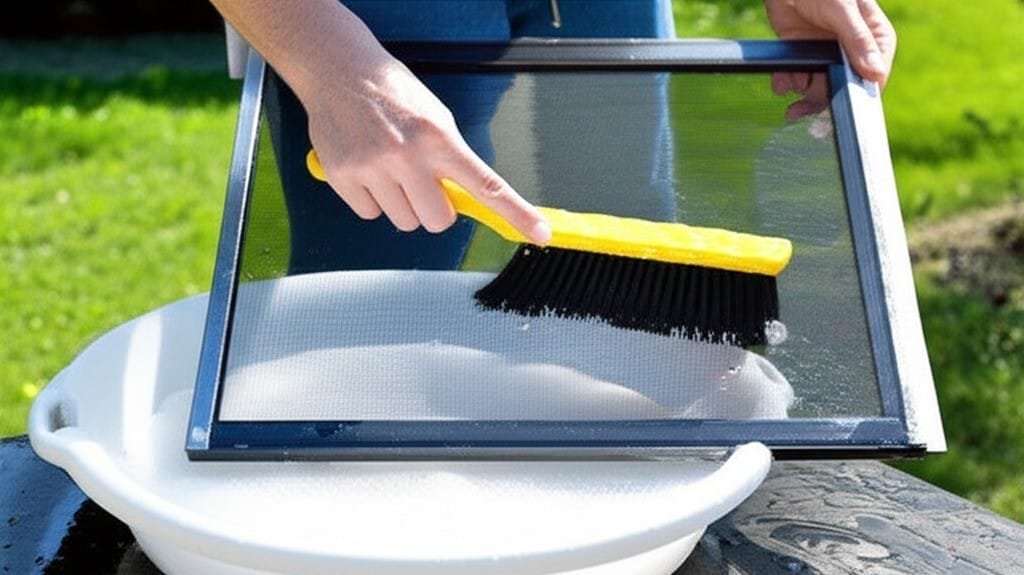
To begin cleaning your window screens, assemble your equipment. Professional results depend on having the right tools on hand. You will need a pair of buckets, a high-quality squeegee fitted with a sharp, flexible rubber blade, a strip applicator, several clean microfiber cloths, a soft-bristled brush, a garden hose with an adjustable spray nozzle, and your preferred cleaning solution. A simple yet highly effective solution can be made by mixing a gallon of cool water with just a few drops of dish soap in one bucket. The aim is for a slightly soapy mixture, not a foam; excessive soap will leave a residue on the glass that proves difficult to remove and subsequently attracts more dirt. The second bucket should contain only clean water for rinsing your tools. For interior work, a spray bottle filled with the same solution is more practical. For stubborn stains like mineral deposits, you might also require distilled white vinegar or a pad of fine #0000 grade steel wool. 1.Remove The Screen The most crucial first step, one that is fundamental to a lasting clean, is to address the window screens. Cleaning the glass first is a futile effort, as reinstalling dirty window screens will instantly coat your pristine windows with a fresh layer of dust and grime. Begin by carefully removing all the window screens from their frames. Take note of their fastening mechanisms; some utilize plunger bolts, while others have tension springs or clips. It is a good practice to label each of the window screens with a small piece of masking tape indicating its specific location (e.g., “Dining Room, Right”) to prevent confusion during reinstallation, as sizes can vary subtly. For window screens that have only a light coating of dust and loose debris, a dry cleaning method is often sufficient. Lay the screen on a flat, protected surface like a drop cloth or lean it securely against a wall. Use a soft-bristled brush or the brush attachment of your vacuum cleaner to gently go over the entire surface. This action will dislodge loose particles from the mesh of the window screens without the need for water. This is the fastest way to refresh window screens that are not heavily soiled. For window screens burdened with caked-on dirt, pollen, or greasy buildup, a wet cleaning is unavoidable. Move the window screens to a suitable outdoor location like a driveway or lawn. Start with a gentle pre-rinse using the garden hose on a low-pressure setting. A powerful jet of water can easily stretch, tear, or otherwise damage the delicate mesh material or even dent the frames of the window screens. In a bucket, mix a solution of warm water and a small amount of mild dish soap. Submerge a soft-bristled brush in this soapy water and gently scrub both sides of the screen. Use light, consistent pressure and work in systematic, overlapping motions. Pay close attention to the frames surrounding the mesh, as these channels are notorious for trapping dirt. After you have thoroughly scrubbed the window screens, rinse them completely with the hose. It is vital to wash away all soap residue, as any lingering film will act as a magnet for new dirt. To check, run a clean finger across the mesh; it should not feel slippery. 2.Dry Completely Once cleaned, the window screens must be dried completely. Lean them against a wall, fence, or outdoor furniture in a location that gets good air circulation and, ideally, some sun. Do not rush this step. Allowing the window screens to air dry thoroughly is critical. Reinstalling damp or wet window screens can trap moisture within the window frame and track, creating an ideal environment for mold and mildew to grow, which can cause damage and potential health issues. The time it takes for your window screens to dry is the perfect opportunity to clean the rest of the window assembly. With the window screens set aside to dry, direct your attention to the window tracks, sills, and frames. This often-neglected area makes a significant impact on the final look and functionality of your windows. Open the window fully to expose the tracks. Use a vacuum cleaner with a crevice tool attachment to suction out all the loose dirt, cobwebs, dead insects, and other accumulated debris. For stubborn, compacted dirt, use a stiff, dry brush or a putty knife to loosen it from the corners and channels before vacuuming. Following the dry removal, perform a wet cleaning. Dip a small, firm brush, like an old toothbrush, into your cleaning solution and scrub the tracks meticulously. Use a microfiber cloth to wipe out the loosened grime and suds. To reach into tight corners, you can wrap the cloth around the tip of a flathead screwdriver. Wipe down the entire window frame and sill, both inside and out, with a damp cloth, and then dry everything thoroughly with a clean, dry cloth.   3.Cleaning The Windows Now, you can proceed to clean the exterior glass. If the windows are exceptionally dirty, a quick rinse with the hose will remove the outermost layer of grit, preventing you from scratching the glass with your applicator. Submerge your strip applicator in the soapy water, wring out the excess, and wash the entire glass surface. Be methodical, working from edge to edge to ensure the entire pane is wet and scrubbed, loosening all the dirt. The squeegee is your tool for a streak-free finish. Before your first pull, use a microfiber cloth to wipe a narrow, one-inch vertical strip down one side of the pane. This “dry edge” allows the squeegee to start on a dry surface, preventing it from skipping. Place the squeegee at the top of the window, overlapping onto this dry strip. Angle the blade at about 30 degrees to the glass, apply light, even pressure, and pull it straight down in one continuous, smooth motion. After every single pull, wipe the rubber blade clean with a cloth. This is not optional; a dirty blade

Best Ways To Clean Window Screens And Make Them Look Like New Read More »

cobwebs being cleaned

Spider Webs: How to Completely Get Rid of the Webs That Appear Out of Nowhere in August

The arrival of August in Canada brings a specific, almost magical, change to the morning light. Spiders and their webs, the sun sits lower, and the air holds a hint of the coolness to come. This new light, combined with the morning dew, reveals something that has been building all summer but has remained largely invisible: a sudden, pervasive network of spider webs. They appear on porch railings, stretch between shrubs, frame every window, and cling to the eaves of the house. It can feel like an overnight invasion, a silken siege on your property. This phenomenon is not your imagination. Late summer is the peak season for many species of orb-weavers and other spiders. They have spent the spring and summer growing to maturity, and August is when their populations, and therefore their webs, are at their most numerous and conspicuous. Understanding how to manage this seasonal surge requires a systematic approach that addresses both the existing webs and the conditions that invite them. 1.Complete Removal The first step is a thorough and methodical removal of all visible webs. For the exterior of your home, your primary tool should be a long-handled duster or a clean broom with soft bristles. The goal is not simply to tear the webs down, but to capture them. A simple swipe will often break the web, leaving sticky anchor points and strands behind that will quickly collect dust and debris. Instead, use a gentle, rolling or twisting motion. Press the head of the broom or duster into the center of the web and rotate it. The silk will adhere to the bristles, winding around the tool like cotton candy. This technique removes the bulk of the web cleanly and often catches the spider along with it. Work your way systematically around the perimeter of your home. Pay close attention to corners, under eaves, around porch lights, window frames, door frames, and beneath deck railings. These are all prime locations for spiders as they offer shelter and are high-traffic areas for the flying insects they prey on. 2.Hose For webs that are particularly stubborn or in hard-to-reach places, a garden hose with a high-pressure nozzle can be effective. A strong jet of water will dislodge the webs and wash away the residue. However, this method is less precise and can sometimes just push the webs into other areas. Be mindful of spraying water directly into vents, under siding, or at window seals, as this can lead to moisture problems. A pressure washer can also be used, but it requires extreme caution. Use the lowest possible pressure setting and a wide-angle fan tip. High pressure can strip paint, damage wood, and force water behind your siding, causing significant and costly damage. For most residential situations, a standard hose is the safer and more appropriate choice. 3.Dish Soap After the initial removal, you will likely notice a faint, sticky residue where the web’s main anchor points were attached. This residue is what new spiders will often use as a foundation for their own webs. Cleaning this off is a crucial step in preventing a quick return. For painted surfaces, siding, and window frames, a simple solution of warm water with a small amount of dish soap is effective. Use a sponge or a soft-bristled brush to gently scrub the areas. For glass, a standard window cleaner or a solution of equal parts water and white vinegar will remove the residue and leave the surface streak-free. This follow-up cleaning might seem tedious, but it removes the “scent trails” and structural remnants that signal a viable web location to other spiders. 4.Vacuum Cleaner The interior of your home requires a more delicate touch. The single most effective tool for removing indoor spider webs is a vacuum cleaner with its hose and attachments. The crevice tool is perfect for reaching into the corners where walls meet the ceiling, along baseboards, and behind furniture. The brush attachment is ideal for more delicate surfaces like lampshades, curtains, and bookshelves. The power of the vacuum ensures you are not just removing the web, but also the spider and, most importantly, any unseen egg sacs. An egg sac can contain hundreds of spiderlings, and simply dusting it away can cause it to rupture, releasing them into the room. Vacuuming contains the problem entirely. Make it a habit to use the vacuum attachments to trace the upper and lower perimeters of every room during your regular cleaning routine. This proactive measure will catch new webs before they become noticeable. Areas that are often overlooked include basements, garages, and attics. These quiet, cluttered, and often damp spaces are ideal habitats for spiders. A thorough vacuuming of these areas, moving boxes and storage containers to get into the corners, is essential for controlling the indoor population. 5.Prevention Once the existing webs are gone, the focus must shift entirely to prevention. Removing webs is a temporary solution; creating an environment that is unattractive to spiders is the long-term goal. This strategy begins with controlling their food source: insects. Most insects are attracted to light, particularly bright, white light. The classic porch light is a nightly buffet for moths, gnats, and other flying creatures, which in turn attracts spiders who build their webs nearby to catch this easy prey. A simple and highly effective change is to switch your exterior bulbs to yellow “bug lights” or sodium vapor lights. These bulbs emit a wavelength of light that is far less visible and attractive to most insects. This single change can dramatically reduce the number of insects congregating around your doors and windows, and consequently, the number of spiders setting up camp. Alternatively, consider installing motion-activated security lights instead of lights that stay on all night. The light will only come on when needed, creating a less reliable food source for the spiders. 6.Block The next line of defense is to physically block their entry into your home. Spiders are masters of finding small openings. Conduct a detailed

Spider Webs: How to Completely Get Rid of the Webs That Appear Out of Nowhere in August Read More »

housekeeper deep cleaning

Deep Cleaning Services in Toronto, We Do It Right!

Deep cleaning services in Toronto offer a comprehensive, top-to-bottom restoration of your home’s cleanliness, tackling the built-up grime that regular maintenance leaves behind. 1.What is a deep clean? A deep clean is not an extension of regular housekeeping; it is a fundamental reset of a home’s environment. It is a forensic, systematic process that addresses the accumulated grime, dust, and bacteria that settle in a home over time, often in places unseen and untouched by routine cleaning. This process is about restoration, moving beyond surface appearances to achieve a state of foundational, hygienic cleanliness. The demand for meticulous, professional-grade deep cleaning services in toronto has grown as more people recognize the profound impact such a service has on their living space, health, and well-being. It is an investment in reclaiming the home as a sanctuary. 2.Degrease The Kitchen The kitchen, as the hub of daily activity, is ground zero for this intensive process. The challenge here is multifaceted, involving grease, food particles, moisture, and high-touch surfaces. A deep clean dissects the kitchen environment. It begins with the cabinetry. Every cupboard and pantry is emptied completely. This is not just to clean the shelves, but to inspect for any signs of pests, spills, or long-forgotten items. The interior surfaces are then degreased and sanitized, removing the sticky film from cooking oils and the dust that settles within. The exterior of the cabinets, including the handles and knobs, receives focused attention to remove the buildup of fingerprints and aerosolized grease that becomes a tacky, dirt-attracting layer. This level of detail is a defining characteristic of superior deep cleaning services in toronto. Appliances are subjected to a level of cleaning they rarely, if ever, receive. The oven is deconstructed; racks, trays, and any removable elements are soaked and scrubbed individually to dissolve baked-on carbon. The interior cavity is treated with professional-grade degreasers to break down the carbonized spills that can cause smoke and odors during cooking. The oven door, often clouded with grime between its glass panels, is carefully cleaned to restore perfect visibility. The stovetop is similarly dismantled. Burner grates are soaked, burner caps are cleaned, and the surface beneath is scoured free of boiled-over liquids and burnt-on food. Pulling the stove away from the wall to clean the sides of the appliance and the floor and wall behind it is a non-negotiable step for any reputable deep cleaning services in toronto. The refrigerator and freezer are fully emptied. All shelves, drawers, and compartments are removed and washed in warm, sanitary solution before being dried and returned. The interior walls are wiped down, eliminating spills, bacteria, and odors. The rubber gasket sealing the doors, a notorious trap for mold and crumbs, is meticulously cleaned with a detail brush. Moving the fridge to vacuum the condenser coils on the back is a task that distinguishes professional deep cleaning services in toronto; it not only cleans but can improve the appliance’s energy efficiency and lifespan. Smaller appliances are not overlooked; the toaster’s crumb tray is emptied and cleaned, the coffee maker is descaled, and the microwave is scrubbed internally, including the ceiling, to remove hardened food splatters. 3.Bathroom Without Mold and Bacteria The bathroom presents a hygienic battleground where soap scum, hard water deposits, bacteria, and mildew converge. A deep clean here is a sanitizing mission. The shower and bathtub are the primary focus. Soap scum, a resilient compound of soap, body oils, and minerals, is dissolved with specialized cleaners. Glass doors and enclosures are polished to a streak-free clarity. The metal tracks for sliding doors are purged of the soap and hair that accumulates within them. For tiled showers, the grout lines are painstakingly scrubbed to remove discoloration and mildew, a task that dramatically revitalizes the appearance of the entire bathroom and a key reason clients seek out deep cleaning services in toronto. The toilet is sanitized far beyond the bowl. The entire exterior, from the tank top to the base where it meets the floor, is disinfected. The hinges of the toilet seat, a common collection point for grime, are thoroughly cleaned. Some deep cleaning services in toronto will even clean inside the toilet tank to remove sediment and prevent ring formation. The bathroom vanity and sink area are given equal attention. The sink overflow hole is flushed and cleaned to eliminate odors. Faucets and fixtures are descaled to remove chalky hard water stains and polished to a shine. Medicine cabinets and vanity drawers are emptied and wiped clean of dust, spilled powders, and toothpaste residue. The bathroom exhaust fan cover, often caked with lint and dust, is removed and washed, restoring proper ventilation and improving air quality. 4.A Nice Place Living rooms, bedrooms, and common areas are the primary repositories for dust, which is a complex mixture of skin cells, pet dander, fabric fibers, pollen, and dust mite allergens. The methodology for deep cleaning these spaces is strictly top-to-bottom. It starts at the ceiling with the removal of all cobwebs. Light fixtures, ceiling fan blades, and the tops of high shelves or cabinets are all wiped down, preventing this collected dust from being redistributed into the air. Walls are spot-cleaned to remove scuffs, marks, and fingerprints. This is followed by one of the most transformative tasks in a deep clean: the hand-wiping of all baseboards, doorframes, window frames, and light switch plates. This painstaking detail work is what elevates the work of professional deep cleaning services in toronto. Furniture is not simply cleaned around; it is moved. Pulling sofas, beds, and dressers away from the walls reveals a hidden world of dust, lost items, and dirt. This entire area is then thoroughly vacuumed or mopped. The furniture itself is cleaned; upholstered pieces are vacuumed with specialized attachments to clean crevices and underneath cushions. Wood furniture is dusted and polished. Items that are often ignored in weekly cleaning, like lampshades, curtains or blinds, and decorative items, are all dusted or wiped down. This comprehensive approach is why people searching for the best deep cleaning services in toronto look for providers who guarantee

Deep Cleaning Services in Toronto, We Do It Right! Read More »

August cleaning preparation

How To Prepare For August Cleaning: 7 Steps Fast and Easy

August cleaning is a specific kind of reset, the air in Toronto during August carries a distinct weight. This is the month where summer hits its peak just before beginning its slow retreat. Inside your home, the evidence of a season lived to its fullest is everywhere. Preparing for the August cleaning isn’t just about tidying; it’s about resetting the home after months of high activity and preparing it for the shift into autumn. The purpose of a dedicated August cleaning is to systematically remove the specific grime of summer and create a clean foundation for the indoor months to come. 1.HVAC A critical first step in any thorough August cleaning is addressing the air your family breathes. With windows open for weeks, allergens, city dust, and pollen have infiltrated every room. Your HVAC system has been in constant use, and its filter is the first line of defense. Changing it is a non-negotiable starting point for your August cleaning. A clogged, grey filter is not only inefficient but also circulates the very particles you want to remove. Once replaced, use a vacuum with a brush attachment to clean all intake and outtake vents. This foundational task sets the stage for the rest of your August cleaning, ensuring the air moving through your home is as clean as possible. 2.Windows and Doors Now, turn your attention to the windows and doors. The screens have been interceptors of bugs, leaves, and dirt all summer. A proper August cleaning demands they be removed and washed. A soft brush, mild soap, and a gentle spray from a garden hose will dislodge the grime. While they dry, focus on the window tracks and sills. These channels are graveyards for dust and insects. Vacuum the loose debris and use an old toothbrush to scrub the caked-on dirt. This level of detail is a hallmark of a successful August cleaning. Washing the glass, inside and out, on an overcast day will prevent streaking and let pristine light into your newly refreshed space. Completing this part of the August cleaning makes an immediate, visible difference to the brightness of your home. 3.The Floors The floors hold the story of summer. Sand from The Beaches, soil from the garden, and grass from the park have been ground into every surface. A deep floor treatment is non-negotiable for a proper August cleaning. For hard floors, a thorough mopping, perhaps even twice in high-traffic areas, is required to lift the settled-in dirt. For carpets and area rugs, this is the time for a deep extraction clean. Renting or owning a carpet cleaner is essential for this part of the August cleaning, as it pulls out the deep-set allergens and grit that a standard vacuum cannot reach. The murky water you dispose of is proof of the effectiveness of this task. Moving furniture to clean underneath is a vital step in a comprehensive August cleaning; the dust and lost items accumulated over three months need to be addressed. This aspect of the August cleaning removes the literal grit of the season from your home. 4.Fat in the Kitchen The kitchen August cleaning is a project in itself. The refrigerator has been a revolving door of summer treats and barbecue ingredients. Empty it completely. Wash all shelves and drawers in warm, soapy water. Wipe the interior with a food-safe cleaner, checking expiration dates as you go. The exterior and handles, covered in fingerprints, also need attention. Summer cooking often involves more frying and grilling, leaving a sticky film of grease on cabinets, the backsplash, and especially the range hood. A good degreaser is your best tool for this part of the August cleaning. Spray it on, let it work for a few minutes, then wipe clean. Don’t forget the hidden areas during your August cleaning; pull out the oven and stove to clean the sides and the floor underneath, which are magnets for crumbs and grease. This part of the August cleaning is about health as much as it is about aesthetics. 5.Sofa Cushion Your living room August cleaning should focus on soft surfaces where dust and dander settle. If your sofa cushion covers are machine-washable, now is the time to launder them. For all other upholstery, a meticulous vacuuming with the correct attachment is key. Go into every seam and crevice. For a deeper refresh, sprinkling baking soda over the fabric, letting it sit to absorb odors, and then vacuuming it up is a great technique to include in your August cleaning schedule. All throw blankets and pillows should be washed or cleaned according to their care tags. Dusting is another crucial element. Use a damp microfiber cloth to trap dust, not just move it. The goal of this August cleaning is to touch every surface, including the tops of picture frames, ceiling fan blades, and lamp shades. This comprehensive dusting is what makes an August cleaning so effective. Think of this as resetting the comfort zones of your home with your August cleaning. 6.Bathroom The bathroom August cleaning targets the buildup from summer humidity and increased traffic. Go beyond the basic wipe-down and scrub the grout lines on the floor and in the shower where soap scum and mineral deposits have accumulated. A paste of baking soda and vinegar is an effective, natural solution. Wash the shower curtain and its liner. The exhaust fan cover, likely caked with dust, should be removed and cleaned to ensure it can effectively pull moisture from the air. A successful August cleaning restores these high-use spaces to a state of hygienic freshness. Take the time to empty and wipe out medicine cabinets and vanities, organizing the contents as you go. 7.The Summer Gear A key part of the August cleaning process is managing the transition of seasonal items. The summer gear pool toys, beach chairs, inflatable rafts needs to be cleaned, deflated, and stored properly to protect it for next year. The barbecue grill deserves a deep clean after a season of heavy

How To Prepare For August Cleaning: 7 Steps Fast and Easy Read More »

housekeeper

What Is A Housekeeper – 3 Reasons Why You Should Hire

A housekeeper is far more than just someone who cleans your home. While the primary image that comes to mind might be someone with a vacuum or a dust cloth, the reality of a professional housekeeper’s role is much broader, encompassing a comprehensive approach to home management and the overall well-being of a living space. They are individuals entrusted with maintaining the order, cleanliness, and functionality of a household, often serving as a crucial backbone for busy individuals and families. It’s about creating and sustaining an environment where you can truly thrive, not just exist. Think of a housekeeper not as a visitor who performs a single task, but as a dedicated manager of your domestic environment. Their responsibilities extend well beyond surface-level tidiness. They delve into the intricate details of what makes a house feel like a home  a place of comfort, peace, and efficiency. This often includes a wide array of duties that can be customized to suit specific household needs, but generally covers everything from meticulous cleaning to organizational tasks and even light household management. They are experts in ensuring that every corner of your home is not just clean, but cared for, reflecting an understanding of proper maintenance and the nuances of different materials and surfaces. 1.Light and Heavy Cleaning For instance, their cleaning duties are exhaustive. This isn’t just a quick sweep or a superficial wipe-down. A professional housekeeper engages in deep cleaning protocols for kitchens and bathrooms, sanitizing surfaces, scrubbing grout, polishing fixtures, and ensuring these critical areas are hygienic and sparkling. They handle floor care with precision, knowing the right methods for hardwood, tile, carpet, or laminate, ensuring longevity and shine. Dusting isn’t limited to visible surfaces; it extends to baseboards, light fixtures, ceiling fans, blinds, and intricate decor, preventing the buildup of allergens and maintaining a fresh atmosphere. Vacuuming and mopping are performed thoroughly, reaching under furniture and into corners that are often overlooked in daily tidying. Laundry management is also a common duty, involving washing, drying, folding, ironing, and putting away clothes, linens, and towels, ensuring that your wardrobe and household textiles are always fresh and ready. They make beds with an eye for detail, turning a simple chore into an act of creating a welcoming sanctuary. Beyond the immediate act of cleaning, a housekeeper is also an organizational wizard. They help in reducing clutter, creating systems for storage, and maintaining order in common areas, closets, and pantries. This proactive approach to organization means less time spent searching for items and more time enjoying a harmonious living space. They might assist with tidying up children’s play areas, ensuring toys are stored properly, or organizing bookshelves and filing systems. It’s about creating a flow in the home that makes daily living smoother and less stressful. This often involves an intuitive understanding of how a household operates and anticipating what areas might become disorganized, intervening before chaos takes hold. Furthermore, a housekeeper often takes on light household management responsibilities. This can include managing household supplies, ensuring that cleaning products, toiletries, and even certain pantry staples are always stocked. They might run light errands, such as dropping off dry cleaning or picking up groceries. For homes with pets, they might assist with basic pet care, like feeding or tidying up pet areas. They can also oversee plant care, ensuring your indoor greenery thrives. In some cases, especially in larger homes, a housekeeper might coordinate with other service providers, such as plumbers, electricians, or gardeners, ensuring maintenance schedules are met and issues are addressed promptly. They act as a central point of contact, ensuring the home functions like a well-oiled machine, even when you are not present to manage every detail yourself. The distinction between a “cleaner” and a “housekeeper” is critical. A cleaner typically comes for a few hours, performs specific cleaning tasks, and then leaves. Their focus is solely on the immediate cleanliness of the space. A housekeeper, on the other hand, often has a more encompassing and ongoing relationship with the household. They are involved in the continuous upkeep, proactive organization, and management of the home’s daily rhythm. They build an intimate understanding of the home’s needs, its inhabitants’ preferences, and the specific routines that keep everything running smoothly. This level of dedication and involvement fosters a deeper sense of trust and partnership, where the housekeeper becomes an invaluable asset to the household’s operational efficiency and overall peace. 2.Making Up For Lost Time So, why should you consider hiring a housekeeper? The reasons are multifaceted and profoundly impactful on your daily life. Primarily, it’s about reclaiming your time. In today’s fast-paced world, time is arguably our most precious commodity. Juggling demanding careers, family responsibilities, social obligations, and personal pursuits leaves very little room for the arduous and often relentless demands of household chores. The hours spent on cleaning, organizing, and maintaining a home can quickly accumulate, eating into weekends, evenings, and any potential moments of relaxation. Hiring a housekeeper liberates these hours, allowing you to dedicate them to activities that genuinely enrich your life – spending quality time with loved ones, pursuing hobbies, engaging in personal development, exercising, or simply enjoying uninterrupted rest. Imagine coming home after a long day not to a list of chores, but to a clean, organized, and welcoming sanctuary, ready for you to unwind. This isn’t just about saving time; it’s about investing in your personal well-being and life satisfaction. Beyond time, hiring a housekeeper significantly reduces stress and mental load. The burden of an untidy or disorganized home can weigh heavily on one’s mind, creating a constant hum of anxiety and guilt. The mental energy expended on planning cleaning schedules, remembering what needs to be done, or feeling overwhelmed by accumulated mess is immense. A housekeeper takes this entire burden off your shoulders. The peace of mind that comes from knowing your home is being professionally cared for, consistently and thoroughly, is immeasurable. It eliminates potential arguments or frustrations over chore distribution in shared living spaces and

What Is A Housekeeper – 3 Reasons Why You Should Hire Read More »

Organizing a Small Kitchen

Organizing a Small Kitchen in 5 Easy Steps

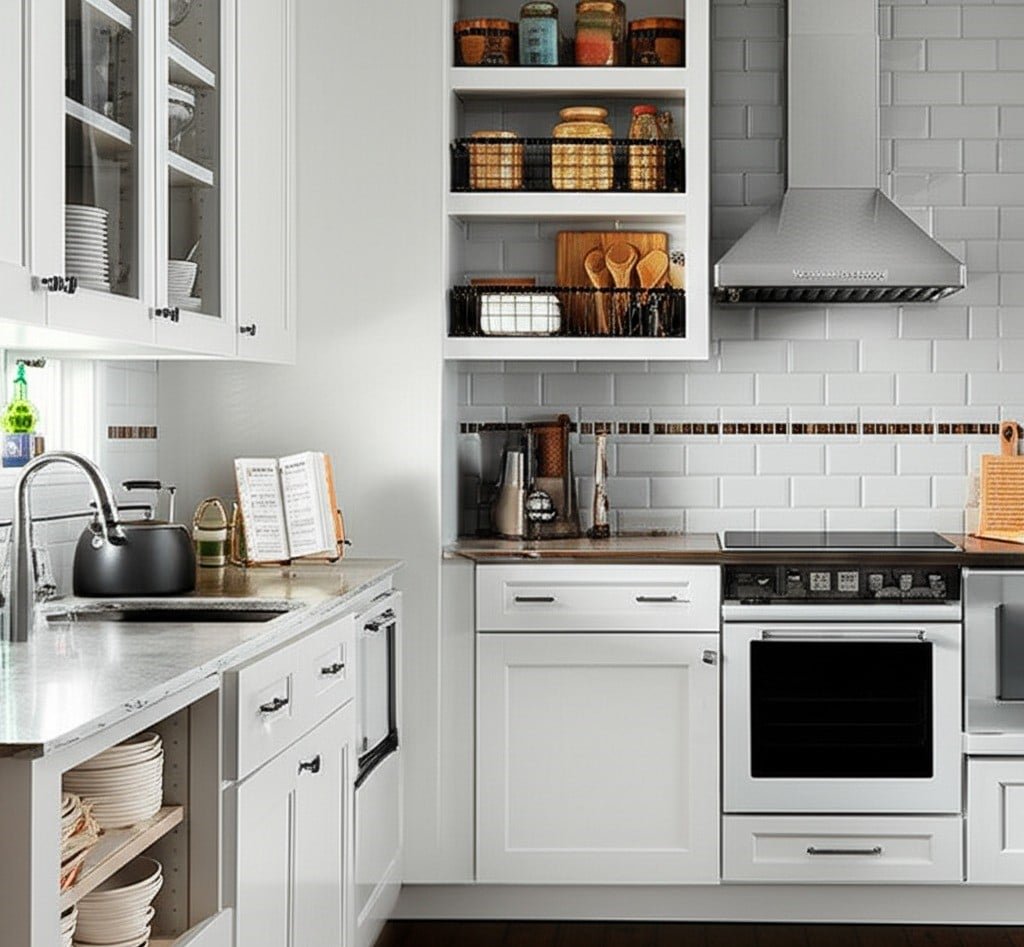
A small kitchen demands a different mindset. It is not about lack of space, but about inefficient use of it. The primary goal in organizing a small kitchen is to create a highly functional workspace where every item is accessible and every movement has a purpose. This process begins not with a trip to a container store, but with a critical and unsentimental evaluation of everything you own. 1.Everyday Items Your countertops are the most valuable real estate in your small kitchen. They must be cleared. Remove every single item, from appliances to utensil crocks and decor. The only items that should earn their place back are those used multiple times every single day. For most, this means a coffee maker or an electric kettle, and perhaps a knife block if you cook daily. The toaster, the blender, the stand mixer these items, if used only weekly, must be housed in an easily accessible cabinet. If used monthly or for special occasions, they belong on a higher shelf or in a different storage area altogether. A small kitchen cannot afford to have its limited counter surfaces function as a storage shelf. Once cleared, clean the surfaces thoroughly. This clear, open space is your new baseline, the standard to which you will return after every use. Now, you must address your cabinets and drawers, one by one. Do not attempt to shuffle items around. Empty the entire contents of a single cabinet onto your cleared counter. This physical act forces a reckoning with each object. Group all like items together: all the mugs, all the drinking glasses, all the dinner plates. The redundancy will become immediately apparent. A household of two or three people does not require twenty mugs. In a small kitchen, such excess is a critical error. Select the best six or eight, the ones you genuinely love and use, and pack the rest for donation. Apply this same ruthless logic to your plates, bowls, and glassware. Discard anything that is chipped, cracked, or stained. This is non-negotiable in a small kitchen, where every item must be perfectly functional. 2.Conteiners Pay special attention to food storage containers. This is a common point of chaos in any kitchen, but it is catastrophic in a small kitchen. Match every single container to its corresponding lid. Any container without a lid, or any lid without a container, must be discarded. Any container that is warped, stained, or retains a food odor must also go. Investing in a single, uniform set of glass or plastic containers that nest and stack will reclaim an astonishing amount of cabinet space. The efficiency gained by using square or rectangular containers over round ones in the tight confines of a small kitchen cabinet cannot be overstated. 3.Kitchen Utensils Next, attack the utensil drawers. Empty everything out. Separate your everyday flatware forks, knives, spoons from the larger cooking tools and single-purpose gadgets. Analyze your tools with a critical eye. You do not need four different vegetable peelers or three separate can openers. Keep the best one or two of each essential tool and donate the duplicates. The vast collection of specialized gadgets, from apple corers to garlic presses, needs to be questioned. If you haven’t used it in six months, you likely won’t miss it. These items are space thieves in a small kitchen. A simple expandable bamboo or plastic drawer divider is essential for keeping cutlery organized and separate. For larger tools, a deep drawer with vertical dividers or a slim utensil crock (if you have the counter space) can work. The goal is to eliminate the tangled mess that makes finding the right tool a frustrating search. The pantry area, whether it is a dedicated closet or a few food cupboards, requires the same systematic approach. Remove every can, box, and bag. Check every single expiration date and discard anything that is past its prime without a second thought. Be honest about the food you will actually eat. That tin of specialty artichoke hearts or bag of quinoa you bought with good intentions a year ago? If you haven’t used it by now, donate it to a food bank while it’s still in date. The transformation of a small kitchen pantry comes from decanting. Remove grains, pastas, cereals, sugars, and flours from their bulky, inefficient original packaging. Transfer them into clear, airtight, stackable containers. This not only protects your food but allows you to see your inventory at a glance and creates a modular, space-saving system. Label every container clearly with its contents and the date it was opened or its expiration date. This structured system is vital for managing inventory in a small kitchen. With the purge complete, you can redesign your small kitchen based on workflow and function. Create zones. The area immediately surrounding your stove is your cooking zone. The cabinets and drawers here should hold your pots, pans, baking sheets, cooking oils, and most-used spices. The area around the sink is the cleaning zone. Store dish soap, sponges, dishwasher detergent, and trash bags under the sink. The section of counter with the most open space is your preparation zone. The drawers and cabinets here should contain your cutting boards, mixing bowls, measuring cups, and knives. Finally, establish a storage zone for everyday dishes and cutlery, ideally located near the dishwasher or drying rack to make unloading a quick and simple task. A well-designed small kitchen feels intuitive because everything is right where you need it. 4.Maximizing Space Now, focus on maximizing the volume of the space you have. Think vertically. The empty air between shelves is wasted space. Use under-shelf baskets that hang from the shelf above to create a second tier for small, flat items. Use stackable shelf risers to double the storage surface within a single cabinet, allowing you to store bowls on top and plates underneath without having to unstack everything. The limited cabinet space in a small kitchen makes this vertical strategy essential. Use your walls. A

Organizing a Small Kitchen in 5 Easy Steps Read More »

closet

How To Organize Your Closet The Easy Way – 4 Incredible Tips

A closet should be a functional space, not a source of stress. When it becomes a jumble of clothing and forgotten items, finding what you need turns into a daily chore. The path to an organized closet is a systematic process that begins with a complete reset. It requires time and a decisive mindset, but the result is a space that simplifies your routine and brings a sense of calm to your environment. The first step is not to buy storage bins or new hangers. The first step is to allocate a block of uninterrupted time. This is not a task to be squeezed into a spare thirty minutes. Depending on the state of your closet, you may need a full afternoon or even an entire day. Prepare for the task by gathering essential supplies: heavy-duty trash bags for items to be thrown away, separate bags or boxes for donations, and perhaps another box for items that need mending or dry-cleaning. You will also need basic cleaning supplies: a vacuum with attachments, microfiber cloths, and an all-purpose cleaner. 1.Empty The Closet Once you are prepared, the real work begins. You must empty the closet completely. Every single item must come out. Take out all the clothes from the rod, remove every shoe from the floor, clear every shelf, and empty every drawer or basket. Pile everything onto your bed. This act is crucial for two reasons. First, it forces you to confront the sheer volume of what you own. Seeing it all in one place provides a powerful perspective that is lost when items are hidden away. Second, it gives you a truly blank slate. You cannot properly organize a space that is still partially full, and you cannot properly clean it. The initial sight of the pile can be overwhelming, but this is a necessary stage of the process. With the closet now empty, you can see the space itself for what it is. This is the time for a deep clean. Start from the top and work your way down to manage dust and debris effectively. Dust the top shelves and the clothing rod. Wipe down all surfaces walls, shelves, and baseboards with a damp microfiber cloth and a suitable cleaner. Pay attention to corners where dust and cobwebs accumulate. Use a vacuum with a crevice tool to get into all the nooks and crannies. At the end, vacuum the floor of the closet thoroughly. A clean foundation is essential; putting items back into a dusty space defeats the purpose of the effort. This is also an opportunity to inspect for any issues like dampness, mold, or pests that might have gone unnoticed. 2.The Screening Now, turn your attention to the mountain of items on your bed. This is the most challenging and time-consuming part of the process: the sorting. Work through each item one by one. There is no shortcut. For every piece of clothing, every pair of shoes, and every accessory, you must make a decision. Create distinct piles for your sorted items: Keep, Donate, and Trash. A fourth pile, for items needing Repair, can also be useful. To make an effective decision for each item, ask yourself a series of direct questions. Be honest in your answers. First, have you worn it in the last year? If the answer is no, the reason why is important. If it’s a seasonal item like a heavy winter coat, that’s understandable. But if it’s a regular shirt or pair of pants you haven’t touched in over twelve months, it is unlikely you will wear it again. Second, does it fit you right now? Not if you lose ten pounds, and not if you gain some back. An organized closet is for the person you are today. Clothing that doesn’t fit takes up valuable real estate and can be a source of guilt or pressure. If it’s a high-quality item you truly love, and the size is only slightly off, you might consider a separate storage box for these “aspirational” pieces, but they should not live in your primary closet space. Third, what is its condition? Look for permanent stains, irreparable holes, significant pilling, or stretched-out fabric. If an item is past its prime and cannot be repaired, it belongs in the trash or textile recycling pile. Don’t donate items that are in poor condition. Similarly, if an item just needs a button sewn on or a small tear mended, place it in the repair pile, but commit to getting it fixed within a specific timeframe, such as the next two weeks. If you don’t, it’s just clutter in a different form. Fourth, does it align with your current lifestyle and personal style? Tastes and circumstances change. The suit you wore for a job you left five years ago may no longer be necessary. The trendy pieces from a few seasons ago might no longer feel like “you.” Your wardrobe should reflect who you are now and the life you currently lead. At the end, how does it make you feel when you wear it? Clothing should be comfortable and make you feel confident. If an item is itchy, pinches, or you are constantly adjusting it, it’s not serving you. If you put something on and immediately feel self-conscious, it has no place in your streamlined wardrobe. The goal is to open your closet and see only things you would be happy to wear. Be particularly ruthless with duplicates. Do you really need six similar black t-shirts or four pairs of nearly identical blue jeans? Keep the best one or two the ones that fit best and are in the best condition and donate the rest. Dealing with sentimental items can be difficult. A dress from a special occasion or a sweater inherited from a loved one holds meaning beyond its function. If you don’t wear it but cannot part with it, consider creating a separate memory box for these few precious items. They are keepsakes, not active

How To Organize Your Closet The Easy Way – 4 Incredible Tips Read More »

Labeling Kitchen Items – 4 Easy and Fast Tips

Kitchen product labeling is not merely a formality; it is a critical pillar of safety, health, and efficiency in any space where food is prepared, stored, or cleaned. The seemingly small details printed on a package or affixed to a container carry immense weight, guiding decisions that impact well-being, prevent waste, and ensure smooth operations. Without clear, accurate labeling, a kitchen, whether professional or domestic, quickly descends into a realm of uncertainty and potential hazards. 1.Food Allergies Consider the immediate and profound impact on safety. Allergens, for instance, represent a constant, invisible threat without proper labeling. For individuals with severe food allergies to peanuts, tree nuts, dairy, gluten, soy, eggs, fish, or shellfish, the absence of explicit allergen warnings on food packaging can mean the difference between a safe meal and a life-threatening anaphylactic shock. This isn’t just about avoiding discomfort; it’s about preventing medical emergencies. Labels clearly state “contains” or “may contain” information, allowing consumers to make informed choices that protect their health. This responsibility extends beyond the original packaging. Once a product is opened and transferred to another container, or if ingredients are portioned out, the new container must be meticulously labeled with its contents and, crucially, any allergen information relevant to those ingredients. Imagine a kitchen where flour is stored next to gluten-free flour without distinction, or where sugar is confused with salt; such errors are not just inconvenient but can render food inedible or, worse, dangerous. 2.Validity Data Expiry dates and best-before dates are another fundamental safety component. These dates are not arbitrary; they are meticulously determined by manufacturers based on product stability and safety. Consuming food past its expiry date significantly increases the risk of foodborne illnesses, ranging from mild digestive upset to severe bacterial infections like salmonella or E. coli. Labels on perishable items like dairy, meats, and prepared foods dictate the window within which they are safest to consume. For shelf-stable goods, a best-before date indicates optimal quality rather than immediate danger, but ignoring it can still lead to diminished taste, texture, and nutritional value. The absence of these dates, or their illegibility, creates a guessing game, leading to either unnecessary waste due to premature disposal or dangerous consumption of spoiled goods. Effective labeling ensures that a rotation system, like “First-In, First-Out” (FIFO), can be accurately implemented, minimizing spoilage and optimizing inventory. 3.Cleaning Products Beyond food, the kitchen is also home to various cleaning products, each with its own set of risks and specific usage instructions. A cleaning product label is a comprehensive safety manual. It details active ingredients, potential hazards (corrosive, irritant, flammable), and crucial first aid measures in case of accidental contact or ingestion. It specifies appropriate personal protective equipment (gloves, eye protection), ventilation requirements, and compatible surfaces. Using the wrong cleaner on a surface, applying an undiluted concentrate, or mixing incompatible chemicals can lead to damage to kitchen surfaces, toxic fumes, or even explosive reactions. Imagine mistaking a strong oven cleaner for a dish soap; the consequences could be severe for both the user and the kitchen environment. Clear, persistent labeling on these products is not merely a recommendation; it is an absolute necessity for safe handling and preventing chemical burns, respiratory issues, or other serious injuries. Nutritional information on food labels serves a vital health function. For many, dietary choices are not just about taste but about managing chronic health conditions like diabetes, heart disease, or hypertension. The nutrition facts panel provides detailed breakdowns of calories, fats, carbohydrates, sugars, sodium, and protein, empowering individuals to make informed decisions that align with their specific health needs or dietary goals. Labels also list vitamins and minerals, helping to identify nutrient-dense options or potential deficiencies. Without this information, individuals are left guessing, making it incredibly difficult to maintain a balanced diet or adhere to medically advised restrictions. Furthermore, ingredient lists are crucial for those avoiding specific components for ethical reasons, such as animal products for vegans, or for those with sensitivities to certain additives, preservatives, or artificial colors. The transparency provided by comprehensive labeling fosters trust and enables consumers to exercise genuine autonomy over what they consume. 4.Storage Proper storage instructions, frequently found on labels, are essential for maintaining food quality and preventing spoilage. Labels dictate whether a product requires refrigeration, freezing, or pantry storage, and often specify conditions like “store in a cool, dry place away from direct sunlight” or “refrigerate after opening.” These instructions are not arbitrary suggestions but are based on scientific understanding of how different ingredients react to temperature, light, and air exposure. Ignoring these guidelines can lead to rapid degradation of food quality, nutrient loss, and bacterial growth. An opened jar of sauce, for instance, might have a short “use within X days of opening” recommendation due to increased exposure to air and potential contaminants. Labeling ensures that these critical details are not overlooked, extending the useful life of food and preventing unnecessary waste. Efficiency in a kitchen, particularly in a professional setting, relies heavily on organized processes, and labeling is central to this. Knowing exactly what is in every container, when it was prepared, and when it expires streamlines inventory management, reduces preparation time, and minimizes cross-contamination risks. For dry goods like spices, flours, or grains, labeling prevents mix-ups that could ruin a dish or, again, pose an allergen risk. Imagine a busy kitchen without labels on containers of baking soda and baking powder; the subtle difference could lead to a collapsed cake or an inedible one. Even for homemade items like sauces, stocks, or prepped vegetables, clear labels indicating content and date of preparation are indispensable for maintaining freshness and ensuring proper rotation. This not only saves money by preventing spoilage but also saves time by eliminating guesswork. The legal and regulatory framework underpinning product labeling underscores its importance. Governments worldwide mandate specific labeling requirements for food and cleaning products to protect consumers. These regulations cover everything from ingredient disclosure and nutritional information to allergen warnings and handling instructions. Manufacturers are legally obligated to

Labeling Kitchen Items – 4 Easy and Fast Tips Read More »