How To Use Vinegar For Cleaning, Do You Know? – 6 Expert Tips
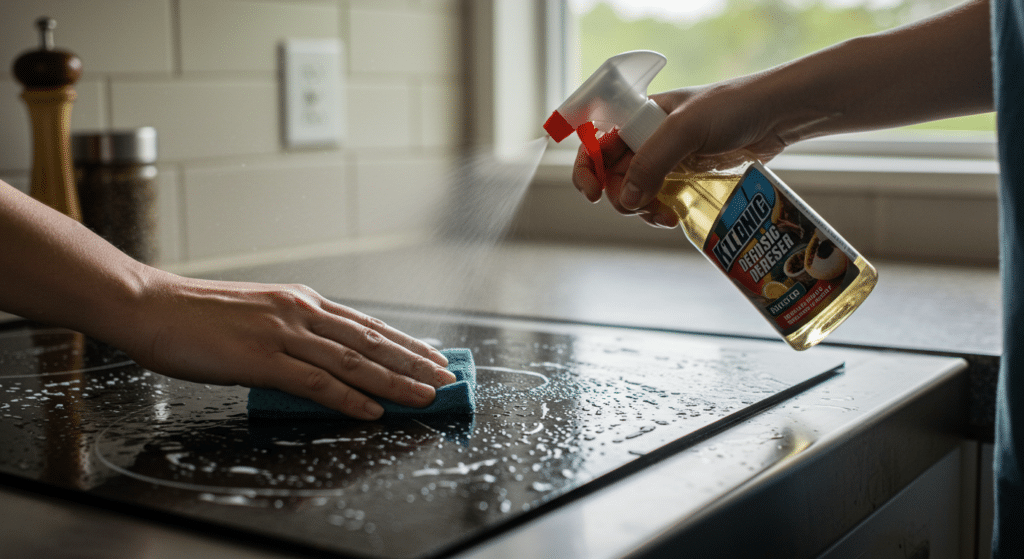
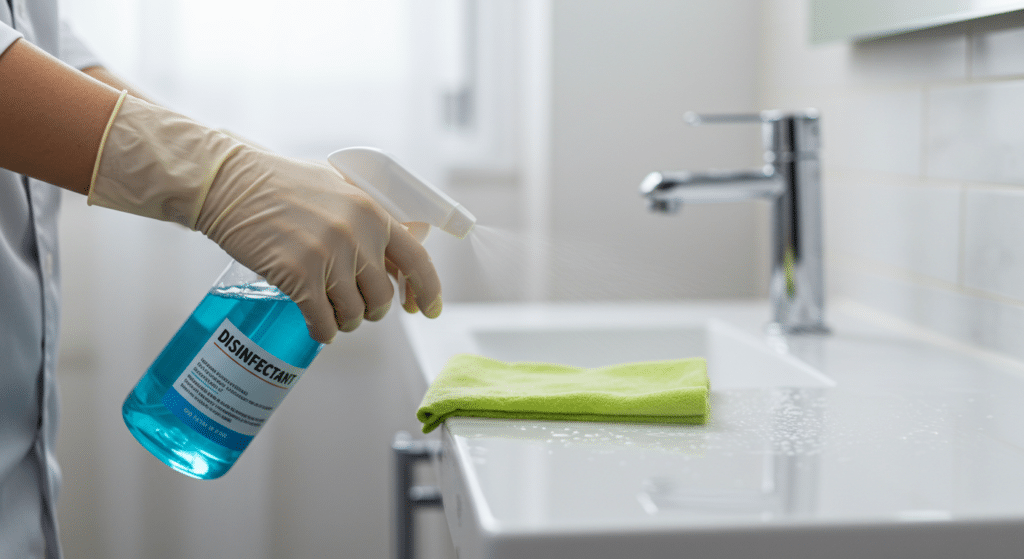
How to Use Vinegar for Cleaning: 6 Expert Tips From the Pantry Staple Before shelves filled with specialty sprays, households reached for one jug to cut grease, clear clouds from glass, and freshen drains: white distilled vinegar. It still deserves that spot. A basic bottle costs very little, stores indefinitely, and takes on an outsized share of everyday chores when you know what it can and cannot do. The trick is treating it like the mild acid it is: matched to the right surface, given the right contact time, and kept away from the few materials it damages. The six expert tips below cover the jobs vinegar handles best, the dilutions that matter, and the short list of places to leave it in the cupboard. Why the Simple Stuff Works: About 5 Percent Acidity Typical household vinegar runs around 5 percent acetic acid, and that acidity is the entire engine. It loosens the bonds that hold grease to a backsplash, dissolves the chalky calcium carbonate behind hard-water crust, and creates an environment where many common household germs and mold spores struggle to persist. It is not a hospital-grade disinfectant and should not be labeled as one, but for routine maintenance on most surfaces a properly used wipe does real work. Health Canada’s resource hub for household products explains how everyday items should be handled, stored, and disposed of safely. Tip 1: Use It as a Kitchen Grease Cutter Splatter beside the stove, the filmy side of the range hood, and the upper cabinet doors near a cooktop all shed a vinegar spray. Mist the surface, give the acid a few minutes to soften the grease, then wipe with a cloth and rinse the cloth as you go. A daily or every-other-day pass prevents the sticky layer from hardening into buildup that demands a solvent. Tip 2: Freshen the Fridge and Food-Prep Areas Vinegar’s antimicrobial edge makes it a sensible wipe-down for refrigerator shelves and counters between deeper washes. Keep a spray bottle of equal parts water and vinegar in the kitchen, clean surfaces after food prep, and rinse with plain water afterward on anything that touches food, since the sour smell lingers on a film of residue. A cup dropped into a kitchen drain, followed by hot water about half an hour later, tackles the odors that cling to disposals and traps. For quick odor relief around the home, these go-to moves all work: A small open bowl left on the counter for a few hours after fish or garlic-heavy dinners A few tablespoons down the kitchen drain, chased by hot water later A diluted wipe-down of closet shelves and basement surfaces An open jar set into a musty lunch bag or cooler overnight A vinegar brew cycle through the coffee maker when mustiness lingers Tip 3: Neutralize Odors Instead of Masking Them Commercial fresheners cover smells with perfume; vinegar removes odor-causing molecules instead. The sharp scent reads strongly at first but vanishes once surfaces dry, which is why a treated room ends up neutral rather than floral. Where odors return daily, pair the habit with the quick moves listed above so the source gets addressed rather than buried. Tip 4: Descale Showers, Kettles, and Coffee Makers Toronto water leaves a white crust on faucets and inside appliances, and acetic acid is one of the cheapest descalers available. Tie a plastic bag of vinegar around a showerhead and leave it overnight to clear the nozzles, wrap vinegar-soaked paper around a faucet base for a few hours, or run a brew cycle of equal parts vinegar and water through a coffee maker or kettle followed by fresh-water rinses. Descaling restores heating efficiency and extends the life of both appliances. Tip 5: Get Streak-Free Glass and Stainless Steel Half water, half vinegar in a spray bottle replaces most commercial glass cleaners. Mist windows, mirrors, or a stainless sink, then wipe with a microfiber cloth or crumpled newspaper for a bright, line-free finish. The acid breaks up the residue that causes haze, and the solution evaporates clean instead of leaving surfactants behind. For a streak-free shine on a tall pantry door, spray top to bottom in sections rather than all at once. Tip 6: Pair It With Baking Soda for a Gentle Scour Vinegar is not an abrasive, but combined with baking soda it fizzes into a paste that lifts stuck-on grime without scratching. Apply the mixture inside a cool oven, around a stained sink, or along grimy tile lines, let the reaction bubble and loosen the debris for several minutes, then scrub gently and rinse. The combination is a practical middle step between a plain wipe and a chemical cleaner, and both ingredients sit in most pantries already. Where Vinegar Should Never Go The same acidity that dissolves scale can etch natural stone such as marble, granite, and travertine, wear down unsealed grout, and dull the finish on waxed wood floors. When a product label or surface is uncertain, test a hidden corner first, and store the bottle away from other cleaners rather than mixing cocktails on your own; guidance on safe use of household chemical products applies to acidic cleaners just as it does to anything stronger. Quick Reference: Mix, Contact Time, and Job Task Mix Contact time Greasy stovetop backsplash Full strength, sprayed A few minutes, then wipe Countertop and fridge wipe Equal parts with water Wet a minute or two, then rinse Showerhead scale Undiluted, bagged Overnight Windows and mirrors Equal parts with water Wipe and buff immediately Oven or grout scrub Paste with baking soda Several minutes of fizz, then scrub Vinegar Cleaning Questions, Answered Does vinegar kill mold? It handles many common household mold spores on non-porous surfaces, which makes it useful on shower tile. Persistent or spreading growth is a different problem and deserves a professional assessment before you scrub. Can I use apple cider vinegar instead of white? For deodorizing bowls, yes. For surfaces, skip it: the color and sugars can stain or leave
How To Use Vinegar For Cleaning, Do You Know? – 6 Expert Tips Read More »