Clothes Cleaning

Ammonia – 3 Essential Tips On How To Use

Ammonia, a compound of nitrogen and hydrogen, is a cornerstone of the cleaning world, a powerful and effective agent whose utility is matched only by the need for its cautious handling. Its presence in a cleaning arsenal signifies a serious approach to tackling specific types of grime, particularly grease and soils that other cleaners struggle to lift. In its pure form, ammonia is a gas with a characteristically pungent, sharp odor that is instantly recognizable. For cleaning purposes, it is dissolved in water to create a solution known as ammonium hydroxide. This alkaline solution is what gives ammonia-based cleaners their formidable power. 1.pH Scale The primary mechanism behind ammonia’s cleaning prowess is its alkalinity. On the pH scale, which measures acidity and alkalinity, ammonia sits comfortably on the high end. This high pH makes it incredibly effective at breaking down acidic soils, which include common household messes like kitchen grease, cooking oils, and grime from fingerprints. When applied to a greasy surface, the alkaline nature of the ammonia solution works to emulsify the fats and oils, essentially breaking them down into smaller, water-soluble particles that can be easily wiped away. This process, called saponification, is similar to how soap is made and is the reason ammonia can cut through built-up layers of kitchen residue on stovetops, range hoods, and backsplashes with minimal effort. Another significant advantage of ammonia is its volatility. It evaporates quickly and completely from surfaces, leaving behind no streaks or residue. This property is precisely why it has been a long-standing key ingredient in glass and mirror cleaners. While soaps and other detergents can leave a film that causes streaks, an ammonia-based solution cleans the glass and then dissipates into the air, resulting in a perfectly clear, unmarred finish. This same quality makes it ideal for cleaning other non-porous, high-shine surfaces like stainless steel appliances, chrome fixtures, and some types of countertops. The rapid evaporation ensures that water spots and hazy films are not left behind to dull the surface. You will find ammonia in a variety of commercial cleaning products, though sometimes its presence is not overtly advertised on the front of the label. Glass cleaners are the most common and well-known application. Heavy-duty all-purpose cleaners, especially those marketed for tough kitchen or bathroom jobs, often contain ammonia to boost their degreasing capabilities. Oven cleaners, designed to tackle the most stubborn, baked-on grease and food spatter, frequently rely on a high concentration of ammonium hydroxide to dissolve the carbonized mess. It can also be found in some floor cleaners, particularly for no-wax vinyl or linoleum floors, where it can lift dirt and grime without damaging the surface or leaving a sticky residue. Even some jewelry cleaning solutions use a diluted form of ammonia to remove body oils and dirt, restoring shine to hard gemstones and precious metals. Beyond pre-packaged products, many people purchase household ammonia itself to create their own custom cleaning solutions, typically by diluting it with water for a versatile, powerful, and economical cleaner.   2.Good Cleaner The practical applications in a home are extensive. In the kitchen, a diluted ammonia solution can make quick work of greasy cabinet doors, backsplashes, and range hoods. For stainless steel refrigerators and dishwashers prone to fingerprints, an ammonia-based cleaner wipes them away and leaves a streak-free surface. When cleaning an oven, the chemical power of ammonia can drastically reduce the amount of physical scrubbing required. In the bathroom, it can be used to deep clean sinks, tubs, and tiles, removing soap scum and body oils. It restores the brilliant shine to chrome faucets and showerheads. When washing windows and mirrors, nothing quite matches the flawless, transparent finish an ammonia cleaner provides. It can even be used in laundry as a stain pretreatment for organic stains like blood or grass, and adding a cup to a load of white linens can help to brighten them and remove residue from detergents. However, the immense power of ammonia necessitates a deep respect for its potential hazards and limitations. The single most important safety rule, one that cannot be overstated, is to never, under any circumstances, mix ammonia with bleach. The combination of ammonia (ammonium hydroxide) and bleach (sodium hypochlorite) creates a chemical reaction that releases highly toxic chloramine gas. Inhaling chloramine gas can cause severe respiratory distress, including coughing, shortness of breath, chest pain, nausea, and watery eyes. In high concentrations or with prolonged exposure, it can lead to serious lung damage and can even be fatal. This danger extends not just to intentionally mixing the two liquids in a bucket, but also to using them sequentially on the same surface without thorough rinsing in between. For example, cleaning a toilet bowl with a bleach-based cleaner and then adding an ammonia-based cleaner can release chloramine gas directly into a small, enclosed space. Always read product labels to identify ingredients and ensure you are not creating a dangerous chemical cocktail. 3.Never Mix Proper ventilation is the second critical safety measure. The fumes from ammonia, even when used alone, are a potent irritant to the eyes, nose, throat, and lungs. Working in a poorly ventilated area can lead to headaches, dizziness, and respiratory irritation. When using any ammonia-based product, from a simple glass cleaner to a heavy-duty oven cleaner, always ensure there is good airflow. Open windows and doors, and use an exhaust fan if one is available. This helps to dissipate the fumes and reduces your exposure. Personal protective equipment is also highly recommended. Because ammonia is caustic, direct contact can irritate or burn the skin. Wearing waterproof gloves creates a barrier that protects your hands, especially during prolonged cleaning tasks. Safety glasses or goggles are also a wise precaution to protect your eyes from accidental splashes, which can cause serious and immediate damage. There are also many surfaces where ammonia should never be used. Its strong alkaline nature makes it damaging to certain materials. It should never be used on porous stone surfaces like marble, limestone, or travertine. The ammonia

Ammonia – 3 Essential Tips On How To Use Read More »

Isopropyl Alcohol

Isopropyl Alcohol – 101 Simple and Safe Ways to Clean Your Home

Isopropyl alcohol, often referred to as rubbing alcohol, is a staple in first-aid kits, but its utility extends far beyond disinfecting minor scrapes. In the realm of cleaning, it is a formidable, versatile, and cost-effective agent. Its chemical properties—specifically its ability to act as a solvent and its rapid evaporation rate—make it an indispensable tool for tackling a wide array of messes throughout the home. The primary strength of isopropyl alcohol lies in its solvent capabilities. It effectively dissolves a range of non-polar compounds, which includes many of the common culprits behind household grime: oils, greases, adhesives, and certain inks. Unlike water, which can struggle with these substances, alcohol breaks them down chemically, lifting them from surfaces with minimal effort. This is immediately apparent when cleaning stainless steel appliances. Fingerprints, smudges, and cooking grease residue can make stainless steel look dull and streaky. A simple wipe with a microfiber cloth lightly dampened with isopropyl alcohol will cut through the oily film instantly. Because the alcohol evaporates almost immediately, it leaves behind a pristine, streak-free finish that water-based cleaners often fail to achieve. The alcohol lifts the grease, and its fast evaporation prevents new water spots or streaks from forming as it dries. This same principle applies to glass and mirrors. Commercial glass cleaners often contain ammonia or other chemicals to achieve a streak-free shine. Isopropyl alcohol accomplishes the same goal more simply. A solution of one part alcohol to one part water in a spray bottle creates a highly effective glass cleaner. It cuts through haze, hairspray residue on bathroom mirrors, and smudges on windows, evaporating quickly for a perfectly clear result. For chrome fixtures in the bathroom and kitchen, rubbing alcohol removes water spots and soap scum, restoring their reflective shine without leaving behind any film. Beyond its solvent action, isopropyl alcohol is a potent disinfectant. The most common concentration available, 70%, is considered an optimal grade for this purpose. The presence of 30% water is crucial; the water acts as a catalyst, helping the alcohol to penetrate the cell wall of bacteria, viruses, and fungi more effectively. Once inside, the alcohol denatures the essential proteins and enzymes of the microorganism, causing it to die. This makes it an excellent choice for sanitizing high-touch surfaces. Light switches, doorknobs, remote controls, keyboards, and mobile phones are breeding grounds for germs. Regularly wiping these items with a cloth dampened with 70% isopropyl alcohol can significantly reduce the transmission of pathogens in a household. When cleaning electronics, it is crucial to apply the alcohol to the cloth first, never directly onto the device, to prevent liquid from seeping into sensitive components. The higher concentrations, such as 91% or 99% isopropyl alcohol, have their own specific advantages, particularly where water content is a concern. For cleaning sensitive electronic components, like computer motherboards or CPU contacts, 99% alcohol is the professional standard. Its extremely low water content means it evaporates almost instantly and carries virtually no risk of causing short circuits or corrosion. It effectively removes dust, grime, and old thermal paste without leaving any conductive residue. One of the most celebrated uses for isopropyl alcohol is stain removal, particularly on resilient materials. It is famously effective at removing permanent marker from hard, non-porous surfaces. If a marker finds its way onto a countertop, a plastic toy, or a laminate floor, a small amount of alcohol on a cotton ball will typically dissolve the ink, allowing it to be wiped away. It can also be a lifesaver for fabric, though a spot test in an inconspicuous area is always mandatory. For ink stains on sturdy upholstery or clothing, gently blotting the stain with a cloth soaked in alcohol can lift the ink out of the fibers. The key is to blot, not rub, to prevent the stain from spreading. This solvent power is especially valuable for microfiber upholstery. Microfiber is sensitive to water, which can leave behind rings and change the texture of the fabric. Because isopropyl alcohol evaporates so quickly, it can be used to clean microfiber couches and chairs without this risk. By spraying a light mist of alcohol onto a stained area and gently scrubbing with a soft-bristled brush, you can lift dirt and grime. Once dry, the stiffened area can be brushed again to restore its soft texture. This method effectively cleans the material without the water damage associated with traditional upholstery cleaners. Adhesive residue is another common frustration that isopropyl alcohol handles with ease. Price tags on new glassware, labels on plastic containers, or the sticky residue left behind by tape can be stubborn. Soaking the residue with alcohol for a few minutes will break down the adhesive, allowing it to be scraped or wiped off cleanly without damaging the surface underneath. This is far gentler and often more effective than abrasive scrubbing, which can scratch glass, plastic, or metal. In the bathroom, the fight against mold and mildew can be persistent. While not a substitute for a dedicated fungicide in cases of heavy infestation, isopropyl alcohol can be used as a preventative measure. Its disinfecting properties kill mold spores on contact, and its drying action helps to create an environment less hospitable to their growth. A regular wipe-down of grout lines, shower corners, and other damp areas with alcohol can help keep mildew at bay. It also works wonders on soap scum buildup on glass shower doors, dissolving the greasy film and leaving the glass sparkling. The applications continue into more niche areas. Isopropyl alcohol can be used to clean and sanitize makeup brushes, dissolving oily makeup residue and killing bacteria that can cause skin breakouts. It can be used to clean jewelry, removing lotions and oils to restore sparkle to gemstones and metals (though care should be taken with delicate or porous stones like opals or pearls). It can even be used to de-ice car windows and frozen locks in the winter; the alcohol lowers the freezing point of water, causing the ice to melt quickly.

Isopropyl Alcohol – 101 Simple and Safe Ways to Clean Your Home Read More »

Hot Water and Cold Water

Hot Water vs Cold Water – Which is More Efficient at Cleaning?

The temperature of hot or cold water used for cleaning is not a matter of preference; it is a fundamental variable that determines the effectiveness, safety and efficiency of the task at hand. The choice between hot and cold water can mean the difference between a stain being removed permanently and being set forever, or between a surface being sanitized and simply being wiped. Understanding the distinct properties and applications of each is essential for proper cleaning. 1.Greasy Hot water’s primary advantage lies in its thermal energy. Molecules in hot water move faster and with more kinetic energy than those in cold water. This increased energy translates directly into enhanced cleaning power in several ways. First, it lowers the surface tension of water, allowing it to spread more easily and penetrate soils and fabrics more effectively. Second, and most critically, heat excels at dealing with fats, oils, and grease. When heated, these substances become less viscous they soften, liquefy, and break down. This makes them significantly easier for detergents and mechanical action (scrubbing) to lift and wash away. Think of washing a greasy frying pan. Using cold water, the grease remains a stubborn, solid film. With hot water, the grease melts into a liquid that can be readily emulsified by soap and rinsed away. This principle applies to kitchen backsplashes coated in cooking oil, range hoods accumulating greasy vapor, and dining tables with oily residues from food. Beyond its effect on grease, heat acts as a powerful sanitizer. While boiling water (100°C or 212°F) is required for true sterilization, the hot water from a typical tap (usually between 49°C and 60°C or 120°F and 140°F) is sufficient to kill a significant number of common household bacteria, germs, and viruses. This makes hot water the superior choice for cleaning areas where hygiene is paramount. Kitchen countertops where raw meat has been prepared, cutting boards, sinks, and garbage disposals all benefit from the sanitizing action of hot water. In the bathroom, hot water is effective for cleaning toilets, sinks, and shower surfaces, helping to reduce the microbial load and control the spread of germs. It also works exceptionally well on soap scum, which is composed of mineral deposits and body oils. The heat helps to soften this tough buildup, making it much easier to scrub away. 2.Fabrics In laundry, hot water is a powerful tool for specific applications. It is most effective for washing heavily soiled items, such as work clothes, sports uniforms, and reusable cleaning cloths. It is the best choice for white cottons, bedding, and towels, as it not only removes dirt and body oils more effectively but also helps to sanitize the items, killing dust mites and allergens. The heat helps to brighten whites and can handle robust fabrics that are not at risk of shrinking or color loss. Furthermore, many powdered detergents are formulated with ingredients that activate and dissolve more completely in hot water, unleashing their full cleaning potential. Without sufficient heat, these detergents can clump and leave a residue on clothes. However, the power of hot water is also its primary source of risk and limitation. The same heat that melts grease can also damage a wide range of materials. It can cause synthetic fabrics like polyester and rayon to warp or melt, and natural fibers like wool and silk to shrink and lose their shape. Hot water is notorious for causing colors to bleed and fade, which is why it is generally unsuitable for washing dark or brightly colored garments. It can also damage certain surfaces around the home. Prolonged exposure to hot water can warp unsealed wood, damage the finish on some types of flooring, and cause certain plastics to become brittle or misshapen. A critical mistake in stain removal is applying hot water to protein-based stains. Stains from blood, egg, dairy, or mud contain proteins that coagulate when heated essentially, they cook. Applying hot water will permanently set these stains into the fabric fibers, making them nearly impossible to remove. 3.Cold Water Cold water, on the other hand, operates on a different set of principles and offers its own distinct advantages. Its primary benefit is its gentle nature. Lacking the intense thermal energy of hot water, it is significantly safer for a vast majority of materials and fabrics. This makes it the default and recommended choice for washing delicate items, such as lace, silk, and woolens, as it prevents shrinkage, stretching, and damage to the fibers. It is also the best option for washing dark and vibrant colors, as it minimizes the risk of dye bleeding and fading, preserving the life and look of the garments. The most crucial application for cold water is in stain removal for protein-based soils. Unlike hot water, which sets these stains, cold water helps to break them down and flush them out of the fabric without cooking the proteins. Any time you are dealing with a bloodstain on a shirt, a spilled glass of milk on the carpet, or an egg yolk on a tablecloth, the first and most important step is to use cold water. Soaking or rinsing the affected area in cold water before applying any cleaning agent is the correct protocol. Modern advancements in detergent technology have greatly expanded the utility of cold water for general cleaning and laundry. While older detergents required heat to be effective, most liquid detergents and specialized cold-water powders today are formulated with enzymes. These enzymes are biological catalysts designed to target and break down specific types of stains proteases for proteins, amylases for starches, and lipases for fats and they function optimally in cool or cold temperatures. Using a high-quality, enzyme-based detergent allows cold water to achieve cleaning results that are comparable to hot water for many types of lightly to moderately soiled loads, effectively removing everyday dirt and grime without the risks associated with heat. Beyond its material safety and stain-specific effectiveness, the use of cold water has significant economic and environmental benefits. Heating water is

Hot Water vs Cold Water – Which is More Efficient at Cleaning? Read More »

protective items for cleaning the house

Why do You Need Protection To Clean Your House? – 6 Essential Items

Cleaning your home without protection can be dangerous. It’s a battle against dust, dirt, germs, and clutter. In this battle, we arm ourselves with an arsenal of tools: powerful chemical sprays, abrasive sponges, powerful vacuum cleaners, and microfiber cloths. However, amidst the focus on eliminating dirt from our surroundings, one critical element is often overlooked: protecting the combatant. The cleaning process exposes individuals to a variety of occupational hazards, ranging from the seemingly minor, such as dry skin, to the extremely serious, such as chemical burns, respiratory distress, and lasting physical injuries. Wearing a full complement of protective gear is not a sign of over-meticulousness; it’s the hallmark of a smart, safe, and professional approach to a task that involves direct contact with chemicals, biological contaminants, and significant physical exertion. 1.Gloves The most immediate and constant point of contact in any cleaning endeavor is the hands. They are the primary instruments, manipulating cloths, holding spray bottles, and scrubbing surfaces. The skin, our body’s largest organ, provides a remarkable natural barrier, but it is a barrier with limits. Continuous exposure to water, a universal solvent, systematically strips away the skin’s protective layer of sebum, leading to dehydration, redness, painful cracking, and a compromised ability to defend against infection. Introduce cleaning chemicals into this equation, and the risks escalate dramatically. Detergents, degreasers, disinfectants, and acidic or alkaline solutions can induce contact dermatitis, trigger severe allergic reactions, and, in the case of concentrated agents like oven cleaners or drain unblockers, inflict serious chemical burns. Therefore, gloves are not an optional accessory; they are an indispensable piece of personal protective equipment. A truly prepared cleaning kit contains multiple types of gloves for different applications. For light-duty tasks requiring high dexterity, such as wiping down countertops, polishing fixtures, or handling soiled laundry, disposable gloves are the superior choice. Nitrile gloves are often preferred over latex due to their superior chemical resistance and the prevalence of latex allergies. They provide a reliable shield against germs and chemicals for short-term use and can be discarded immediately, which is a crucial step in preventing cross-contamination between different areas of the home, like the kitchen and the bathroom. For more demanding jobs, a pair of heavy-duty, reusable gloves is required. Tasks like washing dishes in very hot water, scrubbing floors with strong detergents, or cleaning a mold-affected area call for the robust protection of thick rubber or PVC gloves. These are more durable, less prone to tearing, and often feature longer cuffs that extend up the forearm, providing a crucial defense against splashes. Opting for a pair with a flock lining can significantly increase comfort by absorbing perspiration, allowing them to be worn for longer periods without discomfort. Proper care extends the life and safety of these gloves. After each use, they must be rinsed thoroughly while still on the hands, washed with soap and water, then removed and allowed to air dry completely, both inside and out, to inhibit the growth of bacteria and mold within them. 2.Ventilation As we move from contact hazards to airborne ones, the protection of the respiratory system becomes paramount. Many of the most effective cleaning products achieve their results through chemical reactions that release fumes and volatile organic compounds (VOCs) into the air. When a cleaner is sprayed, it is aerosolized, creating a fine mist of chemical droplets that are easily inhaled. The acrid scent of bleach, the sharp, pungent odor of ammonia-based glass cleaners, or the powerful fumes from a self-cleaning oven cycle are all indicators of airborne chemicals that can irritate the delicate mucous membranes of the nose, throat, and lungs. For individuals with asthma, allergies, or other respiratory sensitivities, this exposure can trigger wheezing, coughing, and shortness of breath. Even for those without pre-existing conditions, chronic, long-term inhalation of these fumes can contribute to a range of health problems. The first line of defense is always ventilation. Opening windows and doors to create a cross-breeze and using an exhaust fan can significantly dilute the concentration of airborne chemicals. However, ventilation alone is not always sufficient, especially in enclosed spaces like small bathrooms or when dealing with particularly potent substances or large amounts of particulates. In these cases, respiratory protection is essential. For tasks that kick up a lot of dust, pet dander, or debris, such as sweeping a dusty garage, deep-cleaning carpets, or clearing out a long-neglected storage area a well-fitting N95 respirator is the appropriate choice. Unlike a simple dust mask, an N95 is certified to filter out at least 95 percent of fine airborne particles, providing meaningful protection against allergens and irritants that can penetrate deep into the lungs. When working with aggressive chemicals known to produce harmful vapors, such as certain solvents, paint strippers, or heavy-duty oven cleaners, a more advanced respirator is warranted. An elastomeric half-mask respirator with interchangeable cartridges designed to filter organic vapors offers a much higher level of protection. It is also a vital piece of safety knowledge that mixing certain household cleaners can create lethal gases. The most infamous combination, bleach and ammonia, produces toxic chloramine gas, while mixing bleach with acidic cleaners can release chlorine gas. Proper respiratory protection, coupled with unwavering adherence to the rule of never mixing cleaning products, is a foundational principle of household safety. 3.Safety Glasses The eyes, with their delicate and irreplaceable tissues, are uniquely vulnerable to cleaning-related injuries. A single misdirected splash of a chemical cleaner can cause immediate, intense pain and has the potential to inflict permanent corneal damage and vision loss. These incidents can happen with surprising ease: a toilet brush flicking contaminated water upwards, an aerosol spray nozzle sputtering unexpectedly, or gravity pulling droplets down as you clean a surface overhead, like a showerhead or a ceiling fan. Standard eyeglasses or sunglasses offer minimal protection, as splashes can easily enter from the sides, top, or bottom. The gold standard for eye protection during cleaning is a pair of safety goggles. Goggles are designed to form a seal around the eye

Why do You Need Protection To Clean Your House? – 6 Essential Items Read More »

lemon

Lemon For Cleaning – 4 Best Tips On How To Use It

Lemons are a testament to nature’s ingenuity in providing effective cleaning solutions, offering a powerful yet fundamentally gentle alternative to many commercial synthetic products. Their remarkable cleaning ability is no accident; it comes from a sophisticated combination of natural compounds, most notably their high concentration of citric acid. This organic acid is the star of the show, with its characteristic acidity and, crucial to cleaning, its formidable ability to chemically break down and dissolve common household enemies such as grease, stubborn dirt, hard water mineral deposits and alkaline substances such as soap scum. The inherently low pH environment created by the juice, typically ranging from 2 to 3, proves inhospitable to the growth of many common household bacteria and various types of mold, and gives it significant natural disinfectant qualities. Scientific understanding suggests that this acidic environment can disrupt the cellular integrity of certain microbes, inhibiting their growth and activity. 1.The Benefits Of Lemon In addition to its strong acidity, it is also rich in other beneficial compounds. Lemon oil, predominantly found in the peel, contains d-limonene, a powerful natural solvent. Limonene contributes significantly to the degreasing capacity, helping to remove oily residues that water alone cannot remove. Furthermore, the universally appealing fresh, clean scent of lemon is not just a pleasant masking agent. The volatile organic compounds present in lemon actively interact with many malodorous molecules, particularly those of an alkaline nature, neutralizing them, leading to genuine odor elimination rather than just a temporary masking. This synergistic combination of potent acidity to dissolve and disinfect, solvent action to degrease, and inherent aromatic compounds to deodorize makes lemon an exceptionally versatile, effective, and sensorially pleasing cleaning agent for a multitude of household tasks. The kitchen, the heart of the home where food preparation demands the highest standards of hygiene and cleanliness, is one of the main areas where this citrus fruit demonstrates its multiple cleaning capabilities. Consider the humble cutting board, whether made of traditional wood or modern plastic. These surfaces are continually exposed to raw meats, spicy vegetables like onions and garlic, and a variety of other foods, making them potential breeding grounds for bacteria and lingering odors. When a cut lemon half is methodically rubbed across the surface of the board, the citric acid goes to work. It penetrates the microscopic grooves and knife cuts, where its low pH helps neutralize bacteria and break down residual organic matter. Visually, a subtle lightening of food stains can be observed, and aromatically, the strong, clean aroma of lemon gradually overwhelms and replaces any lingering food odors, leaving the board feeling refreshed and more hygienic. Greasy stovetops, oven doors and kitchen panels, often coated with a stubborn film of polymerized cooking oils, present another challenge perfectly suited to the degreasing nature of this critical fruit. Limonene in lemon peel, combined with citric acid, works to emulsify these fats. Whether applied directly by rubbing with a lemon wedge, or sprayed as a diluted solution, the juice begins to loosen the stubborn grip of grease. After a short contact time, the greasy layer becomes noticeably easier to clean, revealing the clean surface beneath without the need for harsh chemical solvents. Even the inside of a microwave, often plagued by dried-on, caked-on food splatters that seem to resist all but the most vigorous scrubbing, yields to the gentle power of lemon-infused steam. By heating a bowl of water and generous amounts of slices (or a few tablespoons of juice) to a rolling boil and filling the microwave cavity with steam, dried-on food particles are effectively softened and rehydrated. The acidic, aromatic steam not only loosens the grime, but also helps deodorize the interior. The subsequent cleaning process becomes remarkably easy, turning a frustrating task into a breeze, leaving behind a fresh citrus scent instead of the smell of stale food. 2.Lemon Juice Sinks and faucets, especially those made of stainless steel or chrome, often have unsightly marks from hard water deposits and soap scum build-up. Lemon juice, with its ability to dissolve these mineral build-ups, acts as a natural polish. Applying a slice directly to these surfaces, followed by gentle rubbing and thorough rinsing, can visibly restore their original shine, making them shine like new, free of cloudy films and water spots. The notorious garbage disposal, a common source of unpleasant kitchen odors, can be effectively cleaned and deodorized by grinding a few lemon peels (or a whole, cut lemon) into it. As the blades pulverize the peel, the abrasive action of the peel itself, along with the released oils and juice, cleans the grinding chamber, while the potent citrus fragrance powerfully neutralizes unpleasant odors emanating from trapped food particles. Similarly, the often-stained surfaces of stainless steel appliances, from refrigerators to dishwashers, can be restored to their sleek, pristine appearance. Wiping them down with a cloth dampened with lemon juice, followed by buffing with a clean, dry cloth, can remove fingerprints and smudges, leaving a polished, streak-free shine. Even stubborn food stains and lingering odors that have built up on plastic food storage containers can be significantly reduced. Soaking the container in a solution of lemon juice and water, or rubbing the inside of the container with a sliced ​​lemon and letting it sit for a while before washing as usual, can lighten the discoloration and neutralize accumulated odors, extending the life of these containers. The bathroom environment, with its constant humidity and specific types of soiling, presents a distinct set of cleaning challenges, most notably persistent soap scum, dulling hard water stains, and the potential for mildew growth. Lemon, with its characteristic acidity and fresh scent, is remarkably well-equipped to address these issues effectively. Glass shower doors, ceramic tiles, and porcelain bathtubs frequently develop a tenacious, cloudy film of soap scum, which is an alkaline residue formed from the reaction of soap with hard water minerals. The citric acid in lemon directly counteracts and dissolves this alkaline buildup. Applying lemon juice liberally to these surfaces, either by spraying a solution or rubbing

Lemon For Cleaning – 4 Best Tips On How To Use It Read More »

salt on recipient

6 Tips On The Benefits Of Salt For Cleaning – You Need To Know

This common kitchen staple, salt, extends its utility far beyond seasoning food. Its inherent properties make it a surprisingly effective and economical cleaning agent for various household tasks. From scrubbing surfaces to neutralizing odors, and tackling stubborn stains, this inexpensive compound offers a natural alternative to many commercial cleaners, often with fewer harsh chemicals. The granular nature of salt, combined with its chemical characteristics, provides a multifaceted approach to maintaining a cleaner home environment. 1.The Power Of Salt  One of the most straightforward benefits of this common mineral in cleaning lies in its abrasive nature. The crystalline structure of the granules provides a gentle yet effective scouring action, suitable for tackling grime on various surfaces without being overly harsh like some chemical scouring powders or steel wool, which can damage more delicate materials. For instance, caked-on food remnants on pots and pans, especially those made of stainless steel, enamel, or even some non-stick surfaces (when used carefully as a paste), can often be loosened. Creating a paste with the crystalline substance and a little water allows for targeted scrubbing. Alternatively, directly sprinkling the granules onto the affected area and scrubbing with a damp sponge, brush, or even a halved potato can dislodge stubborn residues. This method is particularly useful for materials that might be scratched by more aggressive abrasives. Coarse varieties of this kitchen staple, like kosher or sea variants, offer more pronounced scrubbing power for tougher jobs, while finer table versions can be used for more delicate applications. Kitchen sinks, especially those made of stainless steel or porcelain, can be brightened and cleaned by scrubbing with these white crystals. A mixture of the salt with lemon juice or white vinegar can enhance this cleaning power. The acidity of the liquid helps to dissolve grease, hard water stains and mineral deposits, while the abrasive particles do the physical cleaning, removing loose dirt. This combination not only cleans but also leaves a fresh scent. Even stubborn coffee or tea stains inside mugs and pitchers can be easily scrubbed with a damp cloth soaked in the cleaner. Beyond the kitchen, this abrasive quality also helps to remove dirt from tile grout. A paste applied to the grout lines and scrubbed with an old toothbrush can significantly improve their appearance. For oven spills, once they cool, a generous application of the granules can absorb some of the dirt, and then the abrasive action helps to scrub away the burnt-on residue, often minimizing the need for harsh oven cleaners. Care must be taken with highly polished or delicate surfaces, and it’s always advisable to test on an inconspicuous area first, but for many common cleaning challenges that require a little effort, readily available salt offers a reliable option. 2.Absorbs Spills  The hygroscopic nature of salt, meaning its ability to attract and hold water molecules from its surroundings, makes it an excellent first response for various spills, particularly liquids. When accidents happen, such as knocking over a glass of red wine on a carpet or upholstery, quick action with the kitchen staple can significantly mitigate the stain. By generously covering the fresh spill with a thick layer of the white crystals, they will begin to draw the liquid out of the fibers through osmosis. The absorbent material should be left to sit for a period, sometimes several hours or until it appears to have absorbed the maximum amount of moisture, often changing color as it does so. Once the substance has done its work, it can be vacuumed up. This method is effective because it physically removes much of the staining agent before it has a chance to fully set and bond with the fibers. The quicker the application, the more effective it tends to be. The same principle applies to greasy spills. If oil, butter, or a fatty sauce splatters on the floor, a countertop, or even some fabrics, covering it with the granular cleaner can help absorb the grease. The particles wick the oil into themselves, making the remaining residue easier to wipe or scrape away. For fabric, after this initial treatment, any remaining discoloration might require further spot cleaning, but the initial damage will likely be far less severe. This absorbent property is also why this compound is sometimes used in homemade desiccant packs to reduce humidity in small, enclosed spaces like closets or drawers, helping to prevent mustiness, though its capacity is limited compared to commercial desiccants like silica gel. For liquid spills on hard surfaces that might spread, creating a border with the granules can help contain the spill before covering it entirely. 3.Deodorizers  In addition to its visual cleaning ability, table salt can also be a powerful ally in neutralizing unwanted odors around the home. Its ability to absorb moisture, which often harbors and encourages the growth of odor-causing bacteria and mold, contributes significantly to this effect. For example, a smelly refrigerator can benefit from an open container or small bowl of the mineral; the salt crystals will gradually absorb the strange odors from food and excess moisture that can contribute to a smelly environment. This principle is similar to using baking soda, but offers an alternative if baking soda is not available or if you prefer to use this more readily available item. Drains, which can often be sources of unpleasant odors due to the accumulation of organic matter, grease, and soap scum, can be deodorized. Pouring a strong solution of the granules dissolved in hot water down the drain, or a mixture of the dry crystals followed by hot water, can help break down some of the grease and deodorize the pipes. Adding baking soda and vinegar to the mixture can create an effervescent action that further helps remove buildup. Cutting boards, especially wooden ones that can absorb juices and strong odors from foods like onions, garlic, and fish, can be effectively deodorized. Scrubbing them with coarse crystals, possibly moistened with a little lemon juice for added antibacterial effect and a fresh scent, can lift food particles from

6 Tips On The Benefits Of Salt For Cleaning – You Need To Know Read More »

dry leather

5 Tips for Caring for Dry Leather That You Need to Know to Make It Last Longer

Dry Leather requires specific care to maintain its appearance and longevity. As a natural material derived from animal hides, its unique structure is sensitive to conventional cleaning methods. Different types of leather, such as full-grain, top-grain, suede, or nubuck, possess distinct characteristics that influence how they react to cleaning agents and processes. The porous nature of leather means it can readily absorb liquids, oils, and dirt, which can become embedded within its fibers. If not cleaned correctly, leather can suffer irreversible damage, becoming dry leather that is prone to cracking, discoloration, stiffness, or loss of its natural texture. Understanding these inherent properties is fundamental to appreciating why specialized cleaning approaches are necessary for its upkeep and to avoid the problems associated with dry leather. 1.Why does dry leather require care? The primary reason leather often necessitates dry cleaning is its adverse reaction to water and common detergents. Water can strip leather of its essential natural oils. These oils are crucial for keeping the material supple, flexible, and resilient. When these oils are depleted, the material becomes dry leather, brittle, and prone to cracking. Furthermore, water can cause unsightly stains, spotting, and even color bleeding, particularly on leathers that are unfinished or have minimal protective coatings, often leading to a dry leather appearance. Many detergents used in standard laundry practices are too alkaline or contain harsh chemicals that can damage the leather’s finish, strip its dyes, and further deplete its natural emollients, accelerating the transformation into dry leather. The physical agitation from a washing machine can also be detrimental, potentially distorting the shape of leather garments, causing stretching, or damaging seams and structural components. Dry cleaning, in contrast, utilizes solvents that clean effectively without the damaging effects of excessive moisture, offering a gentler yet thorough cleaning solution tailored to leather’s sensitivities and preventing the onset of dry leather. The professional leather dry cleaning process is a multi-stage operation that requires expertise and specialized equipment. It begins with a thorough inspection. A trained cleaner examines the leather item meticulously, identifying the type of leather, its construction, any pre-existing damage including signs of dry leather, the nature of visible stains, and the presence of any embellishments like buttons, zippers, or decorative elements that might require special attention or removal. A crucial part of this initial assessment is a colorfastness test, typically performed on an inconspicuous area of the item to ensure the cleaning process will not cause adverse color changes. Specific stains, such as those from ink, oil, food, or beverages, are noted and may undergo pre-treatment. This involves the careful application of specialized spotting agents formulated for use on leather. The choice of agent and application technique is critical to lift the stain without harming the leather’s surface or color, or worsening any existing conditions like dry leather. 2.Hydrocarbon solvents Following inspection and any necessary pre-spotting, the item moves to the cleaning phase. Leather dry cleaning utilizes specific solvents designed to dissolve and remove grease, oils, and general soiling. While traditional dry cleaning solvents like perchloroethylene (perc) have been used, the industry is increasingly shifting towards newer, more leather-friendly alternatives. Hydrocarbon solvents, for example, are generally considered gentler and pose less risk of causing color loss, shrinkage, or damage to the leather’s delicate finish, which is especially important for items already showing signs of becoming dry leather. These solvents clean effectively without relying on water, thus bypassing the issues associated with aqueous cleaning methods. The actual cleaning takes place in specialized dry cleaning machines. These machines are distinct from domestic washing machines and are designed to handle delicate materials. The cleaning cycles are carefully controlled in terms of solvent temperature, mechanical action (tumbling), and duration. Settings are often optimized specifically for leather to minimize stress on the material. To prevent issues like dye transfer or abrasion from other garments, leather items are typically cleaned separately or with other similar leather pieces. The machine gently agitates the garments in the solvent, which lifts the dirt and oils. After the cleaning cycle, the solvent is drained, and the items go through an extraction phase to remove most of the residual solvent, followed by a carefully controlled drying process designed to avoid making the material dry leather. 3.Steam clean Post-cleaning care is perhaps the most critical stage in professional leather dry cleaning and significantly differentiates it from standard fabric dry cleaning. The cleaning process, even with gentle solvents, can remove some of the leather’s natural oils. To counteract this, and to prevent the material from becoming dry leather, a re-oiling or “fatliquoring” step is essential. Specialized oils, conditioners, and fatliquors are applied to the leather. These products penetrate the fibers, replenishing lost moisture and emollients, thereby restoring the leather’s suppleness, flexibility, and characteristic feel. Without this step, the material becomes dry leather, which is stiff and more susceptible to cracking over time. After re-oiling, further finishing processes may be undertaken. This can include measures to restore or even out color if any minor fading has occurred, though significant color restoration is a more specialized service. Protective finishes might be reapplied to enhance resistance to future soiling and moisture, further safeguarding against conditions that lead to dry leather. The item is then professionally pressed or steamed to restore its original shape, remove wrinkles, and improve its overall appearance. The techniques used for pressing leather are different from those for fabrics, often involving lower temperatures and specialized equipment to avoid damaging the surface, especially if it’s delicate or prone to becoming dry leather. For certain types of smooth leather, a glazing process might be employed to restore a high-gloss finish. The entire process ensures the leather is not only clean but also properly conditioned and finished to look its best and to prevent it from turning into dry leather. 4.Professional leather dry A wide variety of leather items are suitable for professional dry cleaning. Common examples include leather jackets, coats, and vests, which are frequently exposed to the elements and daily wear that can lead to dry leather if not maintained. Leather trousers, skirts, and dresses also benefit from this

5 Tips for Caring for Dry Leather That You Need to Know to Make It Last Longer Read More »

5 Best Tips To Keep Your Pet’s Area Clean And Odor-Free

Cleaning your pet’s area brings joy, companionship and a unique atmosphere to your life.. Of course, your pet also brings its own set of cleaning concerns—from loose fur and paw prints to the specific needs of their dining and bathroom areas. The goal isn’t just to deal with the mess, but to create a healthy, comfortable, and enjoyable environment for all family members, whether they have two or four legs. 1. Fundamental routines The foundation of a consistently clean, pet-friendly home lies in establishing clear routines and carefully designated zones for your pet’s main activities. Pets, like humans, often thrive on predictability, and a regular cleaning routine not only tackles messes as they occur, but also prevents them from escalating into larger, more daunting tasks. This routine naturally encompasses daily actions such as a quick sweep or vacuum of high-traffic pet areas, wiping down the perimeters of food bowls, and, for cat owners, the crucial daily cleaning of the litter box. In addition to these immediate daily needs, a weekly routine should include more thorough cleanings such as washing your pet’s bedding, vacuuming more deeply under furniture where hair tends to accumulate, and thoroughly cleaning food and water bowls. Periodically, perhaps monthly, even more intensive tasks such as deep cleaning carpets or washing pet toys should be incorporated. Concurrent with establishing these routines is the importance of thoughtfully designating specific areas within your home for your pet’s core activities. This means creating an intentional space for feeding, a comfortable and secure spot for sleeping, and a consistent location for elimination. For cats, this typically involves strategically placing their litter box in a quiet, accessible, yet somewhat private location. For dogs, especially puppies or those who use indoor potty pads, having a clearly defined potty spot is essential. The advantage of such designated zones is multifaceted. It helps to contain the inevitable messes associated with these activities – stray kibble, water splashes, litter scatter, or an occasional accident – to more manageable and predictable areas. This targeted approach makes cleaning more efficient and less overwhelming. Furthermore, the selection of materials within these zones can significantly impact ease of cleaning. Opting for pet bedding with removable, machine-washable covers, choosing food and water bowls made from non-porous, easily sanitized materials like stainless steel or ceramic, and selecting litter boxes that are simple to scrub and disinfect all contribute to a more hygienic environment with less intensive cleaning effort. This initial stage of thoughtful planning and routine-building lays a crucial foundation upon which all other cleaning efforts will more effectively rest.     2. Hair, Dandruff and Paw Marks One of the most ubiquitous challenges faced by pet owners is the relentless presence of pet hair and dander, along with the inevitable paw prints that chart their adventures through our homes. Effectively managing these elements is a continuous process, but with the right approach, it becomes a manageable part of maintaining a clean environment. Regular and thorough vacuuming stands as the primary defense. A vacuum cleaner with strong suction power, ideally one designed with pet owners in mind, can make a significant difference. Features such as effective beater brushes for carpets, specialized upholstery attachments, and a good quality filtration system, like a HEPA filter, can help capture not only visible hair but also finer dander particles that can contribute to allergies. Your vacuuming efforts should encompass all surfaces where hair accumulates – carpets and rugs will require slow, overlapping passes, while hard floors benefit from an attachment that prevents hair from scattering. Don’t overlook upholstery, as sofas and armchairs are often favorite lounging spots for pets. Beyond vacuuming, other methods can be employed to tackle pet hair on fabrics and surfaces. Simple tools like lint rollers are invaluable for quick touch-ups on clothing and furniture. A slightly dampened rubber glove, when wiped across upholstery, can create friction that miraculously gathers embedded fur into clumps for easy removal. For hard surfaces where dust and hair settle, microfiber cloths are excellent at trapping particles rather than just pushing them around. The battle against dander also extends to the air itself. Using an air purifier, particularly one equipped with a HEPA filter, in rooms where your pet spends a lot of time can help to significantly reduce airborne allergens and fine hairs, contributing to a fresher feeling home. And while our focus is on cleaning the environment, it’s worth acknowledging that regular grooming of your pet – consistent brushing to remove loose fur before it sheds onto your floors and furniture – is a powerful preventative measure that complements your cleaning efforts. Similarly, keeping a mat and a towel near entry points to wipe paws after outdoor excursions can drastically reduce the amount of dirt and mud tracked into the house, simplifying your floor cleaning tasks. 3. Food and Water The area where your pet eats and drinks is a critical zone for maintaining hygiene, not only for the cleanliness of your home but, more importantly, for the health and well-being of your pet. Food and water bowls can quickly become breeding grounds for bacteria if not cleaned regularly and properly. It is a good practice to wash food and water bowls daily. Warm, soapy water is generally sufficient for this task, ensuring all food residue and biofilm are scrubbed away. Stainless steel, ceramic, or glass bowls are often recommended as they are non-porous and easier to sanitize thoroughly compared to some plastic alternatives, which can develop scratches that harbor bacteria. After washing, rinse them well to remove any soap residue. Protecting the floor around the feeding station is also a wise measure. Pets can be enthusiastic, and sometimes messy, eaters and drinkers. Placing an easy-to-clean placemat or a shallow tray beneath their bowls can catch stray kibble and water splashes, preventing them from soiling your floor or carpet. These mats should also be wiped down or washed regularly. Any spills that occur around the feeding area should be addressed promptly. Dried-on food can be difficult

5 Best Tips To Keep Your Pet’s Area Clean And Odor-Free Read More »

micro fiber cloth colorful

Best 5 Tips You Need To Know About Microfiber Cloths

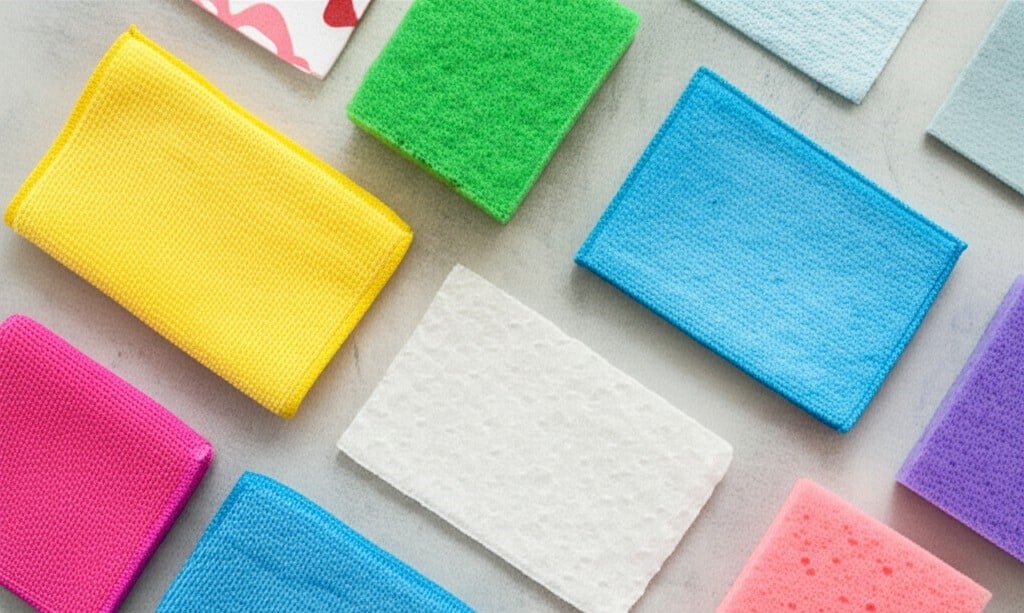
Far from being just another option in the cleaning arsenal, microfiber cloth offers a unique combination of effectiveness, versatility, and durability that elevates it to the status of indispensable for those seeking superior results with less effort and, often, fewer chemicals. We’ll explore its remarkable capabilities in five key steps of understanding and application. 1. The Science Behind the Sparkle To truly appreciate why microfiber cloths are such game-changers in the world of cleaning, we must first delve into the unique structure that gives them their power. The term “microfiber” itself refers to the incredibly fine synthetic fibers – typically a blend of polyester and polyamide (nylon) – that are woven together to create the fabric. These individual fibers are astonishingly thin, often many times finer than a single strand of human hair. What makes them even more effective is that during the manufacturing process, these fibers are frequently split or “fragmented.” This splitting process vastly increases the surface area of each fiber and creates millions of microscopic nooks, crannies, and tiny “claws” along each strand. It is this intricate, engineered architecture at a microscopic level that bestows microfiber cloths with their remarkable ability to attract, lift, and trap dirt, dust, and grime. Unlike traditional cotton cloths which might simply push particles around or require significant liquid to suspend dirt, the microfibers actively grab onto debris. Furthermore, the polyester component often carries a natural positive electrical charge, which acts like a magnet for negatively charged dust particles, pulling them from surfaces and holding them securely within the cloth’s weave until it is laundered. This fundamental understanding of their construction is key to recognizing why they perform so exceptionally well in various cleaning applications. 2. Mastering Dry Dusting One of the most immediate and visibly impressive applications of microfiber cloths is their proficiency in dry dusting. When used without any moisture, these cloths transform into highly efficient dust magnets. Imagine gliding a dry microfiber cloth across a dusty bookshelf, an antique wooden table, intricate window blinds, or the delicate surfaces of your electronic devices. You will observe how the dust seems to cling effortlessly to the fabric, leaving behind a surface that is not only visibly cleaner but also smoother to the touch, free from the fine particulate layer that can dull its appearance. The crucial difference compared to traditional feather dusters or less advanced cloths is that microfiber doesn’t merely displace dust, scattering it into the air only for it to settle elsewhere moments later. Instead, the fine, charged fibers actively capture and tenaciously hold onto these dust particles. This superior trapping ability not only enhances the aesthetic appeal of your home by keeping surfaces looking pristine for longer but also contributes significantly to a healthier indoor environment by reducing airborne allergens and irritants, a particularly valuable benefit for households with allergy sufferers or individuals sensitive to dust.     3.Unleashing Wet Cleaning Wonders When a microfiber cloth is dampened with plain water, its cleaning capabilities expand dramatically, turning it into a versatile workhorse for a multitude of cleaning tasks. The absorbent nature of microfiber is quite remarkable; these cloths can typically hold several times their own weight in liquid. This makes them exceptionally effective for quickly and efficiently soaking up spills, whether it’s a splash of juice on the kitchen counter or water around the bathroom sink. Beyond simple spill absorption, a damp microfiber cloth becomes a powerful tool for general surface cleaning. The combination of the microfibers’ scrubbing action and their ability to lift and trap grime means that they can tackle everyday messes like food splatters, sticky fingerprints, soap scum, and light layers of grease with surprising ease, often requiring nothing more than water. For more resistant or greasy build-up, a minimal amount of a mild, pH-neutral cleaning solution can be added to the water, but one of the most significant advantages of microfiber is its capacity to clean effectively and hygienically with little to no reliance on harsh chemical cleaners. This gentle yet powerful action makes damp microfiber cloths ideal for use on kitchen countertops, bathroom tiles and fixtures, appliance exteriors, and dining tables, consistently leaving behind a thoroughly clean and satisfyingly streak-free finish.   4. The Microfiber Advantage on Glass and Polished Surfaces The task of cleaning glass, mirrors, and other highly polished surfaces is an area where microfiber cloths truly demonstrate their superiority, delivering results that are often described as brilliantly clear. Anyone who has previously battled with the frustrating streaks, smudges, and lint residue left behind by conventional cleaning cloths or paper towels when attempting to clean windows, mirrors, or shiny chrome fixtures will find the performance of microfiber to be a revelation. When a microfiber cloth is lightly dampened – either with just a touch of water, or for exceptionally stubborn marks or a professional gleam, with a specialized glass cleaning spray or a diluted solution of water and white vinegar – it glides almost effortlessly across these smooth surfaces. It efficiently lifts away dirt, grime, fingerprints, and water spots. Crucially, due to the fineness of the fibers and the tight weave of the cloth, it dries very quickly and leaves behind virtually no lint or streaks, resulting in an impeccable, crystal-clear finish. This ability to clean without leaving any trace of itself behind is what makes microfiber the go-to choice for ensuring that reflective surfaces throughout the home are not just clean, but flawlessly transparent and sparkling.   5. The Long-Term Value of Microfiber Beyond their immediate cleaning prowess, the durability and inherent reusability of microfiber cloths are fundamental aspects that contribute significantly to their overall value and their standing as an environmentally conscious cleaning choice. Unlike disposable paper towels that contribute to waste after a single use, or traditional cotton cloths that can quickly fray, lose their shape, and diminish in cleaning effectiveness, high-quality microfiber cloths are engineered to withstand hundreds of washing cycles without degrading their unique cleaning properties. To ensure their longevity and maintain peak performance, a

Best 5 Tips You Need To Know About Microfiber Cloths Read More »

Washing Powder and Liquid detergent in a half splited image

Washing Powder vs Liquid Detergent: Which One Should You Use?

Get the facts before your next laundry day Laundry might seem simple, but choosing between washing powder and liquid detergent can actually make a big difference in how clean your clothes get. Whether you’re doing a quick midweek wash or a full family laundry day in your Toronto home, knowing which detergent works best will save time, money, and even your favourite clothes. So, let’s break it down. What’s the difference between washing powder and liquid detergent? And more importantly—which one should you actually be using? Washing Powder: A Classic Choice with Strong Cleaning Power Washing powder has been around for ages, and there’s a good reason it’s still a popular option. It’s affordable, has a long shelf life, and is super effective at removing dirt, mud, and other outdoor stains. If you’ve got kids who love the playground or pets that bring in messes, powder can tackle those tough stains easily. Powder detergent is especially effective in warm or hot water. It breaks down grime and helps lift stains from fabrics, making it perfect for white clothes, towels, and bed sheets. It often contains built-in oxygen-based bleach, which helps brighten whites and fight bacteria—ideal if you’re washing gym clothes or cloth diapers. But there are a couple of downsides. Washing powder doesn’t dissolve as well in cold water, which can leave chalky residue on clothes or inside your washer. This is especially true in Toronto’s winter months, when most people wash in cold water to save on energy bills. Still, if you regularly do hot washes or use a top-loading machine, powder detergent can definitely get the job done right. Liquid Detergent: Convenient, Cold-Water Friendly & Gentle On the flip side, liquid detergent is a go-to choice for many Toronto households, especially those using high-efficiency (HE) machines. It’s convenient, easy to measure, and dissolves fast—no matter the water temperature. One of the biggest pros of liquid detergent is that it’s perfect for cold water washes. That means it’s energy-efficient and less likely to leave residue behind on your clothes. It’s also great for dark fabrics because it won’t leave white streaks or build-up like powder sometimes can. Liquid detergent is also easy to use for spot-treating stains. Got a bit of grease on a shirt or ketchup on your jeans? Just pour a drop right on the stain before tossing it in the wash. Powder can’t really do that. The trade-off? It usually costs a bit more, and it’s easy to overuse if you don’t measure carefully. That can lead to detergent buildup inside your machine over time, which might cause smells or even affect how clean your laundry gets. Washing Powder vs Liquid Detergent: A Side-by-Side Comparison Here’s a quick comparison to help you see the differences more clearly: Feature Washing Powder Liquid Detergent Best for Whites, muddy clothes, warm/hot water Darks, delicates, cold water Stain removal Excellent for outdoor stains Great for greasy and oily stains Water temperature Works best in warm/hot water Works in all temps, especially cold Machine compatibility Traditional machines Great for HE washers Price More affordable Slightly more expensive Residue Possible in cold water Rare in cold water Eco impact Cardboard box (more recyclable) Plastic bottle (harder to recycle) Common Laundry Mistakes to Avoid Whether you stick with washing powder or prefer liquid detergent, your laundry results can still go sideways if you’re making some classic mistakes. One big one? Overloading your machine. Cramming too many clothes in stops detergent from circulating properly, which means dirt and residue stay trapped. Another common slip-up is using way too much detergent—especially liquid. More soap doesn’t mean cleaner clothes. It can actually leave buildup and make clothes feel stiff or itchy. Using the wrong water temperature for your fabric is another issue. Hot water works for powder, but can shrink delicates or fade darks. Cold water is perfect for liquid, but not all stains come out if the water’s too cold. Also, if you’re not sorting laundry by color and fabric type, your clothes will wear out faster, and you might see color bleeding or pilling. The good news? These mistakes are easy to fix. A few small tweaks—like measuring detergent properly, sorting laundry better, and not overstuffing the drum—can help you get better results, no matter what product you use. And if you ever want to skip laundry day altogether, remember that Toronto Shine Cleaning has pros ready to do it for you. Choosing Based on Your Lifestyle Now, let’s talk real life. If you’re doing laundry for a busy family in a Toronto suburb, dealing with sports uniforms, muddy clothes, and big weekly loads, washing powder might make more sense. It offers strong cleaning at a lower cost, and it can handle the heavy-duty messes. If you’re a single person or a couple in a downtown condo using an HE front-loader, and you mostly wear dark clothes or wash in cold water, liquid detergent could be the smarter pick. It’s easier to store in small laundry closets and better for delicate cycles. Live in an older building with hard water? Washing powder often works better in these cases. Hard water can reduce the effectiveness of some liquid detergents, but powder formulas usually include water softeners to help combat that.

Washing Powder vs Liquid Detergent: Which One Should You Use? Read More »