









February is the month of the bedroom. While the summer months pull us outdoors to patios and parks, the deep freeze of mid-winter drives us inward, turning the bed into the primary location for leisure, warmth, and recovery. We spend more hours in bed during February than at any other time of the year, retreating under heavy duvets and layers of wool to escape the biting wind. However, this increased usage coincides with the time of year when our homes are most tightly sealed against the elements. The windows are locked, the fresh air is shut out, and the furnace creates a closed loop of recirculated dry air. Consequently, the bed transforms from a sanctuary into a biological reservoir. It captures the sweat, dead skin, and dust mites that accumulate in this stagnant environment. Cleaning the mattress and bedding in February is not merely a chore; it is a critical intervention for respiratory health and sleep hygiene during the peak of the hibernation season.
Do We Sweat Less in Winter?
To understand the necessity of this deep clean, one must acknowledge the microscopic reality of the winter bed. There is a misconception that we sweat less in winter. While the ambient temperature is lower, we compensate by piling on thermal insulation. Under a heavy down comforter and flannel sheets, the micro-climate against the skin remains tropical. The human body expels moisture every night, and in the winter, this moisture gets trapped between the heavy layers of bedding and the mattress. This humidity, combined with the warmth of the body, creates the perfect breeding ground for dust mites. These microscopic arachnids feed on dead skin cells, which we shed by the thousands every night. In a sealed winter bedroom, the concentration of dust mite waste—a potent allergen—can skyrocket, contributing to morning congestion, itchy eyes, and poor sleep quality.

The cleaning process must begin with the mattress itself, the foundation of the sleep system. Unlike sheets, it cannot be tossed in the washing machine. In February, you cannot drag it outside to air out in the sun as you might in July. Therefore, the cleaning must be dry and mechanical. The first step is to strip the bed completely, removing not just the sheets but the mattress protector and any foam toppers. Once the surface is bare, vacuuming is the primary method of extraction. Using the upholstery attachment of a high-powered vacuum, you must go over the entire surface of the mattress. The goal is to draw out the dust mites and skin flakes from the deep crevices of the quilting and the seams. Slow, deliberate strokes are required; rushing the vacuum over the surface fails to generate enough suction to pull debris from the inner layers of the foam or springs.
Sodium Bicarbonate
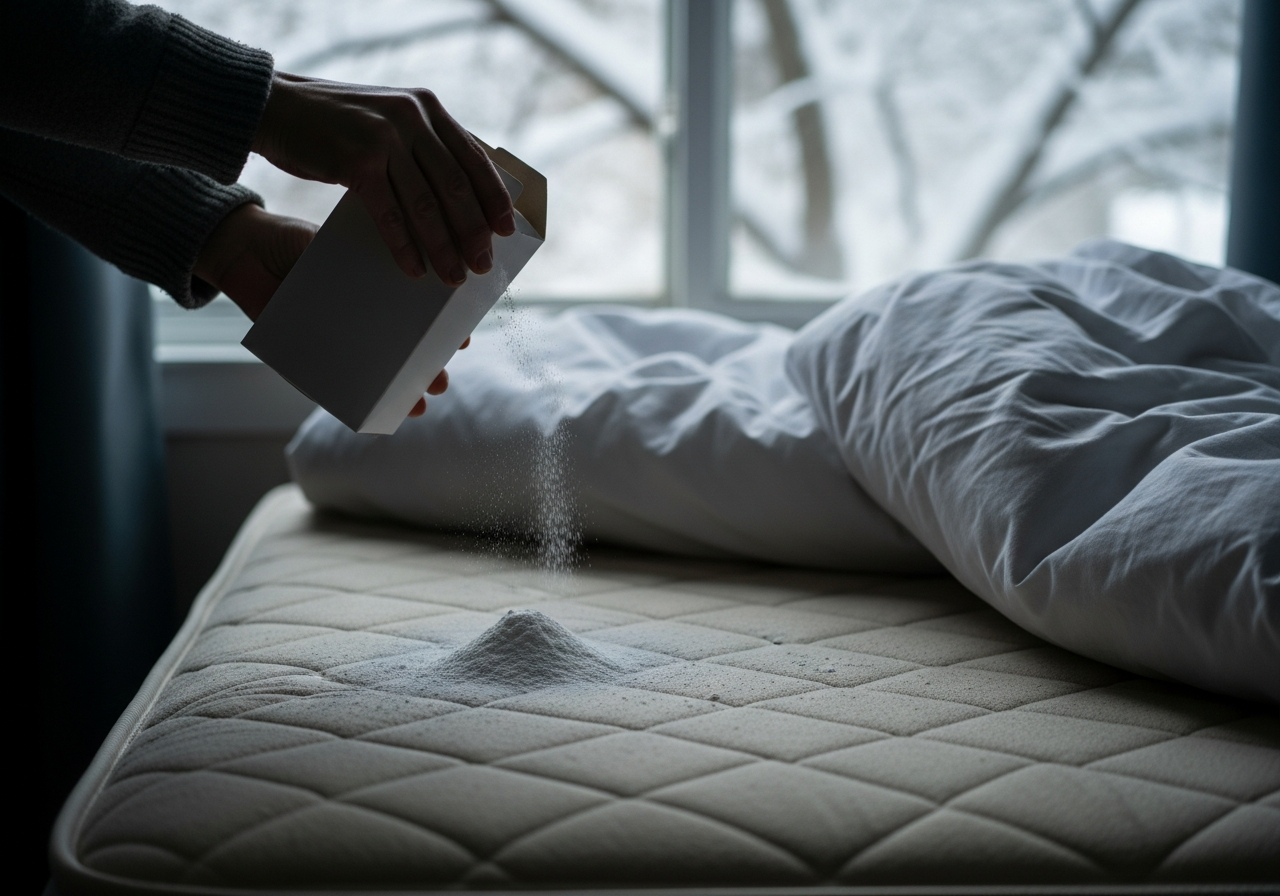
After vacuuming, odor neutralization is the next priority. Sweat and body oils oxidize over time, leaving a stale, musty scent that permeates the room. Since we cannot use liquid cleaners that would saturate the mattress and lead to mold, baking soda is the chemical agent of choice. Sifting a generous layer of baking soda over the entire mattress creates a dry chemical reaction. The sodium bicarbonate binds to the acidic odor molecules and moisture, effectively pulling them out of the fabric. For a winter refresh, adding a few drops of eucalyptus or lavender essential oil to the baking soda can introduce a scent that is both calming and antimicrobial. This powder should sit for at least several hours—ideally all day—before being vacuumed up. This process leaves the mattress smelling neutral and fresh without the risk of water damage.
The pillows are often the most neglected component of the bed, yet they are the items in closest contact with our respiratory system. A pillow acts as a sponge for saliva, sweat, and hair oils. By February, a pillow that hasn’t been washed since autumn is heavy with biological load. Most synthetic and down pillows are machine washable, but they require specific care to prevent ruining the fill. They should be washed in pairs to balance the washing machine drum, ensuring the spin cycle remains stable. Hot water is essential here to kill bacteria and dust mites. The critical phase for pillows is drying. If a pillow retains even a hint of moisture in its center, mold will develop from the inside out. They must be dried on low heat for several cycles. The use of wool dryer balls or clean tennis balls is mandatory to pound the pillows as they tumble. This agitation breaks up the wet clumps of feathers or polyester, restoring the loft and ensuring the hot air reaches the core.
Duvet
The heavy winter duvet or comforter presents a logistical challenge due to its size. This item is the shield against the cold, and it absorbs the moisture rising from the sleeper. Ideally, a duvet cover protects the insert, but the insert itself needs a mid-winter refresh. If the duvet is too large for your home machine, a trip to a laundromat with industrial-sized washers is necessary. Cramming a king-sized duvet into a standard washer prevents water and detergent from circulating effectively, resulting in a partially cleaned item that retains soap residue. Soap residue is sticky and will attract dirt faster once returned to the bed. Like pillows, the drying process for a down duvet is a test of patience. It can take hours of tumbling with dryer balls to fully fluff the down clusters. A damp duvet will smell like a wet dog and will lose its insulating properties, so ensuring it is bone dry is the most important part of the process.
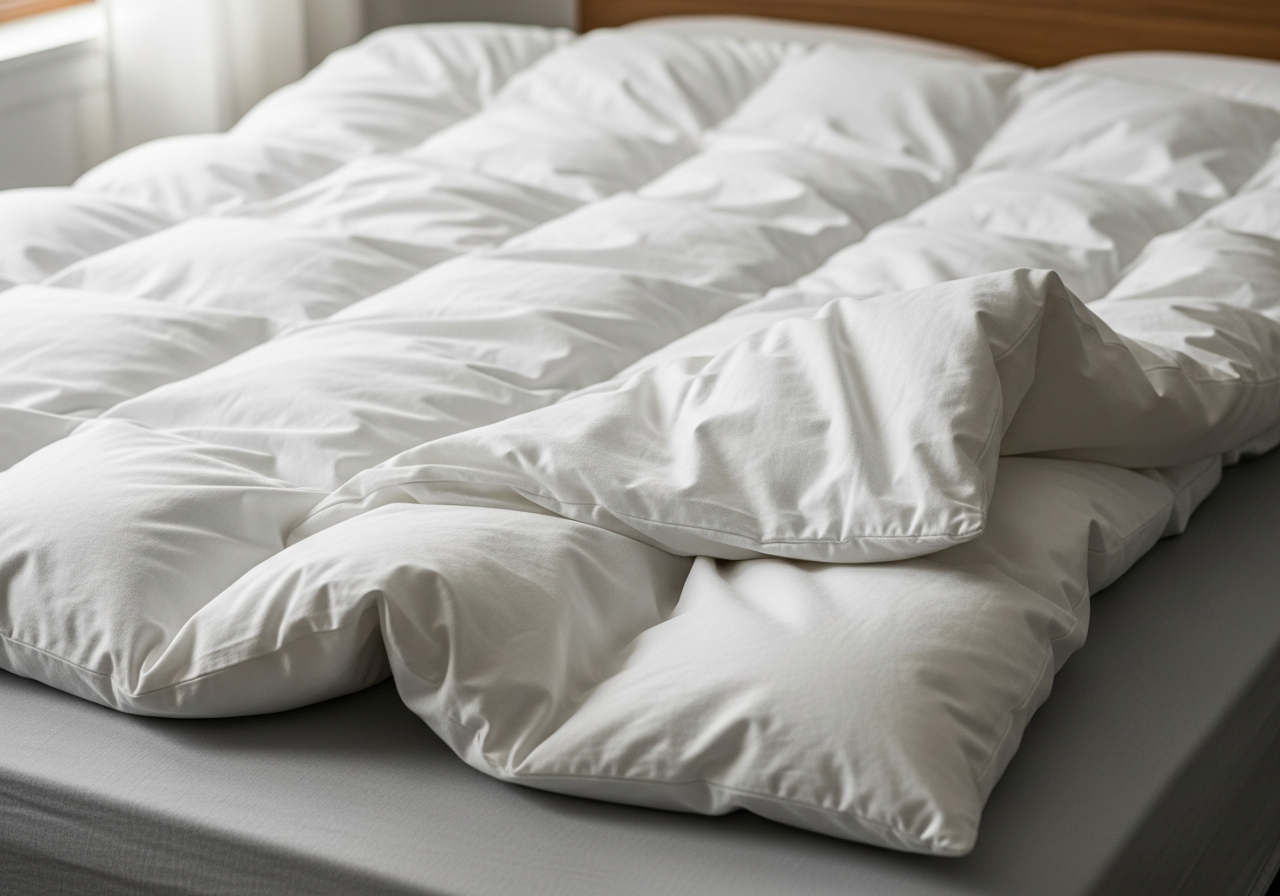
The sheets and mattress protector are the first line of defense. In winter, flannel or heavy cotton sheets are popular, but their textured surface holds onto lint and pet hair more stubbornly than smooth percale. Washing these weekly in hot water is standard, but in February, adding a cup of white vinegar to the rinse cycle can help strip away the buildup of body oils and detergent residue that makes fabrics feel heavy and stiff. The mattress protector, often a waterproof layer, is crucial for preventing sweat from reaching the mattress foam. This barrier needs to be washed monthly. Over time, the salts in sweat can degrade the waterproof backing, so inspecting it for cracks or peeling during the wash is vital to ensuring your mattress remains protected.
Environment
Beyond the textiles, the environment around the bed dictates the cleanliness of the sleep experience. In winter, the air in the bedroom is filled with particulate matter from the heating system. This dust settles heavily under the bed and on the headboard. A clean mattress in a dusty room is a contradiction. The area under the bed is a “dust bunny farm.” Vacuuming this space is essential to stop the convection currents from lifting that dust into the air you breathe while sleeping. The baseboards near the head of the bed also collect a surprising amount of debris. Wiping these down with a damp cloth removes the allergens that sit inches from your face.
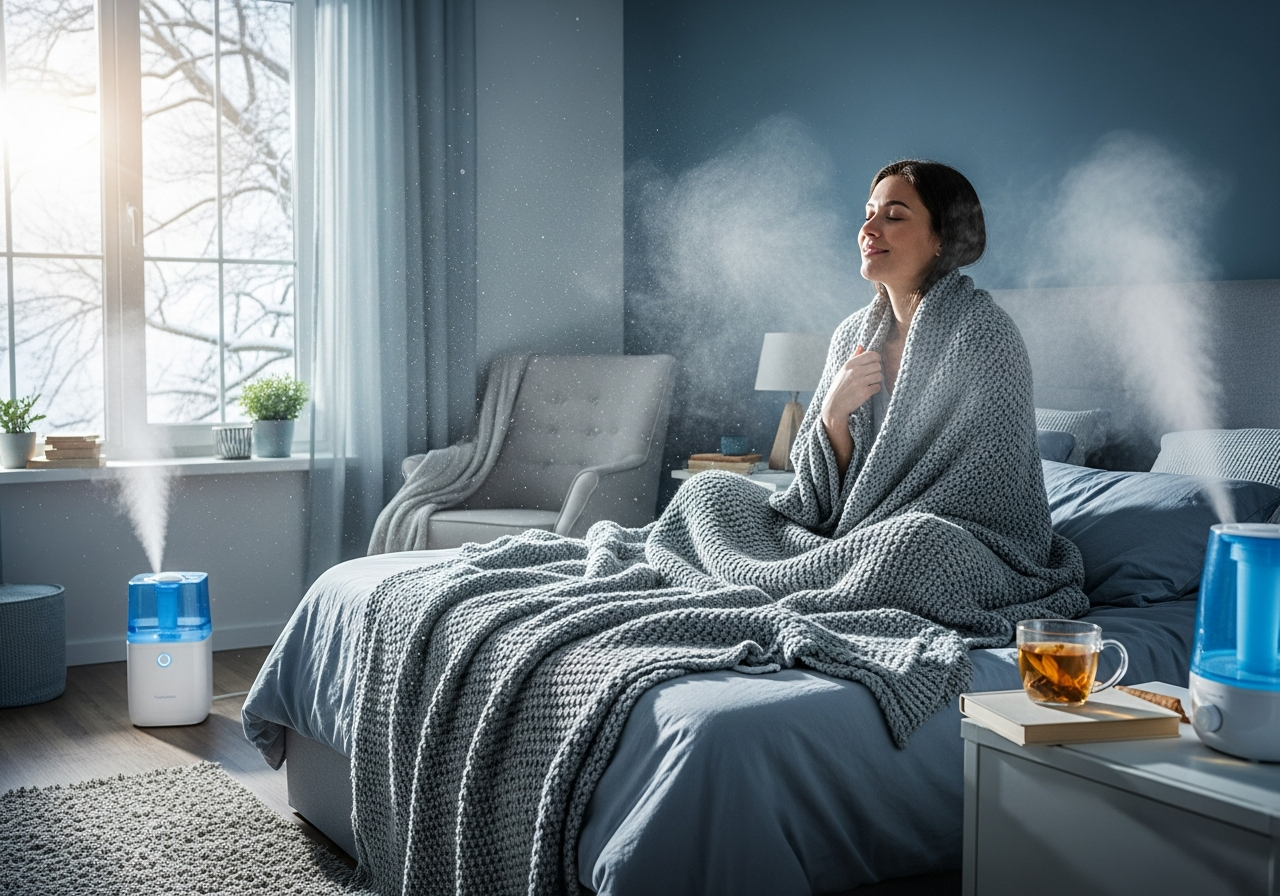
Furthermore, the humidity level in the room plays a role in hygiene. February air is dry, which increases static electricity. Static attracts dust to surfaces. Running a humidifier can help your skin and breathing, but if the humidity climbs too high, it encourages mold growth on cold window sills and dampens the bedding. Maintaining a balanced humidity level and cleaning the humidifier itself to prevent bacterial growth is part of the ecosystem of a clean bedroom.
Final Analysis
Completing this deep clean provides a tangible psychological benefit. There is a specific sensory pleasure in sliding into a bed that has been essentially reset. The mattress feels firmer and cleaner, the pillows are lofty and supportive, and the air smells crisp rather than stale. It transforms the act of going to bed from a routine into a restorative experience. In the dark, cold days of February, ensuring that your sleep environment is pristine is one of the most effective ways to support your immune system and your mental health.
However, executing a comprehensive deep clean of the bedroom involves significant physical labor. Maneuvering heavy mattresses, transporting bulky duvets to laundromats, and vacuuming the hard-to-reach corners under the bed frame can be exhausting. It is a project that consumes an entire weekend. When the winter lethargy makes this level of effort feel impossible, or when you simply want the result without the back-breaking work, professional assistance is the answer.

Toronto Shine Cleaning offers the expertise and the manpower to transform your sleeping quarters. We understand that a bedroom is a sanctuary that requires detailed, hygienic care. Our professional team goes beyond the surface, tackling the deep dust that accumulates in the winter months. We can handle the vacuuming of the mattress, the deep cleaning of the carpets surrounding the bed, and the sanitization of the baseboards and surfaces that contribute to indoor air quality. Whether you need a one-time deep clean to refresh your home for the second half of winter or regular maintenance to keep your sanctuary spotless, Toronto Shine Cleaning provides the high standard of care your home deserves. By letting us handle the heavy lifting, you can enjoy the comfort of your winter hibernation in a space that is truly clean, healthy, and inviting.