




Toronto Shine Cleaning

Toronto Shine Cleaning Featured on Forbes Vetted
TorontoShineCleaning.ca featured on Real Homes
TorontoShineCleaning.ca featured on Business Insider
TorontoShineCleaning.ca featured on Homes and Gardens (h&g)
TorontoShineCleaning.ca featured on Yahoo
TorontoShineCleaning.ca featured on Apartment Therapy
TorontoShineCleaning.ca featured on The Kitchn
TorontoShineCleaning.ca featured on TomsGuide
TorontoShineCleaning.ca featured on StyleDemocracy
TorontoShineCleaning.ca featured on FamilyHandyman
TorontoShineCleaning.ca featured on TheSpruce
TorontoShineCleaning.ca featured on Curiocity
Edit Template

LinaDaSilva

Writer & Blogger

Washing Machine Cleaning Tablets: Are You Wasting Money on Washer Tablets?

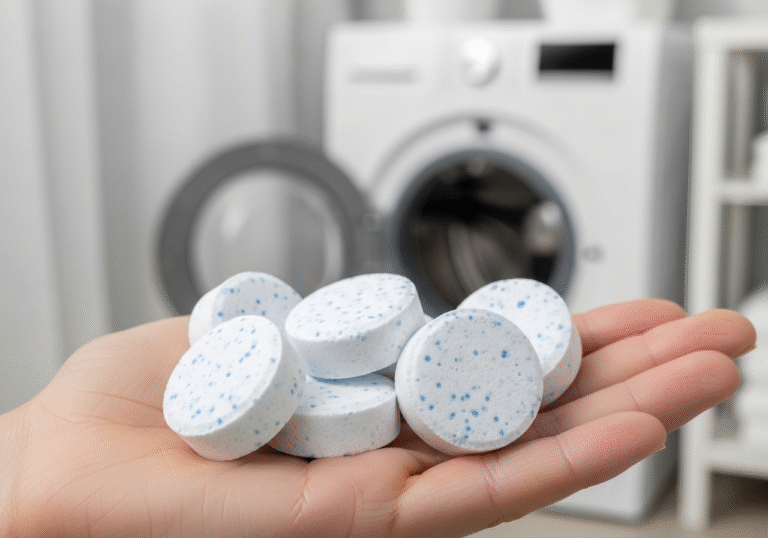
Let’s understand how to use washing machine cleaning tablets? The modern laundry room is often viewed as a sanctuary of hygiene, a place where the grime of the outside world is washed away, leaving behind only the scent of fresh linen. Central to this operation is the washing machine, an appliance that we instinctively trust to be the cleanest object in the house. We assume that because gallons of hot water and detergent flow through it daily, it must be self-cleaning. However, this assumption is the primary cause of a domestic crisis that affects millions of households: the slow, invisible accumulation of biological sludge that destroys appliances and ruins clothing. In response to the rise of high-efficiency machines and the foul odors that accompany them, the market has introduced a specific chemical solution: washing machine tablets. These small, effervescent pucks have become a staple in the cleaning aisle, promising to strip away years of neglect with a single cycle. Yet, to truly understand their value and their limitations, one must look past the marketing and understand the chemistry and mechanics of why our machines get dirty in the first place.

Washing Machine Cleaning Tablets

Sustainability or Disaster?

To understand the necessity of washing machine tablets, one must first look at the engineering shift that created the problem. Decades ago, traditional top-loading washers used massive volumes of water. They filled the tub to the brim, allowing clothes to float freely, and the aggressive mechanical agitation flushed soil and residue down the drain effectively. Today, in the name of environmental preservation and energy efficiency, we use front-loading or high-efficiency top-loading machines. These devices use a fraction of the water, relying on the tumbling action of the drum to clean clothes through friction and gravity. While this is a victory for sustainability, it is a disaster for internal hygiene. The dirt, dead skin cells, body oils, and excess detergent that are stripped from your clothing are not always flushed away. Instead, due to the low water volume, they are often cast onto the walls of the outer tub—a stationary drum that surrounds the spinning basket you see. In this dark, warm, and damp crevice, a layer of biofilm begins to grow. This biofilm is a sticky, living matrix of bacteria and mold that feeds on the residual laundry products we leave behind.

Washing machine tablets are engineered specifically to target this hidden environment. Unlike laundry detergent, which is chemically formulated to lift soil from fabrics and suspend it in water using surfactants, cleaning tablets are designed to be aggressive against hard surfaces. They are typically composed of concentrated oxidative agents, such as sodium percarbonate, which breaks down into hydrogen peroxide and soda ash when dissolved in water. When a tablet is dropped into the drum and the cycle begins, it effervesces violently. This fizzing action is not merely theatrical; it serves a crucial mechanical purpose. It helps to disperse the active chemical ingredients throughout the entire volume of the drum, splashing the cleaning solution up to the “roof” of the tub and into the crevices of the spider arm—the metal bracket that holds the drum in place and is notorious for corroding and snapping due to chemical buildup.

Sustainability or Disaster

Alkaline Cleaning Products

The chemistry of washing machine tablets is typically alkaline, which is essential for their function. Most of the grime inside a washer is acidic in nature—fatty acids from soap scum, body lipids, and grease. By introducing a highly alkaline solution, the tablets can saponify these fats, turning them into a soluble soap that can be rinsed away. Many advanced formulations also include specific enzymes. These enzymes act as biological catalysts that digest the organic matter within the biofilm, effectively eating away the food source that allows mold to thrive in the damp recesses of the pump and drain lines. By breaking down the structural integrity of the sludge, the tablet allows the water to flush it out of the system.

However, a dangerous misconception exists regarding what these tablets can actually achieve. Many homeowners treat them as a repair tool rather than a maintenance tool. If a washing machine has been neglected for five years and has developed a thick, black ring of mold on the rubber door gasket, a washing machine tablet will not remove it. Mold has root structures that penetrate the porous rubber of the seal. No amount of splashing chemical water will scrub that physical infestation away. The tablet is designed to maintain the hard, non-porous surfaces—the stainless steel of the drum and the heavy plastic of the outer tub. Relying solely on a tablet while ignoring the physical gaskets is why many frustrated users claim the product “doesn’t work.” It works perfectly for its intended chemical purpose, but it cannot perform miracles on permanent organic staining that requires manual agitation and a mildewcide.

Alkaline Cleaning Products

Water Temperature

The effectiveness of washing machine tablets is also entirely dependent on how they are used, particularly regarding water temperature. This is where user error runs rampant. Almost all cleaning tablets rely on chemical reactions that require heat energy to activate. The oxygen release from the bleaching agents is significantly more vigorous and effective in scalding hot water. If a user throws a tablet in and runs a “Quick Wash” or a cold cycle, they are essentially wasting their money. The tablet may not even fully dissolve, leaving a gritty, chalky residue at the bottom of the drum that adds to the mess rather than resolving it. To get the full benefit, the machine must be set to its hottest possible setting—often labeled “Sanitize” or “Extra Hot.” This heat ensures that the tablet dissolves completely and that the chemical solution is energetic enough to penetrate the layers of calcified grime.

A major contributor to the sludge that tablets are fighting is the overuse of fabric softener. Fabric softener is, essentially, liquid fat. It is designed to coat the fibers of your clothing with a thin layer of lipids to make them feel slick and reduce static. Unfortunately, it does the exact same thing to the inside of your washing machine. It coats the drum, the hoses, and the sensors with a sticky, water-resistant layer of animal fat or petroleum-based oil. This sticky layer acts as a glue, trapping lint, pet hair, and dirt that would otherwise pass down the drain. When you use washing machine tablets, the chemical agents have to fight through this layer of congealed softener before they can even touch the surface of the machine to clean it. If you use liquid softener in every load, you are trapping the machine in a cycle of filth. The tablet strips away a month’s worth of residue, but the next load re-coats the machine immediately. The most effective way to boost the power of a cleaning tablet is to stop using fabric softener entirely, replacing it with white vinegar or wool dryer balls.

Hot Water and Cold Water

Drain Pump Filter

There is also a significant mechanical risk associated with using these tablets in heavily soiled machines that is rarely discussed: the drain pump filter. As the washing machine tablet does its work, it loosens chunks of sludge, lime scale, and undissolved detergent from the hidden parts of the machine. This debris has to go somewhere. It flows down the drain hose and passes through the filter before exiting the appliance. If the machine has not been cleaned in years, the sudden release of all this solid debris can overwhelm the filter. This leads to drainage errors, where the machine stops mid-cycle full of water, or potential flooding. Using a tablet in a dirty machine without subsequently checking and cleaning the filter is a recipe for disaster. The filter, usually located behind a small door at the bottom front of the machine, acts as the kidney of the appliance. A proper cleaning routine involves running the tablet cycle, and then immediately opening the filter to remove the sludge that was dislodged.

The debate often arises between using commercial washing machine tablets versus household staples like chlorine bleach or vinegar. While vinegar is an excellent descaler for removing hard water minerals, it is an acid. Prolonged exposure to acid can corrode the aluminum components of the spider arm and degrade the rubber hoses and seals, leading to catastrophic leaks over time. Bleach is a powerful disinfectant that kills mold spores on contact, but it does not penetrate porous surfaces effectively and creates harsh, toxic fumes that can linger in the laundry room. Commercial washing machine tablets are generally formulated to be safe for the specific alloys and polymers used in modern appliances. They are buffered to prevent corrosion while still providing the high alkalinity needed to cut through grease. While a vinegar cycle is better than doing nothing, the specific enzymatic and oxidative action of a tablet offers a more targeted approach to the specific biological waste found in laundry.

Top-loading machines are not immune to these issues, though the mechanics of the dirt accumulation are different. In a top-loader, the grime tends to accumulate under the agitator or impeller plate and along the high-water mark of the tub, creating a “scum line.” Washing machine tablets are equally effective here, but the method of use requires a slight adjustment to maximize their potential. Because top-loaders can typically be paused while full of water, it is often beneficial to let the machine fill with hot water and the dissolved tablet, and then pause the cycle to let it soak for an hour or more. This dwell time allows the chemical solution to penetrate the heavy scale buildup that often occurs in older top-loading models. The agitation cycle then scrubs the loosened debris away. Without this soak, the cycle might drain too quickly for the chemistry to truly work on years of buildup.

Drain Pump Filter

Hard Water

Another critical aspect of the tablet’s function is its interaction with hard water. In geographic areas with high mineral content in the water supply, lime scale builds up on the heating element and the drum sensors. This scale acts as a rough surface that grabs onto lint and dirt, accelerating the buildup of filth. Many high-quality washing machine tablets contain sequestering agents—chemicals that bind to these minerals and strip them away from the metal. Keeping the heating element free of scale is crucial for energy efficiency; a scaled element has to work harder to heat the water, which can lead to electronic failure or burnout. By using a tablet regularly, you are not just cleaning the machine for hygiene; you are descaling it for mechanical efficiency. This dual action is why tablets are often preferred over simple bleach, which does not address mineral buildup effectively.

The sensory experience of using these tablets also plays a role in their perceived effectiveness, often acting as a mask. Many brands add strong perfumes to the tablet formulation. After the cleaning cycle, the machine smells like lavender, citrus, or “ocean breeze.” While this is pleasant, it can mask the fact that the underlying mold issue has not been resolved. A truly clean machine should smell like nothing—just neutral, clean metal and plastic. If the perfume fades after two days and the musty, damp smell returns, it is an indication that the tablet only treated the surface symptoms. This is often the signal that manual intervention is required. It suggests that the biofilm is hiding in areas the water did not reach vigorously enough, such as the siphon jets in the detergent drawer or the corrugated ridges of the drain hose.

Hard Water on the washing machine

Moderation

We must also consider the environmental impact of these tablets. They are chemicals, after all, and they are flushed into the water system. While many are certified as septic-safe and biodegradable, they represent an additional chemical load on our water treatment facilities. This reinforces the argument for prevention over cure. If you use less detergent, skip the fabric softener, and maintain good ventilation, you will need to use harsh washing machine tablets less frequently. It is a balance between hygiene and chemical stewardship. The tablet should be the heavy artillery used sparingly—perhaps once a month—to maintain a baseline of cleanliness, not a daily crutch to cover up poor laundry practices.

The most effective maintenance habit, which costs nothing and requires no tablets, is ventilation. A washing machine is a humid ecosystem. No amount of chemistry can compensate for the habit of closing the door immediately after a cycle. The single most effective action a homeowner can take is to leave the door and the detergent dispenser drawer slightly ajar after every single wash. This allows the internal moisture to evaporate, starving the mold and bacteria of the water they need to survive. If you close the door on a wet machine, you are creating a greenhouse for mold. The cleaning tablet is the reset button that clears the slate, but air circulation is the daily maintenance that keeps the slate clean. If you continue to seal the machine shut, you will find yourself buying tablets in bulk and seeing diminishing returns.

Cleaning Tablets

Final Analysis

Ultimately, the washing machine tablet is a testament to the complexity of modern domestic life. We have engineered machines that are so efficient they can no longer clean themselves, creating a secondary market for a product to clean the cleaner. Despite the irony, they are a necessary tool in the arsenal of home maintenance. They reach the unreachable corners of the outer tub, they dissolve the lipids that cement dirt to the drum, and they clear the sensors that dictate the machine’s performance. When used with hot water, in conjunction with manual scrubbing of the seals and filter, and as part of a routine that limits residue-heavy additives, washing machine tablets can extend the life of a washing machine by years. They restore the appliance to a state where it can do its job: making your clothes smell like fresh fabric, rather than like the inside of a damp basement.

woman using washing machine cleaning tablets every day

Managing the unseen grime of household appliances is a task that requires consistency, knowledge, and an understanding of how these machines operate. It is easy to overlook the needs of a washer until the laundry comes out smelling worse than when it went in. When the list of maintenance tasks grows too long, or when the deep cleaning of a home feels like a second job, professional support can bridge the gap between a lived-in home and a pristine one. Toronto Shine Cleaning offers a level of service that dives deep into the details of home hygiene. 

Get a Quote Now!

Toronto Shine Cleaning is your go-to cleaning service in Ontario, offering top-notch cleans with a side of convenience. We’re all about making your home sparkle, and when we’re not doing that, we’re sharing easy, practical tips to help you keep things tidy. Simple, effective, and hassle-free – that’s cleaning, the Toronto Shine Cleaning way.

Reach Out to Us

Edit Template