









Persian Carpet Care: Professional Wash or Just a Vacuum?
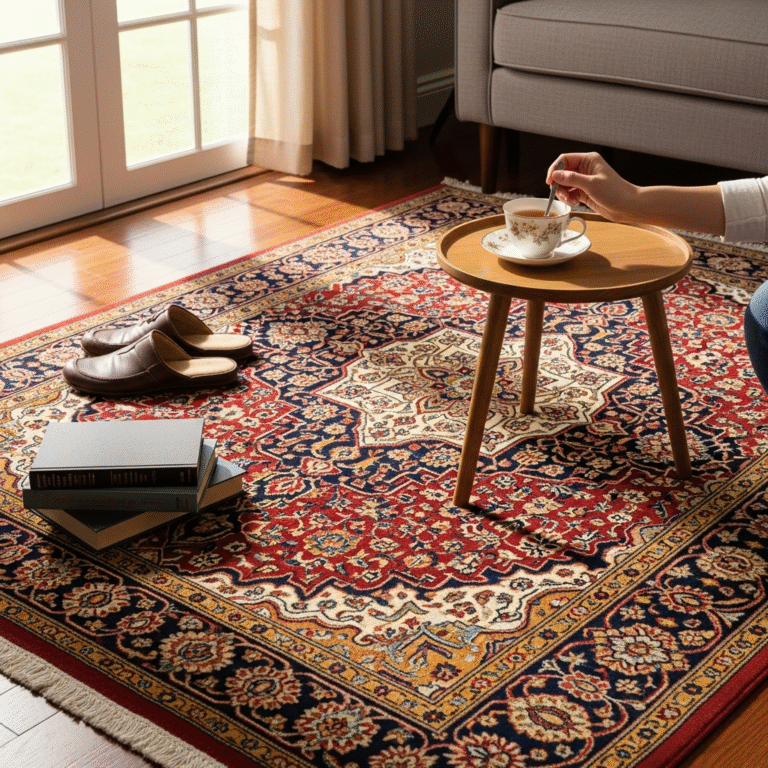
A Persian carpet is far more than a floor covering. It is a piece of art, a family heirloom, and a historical document woven from wool, silk, and cotton with complex natural pigments. Because it is an organic textile, its care follows a different philosophy from synthetic wall-to-wall carpeting. Treating a hand-knotted Persian rug with the same chemicals and mechanical aggression used on a polyester rug is the fastest way to destroy its value.
The Anatomy of a Hand-Knotted Rug: Why Grit Is Destructive
A Persian rug is held together by millions of hand-tied knots, and that density creates a unique soiling problem. Fine dust and grit migrate down through the pile and settle deep in the foundation, where they act like tiny shards of glass. Every footstep grinds those particles against the wool, slicing fibers at the base like a guillotine. Standard vacuuming cannot remove this deep sediment, and the beater bar on most upright machines is a primary cause of damage: it pulls at the knots, shreds the pile, and can tear the fringes. The correct approach is suction only, plus the occasional vacuum of the back of the rug so gravity helps vibrate grit out of the foundation.
Alkaline Cleaners and the Chemistry of Wool
Wool is a protein fiber protected by a layer of scales and natural oils called lanolin, which give the rug its sheen and stain resistance. Most commercial carpet cleaners are highly alkaline, formulated for synthetic grease, and they strip the lanolin, leaving wool brittle, dry, and dull. High alkalinity can even cause a chemical burn that turns the wool yellow or brown permanently. Persian rugs need a pH-neutral or slightly acidic solution that respects the protein structure, which is why traditional methods favor vinegar or plant-based shampoos.
Dyes, Heat, and the Risks of DIY Spot Cleaning
Many older and tribal rugs use vegetable dyes that are not chemically locked into the fiber. These dyes bleed when wet, and a common tragedy happens when a homeowner spot-cleans a spill with hot water and a generic cleaner. The heat opens the fiber cuticles, the dye migrates, and deep reds bleed into creamy white areas, creating a muddy, irreversible stain. Hot water is almost always a mistake: heat and agitation cause felting, so the fibers shrink and the rug distorts, buckles, and no longer lies flat.
Stain response is where most rugs are lost. Panic leads to frantic scrubbing, but wet wool fibers are swollen and vulnerable. Scrubbing distorts the pile, untwists the fibers, and creates a texture difference called blooming that remains even after the stain is gone. The only correct immediate action is blotting: pressing straight down with a clean white cotton towel to absorb liquid without lateral movement.
Pet Urine, the Fringe, and Water Damage
Pet urine is a severe threat that goes beyond staining. It starts as an acid but becomes highly alkaline as it decomposes, which destabilizes dyes and, more insidiously, rots the cotton foundation in a condition known as dry rot. The salts left behind pull moisture from the air, keep the foundation damp, and feed bacteria until the threads crack or tear when the rug is moved. Standard enzymatic cleaners often leave sticky residues that attract more dirt, so pet urine usually requires a full immersion wash by a professional to flush the salts out completely.
The fringe is the end of the warp threads that form the rug’s skeleton, and if it unravels the knots slide off. Never bleach it, because bleach degrades cotton and makes the threads brittle. Clean it gently with the same mild solution as the rest of the rug, and never let a beater bar touch it.
Water damage is usually the result of improper drying after a DIY wash. A dense Persian rug traps moisture in its center, and mold and mildew can develop in as little as 24 hours, leaving a permanent odor and fungal growth that eats the cellulosic fibers. Professional facilities use centrifuges and temperature-controlled drying rooms to get the rug bone dry; washing it on a driveway leaves it wet for days, inviting rot.
Steam Cleaning vs True Rug Washing
| Treatment | What it does | Safe for Persian rugs? |
|---|---|---|
| Suction-only vacuuming | Lifts surface dust without agitation | Yes, as routine maintenance |
| Spot blotting | Absorbs fresh spills straight down | Yes, with a clean white towel |
| Hot water extraction | Injects hot detergent into the pile | No, heat and alkalinity damage wool |
| Immersion rug wash | Dusting, dye test, cool water, controlled drying | Yes, at a dedicated facility |
Most in-home carpet cleaners use hot water extraction, which is catastrophic for Persian rugs: the heat and high alkalinity are wrong for wool, and cleaning on the floor means the back is never rinsed properly. A true wash happens at a dedicated facility where the rug is dusted, tested for dye stability, submerged in cool flowing water, and dried under controlled conditions. The CDC notes that mold grows on carpet and fabric wherever moisture lingers, and Health Canada’s mould guidance is the same message: damp textiles need rapid, thorough drying. For routine upkeep, follow the CDC’s soft surface cleaning guidance for carpet and rugs.
- Deep grit that suction cannot lift from the knot foundation.
- Any dye bleed, color migration, or bloomed pile after a spill.
- Pet urine accidents, which leave salts and may cause dry rot.
- Fringe damage, musty odor, or a rug that stayed wet more than a day.
When these signs appear, a professional wash is the safe answer. Toronto Shine Cleaning applies the same rigorous, knowledgeable approach to your whole home, with a $1,000,000 insurance policy and $10,000 breakage and surety bond behind every visit. Call (647) 424-0355, see our cleaning prices, or book a deep home cleaning for the rest of your residence. A regular maid service keeps everyday dust from settling into fine textiles, and we serve locations across the GTA.
Frequently Asked Questions
Can I steam clean a Persian rug? No. Hot water extraction uses heat and alkaline detergents that strip lanolin from wool, can cause dye bleed, and may felt and distort the rug. Persian rugs need a true immersion wash at a dedicated facility with dye stability testing and controlled drying.
Why is a beater bar bad for Persian rugs? The rotating brush of a beater bar pulls at hand-tied knots, shreds the delicate pile, and can tear the fringes. Use a vacuum with suction only, and vacuum the back of the rug occasionally so gravity helps release grit from the foundation.
What should I do immediately after a spill on a Persian rug? Blot, never rub. Press straight down with a clean white cotton towel to absorb the liquid without lateral movement, which would spread the stain and distort the wet wool pile. Then call a professional rug cleaner for anything beyond a surface spill.
Can pet urine ruin a Persian rug permanently? It can. Decomposing urine becomes alkaline, destabilizes dyes, and rots the cotton foundation, a condition called dry rot, while the salts keep the foundation damp and feed bacteria. A full immersion wash by a professional is usually required to flush the salts out.